
In 1766 Matthew Boulton moved into a house beside his factory at Soho, in what was then the Staffordshire parish of Handsworth. Nearby, hundreds of people made buttons, buckles, silver and plated ware. Within ten years a Scottish instrument-maker called James Watt was working there too, on a steam engine that used far less coal than the old ones.
This section tells their story, and the story of the people around them.
Who they were
Boulton was a Birmingham “toy” maker who wanted to make everything under one roof. Watt improved the steam engine with his separate condenser. William Murdoch, a millwright’s son from Ayrshire, kept their engines running in Cornwall, is credited with the sun-and-planet gear, and lit Soho Foundry with gas. James Keir turned chemistry into glass, alkali and soap.
Then there was the wider circle. Joseph Priestley, a Dissenting minister, carried on his experiments with gases in Sparkbrook until a mob burned his house in 1791. William Withering, a physician, tested the foxglove on 163 patients and published the results. Samuel Galton, a Quaker gunmaker, lived at Great Barr Hall, just north of Kingstanding, where the Lunar Society sometimes met. John Baskerville, a japanner, spent his fortune on printing beautiful books.
What came next
The Lunar men were not the whole story, and they were not the end of it. Before Watt arrived, John Roebuck and Samuel Garbett were making sulphuric acid in lead chambers in Steelhouse Lane, and in 1765 Sampson Lloyd and John Taylor opened a bank in Dale End. Henry Clay turned japanning into papier-mâché. Edward Thomason left Soho to strike his own medals and coins, and Ralph Heaton bought the Soho Mint’s presses and built the Birmingham Mint in Icknield Street.
The Victorian town carried it on. John Mitchell, Joseph Gillott and Josiah Mason made Birmingham the centre of the world’s steel-pen trade, and Mason’s fortune founded the college that became the University of Birmingham. George Frederick Muntz sheathed ships in a cheaper alloy. At Smethwick the Chance brothers made the glass for the Crystal Palace and lighthouse lenses for coasts around the world. Alfred Bird made custard without eggs, John Cadbury sold cocoa in Bull Street, and George Kynoch built a huge ammunition works at Witton, just south of Kingstanding. Then came screws, weighing machines, cars and car electrics.
Behind the famous names were thousands of skilled hands. One of them, John Handy, cut the punches for Baskerville’s type. Almost nobody remembers him.
How we tell it
We have tried to tell this story straight. Watt did not invent the steam engine, and Priestley discovered oxygen before he came to Birmingham, not after. Some of the men here grew rich from trades tied to slavery, and some campaigned against it. A few did both, and we say so.
Most of the places are close to home. Soho House is a museum in Handsworth. Boulton, Watt and Murdoch are buried at St Mary’s, Handsworth. The Lunar Society Moonstones stand at Queslett, on the edge of Kingstanding.
Every page lists its sources, from the Archives of Soho at the Library of Birmingham to Historic England’s listings. Where the experts disagree about a date or a detail, we tell you which version we have used, and why.
See them on the map →The Lunar SocietyThe timeline
The pioneers
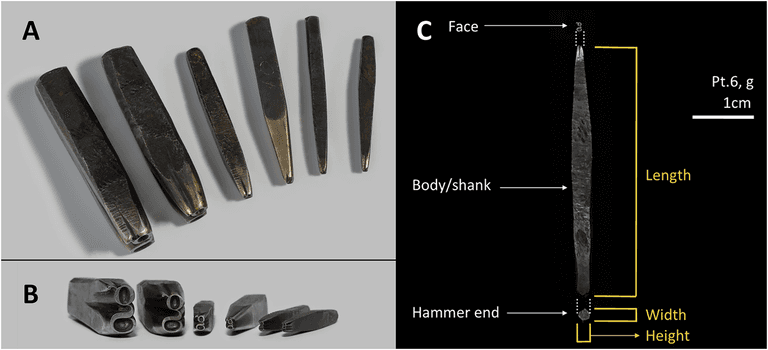 John Handydied 1792 · Punch-cutter and engraverThe craftsman behind Baskerville’s letters. Handy cut steel punches for John Baskerville’s famous types from the 1750s, helped train the Frenchman sent by Beaumarchais’s printers, and spent his last years at Myles Swinney’s type foundry. One sentence in a magazine is almost all he left.
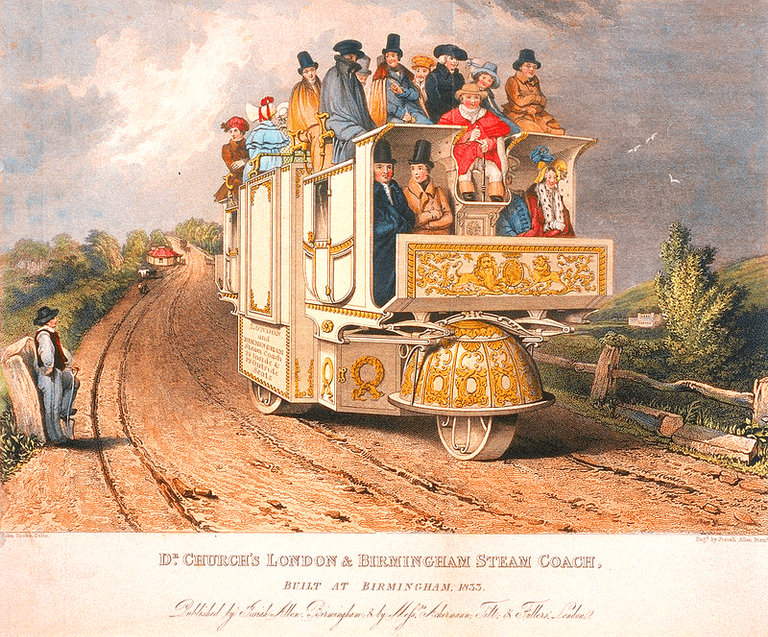 William Churchc.1778–1863 · Inventor and engineerAmerican-born inventor, known as Dr Church, who patented a type-casting and composing system in 1822, then spent forty years in Birmingham designing steam coaches, a railway engine, nail and button machinery and more. Brilliant, prolific and rarely paid.
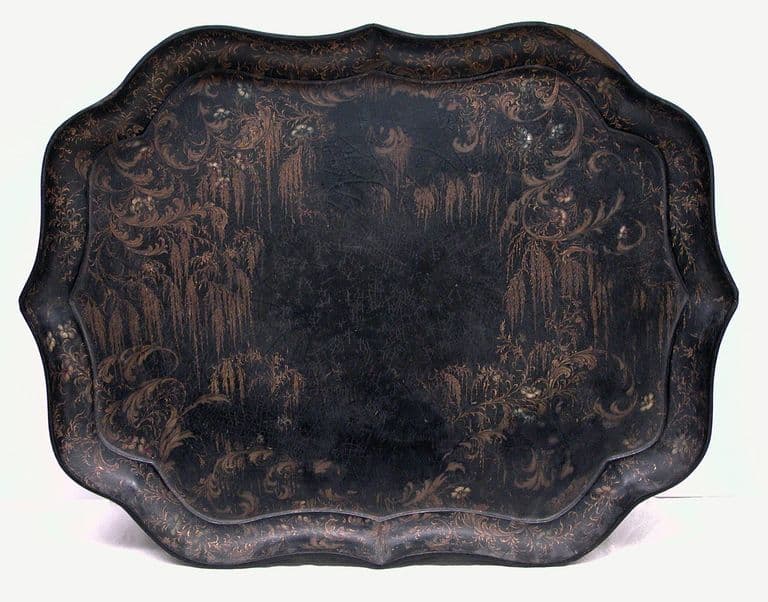 Henry Claydied 1812 · Japanner and papier-mâché manufacturerJapanner trained in John Baskerville’s workshop who in 1772 patented a way of making strong panels from pasted sheets of paper. His Newhall Street works employed some 300 people, he sold from Covent Garden to the royal family, and he became High Sheriff of Warwickshire.
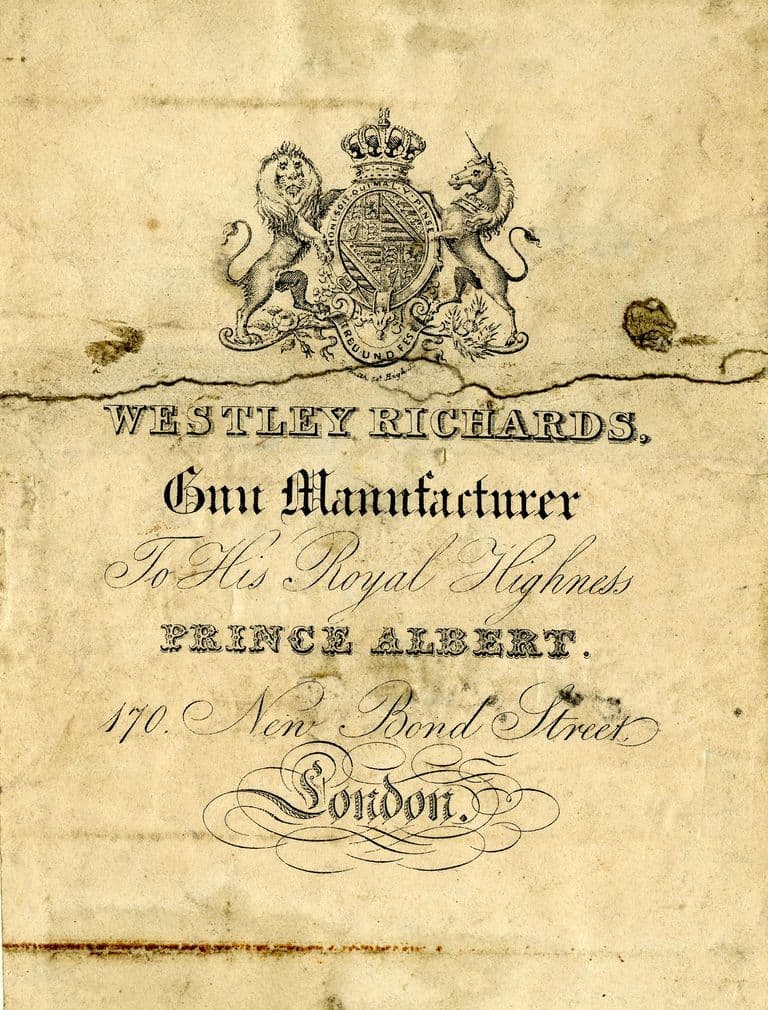 William Westley Richards1788/9–1865 · Gunmaker; founder of Westley RichardsBirmingham gunmaker who set up on the High Street in 1812, sold through a Bond Street agent, patented locks and primers, and was hailed as “Joe Manton the second”. The firm he founded still makes guns in Birmingham.
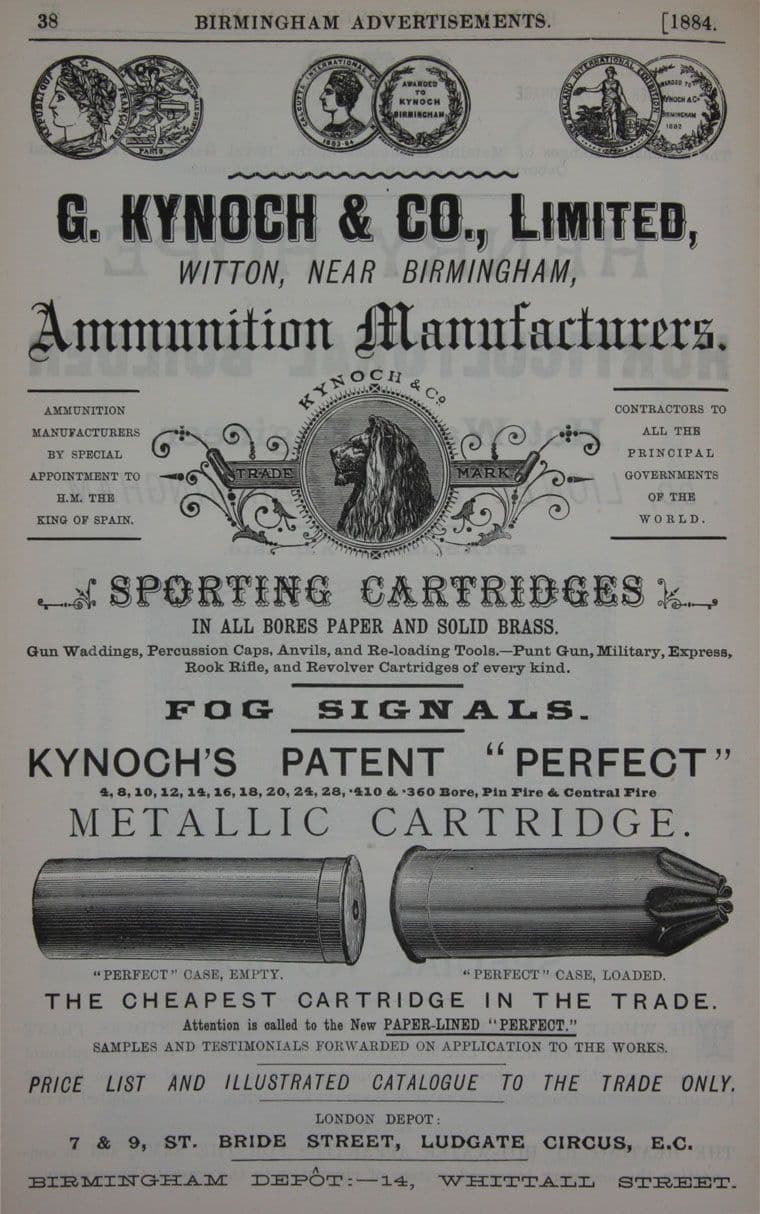 George Kynoch1834–1891 · Ammunition manufacturer and MP for Aston ManorScottish bank clerk who took over a percussion-cap works at Witton in 1862 and built it into the Lion Works, one of Britain’s biggest ammunition factories. MP for Aston Manor from 1886, he was forced out of his firm in 1888 and died poor in Johannesburg.
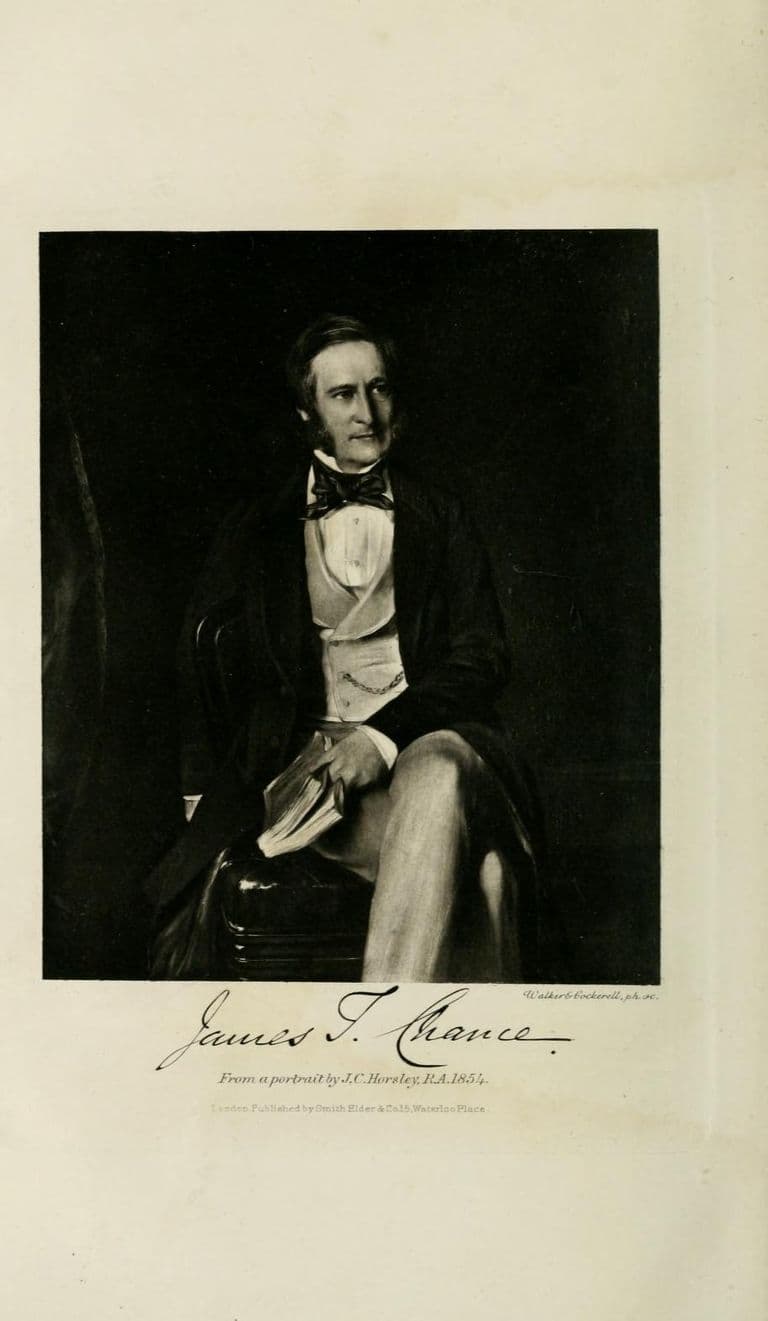 Sir James Timmins Chance1814–1902 · Glass manufacturer and lighthouse engineerMathematician turned glassmaker who invented ‘patent plate’ glass and made Chance Brothers of Smethwick one of the world’s leading lighthouse makers, working with Faraday and Airy. He lived at Handsworth, gave West Smethwick Park and endowed engineering at the University of Birmingham.
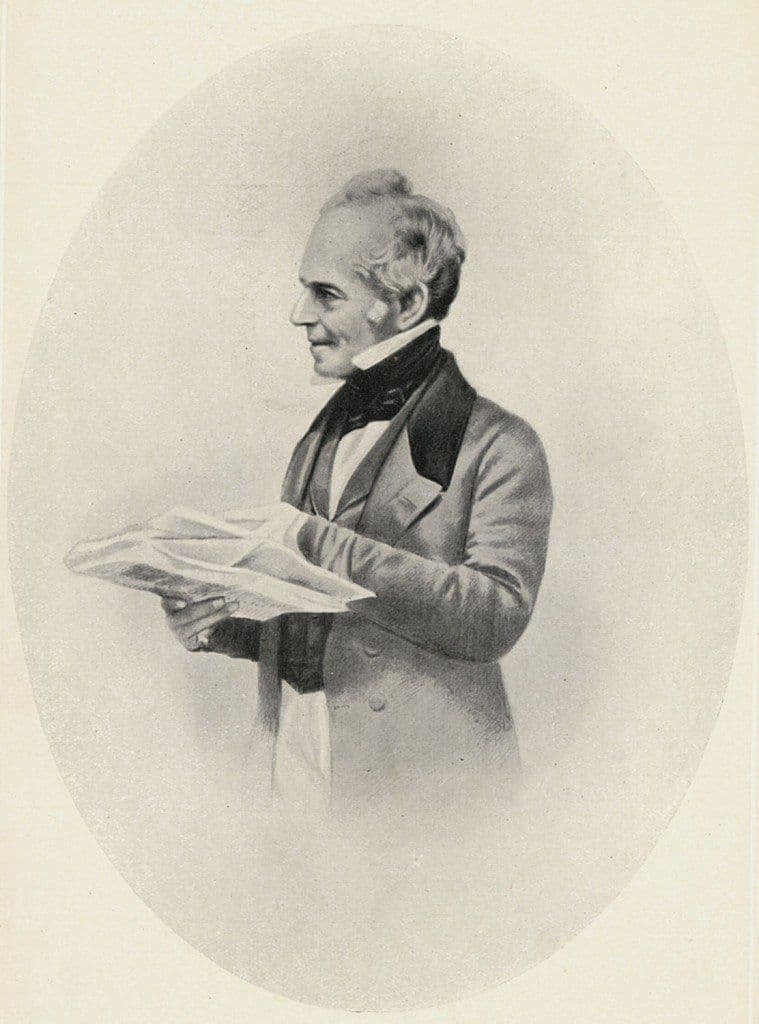 Robert Lucas Chance1782–1865 · Glass merchant and manufacturer, founder of Chance BrothersBirmingham glass merchant who bought the British Crown Glass works at Spon Lane, Smethwick, in 1822 and in 1832 began making sheet glass there with French and Belgian blowers. The business, saved by his brother William, became Chance Brothers.
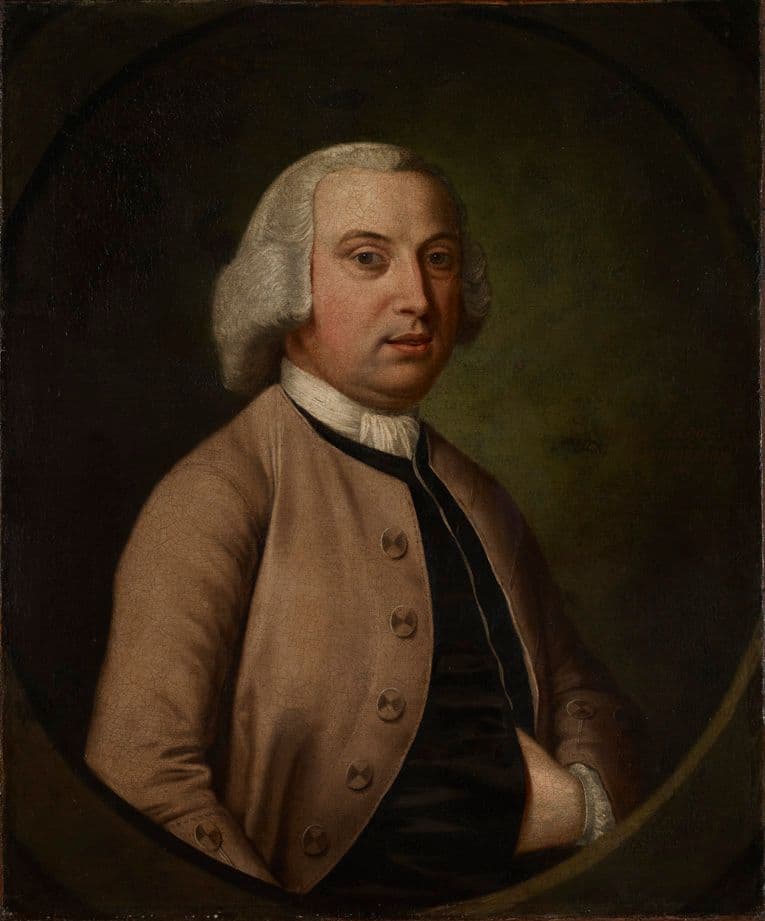 Sampson Lloyd1699–1779 · Quaker iron merchant and slitting-mill owner; co-founder of Taylors & Lloyds bankQuaker ironmaster whose family slitting mill on the Rea below Digbeth turned bar iron into rod for nailers, who built the house called Farm in Sparkbrook, and who in 1765 founded Birmingham’s first bank with John Taylor: the beginning of Lloyds Bank.
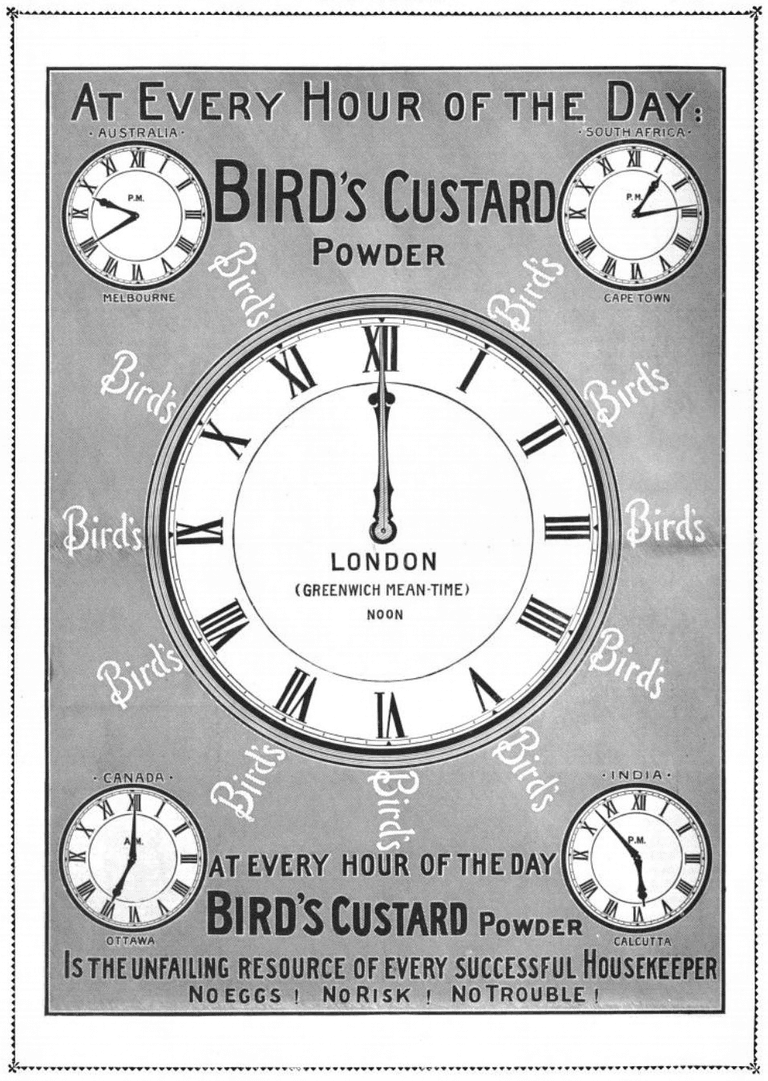 Alfred Bird1811–1878 · Chemist and druggist; food manufacturer; inventorBirmingham chemist who opened his own shop in 1837 and made egg-free custard powder and ‘Bird’s Fermenting Powder’, a baking powder, partly for his wife. His son built the firm into a national brand at the Devonshire Works in Digbeth, now the Custard Factory.
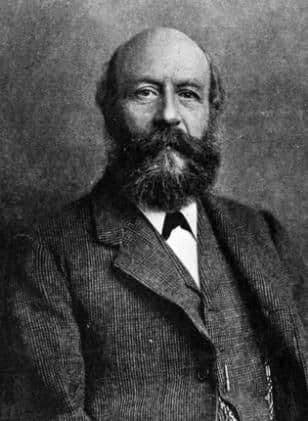 John Cadbury1801–1889 · Tea and coffee dealer, cocoa manufacturer, temperance campaigner and town reformerThe Quaker grocer who opened a tea and coffee shop in Bull Street in 1824, began making cocoa by hand, founded Cadbury Brothers, campaigned against climbing boys and drink, and in 1861 handed a failing business to his sons Richard and George.
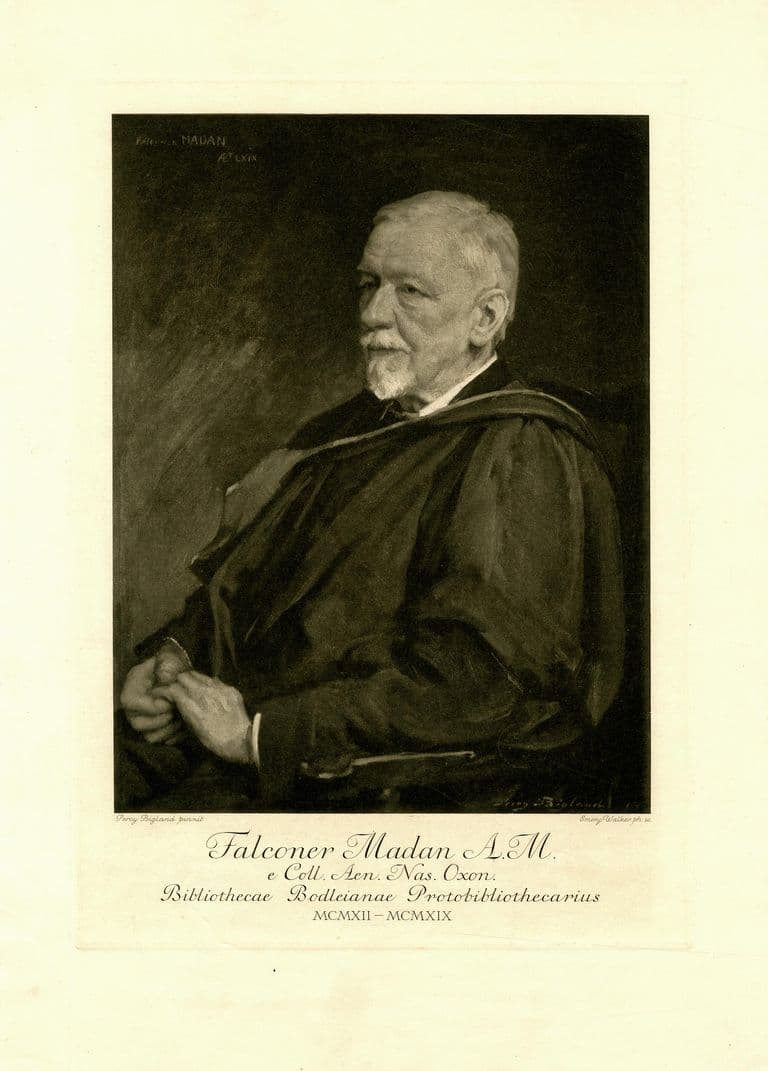 George Frederick Muntz1794–1857 · Metal manufacturer, political reformer and MP for BirminghamBirmingham metal manufacturer whose 1832 patent ‘yellow metal’, about 60 per cent copper and 40 per cent zinc, became the standard cheap sheathing for wooden ships. A burly radical of the Political Union, he was MP for Birmingham from 1840 until his death.
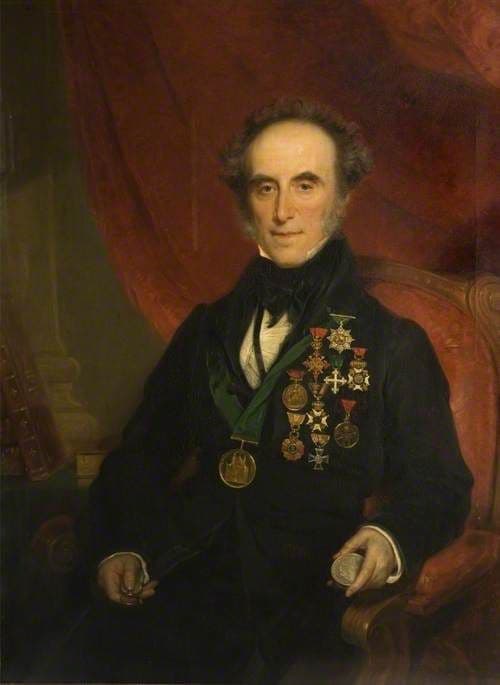 Edward Thomason1769–1849 · Manufacturer, medallist and inventorMatthew Boulton’s apprentice who built his own showpiece works in Church Street in 1793, making buttons, tokens, plate, bronzes and medals. He struck medals for Europe’s monarchs, collected their orders, and in 1832 was knighted.
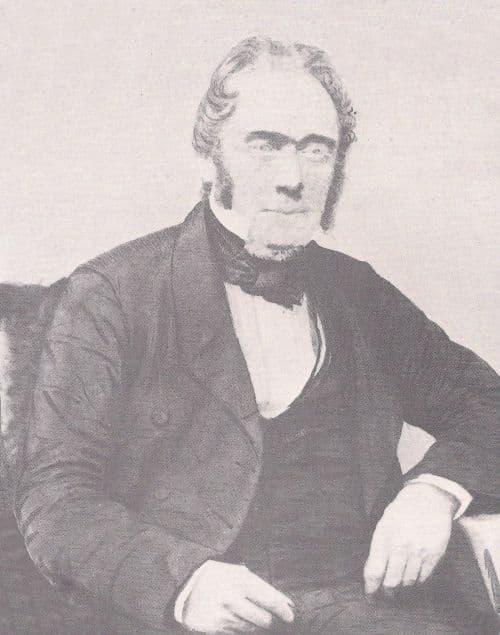 Ralph Heaton II1794–1862 · Die-sinker, brassfounder and coin manufacturer; founder of the Birmingham MintThe Bath Street die-sinker who bought the Soho Mint’s presses in 1850 and turned his family brass foundry into Ralph Heaton & Sons, the Birmingham Mint. Within ten years it was striking coin for Chile, France, Italy and Britain’s new bronze pennies.
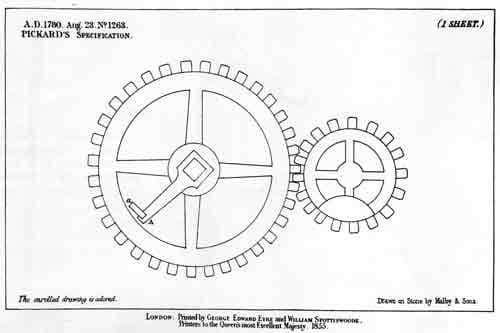 James Pickardactive 1779–1795 · Button maker and miller; holder of the 1780 ‘crank patent’Snow Hill button maker and miller whose mill engine, built by Matthew Wasbrough and refitted with a crank and flywheel in 1780, was among the first to turn a mill directly by steam. His patent of 1780 pushed Boulton & Watt to adopt the sun-and-planet gear.
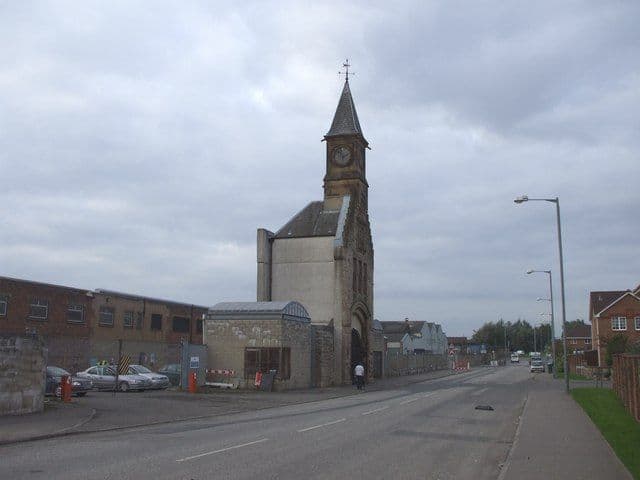 Samuel Garbett1717–1803 · Merchant, refiner, chemical manufacturer, ironworks founder and lobbyistSelf-made Birmingham merchant who refined gold and silver in Steelhouse Lane, made sulphuric acid with John Roebuck, co-founded the Carron ironworks and became the first chairman of the Birmingham Commercial Committee (1783), the ancestor of the Chamber of Commerce.
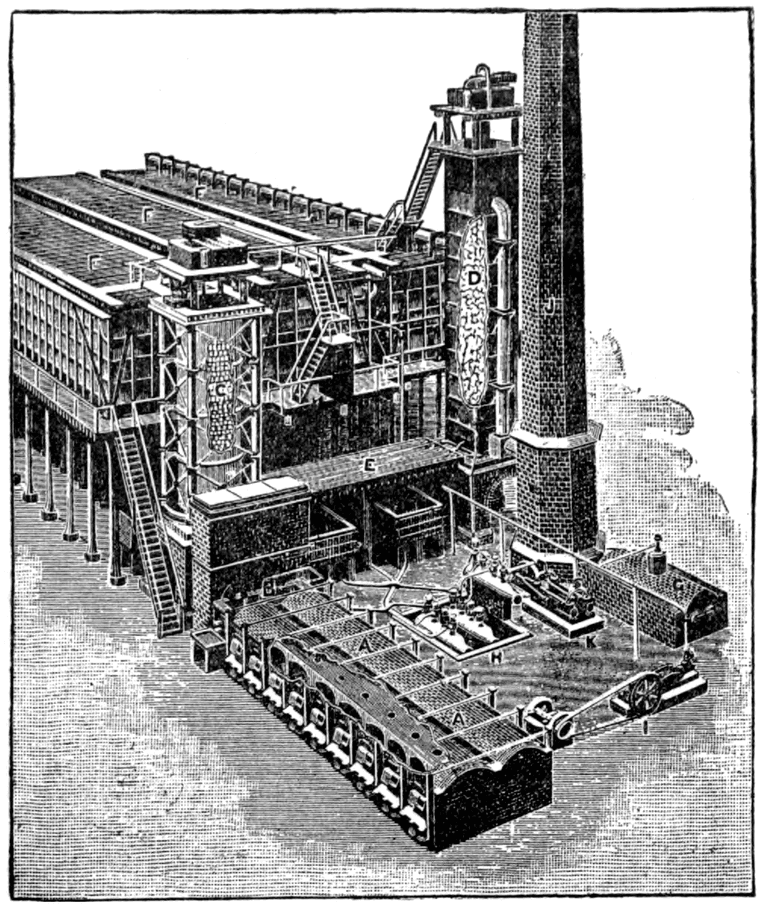 John Roebuck1718–1794 · Physician, chemist, ironmaster and Watt’s first backerSheffield-born doctor who set up a laboratory and refinery in Steelhouse Lane and, with Samuel Garbett, made sulphuric acid cheap by building lead chambers in place of glass (1746). He co-founded the Carron ironworks and was James Watt’s first partner until bankruptcy passed his share to Boulton.
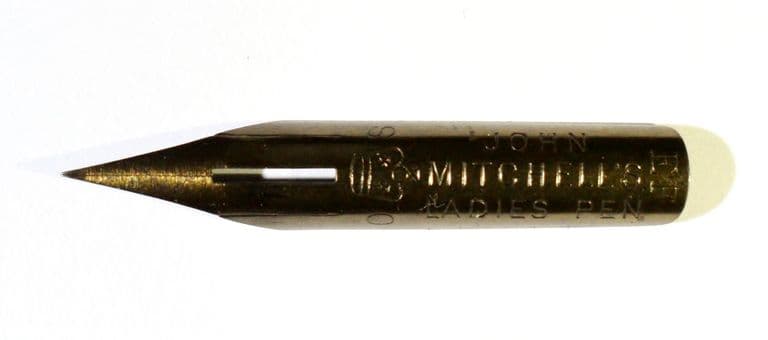 John Mitchellc. 1798–before 1872 · Steel pen manufacturerA Sheffield-born pen maker in Newhall Street whose family were in at the start of Birmingham’s steel-pen trade. His son claimed he was the first to make pens with press tools, about 1822; the Mitchells also taught the business to their brother-in-law, Joseph Gillott.
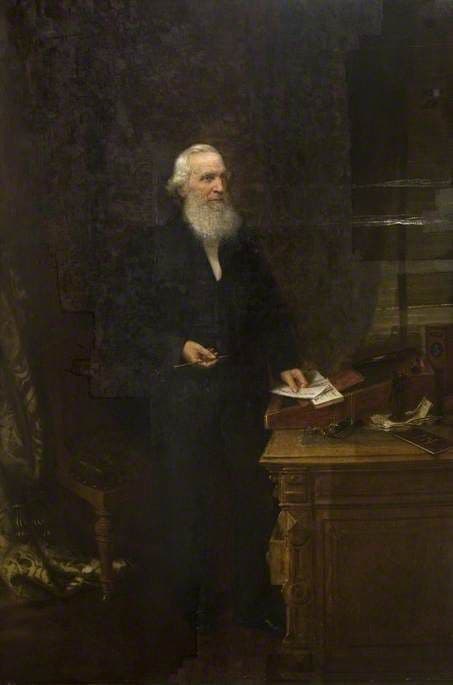 Sir Josiah Mason1795–1881 · Split-ring and steel pen manufacturer, electroplating partner and philanthropistA Kidderminster weaver’s boy who made Perry’s famous pens in secret at Lancaster Street, backed the Elkingtons’ electroplating, then gave his fortune to an orphanage at Erdington and the science college that became the University of Birmingham.
- Herbert Manzoni1899–1972 · Civil engineer; City Engineer and Surveyor of Birmingham, 1935–63; President of the Institution of Civil Engineers, 1960–61For 28 years Birmingham’s City Engineer and Surveyor, Herbert Manzoni planned the Inner Ring Road and the five great slum-clearance areas before the first bomb fell, then spent the post-war decades building them. Few officials have changed a British city so much.
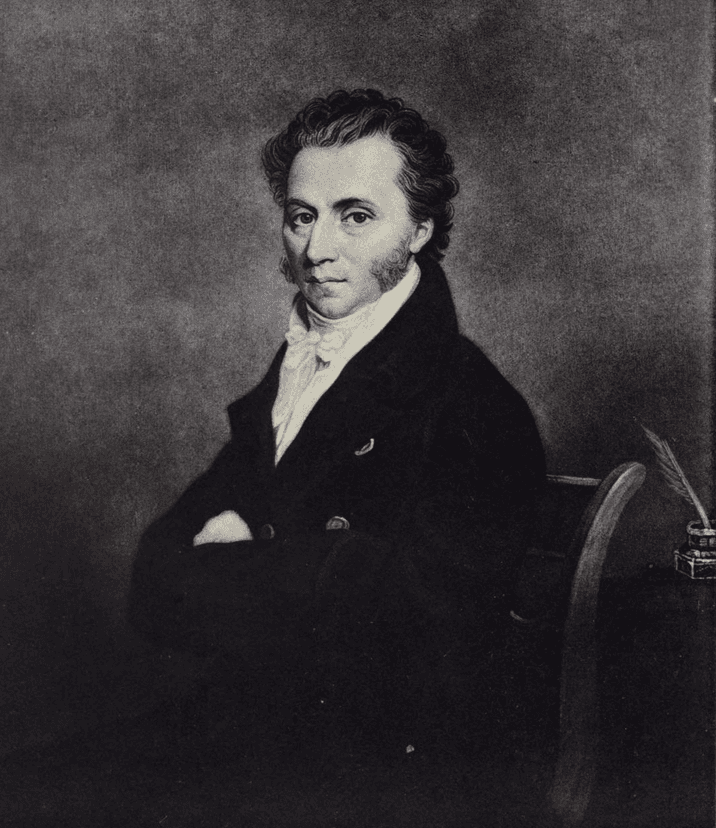 Thomas Attwood1783–1856 · Banker, currency reformer, founder of the Birmingham Political Union and first MP for BirminghamA Tory banker who became England’s great voice for reform. Thomas Attwood founded the Birmingham Political Union in 1830, filled Newhall Hill with vast peaceful crowds in 1831–32 and in December 1832 became one of Birmingham’s first two MPs.
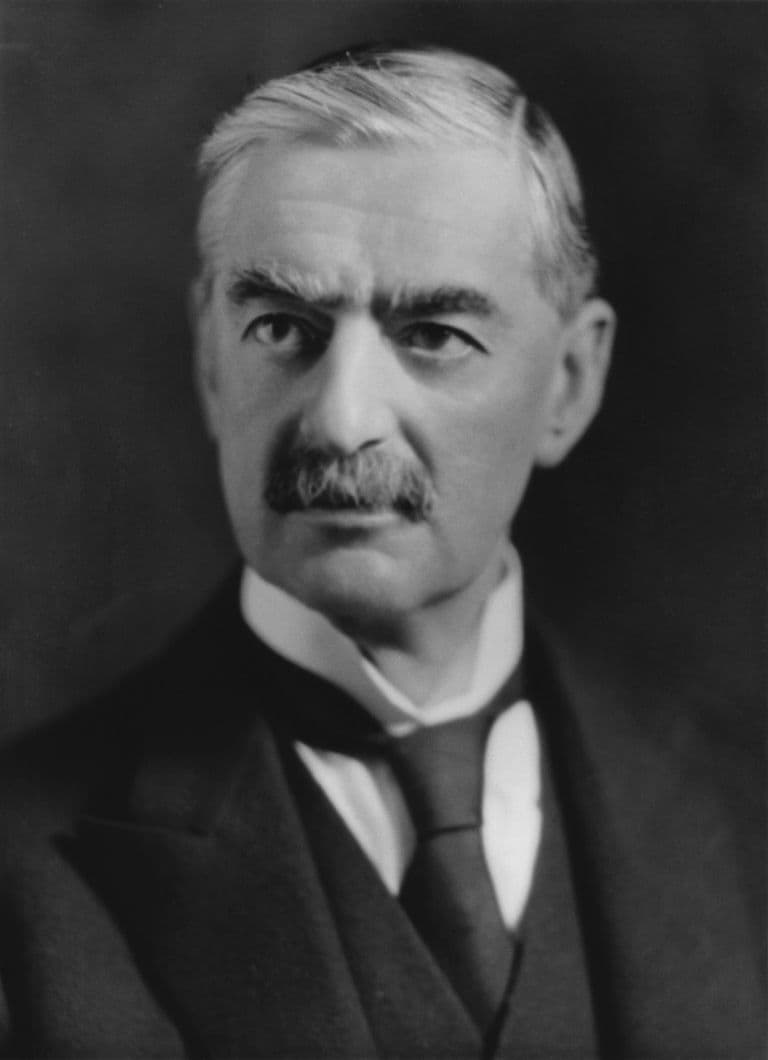 Neville Chamberlain1869–1940 · Manufacturer, Lord Mayor of Birmingham, founder of the Municipal Bank, Prime MinisterBefore he was Prime Minister, Neville Chamberlain made ships’ berths in Bordesley, planned Birmingham’s suburbs and, as wartime Lord Mayor, founded Britain’s only council-run savings bank, the bank that opened a branch on Kingstanding Road.
 Lewis Pauldied 1759 · Inventor of spinning and carding machineryInventor of Huguenot descent, ‘of Birmingham, gentleman’, whose 1738 patent first described spinning cotton between rollers turning at different speeds. With John Wyatt he set up a donkey-powered mill in the Upper Priory about 1741. It failed, but the idea did not.
- John Wyatt1700–1766 · Carpenter and inventorA Lichfield carpenter who built the roller-spinning machine patented by Lewis Paul in 1738, ran the donkey-powered cotton mill in Birmingham’s Upper Priory about 1741, and invented a compound-lever weighing machine for carts.
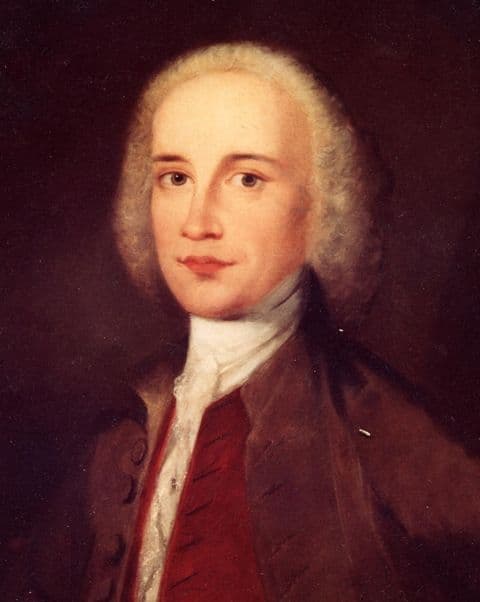 John Taylorc.1711–1775 · Button, japanned-ware and enamel manufacturer; bankerGeorgian Birmingham’s biggest manufacturer before Boulton. His works made gilt buttons, japanned and enamelled snuff boxes by the thousand, and in 1765 he and Sampson Lloyd opened Taylors & Lloyds, the bank that became Lloyds.
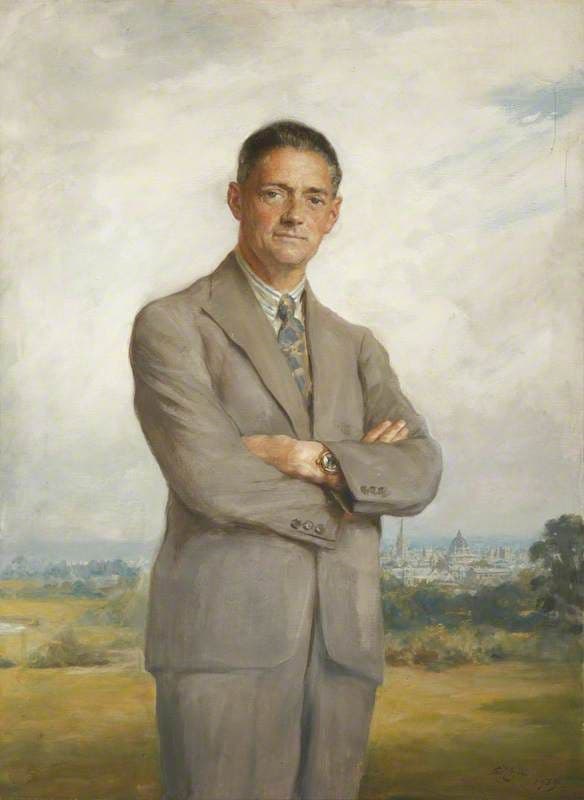 William Morris, Lord Nuffield1877–1963 · Motor manufacturer and philanthropistThe Oxford car maker, later Lord Nuffield, whose empire reached deep into Birmingham: Lucas’s biggest customer, owner of Morris Commercial at Soho and Wolseley at Adderley Park, and the man who built the Castle Bromwich Spitfire factory.
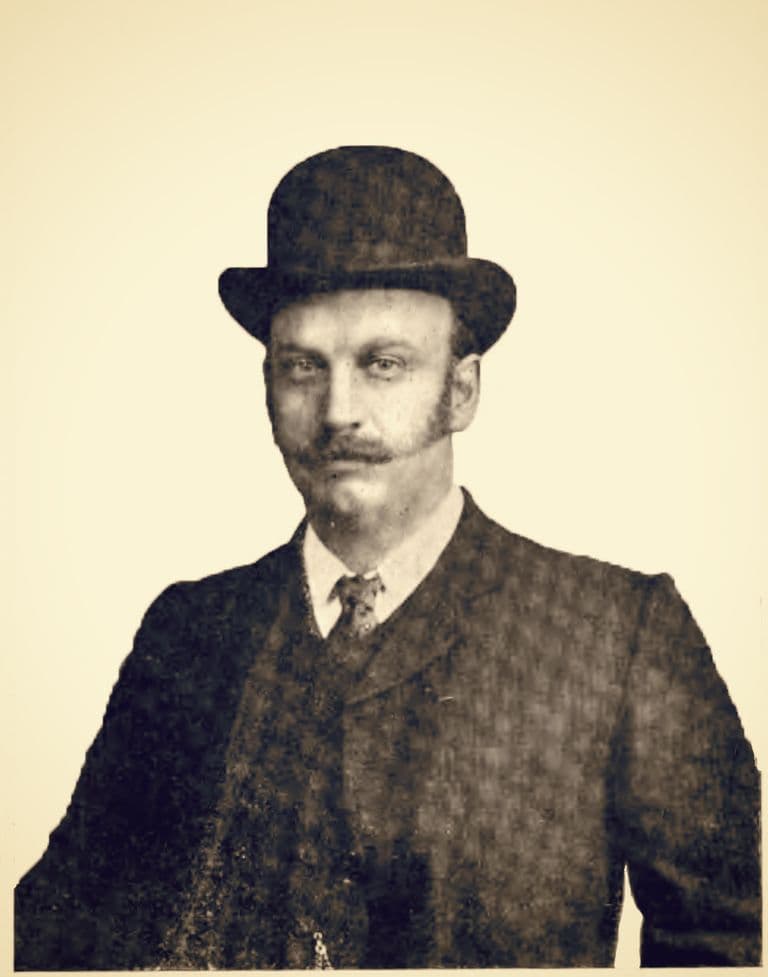 Herbert Austin1866–1941 · Engineer and motor manufacturer; founder of the Austin Motor CompanyA farmer’s son who learned engineering in Melbourne, came to Birmingham to make sheep-shearing machines, built Wolseley cars at Adderley Park and in 1905 founded the Austin Motor Company at Longbridge, home of the Austin Seven.
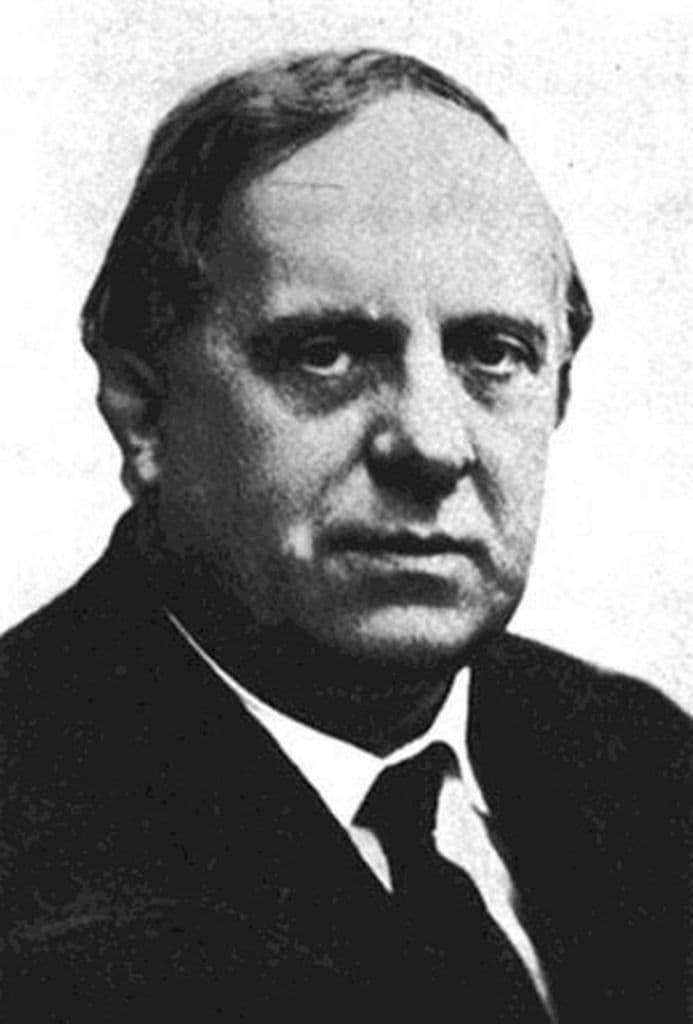 Frederick Lanchester1868–1946 · Engineer, car maker and aeronautical theoristThe engineer who designed one of Britain’s first petrol cars from first principles, built cars at Armourer Mills in Sparkbrook from 1900, and wrote theories of flight and of warfare still taught today. He lived and died in Birmingham.
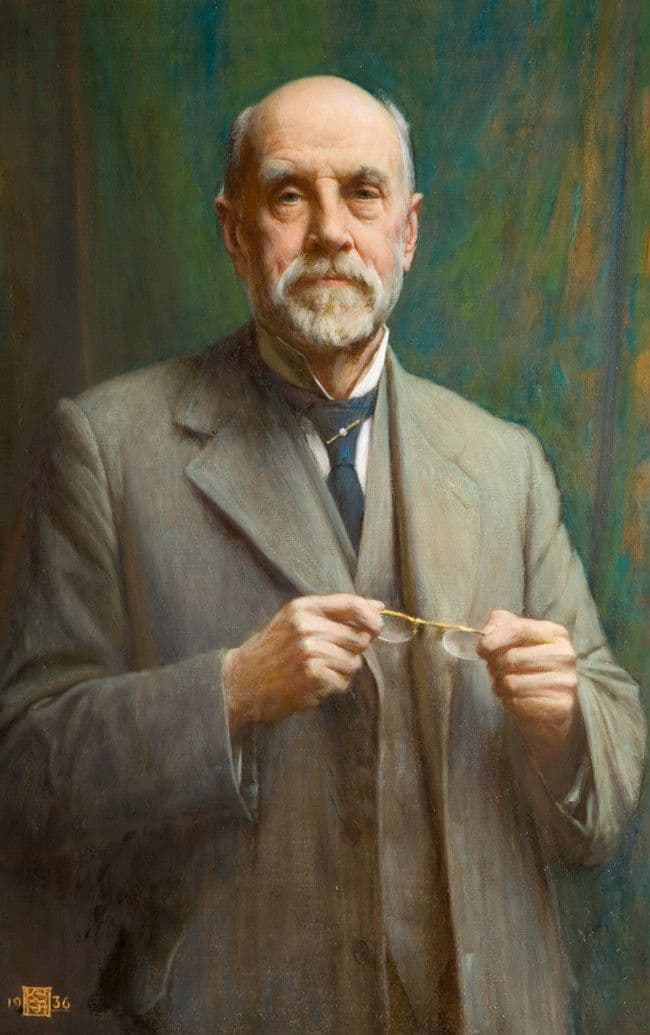 Harry Lucas1855–1939 · Lamp and motor-electrics manufacturer; chairman of Joseph Lucas LtdJoseph Lucas’s eldest son joined the business at seventeen, became its driving force and, as chairman from 1902, steered it from bicycle lamps to magnetos, dynamos and a contract with Morris that made Lucas the leader of British motor electrics.
- Joseph Lucas1834–1902 · Lamp maker, founder of Joseph Lucas & Son and Joseph Lucas LtdA plater’s son from Carver Street, Hockley, who started out selling paraffin and buckets door to door, made the “King of the Road” bicycle lamp and founded the Birmingham firm that became Lucas Industries.
- James Horsfall1813–1877 · Wire-drawer and steel-wire manufacturer; head of Webster & Horsfall, Hay MillsThe Birmingham wire-drawer whose heat-treatment process made exceptionally strong steel wire, who joined the old Webster firm of Penns and whose Hay Mills works drew the armouring wire for the Atlantic telegraph cables of 1865 and 1866.
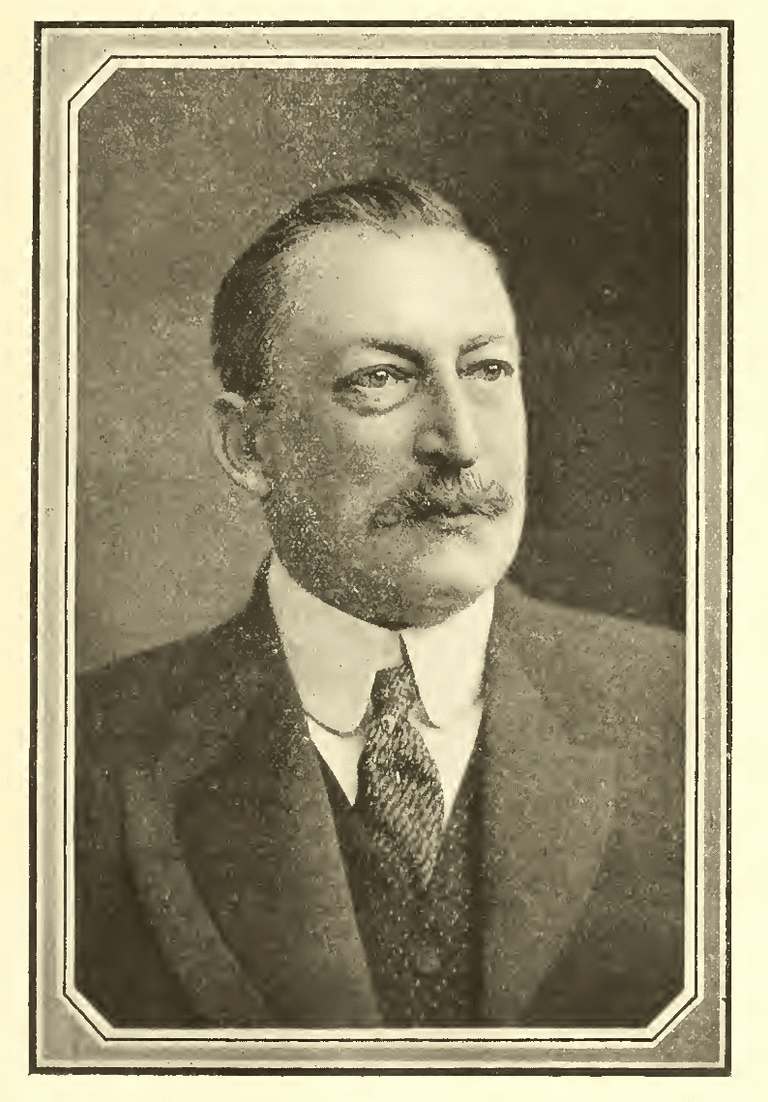 William Beilby Avery1854–1908 · Weighing-machine manufacturer; head of W & T Avery; stamp collectorThe third generation of a Birmingham scale-making family, who took charge of W & T Avery in 1881, steered it into a public company and saw it buy Boulton & Watt’s old Soho Foundry in 1895, the works where Avery scales were made for more than a century.
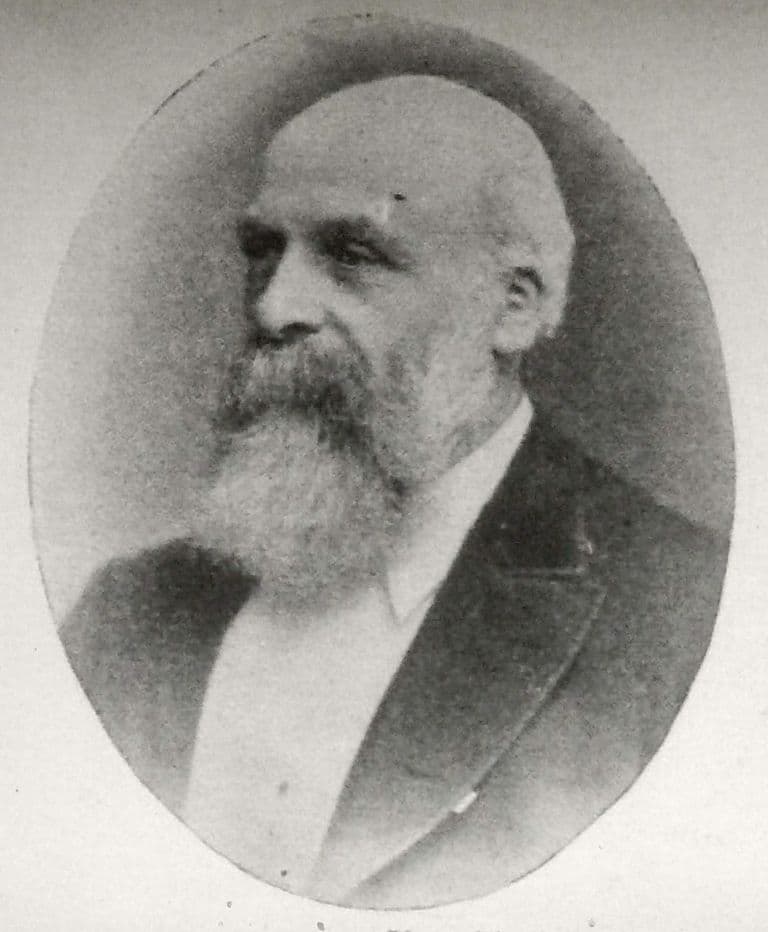 Richard Cadbury1835–1899 · Cocoa and chocolate manufacturer; partner in Cadbury Brothers; philanthropistGeorge Cadbury’s elder brother and partner, who ran the selling side of Cadbury Brothers, helped move the works from Bridge Street to Bournville, gave Moseley Hall as a children’s convalescent home and built the Bournville almshouses before dying in Jerusalem in 1899.
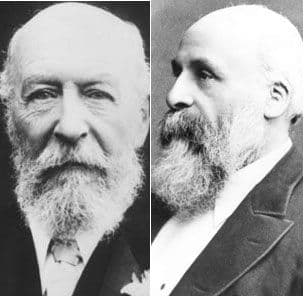
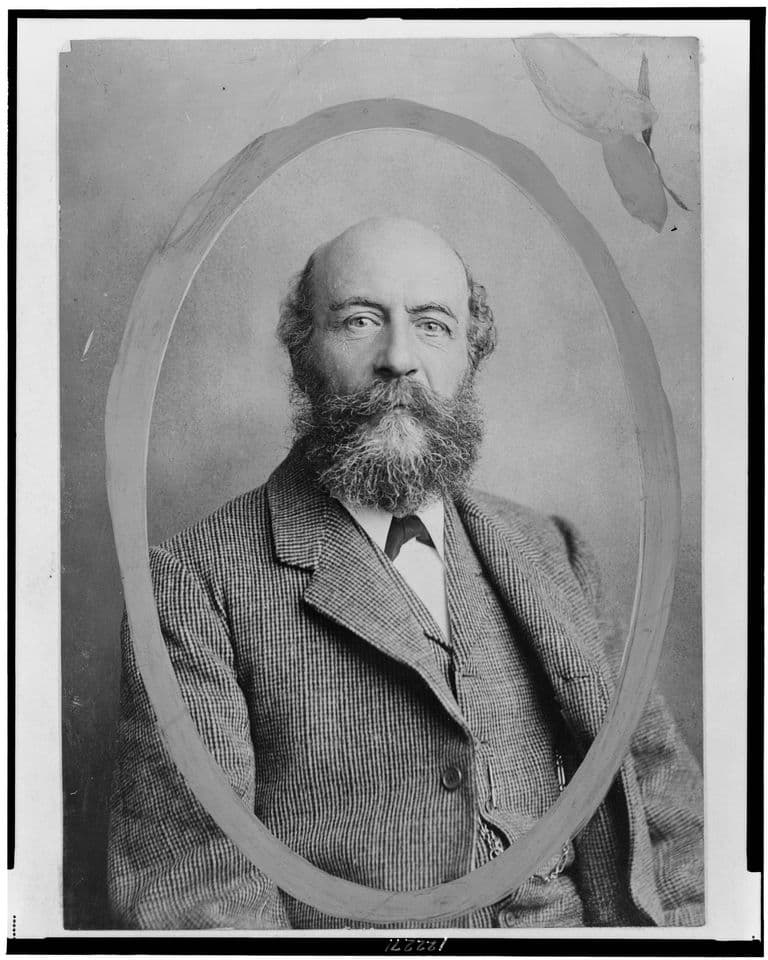 George Cadbury1839–1922 · Cocoa and chocolate manufacturer; founder of Bournville village and the Bournville Village Trust; newspaper proprietor and reformerThe Quaker chocolate maker who, with his brother Richard, rescued a failing family business, moved it to the fields at Bournville in 1879 and built a model village beside it. His record is generous, paternalist and, over São Tomé cocoa, troubled.
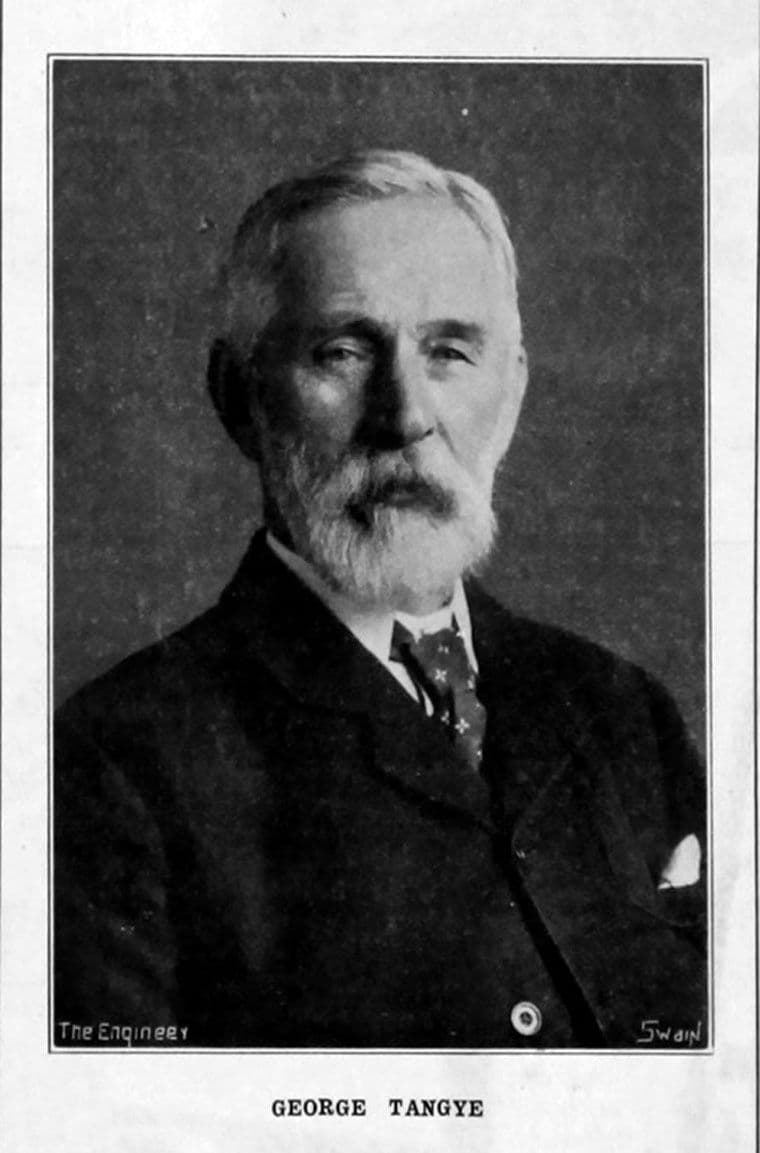 George Tangye1835–1920 · Engineer, works manager and chairman of Tangyes Ltd; collector and keeper of the Boulton & Watt archiveThe youngest Tangye brother, who ran the Cornwall Works at Smethwick, lived for more than forty years in James Watt’s old house at Heathfield, kept Watt’s garret workshop untouched and saved the Boulton & Watt papers for Birmingham.
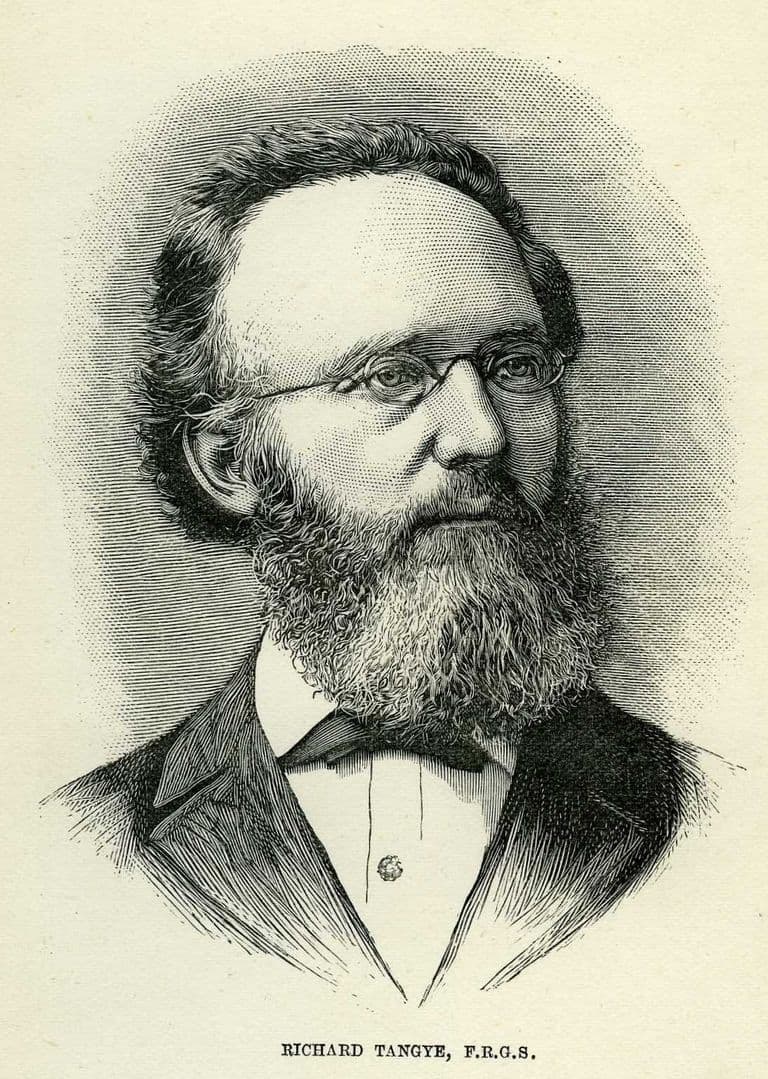 Richard Tangye1833–1906 · Engineering manufacturer and salesman; co-founder of Tangye Brothers (Tangyes Ltd)A Cornish Quaker clerk who, with his brothers, turned a four-shilling-a-week Birmingham workshop into Tangyes of the Cornwall Works, Smethwick: hydraulic jacks that helped launch the Great Eastern, then pumps, engines and lifting gear sold around the world.
- Alexander Parkes1813–1890 · Chemist, metallurgist and inventorA Birmingham brassfounder’s apprentice who ran Elkington’s casting shop, silver-plated a spider’s web for Prince Albert, took out dozens of patents and in 1862 showed the world Parkesine, the first plastic.
- Henry Elkington1810–1852 · Inventor and partner in Elkington & Co.George Elkington’s younger cousin and partner: an inventor who patented spectacles as an apprentice, studied electroplating from about 1832, shared the firm’s key patents and ran its artistic side until his early death.
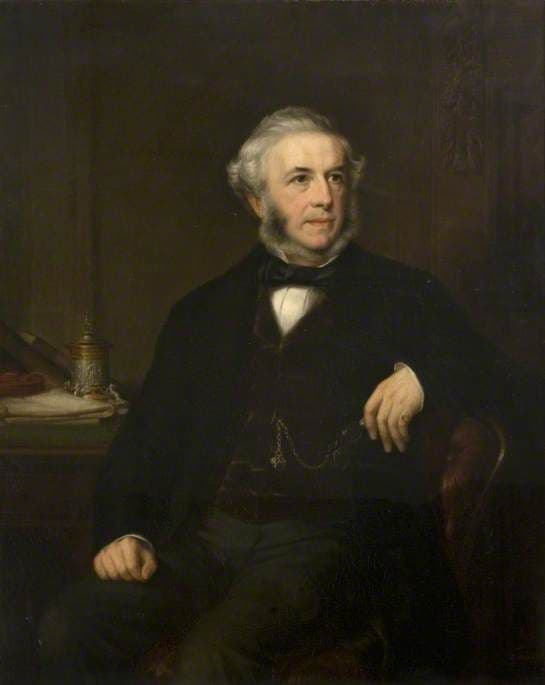 George Richards Elkington1801–1865 · Manufacturer; pioneer of commercial electroplatingA Birmingham toy-maker’s son who, with his cousin Henry, bought and backed the patents that made electroplating work, built the great Newhall Street works and put silver-plated goods on tables around the world.
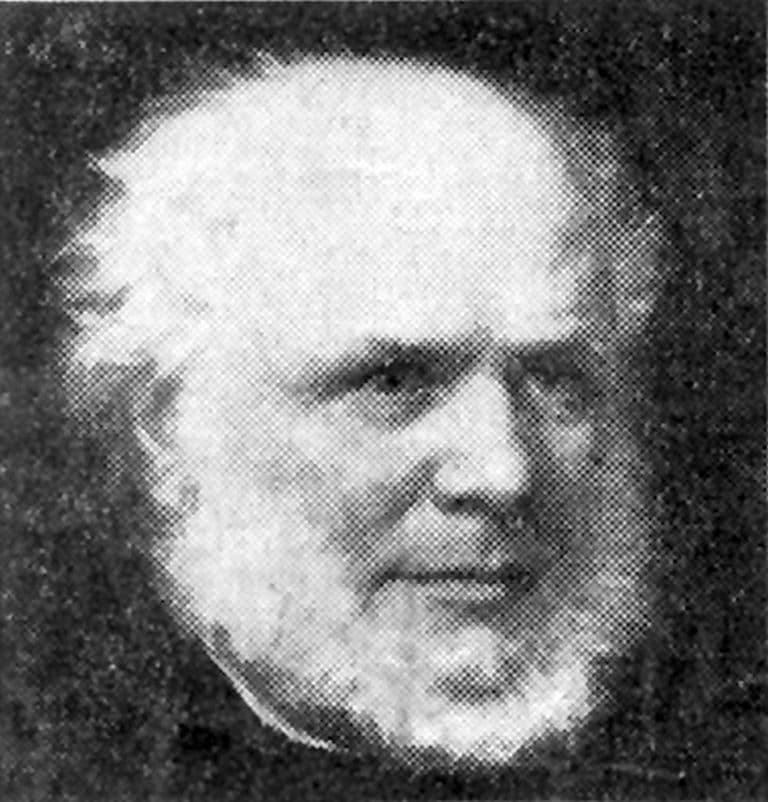 Joseph Gillott1799–1872 · Steel pen manufacturer and art collectorA Sheffield cutler who arrived in Birmingham with almost nothing, worked out how to press steel pens by machine, and built Victoria Works on Graham Street — then spent his fortune on Turner and Etty.
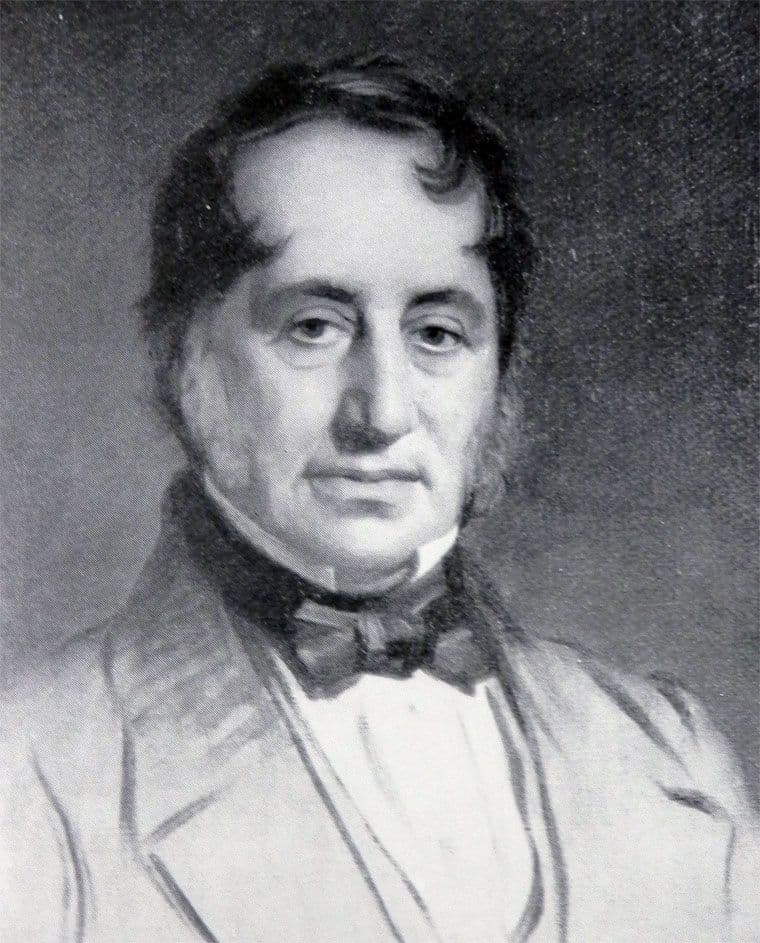 John Sutton Nettlefold1792–1866 · Ironmonger and wood-screw manufacturerA London ironmonger who brought screw-making to Birmingham, gambled on an American machine in 1854 and, with his brother-in-law Joseph Chamberlain senior, founded the Smethwick works that grew into Nettlefolds and GKN.
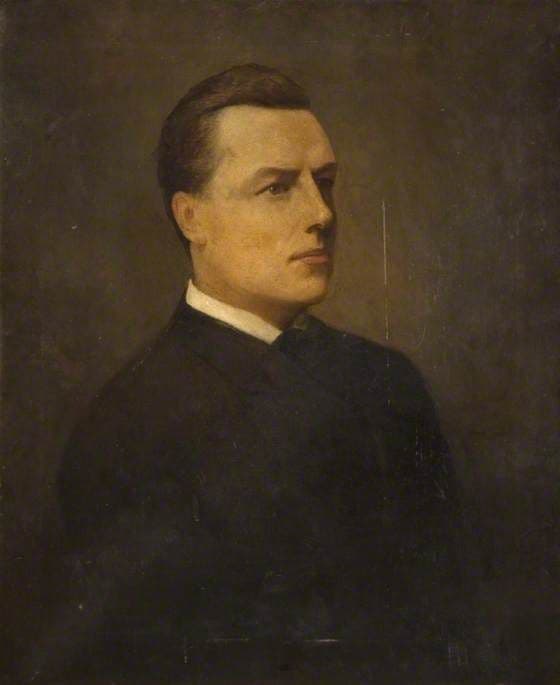 Joseph Chamberlain1836–1914 · Screw manufacturer, then Mayor of Birmingham and statesmanSent to Birmingham at eighteen to watch his father’s money in a screw business, Joseph Chamberlain helped turn Nettlefold & Chamberlain into the giant of the British screw trade, retired rich in 1874 and built Highbury on the proceeds.
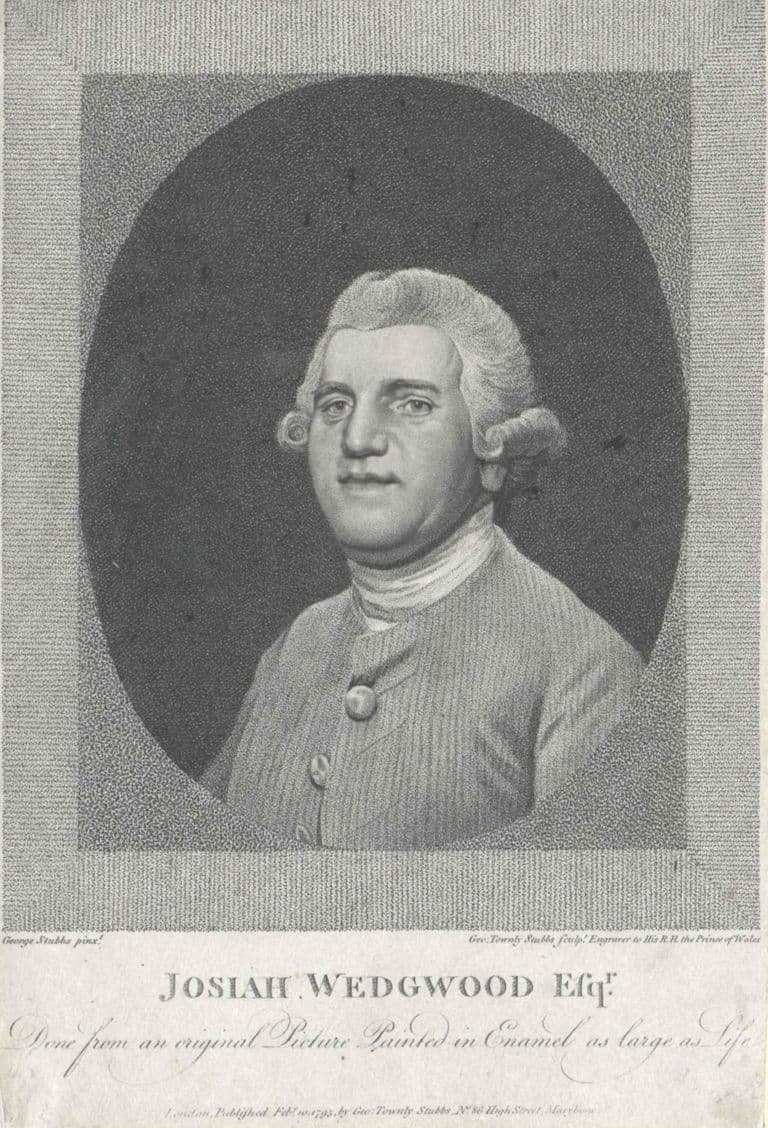 Josiah Wedgwood1730–1795 · Master potter, Lunar Society member and abolitionistThe Staffordshire potter was never a Birmingham resident, but he was part of the Lunar circle, helped pay for Priestley’s Birmingham laboratory and made the most famous image of the campaign against the slave trade.
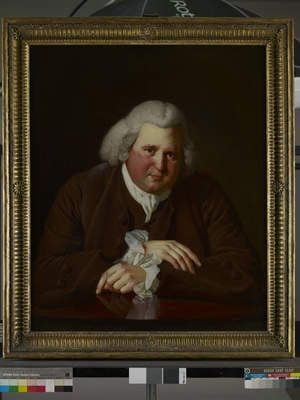 Erasmus Darwin1731–1802 · Physician, poet and Lunar Society memberLichfield physician, poet and founding spirit of the Lunar Society. He sent William Withering to Birmingham, tied the Darwins to the Galtons and Wedgwoods, and campaigned against the slave trade. Grandfather of Charles Darwin and Francis Galton.
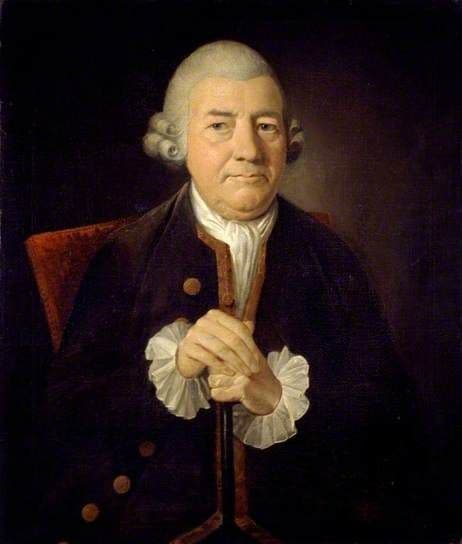 John Baskerville1707–1775 · Writing master, japanner, typefounder and printerWriting master turned japanning millionaire turned printer, whose typeface is still used worldwide. A religious sceptic, he was buried under a cone in his own garden at Easy Hill, and his body then wandered Birmingham for more than a century.
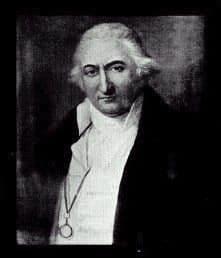 Samuel Galton junior1753–1832 · Gunmaker, banker, scientist and Lunar Society memberQuaker gunmaker, Fellow of the Royal Society and Lunar man who leased Great Barr Hall, just north of Kingstanding, where the Society met from 1785. His firm sold guns into the African slave trade, and his Quaker meeting disowned him in 1796.
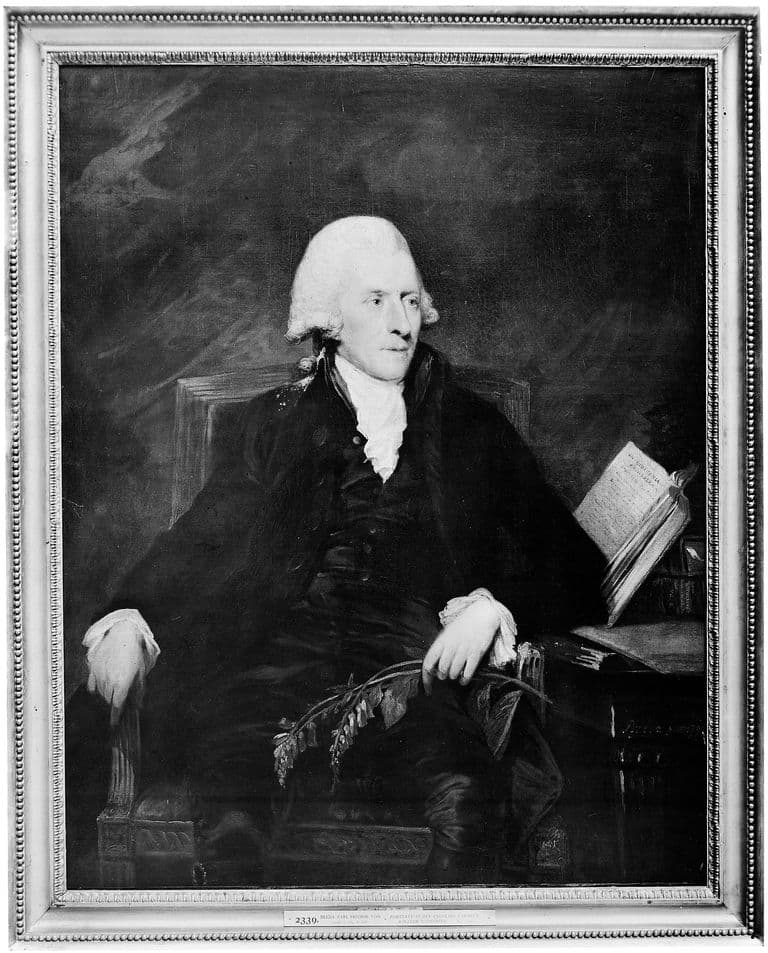 William Withering1741–1799 · Physician, botanist and Lunar Society memberBirmingham physician who spent ten years testing a folk remedy for dropsy and proved that foxglove could treat the failing heart. His 1785 Account of the Foxglove is a landmark of careful medicine; its drug, digoxin, is still prescribed.
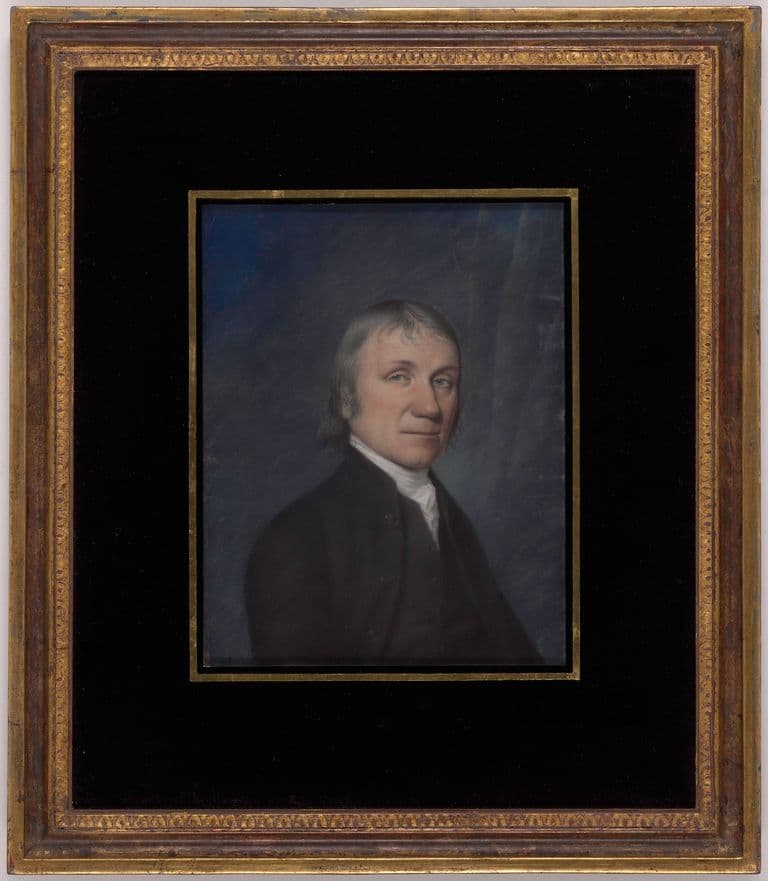 Joseph Priestley1733–1804 · Minister, chemist, theologian and Lunar Society memberChemist, radical minister and Lunar man who lived at Fair Hill, Sparkbrook, from 1780 until a loyalist mob burned his home, laboratory and chapel in July 1791. He left Birmingham and never came back.
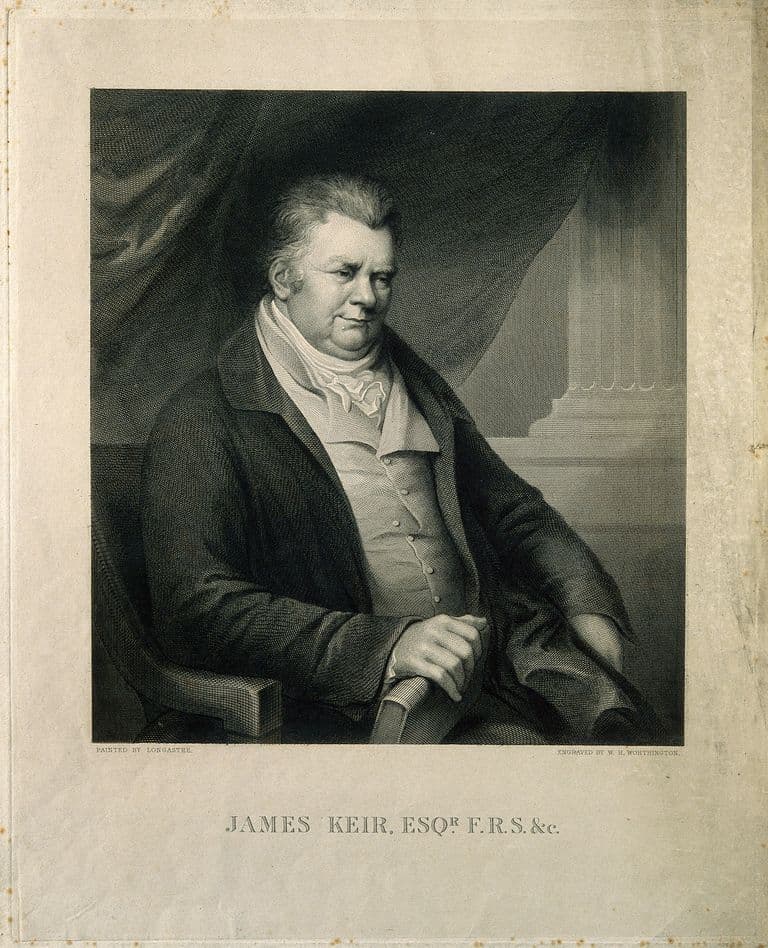 James Keir1735–1820 · Chemist, industrialist and writerSoldier turned chemist of the Lunar Society. He ran Soho in 1778, partnered Watt in the copying press, made glass at Amblecote and soap and alkali at Tipton, and chaired the Bastille dinner of 14 July 1791 that sparked the Priestley Riots.
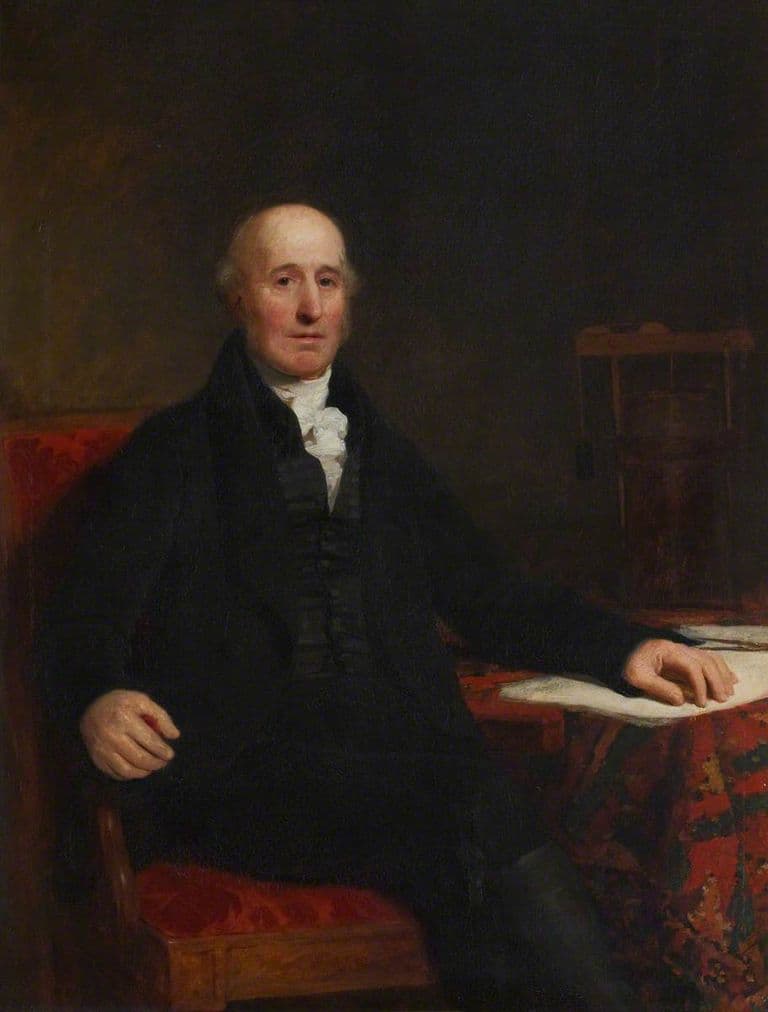 William Murdoch1754–1839 · Engineer, inventor and gas-lighting pioneerBoulton & Watt’s engineer for more than fifty years: engine man in Cornwall, credited inventor of the sun-and-planet gear, manager at Soho Foundry and a pioneer of coal-gas lighting. He spelled his name Murdock in England.
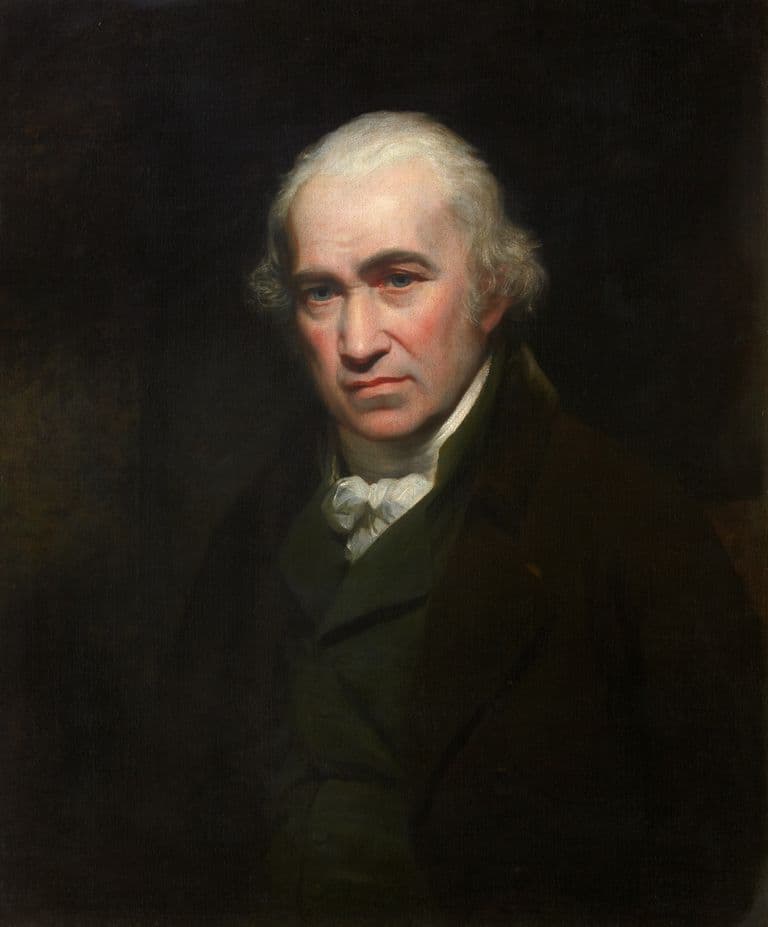 James Watt1736–1819 · Engineer, inventor and scientistThe Greenock instrument maker whose separate condenser made the steam engine efficient. With Matthew Boulton he made it pay, living at Harper’s Hill and Heathfield, Handsworth, where his garret workshop survived almost untouched for a century.
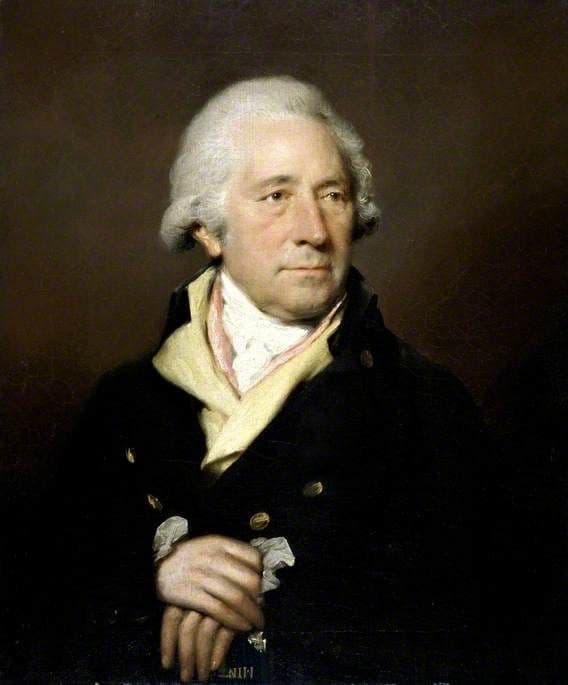 Matthew Boulton1728–1809 · Manufacturer and entrepreneurThe Birmingham toymaker’s son who built the Soho Manufactory, backed James Watt’s engine, founded the steam-powered Soho Mint and told Boswell in 1776: “I sell here, Sir, what all the world desires to have — POWER.”
Where they lived and worked
Some of these places survive; others are under car parks, gardens and new streets. Each page says which.
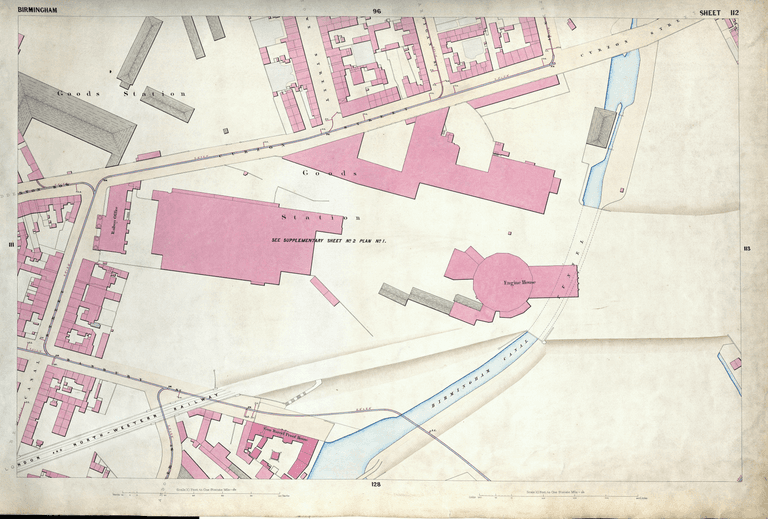 Curzon Street RoundhouseLost · 1837–1860Robert Stephenson’s sixteen-road engine house for the London & Birmingham Railway, in use from 12 November 1837 and demolished in 1860. HS2 excavated it in 2020–21 and reburied it. It is the earliest known railway roundhouse.
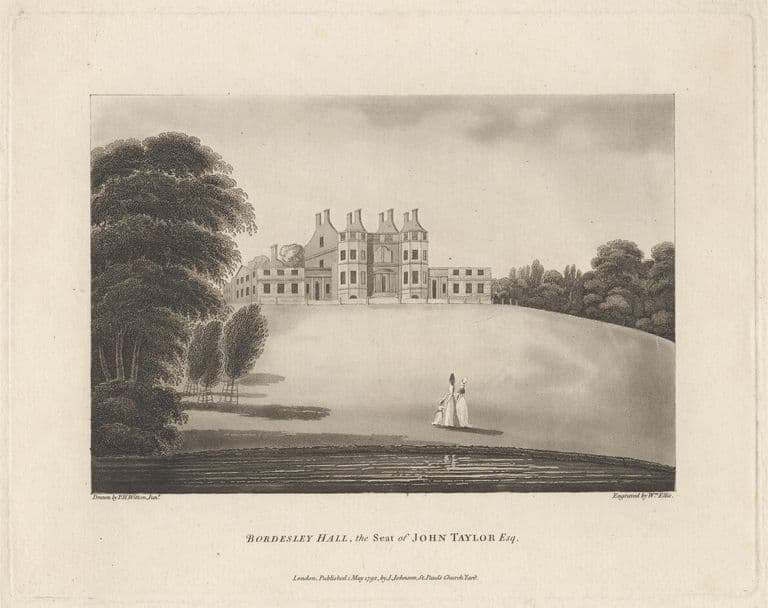 Bordesley HallLost · c. 1757–1791The Taylor family’s Georgian house in a park south of the Coventry Road, Bordesley. Rioters gutted it by fire on 15 July 1791, in the Priestley riots, when it belonged to John Taylor the younger, banker son of the button maker. Its park later became streets.
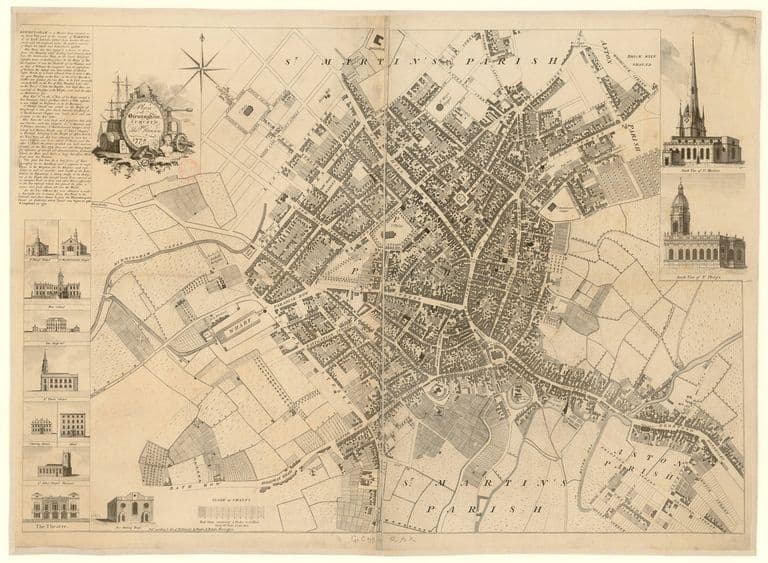 Heath Mill (Cooper’s Mill), DeritendLost · c. 1526–c. 1851The Birmingham lords’ water mill on the River Rea at the north end of Heath Mill Lane, recorded from 1526. As Cooper’s Mill its dam held back the river at Deritend. It later became a forge and a steam works, and its pool was built over from 1851. Only the lane’s name survives.
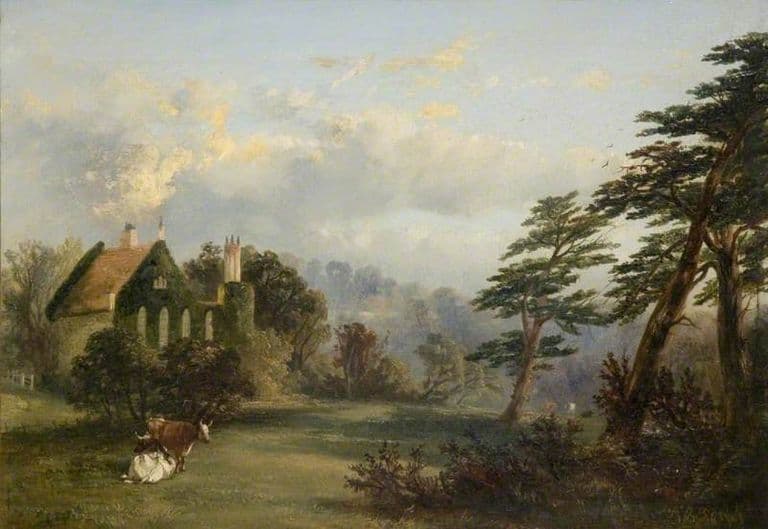 Hockley AbbeyLost, Site redeveloped · c. 1779–c. 1870A house built to look like a ruined medieval abbey, made about 1779 by the Birmingham manufacturer Richard Ford from furnace slag, with a false date of 1473 in pebbles. Ivy-clad beside Hockley Pool near Boulton’s Soho, it was pulled down around 1868–71 for streets and works.
Soho Manufactory new engine yard (site)Lost, Site redeveloped · 1802–c. 1863A walled yard of fitting shops and forges laid out across the Hockley Brook from the Soho Manufactory in 1802–04, with a magazine by the brook. It shows that engine work carried on at Soho after the Foundry opened.
Soho Pool (Great Hockley Pool) (site)Lost, Site redeveloped · c. 1760–c. 1868The great pool on the Hockley Brook below Boulton’s Soho works, part of its water system and the view from Soho House. Later called Soho Pool, it was leased for boating in 1852 and drained in the late 1860s for a railway goods yard.
Soho Mint drive-shaft tunnelPartly surviving · 1824–1850A brick tunnel about 60 metres long that carried a cast-iron drive shaft under the Soho Mint’s yard to its new cutting-out room, built in 1824–26. Time Team found three sections of it in back gardens off South Road in 1996.
Latchet Building, Soho (site)Lost · 1794–c. 1863A curved workshop range at Soho, built in stages from 1794 for making latchets, springy shoe buckles. In 1824–26 its central bay became the Soho Mint’s cutting-out room, driven by an underground shaft. Part of a wall was found by Time Team in 1996.
Matthew Boulton’s monument by Flaxman, St Mary’s, HandsworthSurviving, Relocated · c. 1810Boulton’s memorial in his parish church: a marble bust by John Flaxman above two putti, one holding a picture of the Soho works. His son commissioned it, and James Watt helped write the inscription. It is now on the north wall of the sanctuary.
General Dispensary, Union Street (site)Lost, Site redeveloped · 1808–1957The new building of the General Dispensary, which gave free treatment to outpatients. Boulton was its treasurer and promised to make good any shortfall. Designed by William Hollins, it opened in Union Street in 1808 and was demolished in 1957.
General Hospital, Summer Lane (site)Lost, Site redeveloped · 1779–c. 1897Birmingham’s first general hospital, opened in Summer Lane in 1779 after years of stalled building. Boulton backed the campaign from 1765, and the music festival of 1768 helped pay for it. It moved to Steelhouse Lane in 1897.
Birmingham Assay Office, Bull Lane (site)Lost, Site redeveloped · 1782–c. 1800The Birmingham Assay Office’s second home, from 1782 to about 1800, in Bull Lane: the stretch of today’s Colmore Row between Livery Street and Snow Hill. Boulton, its founder, remained one of its guardians.
Birmingham Assay Office, first rooms at the King’s Head, New Street (site)Lost · 1773–1782The first home of the Birmingham Assay Office, which Matthew Boulton campaigned for. It opened on 31 August 1773 in three rooms at the King’s Head inn, New Street, and Boulton was the first maker to bring in his silver.
Boulton’s warehouse, Livery Street (site)Lost, Site redeveloped · 1788–1950Matthew Boulton’s purpose-built town warehouse at the corner of Livery Street and Lionel Street, designed by Samuel Wyatt in 1787–88. Known later as ‘Boulton’s House’, it was damaged by bombs in the Second World War and demolished in 1950.
New Hall, Boulton’s town warehouse (site)Lost, Site redeveloped · c. 1620–1787The Colmore family’s old mansion, which gave Newhall Street its name. From the 1770s Matthew Boulton used part of it as his Birmingham warehouse and fought its demolition. It came down in 1787 so the street could run through.
Sarehole MillSurviving but altered · c. 1771A water mill on the Cole at Hall Green that the Boulton family business leased from about 1756 to roll sheet metal for buttons, until production moved to Soho in 1761–62. The mill was rebuilt soon after, and that building survives as a museum.
Boulton family house and works, Snow HillLost, Site redeveloped · c. 1745–c. 1777The home and workshops of Matthew Boulton senior’s ‘toy’ business, where the young Boulton learned his trade from 1745. After the move to Soho it stayed a warehouse and family home; Boulton lived here until 1766 and kept the warehouse until 1777.
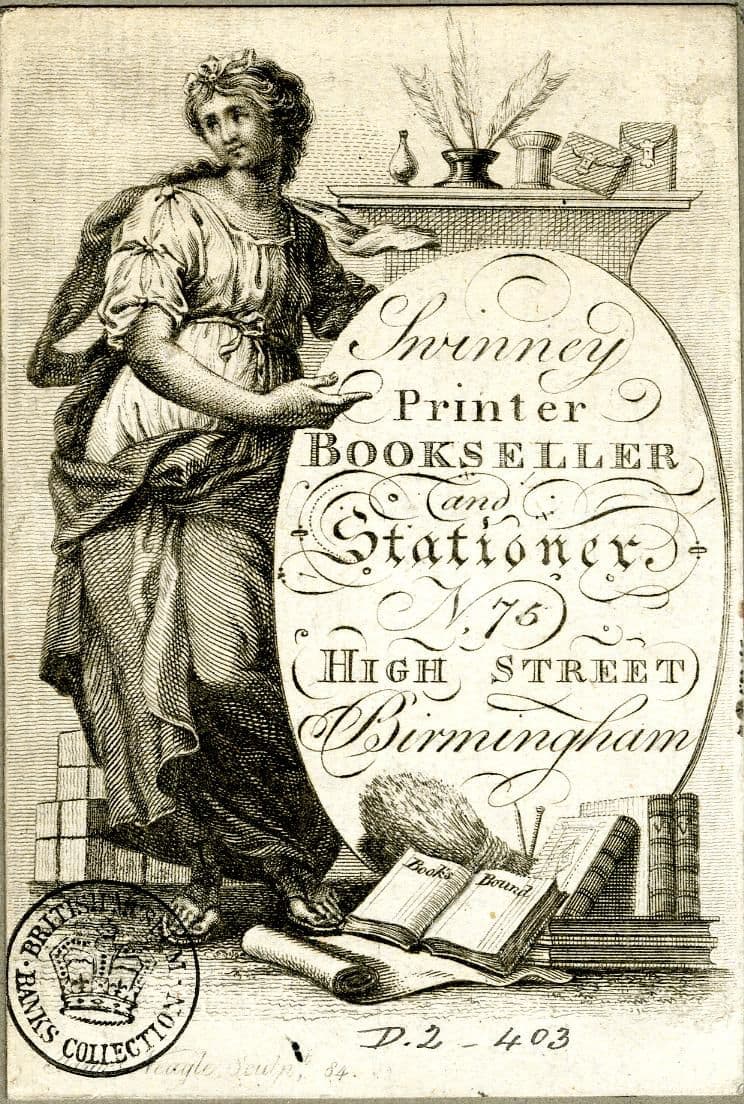 Myles Swinney’s printing office and type foundry, High StreetLost · c. 1775The High Street premises of Myles Swinney, printer of the Birmingham Chronicle, who carried on type-founding in Birmingham after Baskerville’s death. Baskerville’s punch-cutter John Handy worked here for twelve years.
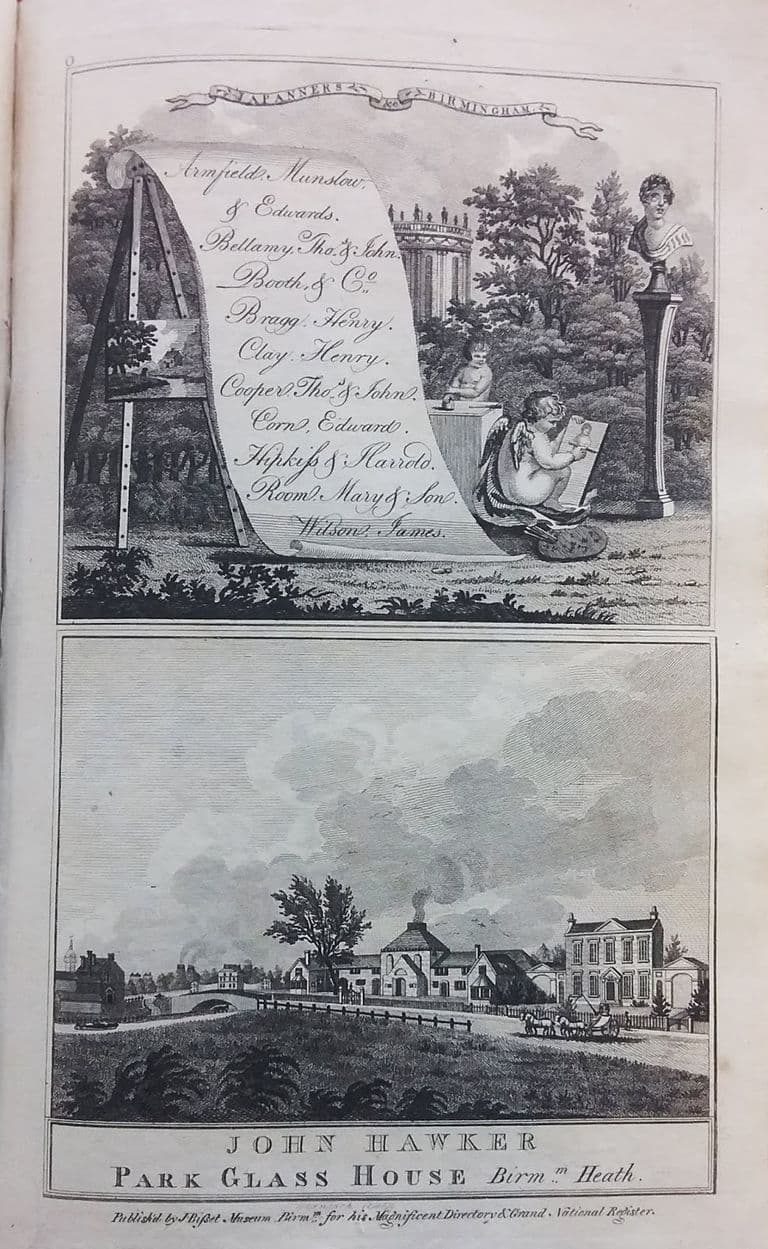 Henry Clay’s japanning works, Newhall StreetLost · c. 1777The works of Henry Clay, japanner, at 19 Newhall Street, where he made laminated papier-mâché trays, tables and coach panels under his 1772 patent. Up to 300 people worked here.
Westley Richards, Pritchett StreetSurviving, Surviving but altered · 1889Since 2008 the home of Westley Richards, gunmakers since 1812: two converted factories of 1889 and 1906, close to the old Gun Quarter. The last of Birmingham’s famous historic gunmakers still working in the area.
Westley Richards works, Grange Road, BournbrookLost, Site redeveloped · 1894–2009The purpose-built gun factory Westley Richards opened in Grange Road, Bournbrook, in 1894, leaving the cramped Gun Quarter behind. The firm worked here for 114 years. It was demolished in 2009.
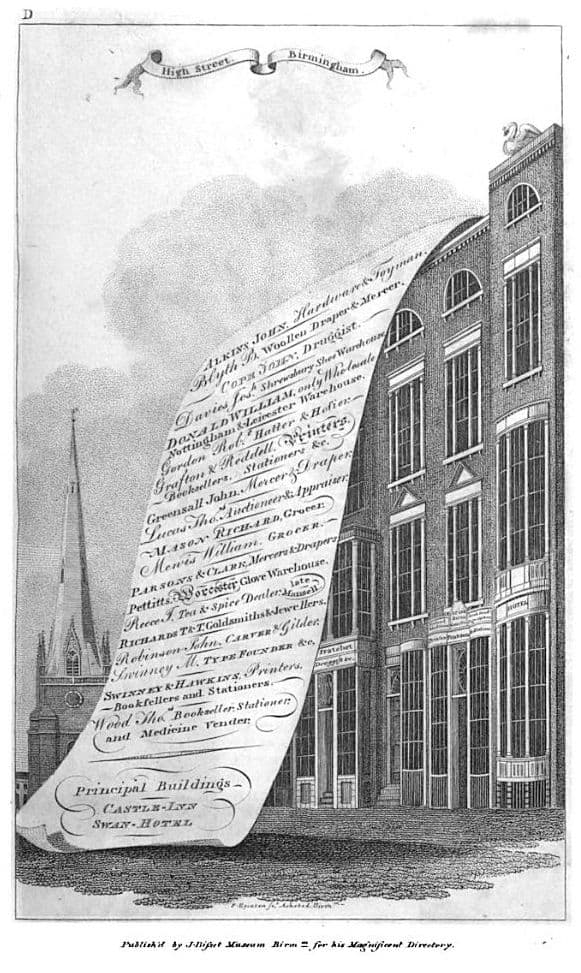 Westley Richards, 82 High StreetLost · 1812Where William Westley Richards set up as a gunmaker in 1812, at a High Street address his family had used for a toyshop. The firm’s Birmingham base until it moved to Bournbrook in the 1890s.
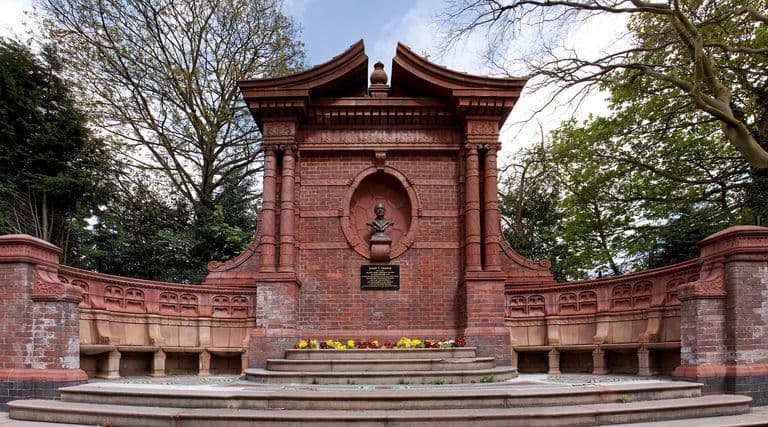 West Smethwick ParkSurviving · 1895Public park given to Smethwick in 1895 by the glassmaker James Timmins Chance, at a cost of £30,000 with its endowment. A memorial with a replica of his bronze bust stands in the park.
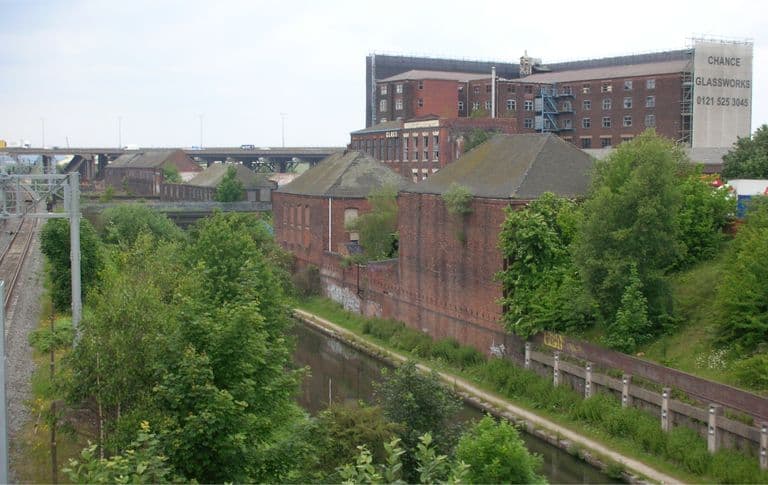 Chance’s Glassworks, Spon LanePartly surviving, At risk · c. 1814–1981The glassworks between the canals at Spon Lane, Smethwick, where Chance Brothers made sheet glass from 1832, glass for the Crystal Palace and lighthouse lenses sent around the world. Closed in 1981; eight listed buildings and buried furnaces survive.
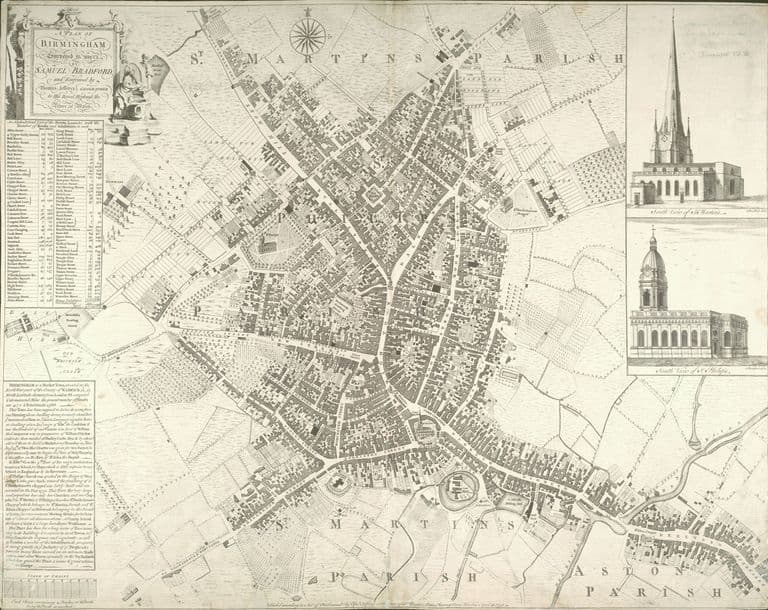 Lloyd’s slitting mill (the Town Mill), DigbethLost · c. 1549–c. 1839The water mill below Digbeth where the Quaker Lloyd family slit bar iron into rods for Birmingham’s nailers in the eighteenth century. It began as the town’s corn mill and vanished in the nineteenth century under the markets.
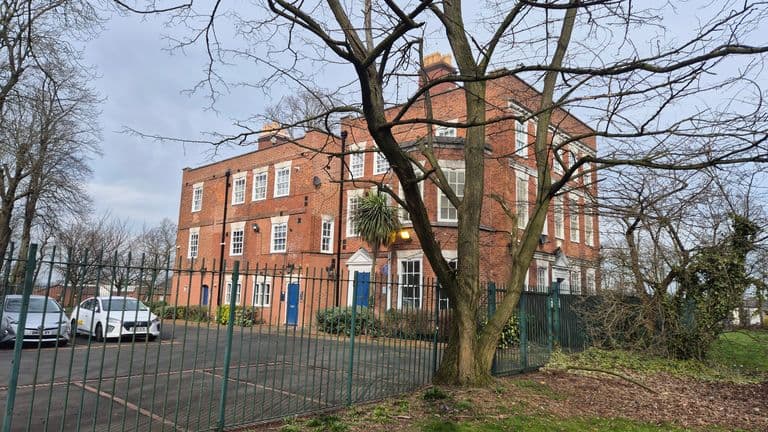 Farm (Lloyd’s Farmhouse), SparkbrookSurviving, Surviving but altered · c. 1750The Georgian house that the Quaker ironmaster and banker Sampson Lloyd built on his Bordesley estate in the 1740s. Home of the Birmingham Lloyds until 1912, it is one of the city’s rare surviving Georgian houses, listed Grade II*, beside Farm Park.
- The Custard Factory (Bird’s Devonshire Works)Surviving, Surviving but altered · c. 1886Alfred Bird & Sons’ custard and food works beside the River Rea in Deritend, from 1886–87 until production moved to Banbury in the 1960s. Its buildings, including the Grade II Devonshire House of 1902, are now the Custard Factory creative quarter.
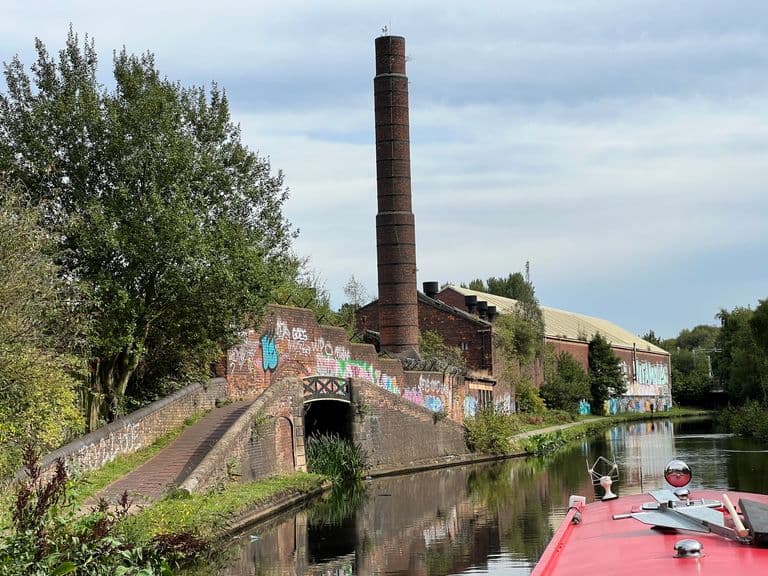 French Walls Works, SmethwickSite redeveloped · 1842–1932The canalside works opposite Soho Foundry where George Frederick Muntz made his patent yellow metal ship sheathing from 1842. It had been a gun-barrel works, a flour mill and James Watt junior’s ironworks. Metal-making ended in 1932.
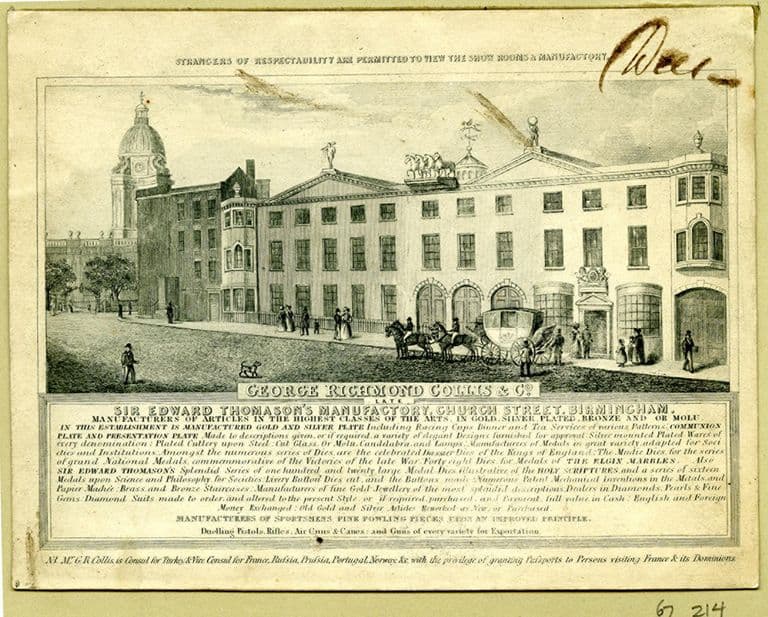 Thomason’s Manufactory, Church StreetLost · c. 1793Edward Thomason’s showpiece works at the corner of Colmore Row and Church Street, by St Philip’s. From 1793 it made buttons, tokens, medals, plate and bronzes, with showrooms for visitors and bronze horses on the roof.
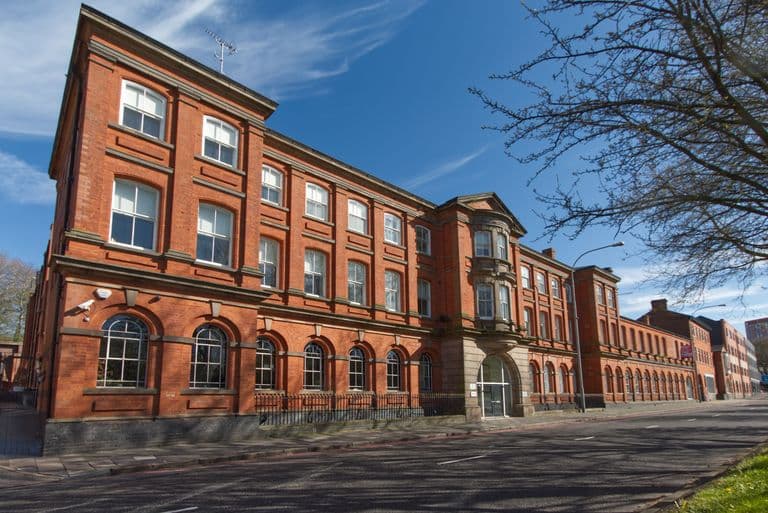 Birmingham Mint, Icknield StreetPartly surviving, Surviving but altered · 1860–2003The purpose-built works of Ralph Heaton & Sons, opened in 1860–62 with presses that had once worked at Boulton’s Soho Mint. For 140 years it struck coins for Britain and the world. The Grade II listed red-brick front survives.
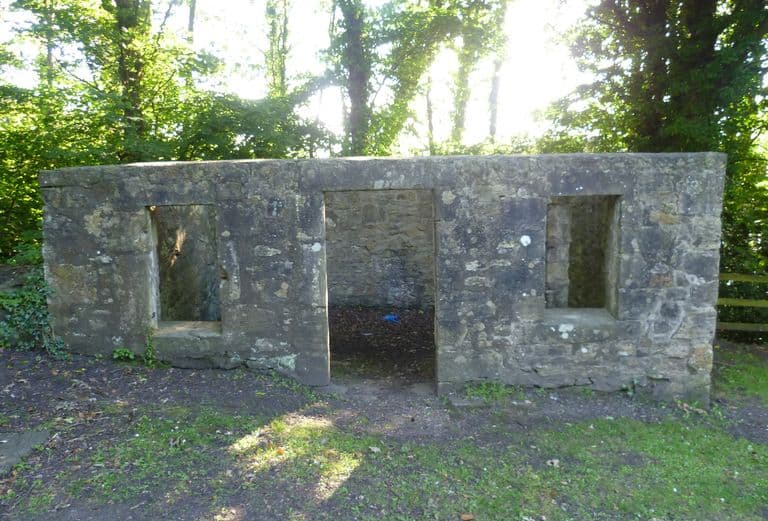 Watt’s Cottage, Kinneil House, Bo’nessPartly survivingThe roofless outbuilding behind Kinneil House where James Watt built his trial engine for John Roebuck in the late 1760s. Roebuck’s ruin in 1773 sent the engine to Birmingham.
- Carron Works, FalkirkLost, Partly surviving · 1759–1982The Carron Company’s ironworks on the River Carron near Falkirk, founded in 1759 by John Roebuck, Samuel Garbett and the Cadells. Only a clocktower survives, with carronades in its base.
- Pickard’s mill, Snow HillLost, Site redeveloped · c. 1779James Pickard’s mill on Snow Hill, where a Wasbrough steam engine was refitted with a crank and flywheel in 1780, among the first to turn a mill directly. In 1795 hungry crowds broke into it over the price of bread.
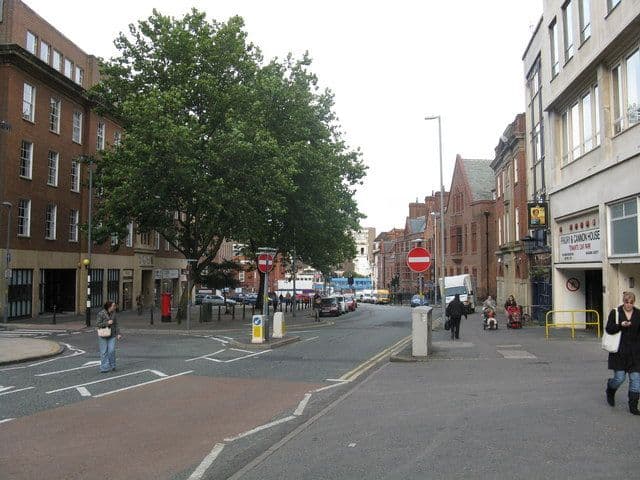 Roebuck and Garbett’s laboratory and refinery, Steelhouse LaneLost, Site redeveloped · c. 1745Somewhere on Steelhouse Lane, Samuel Garbett refined gold and silver for Birmingham’s jewellers and, with Dr John Roebuck, began making sulphuric acid in lead chambers in 1746. The exact site is unknown.
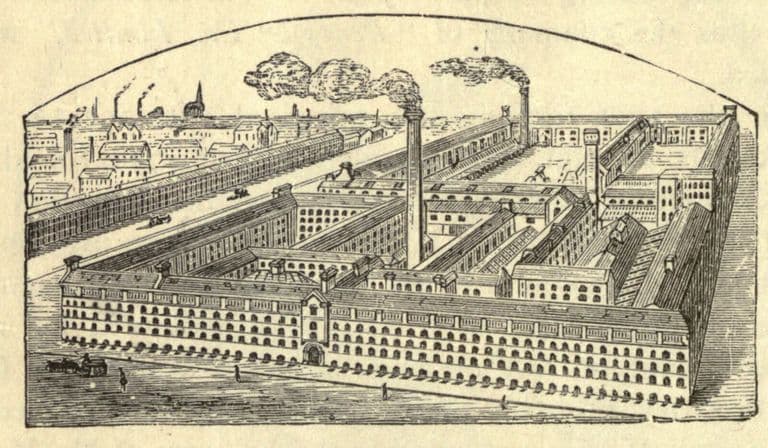 Josiah Mason’s pen works, Lancaster StreetSite redeveloped · 1778Where Samuel Harrison made split rings and Josiah Mason made every pen sold under Perry’s name. By 1889 the works, then Perry & Co.’s, covered nearly two acres and fronted four streets, with a dining hall for 600 and a library for its workers.
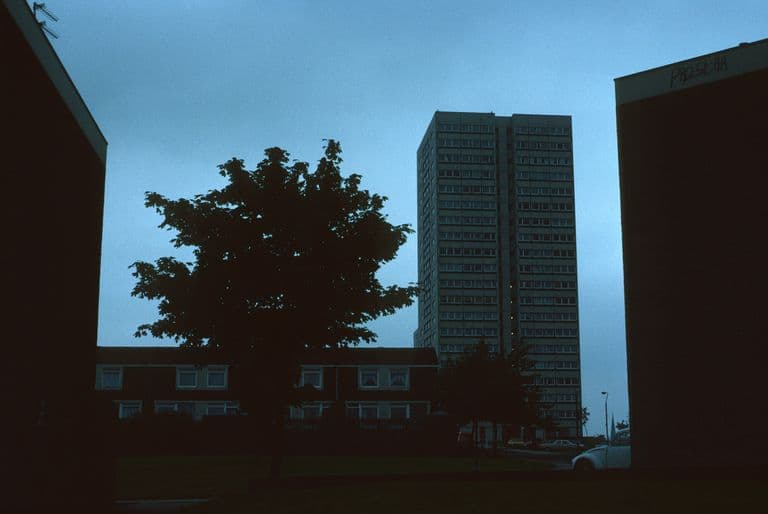 Summer Lane and the old NewtownSite redeveloped · lost 1947Summer Lane gave its name to one of the five redevelopment areas that Birmingham bought in 1947. Its courts, back-to-backs and workshops were cleared almost completely between the late 1950s and the 1970s and rebuilt as Newtown.
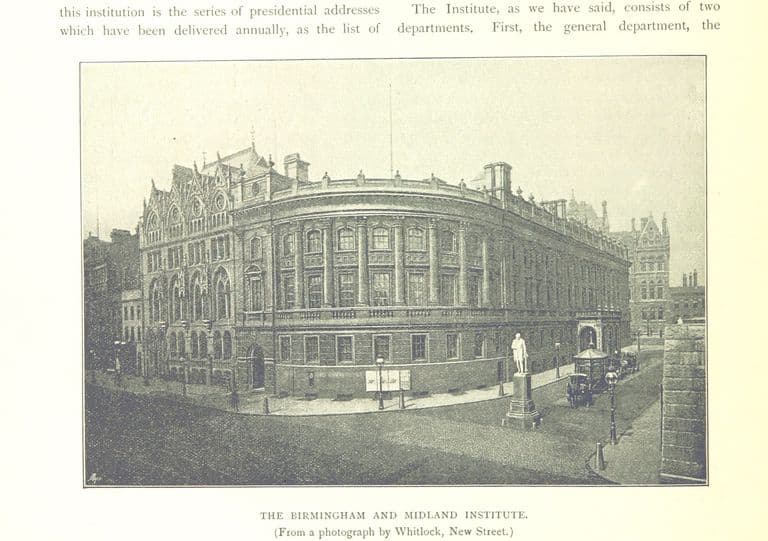 Birmingham and Midland Institute, Paradise StreetLost, Site redeveloped · 1858–c. 1965The Birmingham and Midland Institute’s Renaissance building by E. M. Barry stood beside the Town Hall from 1858. It was compulsorily purchased in 1965 and demolished so that Paradise Street could be widened for traffic re-routed by the ring-road works.
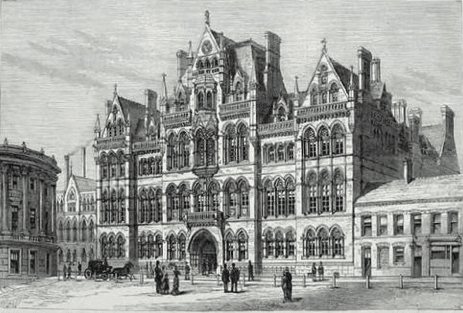 Mason Science College, Edmund StreetLost, Site redeveloped · 1880–1964Josiah Mason’s Gothic science college on Edmund Street, opened in 1880, was the seed of the University of Birmingham. It was demolished in 1964 to clear the site for the new Central Library, built over the Paradise Circus section of the Inner Ring Road.
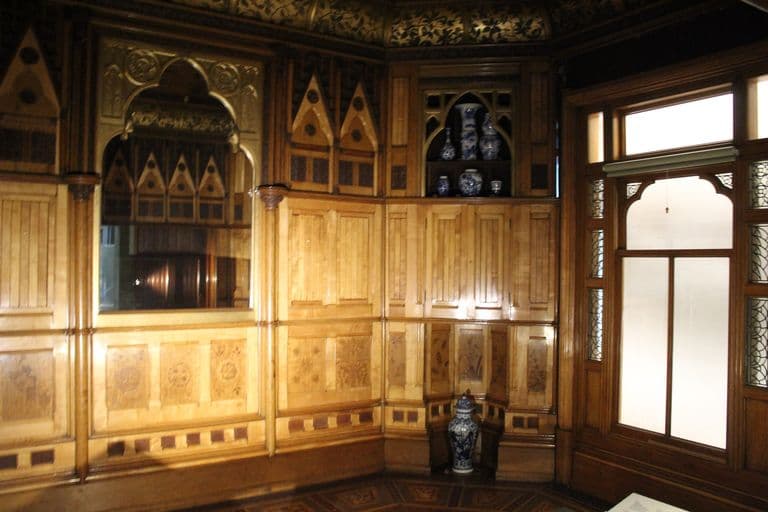 The Grove, HarborneLost · c. 1877–1963Thomas Attwood’s home through the Reform Bill years, where Birmingham’s crowds came to fetch him in May 1832. Rebuilt for William Kenrick in 1877–78, it was pulled down in 1963. One room survives, in the Victoria and Albert Museum.
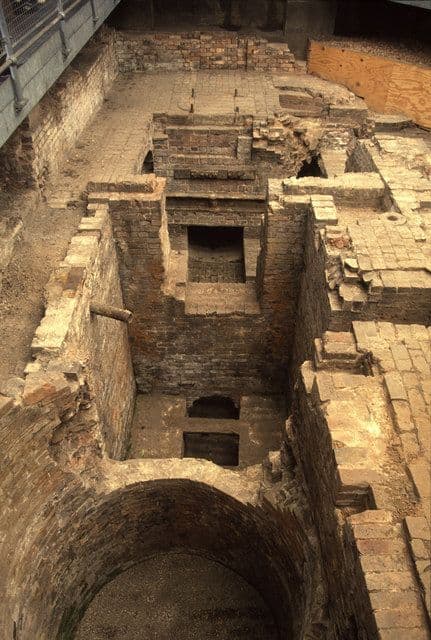 Site of the Smethwick Engine, Bridge Street NorthPartly surviving · 1779–1897Where the Boulton & Watt engine of 1779 pumped water up the Smethwick locks for more than a century. The engine is now at Thinktank, but its foundations survive under a later building, marked by a blue plaque.
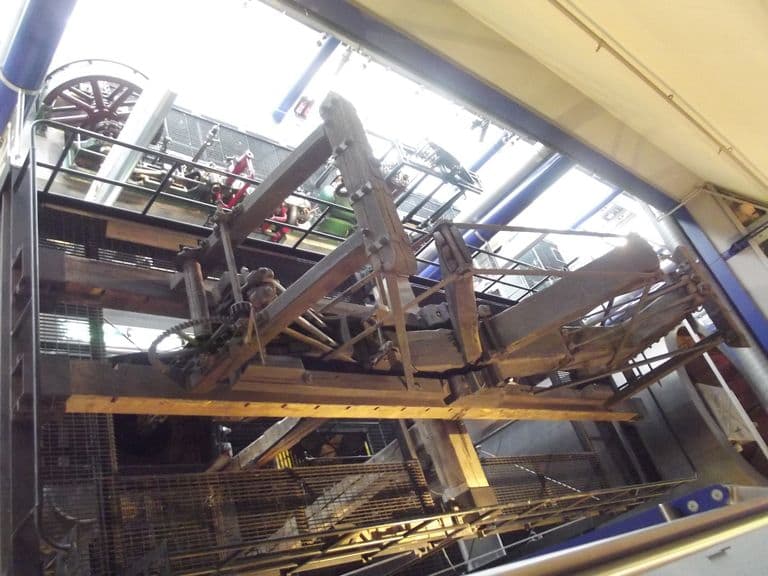 The Smethwick Engine at ThinktankRelocated · 1779The Boulton & Watt engine that pumped water up the Smethwick locks from 1779 is now the centrepiece of Thinktank, Birmingham’s science museum at Millennium Point. It is described as the oldest working steam engine in the world.
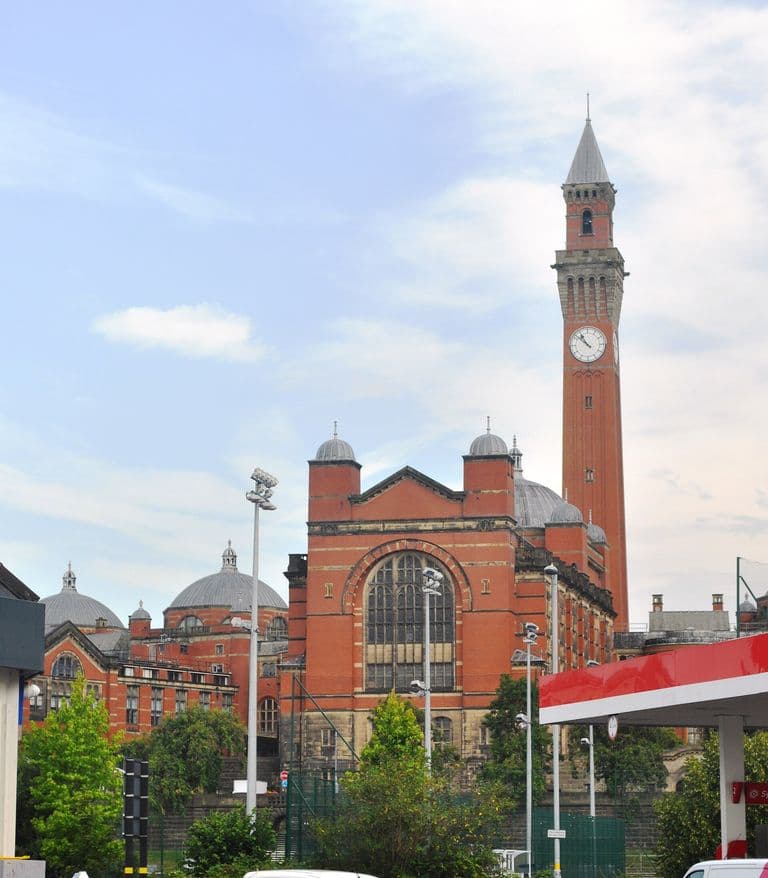 Old Joe and the Aston Webb buildings, University of BirminghamSurviving · 1900The university Joseph Chamberlain willed into being, with its domed Great Hall and a 100-metre clock tower modelled on Siena, named in his honour. King Edward VII opened it in 1909. Students still call the tower Old Joe.
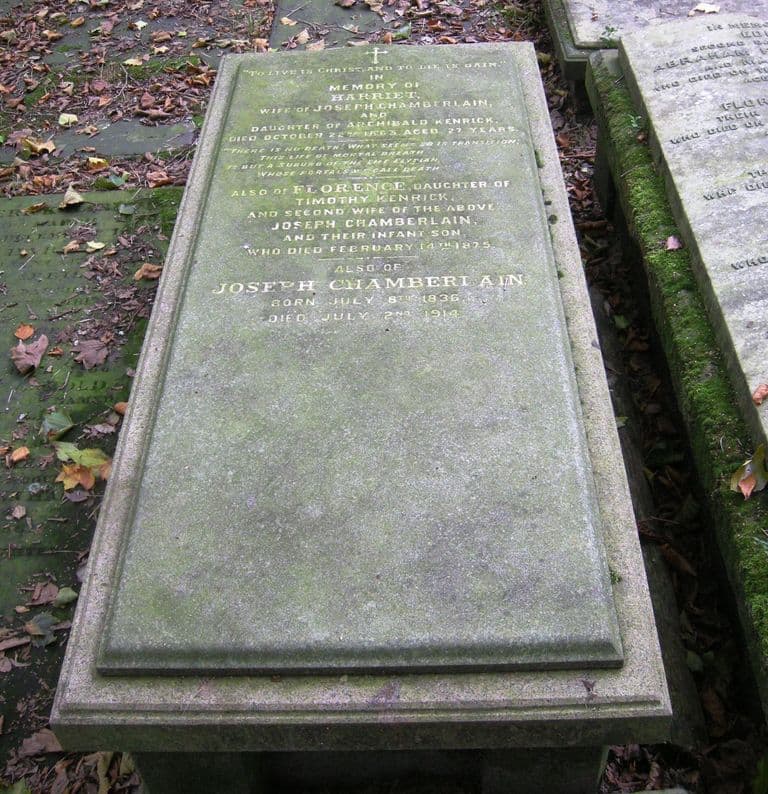 Key Hill CemeterySurviving, Surviving but altered · 1836Birmingham’s first cemetery outside a churchyard, opened in 1836 for all denominations and cut into a sandstone hill. Joseph Chamberlain lies here with his first two wives, and so does the pen-maker Joseph Gillott.
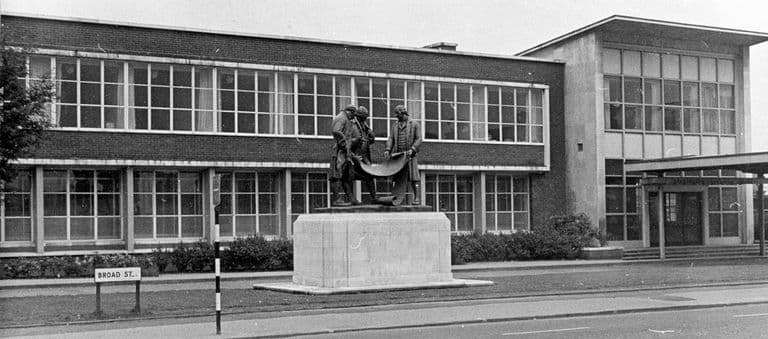 Boulton, Watt and Murdoch (“The Golden Boys”)Relocated · 1956William Bloye’s gilded bronze of Matthew Boulton, James Watt and William Murdoch poring over an engine drawing. Unveiled on Broad Street in 1956, stored during the tram works, it returned to Centenary Square on 29 April 2022.
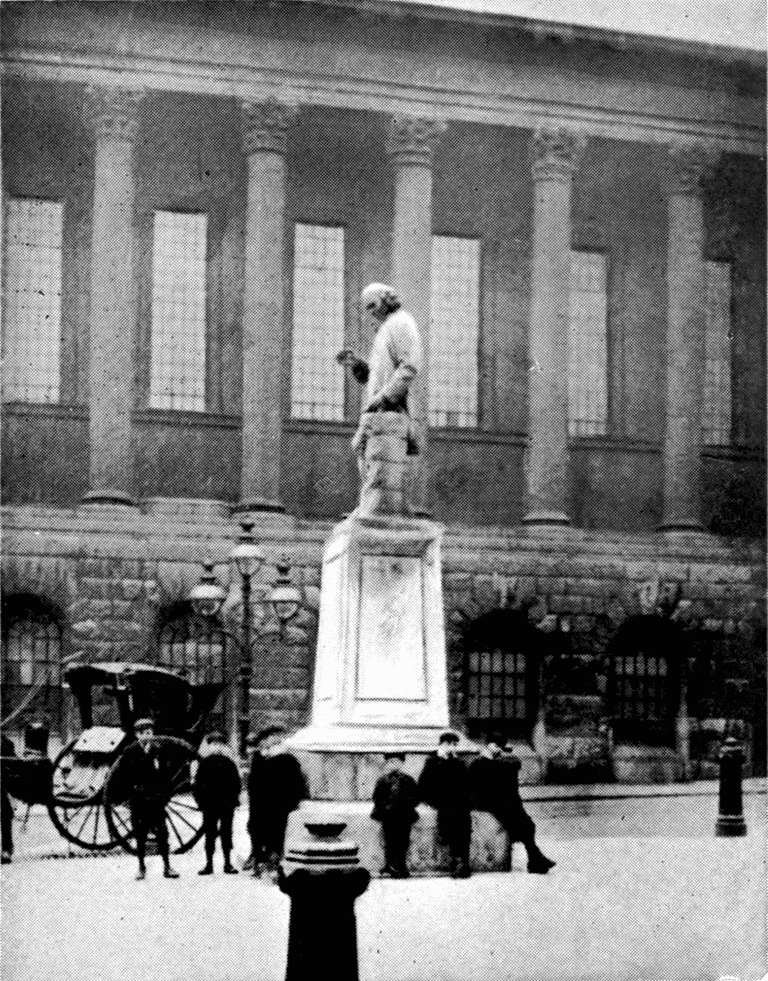 Statue of Joseph Priestley, Ratcliff PassageRelocated, Surviving but altered · 1874F. J. Williamson’s statue of Joseph Priestley was presented to Birmingham on 1 August 1874, a hundred years to the day after Priestley’s experiment that produced oxygen. Recast in bronze in 1951, it returned in July 2026 to Ratcliff Passage.
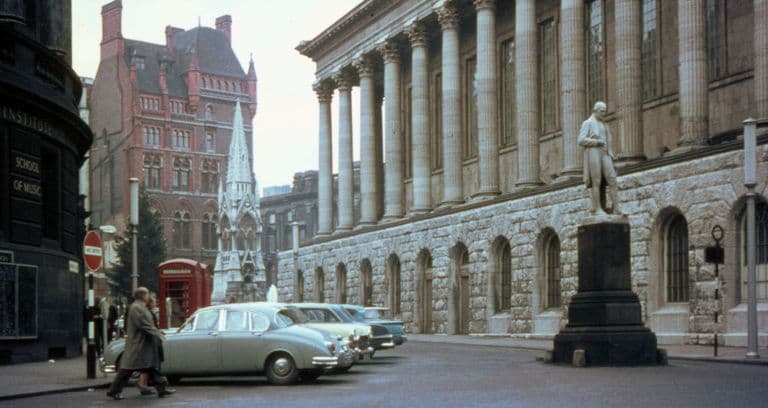 Statue of James Watt, Ratcliff PassageRelocated · 1868Alexander Munro’s statue of James Watt, carved in 1868, stood near the Town Hall for almost 150 years. Taken away for the Paradise rebuilding, it came back in July 2026 to Ratcliff Passage, close to where it first stood.
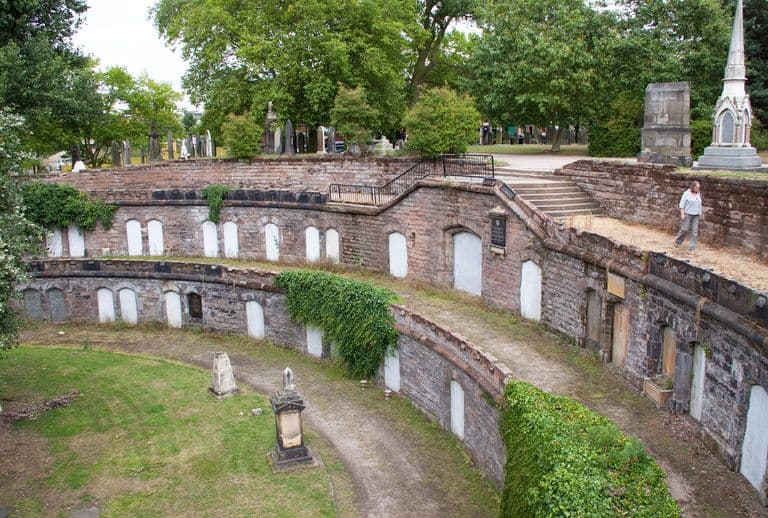 Warstone Lane CemeterySurviving, Surviving but altered · 1848The Anglican cemetery of the Jewellery Quarter, opened in 1848 in an old sand quarry, with two tiers of catacombs cut into the quarry sides. John Baskerville lies here. It is a Grade II registered park.
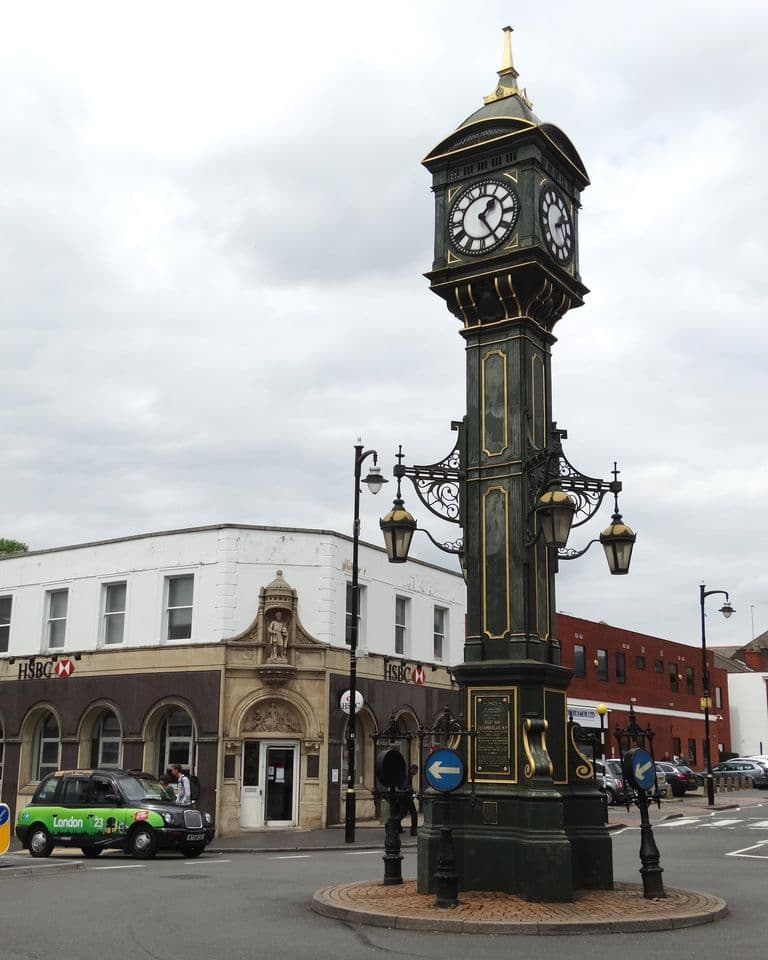 The Chamberlain ClockSurviving, Surviving but altered · 1903A cast-iron clock tower of 1903 where Warstone Lane meets Vyse Street and Frederick Street, put up to mark Joseph Chamberlain’s visit to South Africa. It has become the symbol of the Jewellery Quarter.
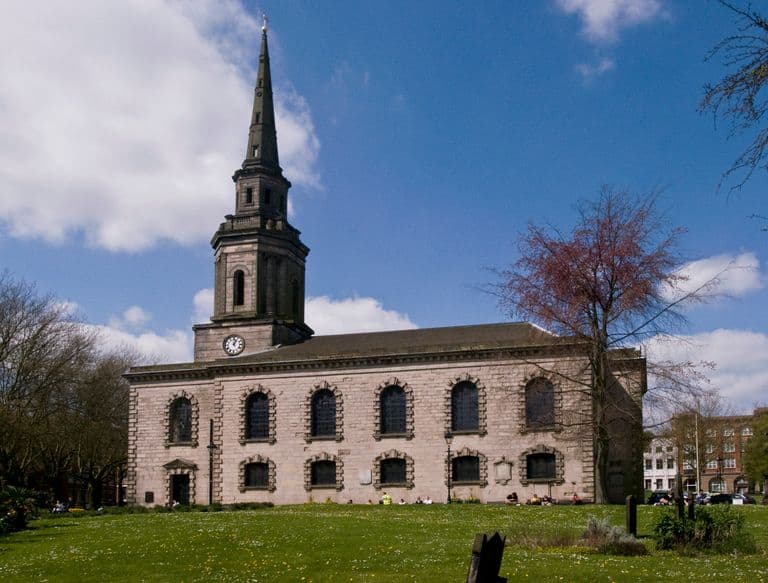 St Paul’s Church and St Paul’s SquareSurviving, Surviving but altered · 1777The Georgian church at the heart of the Jewellery Quarter, built in 1777–79 on land given by the Colmore family to sell the building plots around it. The houses of its square soon had workshops behind them. Grade I listed.
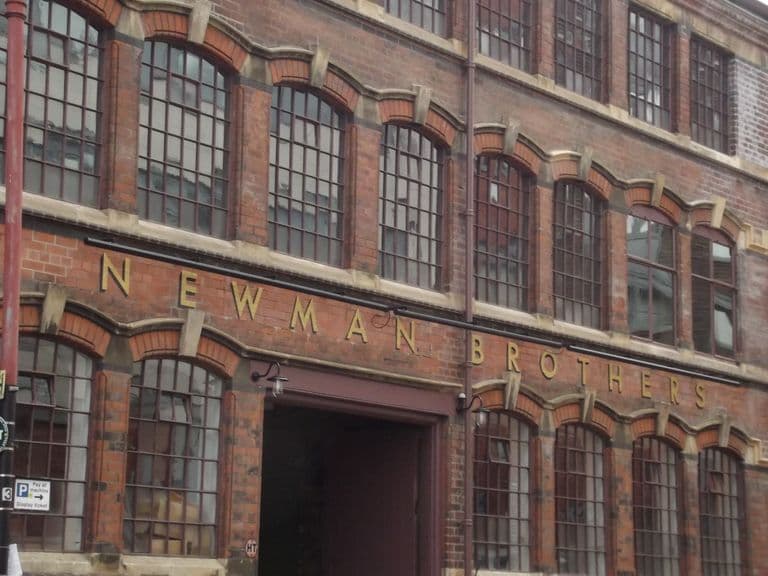 Newman Brothers Coffin WorksSurviving · 1892A coffin-furniture factory on Fleet Street, built in 1892–94 and left almost untouched when it closed at the end of the 1990s. Saved by Birmingham Conservation Trust, it opened as a museum in October 2014 with its presses, stamps and stock still inside.
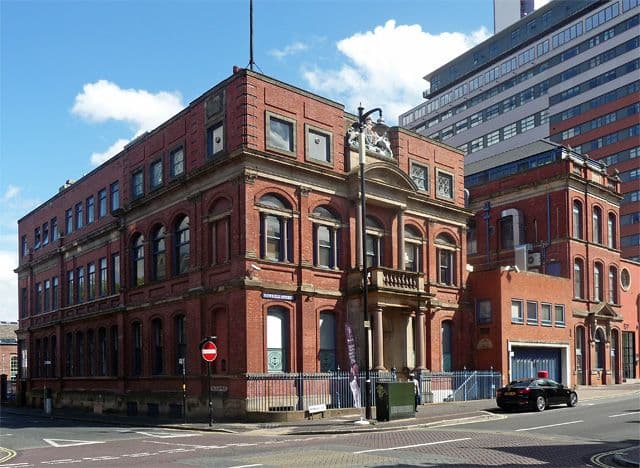 The Jewellery QuarterSurviving, Surviving but altered · 1746An industrial district of houses turned into workshops, backyard ‘shopping’ and small factories, built up from the 1770s by makers of buttons, buckles, ‘toys’ and jewellery. English Heritage judged it of international significance in 1999.
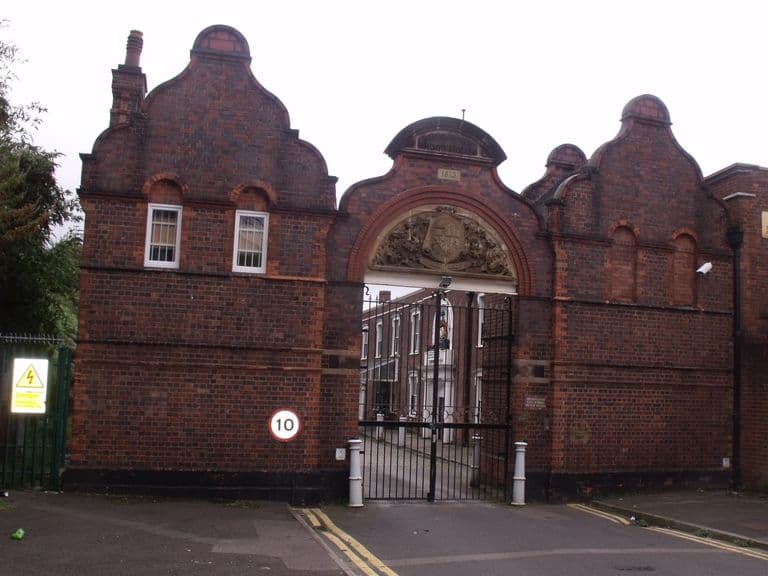 Birmingham Gun Barrel Proof HouseSurviving, Surviving but altered · 1813Built in 1813 by Act of Parliament, at the gun trade’s own expense, to test every gun barrel made in Birmingham. Behind its trophy of arms and the motto ‘For Public Security’, barrels are still fired in an iron-lined proof hole. Grade II* listed.
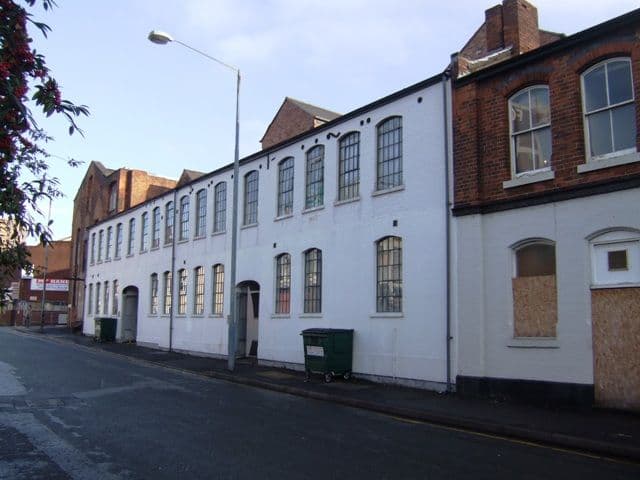 The Gun QuarterPartly surviving, Site redeveloped · c. 1750–c. 1965The streets north of Steelhouse Lane where, by 1829, two-thirds of Birmingham’s gun trade worked in small houses and backyard workshops. It armed Britain’s soldiers and supplied the African trade. Most of it was cleared in the 1950s and 1960s.
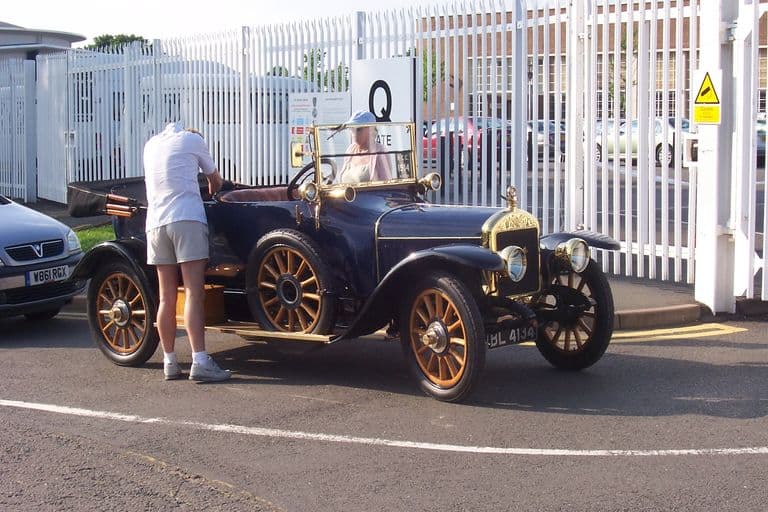 Austin works, LongbridgeSite redeveloped, Partly surviving · 1905–2005Herbert Austin turned a derelict printing works into “The Austin”, Britain’s best-known car factory, home of the Austin Seven and the Mini. Car making ended with MG Rover in 2005 and MG in 2016; a town centre, college and homes now cover most of it.
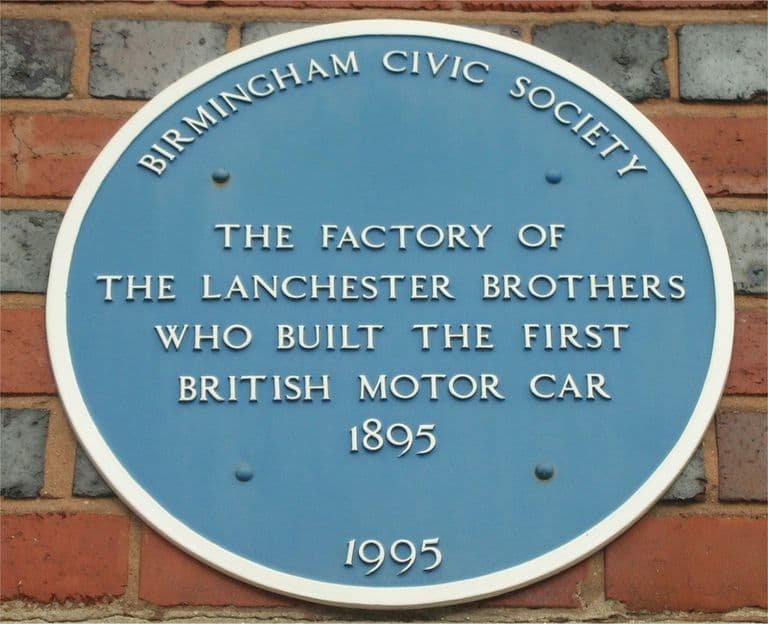 Lanchester works, Armourer Mills, Montgomery Street, SparkbrookSurviving, Surviving but altered · 1887The Sparkbrook works where the Lanchester brothers built cars from 1900 to 1931: a rolling mill of 1887 refitted for motor manufacture, with a striking 1902 street block and later buildings by J. L. Ball. Locally listed at Grade A; Civic Society plaque.
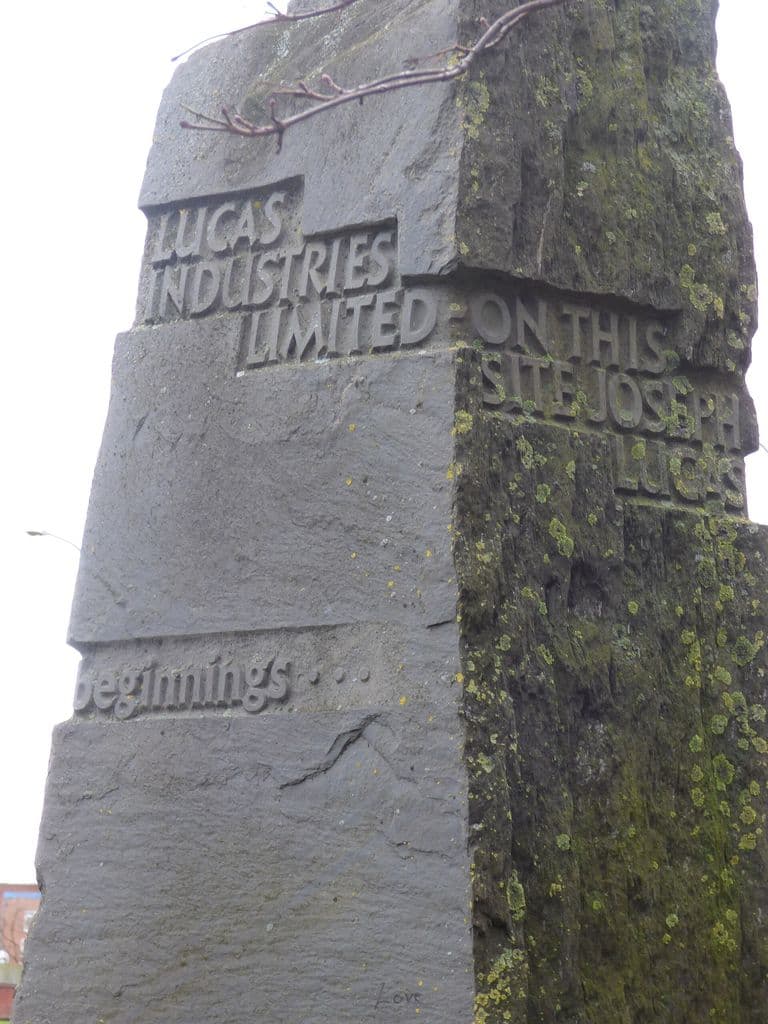 Lucas works, Great King Street, HockleyLost, Site redeveloped · c. 1896–c. 1994Where Joseph Lucas’s Tom Bowling lamp works grew into the twelve-acre headquarters of Lucas Industries, maker of electrics for millions of British cars. Emptied by 1988 and demolished in the early 1990s; housing and a slate monument mark the site.
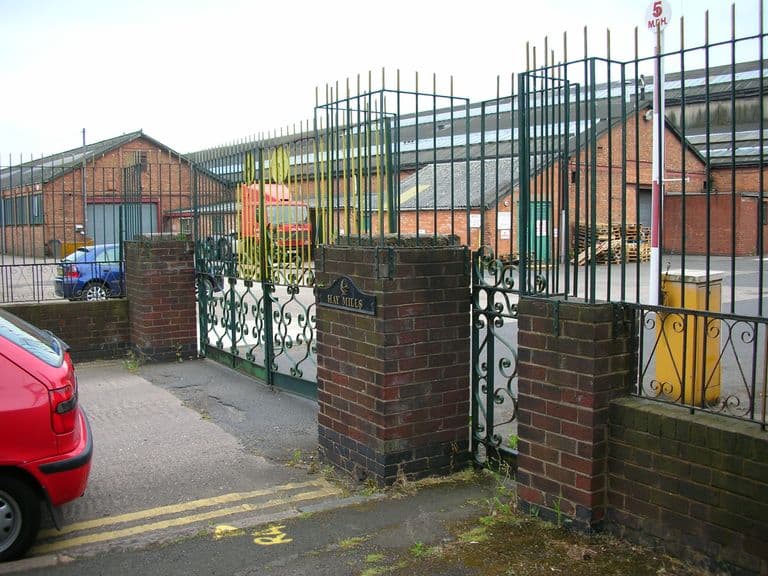 Hay Mills wire works (Webster & Horsfall)Surviving but altered · c. 1859The wire works on the River Cole at Hay Mills where James Horsfall’s firm drew the armouring wire for the Atlantic telegraph cables of 1865 and 1866. Webster & Horsfall still makes wire on the site, beside the church Horsfall built for his workers.
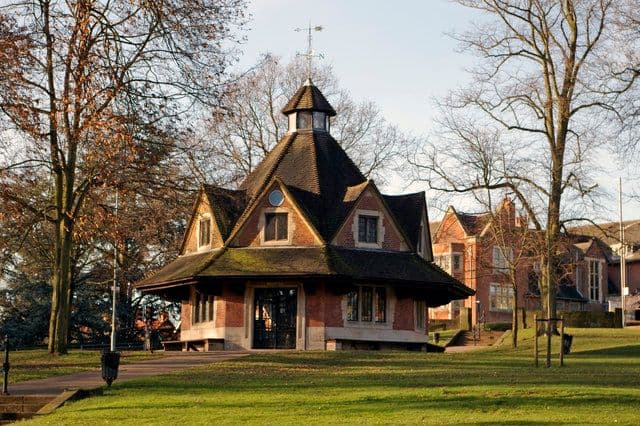 Bournville villageSurviving · 1895The model village that George Cadbury began beside his chocolate works in the 1890s and gave to the Bournville Village Trust in 1900: cottages with big gardens, trees, parks, schools and a village green, open to anyone, not only Cadbury workers.
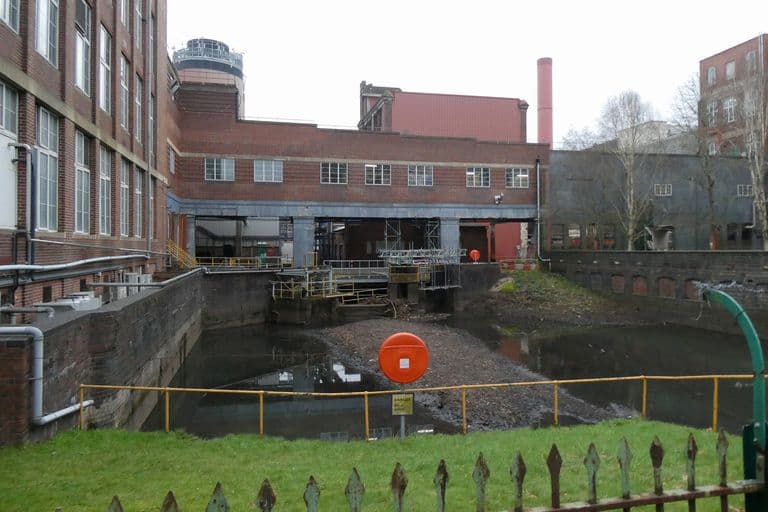 Bournville works (Cadbury)Surviving, Surviving but altered · 1879The chocolate factory that Richard and George Cadbury built in the fields south of Birmingham in 1879 and called Bournville. It was one of the first big British factories moved deliberately to the countryside, and it still makes chocolate today.
 Cadbury’s Bridge Street worksLost, Site redeveloped · 1847–1879The cocoa works off Broad Street where John Cadbury’s business was nearly lost and then rescued by his sons Richard and George between 1861 and 1879, before they moved it to Bournville. Nothing of it survives, and the plot has not been precisely located.
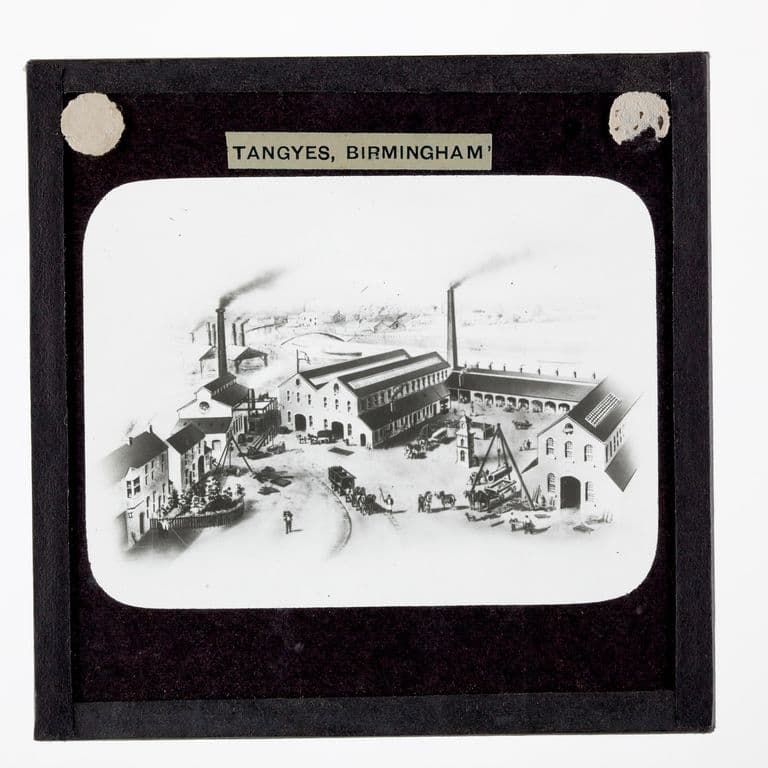 Cornwall Works (Tangyes)Lost, Site redeveloped · 1864–c. 1969Tangye Brothers’ great engineering works beside the Birmingham Canal at Smethwick, opened in 1864 on the site of Rabone Hall. It made hydraulic jacks, pumps, steam, gas and oil engines for customers around the world until the firm left in 1969.
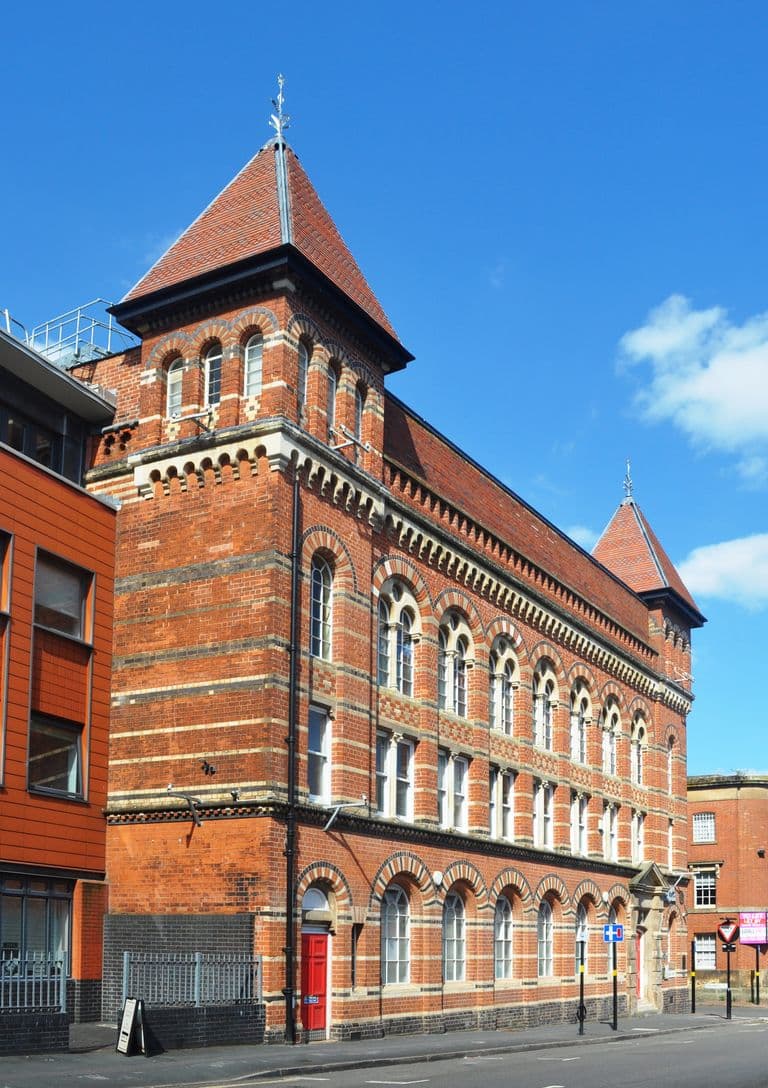 Pen Museum, Argent CentreSurviving · 1862A Grade II* listed pen factory of 1862–63, built for the gold-pen maker W. E. Wiley with its own Turkish baths, and since 2001 home to the Pen Museum, which tells the story of Birmingham’s steel-pen trade.
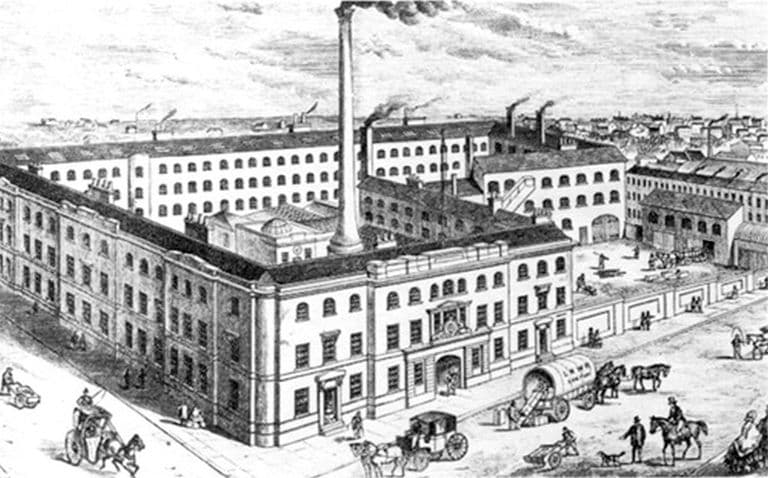 Victoria Works, Graham StreetSurviving, Surviving but altered · 1838Joseph Gillott’s steel-pen factory on Graham Street, where nibs were pressed by machine for the world. Pens were made here until 1956. Listed Grade II for the international importance of this first mass production of pen nibs; now flats and offices.
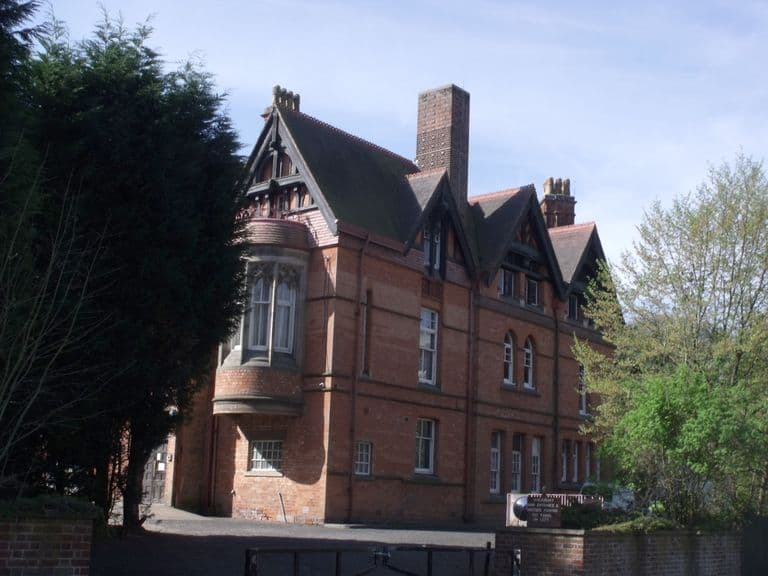 Highbury, Moor GreenSurviving, Surviving but altered · 1879The red-brick Venetian Gothic house that Joseph Chamberlain built at Moor Green with his screw fortune, home from 1880 until his death in 1914. Listed Grade II*, with Grade II registered grounds now largely a public park.
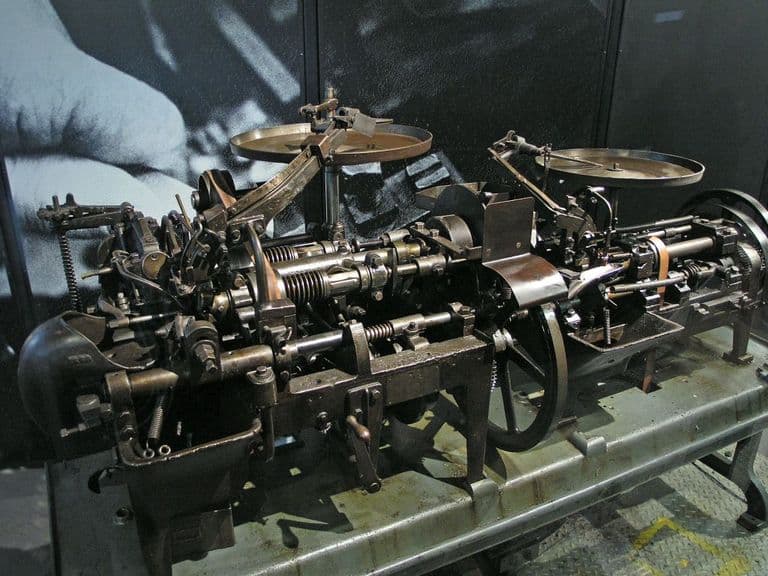 Heath Street Works (Nettlefold & Chamberlain), SmethwickSite redeveloped · 1854The Smethwick factory, opened in 1854, where American machines made pointed wood screws for Nettlefold & Chamberlain. Joseph Chamberlain made his fortune here; it grew into GKN’s 50-acre screw works. The area is now being rebuilt around the Midland Metropolitan hospital.
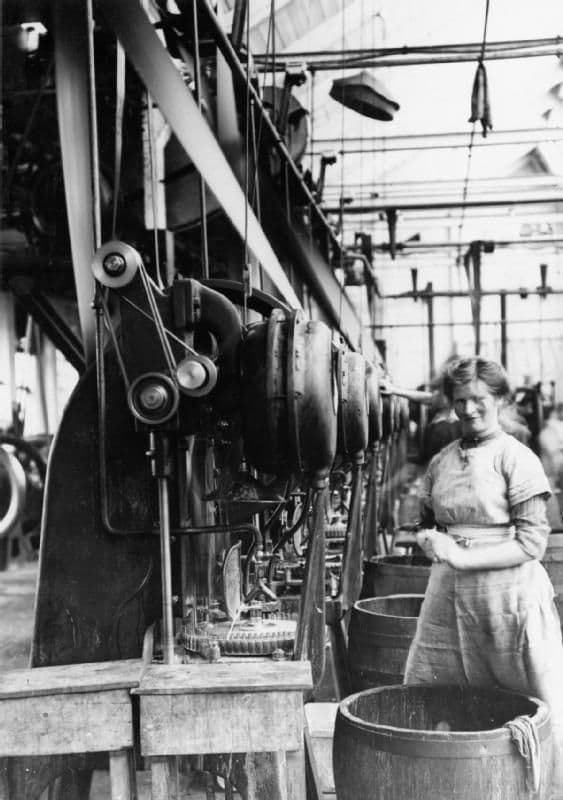 Kynoch’s Lion Works, WittonLost, Site redeveloped · 1861–c. 2003An ammunition works licensed at Witton in 1861 after a deadly explosion in the town, run by George Kynoch from 1862. It grew into Kynoch Ltd, then ICI’s and IMI’s metals works. Most buildings were demolished after 2003; a war memorial still stands by the main gate.
BSA works, Armoury Road, Small HeathLost, Site redeveloped · 1863–c. 1977The Birmingham Small Arms works opened at Small Heath in 1863 to make rifles by machine, then bicycles and motorcycles. Bombs killed 53 workers there in November 1940. The works were demolished in the 1970s; Armoury Road keeps the name.
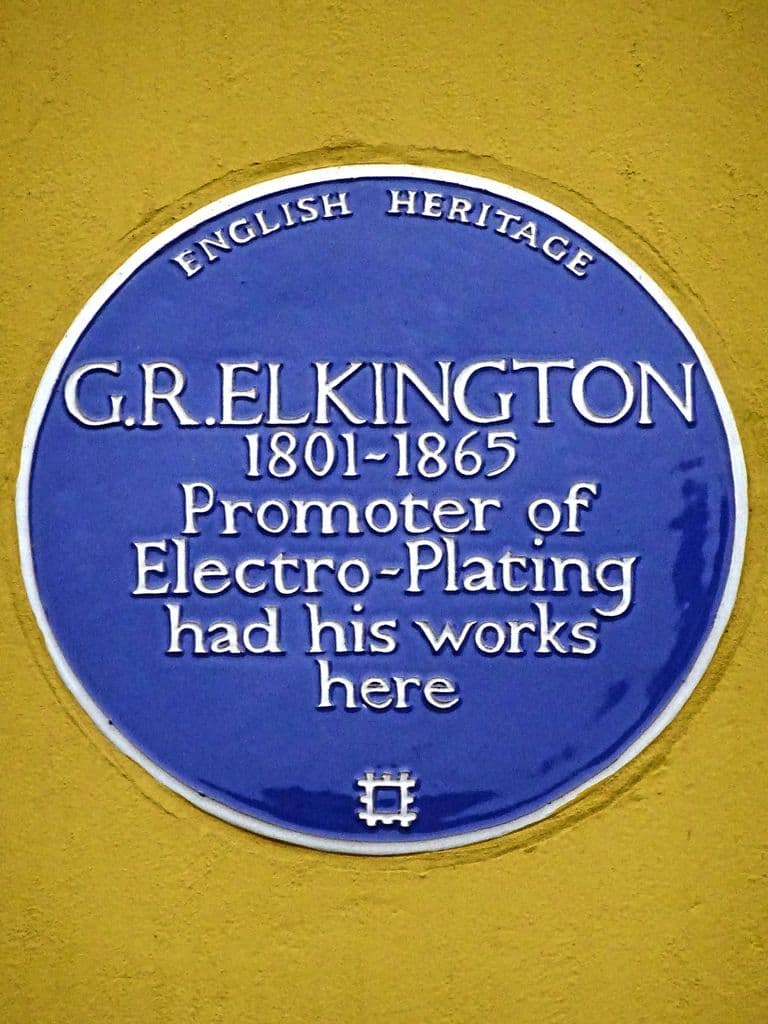 Elkington’s electroplating works, Newhall StreetPartly surviving, Surviving but altered · 1838–c. 1960Elkington’s works on Newhall Street, opened in 1838, made electroplating a world industry, and Alexander Parkes worked here before inventing the first plastic. The works were largely demolished in the 1960s; one listed range survives at 144 Newhall Street.
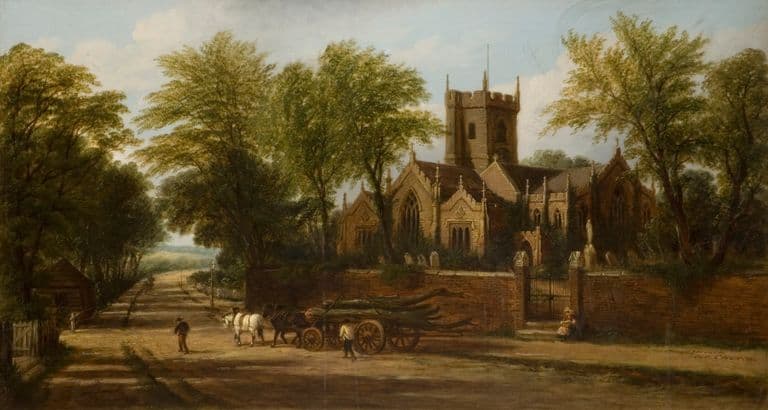 St Mary’s Church, HandsworthSurvivingHandsworth’s medieval parish church, where Matthew Boulton, James Watt and William Murdoch are buried, with monuments by Flaxman and Chantrey and a chapel built for Watt in 1826. Grade II* listed and still in use.
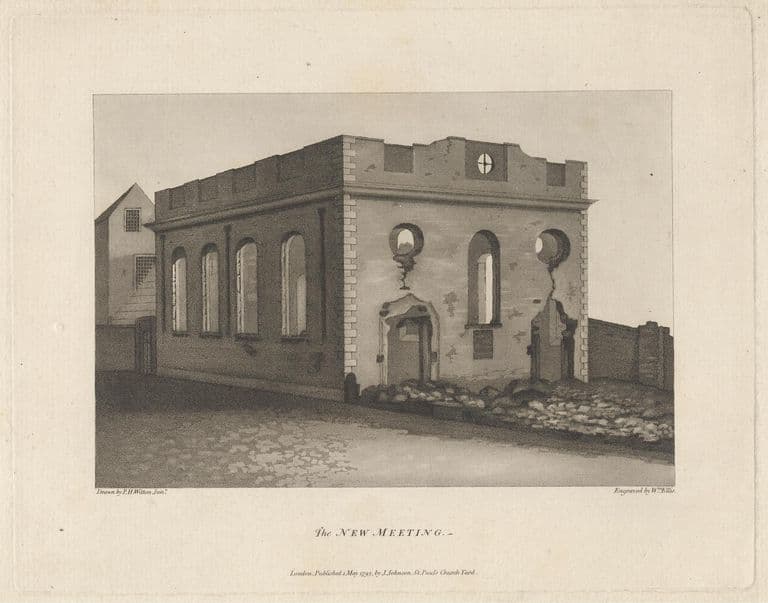 New Meeting HouseSurviving but altered · 1726–1791The Dissenting chapel in Moor Street where Joseph Priestley was minister from 1780. Burnt on the first night of the 1791 riots, it was rebuilt by 1803 and has been St Michael’s Catholic Church since 1862.
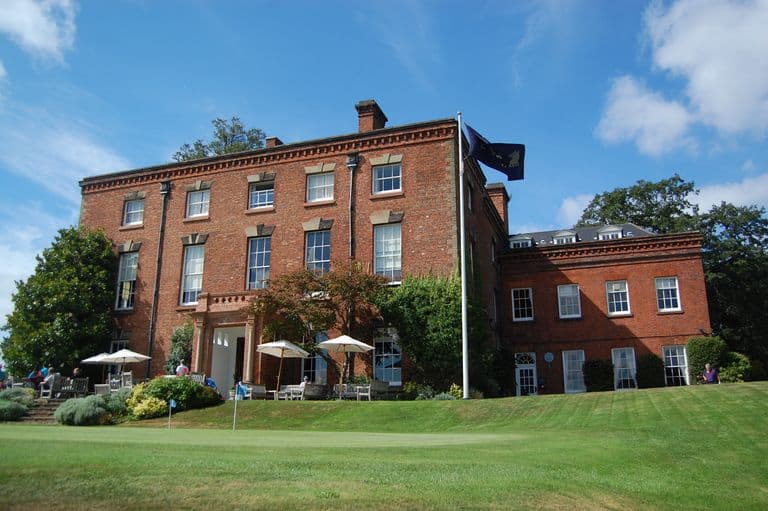 Edgbaston HallSurviving · 1717An early Georgian house of 1717, leased by the physician and botanist William Withering from 1786 to 1799. Rioters reached it in 1791 but troops saved it. Grade II listed, it has been Edgbaston Golf Club’s clubhouse since 1936.
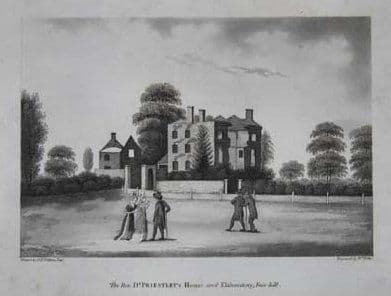 Fair HillLost, Site redeveloped · lost 1791Joseph Priestley’s house and laboratory in Sparkbrook from 1780 until rioters burnt it on 14 July 1791. Rebuilt as The Larches, where William Withering died and Francis Galton was born; demolished c.1871.
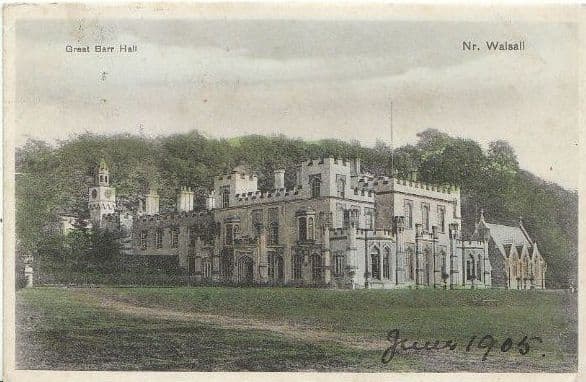 Great Barr HallPartly surviving, At risk · c. 1777A Gothick country house just north of Kingstanding, leased by the Quaker gun-maker Samuel Galton junior from 1785 to 1797, when the Lunar Society met there. Later a hospital, it is now a roofless shell on the Heritage at Risk Register.
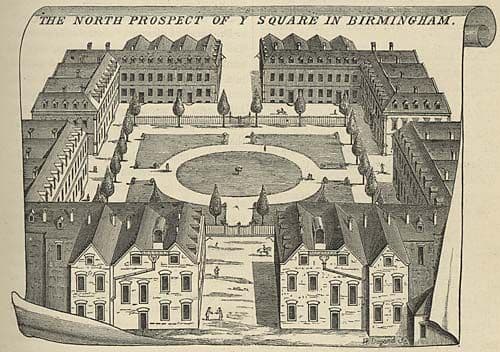 Upper Priory Cotton MillLost, Site redeveloped · c. 1741–c. 1743One of the world’s earliest powered cotton-spinning mills, set up about 1741 by Lewis Paul and John Wyatt in a warehouse in the Upper Priory, Birmingham, with spindles turned by two donkeys. It failed within about two years.
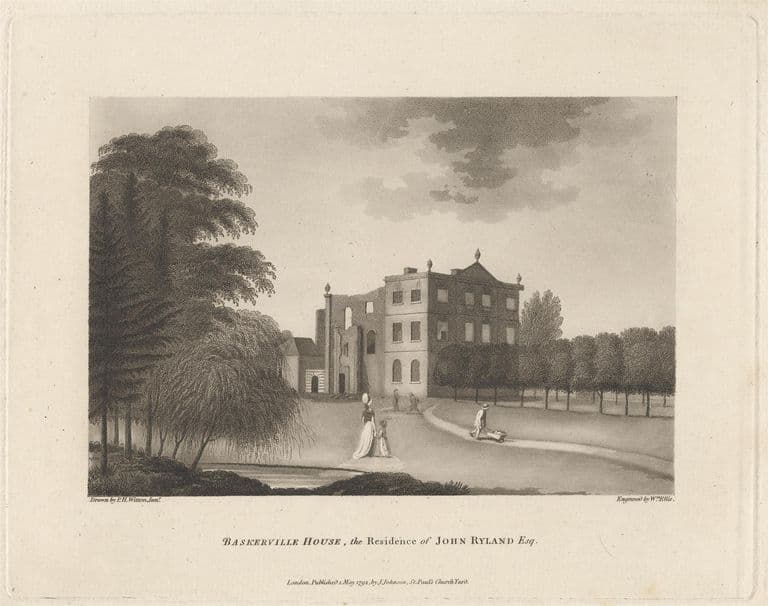 Easy HillLost, Site redeveloped · c. 1745–1791John Baskerville’s eight-acre estate just outside Georgian Birmingham, where he made japanned ware, cast type and printed some of the most beautiful books of his age. Burnt in the 1791 riots; Baskerville House stands on the site.
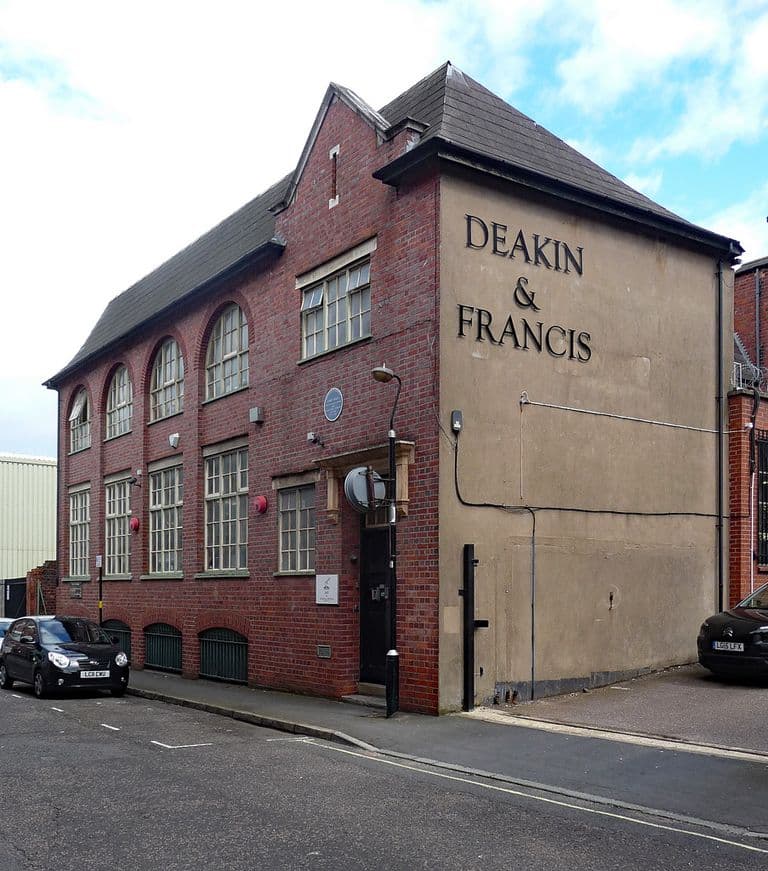 Watt’s house at Harper’s Hill (Regent Place)Lost, Partly survivingJames Watt’s Birmingham home from 1777 to 1790, at Harper’s Hill, now Regent Place in the Jewellery Quarter. The house is gone; a listed rear wing at 13A Regent Place is ‘perhaps’ its stabling, and a blue plaque is on 15–17 Regent Place.
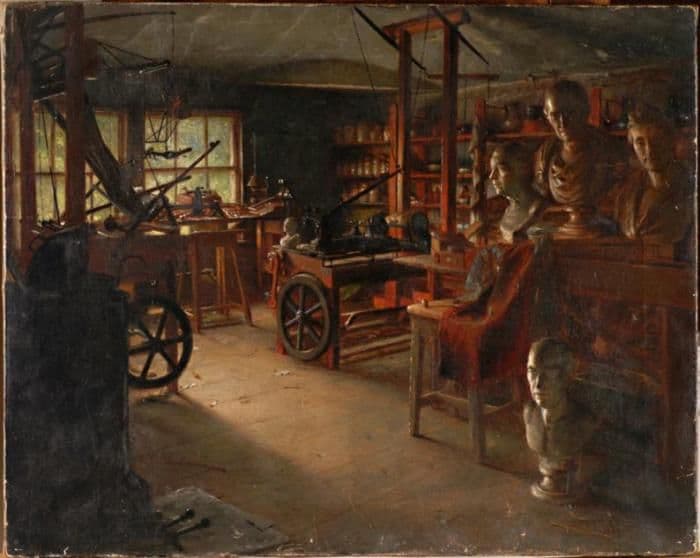 James Watt’s garret workshopRelocated · c. 1790–1924The complete attic workshop James Watt used at Heathfield from 1790 to 1819, kept almost untouched for a century and moved, door, floorboards and all, to the Science Museum in London in 1924.
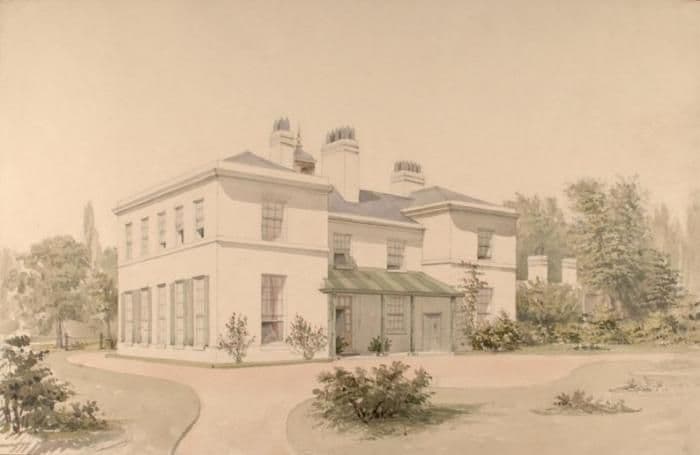 Heathfield HallLost, Site redeveloped · c. 1790–c. 1927James Watt’s home in Handsworth from 1790 until his death there in 1819, with his famous garret workshop. Demolished in 1927–28 and built over; its lodge on Radnor Road survives with a blue plaque.
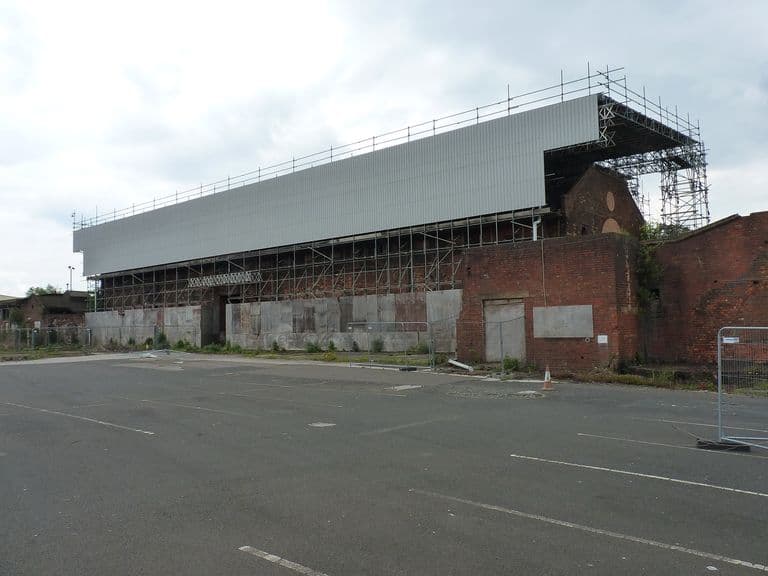 Soho FoundryPartly surviving, At risk · 1795Boulton & Watt’s purpose-built steam-engine works beside the Birmingham Canal at Smethwick, founded 1795–96: the first factory built to make complete steam engines on one site. Parts survive, scheduled and listed, but at risk.
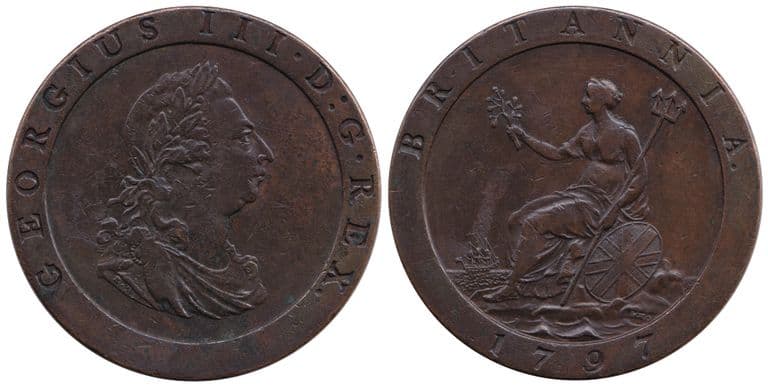 Soho MintLost, Site redeveloped · 1788–1849The world’s first steam-powered mint, built by Matthew Boulton in 1788–89 among the garden buildings of his Soho estate. It struck the 1797 ‘cartwheel’ pennies. Closed in 1849; nothing stands today.
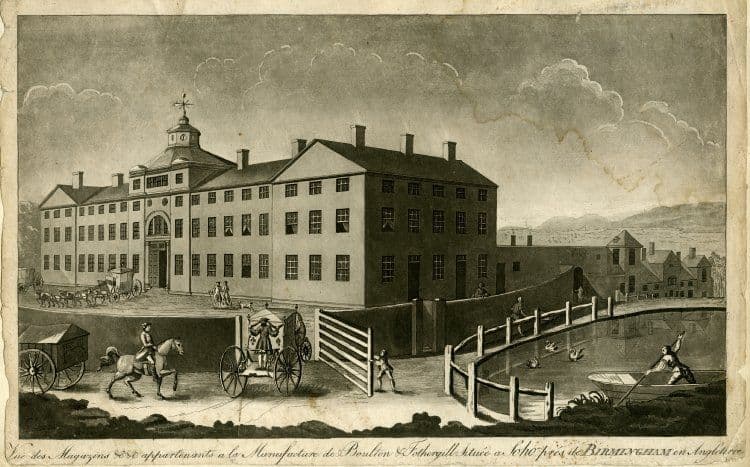 Soho ManufactoryLost, Site redeveloped · c. 1762–c. 1863Matthew Boulton’s great ‘toy’ factory on the Hockley Brook at Soho, Handsworth, where buttons, buckles, plate and ormolu were made and Boulton & Watt’s steam engine partnership began. Demolished in stages and gone by 1863.
 Soho HouseSurviving · c. 1757Matthew Boulton’s home from 1766 until his death in 1809, and the Lunar Society’s most regular meeting place. It survives, Grade II* listed, as a museum run by Birmingham Museums Trust.
Firms and societies
- Westley Richards & Co.1812–Birmingham gun and rifle makers founded by William Westley Richards on the High Street in 1812. Sold through Bond Street, gunmakers to Prince Albert, at Bournbrook from 1894 and in Pritchett Street, by the old Gun Quarter, since 2008.
- Kynoch (G. Kynoch & Co.; Kynoch Ltd)1862–1926 (as ICI Metals from 1929; IMI from 1962)Ammunition and metals firm founded at Witton by George Kynoch in 1862. It grew into Kynoch Ltd, with ten factories by 1903 and 18,000 workers at Witton in the First World War, then joined Nobel Industries (1918) and ICI (1926).
- Chance Brothers & Co.1822–1981 at Smethwick (as Chance Brothers & Co. from 1836)Glassmakers of Spon Lane, Smethwick: the first in England to make sheet glass as a regular trade (1832), makers of the Crystal Palace glass and patent plate, and world-famous lighthouse engineers.
- Alfred Bird & Sons1837–1947 (independent); part of General Foods from 1947The Birmingham food firm that grew from Alfred Bird’s chemist’s shop into the maker of Bird’s Custard, baking powder, blancmange and jelly, with its Devonshire Works in Deritend, now the Custard Factory.
- Muntz’s Metal Companyc.1811–1921 (as Muntz family firm and successor company)The business that made Muntz’s patent yellow metal for ships’ sheathing, bolts and nails, first in Water Street, Birmingham, then from 1842 at French Walls, Smethwick. Sold to Muntz’s Metal Co. Ltd in 1864.
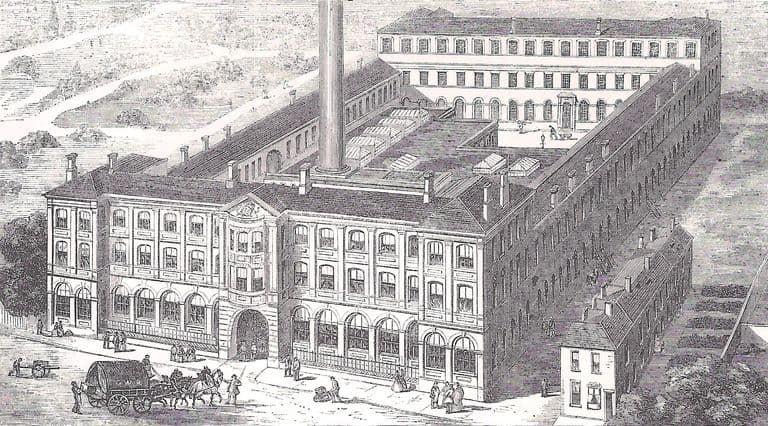 Ralph Heaton & Sons (the Birmingham Mint)1817–2003The Heaton family firm that bought the Soho Mint’s presses in 1850 and became the Birmingham Mint, a private mint that struck coin for Britain and dozens of other countries until 2003.
- Carron Company1759–1982Scottish ironworks on the River Carron near Falkirk, founded in 1759 by John Roebuck, Samuel Garbett, Roebuck’s brothers and the Cadells of Cockenzie. Famous for cast iron and the carronade; it also made sugar pans for slave plantations.
- Roebuck & Garbett1740s–1773Partnership of the physician John Roebuck and the merchant Samuel Garbett: a refinery and consulting laboratory in Steelhouse Lane, Birmingham, and from 1749 the sulphuric acid works at Prestonpans.
- John Mitchell (pen makers)c. 1822–1972The steel-pen business founded by John Mitchell in Newhall Street, among the very first to make pens by press tools. It moved to Moland Street in 1908 and was sold to Esterbrook Hazell Pens in 1947.
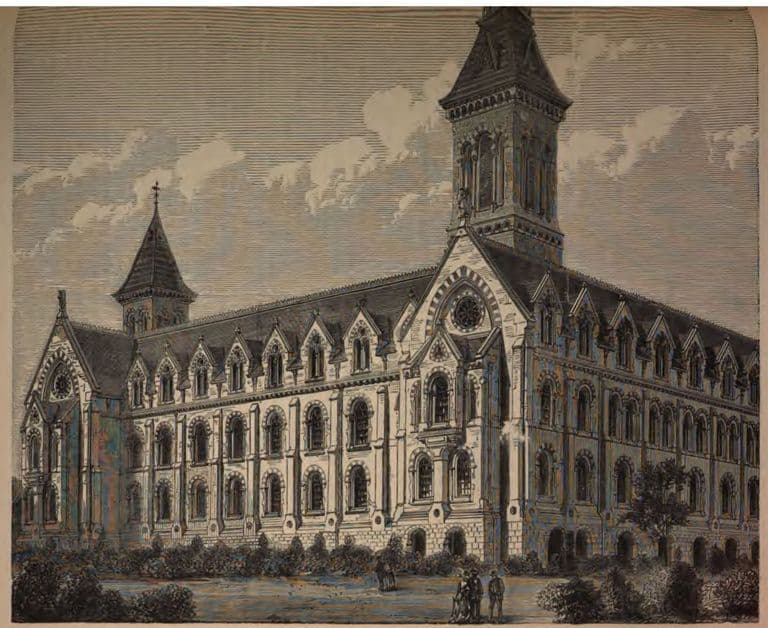 Sir Josiah Mason Trust1868–presentThe charity Josiah Mason founded on 29 July 1868 to run his Erdington almshouses and orphanage. It still provides homes for older people, including Mason Cottages on part of the orphanage site.
- Perry & Co.1820s–20th century; Perry & Co. Ltd from 1876The London stationers whose “Perryian” pens made steel nibs fashionable. From about 1829 all their steel pens were made in Birmingham by Josiah Mason, and in 1876 his Lancaster Street works became the heart of Perry & Co. Ltd.
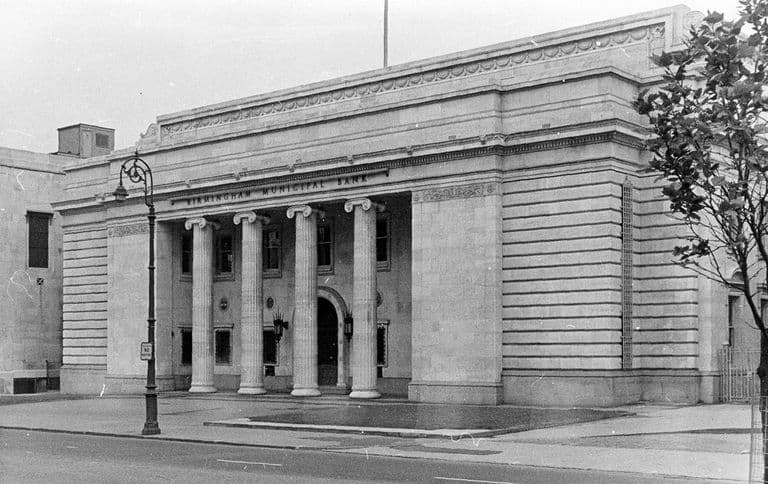 Birmingham Municipal Bank1916–1976 (Corporation Savings Bank 1916–1919)The only savings bank in Britain run by a city council. Founded by Neville Chamberlain as a wartime measure in 1916, made permanent in 1919, it grew to more than sixty branches, including one on Kingstanding Road, before becoming a TSB in 1976.
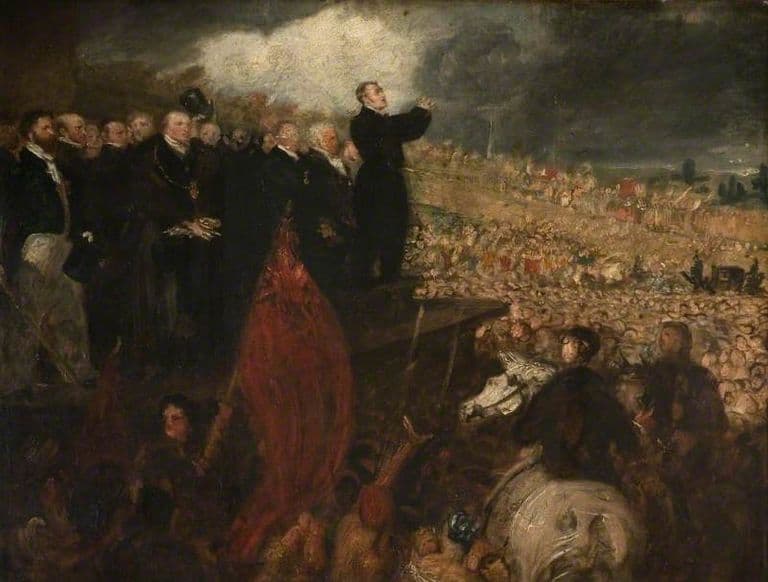 Birmingham Political Union1830–1834; revived 1837–1839Thomas Attwood’s alliance of the middle and working classes, launched in January 1830 to win Birmingham a voice in Parliament. Its peaceful mass meetings on Newhall Hill helped force through the Reform Act of 1832.
- The Guardians of the Birmingham Gun Barrel Proof House1813–The statutory body set up by Act of Parliament in 1813, at the request and expense of the Birmingham gun trade, to make proof of gun barrels compulsory. It still tests firearms at its Banbury Street proof house.
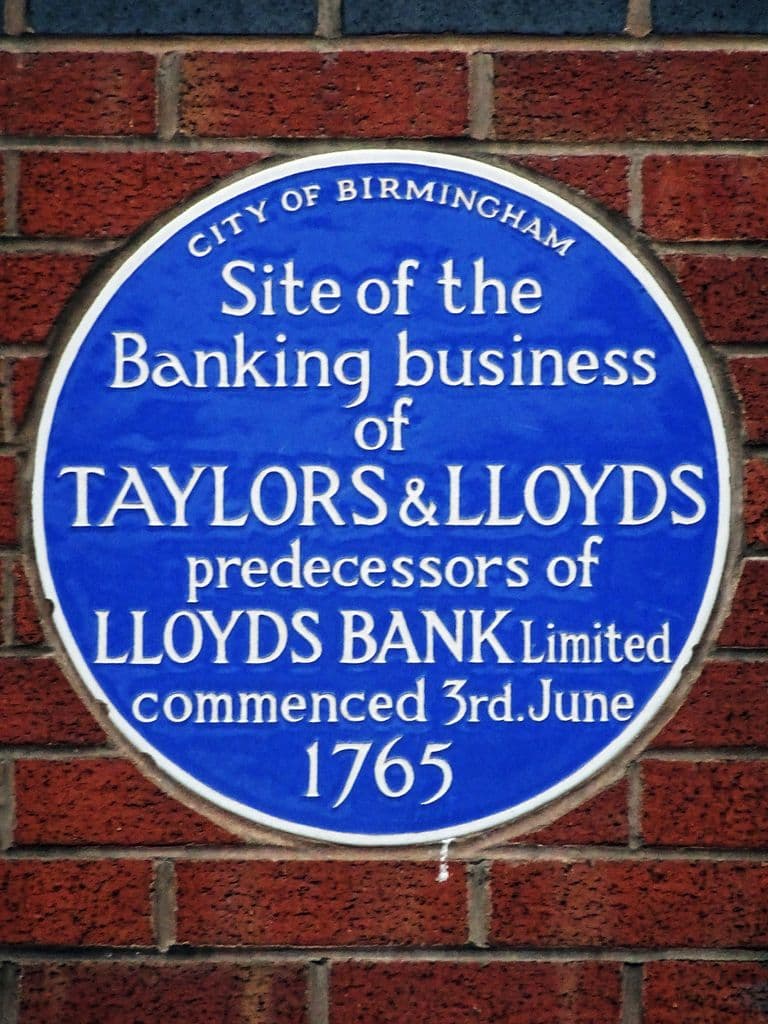 Taylors & Lloyds1765–1853 (as Taylors & Lloyds); continued as Lloyds & Co.Birmingham’s first proper bank, opened in Dale End on 3 June 1765 by the button maker John Taylor, the Quaker iron merchant Sampson Lloyd and their sons. It grew into Lloyds Bank.
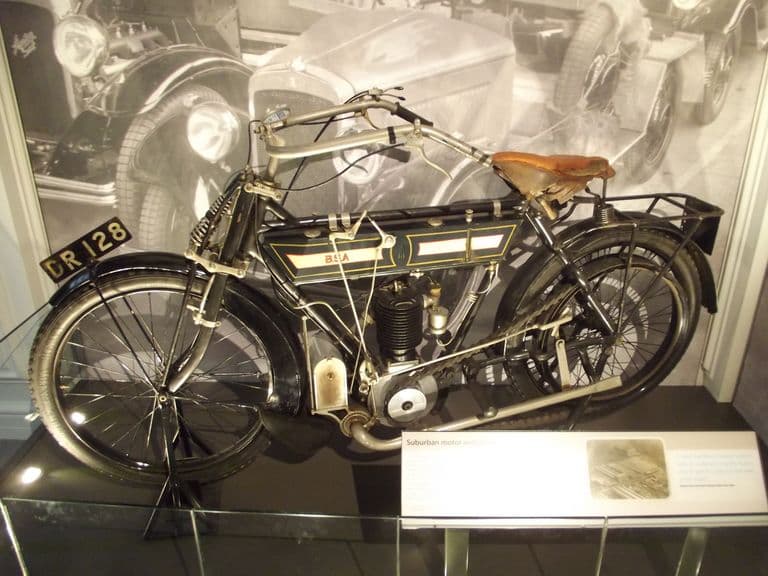 Birmingham Small Arms Company (BSA)1861–1973Founded by Birmingham gunmakers in 1861 to make rifles by machine at Small Heath, BSA went on to make bicycles, motorcycles and cars, owned Daimler and Lanchester, and was the UK’s largest motorcycle maker before its collapse in 1973.
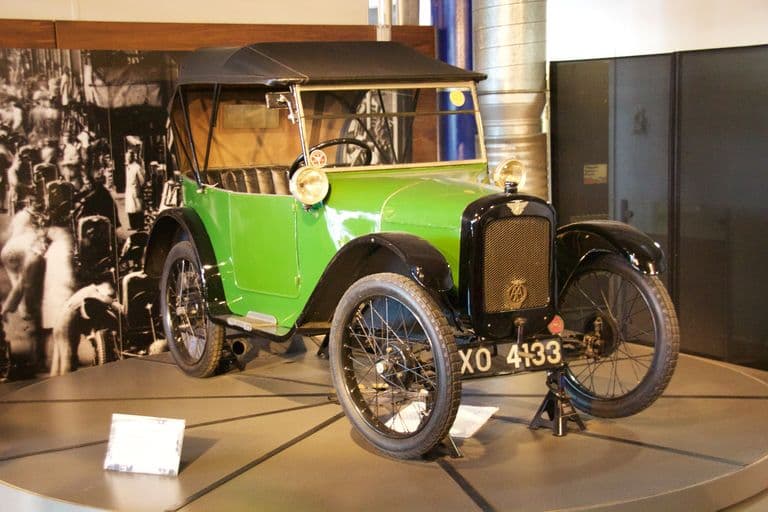 Austin Motor Company1905–1952 (then part of BMC, British Leyland and their successors)Herbert Austin’s car company, founded in 1905 at Longbridge. It made munitions and aircraft in both world wars, put Britain on wheels with the Austin Seven, and in 1952 merged with Morris to form the British Motor Corporation.
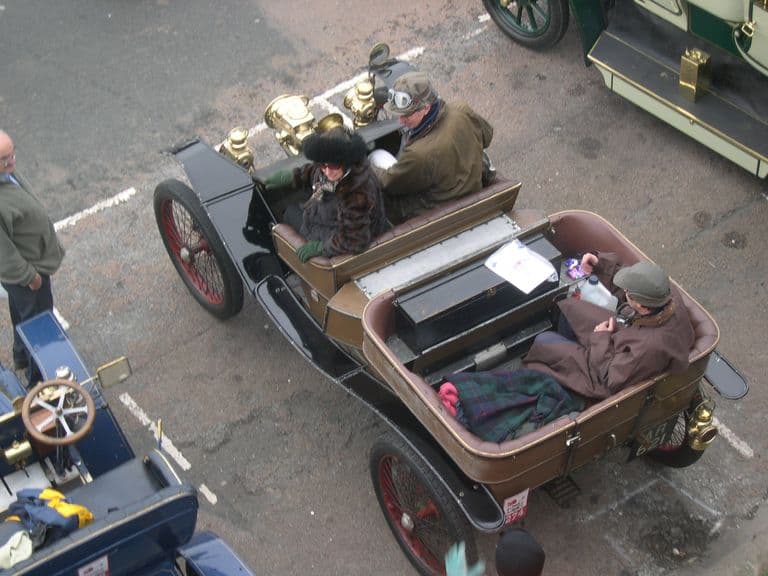 Lanchester Engine Company (Lanchester Motor Company)1899–1931 in Birmingham (Lanchester Engine Co 1899–1904; Lanchester Motor Co from 1904); name used on cars until the mid-1950sThe Lanchester brothers’ car company, formed in 1899 and based at Armourer Mills, Sparkbrook, from 1900. Its cars were designed from first principles. Taken over by BSA–Daimler in 1930–31 and moved to Coventry.
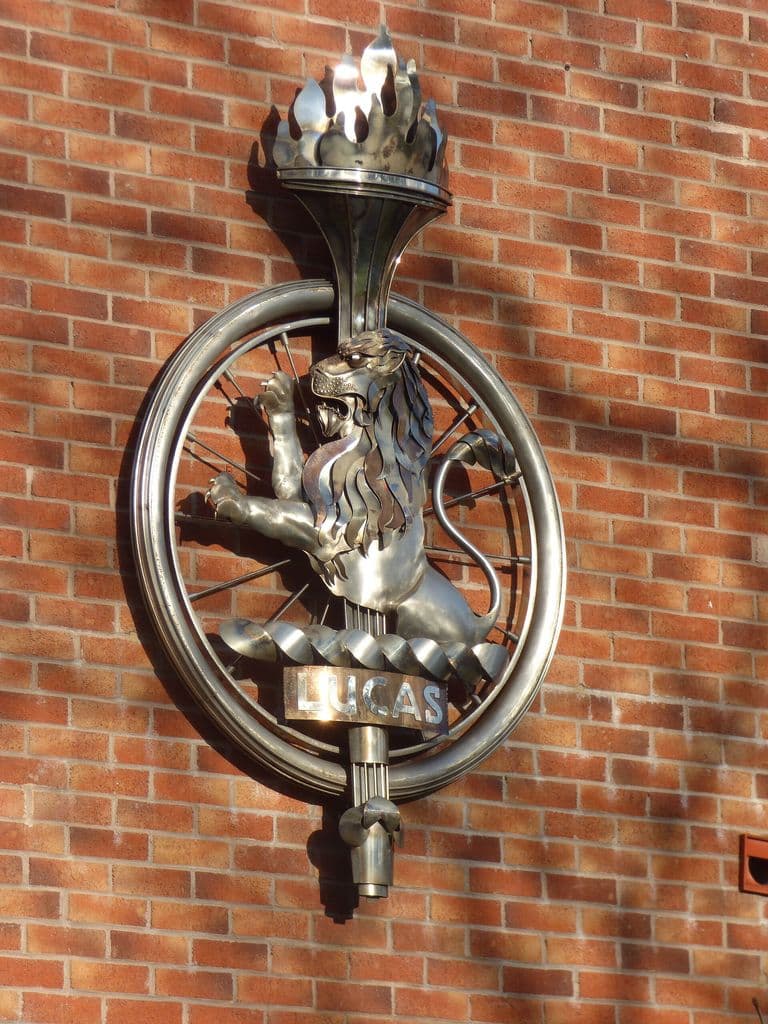 Joseph Lucas Ltd (Lucas Industries)1882–1999 (as Joseph Lucas & Son from 1882; Joseph Lucas Ltd from 1897)The Hockley lamp makers who became the giant of British motor electrics. From the “King of the Road” bicycle lamp to magnetos, dynamos and starter motors, Lucas supplied almost every British car maker from its Great King Street headquarters.
- Webster & Horsfallc.1720 (Webster wire-drawing); Webster & Horsfall from 1855Wire-drawers who trace their business to John Webster’s Birmingham works of about 1720. Joined by James Horsfall in 1855, they moved to Hay Mills and made the armouring wire for the 1865 and 1866 Atlantic telegraph cables. The firm is still there.
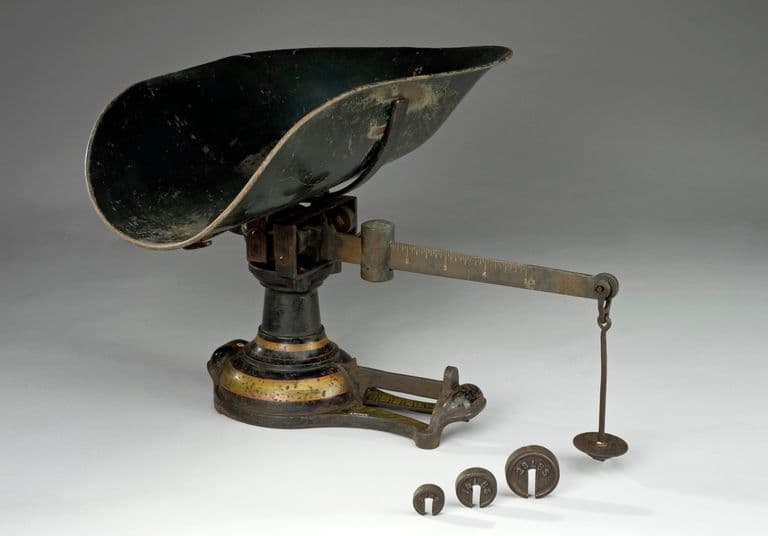 W & T Averyc.1730 (as a scale business); W & T Avery from 1813–14; at Soho Foundry from 1895Birmingham’s great weighing-machine firm, named after the brothers William and Thomas Avery, which grew from a Digbeth scale-beam workshop into a world leader and in 1895 bought Boulton & Watt’s old Soho Foundry at Smethwick.
- Cadbury Brothers1847–1969 (as Cadbury Brothers)The Birmingham cocoa and chocolate firm of John Cadbury and then his sons Richard and George, who rescued it in the 1860s, moved it to Bournville in 1879 and made it one of Britain’s biggest food manufacturers.
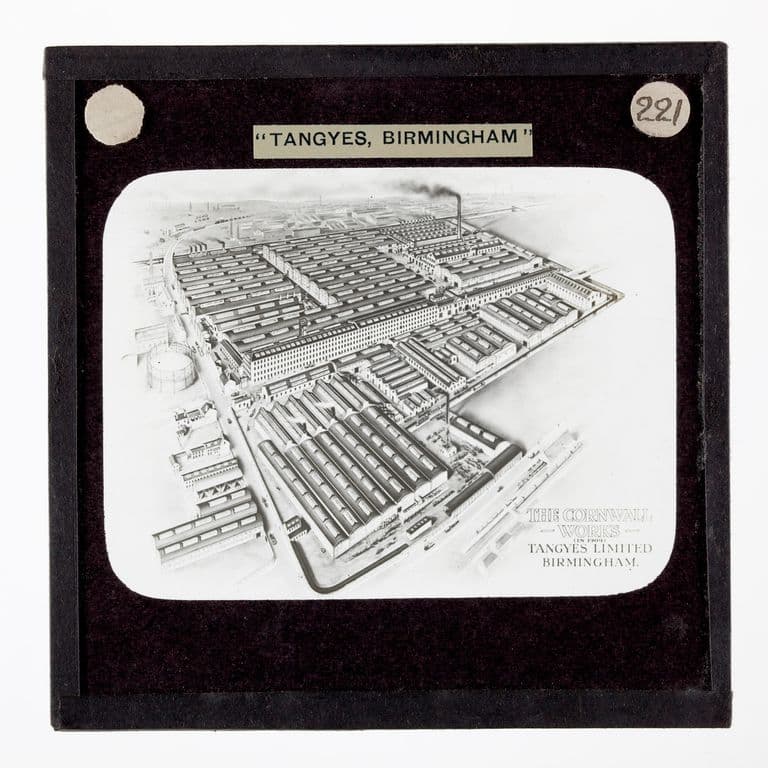 Tangye Brothers (Tangyes Ltd)1857–1960s (at Smethwick 1864–1969)Hydraulic engineers founded by five Cornish Quaker brothers in a Birmingham workshop in 1857. Made famous by the Great Eastern launch, the firm built the Cornwall Works at Smethwick and sold jacks, pumps and engines around the world.
- Elkington & Co.1830s–20th century (Elkington, Mason & Co. 1842–by 1862)The Birmingham firm of George Richards and Henry Elkington, which held the key electroplating patents of 1838–42, built the Newhall Street works and dominated electroplated silver in the Victorian age.
- Joseph Gillott & Sonsabout 1830–20th century; at Victoria Works until 1956Joseph Gillott’s steel-pen firm, which pressed nibs by machine at Victoria Works on Graham Street and sold them worldwide through showrooms in London and New York. It left Birmingham for Dudley in 1956.
- Nettlefold & Chamberlain1854–1874 (as a partnership); Nettlefolds Ltd 1880–1902; then part of GKNThe screw-making partnership of the Nettlefold and Chamberlain families, founded in 1854 to work an American pointed-screw machine at Heath Street, Smethwick. It made Joseph Chamberlain rich and grew into Nettlefolds Ltd and GKN.
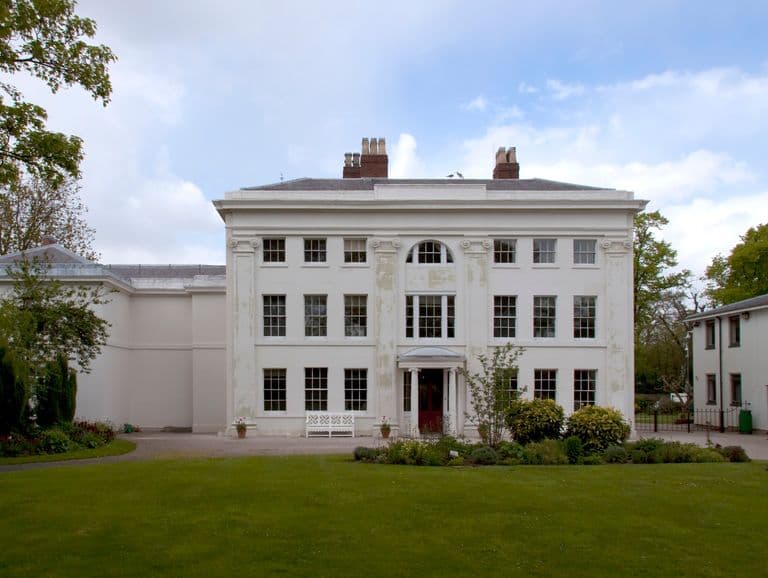 The Lunar Society1760s–1790sA club of Midlands friends — manufacturers, doctors, chemists and engineers — who dined together every month near the full moon, most often at Matthew Boulton’s Soho House, to talk science and try out ideas.
- Boulton & Fothergill1762–1782Matthew Boulton’s first partnership, with the merchant John Fothergill. It built the Soho Manufactory and made buttons, buckles, plated ware, silver and ormolu until Fothergill’s death in 1782.
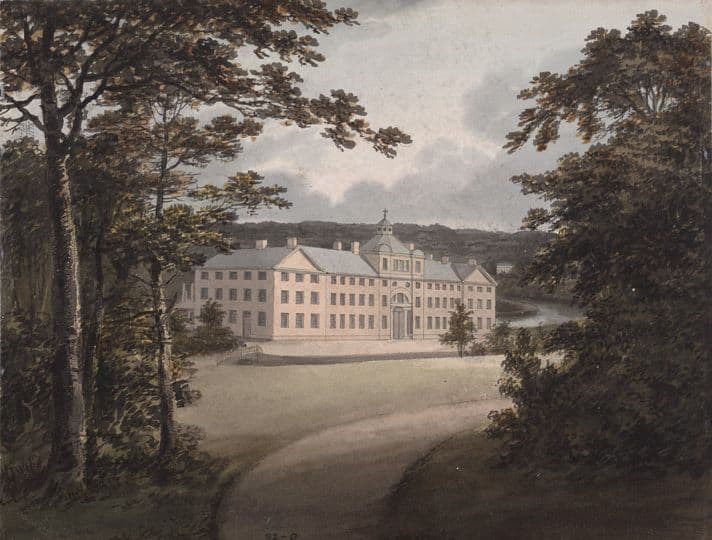 Boulton & Watt1775–1848The partnership of Matthew Boulton and James Watt, begun in 1775, turned Watt’s separate condenser into working engines for mines and mills. Their sons took it over in 1800 and ran it from Soho Foundry in Smethwick.
A long read
Herbert Manzoni: the man who remade Birmingham
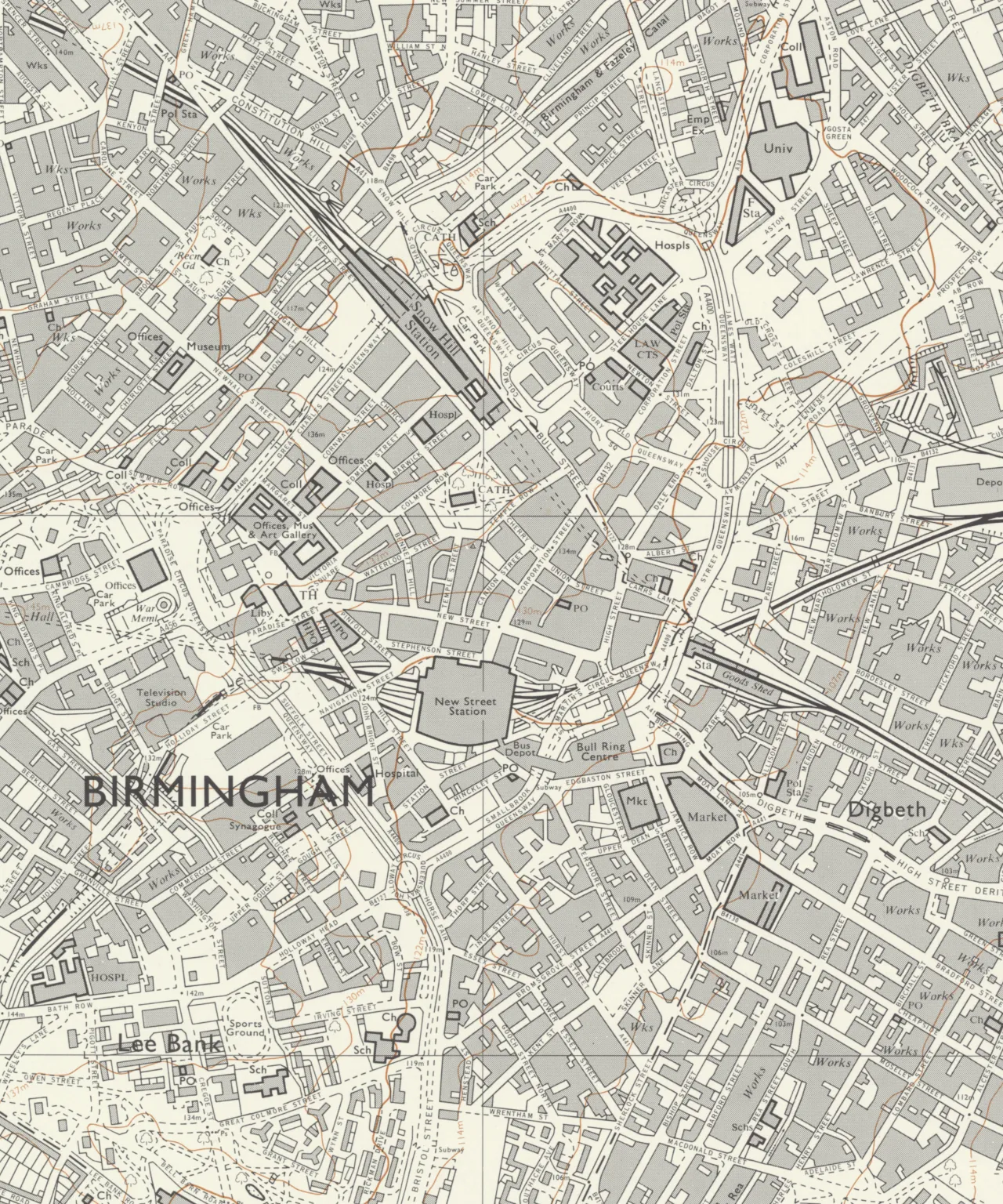
The pioneers built industrial Birmingham. A century later the city’s engineer, Herbert Manzoni, set out to rebuild the city their industries had created — around the motor car.
Walk it
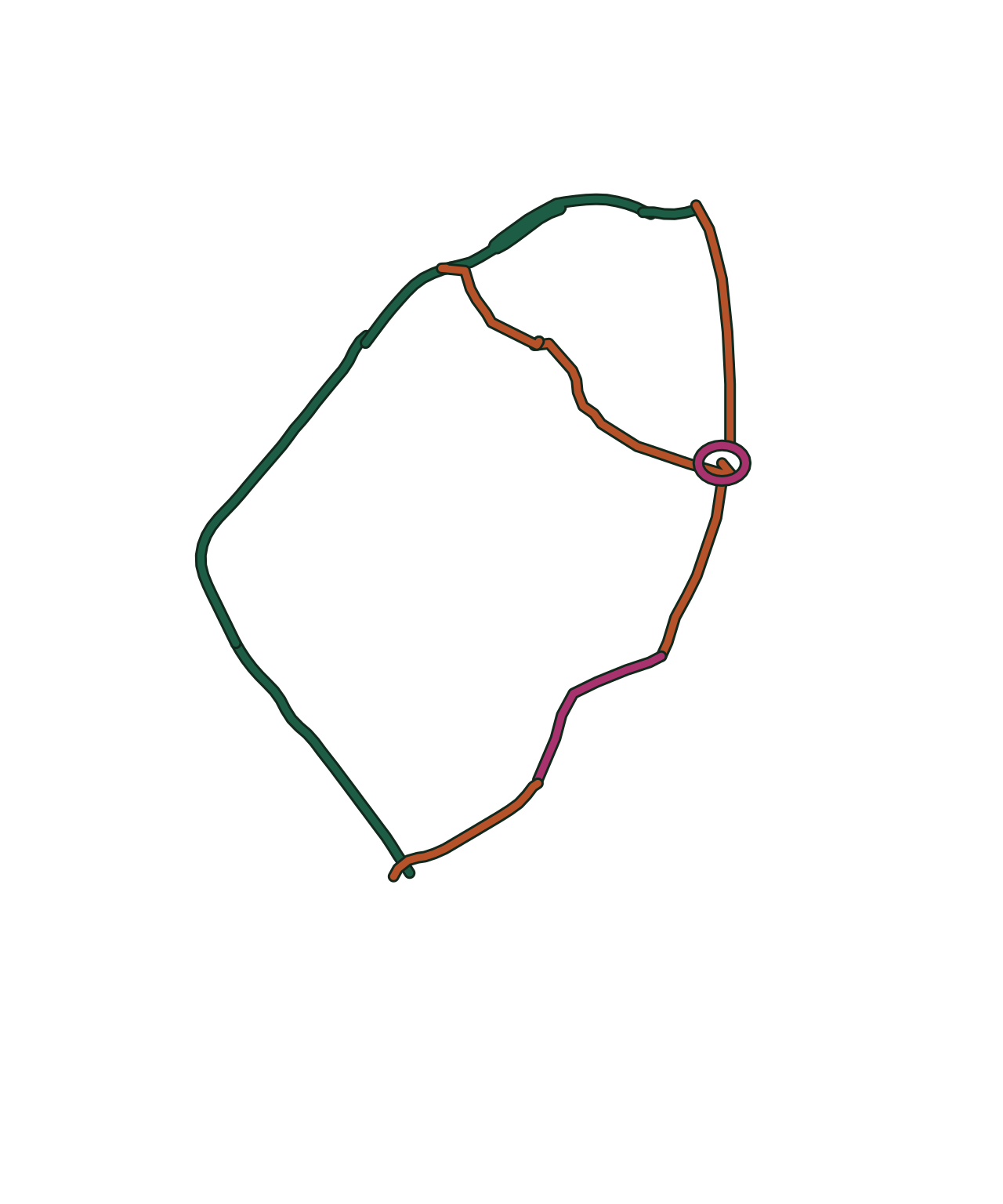
- The Jewellery Quarter trailAbout 2 km (1¼ miles) · About 1 hour on foot, plus time for any museum visitA short walk through Birmingham’s working quarter, from a Victorian coffin works and a Georgian church to James Watt’s street, Gillott’s pen factory, the Pen Museum, the Chamberlain Clock and the catacombs of Warstone Lane.
- The Lunar Society trailPart 1 (north): about 9 km (5½ miles) between stops. Part 2 (south): about 5 km (3 miles) between stops. Both parts start in or near the city centre. · Allow half a day for each part, more if you visit Soho HouseThe homes, workplaces, chapel and graves of the Lunar Society, spread across Birmingham from Great Barr to Edgbaston. Best done by car or bus in two parts: a northern loop around Soho and Handsworth, and a southern one from the city centre to Sparkbrook and Edgbaston.
- The Soho and Handsworth trailAbout 3 km (2 miles), one way · About 1 to 1½ hours on foot, plus time for any visit to Soho HouseA walk through Boulton & Watt country: Matthew Boulton’s home, the hidden sites of his factory and mint, the lodge of James Watt’s house, and the church where Boulton, Watt and Murdoch are buried.