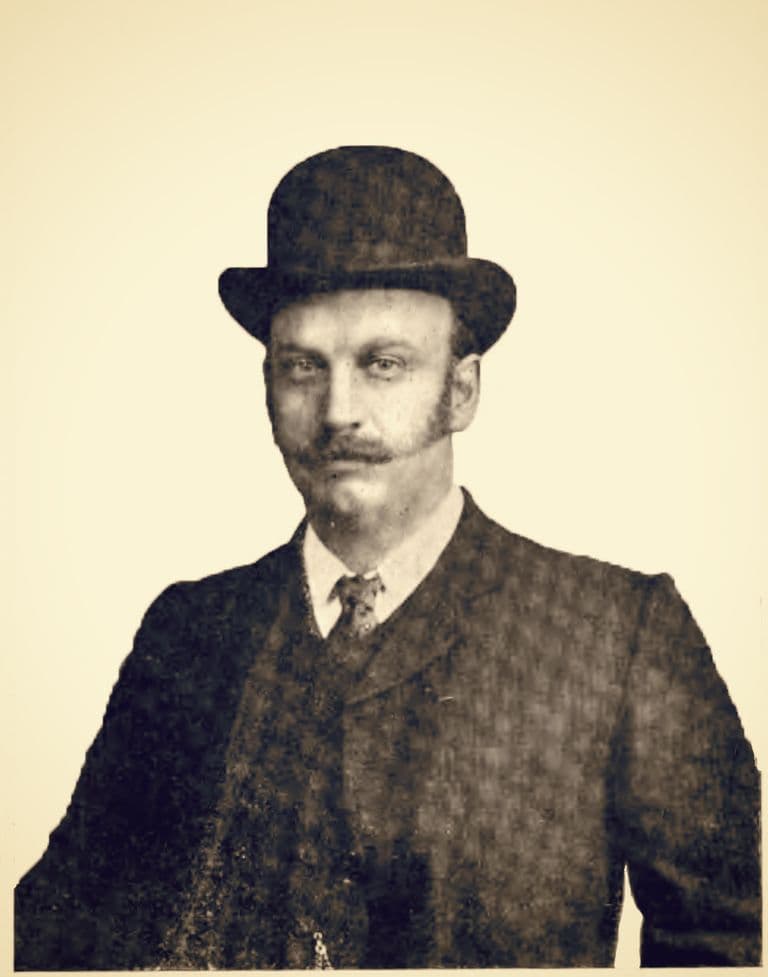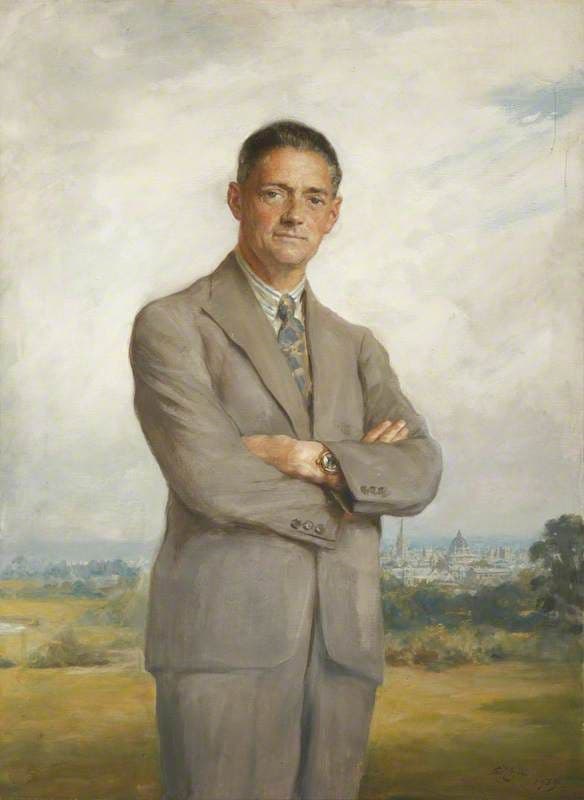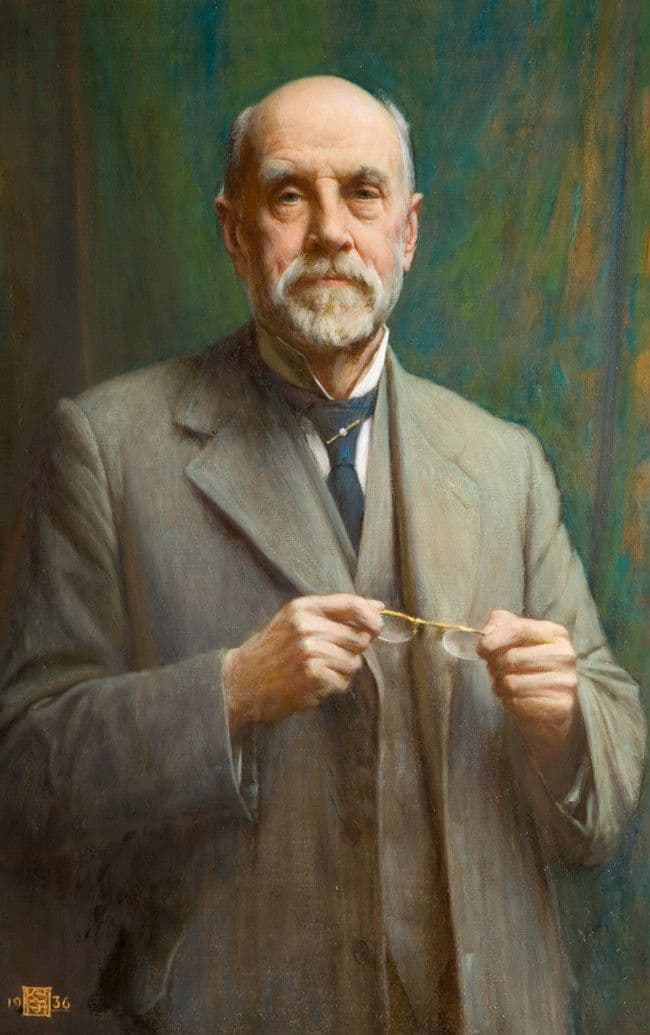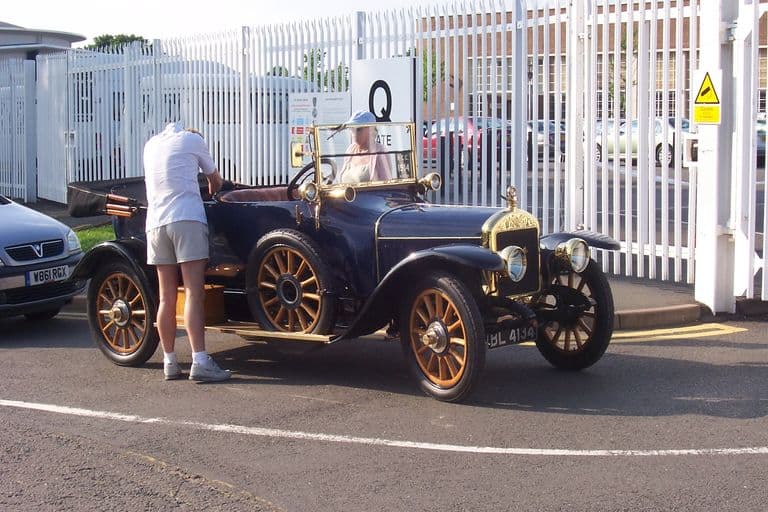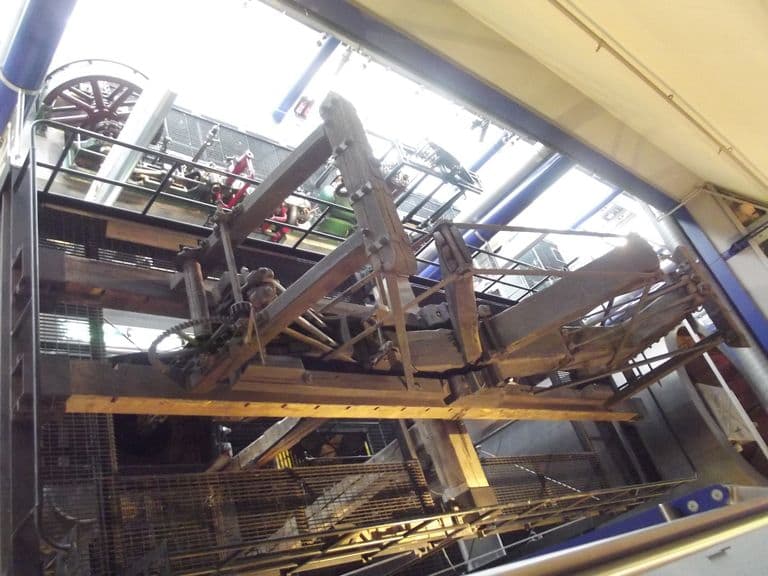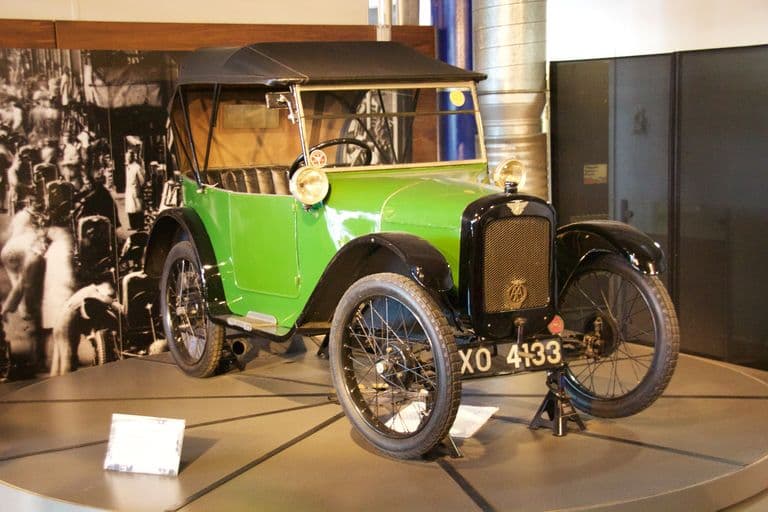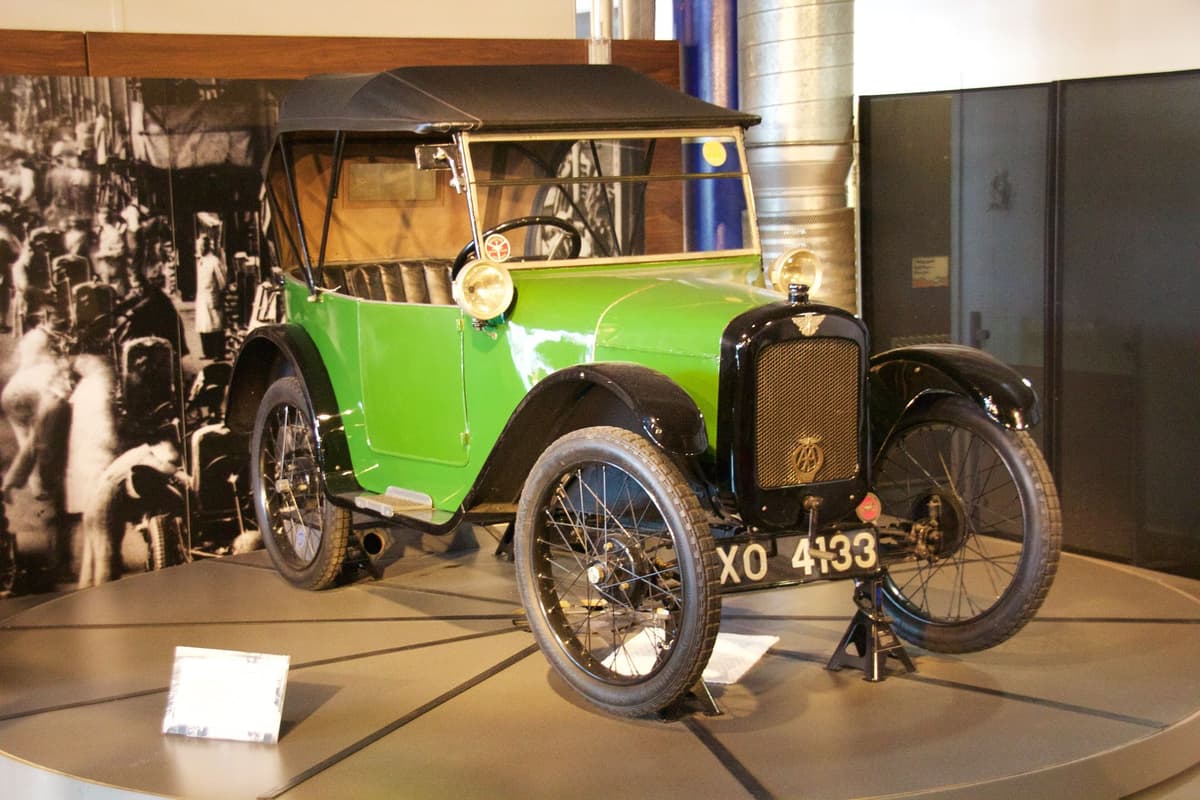
Herbert Austin left the Wolseley Tool and Motor Car Company in 1905 to make cars under his own name. He took over an empty printing works at Longbridge and showed the drawings of his first car at the London Motor Show that November. The first Austin, a large touring car, was on the road in 1906. In its first full year the company made 120 vehicles and employed 270 people.
Growth and war
By 1912 Austin made 886 cars a year with 1,800 employees, and in 1914 it became a public company. The First World War turned Longbridge into a vast munitions works. The workforce rose from 2,638 to over 20,000, new North and West Works were built, and by 1918 the company had made around eight million shells, 2,000 aeroplanes, 2,500 aero engines, 480 armoured cars and 2,000 lorries.
Receivership and the Seven
Peace brought a crisis. The company staked its future on one model, the Austin Twenty, and in April 1921 a receiver was appointed. It was saved by reorganisation and by the Austin Seven of 1922. Priced at £225, the “Baby Austin” brought a car within reach of families who had never owned one, and output reached 25,000 a year by 1925. Austin came close to merging with Morris in 1924 and to being bought by General Motors in 1925, but stayed independent. By 1936 it employed 25,000 people at Longbridge.
War again, and the merger
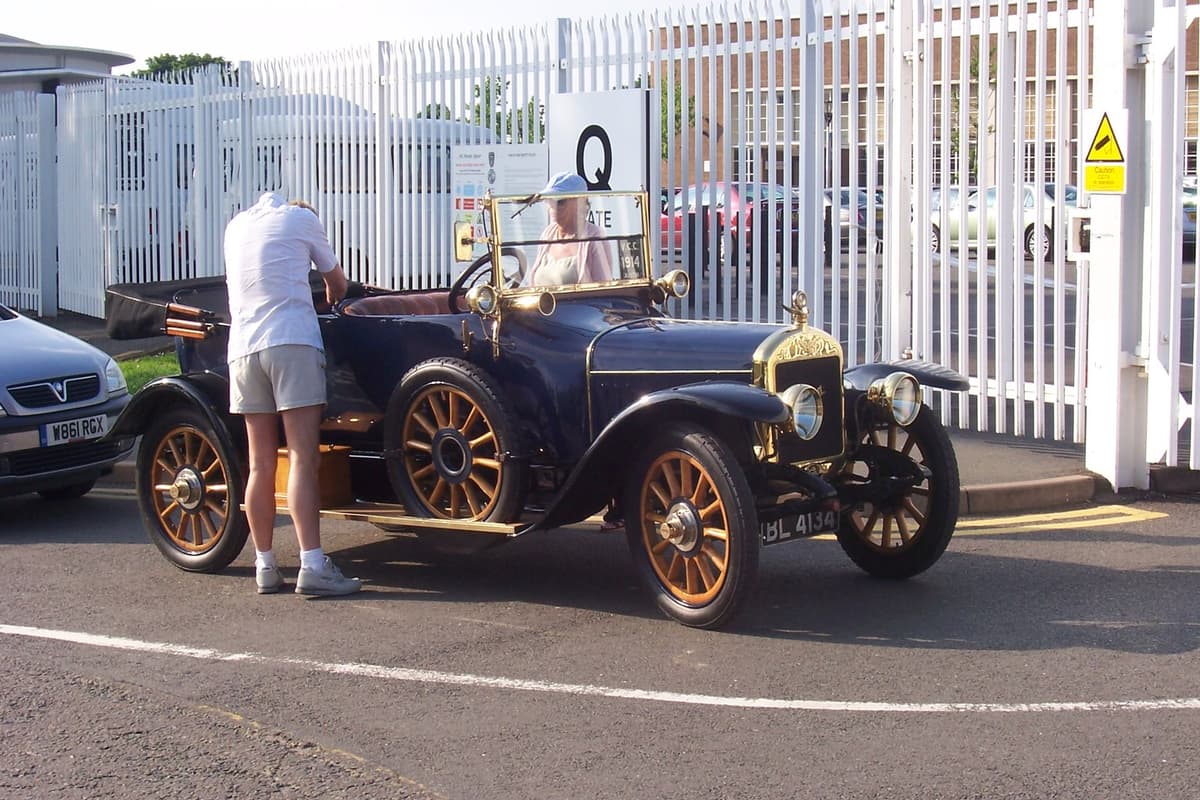
In the Second World War Longbridge made munitions, and the company’s Cofton Hackett works built more than 2,500 aircraft, among them Fairey Battles, Hurricanes, Stirlings and Lancasters. Herbert Austin died in 1941; Leonard Lord, who had joined from Morris in 1938, became chairman in 1946. In 1950 the company made a record 142,723 cars. In February 1952 Austin merged with the Nuffield Organisation to form the British Motor Corporation. The Austin name lived on through BMC, British Leyland and the Rover Group, and Longbridge built cars until 2005.
On the map
2 places connected with Austin Motor Company. Tap a number for directions — some sites are private homes or gardens, so each place’s page says what you can see from the street.

- The Smethwick Engine at Thinktank — Relocated · Directions to The Smethwick Engine at Thinktank (opens Google Maps)
- Austin works, Longbridge — Site redeveloped, Partly surviving · Directions to Austin works, Longbridge (opens Google Maps)
Key dates
- 4 November 1905 — Herbert Austin finds LongbridgeHerbert Austin visits the derelict White & Pike works at Longbridge with his wife and his staff of three; within days he agrees terms of £7,500 with its owner. Ownership passes to him on 22 January 1906.
- 1914–1918 — Longbridge becomes a war factoryAustin’s workforce rises from 2,638 to over 20,000 as North and West Works are built. By 1918 Longbridge has made around eight million shells, 2,000 aeroplanes and 2,500 aero engines.
- 1922 — The Austin Seven launchedThe “Baby Austin” goes on sale at £225, bringing a car within reach of families who had never owned one. Longbridge is making 25,000 a year by 1925.
- 1926 — Lucas wins the Austin contractLucas buys its two largest competitors, C. A. Vandervell and Rotax, and wins the contract for all of Austin’s starting, lighting and ignition equipment for the following year.
- 23 May 1941 — Herbert Austin diesLord Austin of Longbridge dies at his home, Lickey Grange, near Bromsgrove.
- February 1952 — Austin and Morris form BMCThe Austin Motor Company merges with the Nuffield Organisation to form the British Motor Corporation, with Lord Nuffield as first chairman.
- April 2026 — Blue plaque to Herbert Austin at LongbridgeThe Birmingham Civic Society unveils a blue plaque to Herbert Austin at South & City College’s Longbridge campus, on the ground of his factory, nominated and funded by the Austin Ex-Apprentices Association.
Sources and further reading
- Austin Motor Co — Grace’s Guide to British Industrial History
- Herbert Austin — Grace’s Guide to British Industrial History
- Longbridge Factory — Austin Memories
- Austin’s (Birmingham factories) — Looking at Buildings (Pevsner Books Trust)