
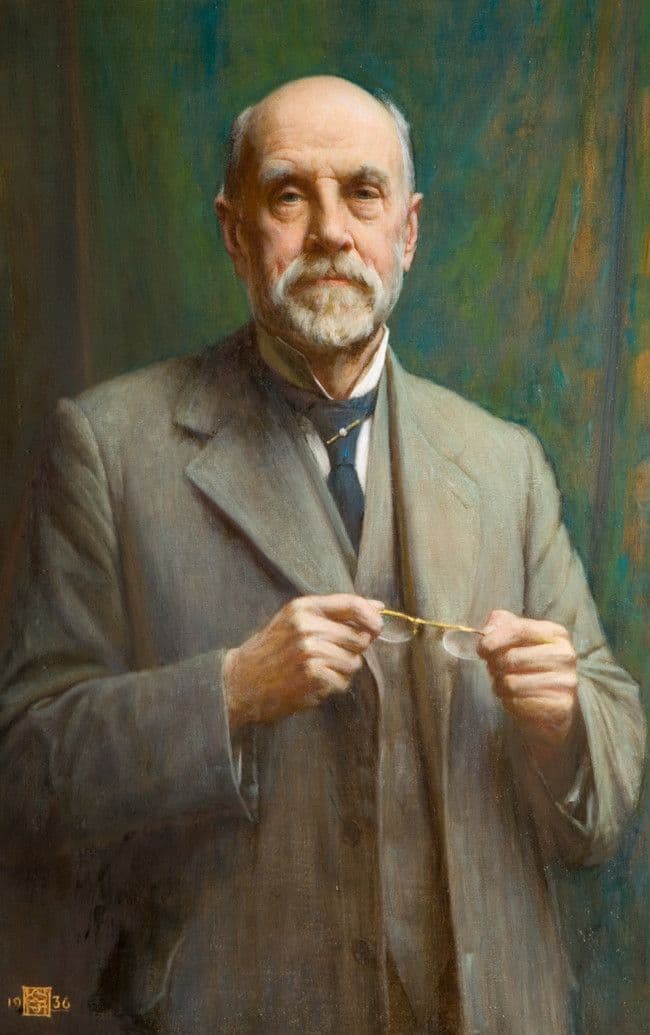
Twice a day, the story goes, an old man walked the floors of the Great King Street works. He was very deaf by then, and his son often had to help him follow what was said. But Harry Lucas still wanted to see the place for himself, and to keep in touch with the people who worked there.
He had been in the business for almost half a century. When he started, the family firm sold paraffin lamps. By the time he stepped back, it was making the electrical heart of the British motor car.
The useful son
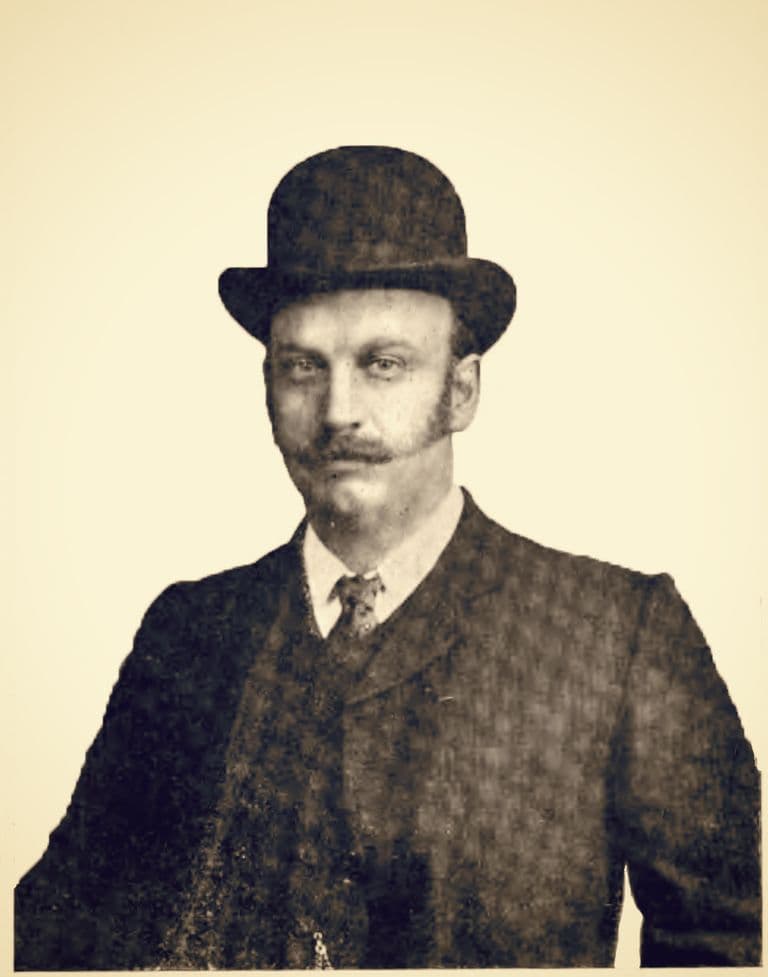
Harry Lucas was born on 10 February 1855, the eldest of Joseph and Emily Lucas’s six children. His father was then a young electro-plater who would soon strike out on his own, selling paraffin and ironmongery door to door. In 1872, aged seventeen, Harry joined him.
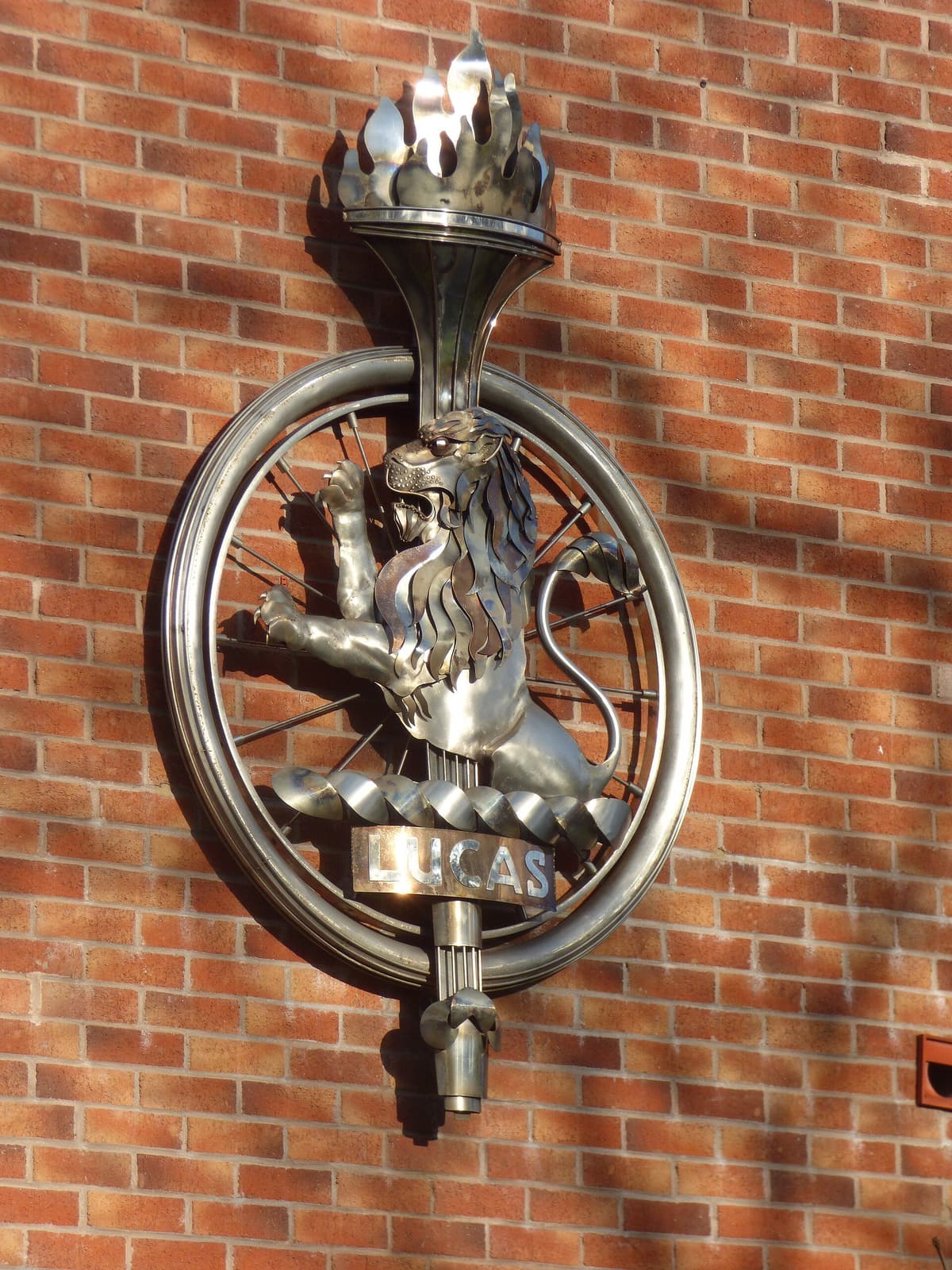
Of the six children, says the Moseley Society’s account of the family, Harry was “the most useful in the business”. Within a few years father and son had set up the Tom Bowling Lamp Works in Little King Street, Hockley. A contract for ship’s lamps, sold as the Tom Bowling, got them going. Then came the bicycle boom and the “King of the Road” cycle lamp, and the firm found the product that would carry its name round the world.
In 1882 Harry was taken into formal partnership, and the business became Joseph Lucas & Son. The same account calls him by now “the driving force”. In 1886 he married. He and his wife had two children, Oliver and Hilda.
Great King Street
Through the 1890s the firm outgrew its workshops. New factory blocks went up on Great King Street, and in 1897 the business became a public company, Joseph Lucas Ltd. Joseph was chairman; father and son were joint managing directors. By 1900 Harry had money enough to build the house he wanted. On a two-acre site in St Agnes Road, Moseley, he helped design a Tudor-style family home and laid out its large gardens himself. Halfway up the stairs was a small pulpit, from which he led family prayers. He named the house Hilver, after Hilda and Oliver.
When Joseph died in Naples at the end of 1902, Harry became chairman.
From lamps to electrics
Harry took over a firm that had just begun to sell to motorists: acetylene car lamps, tyre pumps, jacks and wrenches. Over the next few years Lucas moved into the electrical field, making car batteries and dynamos. In 1911 it put whole car lighting sets on sale, with the dynamo made entirely in-house. By 1914 it employed 1,600 people. Its trade entry that year described dynamo lighting systems for cars, motorcycles and bicycles, but its list of specialities still began with the “Tom Bowling” ship lamps.
That year brought two decisions that shaped the rest of the company’s history. Lucas paid £9,000 for the share capital and business of Thomson-Bennett, a maker of magnetos. Grace’s Guide traces Lucas’s whole later dominance of motor electrics to that purchase. And Lucas won a bulk contract to supply electrical equipment to William Morris, whose Oxford cars were about to go into mass production.
Then came war. Between 1914 and 1918 Great King Street turned out shells and fuses, and electrical equipment for aircraft and military vehicles. It was in these years, too, that Lucas began making starter motors, a device already developed in America.
Handing on
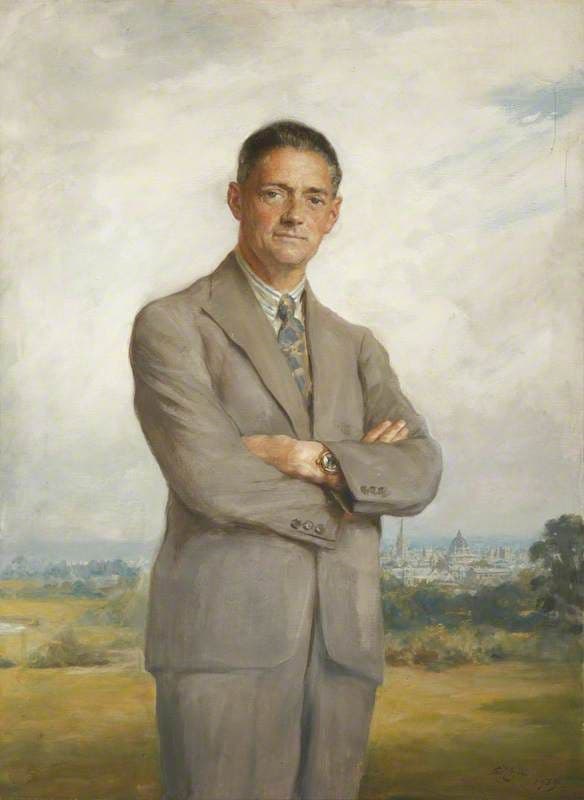
Harry was growing deaf, and he leaned increasingly on his son. Oliver had gone into the business straight from King Edward’s School. Brother and sister were popular on the shop floor, the Moseley Society notes, for the music they played at the works concerts.
In 1919 the company set up Lucas Electrical to make car accessories. The next year Peter Bennett, one of the two former partners in Thomson-Bennett, became joint managing director alongside Harry. The Moseley Society says Harry retired from management in 1919; either way, from 1923 the joint managing directors were Bennett and Oliver Lucas. They built close ties with the big car makers. By 1923 more than half of Lucas’s output of starting and lighting equipment went to Morris, whose sales jumped from 3,000 vehicles a year to 55,000 between 1921 and 1925.
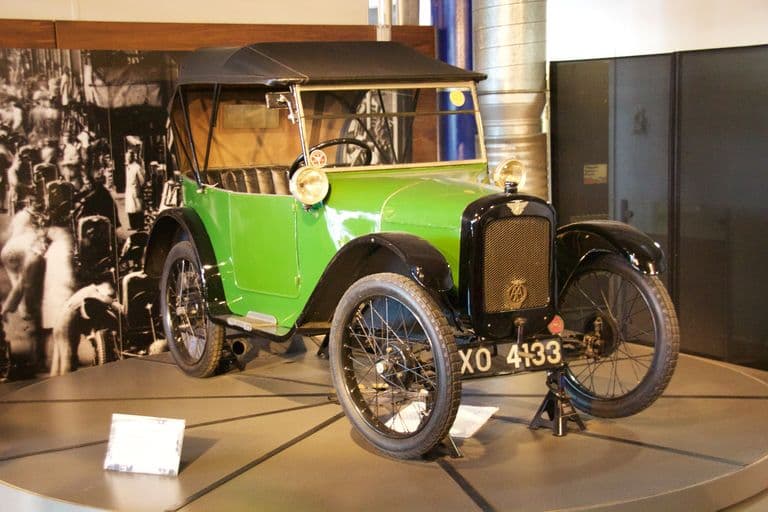
The firm Harry had steered was now buying up its rivals. In 1926 Lucas acquired its two largest competitors, C. A. Vandervell and Rotax, and won the contract for all of Austin’s starting, lighting and ignition equipment for the following year. A company that began with a lamp for the fishing fleet now supplied the electrics for both of Britain’s biggest car makers.
It was building a national network, too. Between 1920 and 1925 Lucas opened its own depots in cities from London and Bristol to Glasgow, Dublin and Belfast, to supply traders and repair its goods. By 1925 it also had a separate works at Formans Road, Sparkhill, making small batteries for wireless sets. Years later the company gave its own explanation of how it came to dominate the trade: its rivals got into financial trouble after the post-war boom collapsed, and when times were black, Lucas bought them.
Harry Lucas died at Hilver in 1939. The Times published his obituary on 14 March.
Why it mattered
Joseph Lucas founded the business, but Harry made it what it became. He was there for the paraffin lamps, the ship’s lamps and the King of the Road, and he was in charge when the firm took the two gambles that defined the twentieth-century company: buying a magneto maker and tying its future to the motor car. Under him Lucas grew from a family workshop to the Great King Street works, and from bicycle accessories to dynamos, lighting sets and starter motors. The partnership he had with his father ran from 1872 until 1902; the business he passed to his son and to Peter Bennett ran for most of the century. When the Lucas name appeared on the lamps, horns and switches of British cars for decades to come, it was Harry Lucas’s doing as much as anyone’s.
On the map
One place connected with Harry Lucas. Tap a number for directions — some sites are private homes or gardens, so each place’s page says what you can see from the street.

- Lucas works, Great King Street, Hockley — Lost, Site redeveloped · Directions to Lucas works, Great King Street, Hockley (opens Google Maps)
Key dates
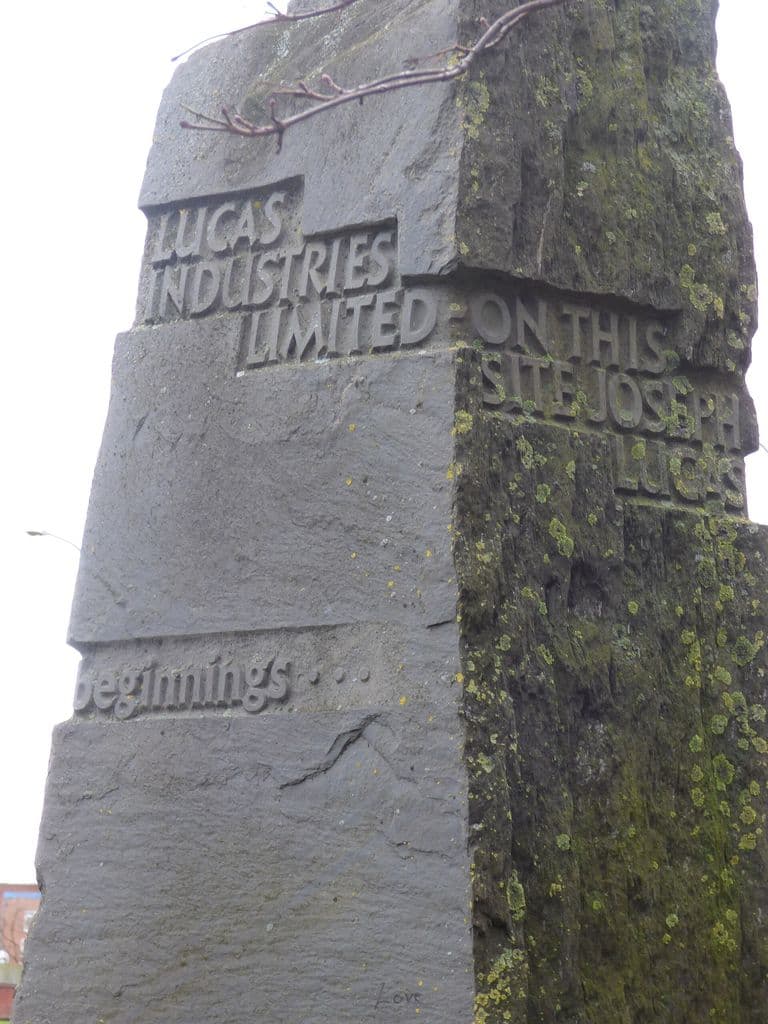
- c. 1872–75 — Tom Bowling Lamp Works, Little King StreetJoseph Lucas and his son Harry set up the Tom Bowling Lamp Works in Little King Street, Hockley, named after their ship’s lamp for the fishing industry. The 1994 monument dates the first workshop to c.1872.
- 12 November 1897 — Joseph Lucas Ltd registeredJoseph Lucas Ltd is registered as a public company with a nominal capital of £225,000 to take over Joseph Lucas & Son. The money pays for a five-storey factory on Great King Street.
- 27 December 1902 — Joseph Lucas dies in NaplesJoseph Lucas, a lifelong teetotaller who refused wine in Naples, dies of typhoid at the Hotel Bristol. His son Harry becomes chairman of Joseph Lucas Ltd.
- 1914 — Lucas buys Thomson-Bennett and wins the Morris contractJoseph Lucas Ltd pays £9,000 for the magneto maker Thomson-Bennett, the purchase Grace’s Guide sees as the root of its dominance in motor electrics, and wins a bulk contract to supply Morris.
Sources and further reading
Death: Grace’s Guide gives 1939 and cites The Times obituary of 14 March 1939; the Moseley Society says he died at Hilver “in 1929 at the age of eighty-three”. Born in February 1855, he would have been 84 in March 1939 and 74 in 1929, so the Moseley Society’s year looks like a slip; the place (Hilver) is taken from that account. The exact date of death has not been found.
Retirement: the Moseley Society says he retired from management in 1919; Grace’s Guide has Peter Bennett appointed joint managing director with Harry in 1920. Grace’s Guide also says he was “eventually followed by his son Oliver who became deputy chairman”; the date he gave up the chairmanship has not been confirmed.
Birthplace: not stated in the sources seen; the family was living in Birmingham.
Hilver: the Moseley Society (writing some years ago) says the house was then used by the Lucas organisation as a conference and training centre; its present use has not been checked.
- Harry Lucas — Grace’s Guide to British Industrial History
- Joseph Lucas — Grace’s Guide to British Industrial History. 1911–1926 chronology
- Joseph, Harry and Oliver Lucas — Fred Price (Moseley Society, Some Moseley Personalities), Moseley Society
- Joseph Lucas (1834–1902) — Grace’s Guide to British Industrial History
Comments
Comments will load here.