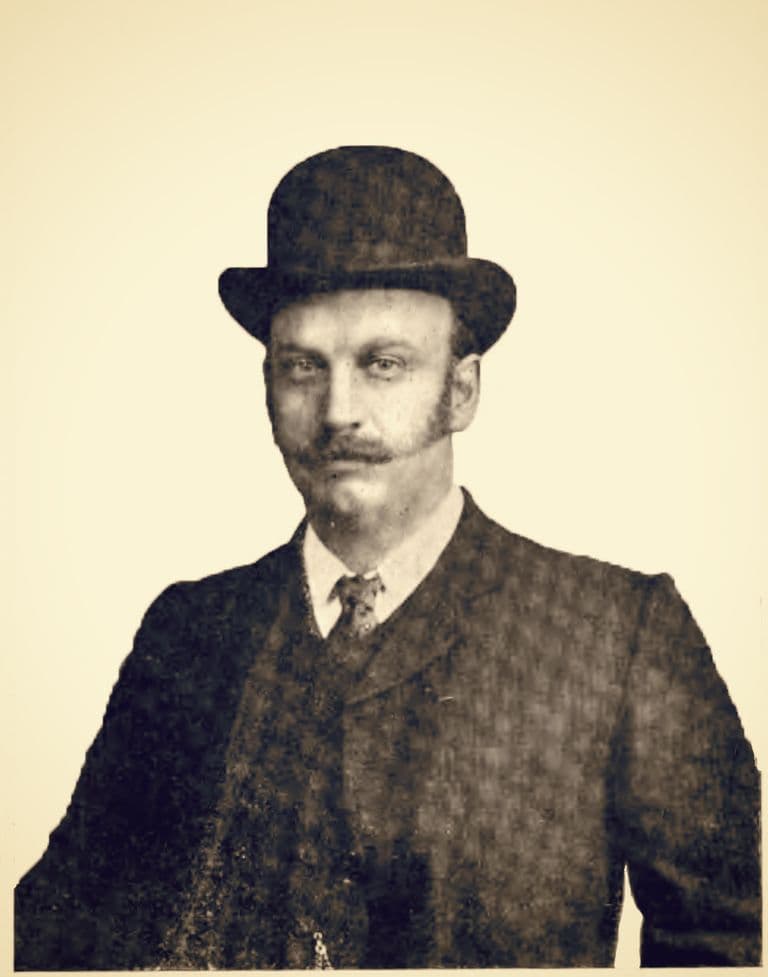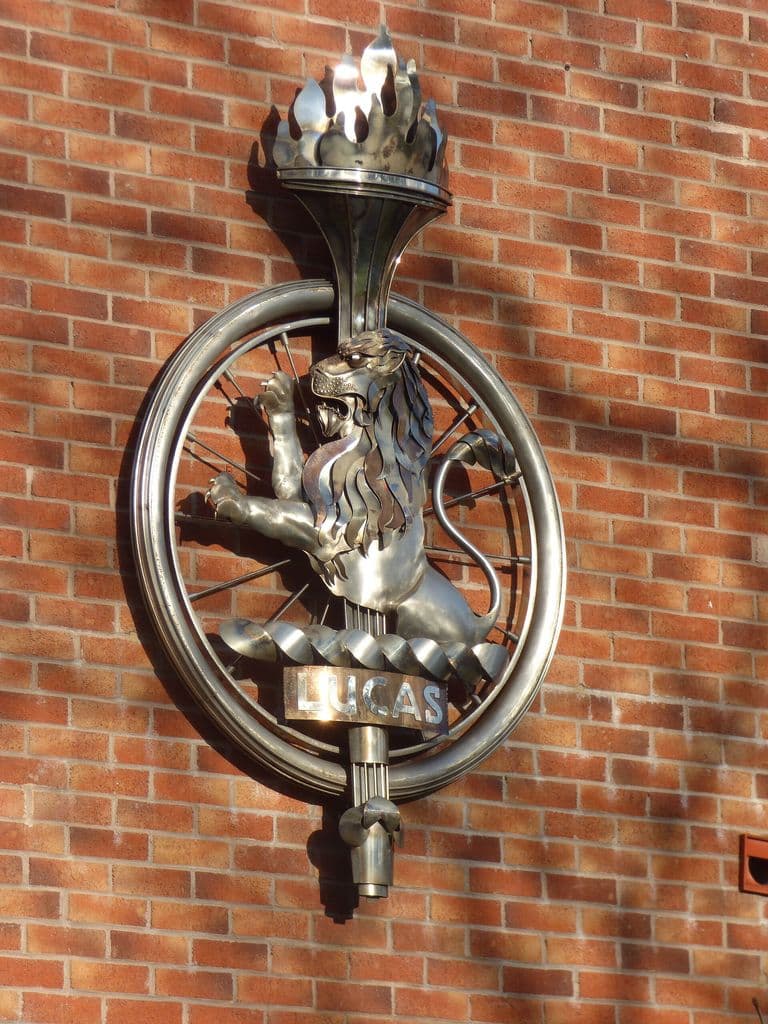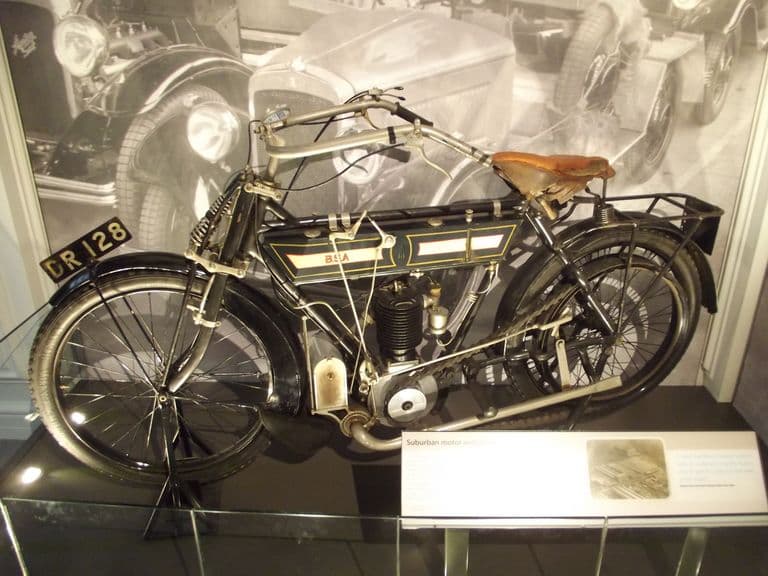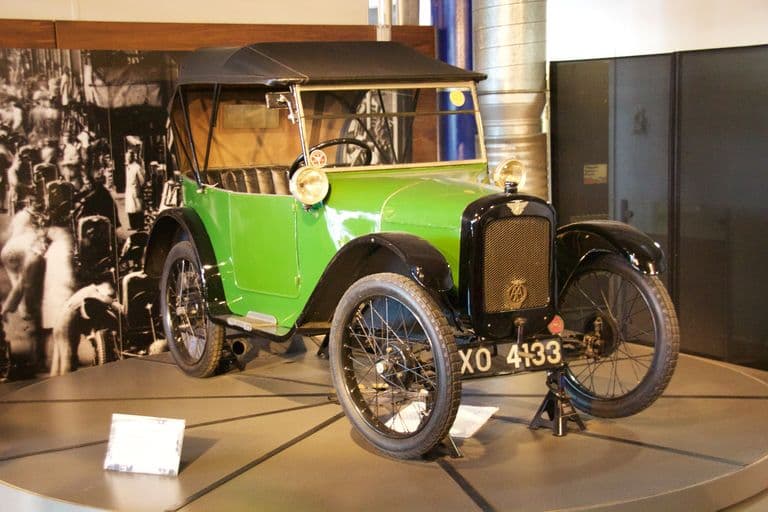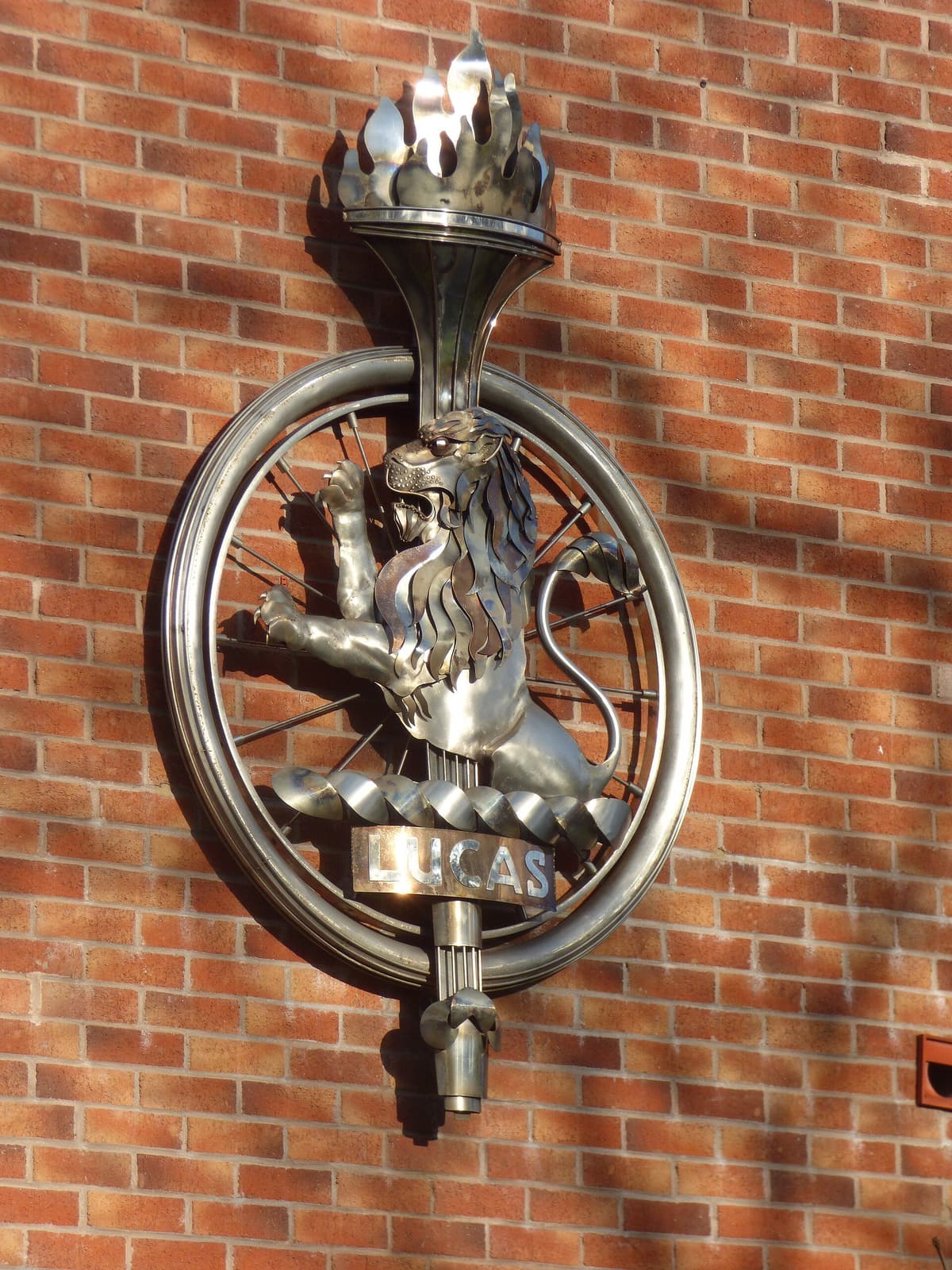
The firm began with a paraffin round. Joseph Lucas sold lamp oil door to door in Hockley in the 1860s, became a dealer in lamps and oils, and with his son Harry set up the Tom Bowling Lamp Works in Little King Street in the 1870s. Their “King of the Road” bicycle lamp, patented in 1880, made the name. In 1882 Harry became a partner and the business became Joseph Lucas & Son.
A public company
Joseph Lucas Ltd was registered on 12 November 1897, with a nominal capital of £225,000, to take over the business. The money paid for a five-storey factory on Great King Street. From 1902 the company sold to motorists: acetylene lamps, tyre pumps, jacks and wrenches. Then it moved into electrics, making batteries and dynamos, and in 1911 complete car lighting sets with its own dynamo. In 1914 it employed 1,600 people.
The magneto and the Morris contract
Two deals in 1914 set the company’s course. It bought the magneto maker Thomson-Bennett for £9,000, and it won a bulk contract to supply Morris. In the First World War Lucas made shells, fuses and electrical equipment for aircraft and military vehicles, and began making starter motors.
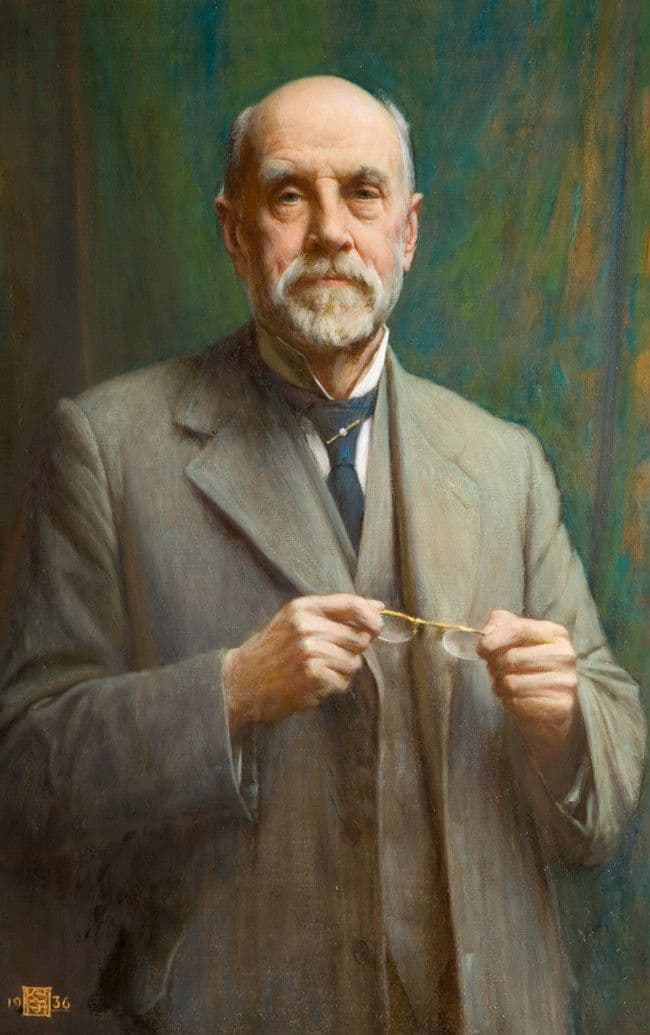
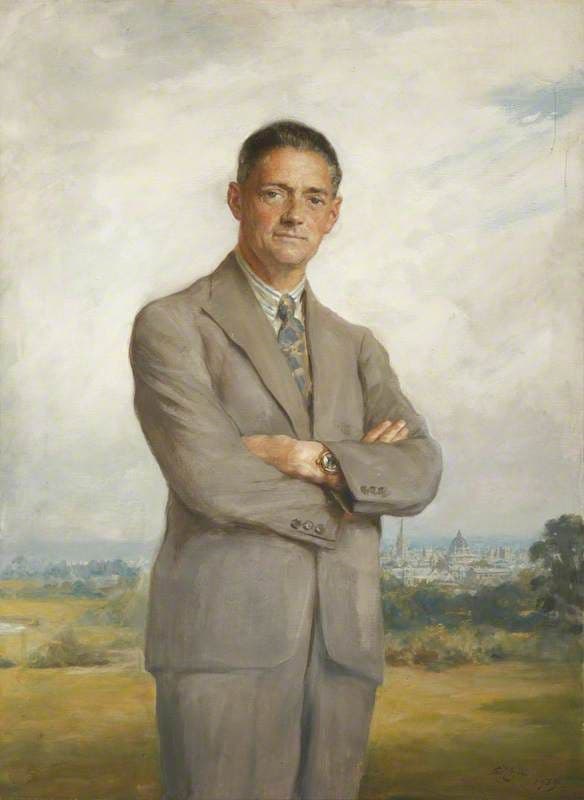
After the war Peter Bennett and Oliver Lucas, Joseph’s grandson, ran the company as joint managing directors from 1923. By then more than half of Lucas’s starting and lighting equipment went to Morris. In 1926 Lucas bought its two largest competitors, C. A. Vandervell and Rotax, and won the contract for all of Austin’s starting, lighting and ignition equipment. Through the 1920s and 1930s it bought or came to terms with rival makers in Britain and abroad, including an agreement with Robert Bosch in 1931.
Lucas Industries
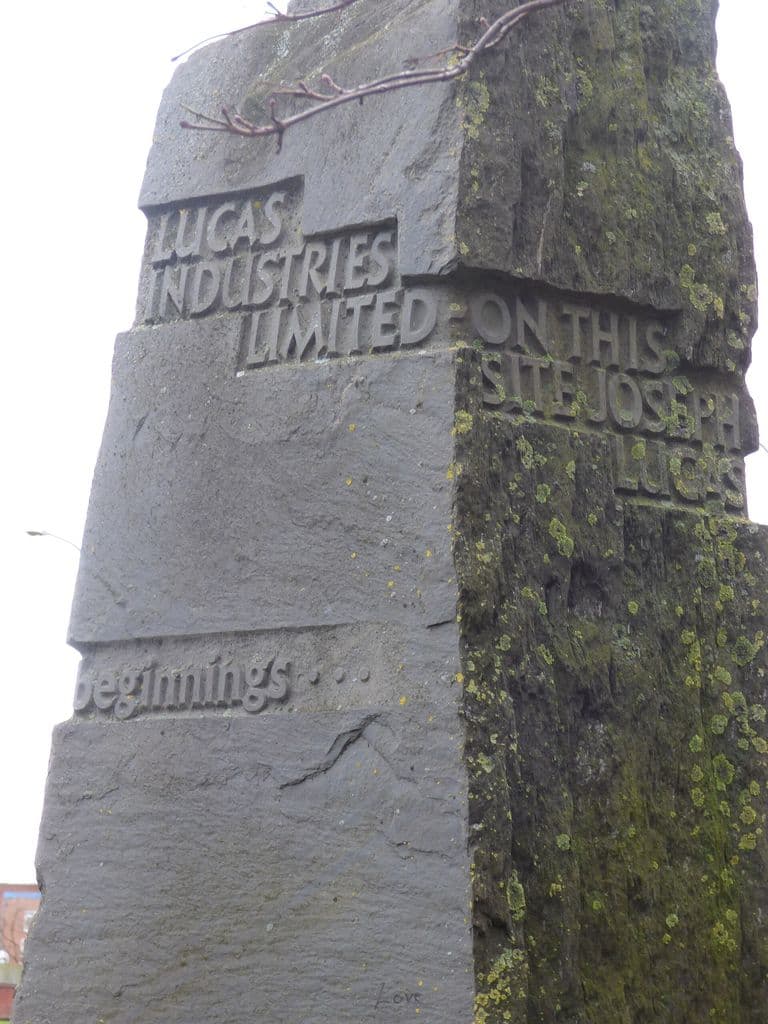
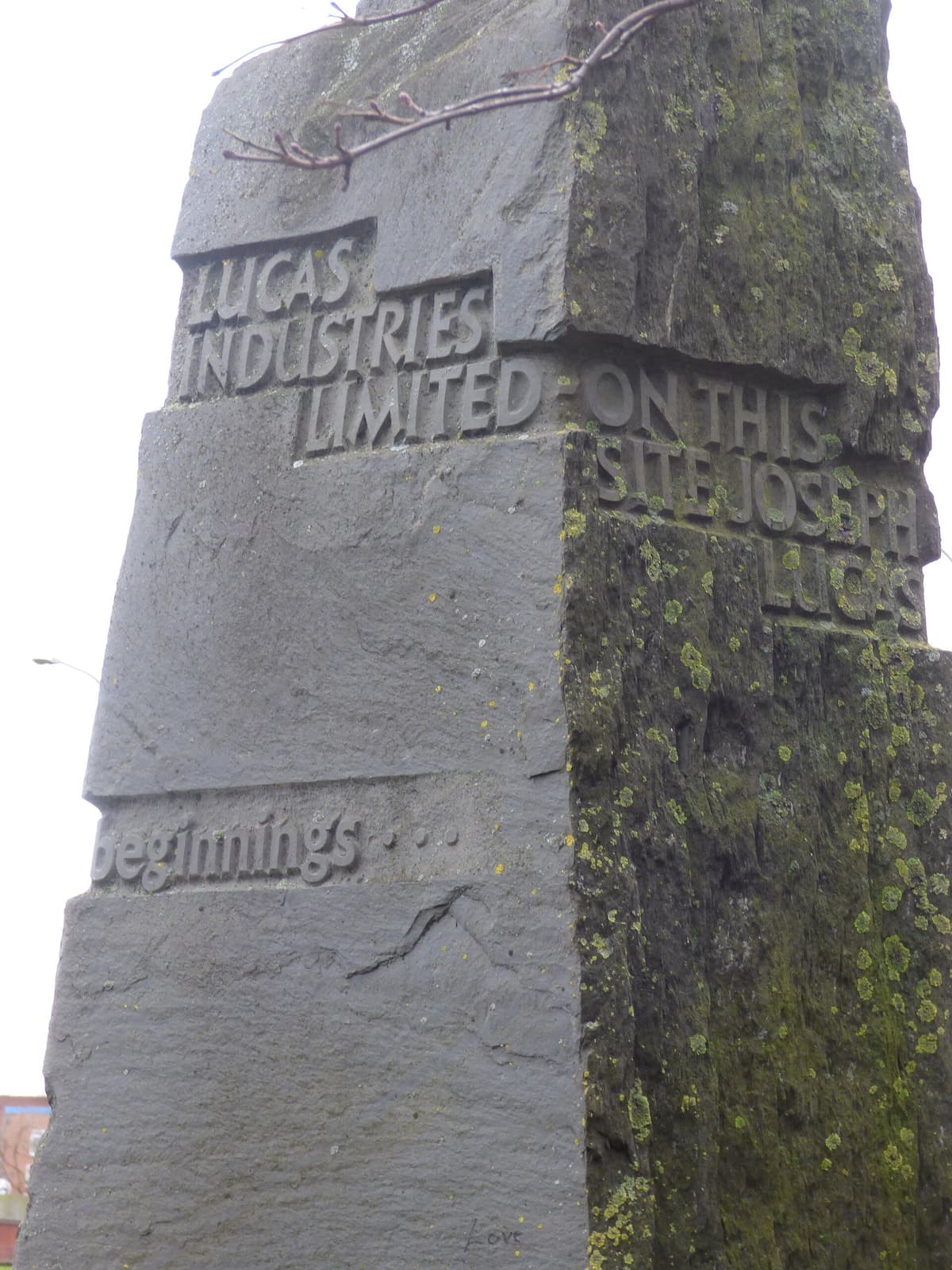
The company became Joseph Lucas (Industries) Ltd in 1951 and Lucas Industries in 1975. Great King Street was the headquarters of Lucas Electrical and of the whole group, which took in CAV diesel equipment, Girling brakes and Lucas Aerospace, and the works employed up to 7,000 people. In the 1980s the multi-storey works was closed and later demolished. In 1996 the company merged with Varity to form LucasVarity, which lasted as a separate group until 1999. A slate monument by Lucas Circus, laid in 1994, marks where it all began.
On the map
One place connected with Joseph Lucas Ltd (Lucas Industries). Tap a number for directions — some sites are private homes or gardens, so each place’s page says what you can see from the street.

- Lucas works, Great King Street, Hockley — Lost, Site redeveloped · Directions to Lucas works, Great King Street, Hockley (opens Google Maps)
Key dates
- 1860 — Joseph Lucas starts in businessJoseph Lucas begins trading on his own account, selling paraffin, buckets, shovels and other hollow-ware door to door. By 1869 he is listed as a dealer in lamps and oils at 209 Great King Street.
- c. 1872–75 — Tom Bowling Lamp Works, Little King StreetJoseph Lucas and his son Harry set up the Tom Bowling Lamp Works in Little King Street, Hockley, named after their ship’s lamp for the fishing industry. The 1994 monument dates the first workshop to c.1872.
- 1880 — Lucas patents the King of the Road lampJoseph Lucas is granted a patent for his lamp. The “King of the Road” bicycle lamp makes the firm’s name, and its first consignment goes to the United States in 1881.
- 12 November 1897 — Joseph Lucas Ltd registeredJoseph Lucas Ltd is registered as a public company with a nominal capital of £225,000 to take over Joseph Lucas & Son. The money pays for a five-storey factory on Great King Street.
- 27 December 1902 — Joseph Lucas dies in NaplesJoseph Lucas, a lifelong teetotaller who refused wine in Naples, dies of typhoid at the Hotel Bristol. His son Harry becomes chairman of Joseph Lucas Ltd.
- 1914 — Lucas buys Thomson-Bennett and wins the Morris contractJoseph Lucas Ltd pays £9,000 for the magneto maker Thomson-Bennett, the purchase Grace’s Guide sees as the root of its dominance in motor electrics, and wins a bulk contract to supply Morris.
- 1926 — Lucas wins the Austin contractLucas buys its two largest competitors, C. A. Vandervell and Rotax, and wins the contract for all of Austin’s starting, lighting and ignition equipment for the following year.
- 21 November 1956 — A council deputation puts a price on trafficBirmingham’s deputation to the Minister of Transport argues that Lucas’s 300 vehicles average 10 mph across the city, and that faster roads would save the city’s 28,000 goods vehicles about £2 million a year.
- c. by 1988 — Lucas Great King Street emptiedLucas moves ignition work to a new factory and sells or closes the rest. Nearly a million square feet at Great King Street stand empty; the blocks are demolished in the early 1990s.
Sources and further reading
- Joseph Lucas — Grace’s Guide to British Industrial History
- Joseph Lucas (1834–1902) — Grace’s Guide to British Industrial History
- The Final Years of Lucas Great King Street — Roger Bater, Triple C (reproduced with permission)
- Monument to Lucas Factory (PMSA record WMbiBIxx238) — Public Monuments and Sculpture Association, National Recording Project