The bicycle reached Birmingham at exactly the right moment. The town was full of firms that could press, turn, plate and assemble small metal parts, and full of people who knew how. When cycling took off in the late nineteenth century, they were ready.
Guns to bicycles
The Birmingham Small Arms Company is the great example. Founded in 1861 to make rifles by machine at Small Heath, it found that government orders came and went. In 1880 it agreed to make 210 Otto “dicycles”, a strange machine with two wheels side by side, and then safety bicycles and tricycles. When rifle orders surged in 1887 it stopped. From 1893 it made bicycle components in quantity, and from 1908 complete cycles again. Herbert Austin’s Wolseley sheep-shearing works in Aston also built bicycles in slack seasons in the 1890s.
Lighting the way
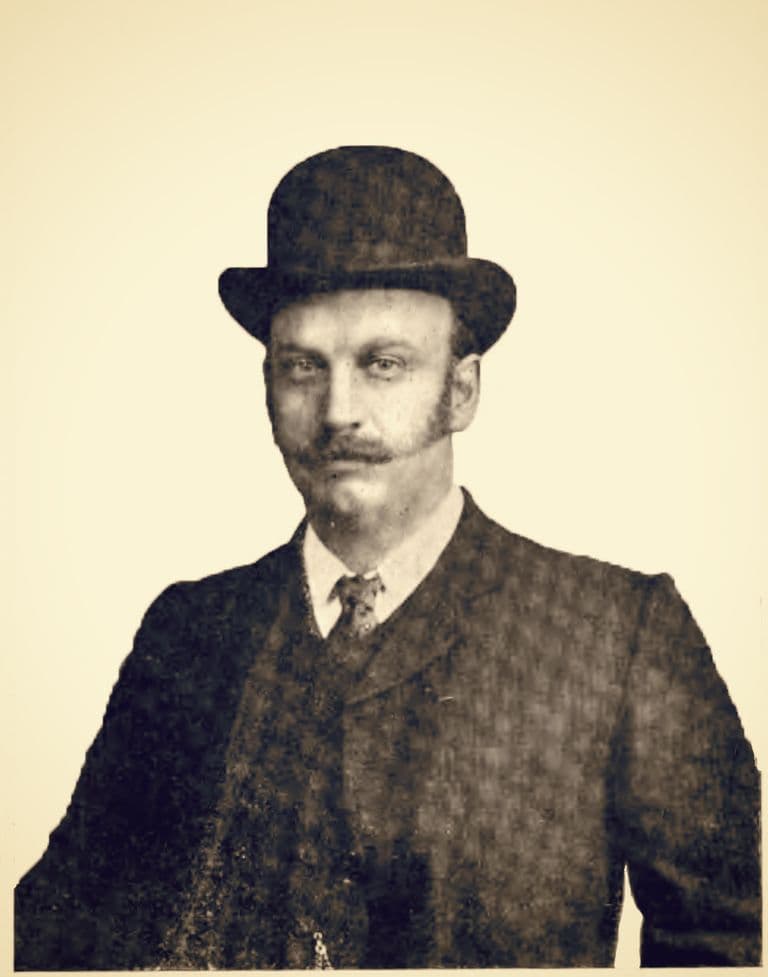
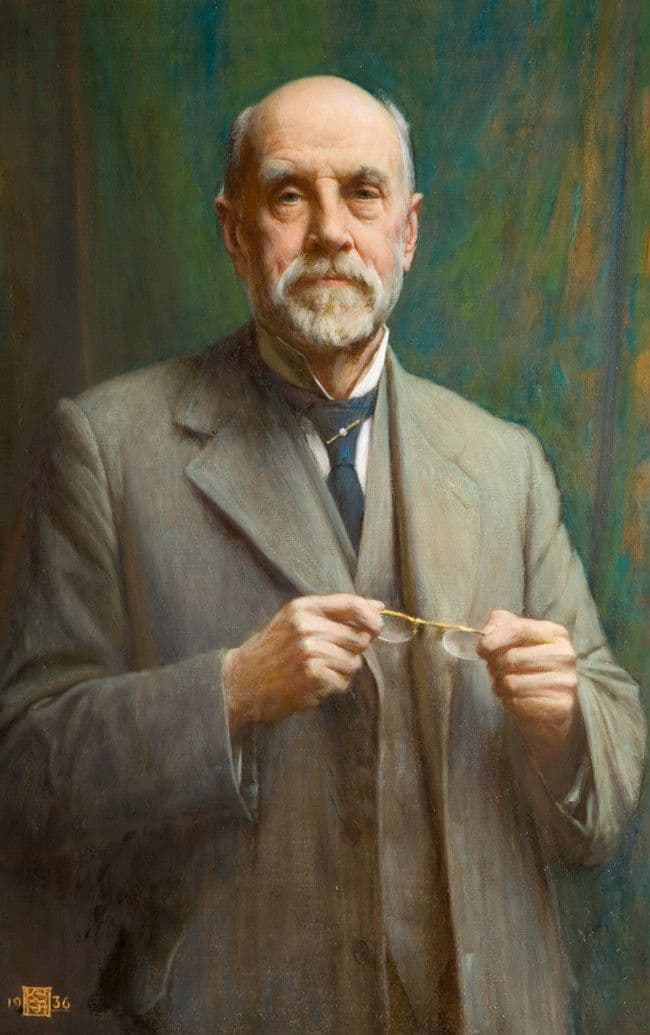
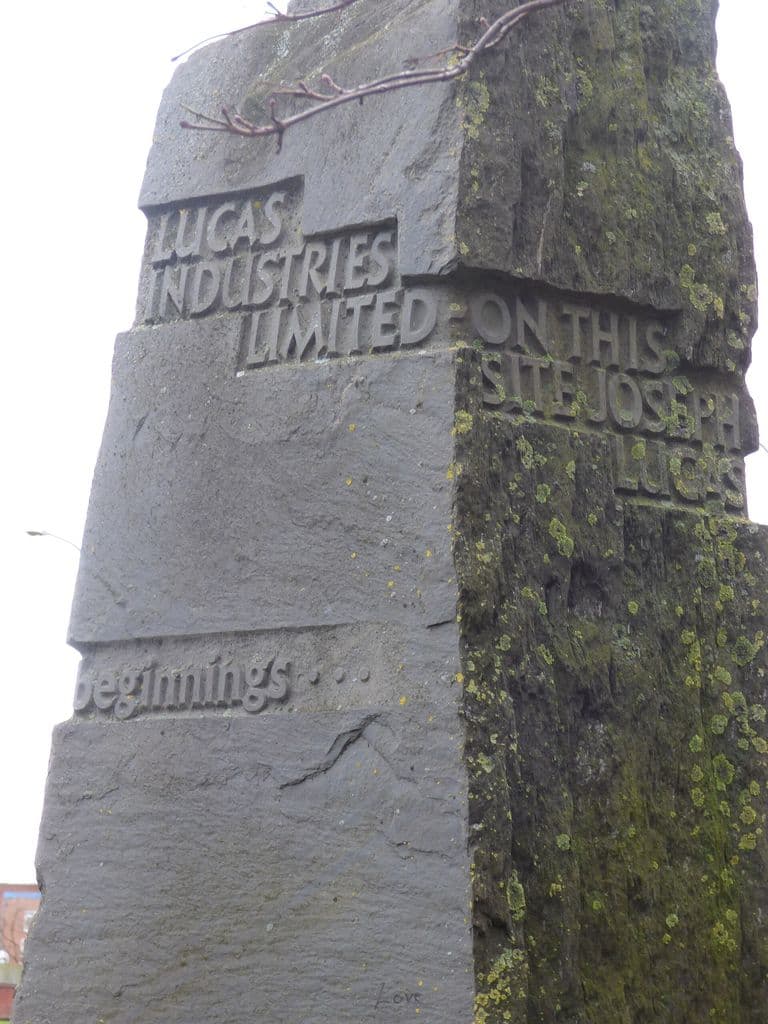
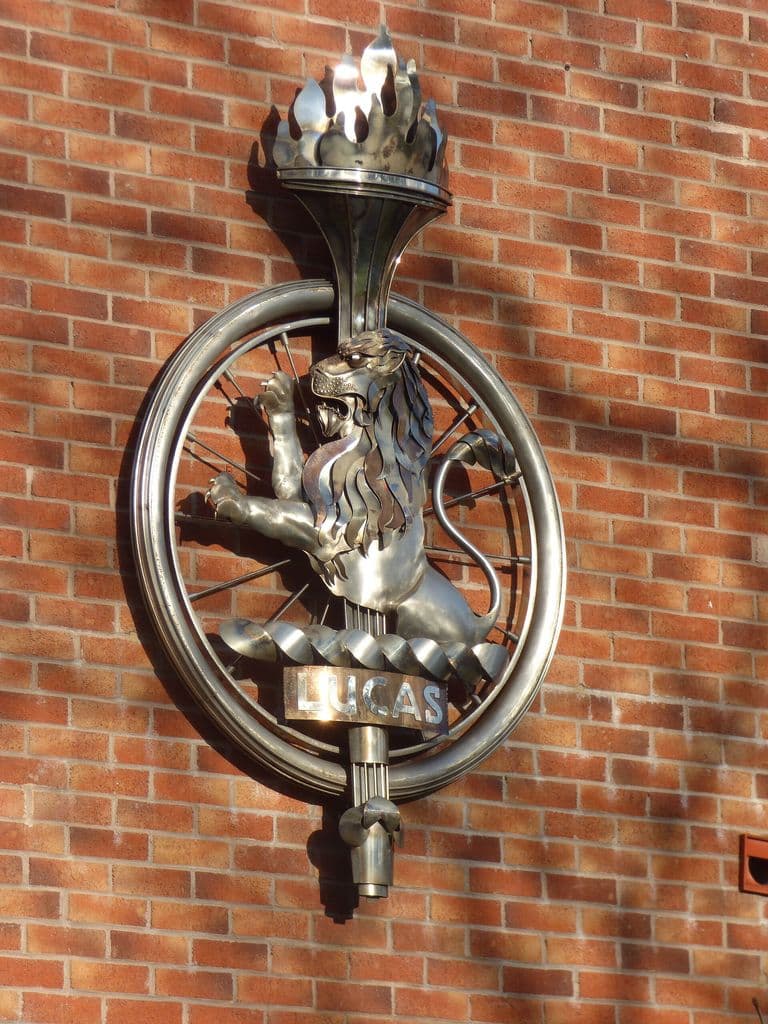
The boom created whole new trades. In the late 1870s cyclists were required to carry a lamp after dark. Joseph and Harry Lucas, lamp makers in Little King Street, Hockley, answered with the “King of the Road” cycle lamp, patented in 1880. It made the family’s name, paid for the Great King Street works, and gave the firm the skills and customers that later carried it into motor electrics.
Adding an engine
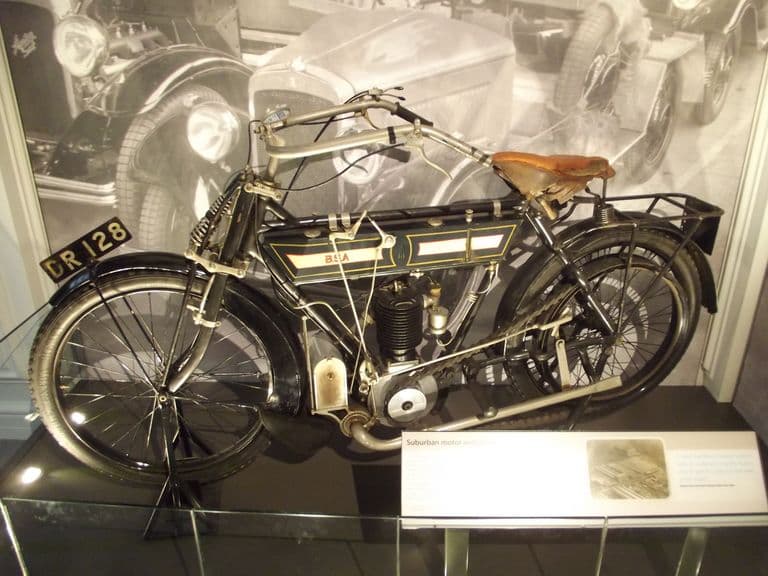
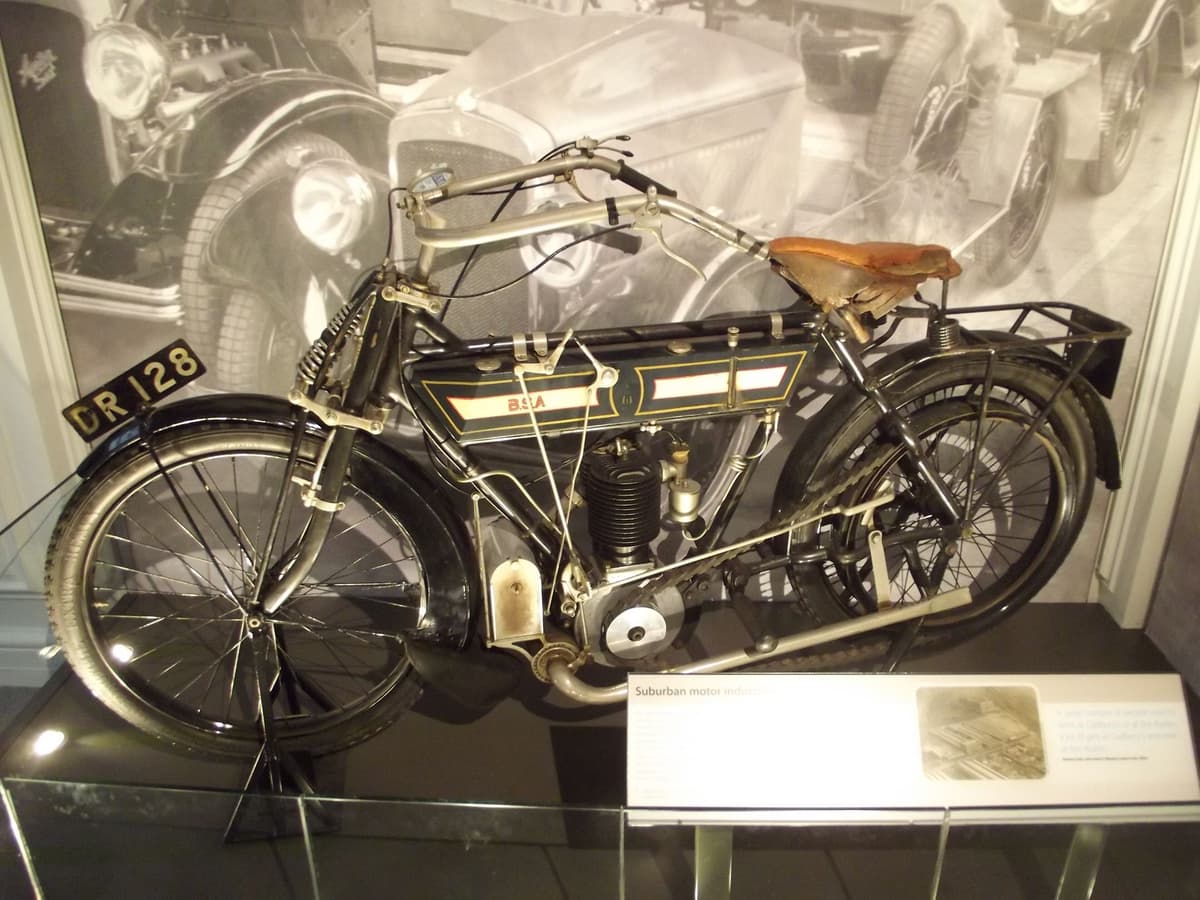
The next step was to put an engine in the frame. Looking at Buildings dates large-scale motorcycle making in Birmingham to James Norton’s works in Aston, which began production in 1898. BSA began making motorcycles in 1909, under its crossed-guns emblem, and its Small Heath works became one of the best-known motorcycle factories in the world. In 1958 BSA Motor Cycles was the UK’s largest motorcycle maker, and by 1967 nearly three-quarters of its machines were sold abroad.
The end of the road
The decline was swift. BSA sold its bicycle business to Raleigh in 1957. Its motorcycle sales fell at home, losses mounted, and in 1973 the business passed to Norton-Villiers-Triumph. The Small Heath works were demolished in the 1970s. A BSA motorcycle of about 1911 is among the objects in the Birmingham History Galleries at Birmingham Museum and Art Gallery, and Armoury Road still carries the name of the factory that armed the country and then put it on two wheels.
On the map
One place connected with Bicycles and motorcycles. Tap a number for directions — some sites are private homes or gardens, so each place’s page says what you can see from the street.

- Lucas works, Great King Street, Hockley — Lost, Site redeveloped · Directions to Lucas works, Great King Street, Hockley (opens Google Maps)
Key dates
- 1880 — Lucas patents the King of the Road lampJoseph Lucas is granted a patent for his lamp. The “King of the Road” bicycle lamp makes the firm’s name, and its first consignment goes to the United States in 1881.
- 2 July 1880 — BSA contracts to make Otto dicyclesBSA agrees to supply 210 Otto “dicycles” at £8 15s each, its first step into cycle making. The first machine is delivered on 20 September 1880.
- 1909 — BSA starts making motorcyclesThe Birmingham Small Arms Company begins making motorcycles at Small Heath. A year later it buys the Daimler Motor Company of Coventry.
- 1973 — BSA’s motorcycle business collapsesAfter BSA’s shares collapse, its motorcycle business is sold to Norton-Villiers-Triumph. The Small Heath works are demolished later in the 1970s.
Sources and further reading
- BSA — Grace’s Guide to British Industrial History
- Motown: The Factories — Looking at Buildings (Pevsner Books Trust)
- Joseph Lucas (1834–1902) — Grace’s Guide to British Industrial History
- Herbert Austin — Grace’s Guide to British Industrial History
- Birmingham History Galleries – An Expanding City – Motorcycle (photograph and caption) — Elliott Brown, via Wikimedia Commons, 2012