
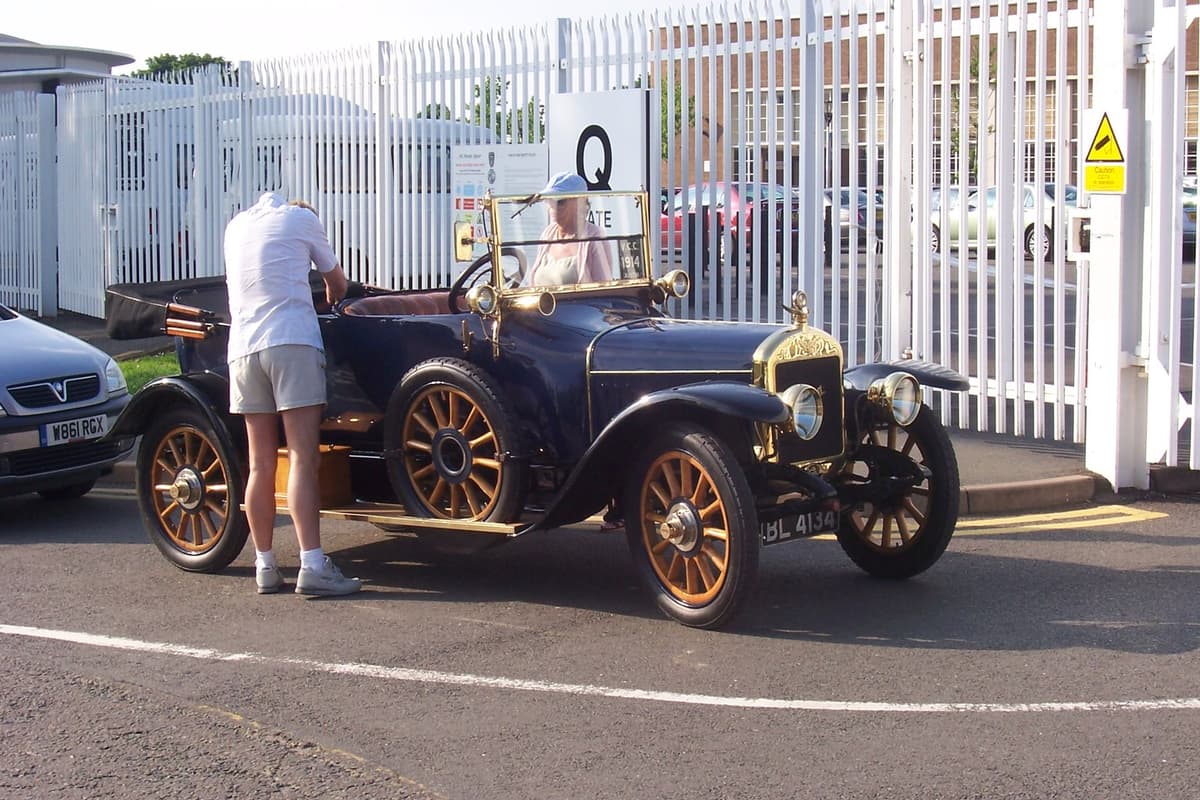
What was here?
For a century this was “The Austin”: the car factory that built the Austin Seven, the Mini and the Metro, employed tens of thousands of people and gave south Birmingham its identity. Most of it has been demolished and replaced by Longbridge town centre, a college campus, Austin Park and new homes.
History
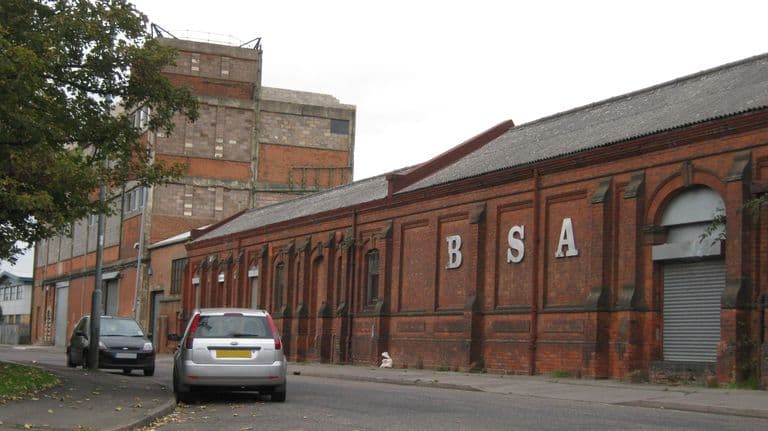
In November 1905 Herbert Austin, who had just walked out of Wolseley, came looking for somewhere to build cars. On the rural fringe of the city, just outside its boundary, he found an empty works at Longbridge. The Birmingham printers White & Pike had built it in 1894–95, on twenty or so fields between Lickey Road and the railway, to print and make tin boxes. The venture failed, and the factory had stood empty since about 1901. According to Austin Memories, he visited on Saturday 4 November with his wife and his whole staff of three, and opened talks with the owner, the financier E. A. Olivieri, the following Monday. The asking price was £11,000; Austin got it for £7,500. Within days he and his staff moved in, and two weeks later they showed drawings of their first car at the London Motor Show. Ownership of the works, with another 8 acres, passed to Austin on 22 January 1906.
The first Austins
The first Austin car, a 25–30 horsepower tourer, came out in 1906. In its first full year the company made 120 vehicles and employed 270 people. By 1912 it was making 886 cars a year with 1,800 staff. Looking at Buildings notes that Austin was unusual: most early car makers made do with old buildings, but he went on to build his own works.
The war factory
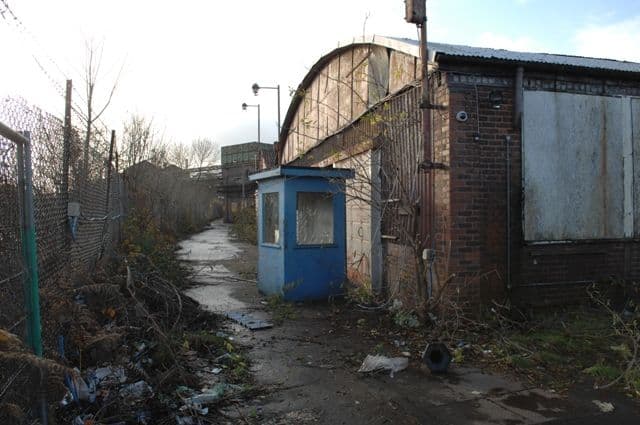
The First World War changed Longbridge for ever. Between 1914 and 1917 the workforce rose from 2,638 to over 20,000. The original works on Lickey Road, south of the Halesowen railway line, gained a new stamp shop and a bigger power house. From 1916 Austin built the North Works, between the Halesowen line and Longbridge Lane, and the West Works across the Bristol Road. In 1917 more shops were added to the original factory, now called the South Works, for aircraft production. By the end of the war Longbridge had made around eight million shells, 2,000 aeroplanes, 2,500 aero engines and 2,000 lorries.
The Baby Austin
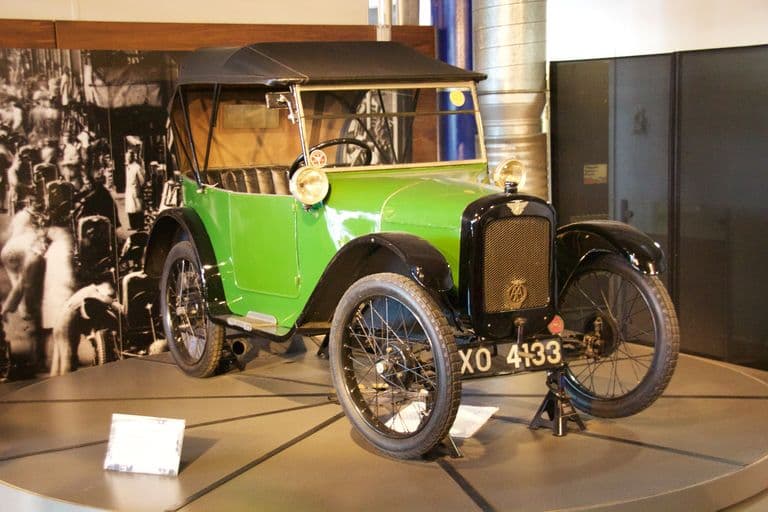
Peace was hard. A receiver was appointed in 1921, but the firm survived, and in 1922 it launched the Austin Seven. At £225 it brought motoring within reach of families who had never owned a car, and by 1925 Longbridge was building 25,000 a year. In 1926–27 a new administration block and despatch building went up on Lickey Road, designed by S. N. Cooke. By 1936 the works employed 25,000 people, and by 1939 the site covered 100 acres.
In the Second World War Longbridge made munitions again, while the Cofton Hackett works to the south built more than 2,500 aircraft, among them Spitfires, Hurricanes, Stirlings and Lancasters.
BMC to MG Rover
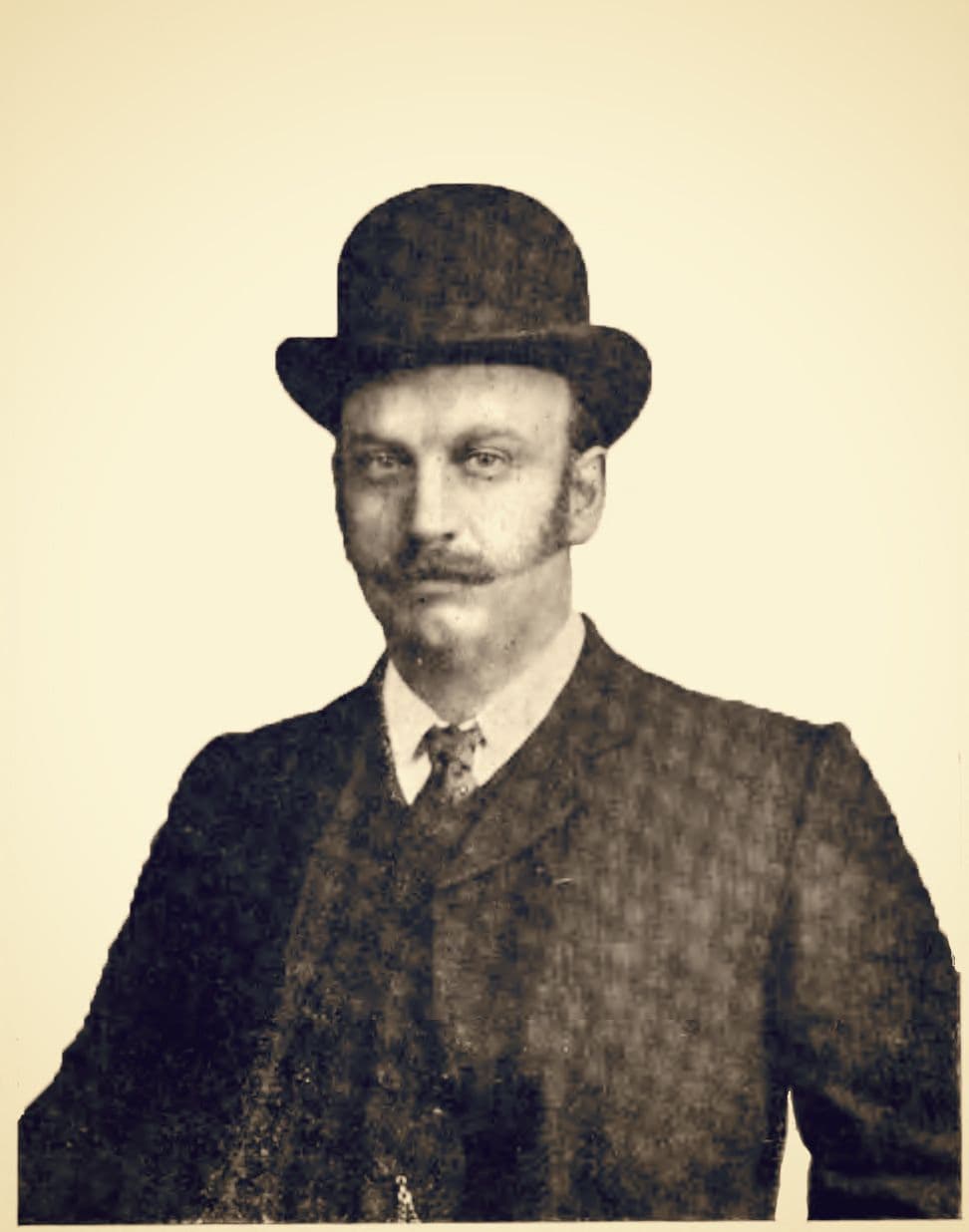
In 1952 Austin merged with the Nuffield Organisation to form the British Motor Corporation. Longbridge built the Mini from 1959, and AROnline puts its peak output at more than 300,000 cars a year. Then came British Leyland, the strikes of the 1970s, the Metro, Rover and BMW. BMW pulled out in 2000, and the business carried on as MG Rover. On 8 April 2005 MG Rover went into administration, and more than 6,000 workers lost their jobs. Richard Burden, the area’s MP at the time, later called it “a body blow” to “the identity of that part of Birmingham”.
After the Austin
The same spot, then and now
1888–1913
Today
Old map: Ordnance Survey six-inch, reproduced with the permission of the National Library of Scotland (CC BY 4.0). Today: © OpenStreetMap contributors.
Limited assembly restarted under Chinese ownership, and ended in 2016. Most of the works has since been cleared. Led by the developers St Modwen, the land now holds a new town centre, a South & City College campus, a technology park and homes. Austin Park, extended in 2021, carries his name, and building on another 688 homes began in April 2025. MG Motor still keeps a small presence at the old Q Gate. In April 2026 the Birmingham Civic Society unveiled a blue plaque to Herbert Austin at the college’s Longbridge campus, nominated and paid for by the Austin Ex-Apprentices Association. More than a century after Austin and his staff of three walked into an empty printing works, the apprentices of his factory are still telling its story.
What happened here?
From 1906 the Austin Motor Company made cars here, and in the First World War shells, aircraft, aero engines and lorries with a workforce of over 20,000. The Austin Seven (1922), the Mini (from 1959) and the Metro were built here. Under BMC, British Leyland, Rover, BMW and MG Rover the plant built cars until 2005; MG assembled cars on part of the site until 2016.
Why it mattered
Longbridge was the largest car factory in Britain for much of the twentieth century, according to Grace’s Guide and Looking at Buildings, and the place where cheap mass motoring arrived with the Austin Seven. For generations of south Birmingham families it was simply “The Austin”. Its closure in 2005 marked the end of volume car making in Birmingham.
Why it disappeared
Industrial decline · Redevelopment
MG Rover went into administration on 8 April 2005. The remaining assets were sold to Nanjing Automobile, later part of SAIC, which ran limited assembly until 2016. Most of the site, owned by St Modwen, was cleared for a town centre, college, business park and housing; the last assembly buildings are reported to have been largely demolished from 2020.
What’s there now
What replaced it
Longbridge town centre (shops, offices, homes), the South & City College Birmingham Longbridge campus, Longbridge Technology Park, Austin Park, and housing on the former West Works and other parts of the site.
What survives
Very little of the factory itself. MG Motor UK keeps a small operation on part of the site at the former Q Gate. Austin’s name survives in Austin Park and in Sir Herbert Austin Way (the Northfield bypass, A38). A Birmingham Civic Society blue plaque (2026) is at the college campus.
Today
Longbridge town centre stands on the factory site south of Longbridge Lane, close to Longbridge station. Walk through Austin Park, beside the River Rea, and under the Bristol Road, which once cut the works in two. The South & City College campus, with the new blue plaque, is nearby. MG’s flags fly at the old Q Gate.
Then and now
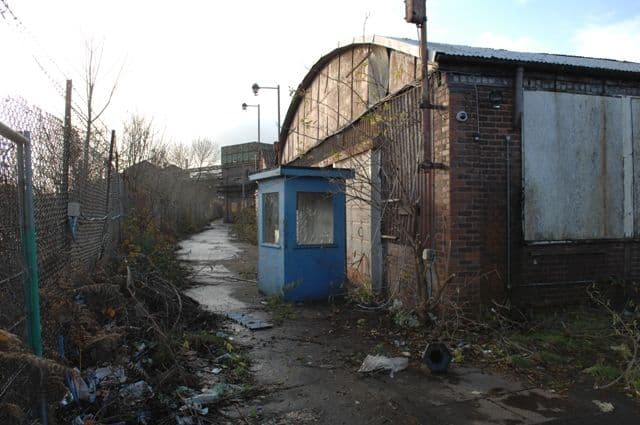
Then · Photographed 9 July 2005
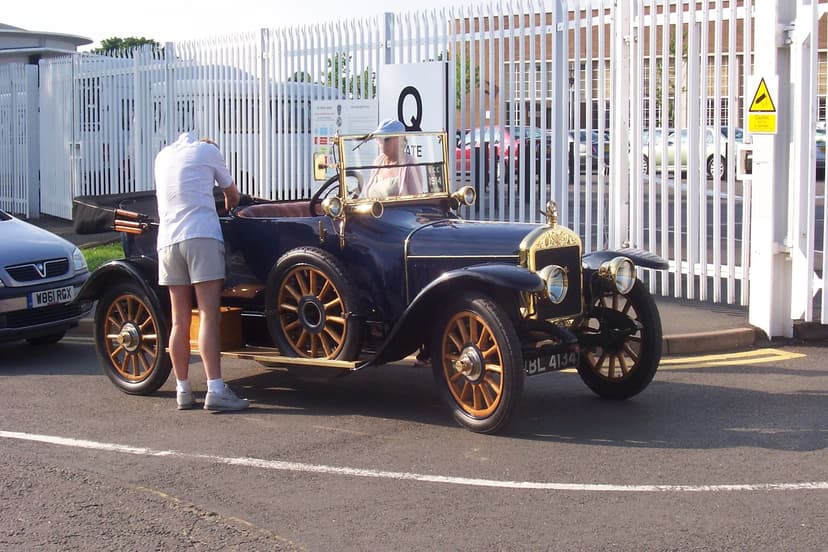
Now · Photographed 29 November 2006
Key dates
- 4 November 1905 — Herbert Austin finds LongbridgeHerbert Austin visits the derelict White & Pike works at Longbridge with his wife and his staff of three; within days he agrees terms of £7,500 with its owner. Ownership passes to him on 22 January 1906.
- 1914–1918 — Longbridge becomes a war factoryAustin’s workforce rises from 2,638 to over 20,000 as North and West Works are built. By 1918 Longbridge has made around eight million shells, 2,000 aeroplanes and 2,500 aero engines.
- 1922 — The Austin Seven launchedThe “Baby Austin” goes on sale at £225, bringing a car within reach of families who had never owned one. Longbridge is making 25,000 a year by 1925.
- 1926 — Lucas wins the Austin contractLucas buys its two largest competitors, C. A. Vandervell and Rotax, and wins the contract for all of Austin’s starting, lighting and ignition equipment for the following year.
- February 1952 — Austin and Morris form BMCThe Austin Motor Company merges with the Nuffield Organisation to form the British Motor Corporation, with Lord Nuffield as first chairman.
- 8 April 2005 — MG Rover goes into administrationThe collapse of MG Rover ends volume car making at Longbridge and costs more than 6,000 jobs. Limited assembly under Chinese ownership ends in 2016.
- 23 September 2016 — MG ends car assembly at LongbridgeMG announces that vehicle assembly at Longbridge will stop and production move to China, ending, the BBC said, more than a century of car building on the site.
- April 2026 — Blue plaque to Herbert Austin at LongbridgeThe Birmingham Civic Society unveils a blue plaque to Herbert Austin at South & City College’s Longbridge campus, on the ground of his factory, nominated and funded by the Austin Ex-Apprentices Association.
Sources and further reading
The story of the visit on 4 November 1905, the price and the move-in comes from Austin Memories, an enthusiast history site, and has not been checked against Lambert and Wyatt’s 1968 biography or company records. It agrees with Grace’s Guide that the works passed to Austin in January 1906 (Austin Memories gives 22 January). Austin Memories also says the Austin Motor Co. Ltd was registered on 26 June 1905; Grace’s Guide says a private limited company was formed in 1907.
Which, if any, Austin-era buildings survive on the land still used by MG Motor has not been established from an authoritative source. The fate of S. N. Cooke’s 1926–27 administration block and of the later office building known as the Kremlin is unclear in the sources seen.
The demolition of the last car assembly buildings (CAB1 and CAB2) from January 2020 is reported by Wikipedia only (lead).
The receivership is dated April 1921 by Grace’s Guide and 1920 by Looking at Buildings. The peak output figure (over 300,000 a year) is from AROnline.
The point on the map is a general location for a site of over 100 acres.
- Austin Motor Co — Grace’s Guide to British Industrial History
- Herbert Austin — Grace’s Guide to British Industrial History
- Longbridge Factory — Austin Memories
- Austin’s (Birmingham factories) — Looking at Buildings (Pevsner Books Trust)
- Motown: The Factories — Looking at Buildings (Pevsner Books Trust)
- Longbridge car factory history: rise and fall of ‘The Austin’ — Keith Adams, AROnline, 2006, revised 2025
- 20 years since collapse of MG Rover — Richard Burden, 2025
- 20 years after MG Rover collapse, work starts on another 688 new homes in Longbridge — Sas Martindale-Taylor, B31 Voices, 2025
- Plans unveiled for new ‘Green Heart’ in Longbridge Town Centre — B31 Voices, 2021
- Blue Plaque honours Herbert Austin at Longbridge — Birmingham Civic Society, 2026
Comments
Comments will load here.