
Birmingham grew rich by making things. The factories that did the making have mostly gone, and with them some of the most important workplaces in the history of British industry.
The story starts at Soho in Handsworth, where Matthew Boulton’s Soho Manufactory, begun in the 1760s, was linked with the steam engines of Boulton and Watt. It was demolished in stages and had gone by 1863.
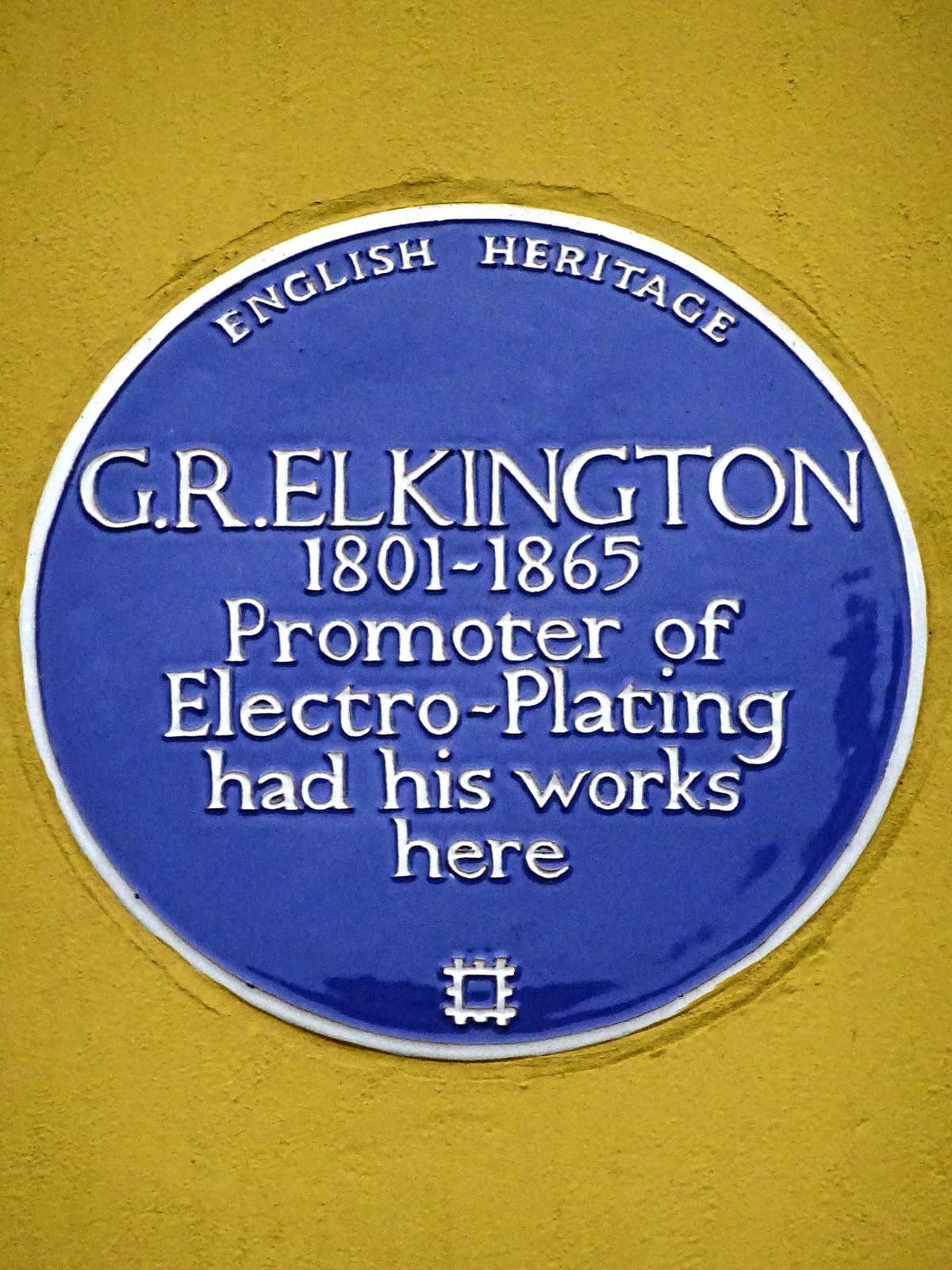
In 1838 Elkington’s works on Newhall Street began electroplating on an industrial scale, coating base metal with silver and gold by electricity. Alexander Parkes, inventor of the first plastic, worked there. Most of the works were demolished in the 1960s, but one listed range survives at 144 Newhall Street.
In 1863 the Birmingham Small Arms Company opened its factory at Small Heath to make rifles by machinery. BSA went on to make bicycles and motorcycles. Its works were bombed in 1940, with heavy loss of life, and demolished in the 1970s. In 1861 a percussion-cap works was licensed at Witton; under George Kynoch, and later ICI and IMI, it became one of north Birmingham’s largest employers before most of it was demolished after 2003.
These were not quiet places. They were noisy, dangerous and sometimes deadly, and they employed thousands. This collection follows what they made, why they closed and what is left: a listed range on Newhall Street, a road called Armoury Road, a war memorial by a factory gate in Witton.
The places
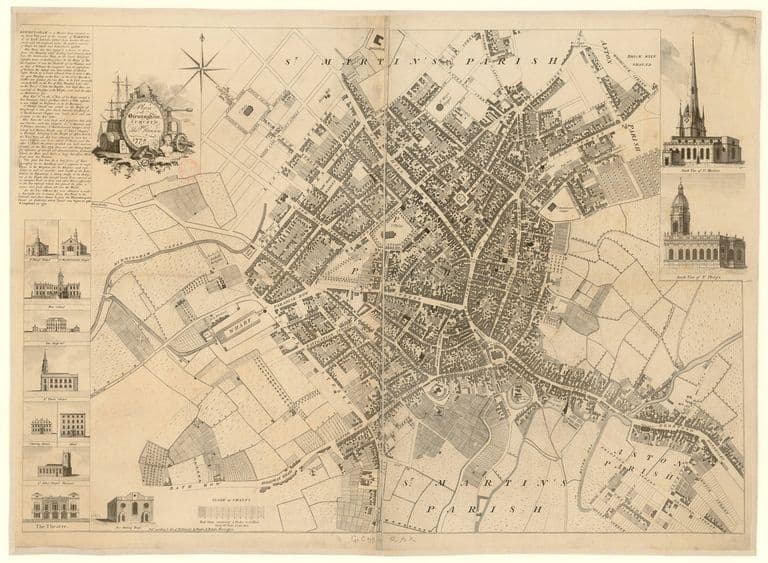 Heath Mill (Cooper’s Mill), DeritendLost · c. 1526–c. 1851The Birmingham lords’ water mill on the River Rea at the north end of Heath Mill Lane, recorded from 1526. As Cooper’s Mill its dam held back the river at Deritend. It later became a forge and a steam works, and its pool was built over from 1851. Only the lane’s name survives.
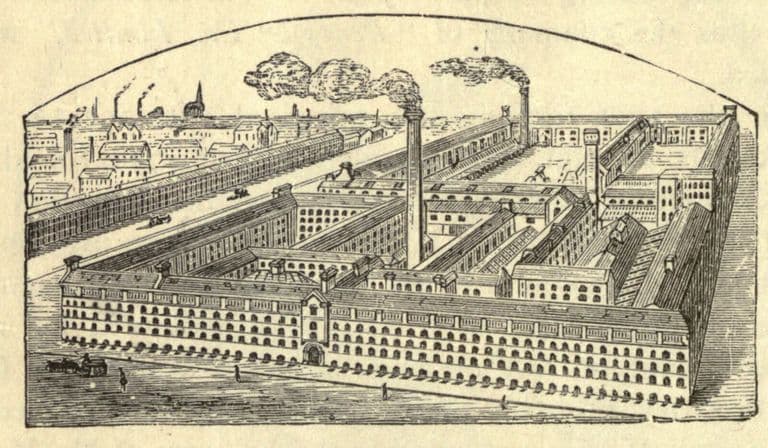 Josiah Mason’s pen works, Lancaster StreetSite redeveloped · 1778Where Samuel Harrison made split rings and Josiah Mason made every pen sold under Perry’s name. By 1889 the works, then Perry & Co.’s, covered nearly two acres and fronted four streets, with a dining hall for 600 and a library for its workers.
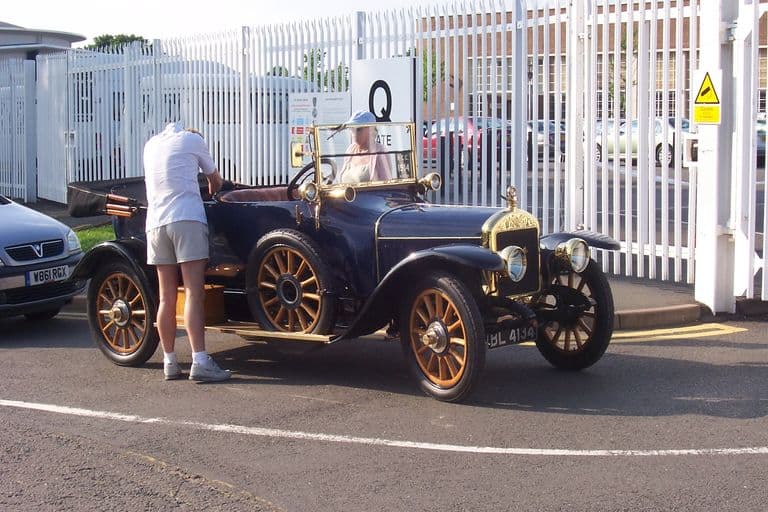 Austin works, LongbridgeSite redeveloped, Partly surviving · 1905–2005Herbert Austin turned a derelict printing works into “The Austin”, Britain’s best-known car factory, home of the Austin Seven and the Mini. Car making ended with MG Rover in 2005 and MG in 2016; a town centre, college and homes now cover most of it.
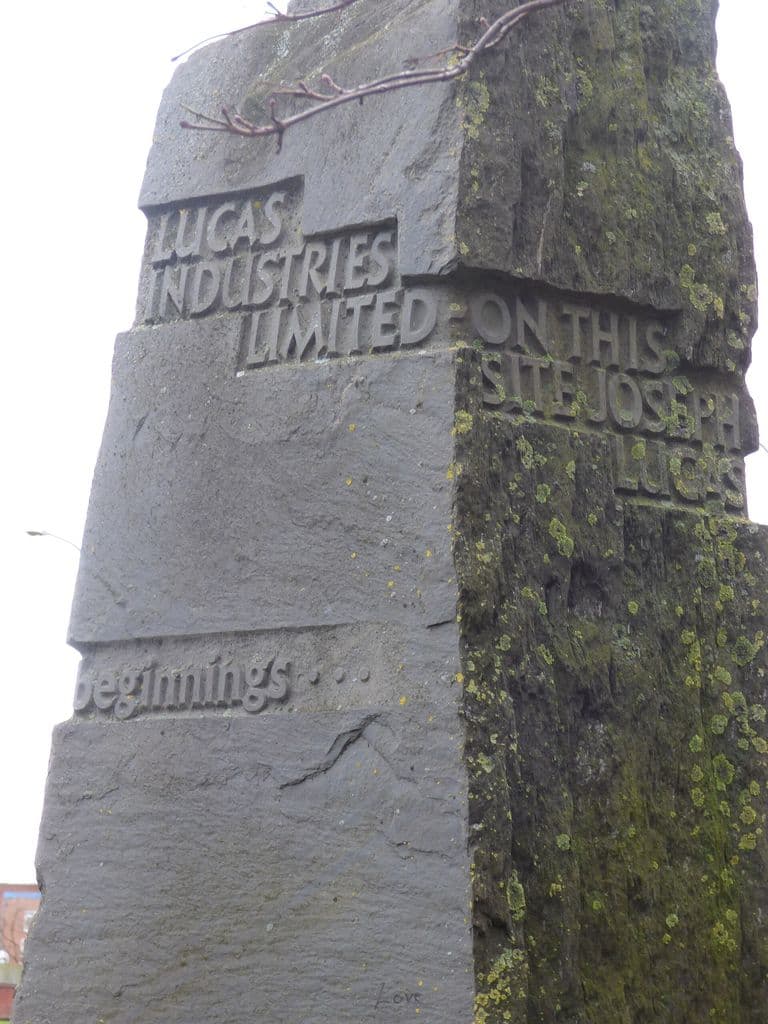 Lucas works, Great King Street, HockleyLost, Site redeveloped · c. 1896–c. 1994Where Joseph Lucas’s Tom Bowling lamp works grew into the twelve-acre headquarters of Lucas Industries, maker of electrics for millions of British cars. Emptied by 1988 and demolished in the early 1990s; housing and a slate monument mark the site.
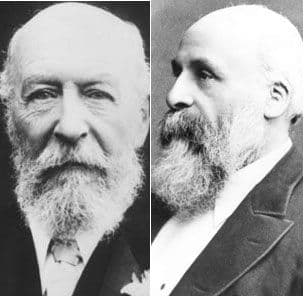 Cadbury’s Bridge Street worksLost, Site redeveloped · 1847–1879The cocoa works off Broad Street where John Cadbury’s business was nearly lost and then rescued by his sons Richard and George between 1861 and 1879, before they moved it to Bournville. Nothing of it survives, and the plot has not been precisely located.
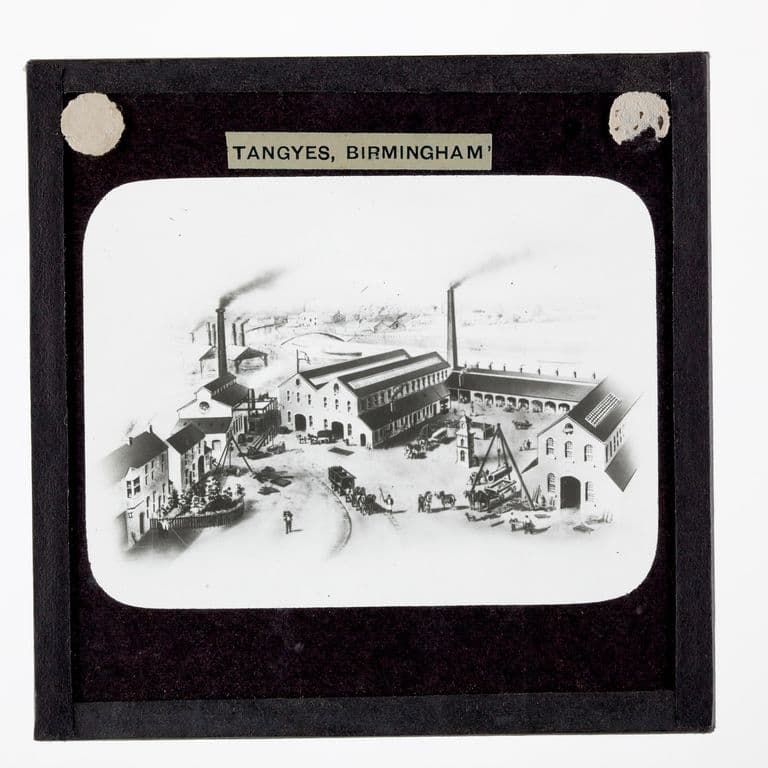 Cornwall Works (Tangyes)Lost, Site redeveloped · 1864–c. 1969Tangye Brothers’ great engineering works beside the Birmingham Canal at Smethwick, opened in 1864 on the site of Rabone Hall. It made hydraulic jacks, pumps, steam, gas and oil engines for customers around the world until the firm left in 1969.
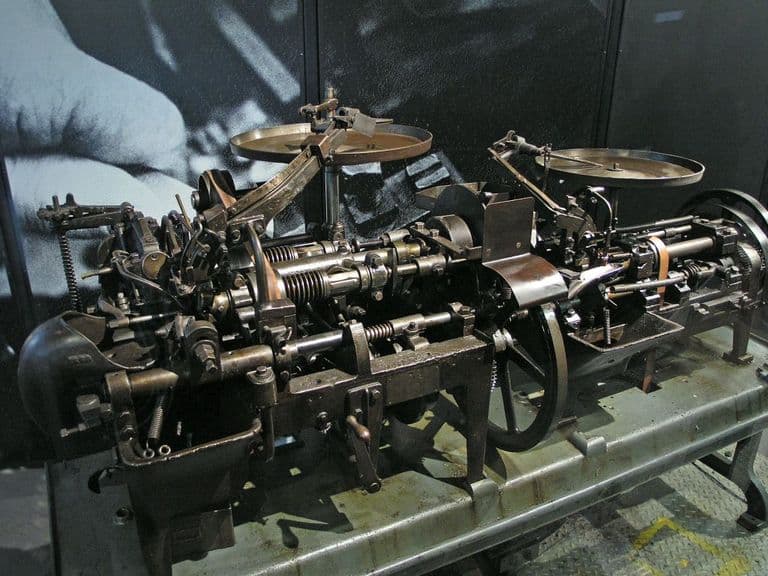 Heath Street Works (Nettlefold & Chamberlain), SmethwickSite redeveloped · 1854The Smethwick factory, opened in 1854, where American machines made pointed wood screws for Nettlefold & Chamberlain. Joseph Chamberlain made his fortune here; it grew into GKN’s 50-acre screw works. The area is now being rebuilt around the Midland Metropolitan hospital.
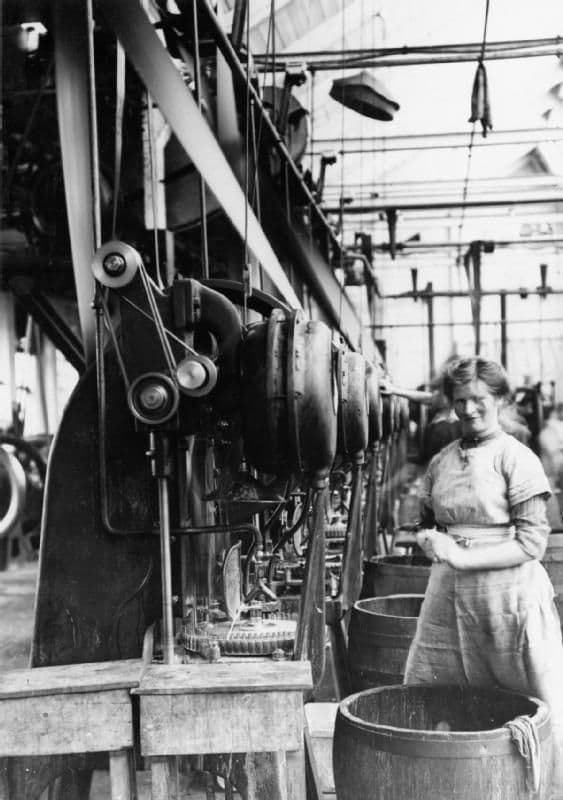 Kynoch’s Lion Works, WittonLost, Site redeveloped · 1861–c. 2003An ammunition works licensed at Witton in 1861 after a deadly explosion in the town, run by George Kynoch from 1862. It grew into Kynoch Ltd, then ICI’s and IMI’s metals works. Most buildings were demolished after 2003; a war memorial still stands by the main gate.
BSA works, Armoury Road, Small HeathLost, Site redeveloped · 1863–c. 1977The Birmingham Small Arms works opened at Small Heath in 1863 to make rifles by machine, then bicycles and motorcycles. Bombs killed 53 workers there in November 1940. The works were demolished in the 1970s; Armoury Road keeps the name.
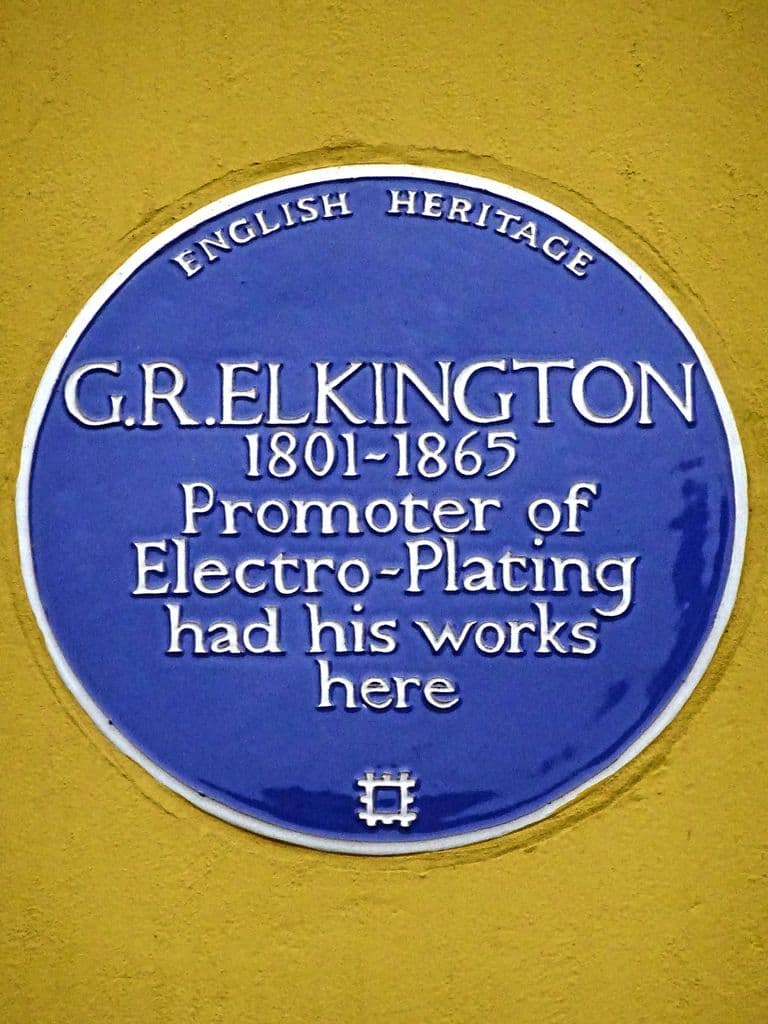 Elkington’s electroplating works, Newhall StreetPartly surviving, Surviving but altered · 1838–c. 1960Elkington’s works on Newhall Street, opened in 1838, made electroplating a world industry, and Alexander Parkes worked here before inventing the first plastic. The works were largely demolished in the 1960s; one listed range survives at 144 Newhall Street.
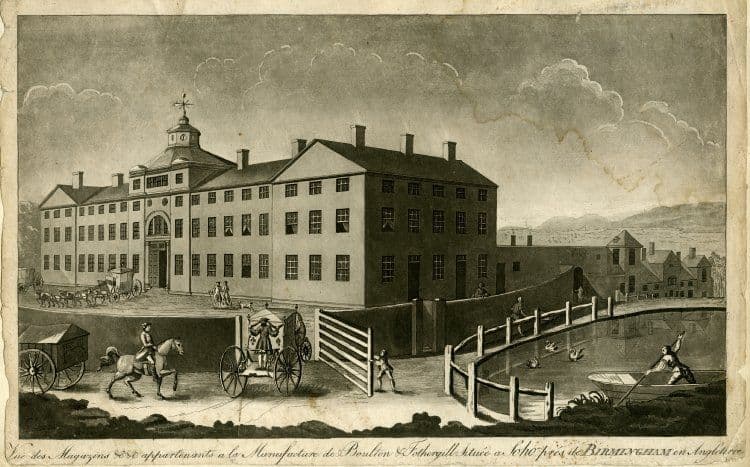 Soho ManufactoryLost, Site redeveloped · c. 1762–c. 1863Matthew Boulton’s great ‘toy’ factory on the Hockley Brook at Soho, Handsworth, where buttons, buckles, plate and ormolu were made and Boulton & Watt’s steam engine partnership began. Demolished in stages and gone by 1863.