
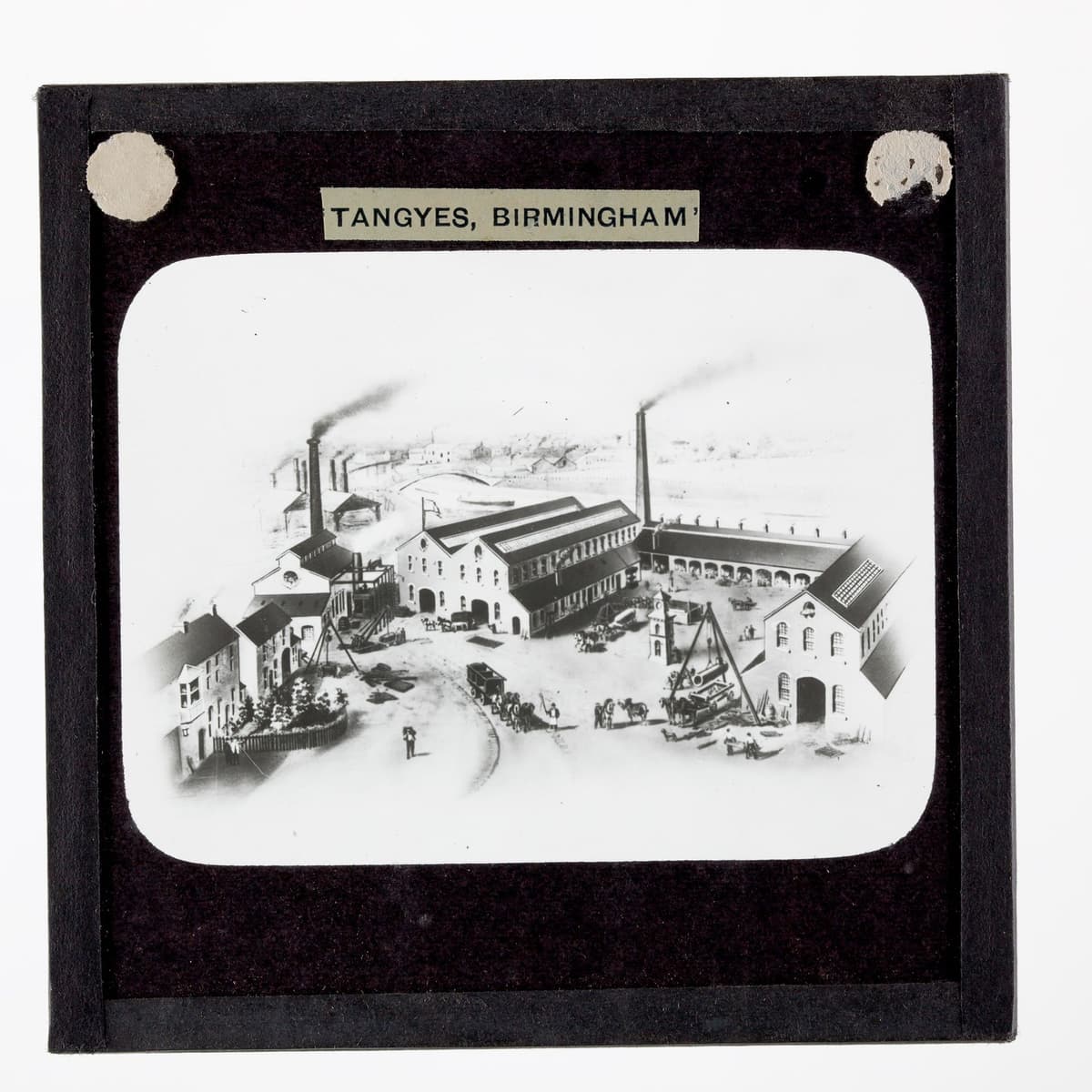
What was here?
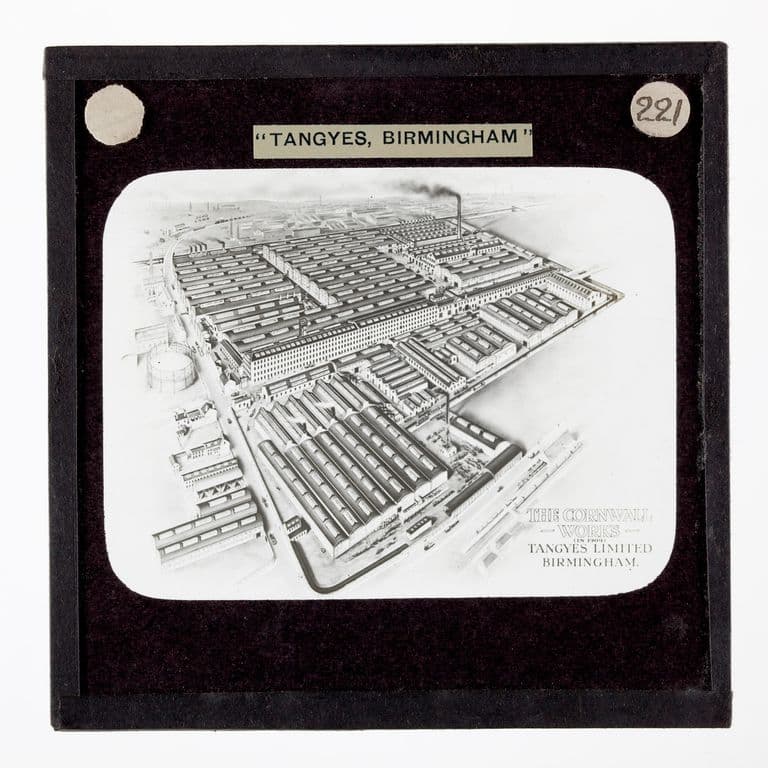
From 1864 to 1969 this was the Cornwall Works of Tangyes, the hydraulic engineers, a works that grew from three acres to about twenty between the Birmingham Canal and the Handsworth boundary, a few hundred metres from Boulton & Watt’s Soho Foundry. Before that the site was Rabone Hall, a merchant’s house. Today it is modern industrial units off Cornwall Road.
History
A house on the canal
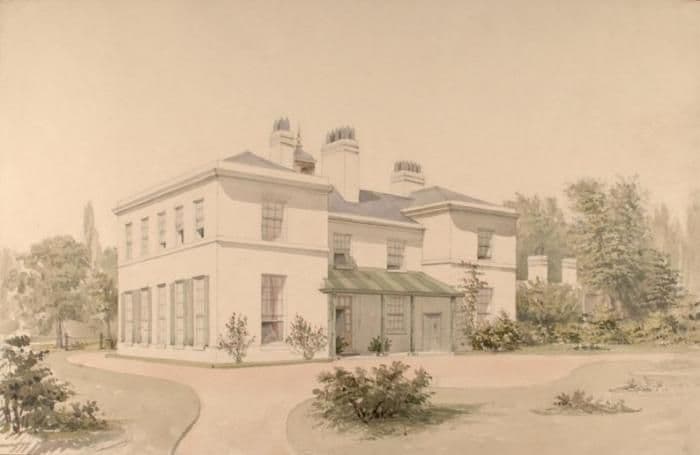
For about two centuries a brick house called Smethwick Hall stood here, between the Birmingham Canal and the Handsworth boundary, screened from the road by trees, with pools and a ‘wilderness’ behind it. From about 1780 it was the home of the Rabone family, Birmingham merchants, and locals called it Rabone Hall. By 1859 the Rabones had sold it to Joseph Gillott, the steel-pen manufacturer.
The Tangyes arrive
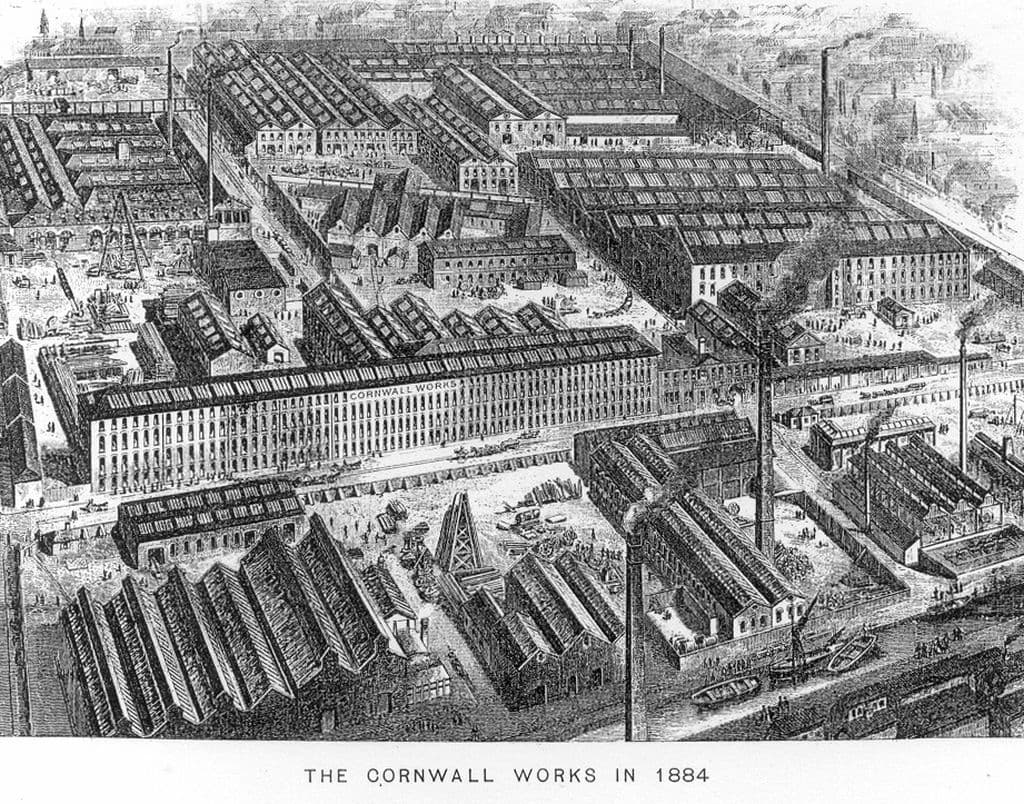
In 1862 Tangye Brothers & Price bought the hall and its grounds. The firm was only five years old. It had begun in a rented room in Mount Street and moved to Clement Street, off the Parade, in 1859, but its hydraulic jacks, made famous by the launch of the Great Eastern, and its Weston pulley blocks were selling faster than Clement Street could make them. The brothers wanted space, and a site on the canal and close to two railways. The first lease came from Gillott: 7,403 square yards along the canal, where they built wharves for loading.
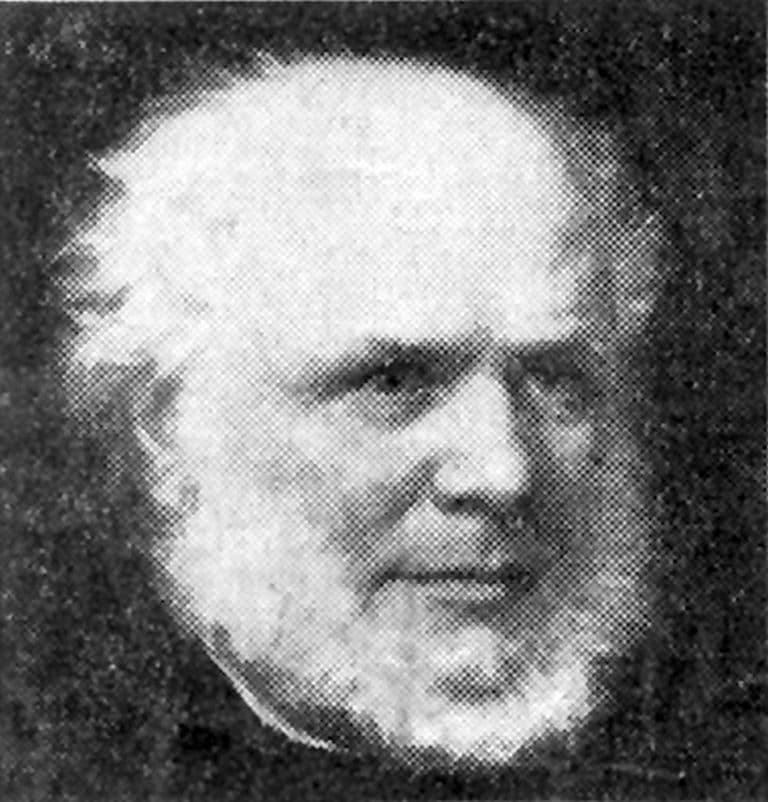
They pulled the house down and built a works of about three acres. It opened in 1864, and most of the firm’s production moved there at once. Like the works in Clement Street, it was called Cornwall Works, after the brothers’ home county, and the firm used the Cornish arms as its trade mark. In 1872 the firm opened its gates to visitors as ‘Tangye Brothers of Rabone Bridge, Soho’.
A factory of machines
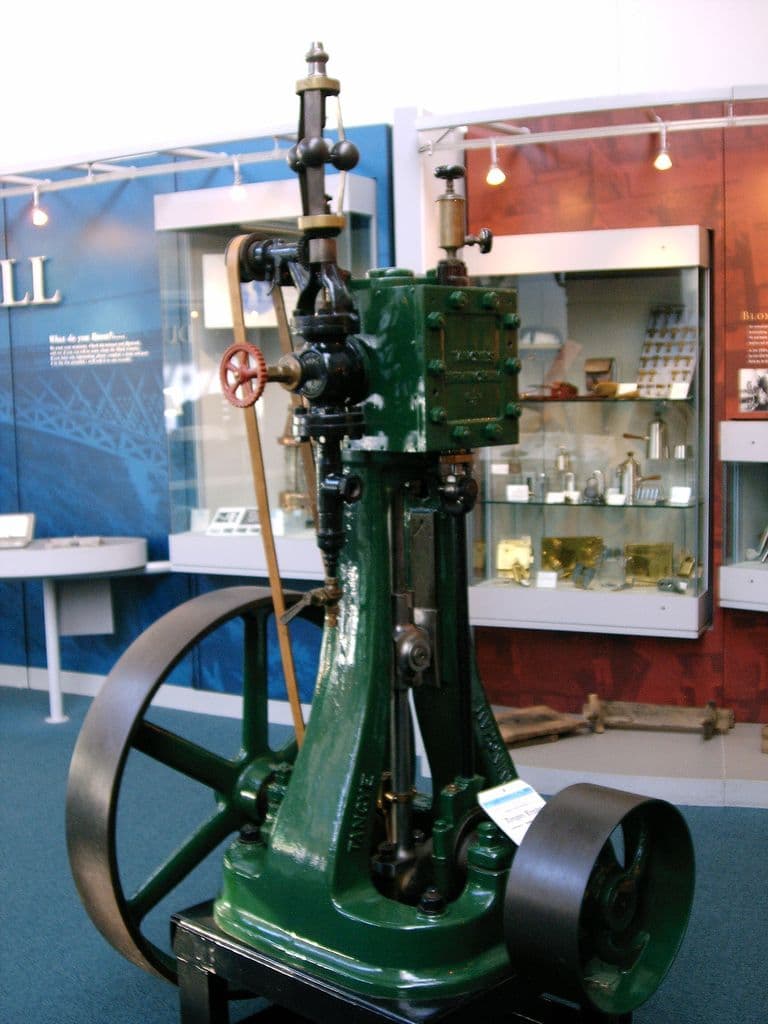
The Engineer visited in 1868 and was struck by how much was done by machine. A pair of pumps kept up hydraulic pressure for the cranes and lifts; lathes bored two or three cylinders at once; galleries of light machine tools ran round the fitting shop, served by a hydraulic lift. Here the firm made Cameron’s ‘Special’ steam pump from 1867, then James Tangye’s standard horizontal steam engine, the plain design nicknamed the ‘Quaker engine’, built for stock in many sizes.
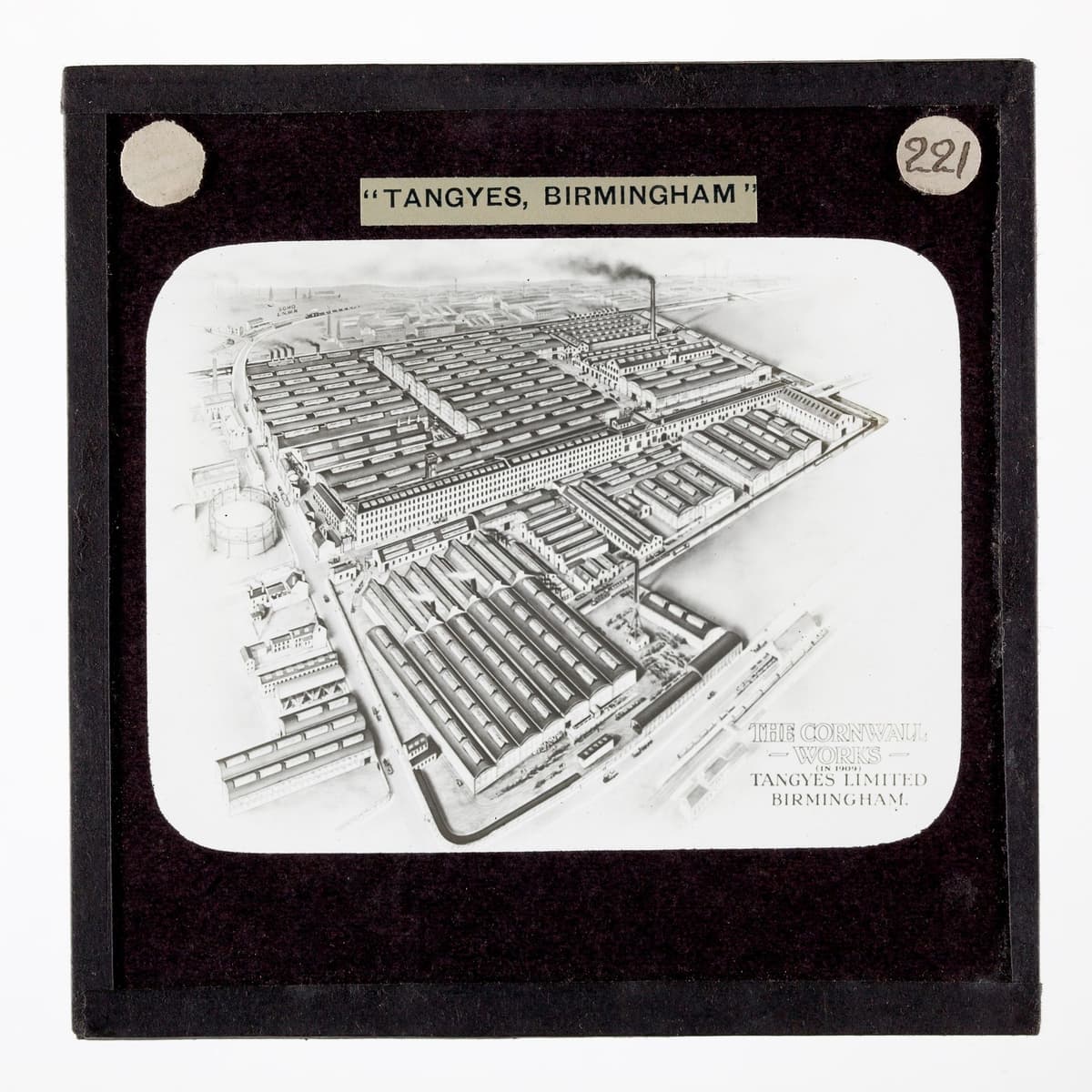
The works kept growing. There were about 800 workers by 1870, about 1,300 in Birmingham by 1875 and 2,000 by 1880. An extension of 1871 included a dining room for 1,000. Gas engines followed by the 1880s, oil engines by the 1890s, and machine tools. In 1914 Tangyes employed 3,000 people.
Cornishmen and Board-school boys
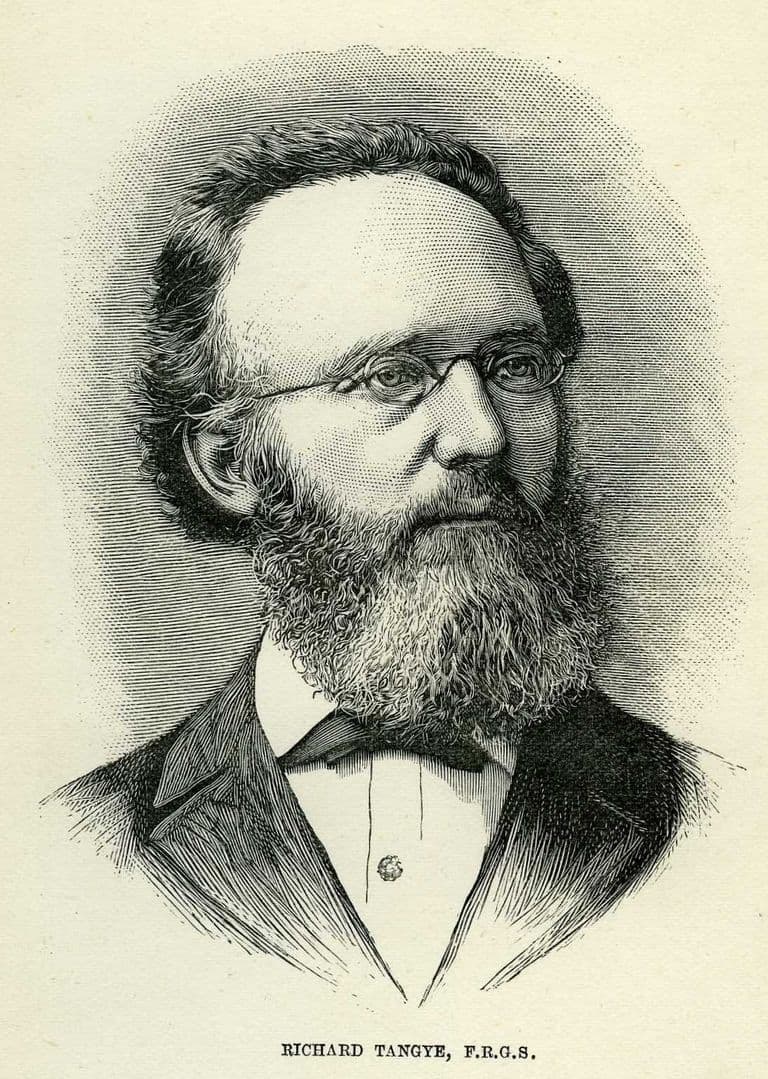
Many workers came from Cornwall, recruited as the tin mines failed. Richard Tangye boasted in 1905 that he had brought more Cornishmen to Birmingham than any other man. Others were local boys from the new Board schools, more than a thousand of them by 1883.
The same spot, then and now
1888–1913
Today
Old map: Ordnance Survey six-inch, reproduced with the permission of the National Library of Scotland (CC BY 4.0). Today: © OpenStreetMap contributors.
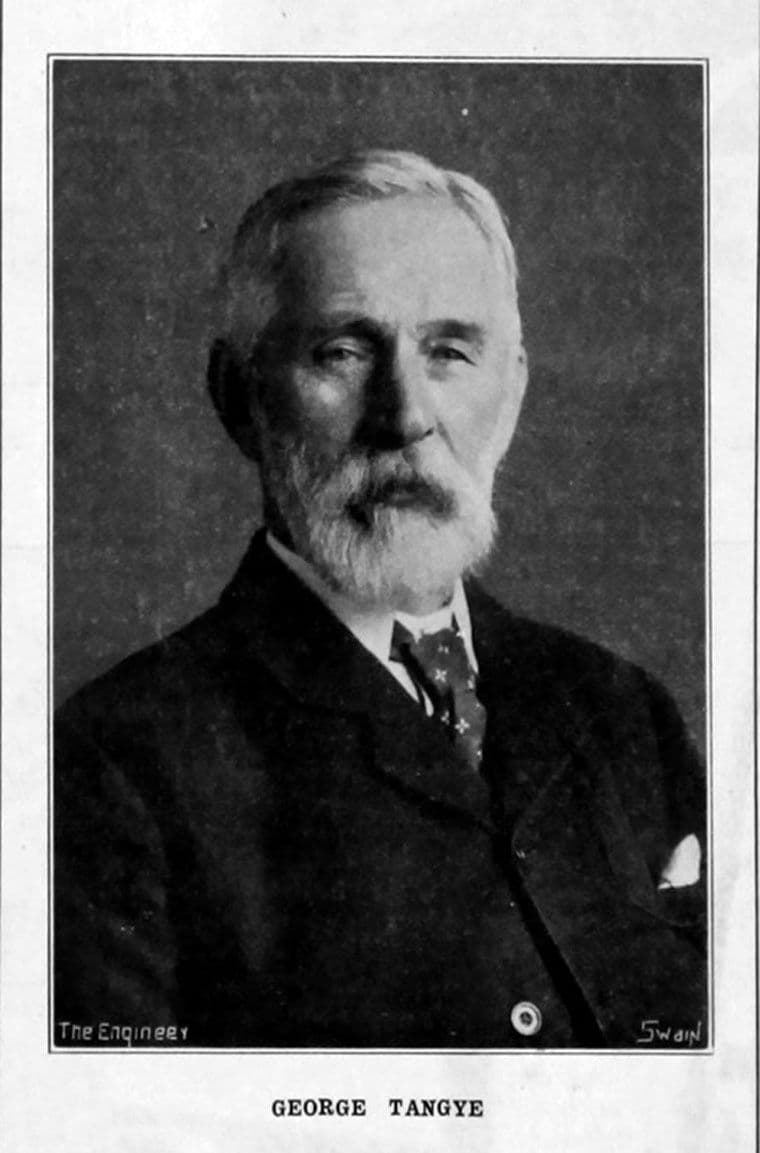
The firm was generous in some ways, with a sick and provident society, an accident fund, a works library and an Adult School run by George Tangye from 1877. In others it was firm: foremen who joined a union lost their benefits. In February 1913 about 1,600 workers came out on strike for a minimum wage of 23 shillings and union recognition. Tangyes conceded the wage within a fortnight.
The end
The works covered about 20 acres by 1950. In 1966 Tangyes became part of the Central Wagon group of Wigan, and in 1969 the company moved to Greet, in Birmingham. A steel stockholder in the same group took over the Cornwall Works, and the old buildings were later cleared.
What happened here?
Tangye Brothers, later Tangyes Ltd, made hydraulic jacks, presses, pulley blocks, steam pumps and steam, gas and oil engines here from 1864 to 1969, and exported them worldwide. The workforce grew from a few hundred to 3,000 by 1914, and in 1913 it struck successfully for a minimum wage.
Why it mattered
Cornwall Works was one of the biggest engineering works in the Birmingham area and helped make the canal side at Soho and Smethwick an engineering district after Boulton & Watt. Its standard engines and pumps, made for stock rather than to order, went to mines, ships, waterworks and farms across the world.
Why it disappeared
Industrial decline · Redevelopment
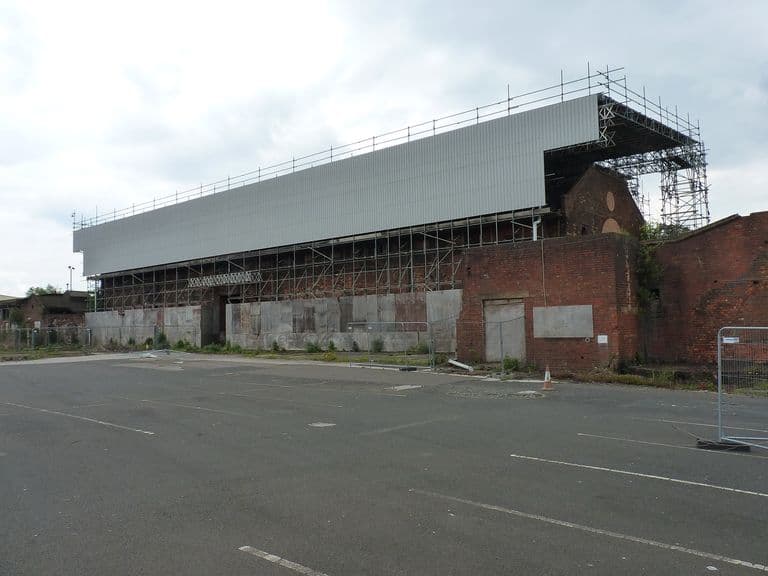
After Tangyes was taken over by the Central Wagon group in 1966, the firm moved to Greet in 1969. The site passed to another company in the group, and the Victorian works was demolished and replaced by modern industrial buildings.
Cornwall Works, on today’s streets

What’s there now
What replaced it
Modern industrial and commercial units on and around Cornwall Road, Smethwick.
What survives
No Tangye building on the site is known to survive. The street name Cornwall Road recalls the works. Tangye engines and pumps survive in museums, among them an 1890s ‘Colonial’ engine shown at Thinktank, Birmingham, and an engine at the Black Country Living Museum. Pictures of the works of 1869, 1884 and about 1909 survive in the collections of Birmingham Museums and Museums Victoria.
Today
The site lies off Cornwall Road and Downing Street in the Cape Hill area of Smethwick, between the Birmingham Canal and the railway, in a working industrial area. Soho Foundry is a few hundred metres to the east along the canal.
Key dates
- 1864 — Cornwall Works opens at SmethwickTangye Brothers & Price open their new Cornwall Works on the site of Rabone Hall, beside the Birmingham Canal at Smethwick, and move most of their production there.
- 1872 — Tangyes grant the half-holiday and a nine-hour dayAs the three elder brothers retire, Richard Tangye makes the Saturday half-holiday permanent at the Cornwall Works and grants a nine-hour day before his workers ask for it.
- 18 February – 3 March 1913 — Strike at the Cornwall WorksAbout 1,600 Tangye workers strike for a minimum wage of 23 shillings and recognition of the Workers’ Union. The firm concedes the wage, and the men return on 3 March, early in the wider Black Country strike.
- 1969 — Tangyes leave the Cornwall WorksThree years after joining the Central Wagon group, Tangyes moves from Smethwick to Greet in Birmingham, ending 105 years at the Cornwall Works. The site passes to another company and the old buildings are later cleared.
Sources and further reading
The site’s location is taken from the Ordnance Survey six-inch map of the early 1900s, where ‘Cornwall Engineering Works’ is marked north of the old Birmingham Canal main line, overlaid on a modern map; the exact boundary over time is not plotted. When the last Tangye buildings came down is not documented in the sources checked: a local recollection on a history forum mentions demolition in the 1960s and later firms reusing parts of the old buildings. VCH Staffordshire says the firm became Tangye Bros. in 1871; Grace’s Guide says 1866. The 1871 dining room figure and 1913 strike details come from the firm’s own centenary history (Waterhouse, 1957).
- Smethwick: Other estates, in A History of the County of Stafford, vol. 17, pp. 99–107 — M. W. Greenslade (ed.), Victoria County History, 1976. Smethwick Hall (Rabone Hall)
- Smethwick: Economic history, in A History of the County of Stafford, vol. 17, pp. 107–118 — M. W. Greenslade (ed.), Victoria County History, 1976
- Smethwick: The growth of the town, in A History of the County of Stafford, vol. 17, pp. 88–96 — M. W. Greenslade (ed.), Victoria County History, 1976
- A Hundred Years of Engineering Craftsmanship: Tangyes Ltd 1857–1957 — Rachel E. Waterhouse, Tangyes Ltd, 1957
- Tangyes — Grace's Guide
- Tangye, Richard — Dictionary of National Biography, 1912 supplement, vol. 3 — William Benjamin Owen, Smith, Elder & Co., 1912
- Ordnance Survey six-inch map, second edition (1888–1913), georeferenced — National Library of Scotland
- Tangyes of Smethwick (forum thread) — Birmingham History Forum
Comments
Comments will load here.