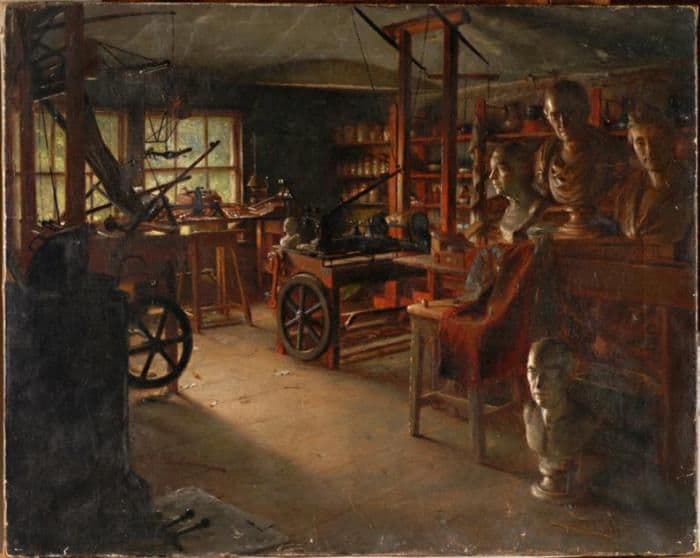
James Watt did not invent the steam engine. Newcomen’s engines had been pumping water out of mines since the early 1700s. They worked, but they burned coal at a ferocious rate, because the same cylinder had to be heated and then cooled on every stroke.
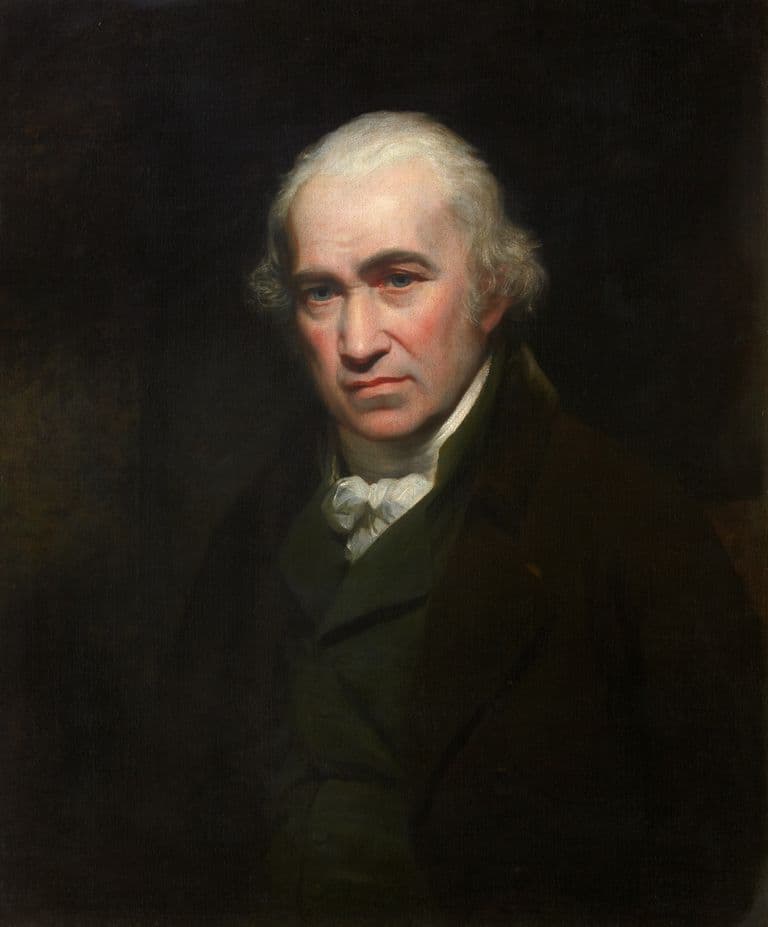
In 1765, repairing a model Newcomen engine at Glasgow University, Watt saw the answer: condense the steam in a separate vessel and keep the cylinder hot. He patented the separate condenser in 1769. (The story of the boy Watt watching a kettle is a legend.)
Soho
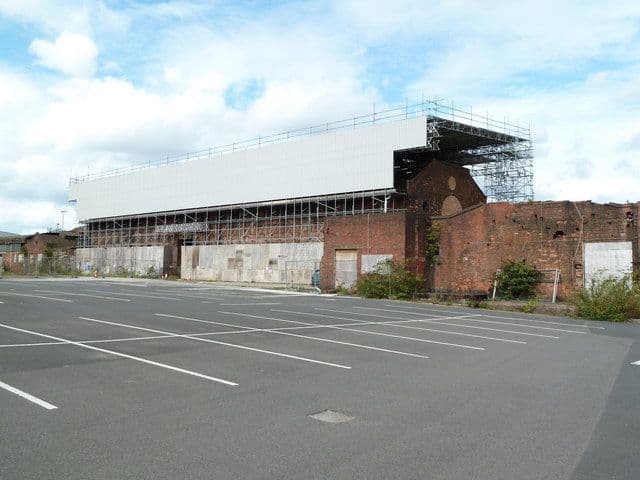
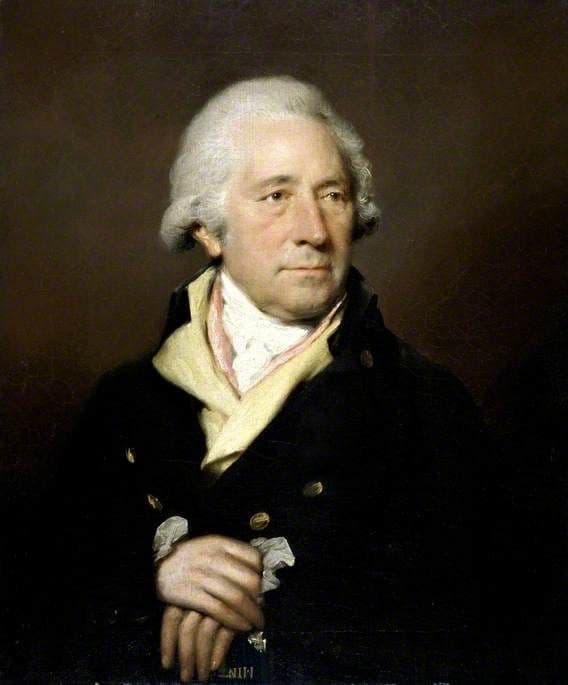
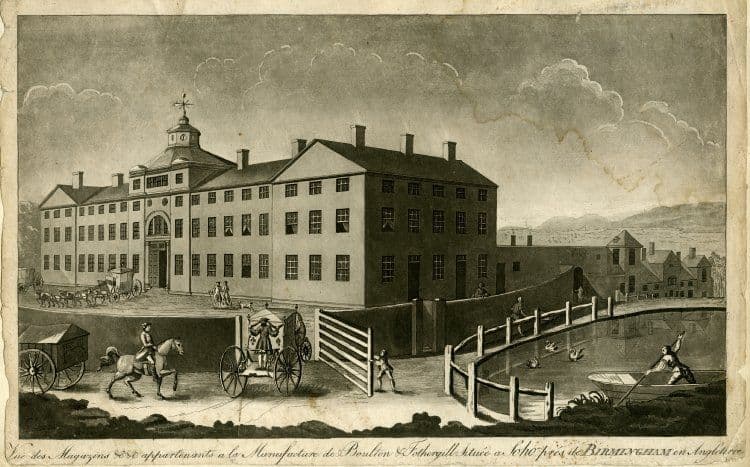
Watt’s experimental engine came to Matthew Boulton’s Soho works in 1774. Its first job was to pump water back to the top of the mill stream so the waterwheel kept turning. In 1775 Parliament extended Watt’s patent to 1800, and Boulton & Watt was born.
The early engines pumped water from mines, many of them in Cornwall, where William Murdoch put them up and kept them running. Then came the change that mattered most for Birmingham. In 1781 a sun-and-planet gear, patented in Watt’s name but credited by the Library of Birmingham to Murdoch, turned the engine’s up-and-down beam into rotary motion. A double-acting engine followed in 1782. Steam could now turn the shafts of mills and workshops. Watt also devised the horsepower measure used to rate his engines.
Smethwick
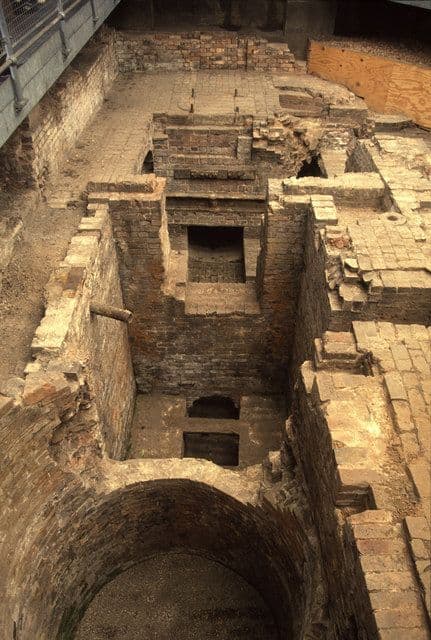
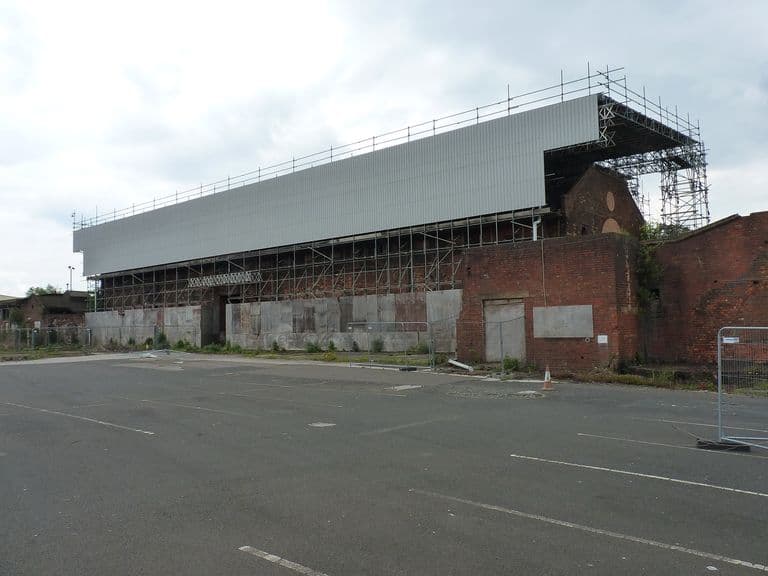
In 1795–96 the partners’ sons built Soho Foundry beside the canal in Smethwick, to make complete engines on one site. It went on to build marine engines, including the screw engines for Brunel’s *Great Eastern*, and engines for sugar estates in the Caribbean. Engine-making there ended in 1895.
What you can still see
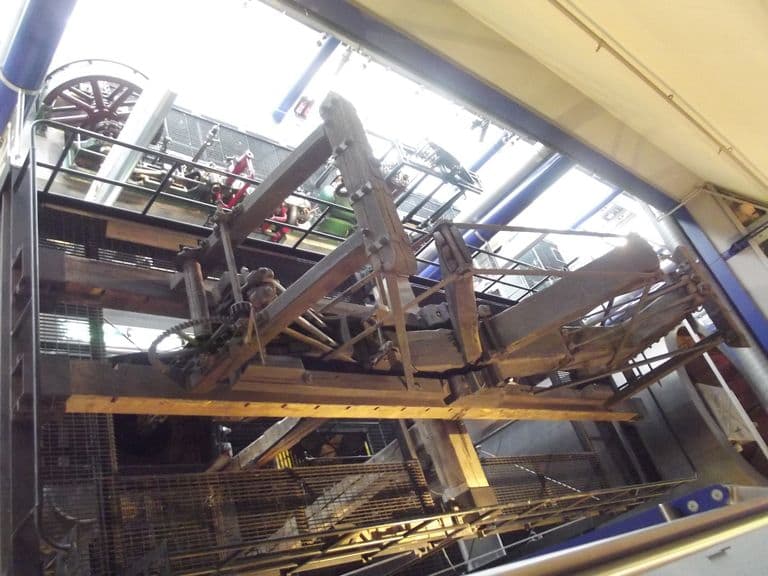
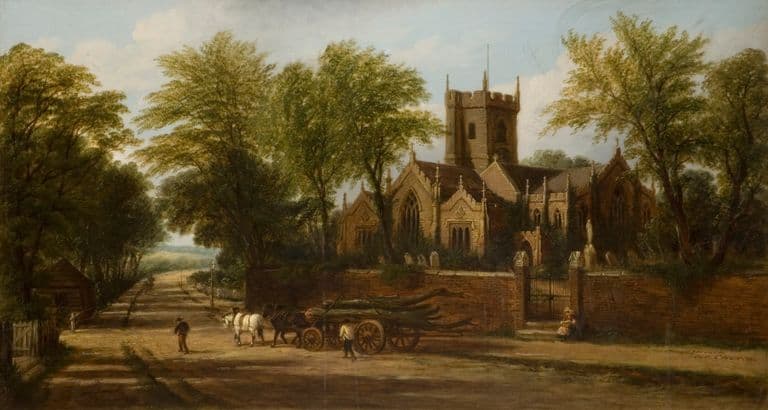
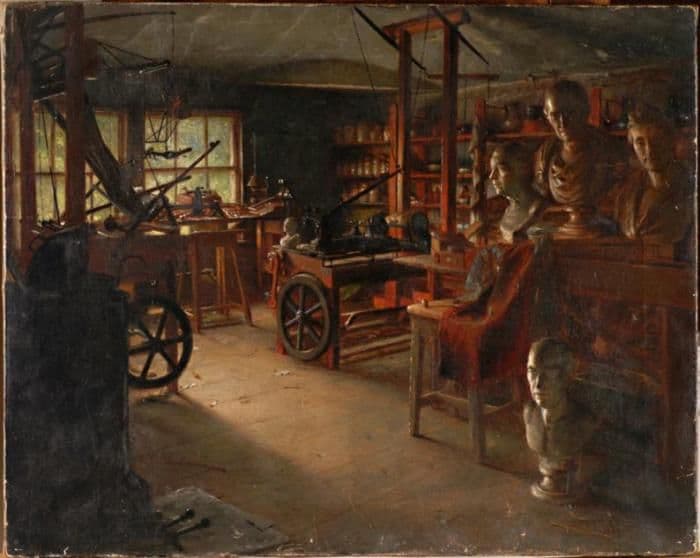
The Smethwick Engine, which worked from 1779 until 1891, is in Thinktank at Millennium Point. Watt’s attic workshop from Heathfield, with more than 8,000 objects, is in the Science Museum in London. The Foundry’s first building still stands beside the canal at Smethwick. And in St Mary’s, Handsworth, Watt sits in white marble, carved by Chantrey in 1825, in a chapel built for him.
On the map
17 places connected with Steam power. Tap a number for directions — some sites are private homes or gardens, so each place’s page says what you can see from the street.

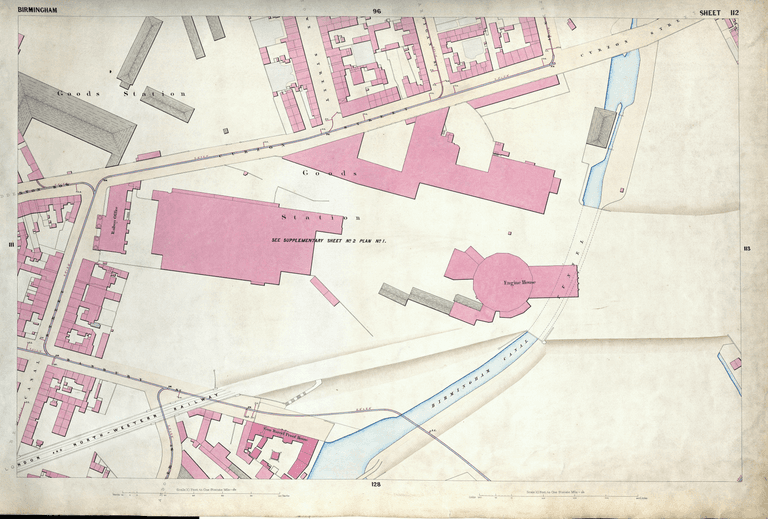
- Curzon Street Roundhouse — Lost · Directions to Curzon Street Roundhouse (opens Google Maps)
- Soho Manufactory new engine yard (site) — Lost, Site redeveloped · Directions to Soho Manufactory new engine yard (site) (opens Google Maps)
- Soho Pool (Great Hockley Pool) (site) — Lost, Site redeveloped
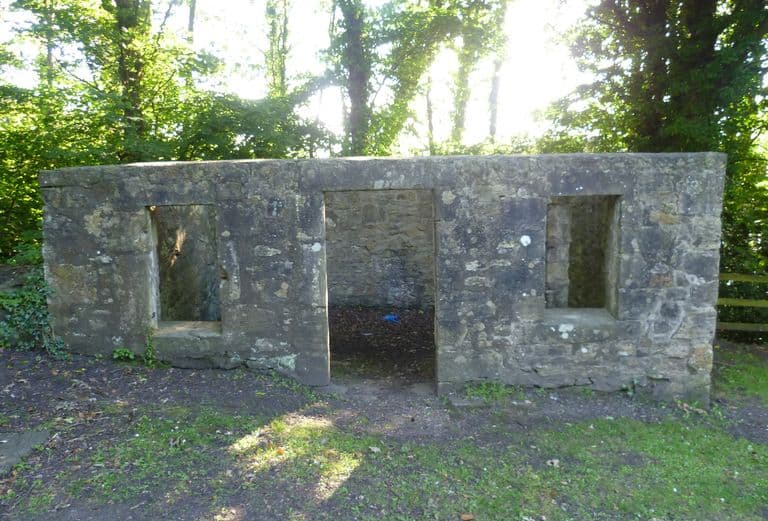
- Soho Mint drive-shaft tunnel — Partly surviving · Directions to Soho Mint drive-shaft tunnel (opens Google Maps)
- Pickard’s mill, Snow Hill — Lost, Site redeveloped
- Site of the Smethwick Engine, Bridge Street North — Partly surviving · Directions to Site of the Smethwick Engine, Bridge Street North (opens Google Maps)
- The Smethwick Engine at Thinktank — Relocated · Directions to The Smethwick Engine at Thinktank (opens Google Maps)
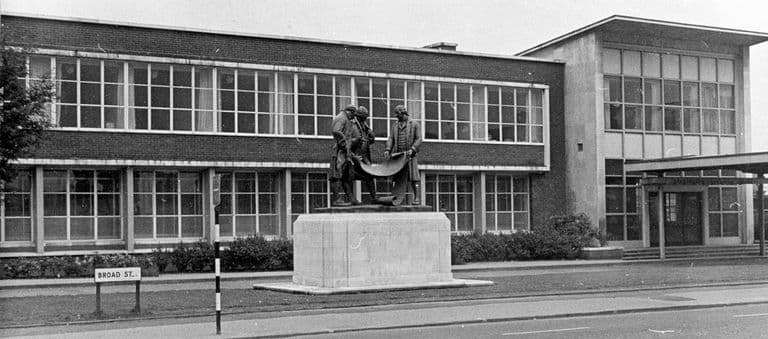
- Boulton, Watt and Murdoch (“The Golden Boys”) — Relocated · Directions to Boulton, Watt and Murdoch (“The Golden Boys”) (opens Google Maps)
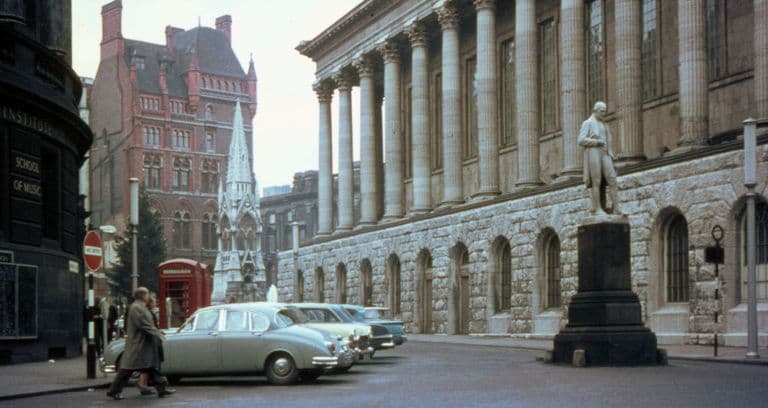
- Statue of James Watt, Ratcliff Passage — Relocated · Directions to Statue of James Watt, Ratcliff Passage (opens Google Maps)
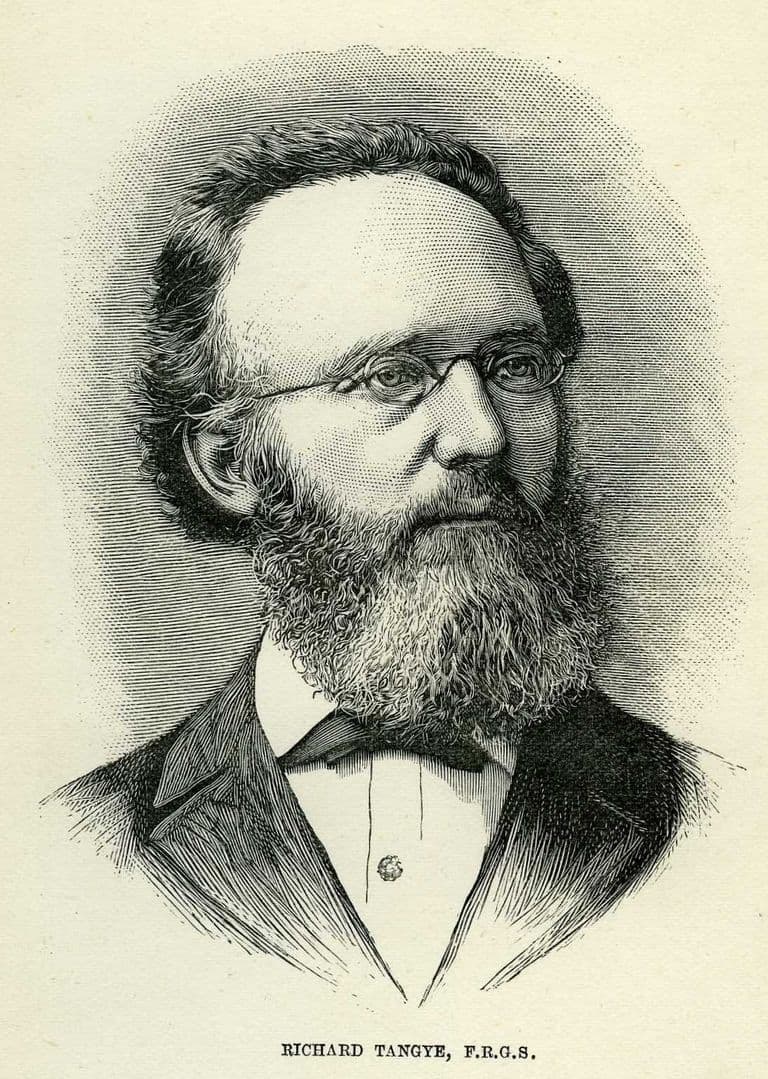
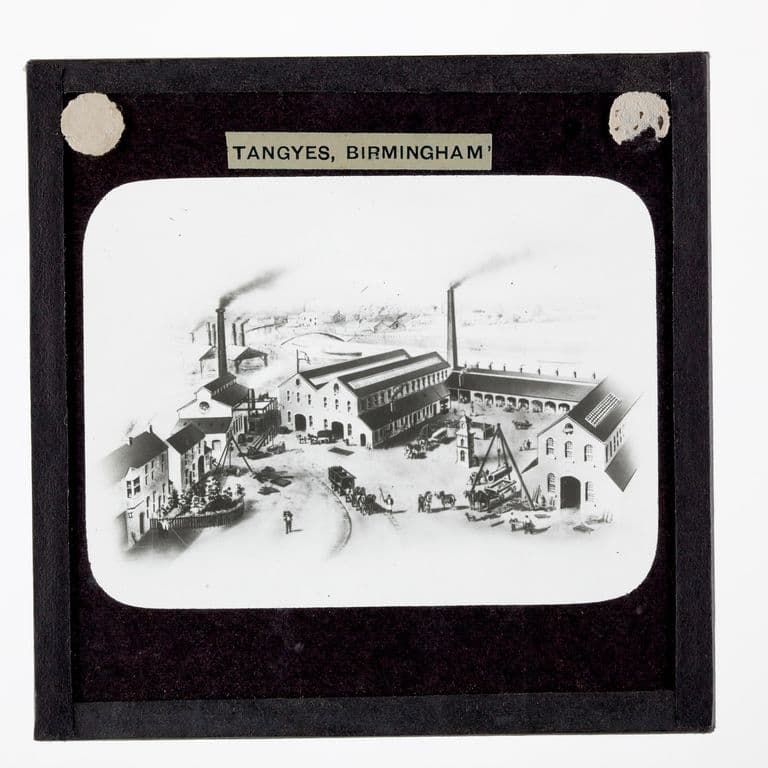
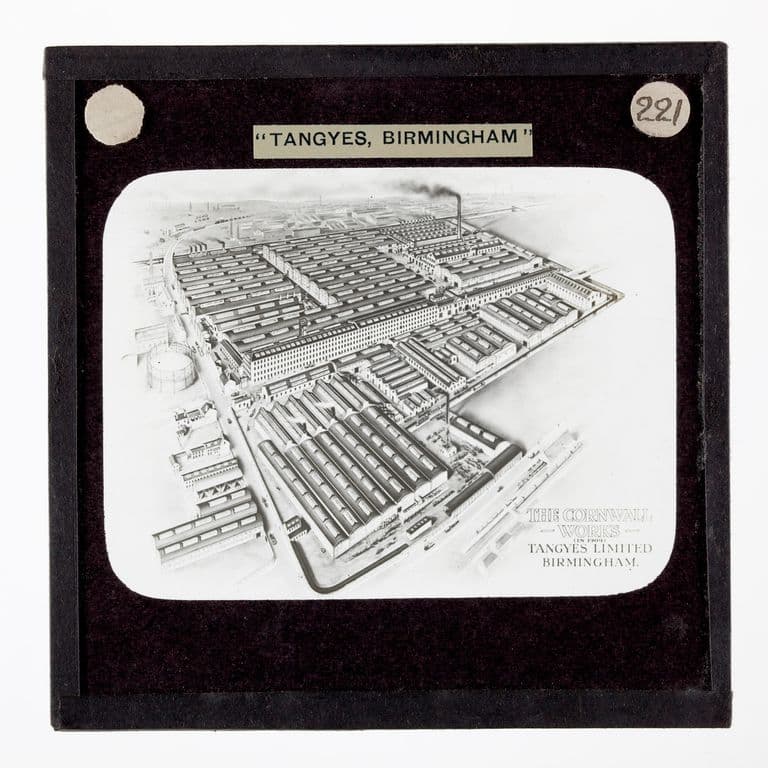
- Cornwall Works (Tangyes) — Lost, Site redeveloped · Directions to Cornwall Works (Tangyes) (opens Google Maps)
- St Mary’s Church, Handsworth — Surviving · Directions to St Mary’s Church, Handsworth (opens Google Maps)
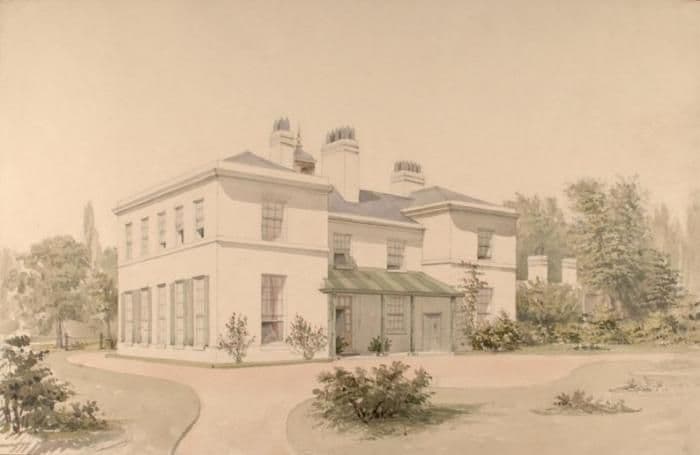
- Watt’s house at Harper’s Hill (Regent Place) — Lost, Partly surviving · Directions to Watt’s house at Harper’s Hill (Regent Place) (opens Google Maps)
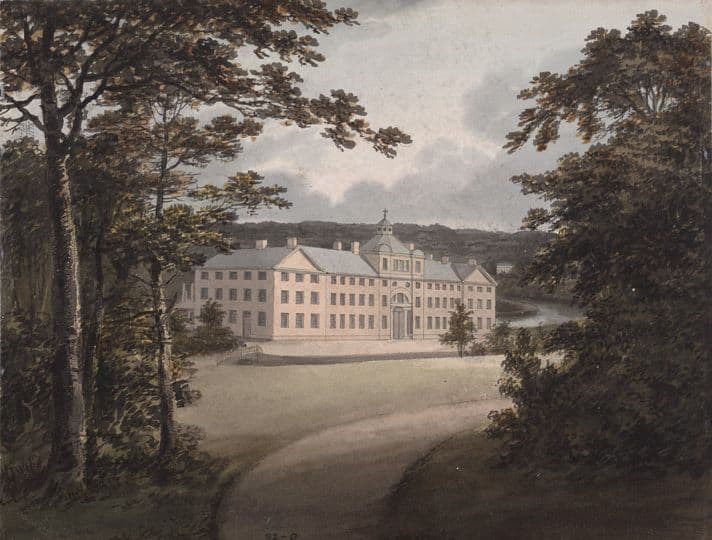
- Heathfield Hall — Lost, Site redeveloped · Directions to Heathfield Hall (opens Google Maps)
- Soho Foundry — Partly surviving, At risk · Directions to Soho Foundry (opens Google Maps)
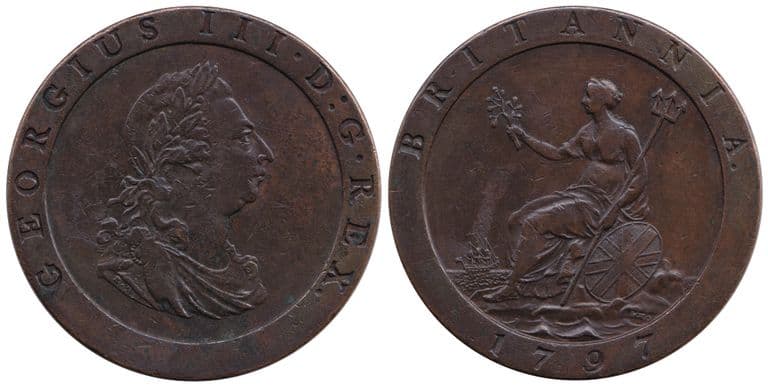
- Soho Mint — Lost, Site redeveloped · Directions to Soho Mint (opens Google Maps)
- Soho Manufactory — Lost, Site redeveloped · Directions to Soho Manufactory (opens Google Maps)
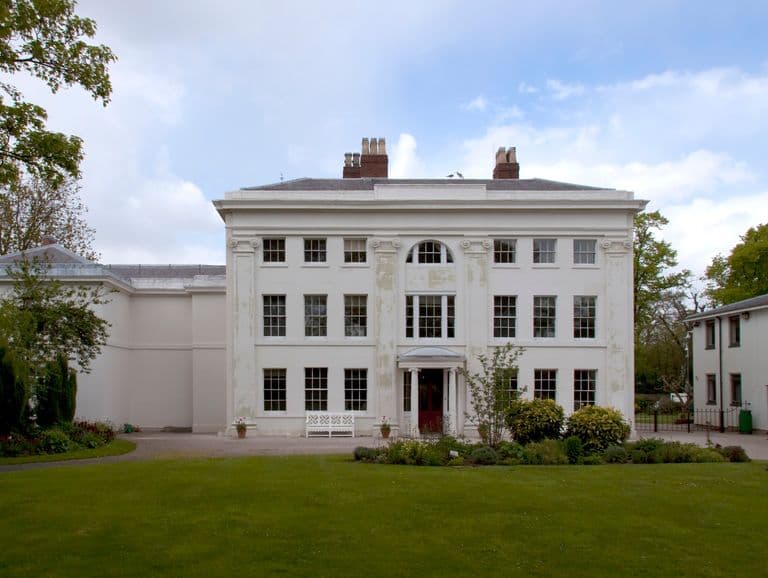
- Soho House — Surviving · Directions to Soho House (opens Google Maps)
Key dates
- 1765 — Watt conceives the separate condenserWhile repairing Glasgow University’s model Newcomen engine, James Watt hits on the separate condenser, the idea that made the steam engine far less wasteful. He patents it in 1769.
- 1773–74 — Roebuck’s share in Watt’s engine passes to BoultonRuined by flooded coal pits, John Roebuck settles a debt of about £1,200 to Matthew Boulton by handing over his two-thirds share in James Watt’s engine patent. Watt’s trial engine is shipped from Kinneil to Soho, and Watt follows in 1774.
- 1774 — Watt comes to BirminghamJames Watt moves to Birmingham, and his experimental engine is brought to Soho, where it pumps water back to the Manufactory’s mill pool.
- 1775 — Boulton & Watt partnership beginsParliament extends Watt’s 1769 patent by 25 years, to 1800, with Boulton’s help, and the partnership of Boulton & Watt begins.
- 8 March 1776 — First commercial engine at Bloomfield CollieryA Boulton & Watt pumping engine with a 50-inch cylinder is set to work at Bloomfield Colliery, Tipton. A newspaper reports “a steam engine constructed upon Mr. Watts’s new principles”.
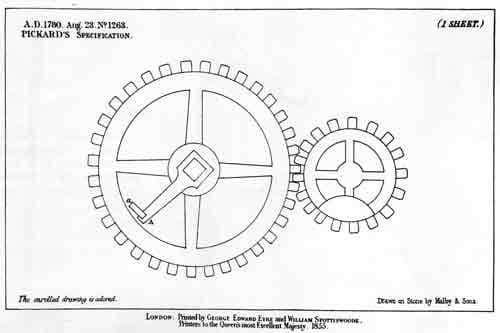
- 23 August 1780 — Pickard’s ‘crank patent’James Pickard of Snow Hill, button maker, patents a way of making a steam engine turn wheels (no. 1263), after a crank was fitted to Matthew Wasbrough’s engine at his mill. Watt claims the idea was leaked from Soho and avoids the crank with the sun-and-planet gear.
- 1781 — Sun-and-planet gear patentedWatt patents the sun-and-planet gear, which lets his engines drive wheels. The Library of Birmingham credits the original invention to William Murdoch.
- 1795–96 — Soho Foundry is built at SmethwickBoulton & Watt, led by their sons, build a foundry beside the Birmingham Canal to make complete steam engines on one site. Historic England describes it as the first factory built for the purpose.
- 1800 — The sons take over the engine businessAs Watt’s patent expires, Boulton and Watt hand the engine business to Matthew Robinson Boulton and James Watt junior. Boulton keeps the Mint.
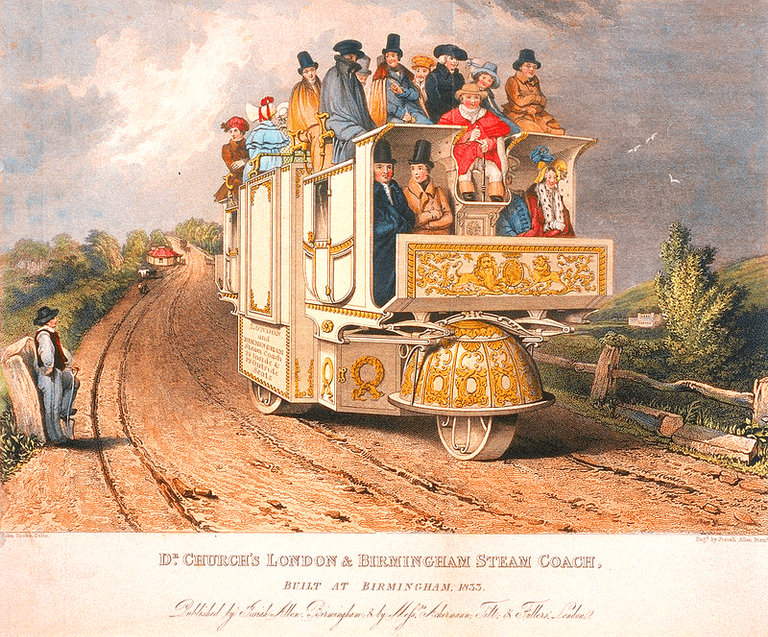
- 1835 — Dr Church’s steam coach runs on the Coventry RoadWilliam Church’s steam coach, built for the London and Birmingham Steam Carriage Company, makes public trials with up to forty passengers, running six miles out along the Coventry Road and back. It breaks down repeatedly and never runs a service to London.
- 1868 — Watt’s statue goes up in Ratcliff PlaceAlexander Munro’s statue of James Watt, compasses in hand, is set up in Ratcliff Place beside the Town Hall.
- 1895 — Soho Foundry sold to AveryAfter a century of steam-engine making, James Watt & Co. sell Soho Foundry to W. & T. Avery, the weighing-machine makers. The 1795–96 foundry building survives on the site.
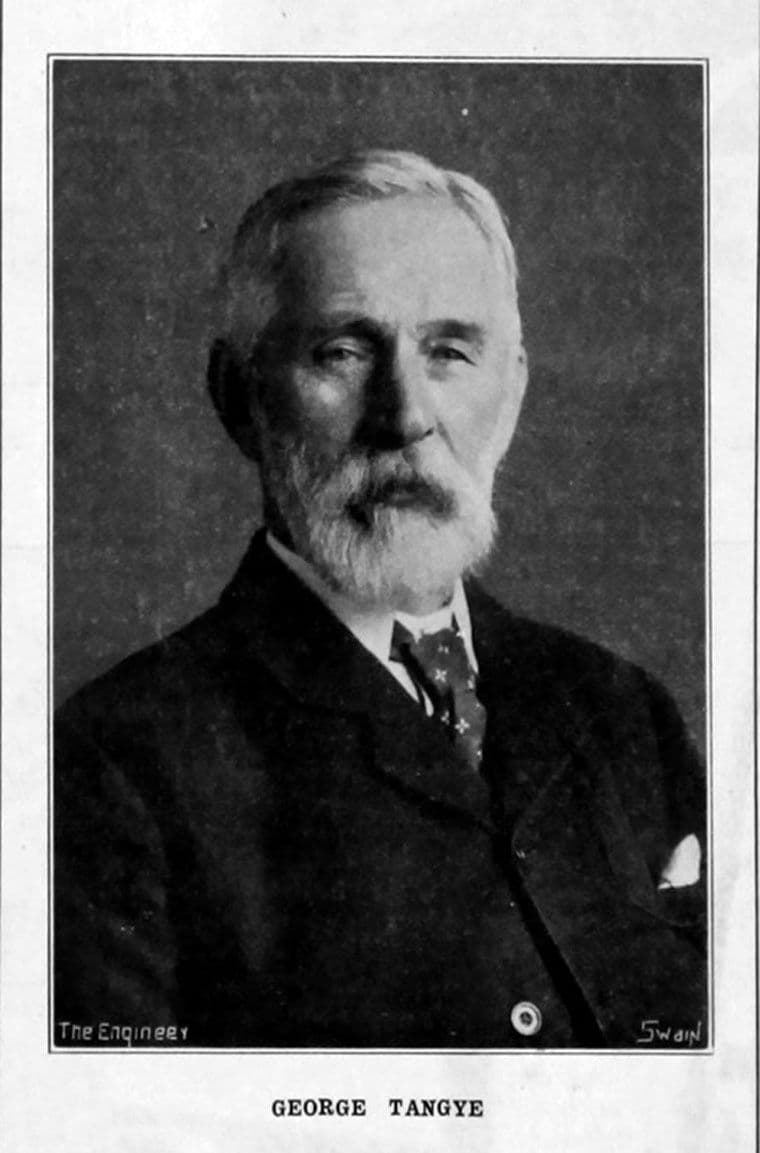
- 1911 — George Tangye gives the Boulton & Watt papers to BirminghamGeorge Tangye presents the Boulton & Watt business archive, kept since 1895 in his ‘Watt Museum’, to Birmingham’s Reference Library. It is now the Library of Birmingham’s collection MS 3147.
- December 1924 — Watt’s workshop goes to the Science MuseumWith Heathfield about to be redeveloped, the Science Museum’s curator H. W. Dickinson arrives with lorries and takes away the entire contents of James Watt’s attic workshop, more than 8,000 objects, along with its door, window and floorboards.
- 14 September 1956 — The Golden Boys are unveiledSir Percy Mills unveils William Bloye’s gilded bronze of Boulton, Watt and Murdoch on Broad Street, designed in 1938 and delayed by the war.
- 29 September 2001 — Thinktank opens with the Smethwick EngineThinktank, Birmingham’s science museum, opens at Millennium Point. Its centrepiece is the Boulton & Watt engine that worked at Smethwick from 1779.
- 29 April 2022 — The Golden Boys return to Centenary SquareAfter five years in store during the Metro works, the statue of Boulton, Watt and Murdoch is reinstalled in Centenary Square outside Symphony Hall.
Sources and further reading
- Steam engines — Archives of Soho — Library of Birmingham, Birmingham City Council. Ref. MS 3782/12/1/2
- James Watt (1736 to 1819) — Archives of Soho — Library of Birmingham, Birmingham City Council. Ref. MS 3219/3/93
- A Portrait of James Watt — Revolutionary Players, History West Midlands
- The Soho Manufactory, Mint and Foundry, West Midlands: Where Boulton, Watt and Murdoch Made History — George Demidowicz, Historic England / Liverpool University Press, 2022. via publisher’s summary
- Remains of the Boulton and Watt Soho foundry and mint, Birmingham Canal, Smethwick — Scheduled Monument 1021388 — Historic England
- Soho Foundry, former Boulton and Watt foundry, pattern stores and erecting shops — National Heritage List for England entry 1268451 — Historic England
- Blue Plaque: James Watt (Handsworth) — Birmingham Civic Society. horsepower
- Watt’s workshop: craft and philosophy in the Science Museum — Ben Russell, Science Museum Group Journal 1, 2014
- Church of St Mary, Hamstead Road, Handsworth — National Heritage List for England entry 1076358 — Historic England
- Open Plaques plaque 10757 (site of James Watt’s Smethwick Engine) — Open Plaques