
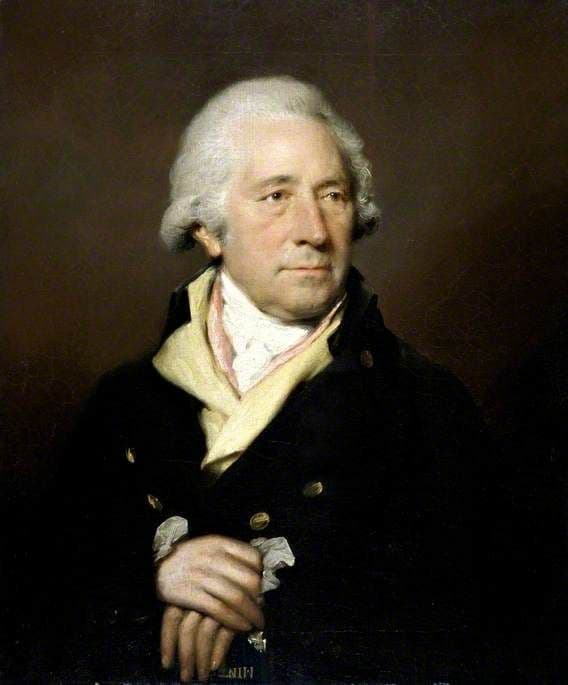
In March 1776 James Boswell, the Scottish writer and biographer of Samuel Johnson, went out from Birmingham to see “the great works of Mr. Bolton, at a place which he has called Soho”. The owner showed him round in person. Boswell never forgot one line. “I sell here, Sir, what all the world desires to have — POWER,” Boulton told him (as Boswell recorded it in his Life of Johnson, describing his visit of March 1776).
It was a salesman’s line with a double meaning. Boulton had just gone into business selling James Watt’s steam engines. He was also one of the most ambitious manufacturers in Britain. Getting there had taken thirty years, two marriages, a great deal of borrowed money and a gamble on a Scottish instrument maker that took years to pay off.
A toymaker’s son
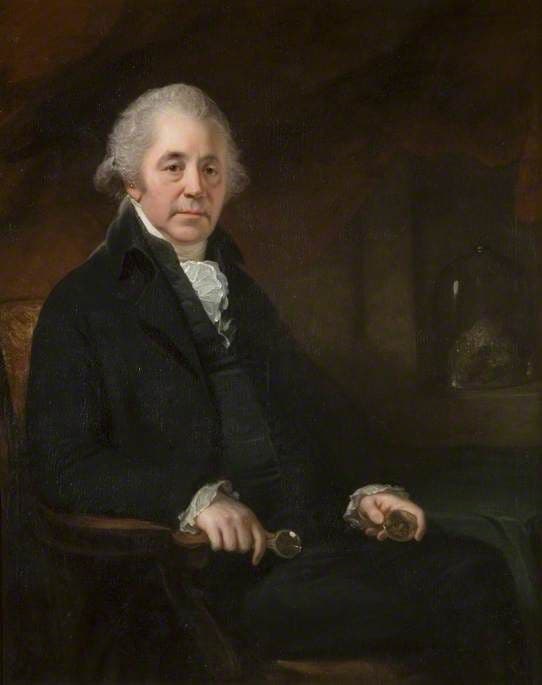
Matthew Boulton was born in Birmingham on 3 September 1728. His father, also Matthew, was a “toy” maker, and his mother was Christiana. In eighteenth-century Birmingham a toy was not a plaything. It was a small metal object: a button, a buckle, a snuff box, a toothpick case. The town made them by the million.
He was taught at the Rev. John Housted’s school in Deritend, and in 1745, while still a teenager, he joined his father’s business. In 1749 he married Mary Robinson. After her death in 1759 he married her sister, Ann, in 1760. The Library of Birmingham notes that money from both marriages helped pay for what came next.
“I sell here, Sir, what all the world desires to have — POWER,” Boulton told him (as Boswell recorded it in his Life of Johnson, describing his visit of March 1776).
His father died in 1759, and the son set about turning a family workshop into a metalwork business known across Europe. From 1756 to 1761 he leased Sarehole Mill in Hall Green as a flatting mill, rolling sheet metal for buttons. (The mill that stands there now is mostly a rebuilding of 1771.)
Soho
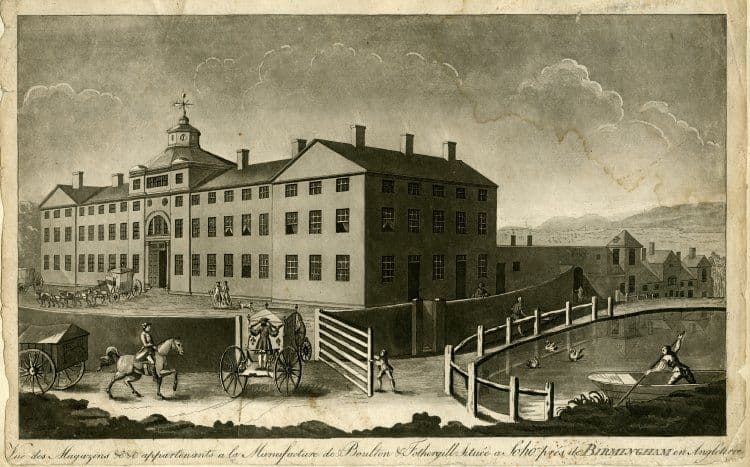
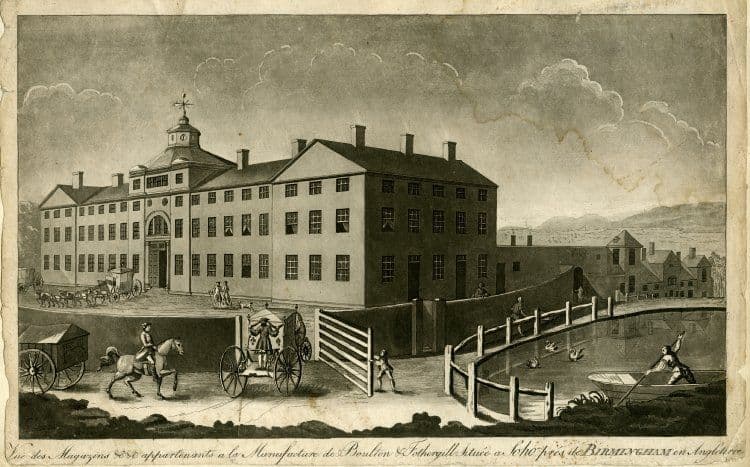
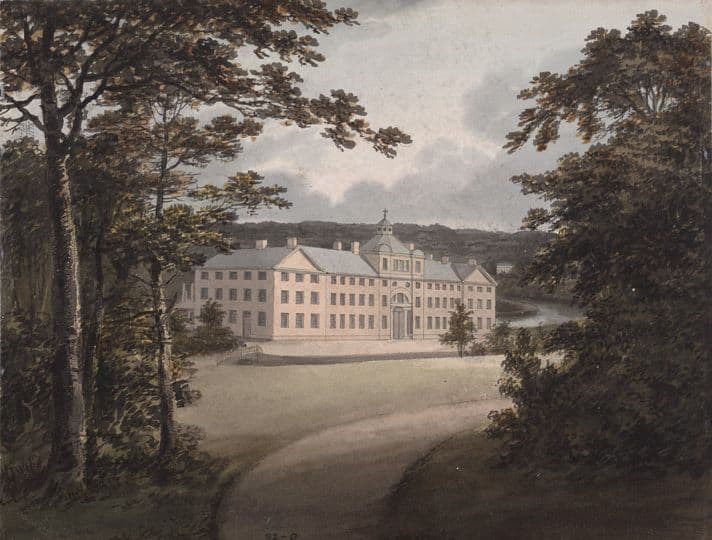
In 1761 Boulton took the Soho estate on the Hockley Brook, where a rolling mill already stood. With his partner John Fothergill he began building the next year. Boulton & Fothergill traded from 1762 until Fothergill’s death in 1782, making buttons, buckles, plated ware, silver and ormolu.
The showpiece was the Principal Building, finished around 1765–66 and designed, according to the Library of Birmingham, by the local architect William Wyatt. The idea behind it was radical for the time. Instead of farming work out to small masters in their own workshops, Boulton wanted whole processes under one roof. The Victoria County History puts the workforce at about 800 to 1,000 around 1770. Boswell, six years later, counted “about seven hundred people at work”.
Two myths need clearing away. Soho is often called “the largest factory in the world”. That is a superlative nobody can check, and it is best read as the boast of admirers. And Soho was not, at the time, in Birmingham at all. It lay in the parish of Handsworth, in Staffordshire, and Handsworth only joined Birmingham in 1911. Boswell put it “about two miles from Birmingham”.
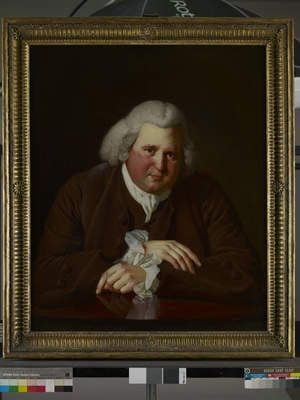
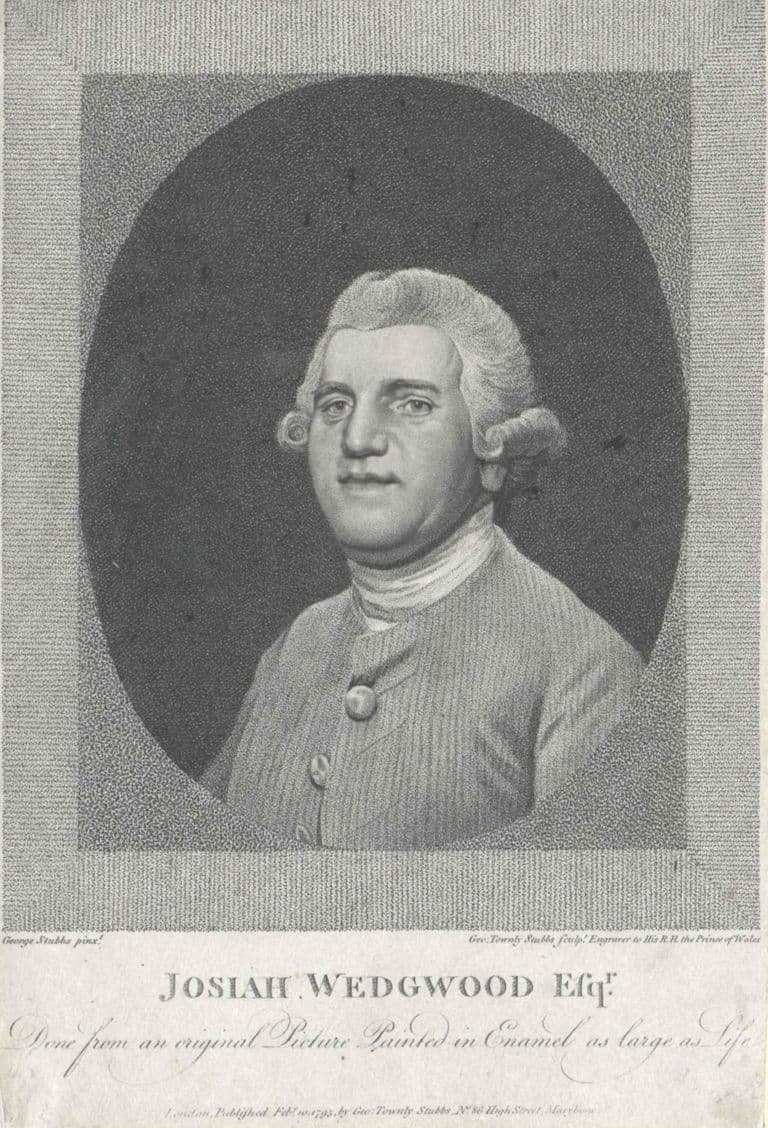
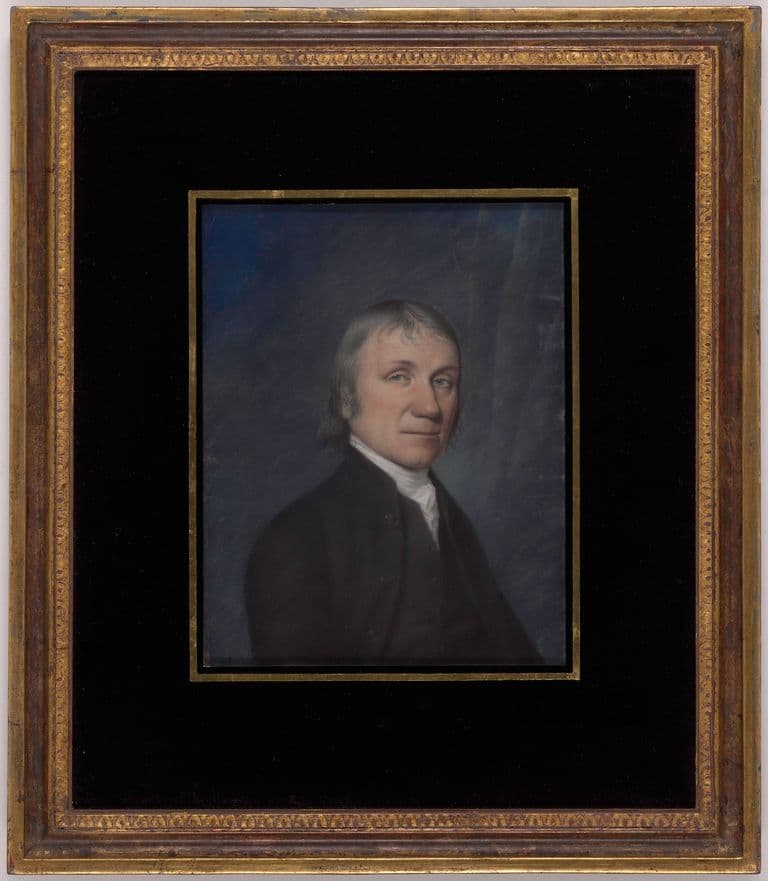
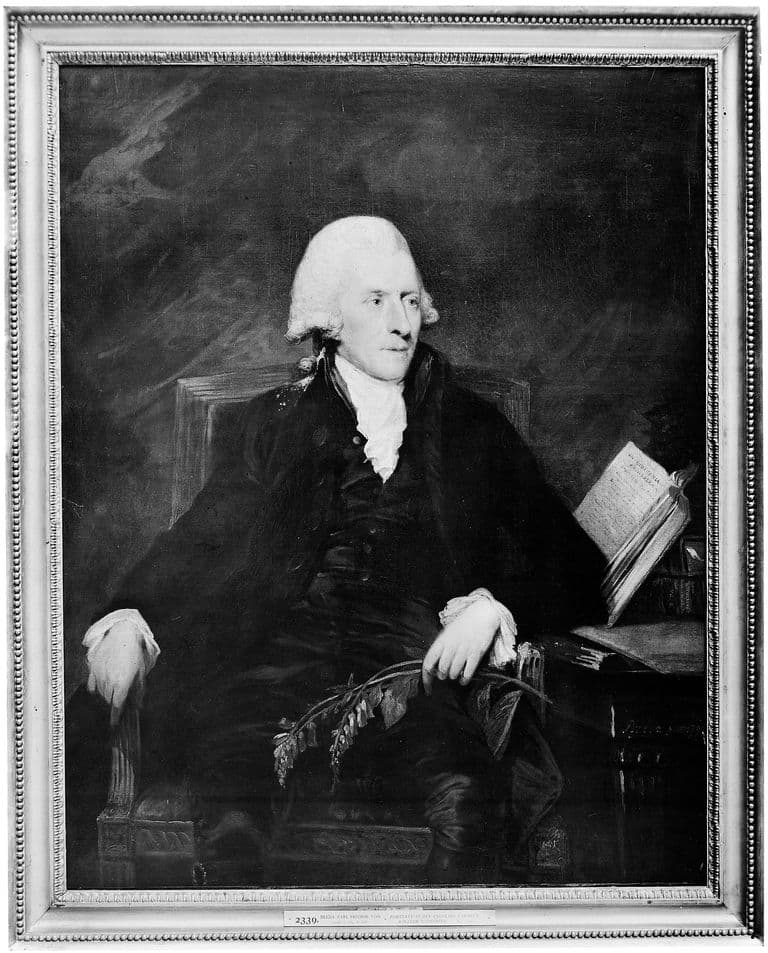
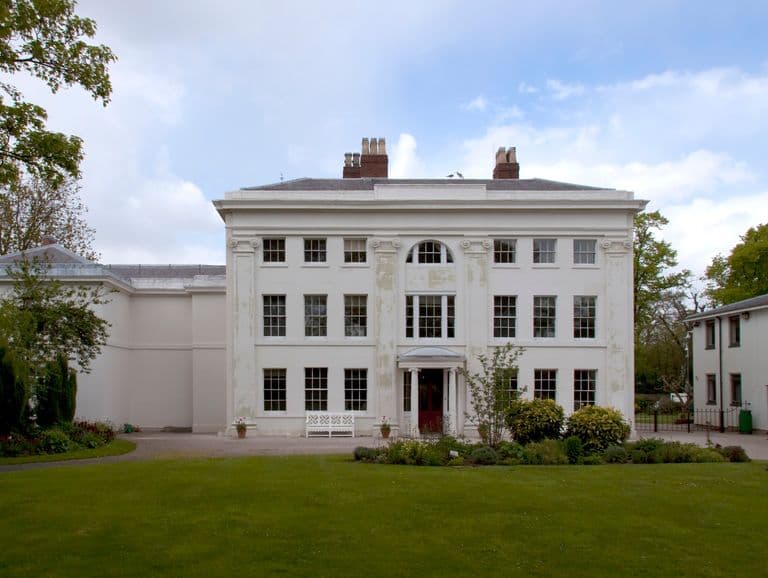
In 1766 Boulton and Ann moved into Soho House, up the slope from the works. It became the favourite meeting place of the Lunar Society, the circle of friends — Watt, Erasmus Darwin, Josiah Wedgwood, Joseph Priestley, William Withering and others — who met near the full moon to dine and talk science. The house has been described as the first centrally heated house in England since Roman times.
Silver and the Assay Office
Boulton’s ambitions ran from buttons to fine silver. To sell silver it had to be assayed and hallmarked, and Birmingham had no assay office of its own. Boulton campaigned for one, and after an Act of Parliament the Birmingham Assay Office was set up in 1773.
Buying into steam
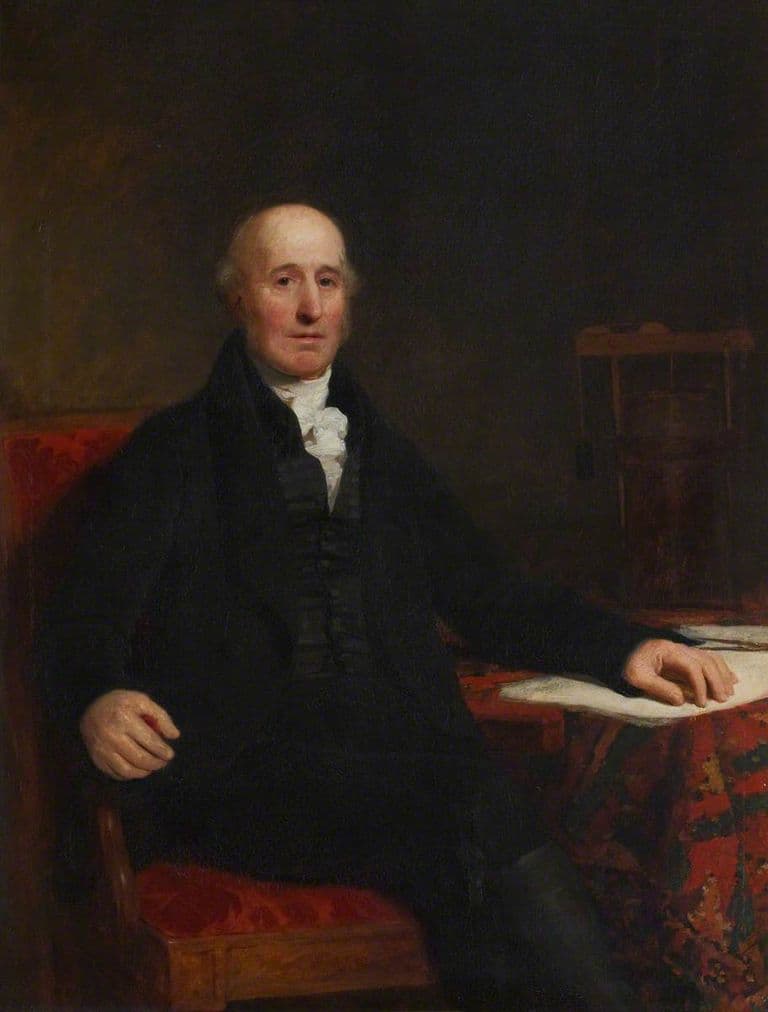
Water power had a weakness. In dry seasons the Hockley Brook ran low. In February 1766 Boulton wrote to Benjamin Franklin about a “fire engine” to pump water back above his water wheel. Franklin had already introduced him to Dr William Small, and in 1767 it was Small who showed a visiting Scot round Soho. His name was James Watt.
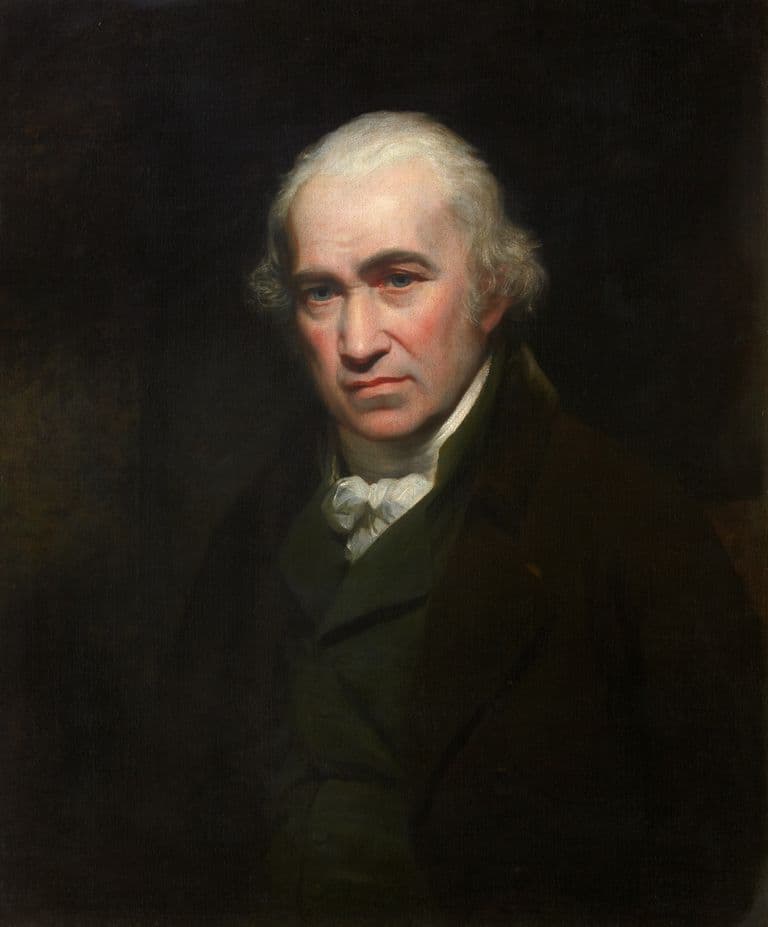
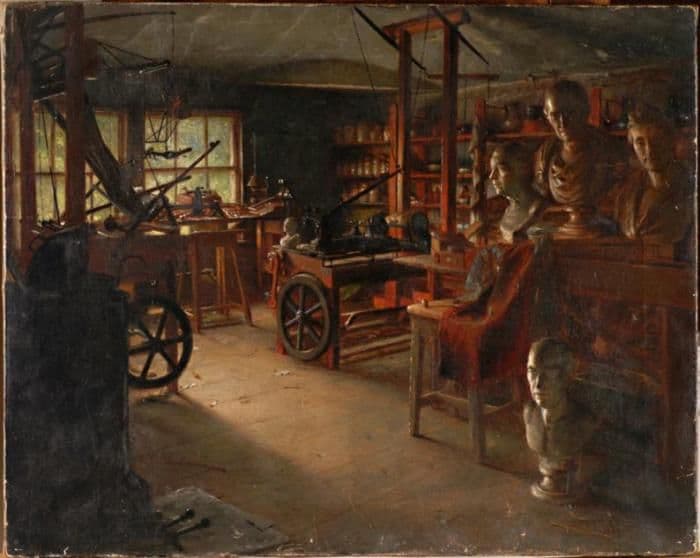
Watt had found a way to make steam engines far less wasteful: the separate condenser. In 1774 his experimental engine was brought to Soho, where it was used to pump water back to the mill pool. In 1775 Boulton was “instrumental”, in the Library of Birmingham’s word, in persuading Parliament to extend Watt’s patent for twenty-five years, to 1800. The partnership of Boulton & Watt began the same year.
Boulton brought what Watt lacked: money, contacts and nerve. But engines were slow to pay. In July 1778 Boulton, who owed money to a London bank whose main business was the West India trade, wrote to Watt that the bank “may yet be saved, if ye West Indian Fleet arrives safe”. The firm needed improvements such as rotary motion, which turned the up-and-down beam into the turning power that factories needed.
Making money, literally
Boulton had been striking tokens since 1772. Britain’s copper coinage was riddled with fakes: in 1787 the Royal Mint found that only about 8 per cent of the halfpennies it sampled were genuine. Boulton saw his chance. In 1788–89 he built the Soho Mint, the world’s first steam-powered mint, hidden among his garden buildings for secrecy.
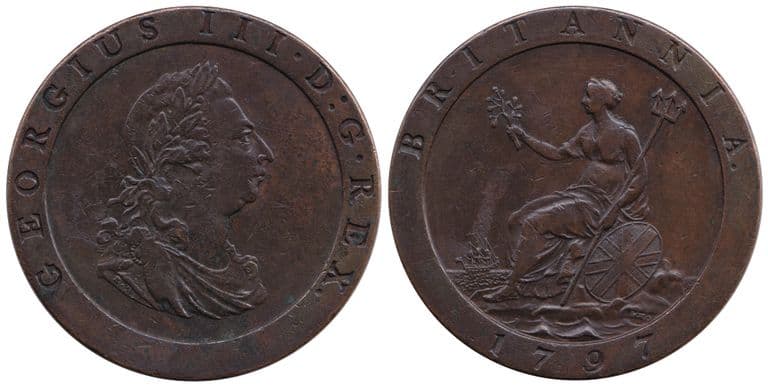
In 1797 the government contract came at last. Soho struck the heavy copper “cartwheel” pennies and twopences, all dated 1797, with “SOHO” beneath Britannia’s shield. The Royal Mint Museum puts the pennies at about 44 million. The Mint also struck medals, tokens and foreign coins, and the firm later supplied minting machinery to the rebuilt Royal Mint, Calcutta and Bombay.
Commerce and slavery
Boulton’s links with Atlantic slavery were indirect, and his record is mixed. No evidence has been found that he owned or traded enslaved people. But he borrowed from that West India bank, and he courted Caribbean planters. On 19 April 1783 he dined with Richard Pennant, owner of large Jamaican estates, and others “who wish to see steam power in lieu of horses”. In 1784 he dined with John Dawson, a Liverpool slave trader, to talk about engines for Trinidad.
Yet no Boulton & Watt engine is known to have gone to the West Indies before he retired in 1800. The historian Stephen Mullen, in a 2021 report for Birmingham Museums Trust, calls the reason “a mystery”. On the other side of the ledger, Boulton subscribed to Olaudah Equiano’s autobiography, and Equiano thanked him by name in Aris’s Birmingham Gazette on 28 June 1790. In 1791 the Soho Mint struck coins for the Sierra Leone Company, the abolitionists’ settlement for free Black people. But unlike Wedgwood, Darwin and Priestley, Boulton did not speak publicly for abolition after 1787. Mullen and the Revolutionary Players project both call his position “equivocal”. The large trade in engines for sugar estates came after 1800, under the sons.
The last years
In 1795–96 a new works rose beside the Birmingham Canal at Smethwick: Soho Foundry, built to make complete steam engines on one site. Much of the credit belongs to the sons, Matthew Robinson Boulton and James Watt junior. In 1800, when the patent ran out, Boulton and Watt handed the engine business to them. Boulton kept the Mint.
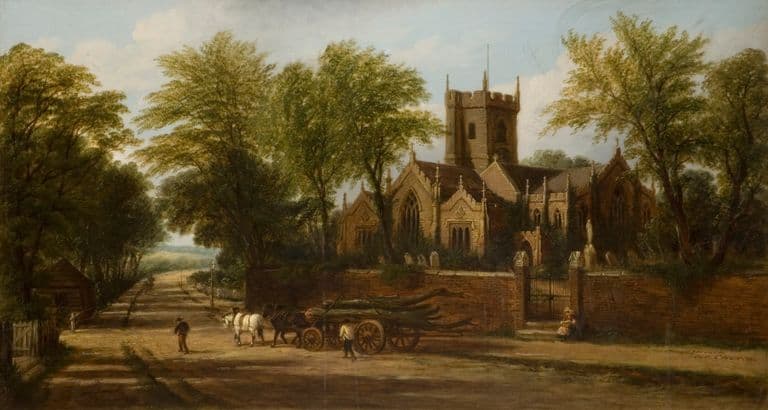
He died at Soho House on 17 August 1809, aged 80, and was buried at St Mary’s Church, Handsworth, on 24 August. An obituary in the Monthly Magazine reported 600 workmen at the funeral, each given a silver medal struck for the day. His son commissioned a wall monument by John Flaxman: a bust of Boulton above two putti, one of them holding a picture of the Soho works.
Why it mattered
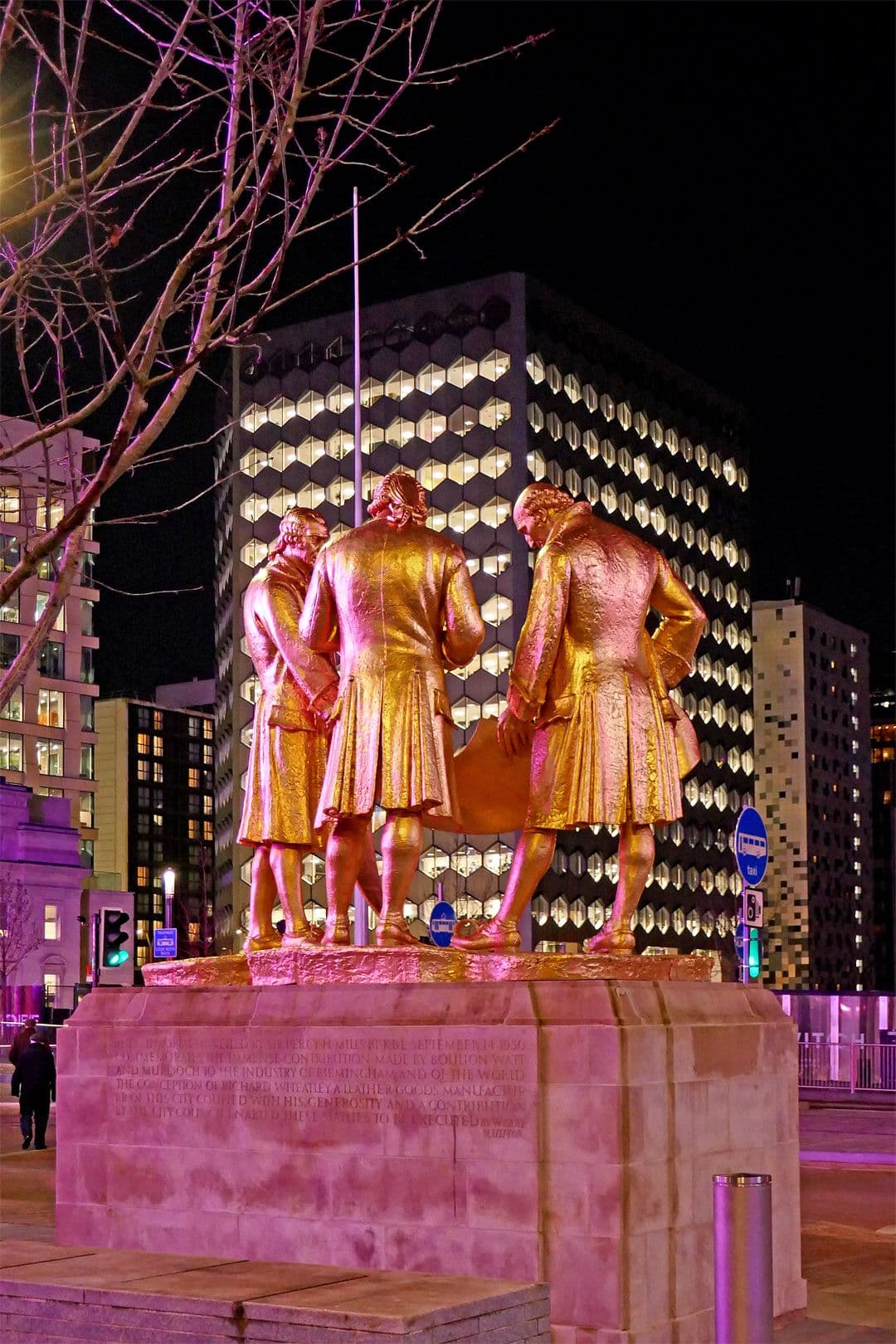
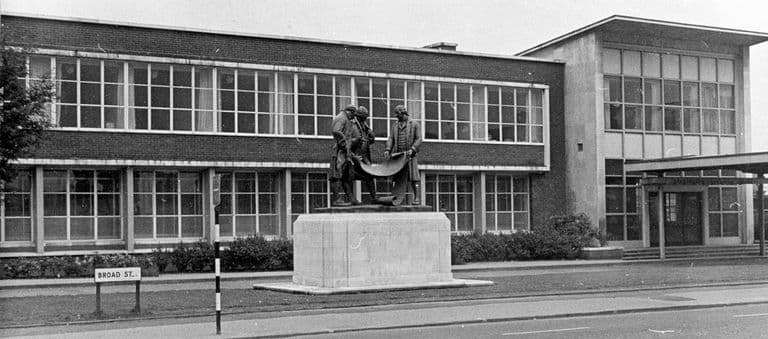
Boulton did not invent the steam engine, the button or the coin. What he did was harder to name. He saw that Watt’s idea needed money, Parliament, salesmanship and a factory to become an industry, and he supplied all four. He put whole processes under one roof, fought for Birmingham’s Assay Office and turned the minting of money into a steam-powered business. His papers, kept with the Archives of Soho at the Library of Birmingham, remain one of the great records of the Industrial Revolution. In 2011 the Bank of England put him and Watt together on the £50 note, with the Soho Manufactory behind them. William Bloye’s gilded “Golden Boys” statue of Boulton, Watt and Murdoch, unveiled on Broad Street in 1956, was put back in Centenary Square on 29 April 2022, and his stone stands among the Lunar Society Moonstones at Queslett, a short ride from Kingstanding. Boswell heard a boast in 1776. Birmingham still lives with the truth of it: Boulton sold the world power.
On the map
30 places connected with Matthew Boulton. Tap a number for directions — some sites are private homes or gardens, so each place’s page says what you can see from the street.

- Soho Manufactory new engine yard (site) — Lost, Site redeveloped · Directions to Soho Manufactory new engine yard (site) (opens Google Maps)
- Soho Pool (Great Hockley Pool) (site) — Lost, Site redeveloped
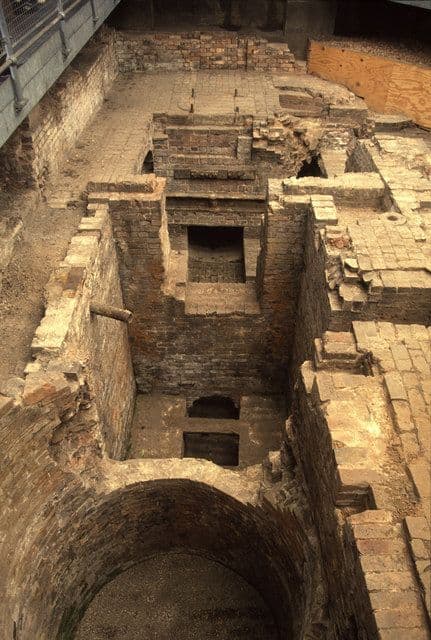
- Soho Mint drive-shaft tunnel — Partly surviving · Directions to Soho Mint drive-shaft tunnel (opens Google Maps)
- Latchet Building, Soho (site) — Lost · Directions to Latchet Building, Soho (site) (opens Google Maps)
- Matthew Boulton’s monument by Flaxman, St Mary’s, Handsworth — Surviving, Relocated · Directions to Matthew Boulton’s monument by Flaxman, St Mary’s, Handsworth (opens Google Maps)
- General Dispensary, Union Street (site) — Lost, Site redeveloped · Directions to General Dispensary, Union Street (site) (opens Google Maps)
- General Hospital, Summer Lane (site) — Lost, Site redeveloped · Directions to General Hospital, Summer Lane (site) (opens Google Maps)
- Birmingham Assay Office, Bull Lane (site) — Lost, Site redeveloped
- Birmingham Assay Office, first rooms at the King’s Head, New Street (site) — Lost
- Boulton’s warehouse, Livery Street (site) — Lost, Site redeveloped · Directions to Boulton’s warehouse, Livery Street (site) (opens Google Maps)
- Boulton’s temporary warehouse, Upper Priory (site) — Lost, Site redeveloped
- New Hall, Boulton’s town warehouse (site) — Lost, Site redeveloped · Directions to New Hall, Boulton’s town warehouse (site) (opens Google Maps)
- Sarehole Mill — Surviving but altered · Directions to Sarehole Mill (opens Google Maps)
- Boulton family house and works, Snow Hill — Lost, Site redeveloped
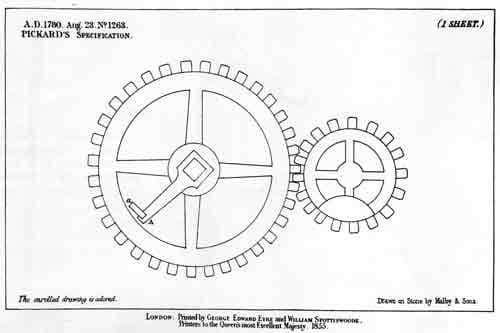
- Pickard’s mill, Snow Hill — Lost, Site redeveloped
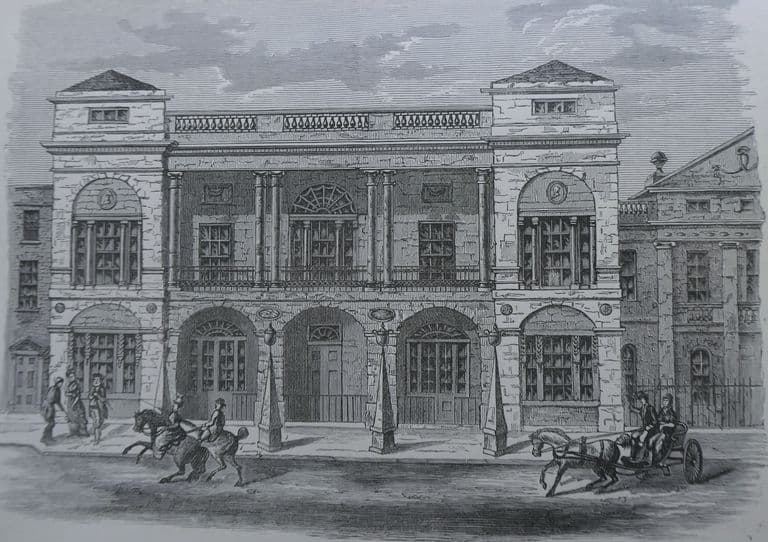
- Theatre Royal, New Street — Lost, Site redeveloped · Directions to Theatre Royal, New Street (opens Google Maps)
- Site of the Smethwick Engine, Bridge Street North — Partly surviving · Directions to Site of the Smethwick Engine, Bridge Street North (opens Google Maps)
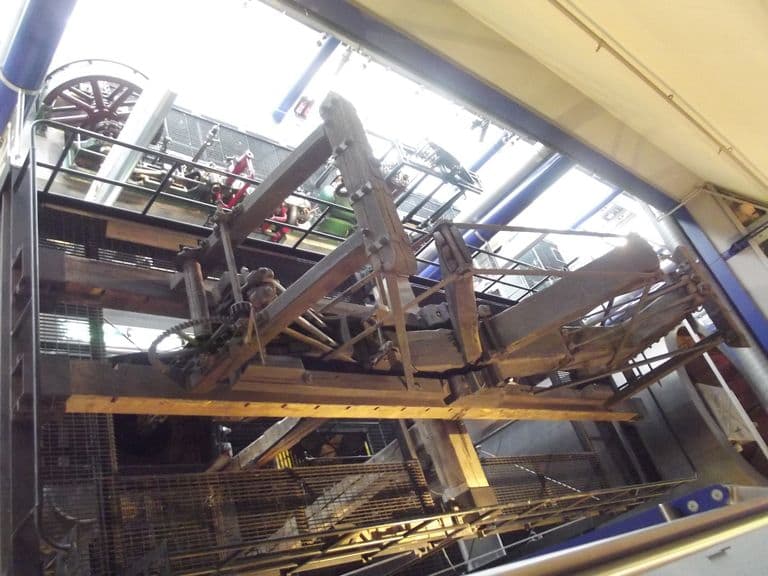
- The Smethwick Engine at Thinktank — Relocated · Directions to The Smethwick Engine at Thinktank (opens Google Maps)
- Boulton, Watt and Murdoch (“The Golden Boys”) — Relocated · Directions to Boulton, Watt and Murdoch (“The Golden Boys”) (opens Google Maps)
- Statue of James Watt, Ratcliff Passage — Relocated · Directions to Statue of James Watt, Ratcliff Passage (opens Google Maps)
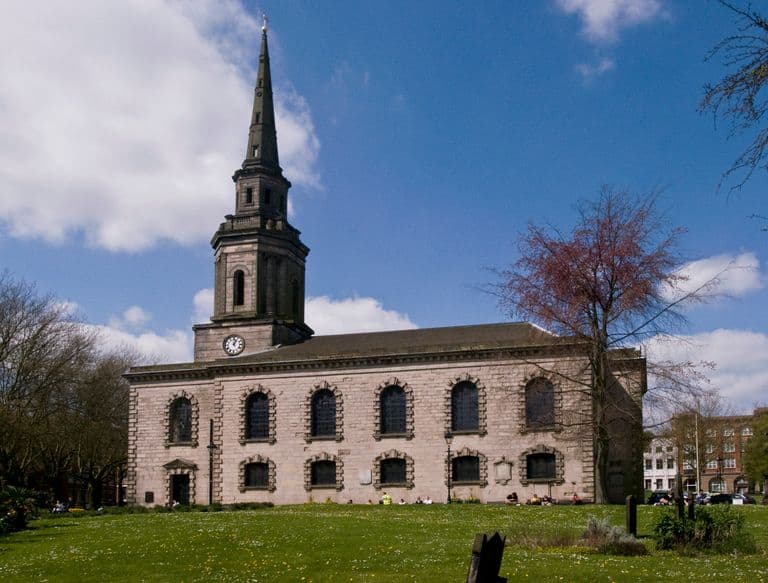
- St Paul’s Church and St Paul’s Square — Surviving, Surviving but altered · Directions to St Paul’s Church and St Paul’s Square (opens Google Maps)
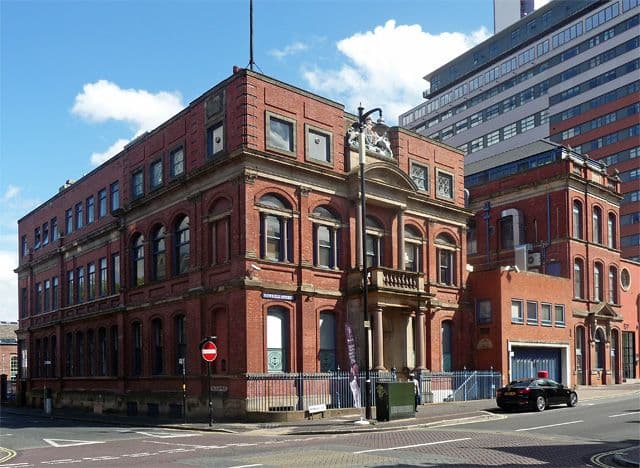
- The Jewellery Quarter — Surviving, Surviving but altered
- St Mary’s Church, Handsworth — Surviving · Directions to St Mary’s Church, Handsworth (opens Google Maps)
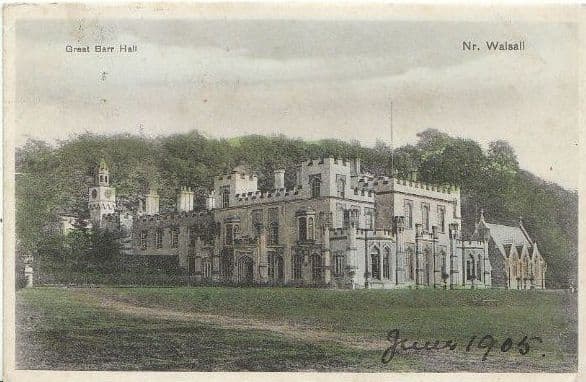
- Great Barr Hall — Partly surviving, At risk · Directions to Great Barr Hall (opens Google Maps)
- Watt’s house at Harper’s Hill (Regent Place) — Lost, Partly surviving · Directions to Watt’s house at Harper’s Hill (Regent Place) (opens Google Maps)
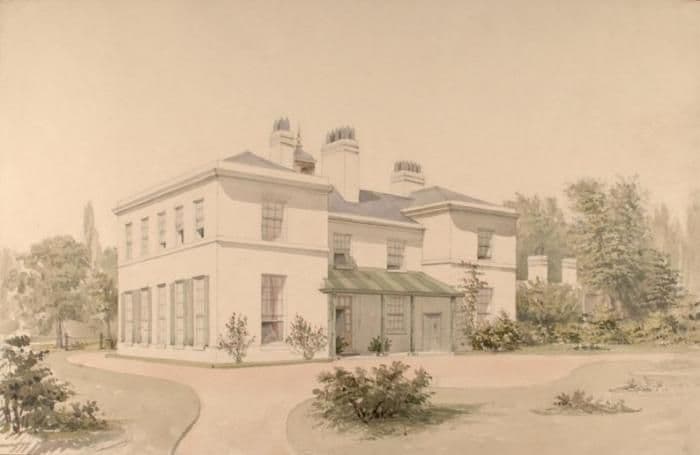
- Heathfield Hall — Lost, Site redeveloped · Directions to Heathfield Hall (opens Google Maps)
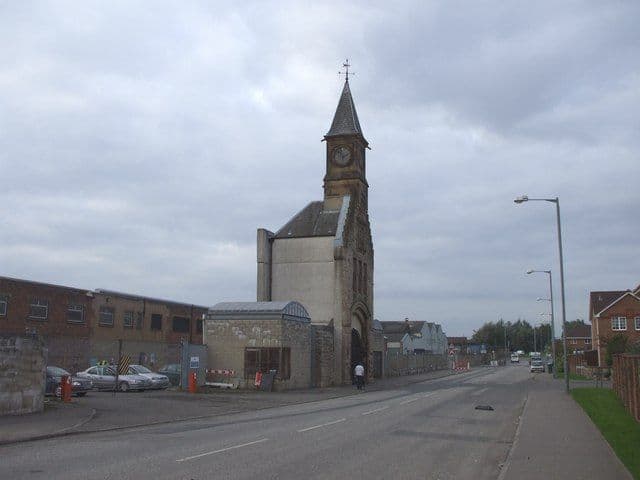
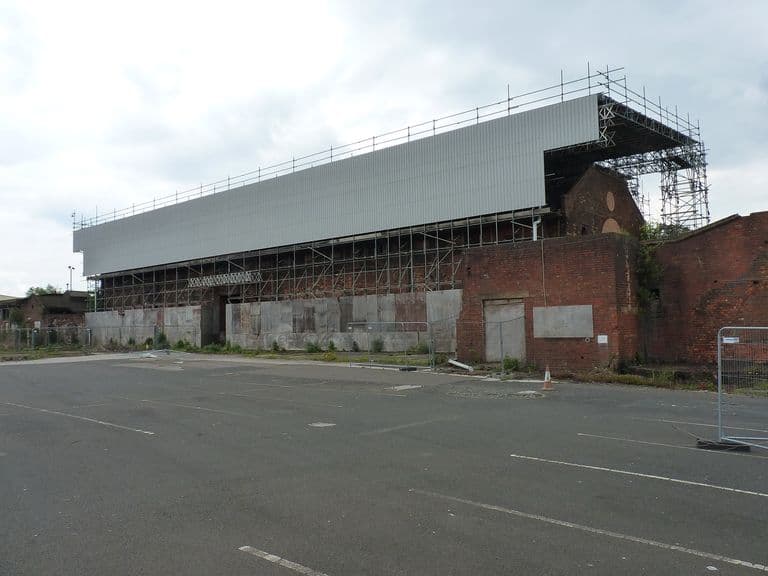
- Soho Foundry — Partly surviving, At risk · Directions to Soho Foundry (opens Google Maps)
- Soho Mint — Lost, Site redeveloped · Directions to Soho Mint (opens Google Maps)
- Soho Manufactory — Lost, Site redeveloped · Directions to Soho Manufactory (opens Google Maps)
- Soho House — Surviving · Directions to Soho House (opens Google Maps)
Key dates
- c. 1756–57 — Soho House builtThe house that became Soho House was built in the mid-18th century. Matthew Boulton acquired it unfinished in 1766 and enlarged it over the next thirty years.
- 1761 — Boulton takes the Soho estateMatthew Boulton acquires the Soho estate on the Hockley Brook in Handsworth parish, Staffordshire, where a rolling mill already stood. Building of the Soho Manufactory begins the next year.
- 1762 — Building begins at the Soho ManufactoryA year after Matthew Boulton and John Fothergill leased land on the Hockley Brook, building began on the Soho Manufactory. The works were finished around 1765–66.
- c. mid-1760s — The Lunar circle takes shapeMatthew Boulton, Erasmus Darwin, William Small and their friends begin meeting, writing and experimenting together. Benjamin Franklin introduces Small to Boulton in 1765. There is no single founding date; the Library of Birmingham says the group existed “from the 1750s”.
- 29 November 1766 — Death of John WyattJohn Wyatt, co-inventor of roller spinning, dies and is buried at St Philip’s, Birmingham. Matthew Boulton and John Baskerville follow his coffin.
- 1766 — Boulton moves into Soho HouseMatthew and Ann Boulton move into Soho House, above the Manufactory. It becomes the favourite meeting place of the Lunar Society.
- 1773–74 — Roebuck’s share in Watt’s engine passes to BoultonRuined by flooded coal pits, John Roebuck settles a debt of about £1,200 to Matthew Boulton by handing over his two-thirds share in James Watt’s engine patent. Watt’s trial engine is shipped from Kinneil to Soho, and Watt follows in 1774.
- 1773 — Birmingham Assay Office establishedAfter a campaign led by Matthew Boulton, an Act of Parliament sets up an assay office in Birmingham to test and hallmark the town’s silver.
- 1774 — Watt comes to BirminghamJames Watt moves to Birmingham, and his experimental engine is brought to Soho, where it pumps water back to the Manufactory’s mill pool.
- 1775 — The Lunar Society starts meeting by the full moonAfter Dr William Small dies in 1775, his friends decide to meet monthly on the Sunday nearest the full moon, so they have light to ride home by. They dine at two and talk until at least eight.
- 1775 — Boulton & Watt partnership beginsParliament extends Watt’s 1769 patent by 25 years, to 1800, with Boulton’s help, and the partnership of Boulton & Watt begins.
- 8 March 1776 — First commercial engine at Bloomfield CollieryA Boulton & Watt pumping engine with a 50-inch cylinder is set to work at Bloomfield Colliery, Tipton. A newspaper reports “a steam engine constructed upon Mr. Watts’s new principles”.
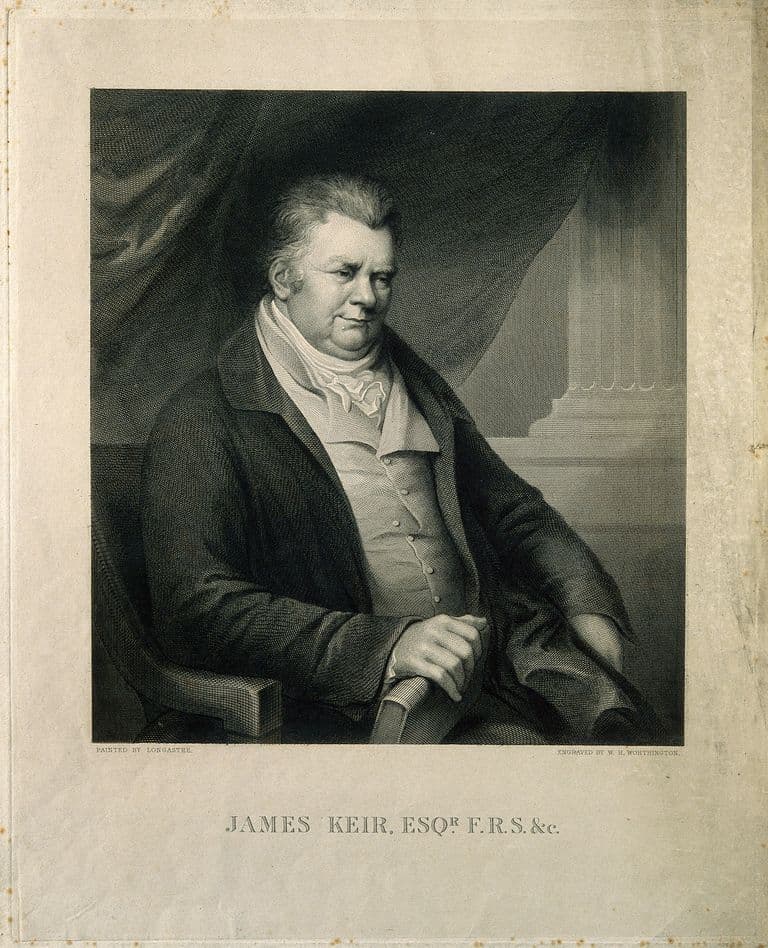
- 1778 — Keir runs SohoWith Boulton and Watt both away, James Keir manages the Soho works. He turns down the offer of a partnership as too risky.
- 1780 — Copying presses go on saleJames Watt & Co., a partnership of Watt, Boulton and Keir, starts selling Watt’s letter-copying press. The firm sells them until 1840.
- 1783 — Birmingham Commercial Committee formedBirmingham’s merchants and manufacturers form a standing committee to lobby Parliament, with Samuel Garbett as first chairman and Boulton among its members. It fights Pitt’s Irish trade proposals in 1785 and is the ancestor of the Birmingham Chamber of Commerce.
- 1788–89 — Soho Mint builtBoulton builds the steam-powered Soho Mint, hidden among his garden buildings between the Manufactory and Soho House.
- 28 June 1790 — Equiano thanks his Birmingham supportersOlaudah Equiano, the formerly enslaved writer and campaigner, publishes a letter in Aris’s Birmingham Gazette thanking Birmingham subscribers to his Narrative, including Galton, William Russell, Priestley and Boulton.
- 1795–96 — Soho Foundry is built at SmethwickBoulton & Watt, led by their sons, build a foundry beside the Birmingham Canal to make complete steam engines on one site. Historic England describes it as the first factory built for the purpose.
- 1797 — Cartwheel coinage struck at SohoBoulton wins the government contract, and the Soho Mint strikes the copper “cartwheel” pennies and twopences, marked “SOHO” beneath Britannia.
- 1800 — The sons take over the engine businessAs Watt’s patent expires, Boulton and Watt hand the engine business to Matthew Robinson Boulton and James Watt junior. Boulton keeps the Mint.
- 17 August 1809 — Death of Matthew BoultonMatthew Boulton dies at Soho House, aged 80, and is buried at St Mary’s Church, Handsworth, on 24 August.
- c. by 1863 — The Soho Manufactory is goneAfter closing around 1850, Boulton’s Soho Manufactory and the old Soho Mint are demolished in stages. By 1863 nothing is left above ground; the site is later partly dug for sand and built over with housing.
- 1911 — George Tangye gives the Boulton & Watt papers to BirminghamGeorge Tangye presents the Boulton & Watt business archive, kept since 1895 in his ‘Watt Museum’, to Birmingham’s Reference Library. It is now the Library of Birmingham’s collection MS 3147.
- 14 September 1956 — The Golden Boys are unveiledSir Percy Mills unveils William Bloye’s gilded bronze of Boulton, Watt and Murdoch on Broad Street, designed in 1938 and delayed by the war.
- 29 September 2001 — Thinktank opens with the Smethwick EngineThinktank, Birmingham’s science museum, opens at Millennium Point. Its centrepiece is the Boulton & Watt engine that worked at Smethwick from 1779.
- 29 April 2022 — The Golden Boys return to Centenary SquareAfter five years in store during the Metro works, the statue of Boulton, Watt and Murdoch is reinstalled in Centenary Square outside Symphony Hall.
Sources and further reading
Birthplace street: the Library of Birmingham says Slaney Street; other, lead-only pages say New Hall Walk, Snow Hill. The text says simply “Birmingham”.
Soho lease and building dates: the estate is dated 1761 (some accounts 1764); building began in 1762 and the Principal Building was finished c.1765–66. The architect is given as William Wyatt (Library of Birmingham) or “the Wyatt family of Lichfield” (Wikipedia).
Workforce: VCH Warwickshire gives about 800–1,000 c.1770; Boswell recorded about 700 in 1776. Both are given with their sources.
“Largest factory in the world”: a claim repeated by Revolutionary Players that cannot be checked; the text treats it as a boast.
Central heating at Soho House: reported by the Library of Birmingham and Birmingham Museums; given as “has been described as”.
The funeral: the 600 workmen and silver medals come from a transcription of the Monthly Magazine obituary (1 October 1809) not yet checked against the original, so it is attributed.
Slavery: Boulton’s links are indirect ([C] profiting from the slavery economy: West India bank credit, courting planters). Mullen (2021) found no engine exports to the West Indies before 1800 and disputes wording in a 2020 Historic England audit that credits Boulton and Watt themselves with such sales. Mullen gives Equiano’s visit as 1789; other sources and the letter itself point to 1790.
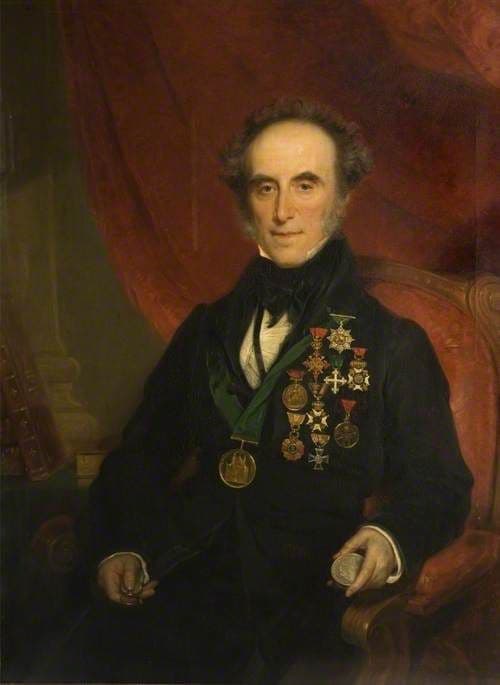
- Matthew Boulton (1728 to 1809) — Archives of Soho — Library of Birmingham, Birmingham City Council. Ref. MS 3782/16/1; MS 3782/12/108/1
- Soho manufactory and estate — Archives of Soho — Library of Birmingham, Birmingham City Council. Ref. MS 3782/12/108/7; MS 3147/5/1447; MS 3147/5/1455
- Steam engines — Archives of Soho — Library of Birmingham, Birmingham City Council. Ref. MS 3782/12/1/2
- Coinage — Archives of Soho — Library of Birmingham, Birmingham City Council. Ref. MS 3782/13/36/19; MS 3782/12/108/83; MS 3147/5/707-717
- The Lunar Society — Archives of Soho — Library of Birmingham, Birmingham City Council. Ref. MS 3782/13/53/87; MS 3219/4/86/7
- Soho house — Archives of Soho — Library of Birmingham, Birmingham City Council. Ref. MS 3782/12/108/7; MS 3782/13/149/70; MS 3782/6/101
- Matthew Robinson Boulton (1770 to 1842) — Archives of Soho — Library of Birmingham, Birmingham City Council
- A Portrait of Matthew Boulton — Revolutionary Players, History West Midlands
- Local Historic People: Matthew Boulton — Birmingham Museums Trust, Birmingham Museums Trust
- Sarehole Mill — Birmingham Museums Trust, Birmingham Museums Trust
- Boswell’s Life of Johnson, vol. 2 (ed. George Birkbeck Norman Hill) — James Boswell, Project Gutenberg, 1791. vol. 2, March 1776
- Economic and Social History: Industry and Trade, 1500–1880, in A History of the County of Warwick, vol. 7, pp. 81–139 — W. B. Stephens (ed.), Victoria County History, 1964. workforce c.1770
- The Soho Manufactory, Mint and Foundry, West Midlands: Where Boulton, Watt and Murdoch Made History — George Demidowicz, Historic England / Liverpool University Press, 2022
- Matthew Boulton and the Soho Mint: copper to customer (PhD thesis) — Sue Tungate, University of Birmingham, 2011
- Penny — Curator’s corner — Royal Mint Museum, Royal Mint Museum
- Soho House — National Heritage List for England entry 1076151 — Historic England
- Church of St Mary, Hamstead Road, Handsworth — National Heritage List for England entry 1076358 — Historic England
- Remains of the Boulton and Watt Soho foundry and mint, Birmingham Canal, Smethwick — Scheduled Monument 1021388 — Historic England
- Matthew Boulton: Obituary — from The Monthly Magazine (1 Oct 1809) — The Monthly Magazine, Today in Science History (transcription), 1809
- Matthew Boulton, William Murdock and James Watt: Appraisal for ‘Golden Boys’ Statue — Stephen Mullen, Birmingham Museums Trust, 2021
- References to Slaves in the ‘Archives of Soho’ — Library of Birmingham, Birmingham Archives & Heritage. Ref. MS 3147; MS 3219; MS 3782
- Commerce, Slavery and Anti-slavery; The Lunar Society and the Anti-slavery Debate — Revolutionary Players, History West Midlands
- Stationary Steam Engines on Sugar Plantations in the Caribbean: Nevis 1816–1846 — David Small, 2021
- New style £50 banknote issued today — Bank of England, Bank of England, 2011
- Boulton, Watt and Murdoch (statue) — Wikipedia
- Lunar Society Moonstones — Wikipedia
Comments
Comments will load here.