
What was here?
Premises in Bull Lane, the old name for the end of Colmore Row between Livery Street and Snow Hill, where the Assay Office tested and hallmarked Birmingham silver from 1782 until about 1800.
History
Out of the inn
For nine years the Assay Office that Matthew Boulton had fought for worked from rooms at the King’s Head in New Street. In 1782, Showell’s Dictionary records, it moved to Bull Lane.
Bull Lane is not on today’s map. Showell explains that it “was the name once given to that part of the present Colmore Row between Livery Street and Snow Hill, though it has been better known as Monmouth Street”. It was a short walk from the Livery Street corner where Boulton would build his own warehouse a few years later.
The guardians
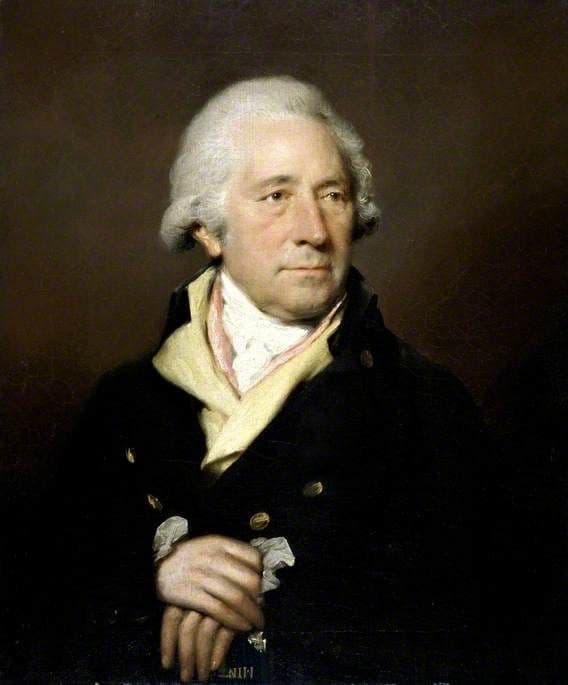
The office was governed by guardians and wardens. Boulton was among the guardians, and Samuel Garbett, who had given evidence for the 1773 bill, is named in later records as a warden in the 1790s. The building itself has not been identified, and no evidence has been found that Boulton was involved in choosing or fitting it out.
In about 1800 the office moved again, to a house in Little Colmore Street, then in 1816 to a former Baptist chapel in Little Cannon Street, and in 1878 to new premises in Newhall Street. In Bull Lane the office Boulton had fought for became part of the town’s everyday business. It has stayed that way for 250 years.
What happened here?
The Birmingham Assay Office worked here from 1782 until about 1800.
Why it mattered
It housed the Assay Office during its first full generation, while Boulton was still alive and active as a guardian.
Why it disappeared
Redevelopment
The office moved to Little Colmore Street in about 1800. This end of Colmore Row was later rebuilt.
What’s there now
What replaced it
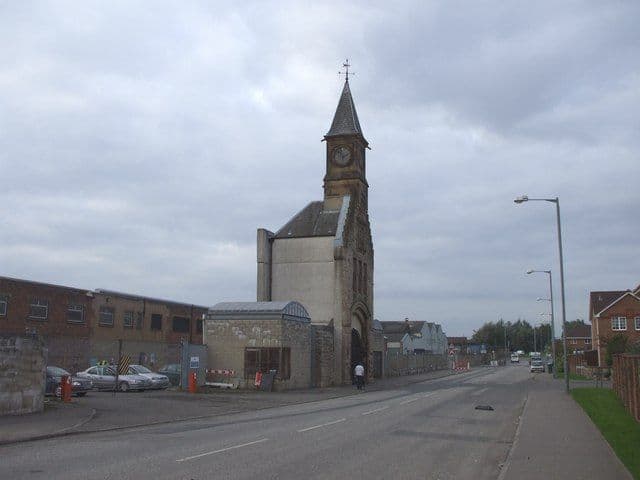
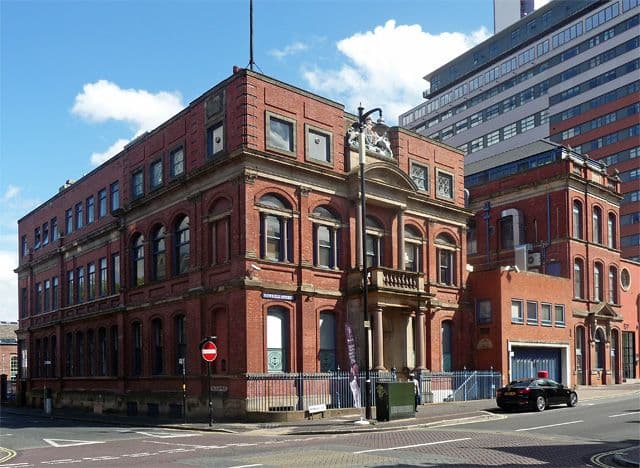
Later buildings at the Snow Hill end of Colmore Row.
What survives
Nothing identified.
Today
The north-east end of Colmore Row, between Livery Street and Snow Hill Queensway, beside Snow Hill station.
Sources and further reading
The date of the move away is 1800 in Showell and 1799 in Wikipedia (lead only); the move to Little Cannon Street is 1816 in Showell and 1815 in Wikipedia. The building is not identified, so the pin is the midpoint of the stretch of Colmore Row Showell describes. Garbett’s wardenship rests on Grace’s Guide and Wikipedia, as noted in his own record. Boulton’s place among the guardians is from the October 2026 research note; the list of guardians named in the 1773 Act has not been checked.
- Showell’s Dictionary of Birmingham — Thomas T. Harman and Walter Showell, Cornish Brothers, Birmingham, 1885. ‘Assay Office’ and ‘Bull Lane’
- Samuel Garbett — Grace’s Guide to British Industrial History. warden 1796–1800
- Birmingham Assay Office — Wikipedia. lead only
Comments
Comments will load here.