
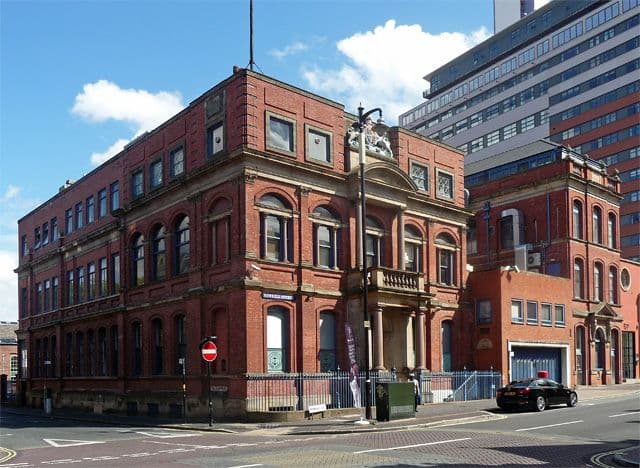
What was here?
Hundreds of small firms making jewellery, silver, buttons, pens, badges and other small metal goods, crowded into terraced houses and the workshops built over their back gardens, with the Assay Office and the School of Jewellery among them. Much of it is still here.
History
A town of “toys”
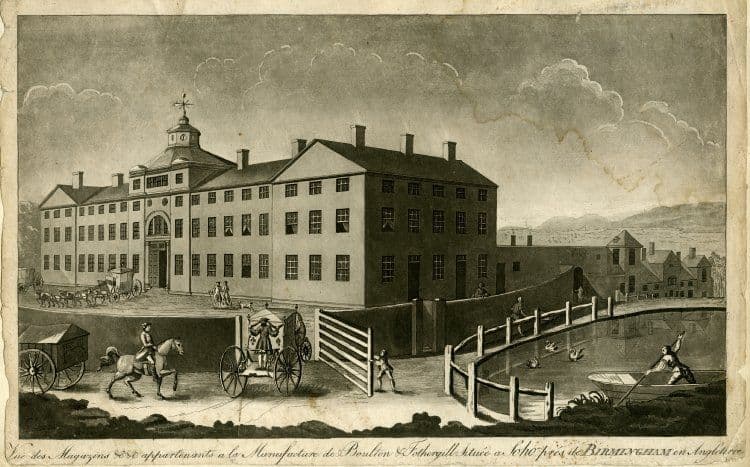
By the eighteenth century Birmingham was famous for “toys”: small, valuable metal goods such as buckles, buttons and trinkets. A few were made on a large scale, by John Taylor and Matthew Boulton. Most were made by “small masters” or “garret masters” working in houses and yards around the town.
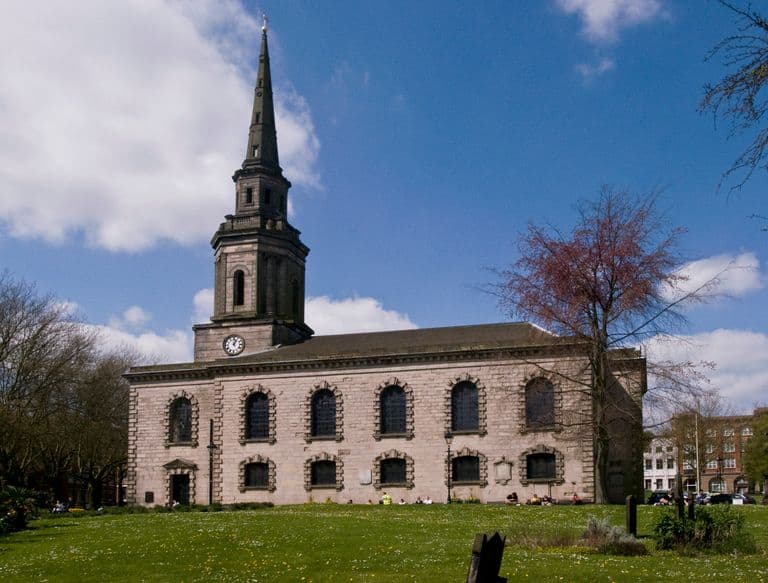
The Jewellery Quarter began as a property deal. In 1746 a private Act released the Colmore family’s Birmingham estates for building. The biggest was Newhall, north-west of the town. Charles Colmore pushed hard to raise the value of his land. He backed the Newhall branch canal of 1772 and the Birmingham and Fazeley Canal, opened in 1789, and in 1772 he gave the site for a new church, with £1,000 towards the cost. St Paul’s was built in 1777–79, with a fashionable square round it. Plots near a church sold easily.
Houses that became workshops
From the start many houses had warehouses and workshops behind them. By the 1780s some of the elegant houses around St Paul’s Square had workshops at the back, used by makers of buttons, buckles and steel toys. When buckles went out of fashion in the 1790s, the jewellery and precious-metal trades kept growing. Makers moved north-west, across Warstone Lane.
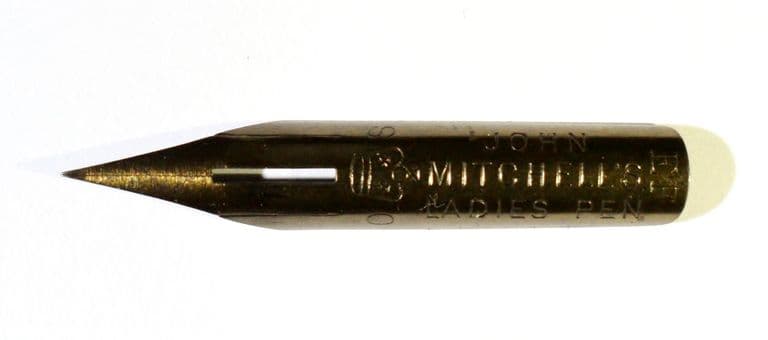
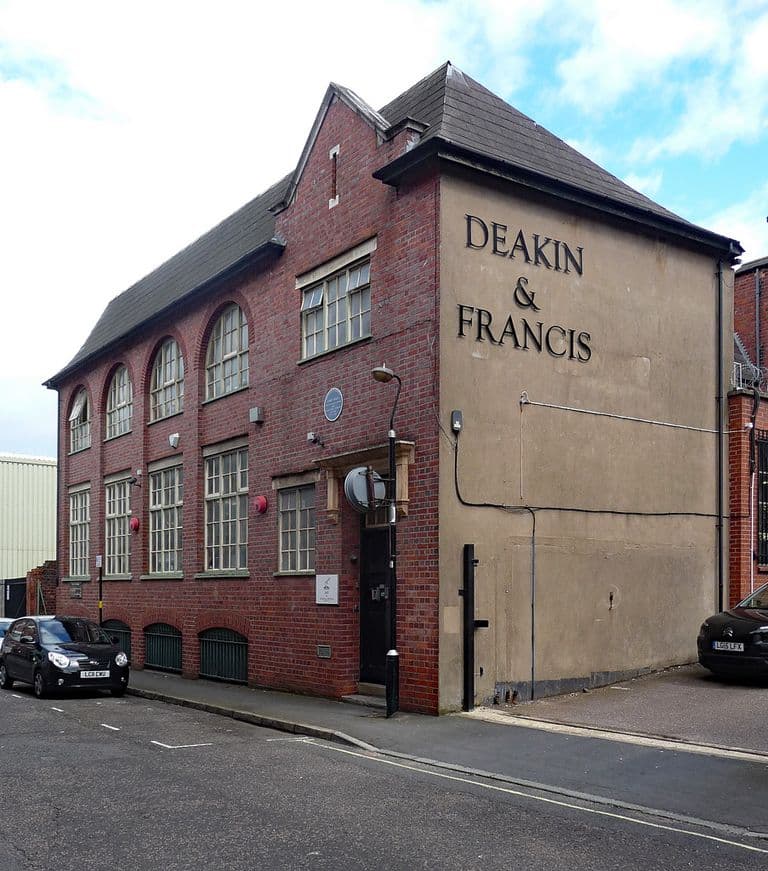
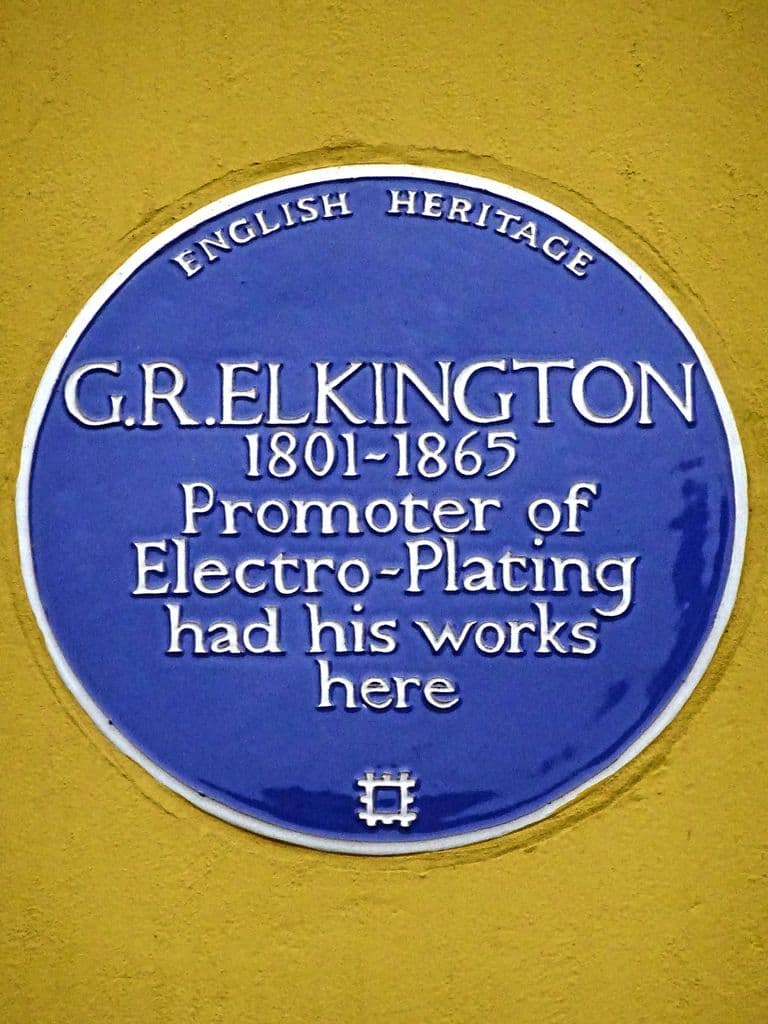
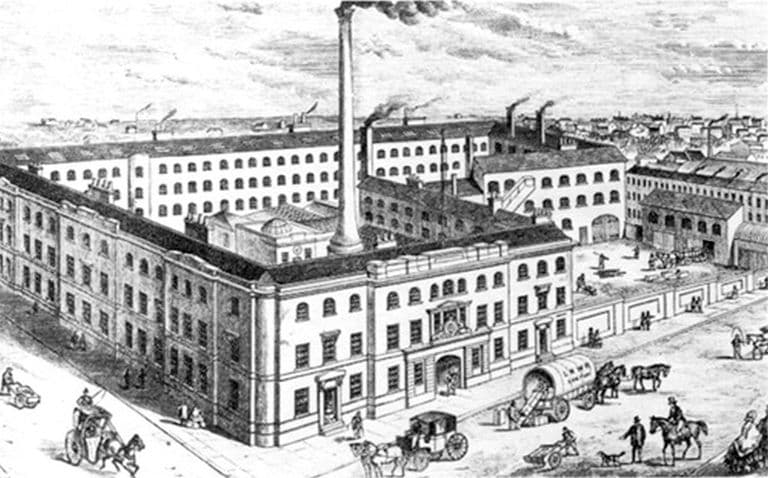
Gas came in the 1820s and 1830s, ideal for soldering and annealing. Bigger works appeared: William Elliott’s button works on Frederick Street from 1824, Elkington’s electroplating works on Newhall Street from 1838, and Joseph Gillott’s Victoria Works on Graham Street, begun in 1839–40 for steel pens, according to the council’s appraisal.
Gold rush
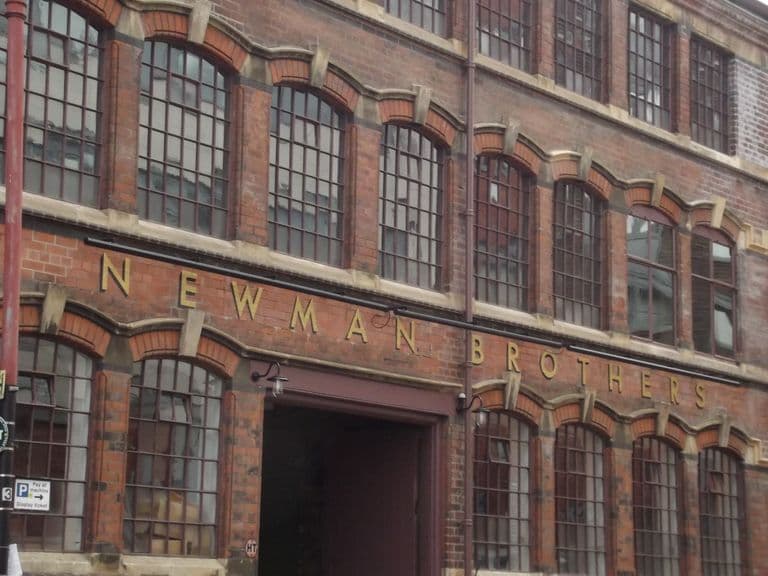
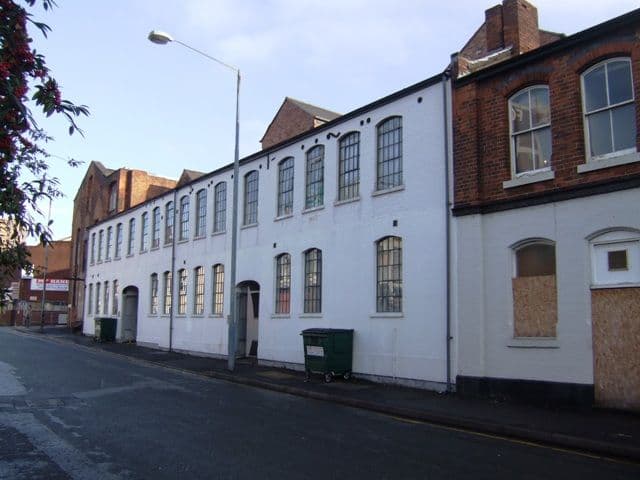
In the 1850s the gold rushes in California and Australia caused a boom. Whole terraces on the Vyse estate were turned into workshops, with new ranges over the gardens. These rear workshops, the “shopping”, are the Quarter’s signature: long, narrow ranges of two or three storeys with big multi-paned windows, facing a yard that served as a lightwell. Good light was everything for hand work.
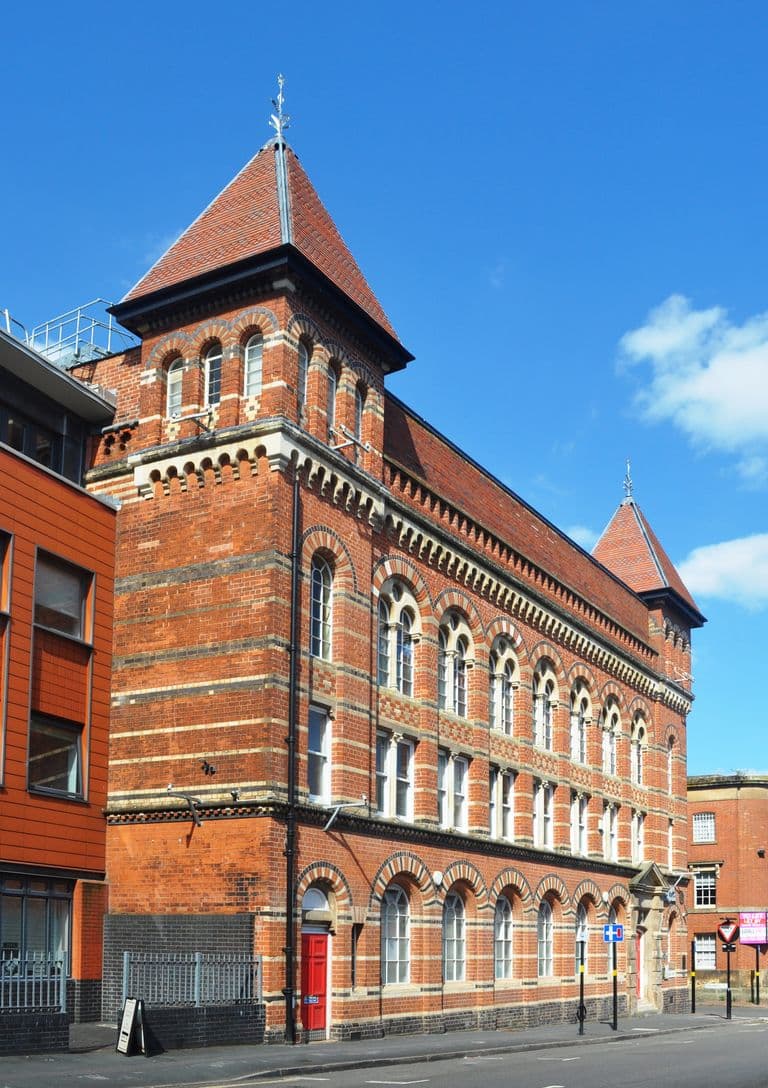
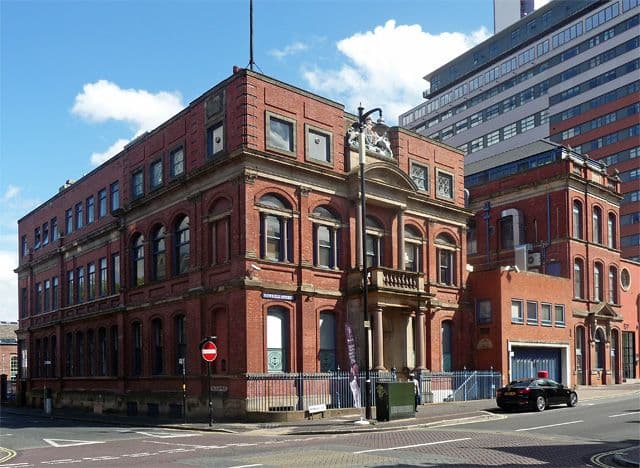
The Assay Office moved from Little Cannon Street to Newhall Street in 1878. It had been founded in 1773, largely through Boulton’s efforts, so that Birmingham silver no longer had to go to Chester or London to be hallmarked. In 1887 the jewellers formed their own association, and in 1890 the School of Jewellery opened in a converted factory on Vittoria Street.
Peak and decline
From the Klondike gold rush of the late 1890s to the First World War, the Quarter was at its peak. Firms cleared courts of workers’ houses on its edges to build new works. The modest brass works on Fleet Street, Newman Brothers among them, date from this time. The wars brought work in military buttons, badges and medals.
After 1920 the trade slipped. In the 1960s the council planned to rebuild the Quarter with flatted factories. Only one block was built: the Hockley Centre, now the Big Peg, opened in 1971. Most firms preferred the old buildings. Opinion turned. St Paul’s Square became a conservation area in 1971, and in 1999 an English Heritage survey found the Quarter to be “an historic industrial area of international significance”. A single, enlarged conservation area was designated in September 2000.
What happened here?
Two and a half centuries of small-scale metalworking: buttons, buckles and toys, then jewellery, silver, pens, badges and coffin furniture. The trade was split among hundreds of specialist workshops working for each other.
Why it mattered
English Heritage’s 1999 survey judged it an industrial area of international significance, and the council’s appraisal found it had kept more of its small metal workshops than comparable districts in Sheffield, Coventry or Nottingham. It shows how Birmingham’s small trades actually worked: in houses, back yards and small factories, by skilled hands.
What’s there now
What survives
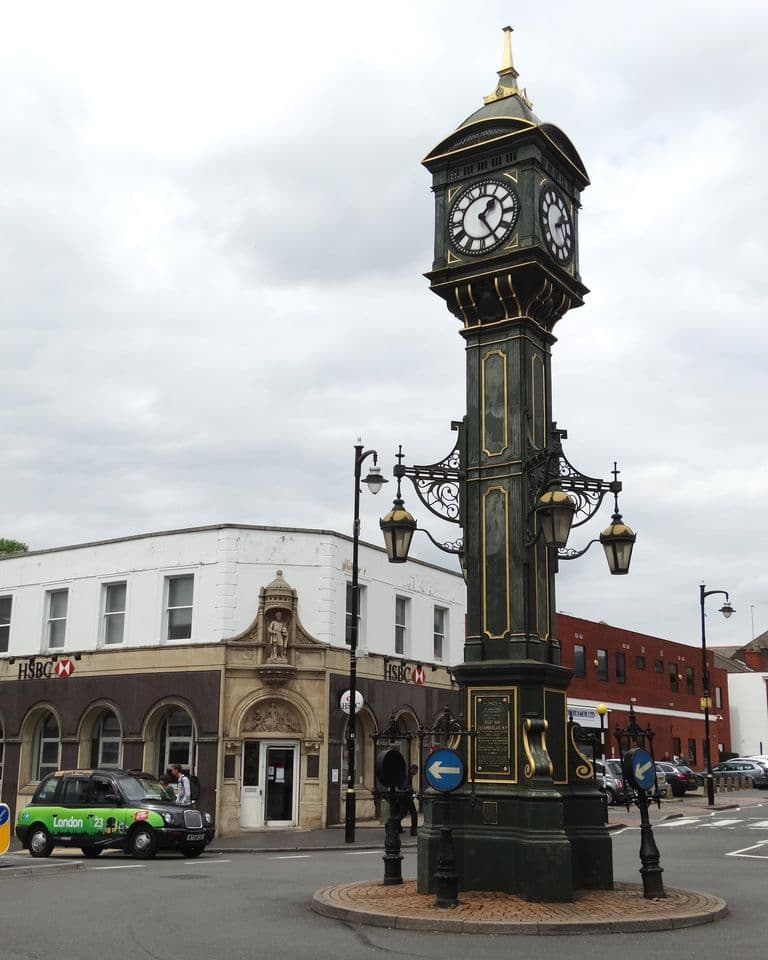
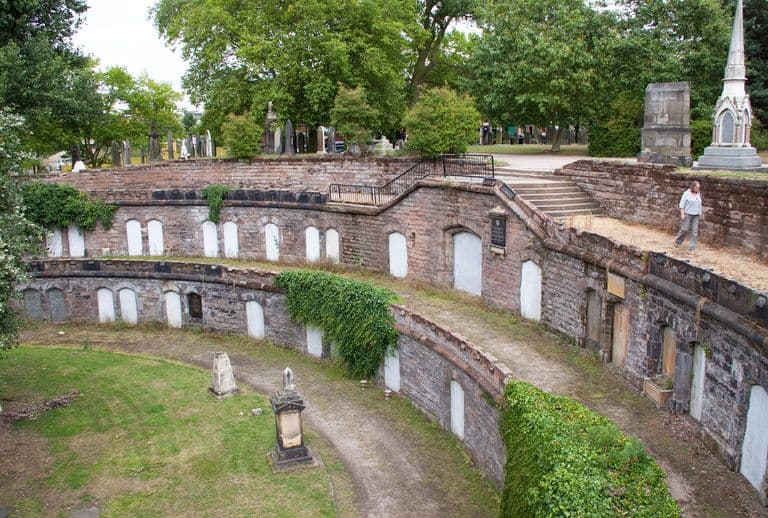
A great deal: the 18th-century grid around St Paul’s Square and St Paul’s Church, houses converted to workshops, rear ‘shopping’, purpose-built works of the 1830s to the 1970s, the 1878 Assay Office building on Newhall Street, the School of Jewellery on Vittoria Street, Key Hill and Warstone Lane cemeteries and the Chamberlain Clock. The oldest surviving purpose-built house and workshop, 27–32 Mary Street, dates from 1818.
Today
A working quarter, now mixed with flats, offices, bars and shops. Jewellery firms and shops still trade here, especially along Warstone Lane and Vyse Street.
Today
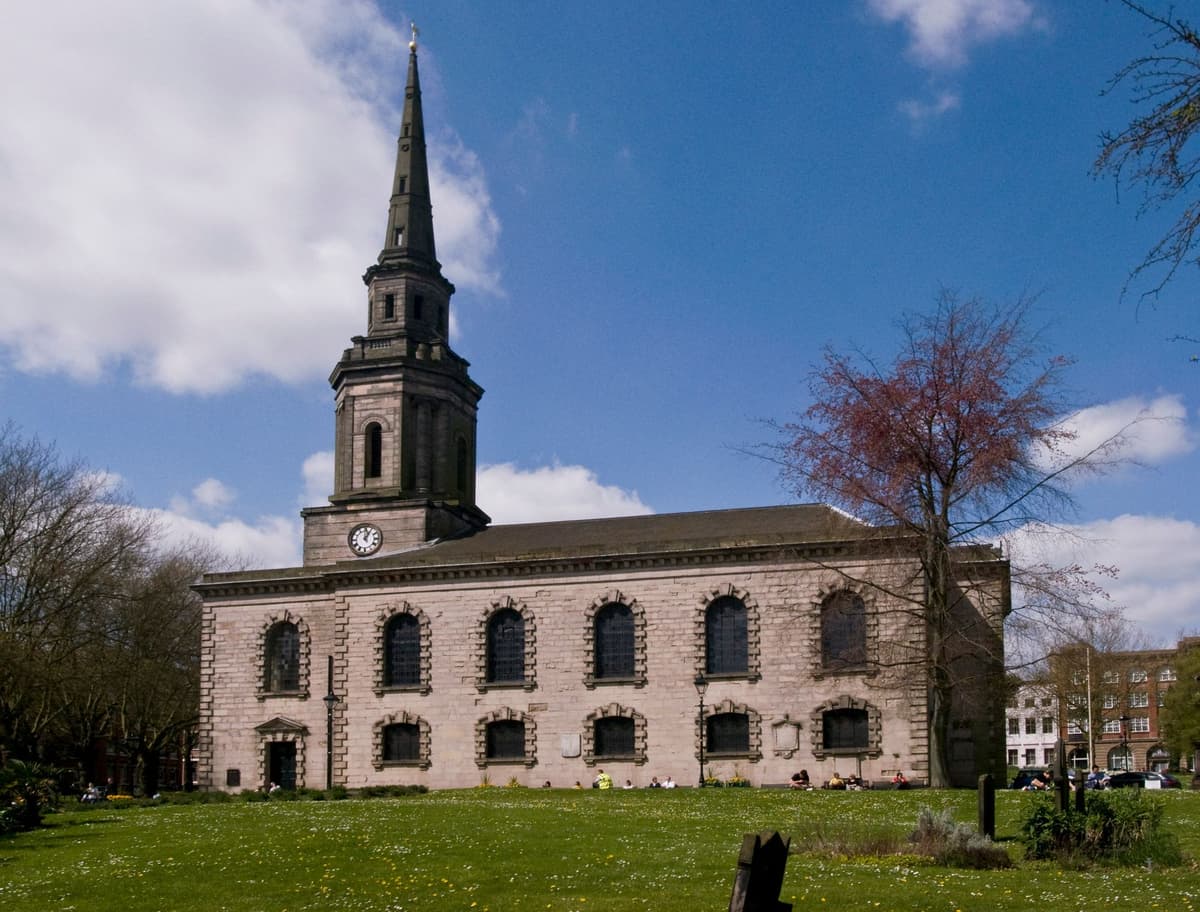
St Paul’s Church, Jewellery Quarter, 22 April 2009Oosoom, 22 April 2009. Wikimedia Commons (own work) · CC BY-SA 3.0
Key dates
- 1777–79 — St Paul’s Church built in the new Colmore squareSt Paul’s is built on land given by Charles Colmore, at the centre of a new square laid out to sell building plots. Within a few years the houses around it have workshops behind them.
- 1878 — The Assay Office moves to Newhall StreetThe Birmingham Assay Office moves from Little Cannon Street to new premises on Newhall Street, in the Jewellery Quarter.
- 27 July 1967 — Conservation areas become lawThe Civic Amenities Act lets councils protect whole areas “of special architectural or historic interest”. The Jewellery Quarter will become one of Birmingham’s in 1980.
- 10 January 1980 — The Jewellery Quarter Conservation Area is designatedAfter an English Heritage survey finds the Quarter of international significance, a single enlarged conservation area is designated, taking in St Paul’s Square and Key Hill. The area was extended in 1996 and 2000.
Sources and further reading
The date of St Paul’s is given as 1777–79 in the council appraisal and 1776–79 in the Historic England list entry. The appraisal dates Watt’s house at Harper’s Hill to 1775–1790; the Library of Birmingham says 1777–1790. The appraisal spells the button maker ‘William Elliot’; the VCH has ‘Elliott & Sons’ in Frederick Street. The Assay Office’s move to Moreton Street in 2015 comes from Wikipedia and has not been checked. The appraisal dates Victoria Works to 1839–40; its list entry gives building phases of 1838–45, about 1850 and 1887.
- Jewellery Quarter Conservation Area Character Appraisal and Management Plan — Birmingham City Council (Donald Insall Associates), 2002. section 3, ‘Development History’; section 4, ‘Building Types’
- Economic and Social History: Industry and Trade, 1500–1880, in A History of the County of Warwick, vol. 7, pp. 81–139 — W. B. Stephens (ed.), Victoria County History, 1964
- The Resources, Products, and Industrial History of Birmingham and the Midland Hardware District — Samuel Timmins (ed.), Robert Hardwicke, London, 1866. A. Ryland, ‘The Birmingham Assay Office’
- Assay Office, Newhall Street — National Heritage List for England entry 1392798 — Historic England
- Church of St Paul, St Paul’s Square — National Heritage List for England entry 1220815 — Historic England
Comments
Comments will load here.