Buttons were one of Birmingham’s great staples. William Hutton, in 1783, marvelled at the variety: “the oval, the square, the pea, and the pyramid, flash into existence”, and fashions “tread upon each other, and crowd upon the wearer”.
The gilt button
The giant of the eighteenth-century trade was John Taylor. Hutton credited him with “the gilt-button”, and said his works turned out buttons worth £800 a week. Matthew Boulton made buttons too, and at Soho he made faceted steel buttons. The 1770 directory listed 83 button makers; the 1777 one listed 129.
Fifty pairs of hands
Buttons taught Birmingham how to make cheap things fast. In 1766 Lord Shelburne wrote that “a button passes through fifty hands, and each hand perhaps passes a thousand in a day”, and that children of six or eight did much of the work. Stamping presses shaped soft mixed metals, and a wash of gold made a cheap button look rich.
The trade relied on women and children. In 1841, of Birmingham’s 2,888 button makers, 45 per cent were women and about a third were under twenty. In 1871 women button makers, nearly 1,700 of them, were still by far the largest group of women in the town’s trades.
New buttons
Fashions changed, and the trade changed with them. In 1824 William Elliott set up a button works on Frederick Street, and in 1837 he patented a way of making cloth-covered buttons. Pearl buttons, cut from shells gathered from coasts across the world, became another speciality. By 1799 the makers had a Button Association, which offered rewards for information against anyone breaking the law on falsely marked “gilt” buttons. In wartime the factories turned to military buttons and badges.
On the map
4 places connected with Buttons. Tap a number for directions — some sites are private homes or gardens, so each place’s page says what you can see from the street.

- Sarehole Mill — Surviving but altered · Directions to Sarehole Mill (opens Google Maps)
- Boulton family house and works, Snow Hill — Lost, Site redeveloped
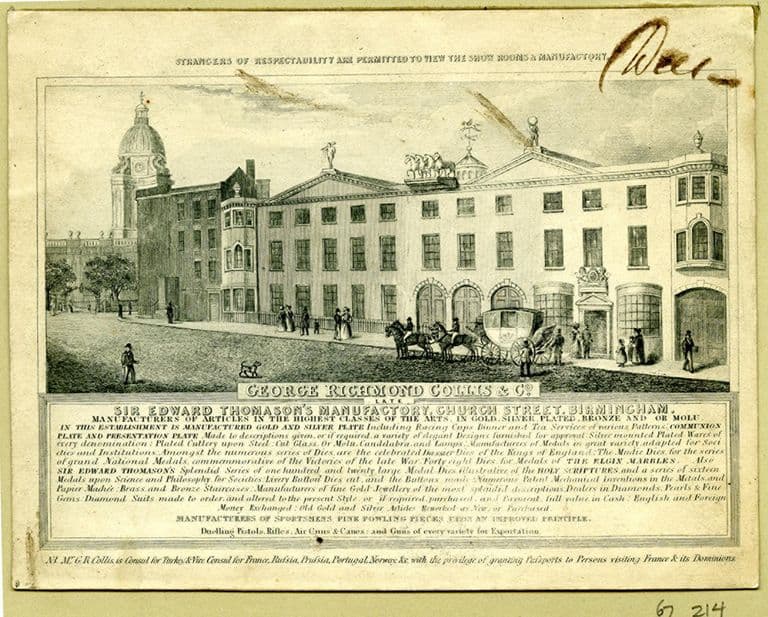
- Thomason’s Manufactory, Church Street — Lost · Directions to Thomason’s Manufactory, Church Street (opens Google Maps)
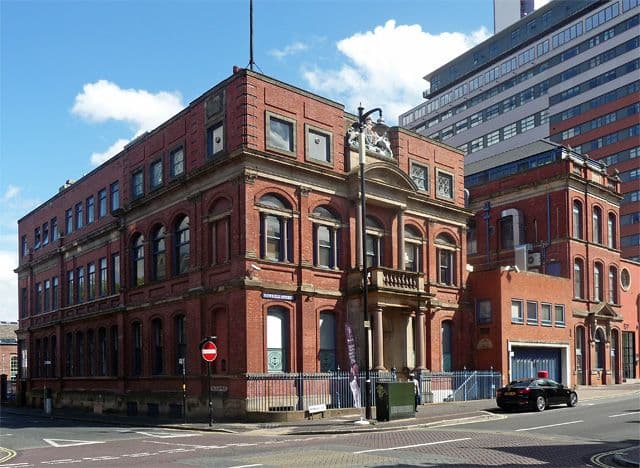
- The Jewellery Quarter — Surviving, Surviving but altered
Key dates
- May 1766 — Lady Shelburne watches John Taylor enamel a boxLord and Lady Shelburne tour Birmingham’s works. Taylor enamels a landscape on a box in front of them. Shelburne notes that a button passes through fifty hands, and that half the guns sent to Africa will burst.
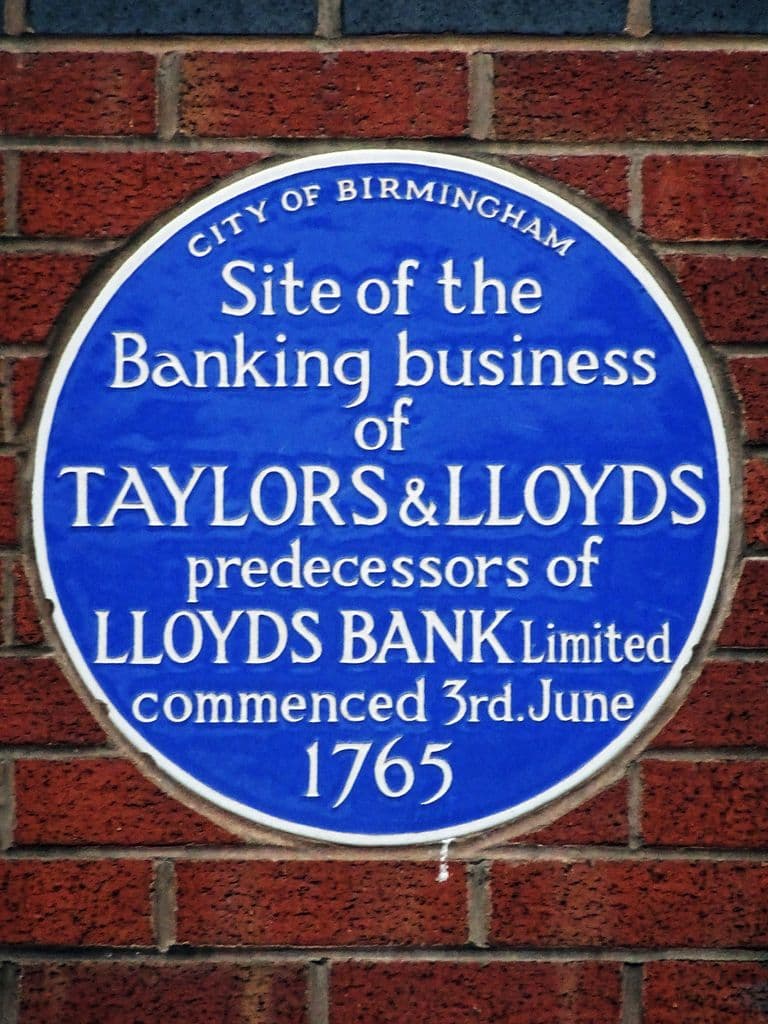
- 1775 — Death of John TaylorJohn Taylor, Birmingham’s great button and japanned-ware maker and co-founder of Taylors & Lloyds, dies leaving property worth about £200,000.
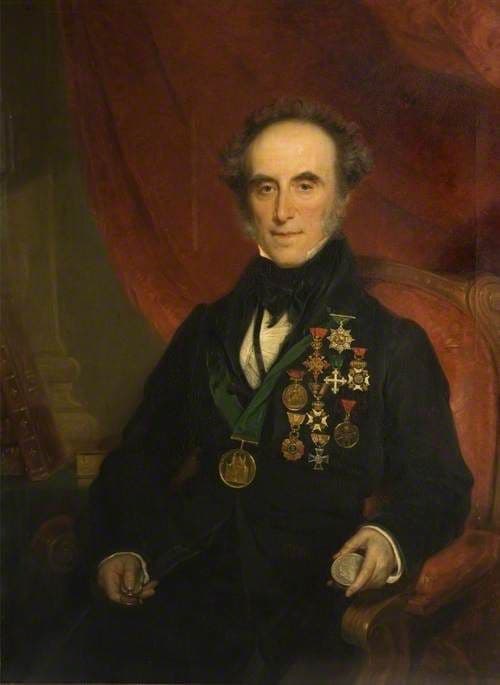
- 1793 — Thomason opens his Church Street manufactoryEdward Thomason, trained at Boulton’s Soho, takes over his father’s buildings at Colmore Row and Church Street and starts making gilt buttons. The works grows into a showpiece making medals, tokens, plate and bronzes.
Sources and further reading
- An History of Birmingham (2nd edition) — William Hutton, Pearson and Rollason, Birmingham (Project Gutenberg text), 1783. ‘The Button’; ‘Manufactures’
- Life of William, Earl of Shelburne, vol. 1 — Lord Edmond Fitzmaurice, Macmillan, London, 1875. vol. 1, p. 403
- Economic and Social History: Industry and Trade, 1500–1880, in A History of the County of Warwick, vol. 7, pp. 81–139 — W. B. Stephens (ed.), Victoria County History, 1964
- The Resources, Products, and Industrial History of Birmingham and the Midland Hardware District — Samuel Timmins (ed.), Robert Hardwicke, London, 1866. J. P. Turner, ‘The Birmingham Button Trade’
- Jewellery Quarter Conservation Area Character Appraisal and Management Plan — Birmingham City Council (Donald Insall Associates), 2002. section 3.2