
What was here?
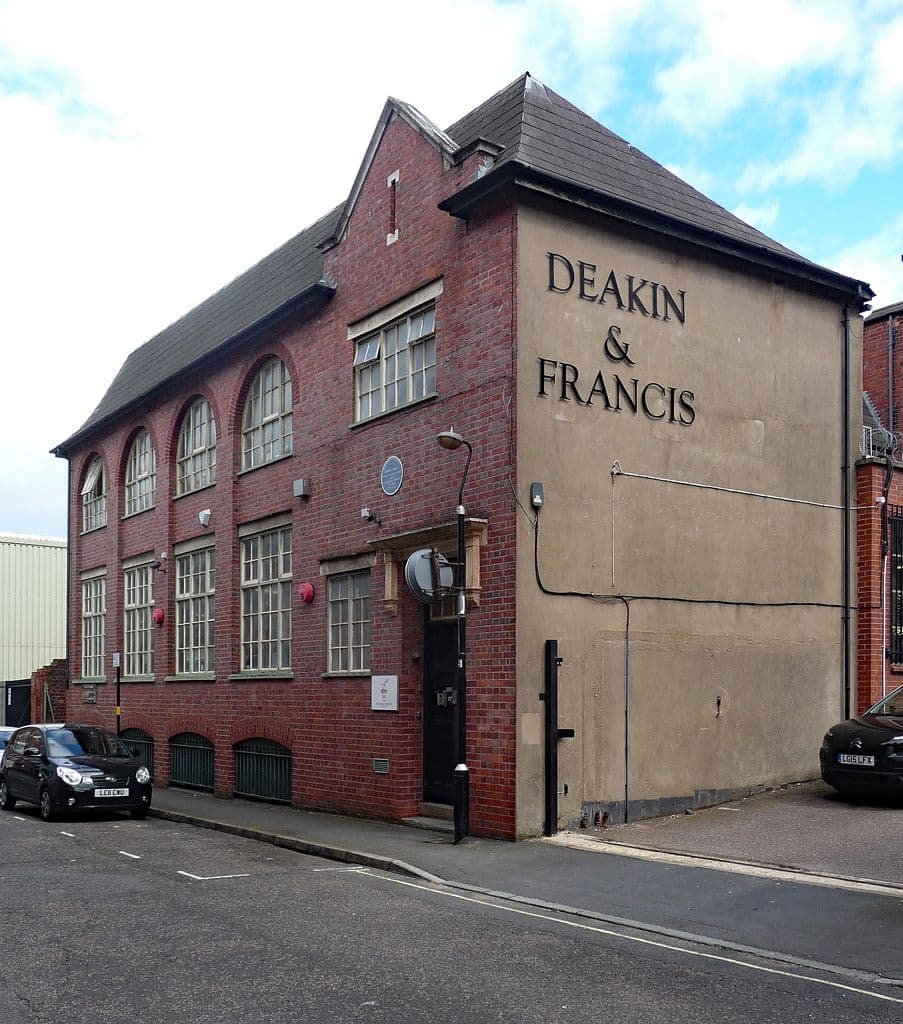
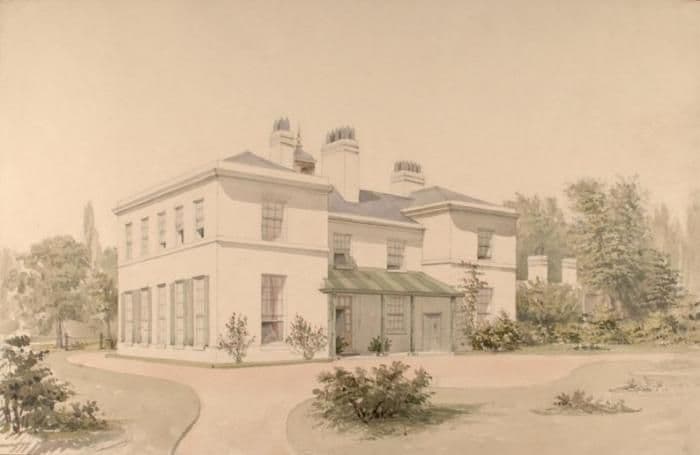
James Watt’s town house at Harper’s Hill, on the edge of Georgian Birmingham, where he lived from 1777 until June 1790. These were the years of the copying press, rotary motion and the double-acting engine. The house has been demolished. A two-storey brick range at 13A Regent Place may be its rear wing or stables.
History
A Scot in Birmingham
James Watt arrived in Birmingham from Scotland in 1774, and his experimental engine was brought to Soho the same year. The next year Parliament extended his patent and his partnership with Matthew Boulton began. Where Watt lived for his first three years in the town is not known. From 1777 he lived at Harper’s Hill, on the north-west side of the town, in the area that later became the Jewellery Quarter. Today the street is called Regent Place.
He stayed thirteen years, until June 1790, when he moved out to his new house, Heathfield, in Handsworth. Those thirteen years were the most inventive of his life.
The busiest years
At Harper’s Hill Watt was a working partner in a young firm selling engines to mines and mills, and the improvements came thick and fast. Revolutionary Players dates rotary motion to 1781 and the double-acting engine to 1782. The sun-and-planet gear, which turned the engine’s up-and-down beam into rotary motion, was patented in Watt’s name in 1781, though the Library of Birmingham credits the invention to William Murdoch.
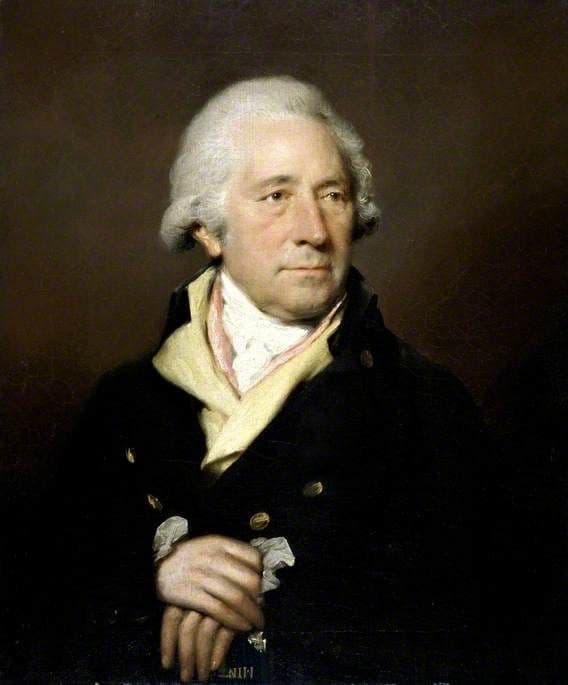
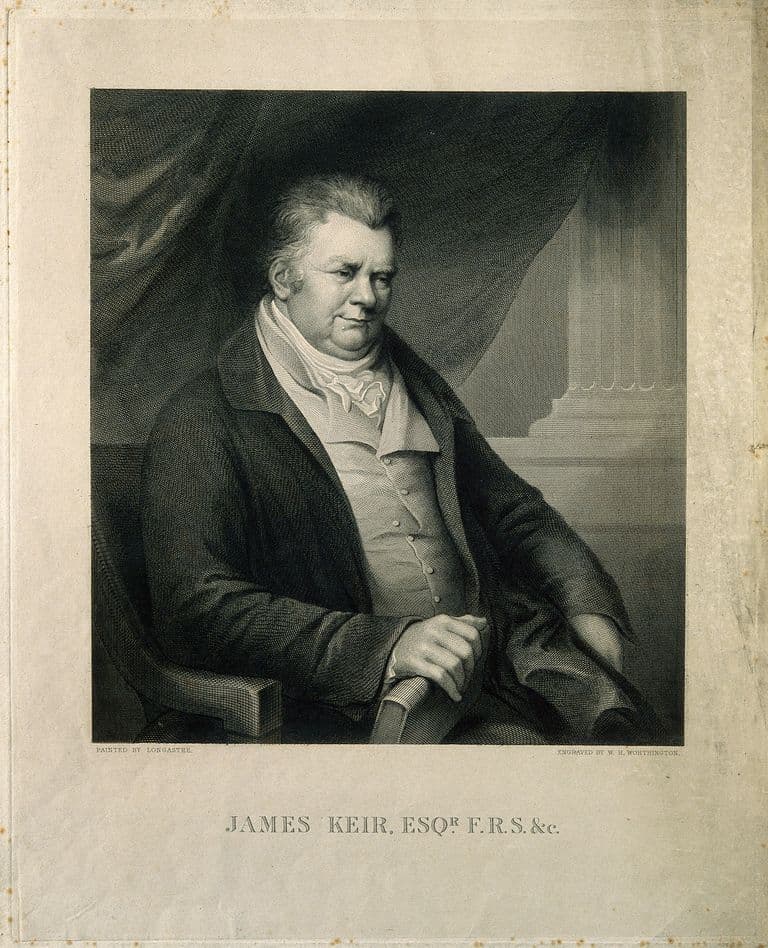
Watt’s mind ran beyond steam. On 24 July 1778 he told his friend Joseph Black that he had “lately discovered a method of copying [letters] instantaneously”. It became the letter-copying press. He took Boulton and James Keir as partners, and presses went on sale in 1780.
Letters to Harper’s Hill
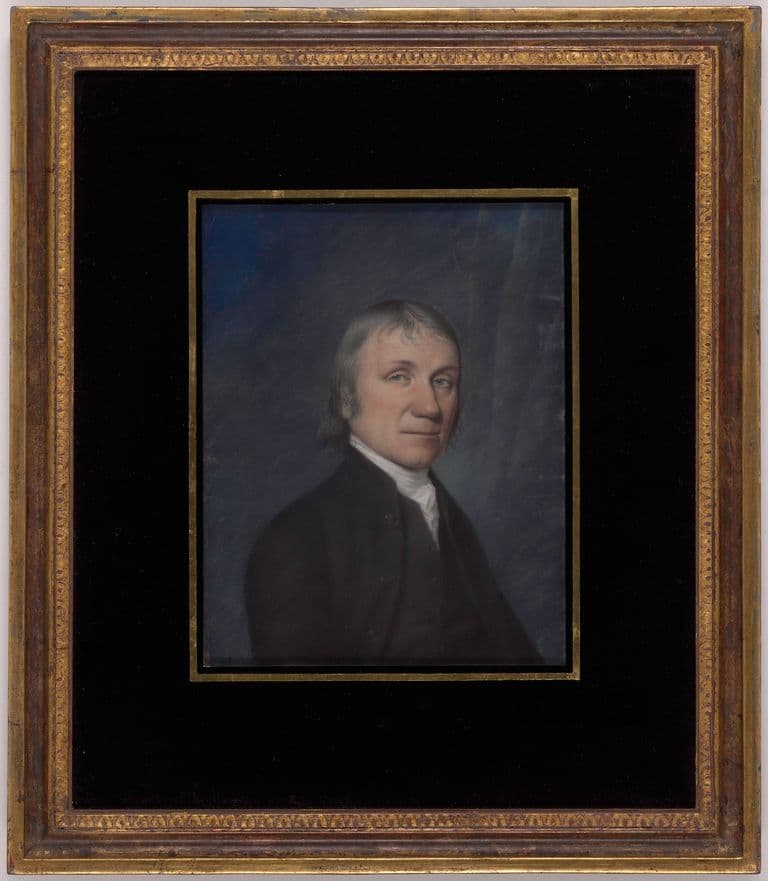
Harper’s Hill also put Watt in the middle of Birmingham’s scientific life. He was a full member of the Lunar Society, and in 1781 he wrote to Erasmus Darwin setting out the topics for the next meeting. Joseph Priestley’s letter of 29 April 1783, now in the Library of Birmingham, is addressed to Watt at Harper’s Hill. At that time both men were working on the question of what water is made of, a dispute that later tangled Watt up with Henry Cavendish and Antoine Lavoisier. In 1785 Watt was elected a Fellow of the Royal Society.
What is left
The same spot, then and now
1888–1913
Today
Old map: Ordnance Survey six-inch, reproduced with the permission of the National Library of Scotland (CC BY 4.0). Today: © OpenStreetMap contributors.
The house has gone. When it was demolished is not recorded in the sources we have checked. But something may survive. In 1981 Historic England listed a modest building at 13A Regent Place. Its list entry describes it as “Late C18 or early C19 origin. Rear wing or stabling perhaps of the now demolished Harpers Hill house where James Watt lived from 1777 to 1790”. It is a two-storey red brick range with workshop windows under the eaves. When it was listed, it held the works of C. Harris, described as the last sand caster in the Jewellery Quarter.
That word “perhaps” matters. The listing does not claim certainty, and nor should we. What is certain is that Watt lived on this street, and that the Jewellery Quarter grew up around the spot where he once lived on the edge of town.
The plaque
In 2003 Birmingham Civic Society put up a blue plaque on 15–17 Regent Place: “James Watt engineer, inventor and industrial pioneer lived here 1777–1790”. Crowd-sourced records sometimes place it on Regent Street, but photographs show it on Regent Place.
Walk down Regent Place today and you pass jewellers’ workshops, small manufacturers and converted factories. It is the right sort of neighbourhood for him. The street where Watt dreamt up the copying press is still a street where people make things.
What happened here?
James Watt lived here from 1777 to June 1790. In these years he developed rotary motion and the double-acting engine, invented the letter-copying press (1778–80), joined Lunar Society meetings and corresponded with Priestley, who wrote to him here in 1783.
Why it mattered
Harper’s Hill was Watt’s home through his most inventive years in Birmingham, when the steam engine became a practical source of power for industry. The listed range at 13A Regent Place may be the only surviving fabric connected with any of Watt’s Birmingham homes.
Why it disappeared
Redevelopment
The house was demolished; neither the date nor the reason is recorded in the sources checked. The street became part of the Jewellery Quarter’s dense workshops.
What’s there now
What replaced it
Jewellery Quarter workshops and commercial buildings on Regent Place.
What survives
Possibly the rear wing or stabling of the house, now 13A Regent Place (Grade II). A Birmingham Civic Society blue plaque (2003) on 15–17 Regent Place. Priestley’s 1783 letter to Watt at Harper’s Hill in the Library of Birmingham.
Today
Regent Place runs through the Jewellery Quarter between Vittoria Street and Frederick Street. Look for the blue plaque on 15–17 Regent Place, then for 13A, a two-storey red brick range listed as possibly part of Watt’s house. Both are working buildings, so view from the street.
Today
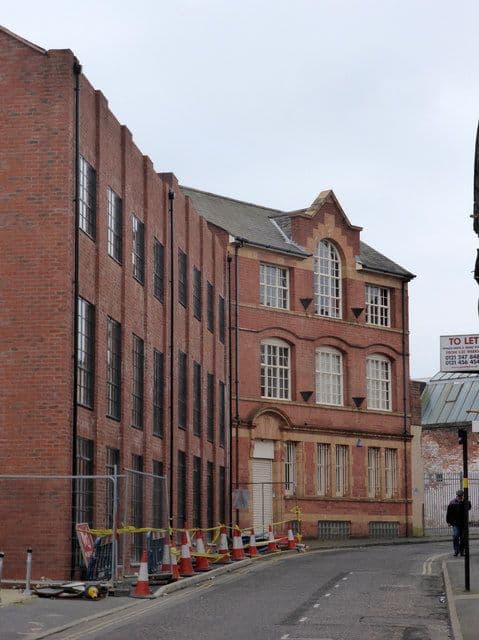
Regent Place, Jewellery Quarter, 14 March 2015Chris Allen, 14 March 2015. Geograph Britain and Ireland via Wikimedia Commons · CC BY-SA 2.0
Key dates
- June 1790 — Watt moves to HeathfieldJames and Ann Watt leave Harper’s Hill for Heathfield, their new house in Handsworth, where Watt sets up his garret workshop.
Sources and further reading
The 13A Regent Place list entry says the range is ‘perhaps’ the rear wing or stabling of Watt’s house; this is not certain. The house’s demolition date is unknown. Where Watt lived from 1774 to 1777 is not established. Open Plaques records the 2003 plaque as being on ‘Regent Street’, but photographs and the Birmingham Conservation Trust place it on Regent Place. The governor date (1786 per Revolutionary Players; usually 1788) is not used here. The description of C. Harris’s works dates from the 1981 listing and may no longer be current.
Birmingham City Council’s Jewellery Quarter conservation area appraisal (2002) dates Watt’s time at Harper’s Hill to 1775–1790; the Library of Birmingham’s Archives of Soho give 1777, which this page follows.
- 13A Regent Place — National Heritage List for England entry 1076194 — Historic England
- James Watt (1736 to 1819) — Archives of Soho — Library of Birmingham, Birmingham City Council. Ref. MS 3219/3/93
- The Lunar Society — Archives of Soho — Library of Birmingham, Birmingham City Council. Ref. MS 3782/13/53/87; MS 3219/4/86/7
- Copying press — Archives of Soho — Library of Birmingham, Birmingham City Council. Ref. MS 3219/4/127/6, /13; MS 3219/4/18/22; MS 3147/18/2
- Heathfield — Archives of Soho — Library of Birmingham, Birmingham City Council. Ref. MS 3219/4/127; MS 3219/4/235
- Steam engines — Archives of Soho — Library of Birmingham, Birmingham City Council. Ref. MS 3782/12/1/2
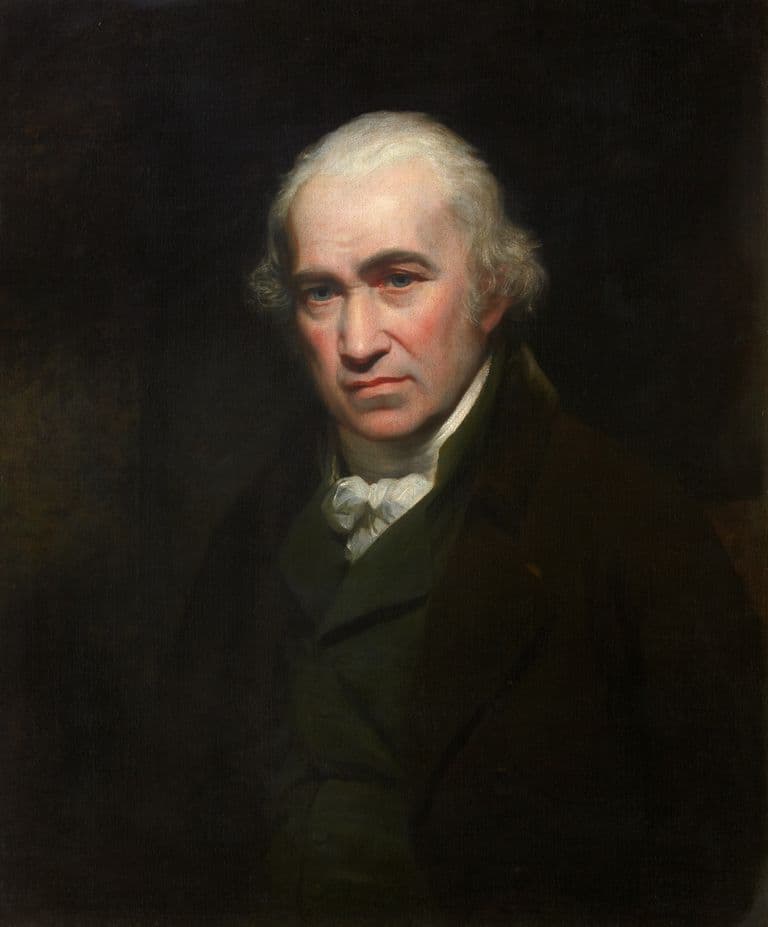
- A Portrait of James Watt — Revolutionary Players, History West Midlands
- Open Plaques #1084: James Watt, Regent Place (recorded as Regent Street) — Open Plaques
- Friday Photo – Deakin and Francis Building, the home of James Watt! — Birmingham Conservation Trust
Archive references: Library of Birmingham MS 3219/4/86/7 (Priestley to Watt at Harper's Hill, 29 April 1783); Library of Birmingham MS 3219/4/127/6 (Watt to Black, 24 July 1778)
Comments
Comments will load here.