
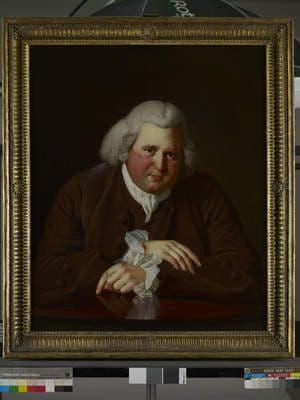
Erasmus Darwin never lived in Birmingham. Yet without him the town’s greatest scientific circle might never have formed, and Birmingham might never have got its foxglove doctor.
The doctor from Lichfield
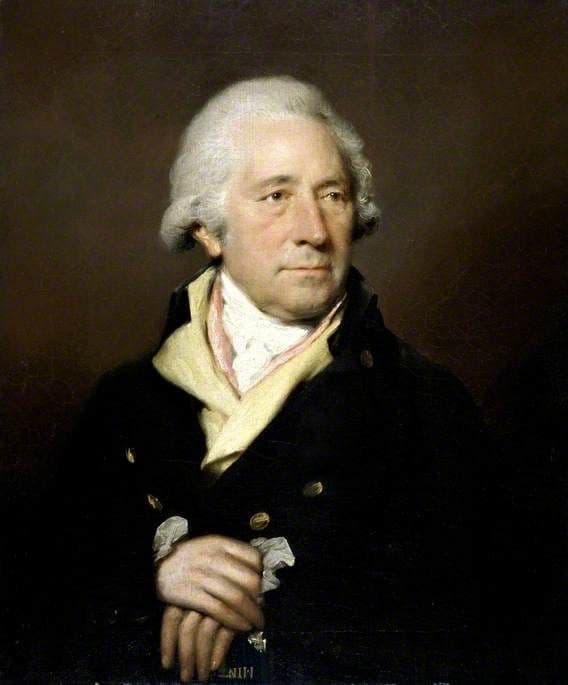
Darwin was a physician in Lichfield, about fifteen miles from Birmingham: a brilliant, restless man who wrote poetry as well as medicine and was elected a Fellow of the Royal Society in 1761. In the mid-1760s he became one of the circle of friends around Matthew Boulton and Dr William Small from which the Lunar Society grew. By the mid-1770s they were meeting regularly.
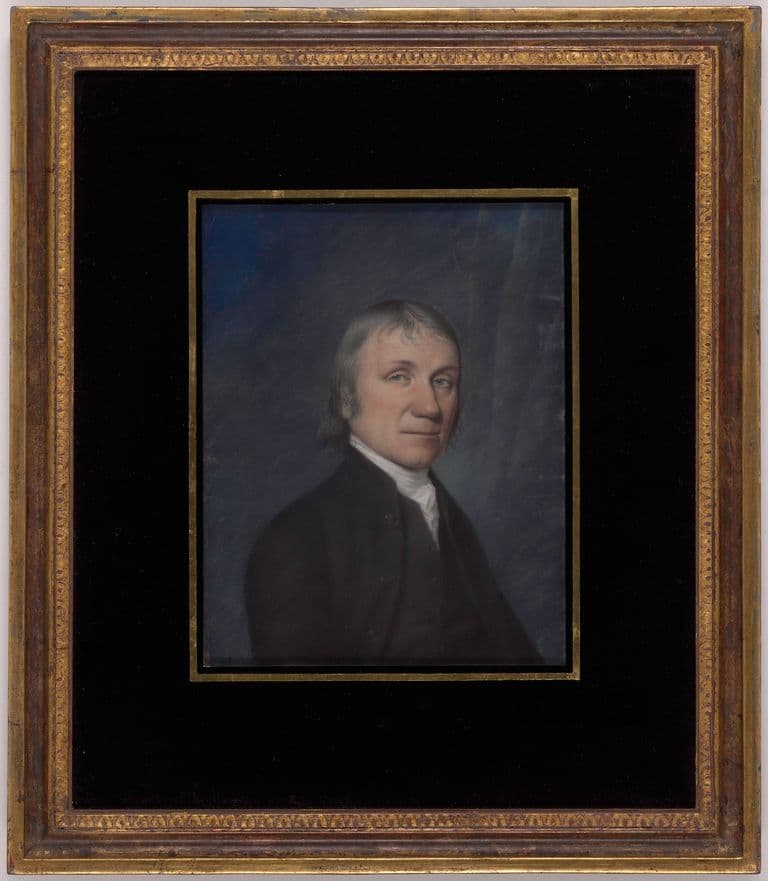
Joseph Priestley, writing in Birmingham in 1787, listed the friends who “dined together every month … near the full moon”. Among them was “Dr. Darwin, who soon left us by removing from Litchfield to Derby”. It is a contemporary snapshot: Darwin was there in Priestley’s time, then drifted away when he moved further off.
Sending Birmingham its foxglove doctor
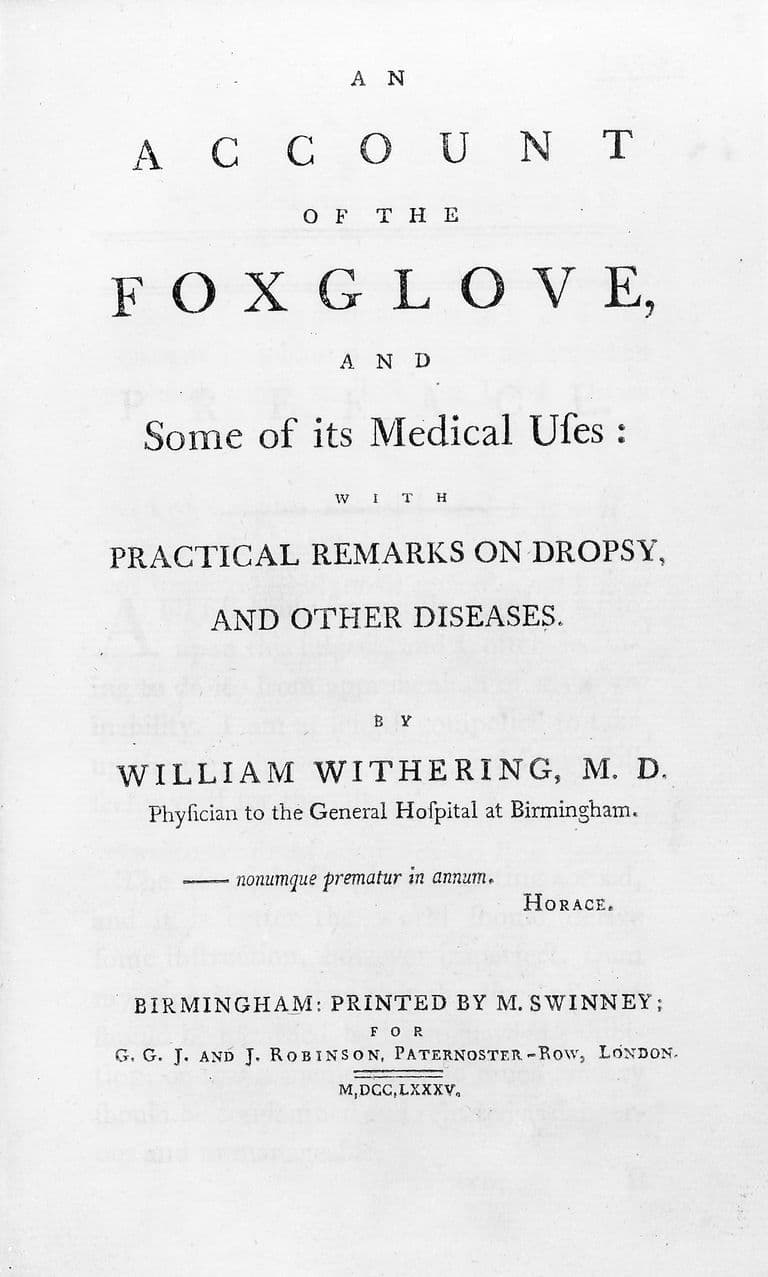
In 1775 Darwin wrote to a young physician in Stafford, William Withering, to tell him that a doctor’s post had fallen vacant in Birmingham. Withering moved to the town that year. Within a decade he had published An Account of the Foxglove, one of the landmarks of medicine.
So the introduction was Darwin’s. The friendship did not survive: the two men later fell out over the foxglove and who had pioneered it.
A family web
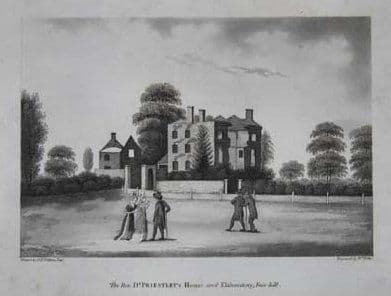
The Lunar friendships became family ties. Darwin’s daughter Violetta married Samuel Tertius Galton, son of the Birmingham gunmaker and Lunar man Samuel Galton junior. Their son, Francis Galton, was born in 1822 at The Larches in Sparkbrook, on the very estate where Priestley’s Fair Hill had burned.
In April 1789 he wrote to Wedgwood with a grim piece of news about Birmingham: “I have just heard that there are muzzles or gags made at Birmingham for the slaves in our islands.”
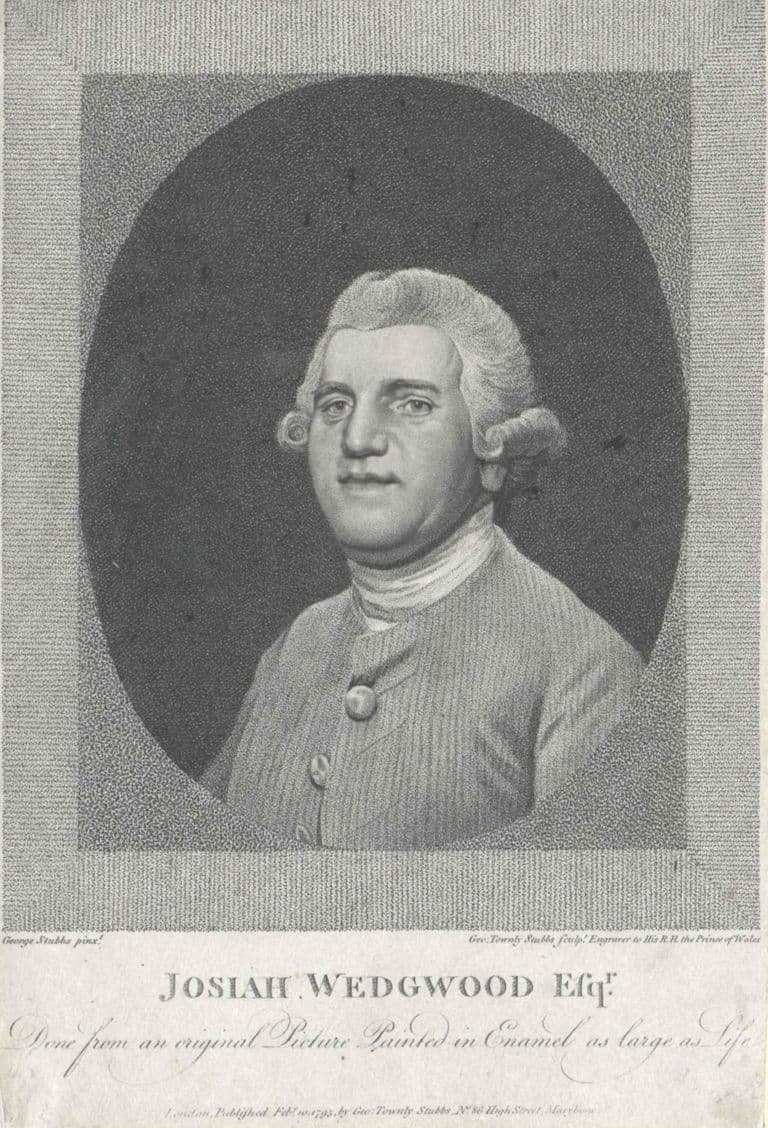
Darwin’s son Robert married Susannah, daughter of Josiah Wedgwood. Their son was Charles Darwin. Erasmus Darwin was grandfather to both Charles Darwin and Francis Galton.
Against the slave trade
Darwin was a committed opponent of slavery. His long poem The Botanic Garden (1789–91) includes an engraving of Wedgwood’s anti-slavery medallion and the lines “poor fetter’d SLAVE on bended knee / From Britain’s sons imploring to be free”.
In April 1789 he wrote to Wedgwood with a grim piece of news about Birmingham: “I have just heard that there are muzzles or gags made at Birmingham for the slaves in our islands.” He suggested that one could be shown in the House of Commons. It was hearsay, and it names no maker, but it shows what an informed friend of Birmingham’s manufacturers believed the town was capable of.
Why it mattered
Erasmus Darwin was a connector. He helped draw together the friends who became the Lunar Society, sent Withering to Birmingham, and through his children bound the Darwins, Galtons and Wedgwoods into one extraordinary family, a web of marriages that ran from Lichfield to Sparkbrook, with two of the most influential scientists of the nineteenth century among his grandsons.
He also turned his pen against slavery, and he looked hard at what Birmingham’s workshops might be making for it.
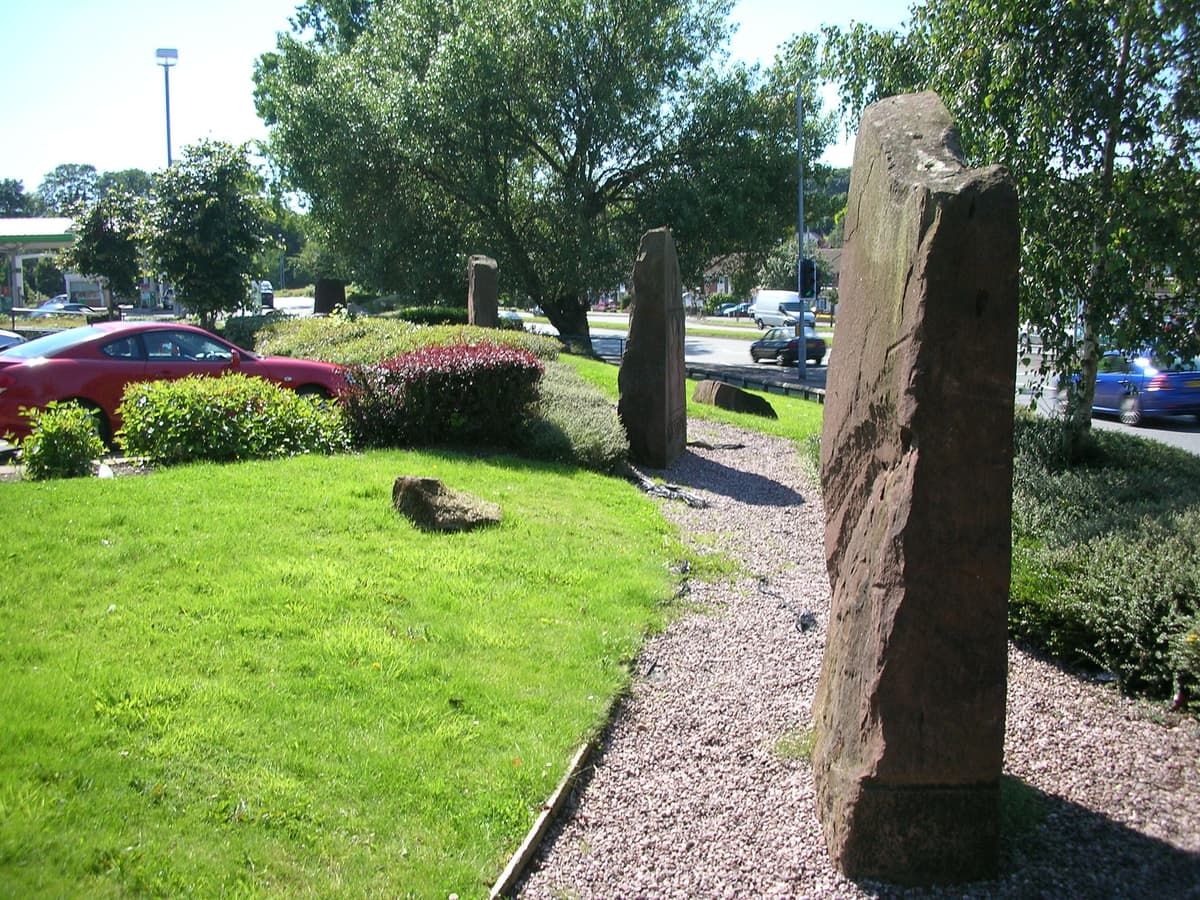
His house in Lichfield is now a museum. Closer to home, his Moonstone stands at Queslett, on the edge of Kingstanding, among the friends he helped bring together: proof that the Lunar Society’s reach ran far beyond the town where it dined.
On the map
5 places connected with Erasmus Darwin. Tap a number for directions — some sites are private homes or gardens, so each place’s page says what you can see from the street.

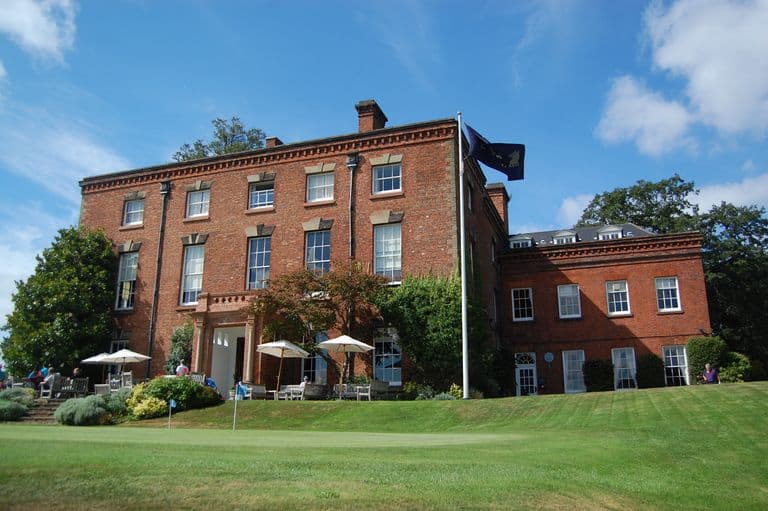
- Edgbaston Hall — Surviving · Directions to Edgbaston Hall (opens Google Maps)
- Fair Hill — Lost, Site redeveloped
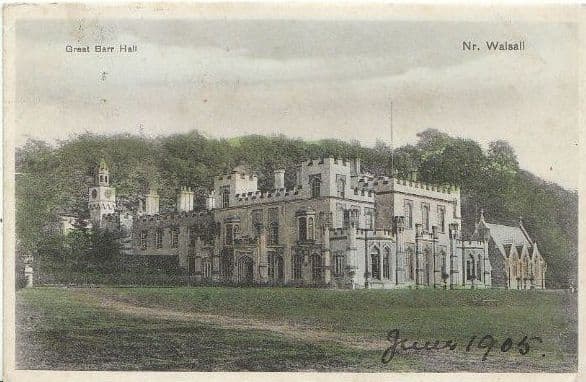
- Great Barr Hall — Partly surviving, At risk · Directions to Great Barr Hall (opens Google Maps)
- Watt’s house at Harper’s Hill (Regent Place) — Lost, Partly surviving · Directions to Watt’s house at Harper’s Hill (Regent Place) (opens Google Maps)
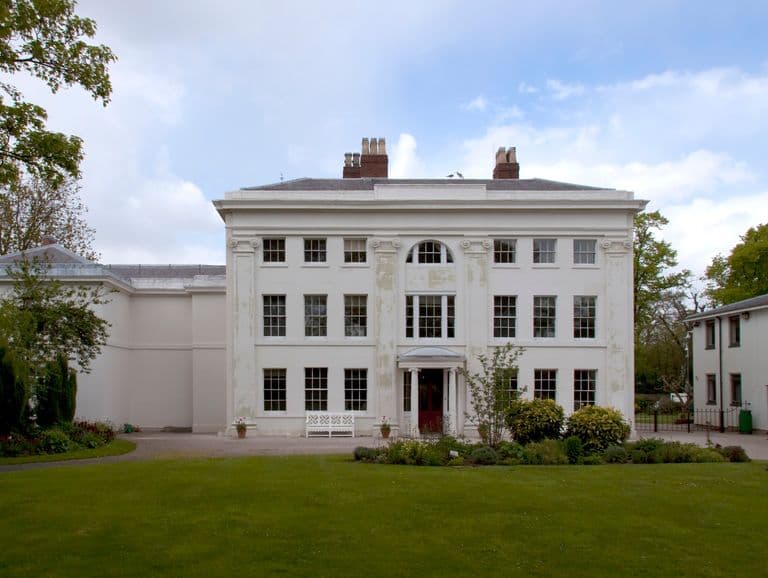
- Soho House — Surviving · Directions to Soho House (opens Google Maps)
Key dates
- c. mid-1760s — The Lunar circle takes shapeMatthew Boulton, Erasmus Darwin, William Small and their friends begin meeting, writing and experimenting together. Benjamin Franklin introduces Small to Boulton in 1765. There is no single founding date; the Library of Birmingham says the group existed “from the 1750s”.
- 1775 — The Lunar Society starts meeting by the full moonAfter Dr William Small dies in 1775, his friends decide to meet monthly on the Sunday nearest the full moon, so they have light to ride home by. They dine at two and talk until at least eight.
- 1775 — Withering comes to BirminghamTold of a vacancy by Erasmus Darwin, the physician William Withering moves from Stafford to Birmingham. The same year he is asked about a Shropshire family’s secret cure for dropsy, which leads him to the foxglove.
- 1998 — The Lunar Society Moonstones are madeSteve Field designs carved sandstone memorials to the Lunar men, including Priestley, Withering, Galton, Darwin and Wedgwood. They stand at Queslett, on the edge of Kingstanding.
Sources and further reading
Founding date of the Lunar Society: often given as 1765 or 1766. It is safer to say an informal circle formed in the mid-1760s and met regularly from about 1775.
The date of his move from Lichfield to Derby (1781 per Wikipedia) is not confirmed in the sources checked; Priestley confirms only that he moved.
The foxglove quarrel with Withering is reported, but its details (including a 1785 paper on foxglove and accusations made by his son Robert) rest on lead-only sources and are not used.
The 1789 letter about “muzzles or gags” is hearsay (“I have just heard”) and identifies no Birmingham maker. It is quoted via Revolutionary Players; the text should be checked in King-Hele’s Collected Letters of Erasmus Darwin.
- Erasmus Darwin — Science in the Making — The Royal Society. dates; FRS 1761; grandsons
- Remembering Dr Darwin — Erasmus Darwin House, Erasmus Darwin House, Lichfield, 2020. death at Breadsall Priory; burial at All Saints
- Memoirs of Dr. Joseph Priestley, to the year 1795, written by himself — Joseph Priestley, London, 1806. Lunar Society list
- William Withering — Library of Birmingham (The Iron Room blog), Library of Birmingham Archives & Collections, 2023. Darwin’s letter about the vacancy
- The Life, Letters and Labours of Francis Galton, vol. 1 — Karl Pearson, Cambridge University Press, 1914. Violetta Darwin; Francis Galton at The Larches
- Samuel Galton (1753–1832) — Science in the Making — The Royal Society. Ref. L&P/7/262
- Anti-slavery: Poetry, Images and Ideas — Revolutionary Players (Malcolm Dick and Kate Iles), History West Midlands. Botanic Garden; 1789 letter
- Erasmus Darwin and the Wedgwood Medallion — NYBG Plant Talk, New York Botanical Garden
- Matthew Boulton, William Murdock and James Watt: Appraisal for ‘Golden Boys’ Statue — Stephen Mullen, Birmingham Museums Trust, 2021. Lunar abolitionists
- Lunar Society of Birmingham — Wikipedia contributors, Wikipedia. origins (lead only)
Comments
Comments will load here.