
What was here?
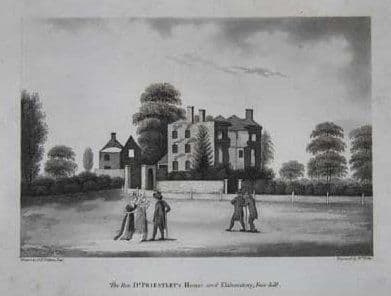
A house in open country south-east of Georgian Birmingham, home and laboratory of the chemist and minister Joseph Priestley from 1780. On the night of 14 July 1791 a mob ransacked and burnt it, destroying his books, papers and apparatus. The estate was rebuilt as The Larches. Terraced streets, and later 1960s houses, now cover the site between Priestley Road and Larches Street.
History
The happiest event
Joseph Priestley arrived in Birmingham in 1780 already famous. He had isolated “dephlogisticated air”, the gas we call oxygen, in 1774, and he had invented soda water. Those discoveries were made elsewhere. What Birmingham offered him was company.
He came, he said, because his brother-in-law, the ironmaster John Wilkinson, “wished to have us nearer to him” and “soon provided a house for me”. That house was Fair Hill, in Sparkbrook, then outside the town. Within a few months Priestley was minister at the New Meeting in Moor Street, on condition that he preached only on Sundays, leaving the rest of the week for writing and experiments. In his memoirs, written at Birmingham in 1787, he described his “settlement at Birmingham as the happiest event in my life”.
Science on subscription
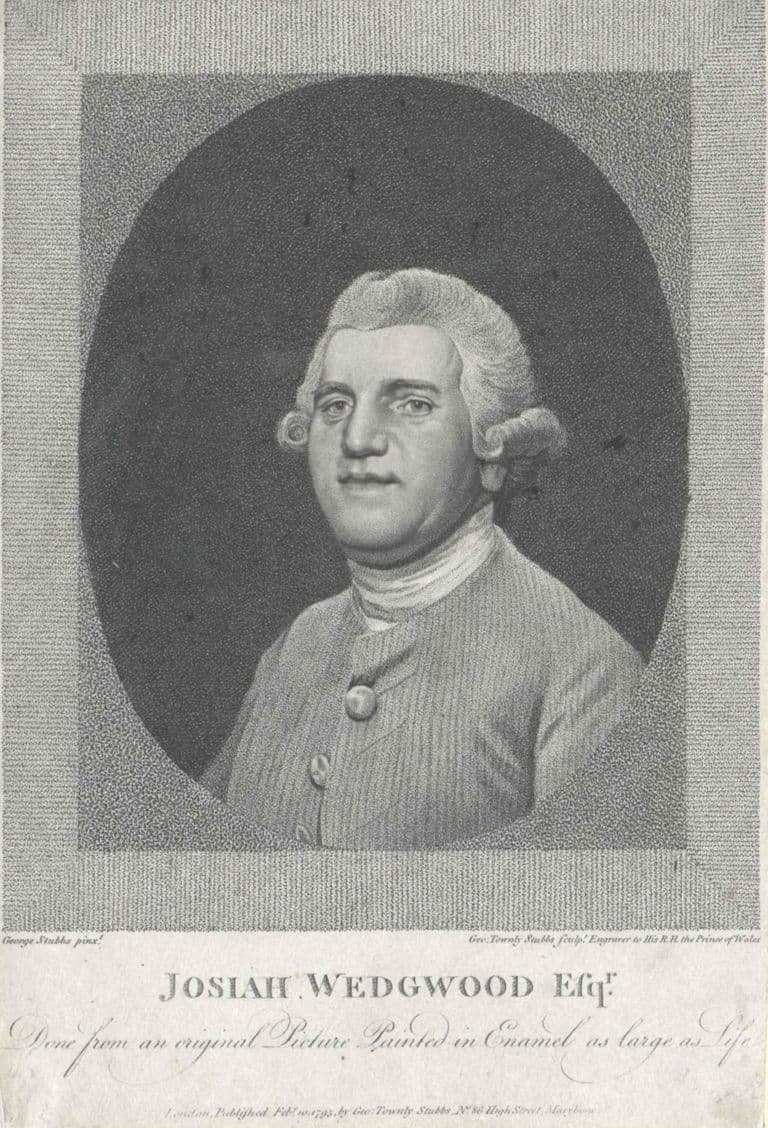
Fair Hill had a laboratory, and Priestley filled it. His New Meeting salary was modest, so his experiments were paid for by friends. He recorded that Samuel Galton and his son took up a subscription, and that Josiah Wedgwood “was very zealous to serve me, and urged me to accept of a much larger allowance than I chose”. He valued Birmingham for “the convenience of good workmen of every kind” and for friends “eminent for their knowledge of chemistry”.
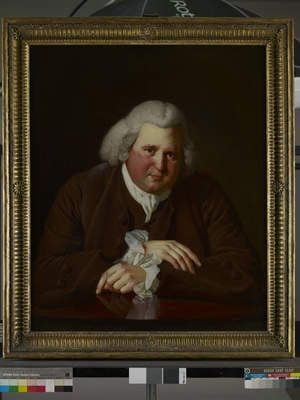
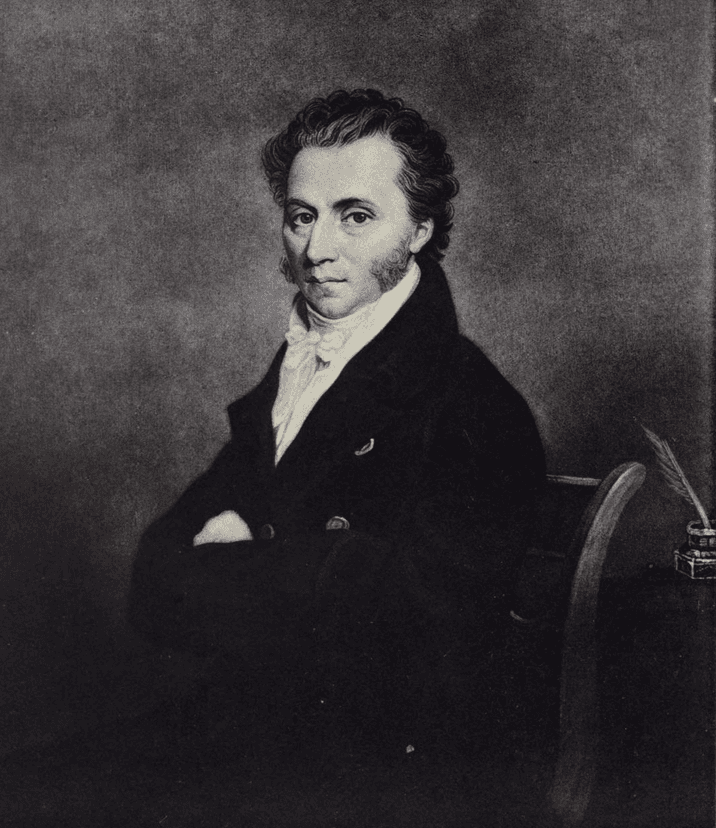
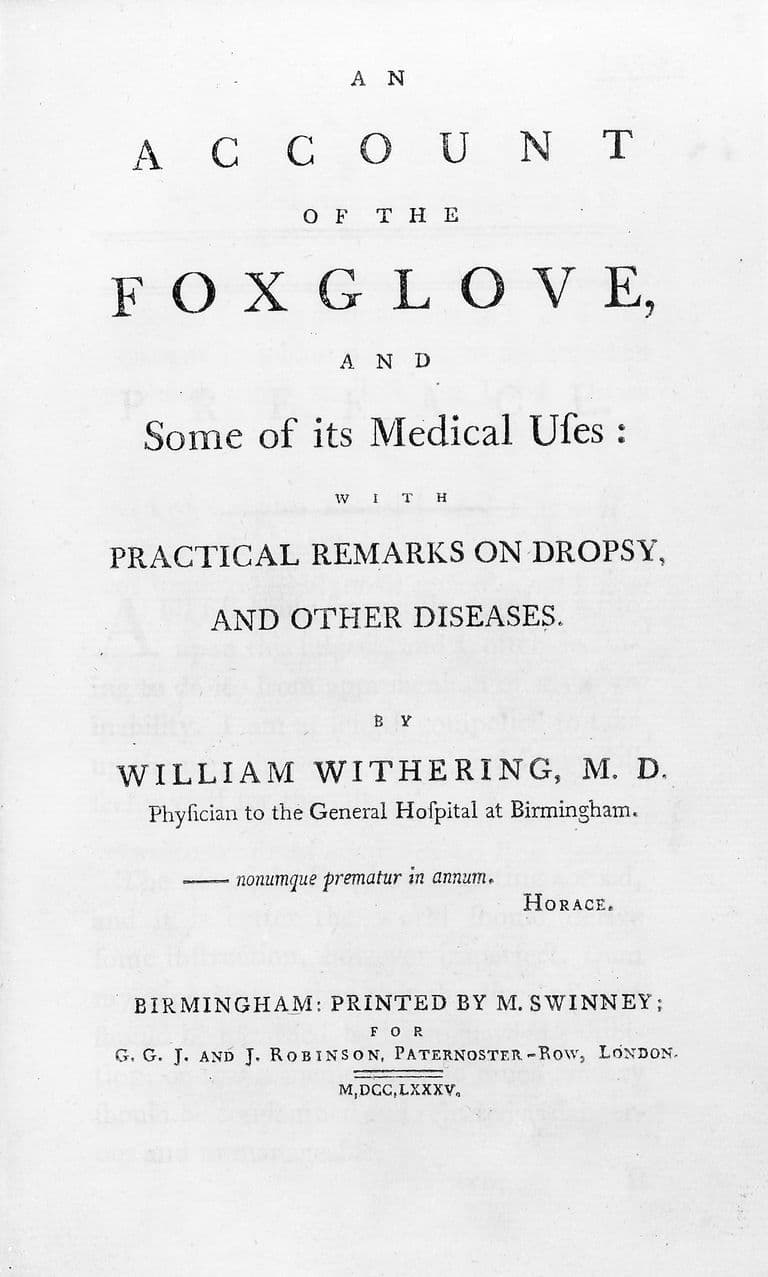
Those friends were the Lunar Society. Priestley named them: Watt, Keir, Withering, Boulton, Darwin, Galton and others, who “dined together every month”. The sources we have checked do not confirm that the Society met at Fair Hill, but its members certainly knew the house. Here Priestley went on with his work on “airs”, sent papers to the Royal Society, and defended the old theory of phlogiston against Lavoisier’s new chemistry. He also wrote a stream of theology, and backed reform. That made him a target.
14 July 1791
He recorded that Samuel Galton and his son took up a subscription, and that Josiah Wedgwood “was very zealous to serve me, and urged me to accept of a much larger allowance than I chose”.
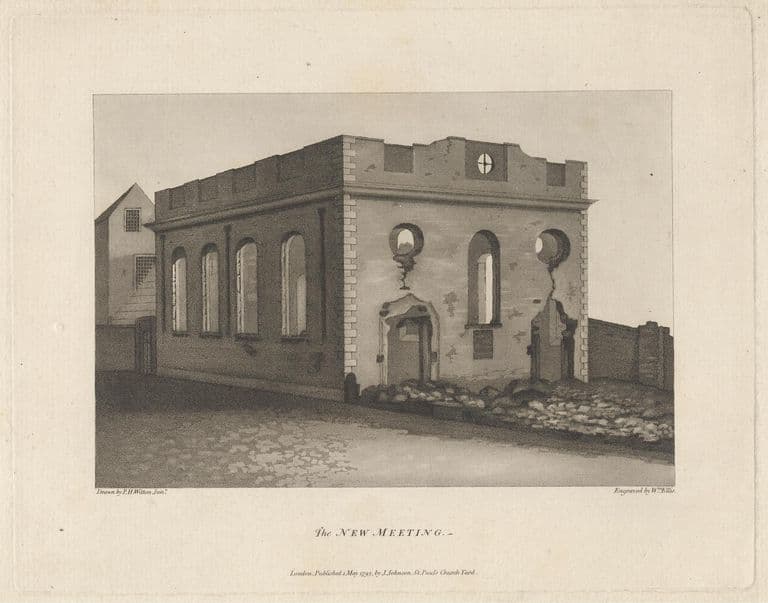
On 14 July 1791 a dinner was held at a hotel in Temple Row to celebrate the second anniversary of the fall of the Bastille. Priestley did not go. A crowd gathered outside, attacked the departing guests, then burned the New Meeting and the Old Meeting. Then it headed out to Sparkbrook.
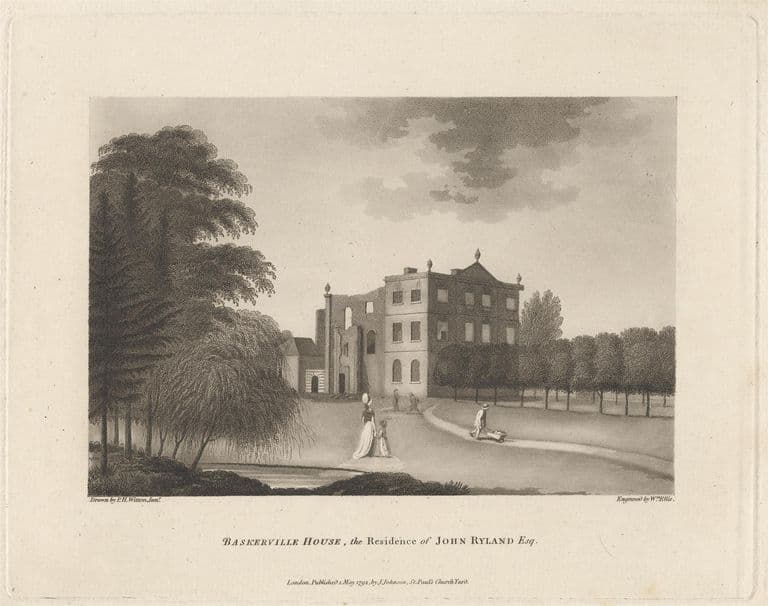
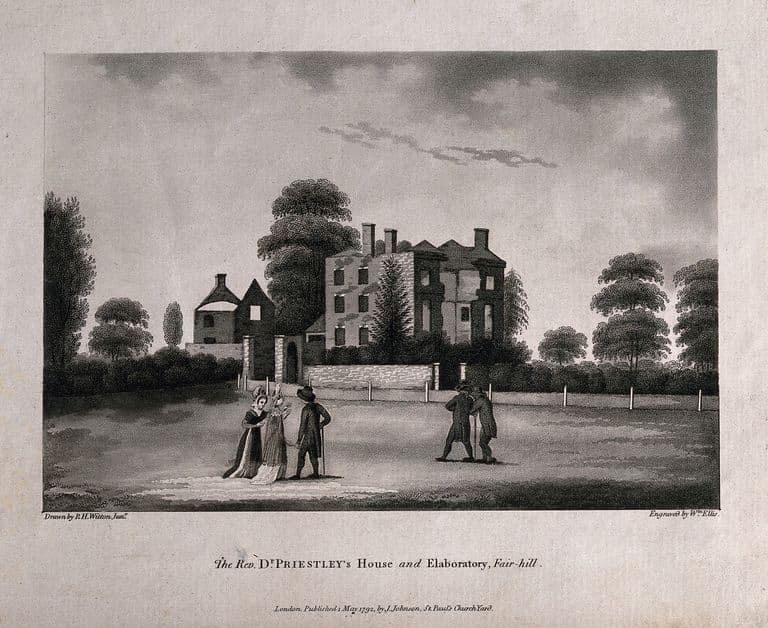
Priestley and his wife Mary escaped. His son William and others stayed behind but could not stop the house and laboratory being ransacked and burnt that evening. His books, papers and scientific apparatus were destroyed. An eyewitness letter quoted by Revolutionary Players describes the road “for half a mile ... strewn with your books” and the floor “covered, two or three inches deep with torn leaves, chiefly manuscript”.
The rioting spread for days, to Easy Hill, Edgbaston Hall and the homes of other Dissenters, until troops restored order. Priestley went to London and never returned to Birmingham. In 1794 he emigrated to Pennsylvania, where he died in 1804.
The Larches
The estate did not stay empty. According to the Galton family papers used by Karl Pearson in 1914, after the riots “nothing was left but one room and the laboratory over the stables”. The house was rebuilt and renamed The Larches. In 1799 William Withering, Priestley’s Lunar colleague, bought it. He moved in on 28 September 1799 and died there on 6 October.
The Larches later became a Galton home. Francis Galton, Samuel Galton’s grandson and Erasmus Darwin’s grandson, was born there on 16 February 1822. Three Lunar families, one patch of ground.
The Larches was demolished around 1871. Terraced streets were laid out over the estate, and they were already built when the Ordnance Survey mapped the area in 1888–1913. Priestley Road and Larches Street keep the names, and, according to local historian William Dargue, Erasmus Road follows the line of the old drive. The area was rebuilt again in the 1960s. A stone tablet is reported on the side of No. 10 Priestley Road.
The mob burnt Priestley’s papers, but not his ideas. They outlived the riot, the house and the town that drove him out.
What happened here?
Priestley lived and experimented here from 1780 to 1791, funded by Lunar friends. Rioters ransacked and burnt the house and laboratory on 14 July 1791. Rebuilt as The Larches, it was bought by William Withering, who died here in 1799, and later became the Galton family home where Francis Galton was born in 1822. It was demolished around 1871.
Why it mattered
Fair Hill was the laboratory of one of the great chemists of the 18th century during his Birmingham decade. Its destruction in 1791 is the defining moment of the Priestley Riots, when a Birmingham mob turned on the town’s Dissenters and drove Priestley out for good.
Why it disappeared
Riot · Redevelopment
On the evening of 14 July 1791 rioters ransacked and set fire to the house, destroying Priestley’s books, papers and apparatus (Revolutionary Players). The rebuilt house, The Larches, was demolished around 1871 (Dargue) and the estate was built over with terraced streets, rebuilt again in the 1960s.
What’s there now
What replaced it
The Larches (rebuilt after 1791; demolished c.1871), then 19th-century terraced streets, rebuilt in the 1960s.
What survives
Nothing of the house. The street names Priestley Road and Larches Street; a reported stone tablet on 10 Priestley Road; prints of the ruined house made in 1791–92.
Today
Go to Priestley Road in Sparkbrook, B11, west of the Stratford Road. The house stood somewhere in the block between Priestley Road and Larches Street. Look for the stone tablet reported on the side of No. 10 Priestley Road. These are private homes.
Key dates
- 1780 — Priestley settles at Fair HillJoseph Priestley moves to Fair Hill, Sparkbrook, in a house provided through his brother-in-law John Wilkinson. Within months he becomes minister of the New Meeting.
- 14 July 1791 — The Bastille dinner; the New Meeting and Fair Hill are burnedA dinner at the Royal Hotel marks the fall of the Bastille. A crowd attacks the guests, burns the New Meeting and Old Meeting, then ransacks and burns Priestley’s house and laboratory at Fair Hill. Priestley escapes.
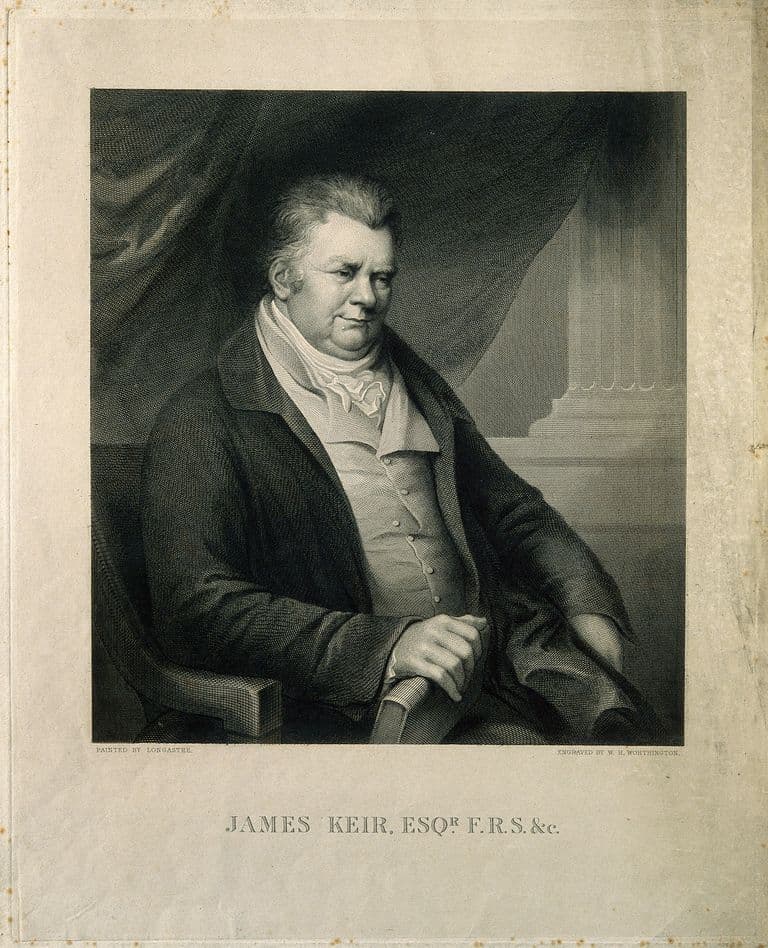
- 14 July 1791 — Keir chairs the Bastille dinnerJames Keir chairs a Birmingham dinner celebrating the French Revolution. It sets off the Priestley Riots of 14–17 July 1791.
- 6 October 1799 — Withering dies at The LarchesWilliam Withering dies at The Larches, Sparkbrook, the house rebuilt on the site of Priestley’s Fair Hill, eight days after moving in. He is buried at Edgbaston Old Church.
- c. 1871 — The Larches (rebuilt Fair Hill) demolishedThe Larches, rebuilt on Priestley’s Fair Hill estate and later home of William Withering and the Galtons, was demolished and the estate built over.
Sources and further reading
Whether the Lunar Society met at Fair Hill is not confirmed. The relationship between Fair Hill and The Larches is supported by Pearson (1914, from Galton family papers), the Library of Birmingham and Dargue, who all treat The Larches as the same estate rebuilt; the 1885 DNB wrongly implies Withering bought the house unchanged. The c.1871 demolition date and the Erasmus Road drive come from Dargue only. The plaque at 10 Priestley Road and its wording have not been checked on site. The hotel where the 1791 dinner took place is usually named as the Royal Hotel, Temple Row, but this is unverified.
- Memoirs of Dr. Joseph Priestley, to the year 1795, written by himself — Joseph Priestley, London, 1806
- The Priestley Riots and their Aftermath — Revolutionary Players (Malcolm Dick and Kate Iles), History West Midlands
- The Birmingham Riots of 1791 — Cadbury Research Library, University of Birmingham
- The Life, Letters and Labours of Francis Galton, vol. 1 — Karl Pearson, Cambridge University Press, 1914. vol. 1, ch. 2, pp.49–52
- William Withering — Library of Birmingham (The Iron Room blog), Library of Birmingham Archives & Collections, 2023
- William Withering — Science in the Making — The Royal Society. Ref. L&P/7/251
- A History of Birmingham Places & Placenames: Sparkbrook; Larches Green — William Dargue
- Ordnance Survey six-inch map, second edition (1888–1913), georeferenced — National Library of Scotland
Comments
Comments will load here.