
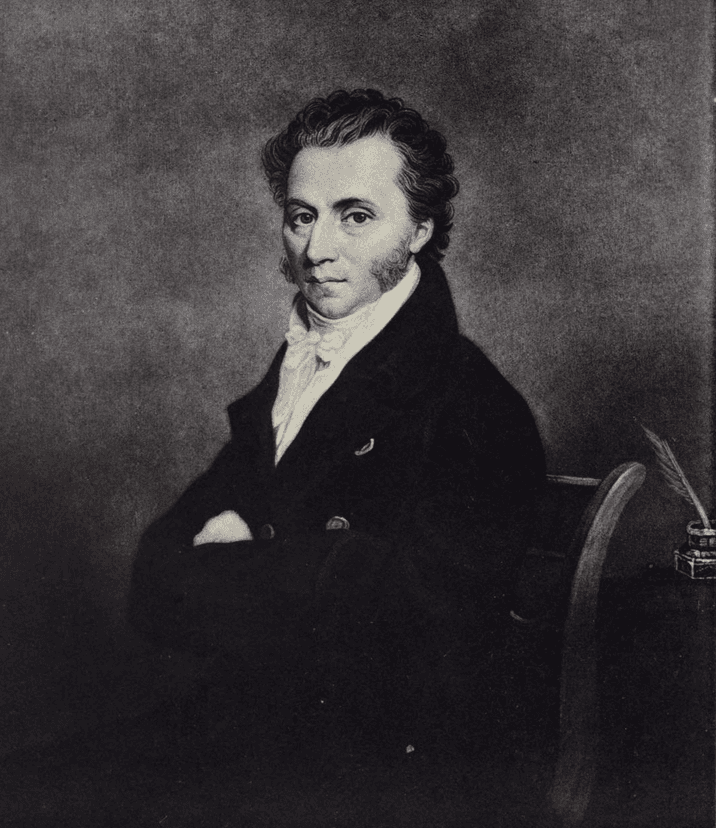
At six o’clock on the morning of 16 May 1832 an express brought the news to Birmingham that Earl Grey had been recalled to office. The Reform Bill was saved. A party of Political Union men set off at once for Harborne, four miles out of town, to fetch the man they credited with the victory. The Birmingham Journal described what happened next. Crowds marched out to meet him, and “by eleven o’clock all the roads leading from that village to Birmingham were completely choked with the population of Birmingham and its vicinity”.
The man they came for was Thomas Attwood: a banker, a lifelong Tory by upbringing, and for a few weeks in 1832 the most powerful private citizen in England.
A banker’s son
Attwood was born on 6 October 1783 at Hawne House, near Halesowen. His father, Matthias Attwood, was a steel and nail manufacturer who in 1791 set up a bank with Isaac Spooner. Thomas was educated at the grammar schools of Halesowen and Wolverhampton and, at about seventeen, went into his father’s bank in New Street, Birmingham. In 1806 he married Elizabeth Carless at Harborne and set up home at The Larches in Sparkbrook. In 1811 they moved to The Crescent, a terrace planned on the model of the Crescent at Bath and then outside the town, and in October that year he was elected High Bailiff of Birmingham.
His first campaign was for trade. In 1812 the Orders in Council restricted British trade with the Continent and the United States, and Birmingham’s merchants saw them as a matter of life or death. Attwood went to London to put the town’s case, armed with a petition carrying 16,000 signatures. The Warwickshire MPs were unresponsive. The Orders were partly withdrawn that June, and the next year the artisans of Birmingham gave Attwood a silver cup. He learned a lesson he never forgot: Birmingham, with no MP of its own, could be ignored.
The paper-money man
In May 1833 he called his people back to the hill: “Hearts of lions, but with the gentleness of lambs, meet me again at Newhall Hill.”
The great idea of his life was money. After the French wars the government cut back paper money and prepared to return to gold. Attwood thought that was madness. In his pamphlets from 1816 onwards he argued that more money in circulation would mean more trade, more work and higher wages. In an open letter to the Chancellor, Nicholas Vansittart, he insisted that “the issue of money will create markets”.
He lost. In 1819 Parliament voted to bring back gold, and Attwood’s patience with the men who ran the country ran out. “In truth,” he told a Birmingham meeting in 1820, “there is not much reason to expect anything but error and crime from the aristocratic canaille which governs England.” When the Duke of Wellington’s government brushed aside a Birmingham currency petition signed by 40,000 people in 1829, the Tory banker decided that the only cure was reform of Parliament itself.
The Union
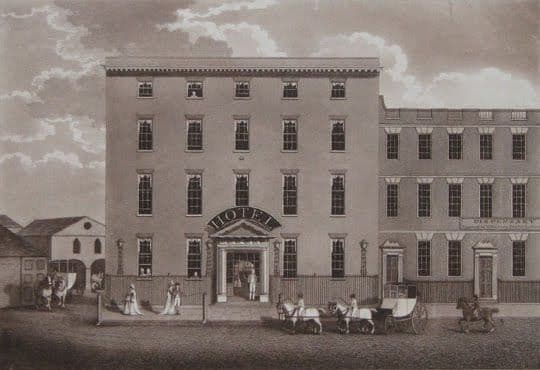
In December 1829 Attwood and fifteen others met at the Royal Hotel to plan “a general political union between the lower and middle classes of the people”. The Birmingham Political Union was launched in January 1830 at a meeting at Beardsworth’s Repository, a horse and carriage market near the Bull Ring, which is said to have drawn 15,000 people. Its watchword was “Peace, Law, and Order”. A Roman Catholic priest sat on its council and a Unitarian minister preached at its meetings. Unions on the Birmingham model sprang up across the country.
When the Reform Bill reached the House of Lords in October 1831, Attwood took the Union out of doors, to Newhall Hill, an old sandpit on the north side of the town that made a natural amphitheatre. On 3 October more than 100,000 people are said to have gathered there, 20,000 of them from the Black Country. Lord John Russell sent back a famous reply: “It is impossible that the whisper of a faction should prevail against the voice of a nation.”
The Days of May
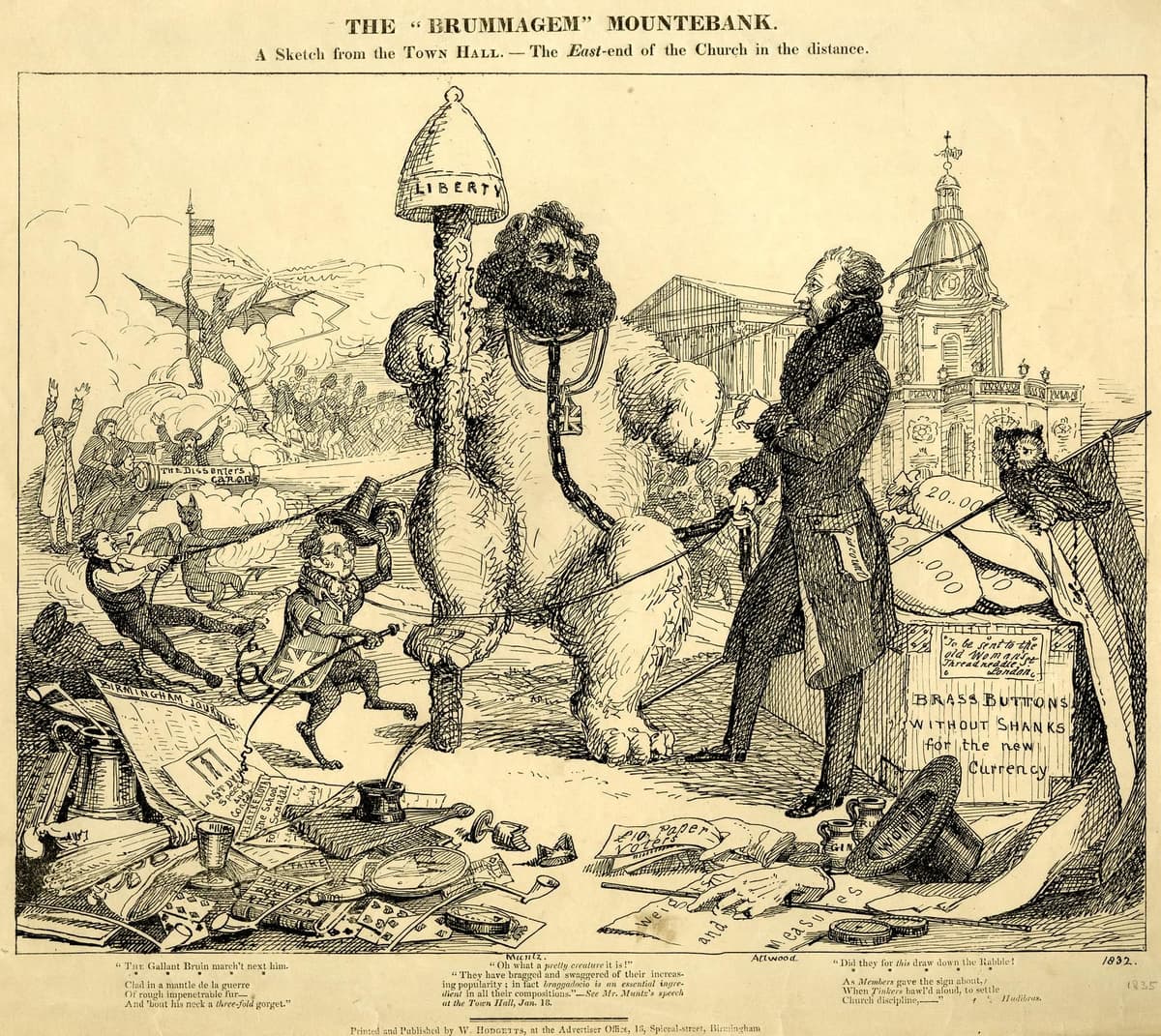
The Lords threw the Bill out. In May 1832 Grey’s government was defeated there again and resigned. Birmingham answered with a great “Gathering of the Unions” on Newhall Hill, claimed at 200,000 strong, a contemporary figure the Victoria County History calls “probably much exaggerated”. At one meeting the banners were draped in black. There was talk of refusing taxes, of marching a million men to Hampstead Heath, and of a rising led from Birmingham. In the town’s barracks the Scots Greys were kept “daily and nightly saddled, with ball cartridge ready for use”. Attwood’s gift was to hold all of that anger inside the law.
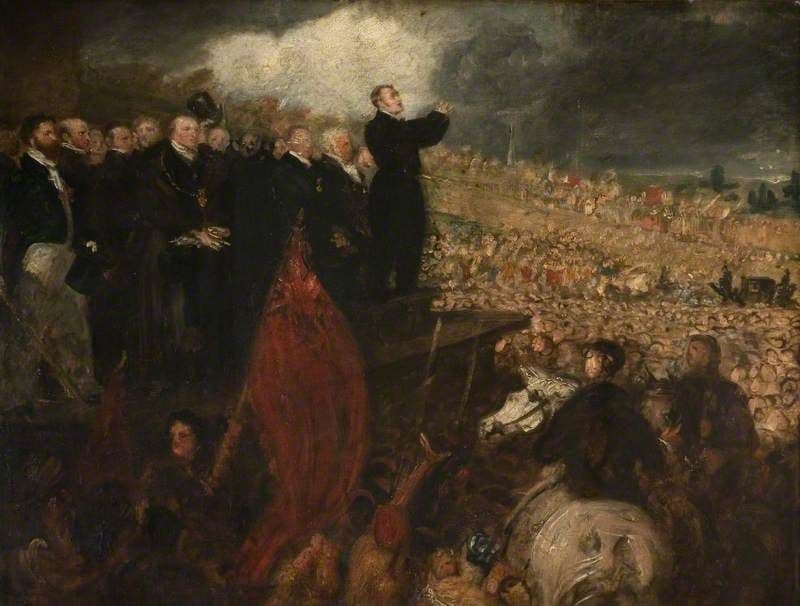
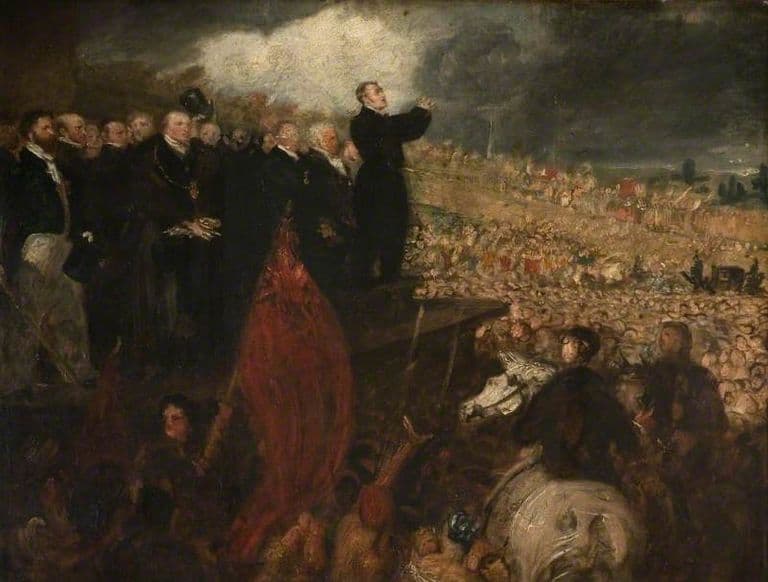
Then Grey came back. On 16 May the Union met once more on Newhall Hill in triumph, a scene the painter Benjamin Robert Haydon recorded in oils. Attwood was given the freedom of the City of London, and William Cobbett called him “King Tom”. The Reform Act received the royal assent on 7 June 1832. On 12 December Attwood and Joshua Scholefield were returned unopposed as the first two Members of Parliament for Birmingham.
Member for Birmingham
Westminster did not suit him. The Commons tired of his speeches on currency. In May 1833 he called his people back to the hill: “Hearts of lions, but with the gentleness of lambs, meet me again at Newhall Hill.” By 1838 he had moved further, to the six points of the People’s Charter. The National Petition was adopted at a huge meeting at Holloway Head on 6 August 1838, and on 14 June 1839 Attwood presented it to the House of Commons with 1,280,000 signatures. Hansard reported that he “washed his hands of any idea, of any appeal to physical force”. On 12 July the House refused to take it into consideration, by 235 votes to 46.
That July the Bull Ring erupted in riots after London police were sent in to break up Chartist meetings. The movement had passed Attwood by. In December 1839 he published a farewell address to his constituents and retired from Parliament.
Last years
He spent two years in Jersey for his health, failed to launch a new national union in 1843, and later lived at Allesley, near Coventry. He died at Ellerslie, a doctor’s house in Great Malvern, on 6 March 1856, and was buried in the churchyard at Hanley, near Upton-on-Severn. His grandson wrote that he died in “almost Spartan poverty”: his old house in The Crescent fetched only about £800.
Why it mattered
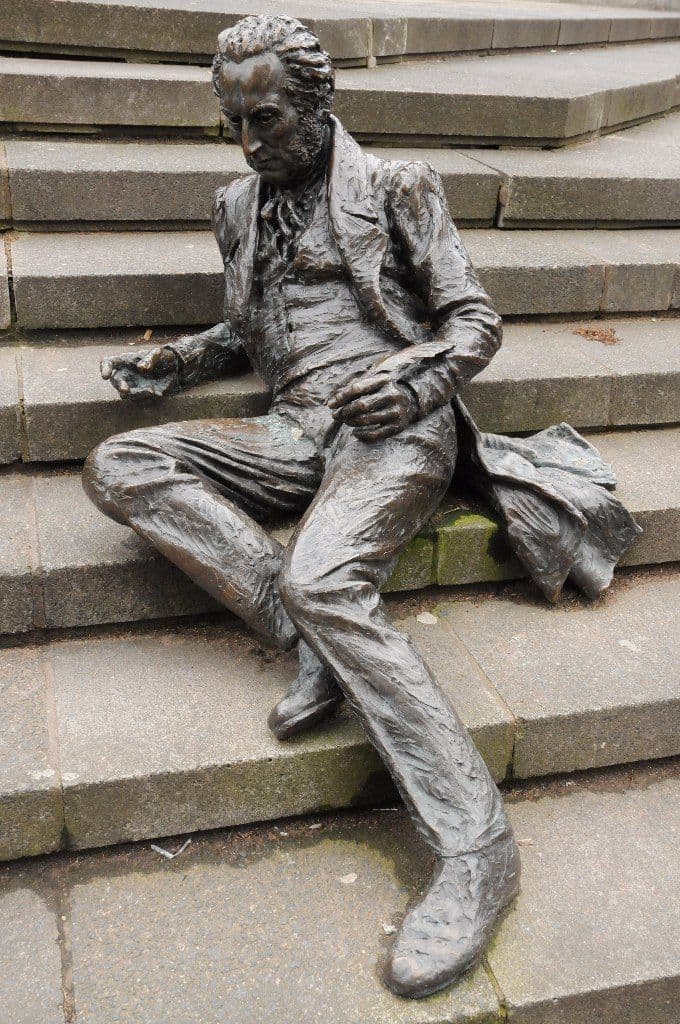
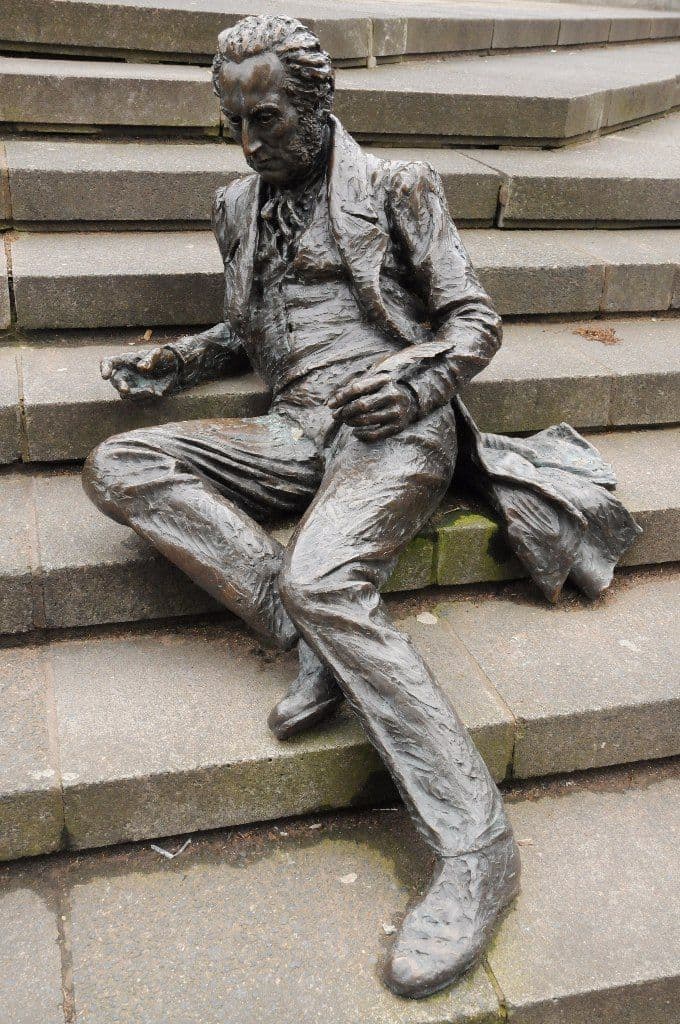
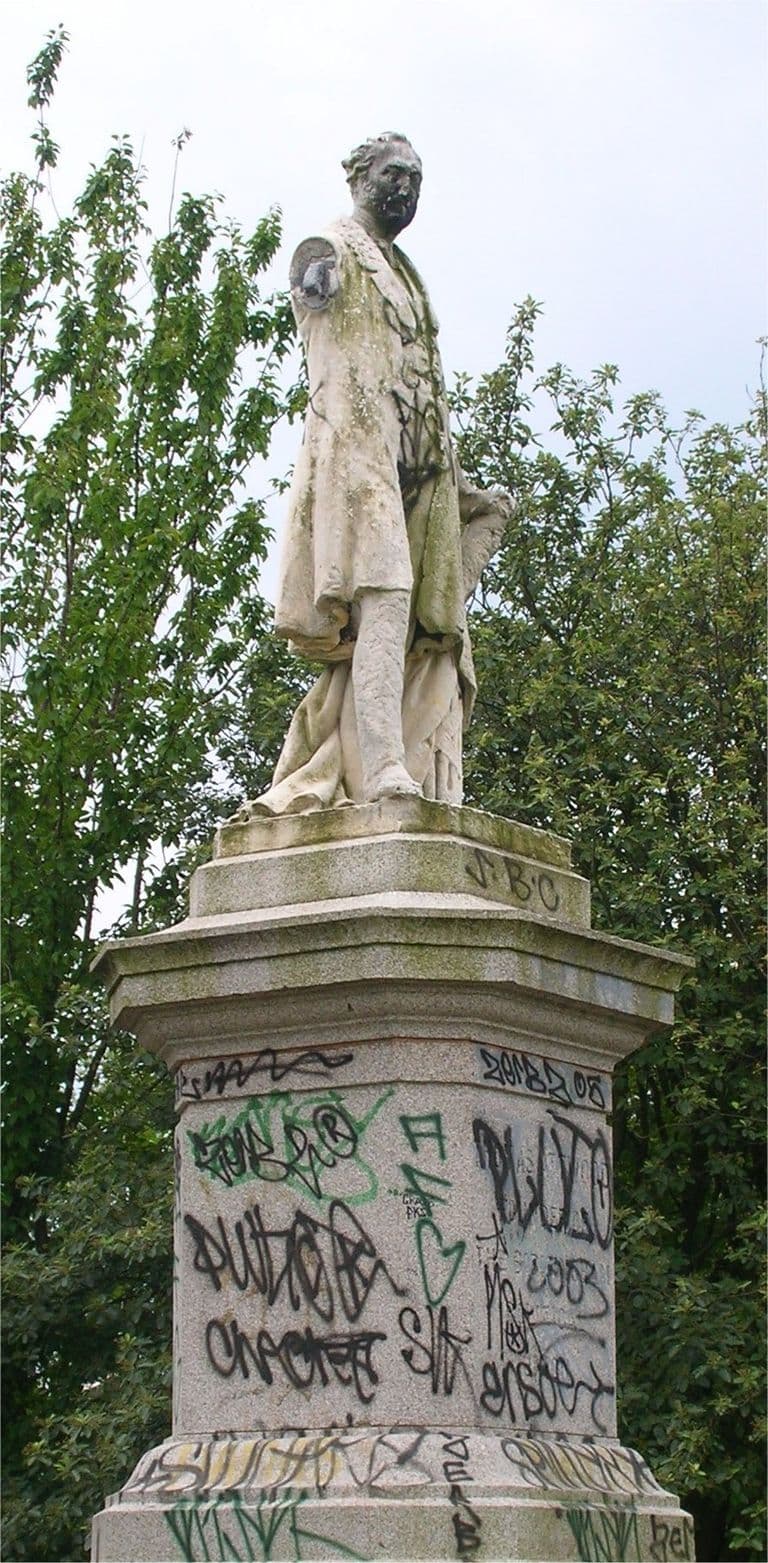
Attwood once wrote in a friend’s album, his grandson tells us, that “the greatest compliment which my friends can pay me will be to inscribe upon my tomb, ‘HERE LIES THE FOUNDER OF POLITICAL UNIONS.’” His grave, his grandson recorded, bore only the dates of his birth and death. Birmingham did better. In 1859 his admirers raised £800 for a marble statue, nearly nine feet high, by New Street station. It moved to Calthorpe Park, then to Sparkbrook near his first home, and then into store; in 2018 it was photographed there, graffitied and missing an arm. In 1993 Sioban Coppinger and Fiona Peever made him again in bronze, and refused him a plinth. He sits on the steps of Chamberlain Square, his soapbox empty beside him and his papers scattered at his feet, with the words Reform, The Vote and Prosperity stencilled into the steps. It is the right memorial for a man who brought 100,000 people to a sandpit on Newhall Hill and sent them home in peace, and who helped win Birmingham its first voice in Parliament. Anyone can sit down beside him.
On the map
7 places connected with Thomas Attwood. Tap a number for directions — some sites are private homes or gardens, so each place’s page says what you can see from the street.

- The Royal Hotel, Temple Row — Lost, Site redeveloped · Directions to The Royal Hotel, Temple Row (opens Google Maps)
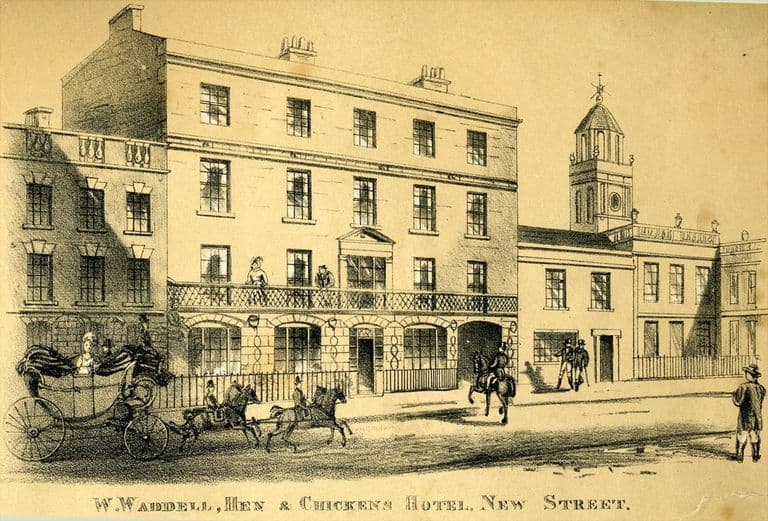
- Hen and Chickens Hotel, New Street — Lost, Site redeveloped · Directions to Hen and Chickens Hotel, New Street (opens Google Maps)
- The Grove, Harborne — Lost · Directions to The Grove, Harborne (opens Google Maps)
- Newhall Hill meeting ground — Site redeveloped
- Statue of Thomas Attwood (1859) — Relocated, At risk · Directions to Statue of Thomas Attwood (1859) (opens Google Maps)
- Thomas Attwood statue, Chamberlain Square — Surviving · Directions to Thomas Attwood statue, Chamberlain Square (opens Google Maps)
- Fair Hill — Lost, Site redeveloped
Key dates
- 6 October 1783 — Thomas Attwood is bornThomas Attwood, future banker, currency reformer and founder of the Birmingham Political Union, is born at Hawne House, near Halesowen.
- 1791 — Attwoods and Spooner open their bankMatthias Attwood, a Halesowen steel and nail maker, and Isaac Spooner found the Birmingham bank in which Thomas Attwood will spend his working life. It lasts until its collapse in 1865.
- January 1830 — The Birmingham Political Union is launchedThomas Attwood’s union of “the lower and middle classes of the people” is launched at Beardsworth’s Repository, near the Bull Ring, before a crowd said to number 15,000. Its watchword: “Peace, Law, and Order”.
- 3 October 1831 — 100,000 on Newhall HillAs the Reform Bill goes before the Lords, the Political Union fills Newhall Hill with a crowd claimed at over 100,000, including 20,000 from the Black Country. The meeting passes off peacefully.
- 12 December 1832 — Birmingham elects its first MPsThomas Attwood and Joshua Scholefield are returned unopposed as the first two Members of Parliament for Birmingham.
- 7 June 1832 — The Reform Act becomes lawThe Reform Act receives the royal assent. Birmingham, which has never had an MP of its own, is given two.
- 16 May 1832 — Triumph on Newhall HillNews of Earl Grey’s recall reaches Birmingham at dawn. Crowds fetch Attwood from his home at Harborne and the Union meets in triumph on Newhall Hill, a scene painted by Benjamin Robert Haydon.
- 14 June 1839 — Attwood presents the Chartist petitionAttwood presents the National Petition, first adopted at Birmingham in August 1838, to the House of Commons with 1,280,000 signatures. On 12 July the House refuses to consider it, by 235 votes to 46.
- 6 March 1856 — Thomas Attwood diesAttwood dies at Ellerslie, Great Malvern, aged 72, and is buried at Hanley, near Upton-on-Severn.
- 7 June 1859 — Attwood’s statue is unveiledA marble statue of Attwood, paid for by a subscription of £800, is unveiled in Stephenson Place, New Street, on the anniversary of the Reform Act.
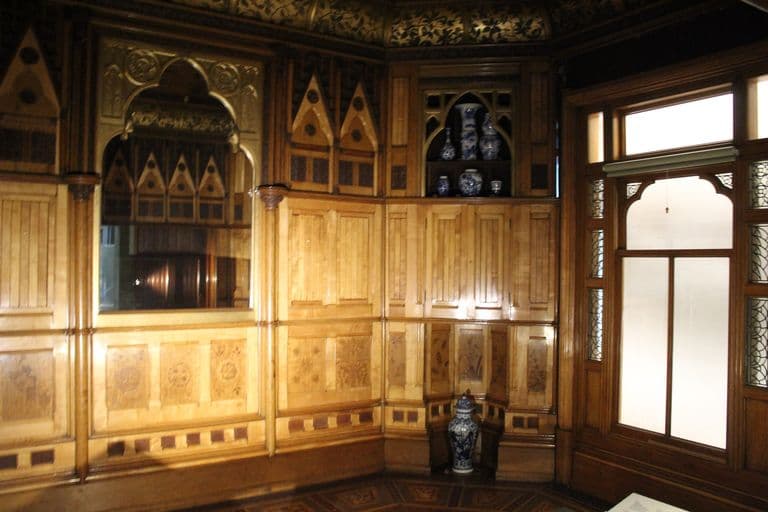
- 1963 — The Grove, Harborne, is demolishedAttwood’s old home, rebuilt for William Kenrick in 1877–78, is pulled down and its grounds become Grove Park. One panelled room goes to the Victoria and Albert Museum.
- 1993 — A bronze Attwood for Chamberlain SquareSioban Coppinger and Fiona Peever’s bronze of Thomas Attwood, sitting on the steps beside his empty soapbox, is installed in Chamberlain Square.
- 1 July 2020 — Attwood returns to Chamberlain SquareAfter nearly five years in store during the Paradise redevelopment, the bronze Thomas Attwood is returned to the steps of Chamberlain Square.
Sources and further reading
The 1859 statue: Historic England’s list entry (1076131) gives the sculptor as Peter Hollins; Attwood’s grandson C. M. Wakefield (1885) and the Dictionary of National Biography (1901) both name John Thomas. The DNB dates the unveiling 7 July 1859; the committee’s address printed by Wakefield is dated 7 June 1859, “seven-and-twenty years” after the royal assent of 7 June 1832, so June is used. Wikipedia says the statue stood in Calthorpe Park from 1859; the earlier site was Stephenson Place, New Street, and the move to Calthorpe Park is dated 1925 (chartistancestors.co.uk). Its removal to store is dated 2008 (Wikipedia; Elliott Brown, 2018) or 2012 (chartistancestors.co.uk).
The sculptor of the 1993 statue is spelled Sioban Coppinger by Paradise Birmingham and the RBSA; other spellings appear.
Crowd sizes at Newhall Hill are contemporary claims (100,000 in October 1831; about 200,000 in May 1832) and were probably exaggerated, as the Victoria County History says.
Dates in May 1832 vary: the DNB puts a meeting with black-draped banners on 10 May; Dargue gives 7 May for the Gathering of the Unions; Haydon’s sketch shows the meeting of 16 May. The VCH dates the Commons debate on the National Petition to 14 July 1839; Hansard shows it was 12 July.
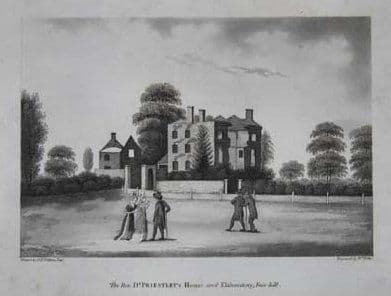
Homes: The Larches, Sparkbrook, 1806–11 (DNB, Wakefield); The Crescent from 1811; Grove House, Harborne, from about 1823 to 1845 (Wakefield). Wikipedia gives 1823–46. The Larches is said by local historians to have been built on the site of Joseph Priestley’s Fair Hill; this has not been confirmed.
The founding date of the Union is given as 25 January 1830 (DNB) or simply January 1830 (VCH); RBSA’s trail says 1829, the date of the planning meeting. The firm’s name appears as Attwoods, Spooner & Co. and Spooner, Attwoods & Co.
Burial: the DNB and Wakefield say Hanley churchyard, near Upton-on-Severn; the church is not otherwise identified here. The DNB spells his last house Ellerlie; Wakefield spells it Ellerslie.
- Attwood, Thomas (1783–1856) — Dictionary of National Biography, 1901 supplement, vol. 1 — Edward Irving Carlyle, Smith, Elder & Co., 1901
- Life of Thomas Attwood — C. M. Wakefield, privately printed, 1885. pp. 18–19, 90–94, 173–74, 197–98, 210–11, 410–12, 428–30
- A History of the County of Warwick, vol. 7: The City of Birmingham — Political History to 1832, pp. 270–297 — W. B. Stephens (ed.), Victoria County History, 1964
- A History of the County of Warwick, vol. 7: The City of Birmingham — Political History from 1832, pp. 298–317 — W. B. Stephens (ed.), Victoria County History, 1964
- National Petition—The Chartists (House of Commons, 14 June 1839) — Hansard
- The National Petition (House of Commons, 12 July 1839) — Hansard
- Thomas Attwood (economist) — Wikipedia
- Statue of Thomas Attwood in New Park — National Heritage List for England entry 1076131 — Historic England
- Thomas Attwood is heading back to Paradise — Paradise Birmingham, 2020
- Birmingham City Centre Sculpture Trail — Royal Birmingham Society of Artists
- Thomas Attwood 1783–1856 — Chartist Ancestors
- Birmingham Museum Collections Centre – statue of Thomas Attwood (photograph and description) — Elliott Brown
- Oil Sketch — Meeting of the Birmingham Political Union — To The Barricades
Comments
Comments will load here.