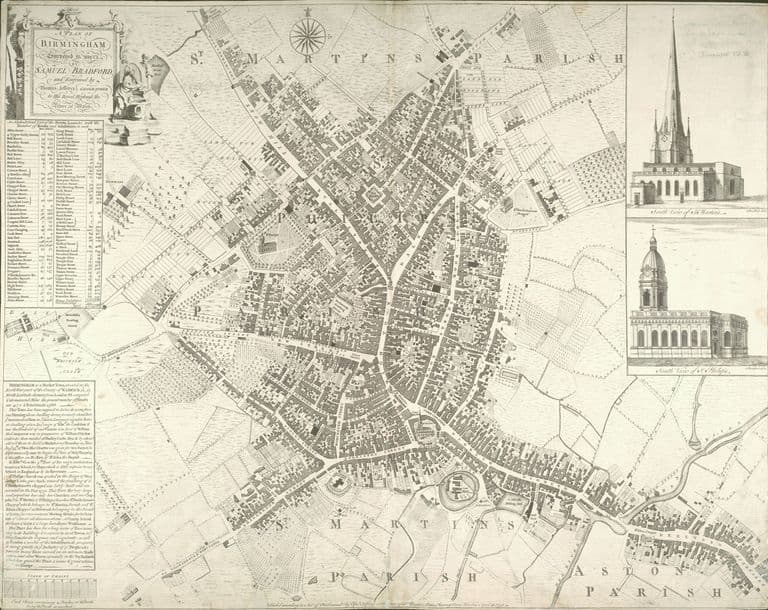
A town of small makers lives on credit. A Birmingham master needed money to buy metal, pay wages and wait for his customers to pay. Before 1765 he borrowed where he could. William Hutton recalled that “about every tenth trader was a banker”, mostly drapers and grocers.
The first bank
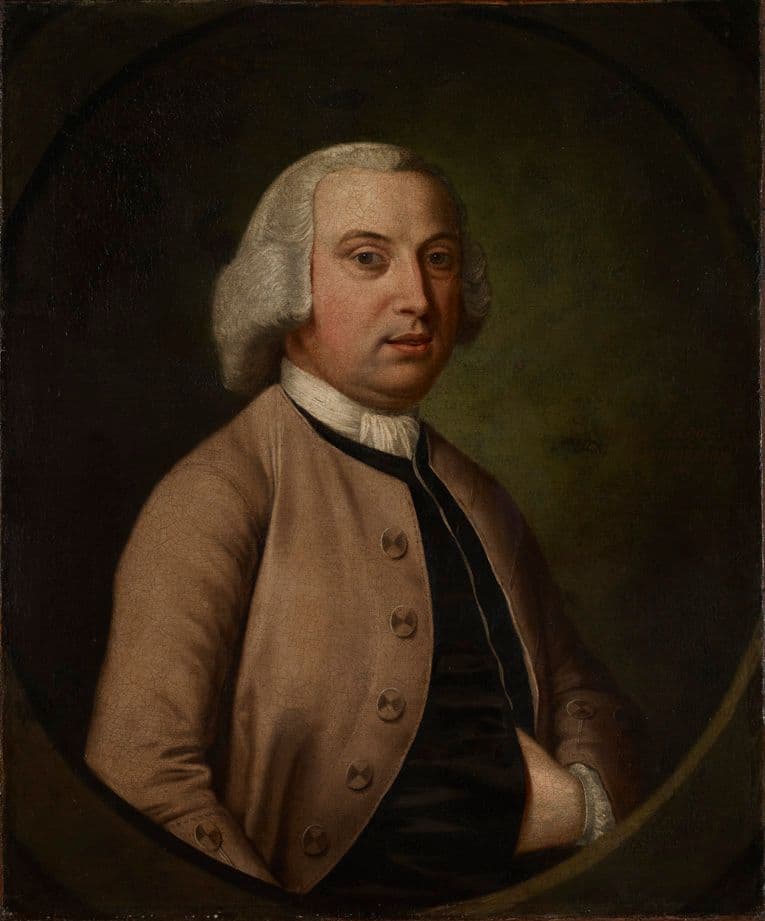
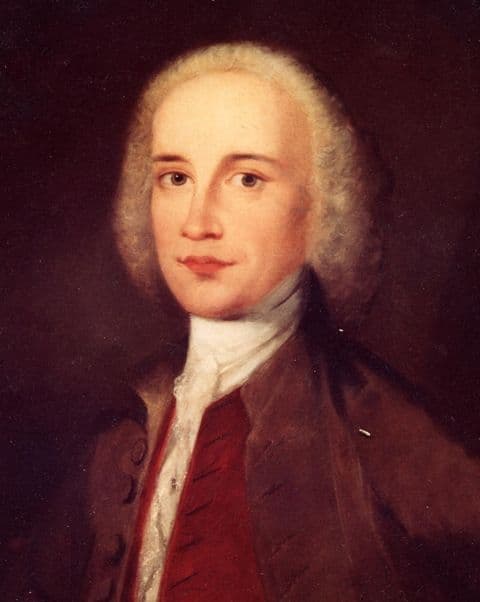
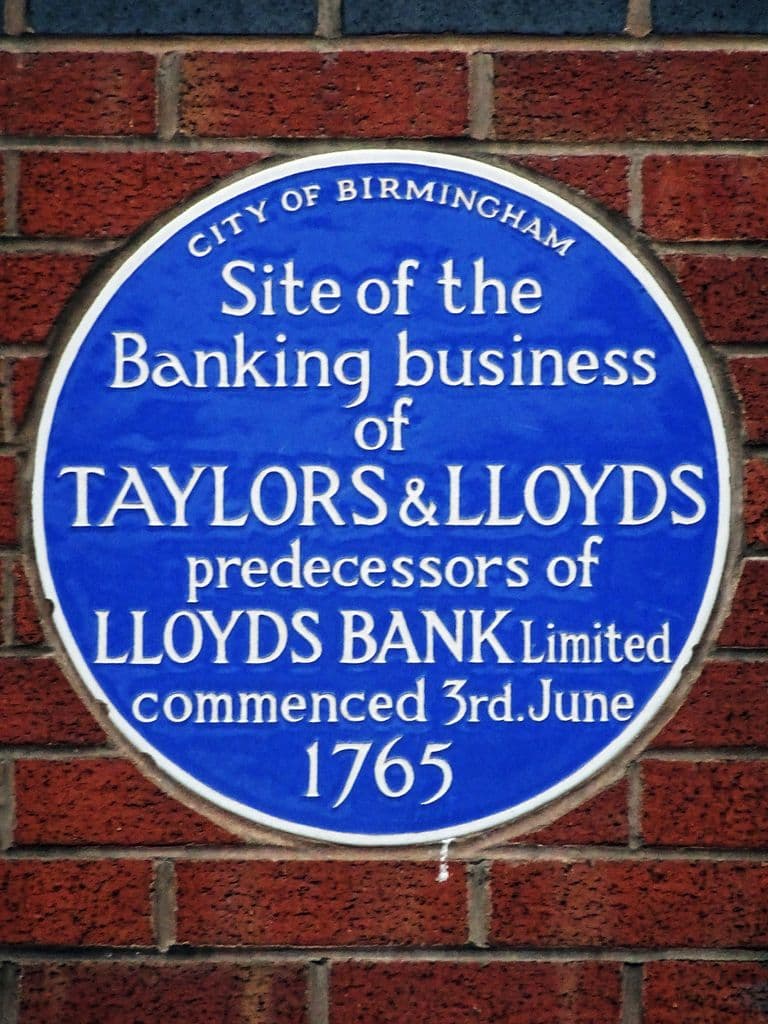
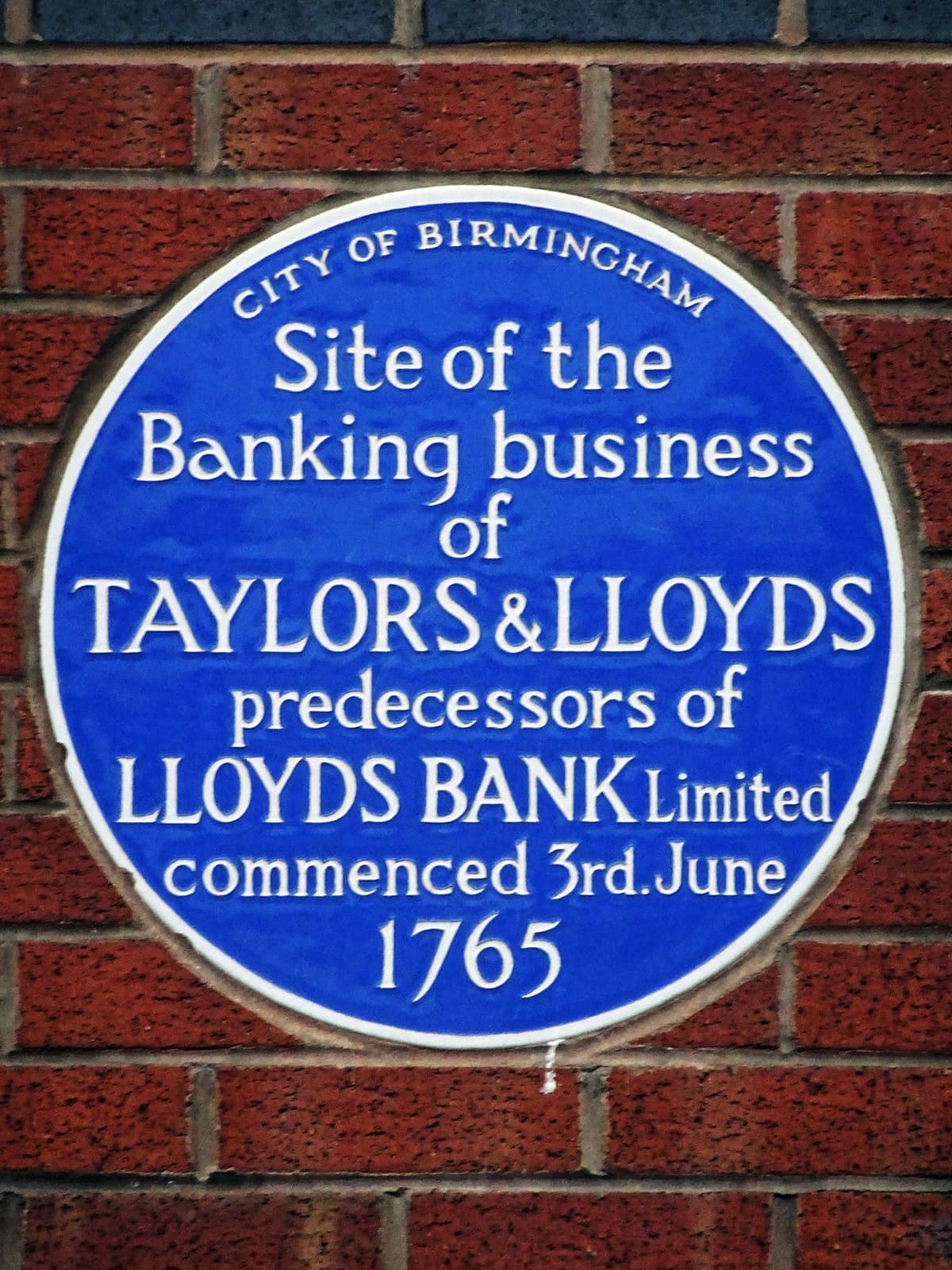
On 3 June 1765 the button maker John Taylor and the Quaker iron merchant Sampson Lloyd, with their sons, opened Taylors & Lloyds in Dale End. Hutton said their credit was “equal to that of the bank of England”. It was the start of Lloyds Bank.
More banks
Others followed. In 1804 Samuel Galton turned his gun business on Steelhouse Lane into a bank. Attwood & Spooner, founded by two leading manufacturers and merchants, was thought the soul of stability until it collapsed without warning in 1865. Gibbins, Smith & Goode failed in 1825, and from its ruins came the Birmingham Banking Company, with a capital of £500,000. The Victoria County History counts six banks in the town by 1815 and eight by 1847.
Money and the makers
Credit shaped the way Birmingham worked. The Victoria County History notes that a man with skill and no money could still start up, because capital could be borrowed. That helped keep Birmingham a town of many small masters rather than a few big employers.
On the map
4 places connected with Banking. Tap a number for directions — some sites are private homes or gardens, so each place’s page says what you can see from the street.

- Taylors & Lloyds bank, Dale End (site) — Lost, Site redeveloped · Directions to Taylors & Lloyds bank, Dale End (site) (opens Google Maps)
- Lloyd’s slitting mill (the Town Mill), Digbeth — Lost · Directions to Lloyd’s slitting mill (the Town Mill), Digbeth (opens Google Maps)
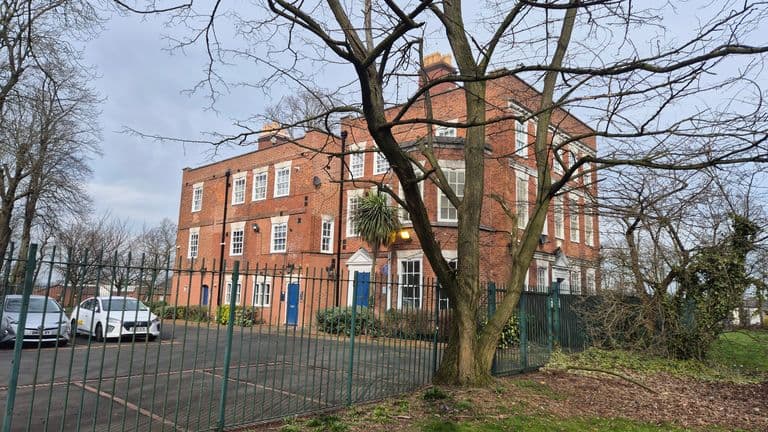
- Farm (Lloyd’s Farmhouse), Sparkbrook — Surviving, Surviving but altered · Directions to Farm (Lloyd’s Farmhouse), Sparkbrook (opens Google Maps)
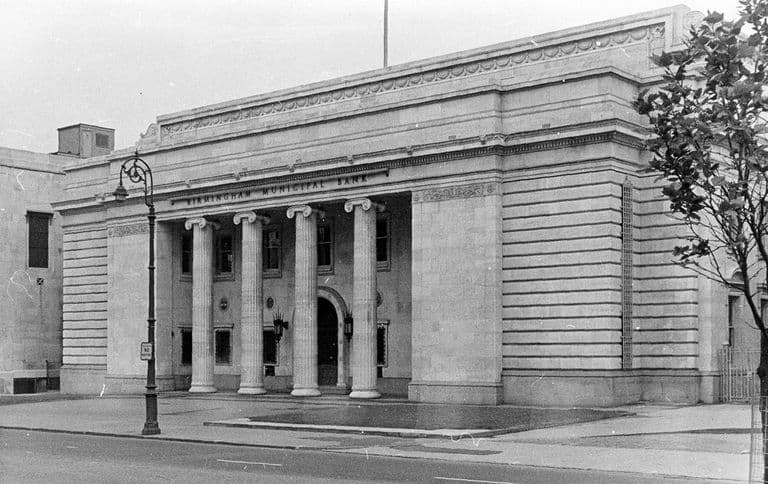
- Birmingham Municipal Bank head office, Broad Street — Surviving, Surviving but altered · Directions to Birmingham Municipal Bank head office, Broad Street (opens Google Maps)
Key dates
- c. by 1731 — The Lloyds’ slitting mill at work on the ReaThe Quaker Lloyd family hold the old Town Mill below Digbeth as ‘Lloyd’s Slitting and Corn Mills’, slitting bar iron into rods for Birmingham’s nailers. Iron profits later helped found Taylors & Lloyds bank.
- 3 June 1765 — Taylors & Lloyds bank opens in Dale EndJohn Taylor, Sampson Lloyd and their sons open Birmingham’s first proper bank in Dale End. It later became Lloyds Bank. A blue plaque marks the site.
- 1791 — Attwoods and Spooner open their bankMatthias Attwood, a Halesowen steel and nail maker, and Isaac Spooner found the Birmingham bank in which Thomas Attwood will spend his working life. It lasts until its collapse in 1865.
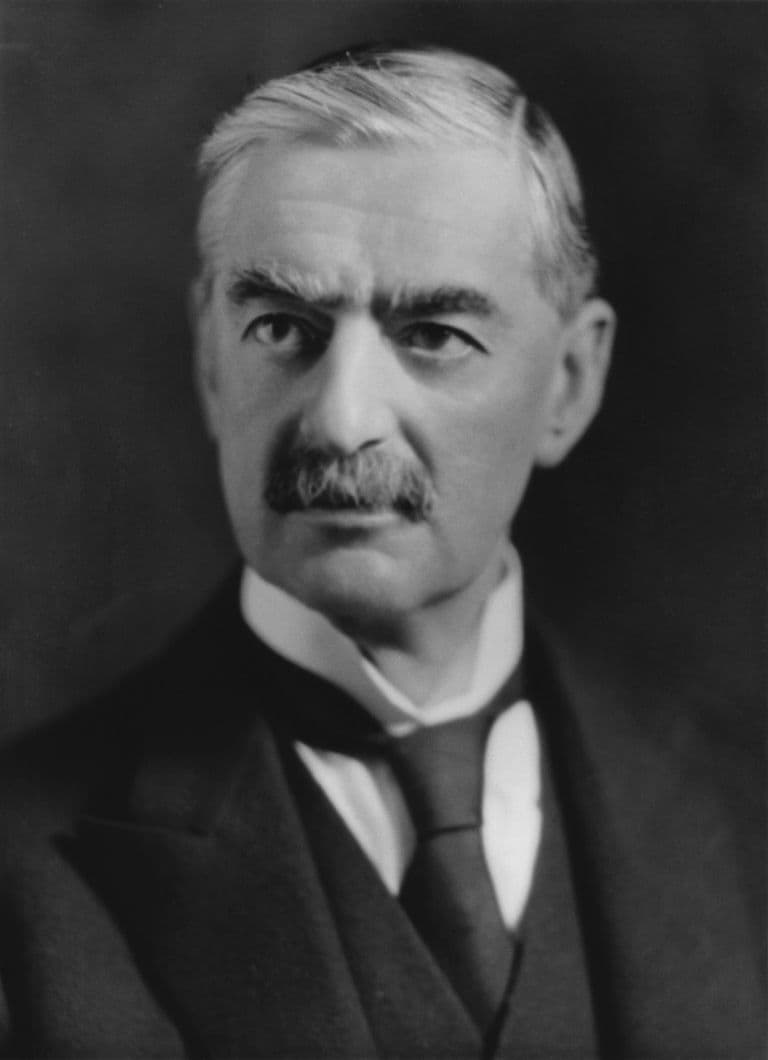
- 29 September 1916 — The city’s own savings bank opensThe Birmingham Corporation Savings Bank, promoted by the Lord Mayor, Neville Chamberlain, opens in a semi-basement of the Water Department. No other council in Britain has one.
- 1 September 1919 — The Birmingham Municipal Bank opensMade permanent by the Birmingham Corporation Act 1919, the Municipal Bank opens with a head office and seventeen branches.
- 22 October 1932 — Bank head office foundation stoneNeville Chamberlain, now Chancellor of the Exchequer, lays the foundation stone of the Municipal Bank’s new head office on Broad Street.
- 1 January 1932 — The Municipal Bank comes to KingstandingThe Municipal Bank opens an evening branch at 595 Kingstanding Road, open on Mondays and Fridays from six to eight. A new branch building follows in 1937.
- 27 November 1933 — Prince George opens the Municipal Bank head officePrince George opens T. Cecil Howitt’s Portland stone head office for the Municipal Bank on Broad Street, with Neville Chamberlain among the guests.
- 23 October 1937 — Kingstanding’s new bank branchThe Lord Mayor, Alderman H. Roberts, opens the Municipal Bank’s new branch building at 595 Kingstanding Road, replacing the evening branch with daily opening.
- 31 March 1976 — The Municipal Bank becomes a TSBThe Birmingham Municipal Bank closes its doors; the next day it reopens as the Birmingham Municipal Trustee Savings Bank.
Sources and further reading
- An History of Birmingham (2nd edition) — William Hutton, Pearson and Rollason, Birmingham (Project Gutenberg text), 1783. ‘Bank’
- Economic and Social History: Industry and Trade, 1500–1880, in A History of the County of Warwick, vol. 7, pp. 81–139 — W. B. Stephens (ed.), Victoria County History, 1964. ‘The Financing of Industry’
- From local beginnings… — Library of Birmingham, Archives & Collections (The Iron Room blog), 2015
- The history of Lloyds Bank — Lloyds Banking Group