
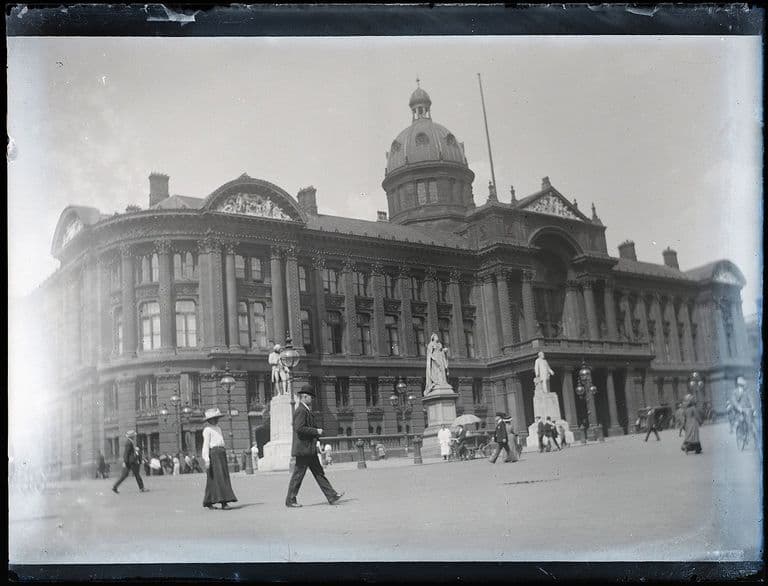
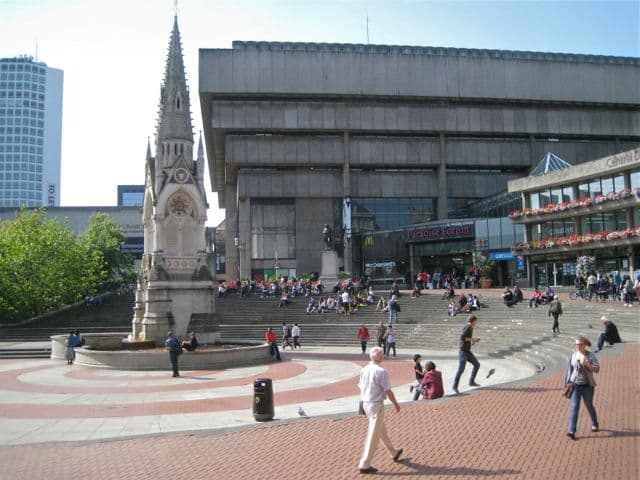
According to the historian of Birmingham’s Municipal Bank, the idea came to the Lord Mayor as he was crossing Chamberlain Square. It was wartime, and the government needed the nation’s savings for its war loans. Neville Chamberlain asked himself a simple question: why should the city not run a savings bank of its own?
Nobody else in Britain had one. Chamberlain put his scheme to the city council on 4 April 1916, and it was approved. Within weeks it was in trouble. The joint-stock banks opposed the first Bill in Parliament, and it was dropped. A narrower version became law and received the royal assent on 23 August 1916. It hedged the idea about with limits: only towns of more than 250,000 people could use it, savings were capped at £200, and the bank was to be wound up three months after the war ended. The Victoria County History records that Birmingham alone went ahead.
The Birmingham Corporation Savings Bank opened on 29 September 1916, in a semi-basement of the city’s Water Department. The plan rested on the wage packet. Small sums were deducted from workers’ pay; they were given coupons, at first for a shilling, to stick on a card, and when the card reached £1 they took it to the bank and paid it in. The trade unions were consulted and backed it.
Ships’ berths in Bordesley
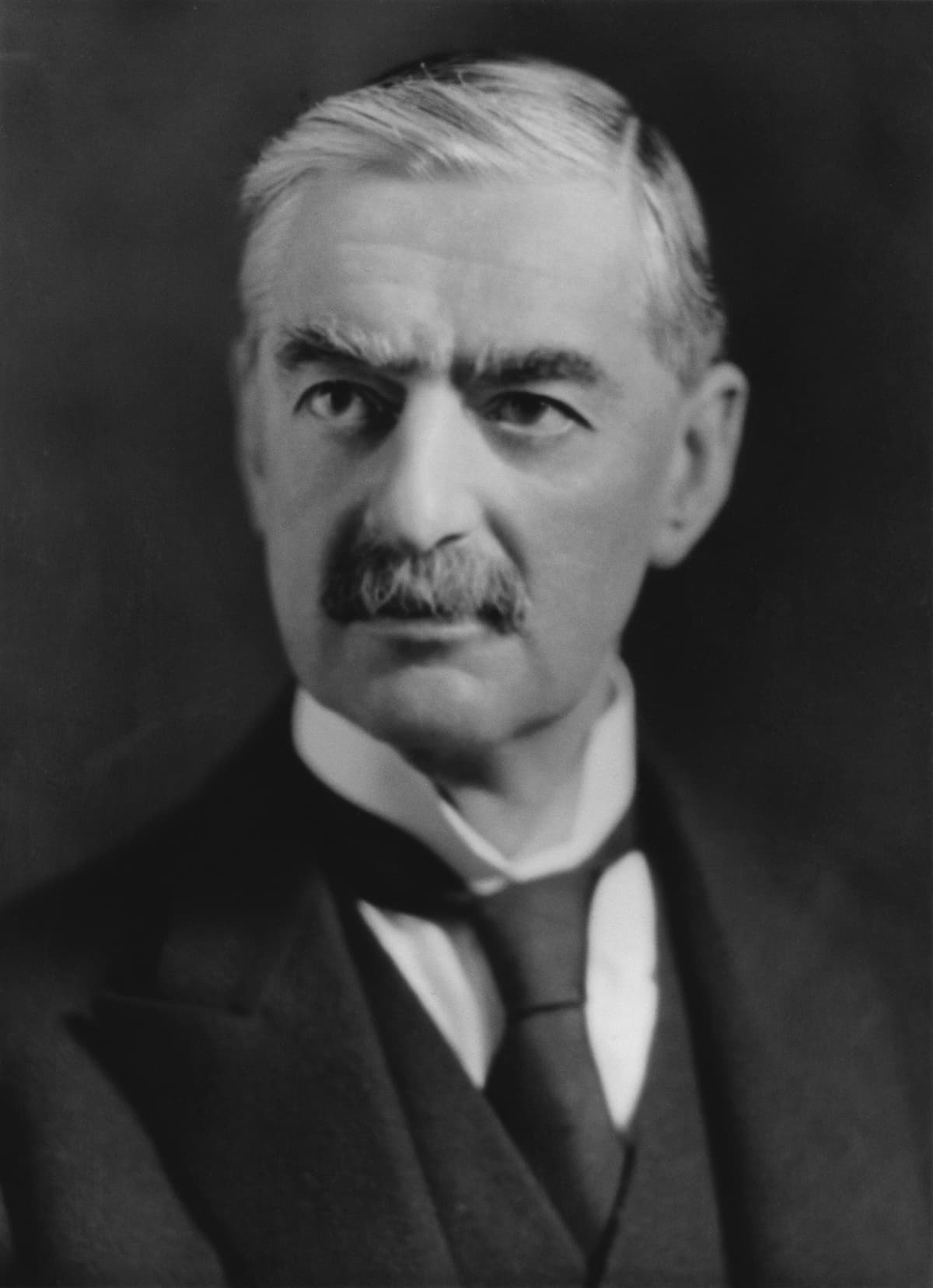
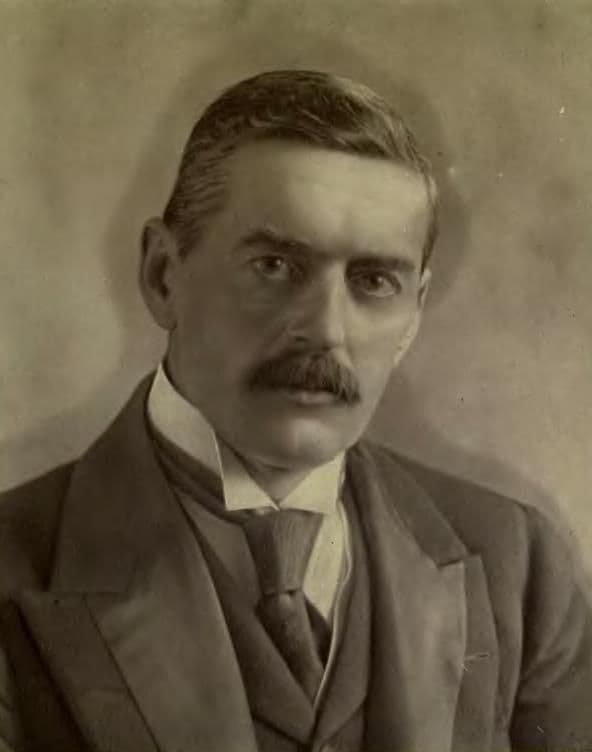
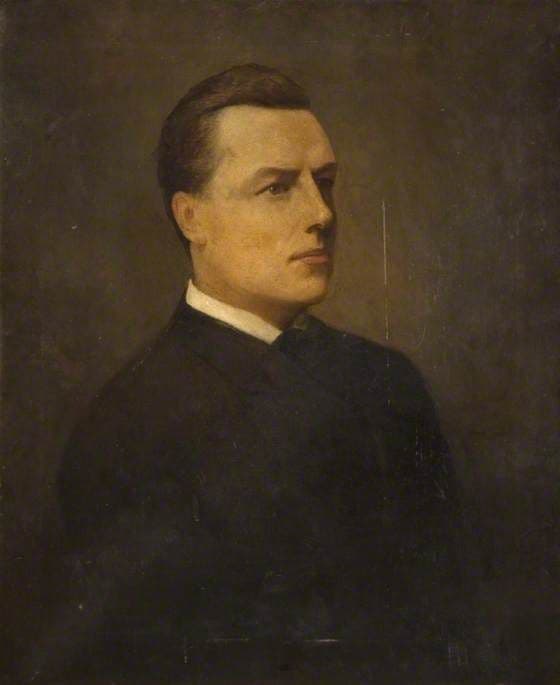
Chamberlain was a businessman before he was anything else. He was born on 18 March 1869 at Southbourne, a house in Edgbaston, the son of Joseph Chamberlain and his second wife, Florence Kenrick. His mother died in 1875, when he was six. He was sent to Rugby School and then to Mason College in Birmingham, where he studied metallurgy and engineering without much enthusiasm, and in 1889 he was put to work in a firm of accountants.
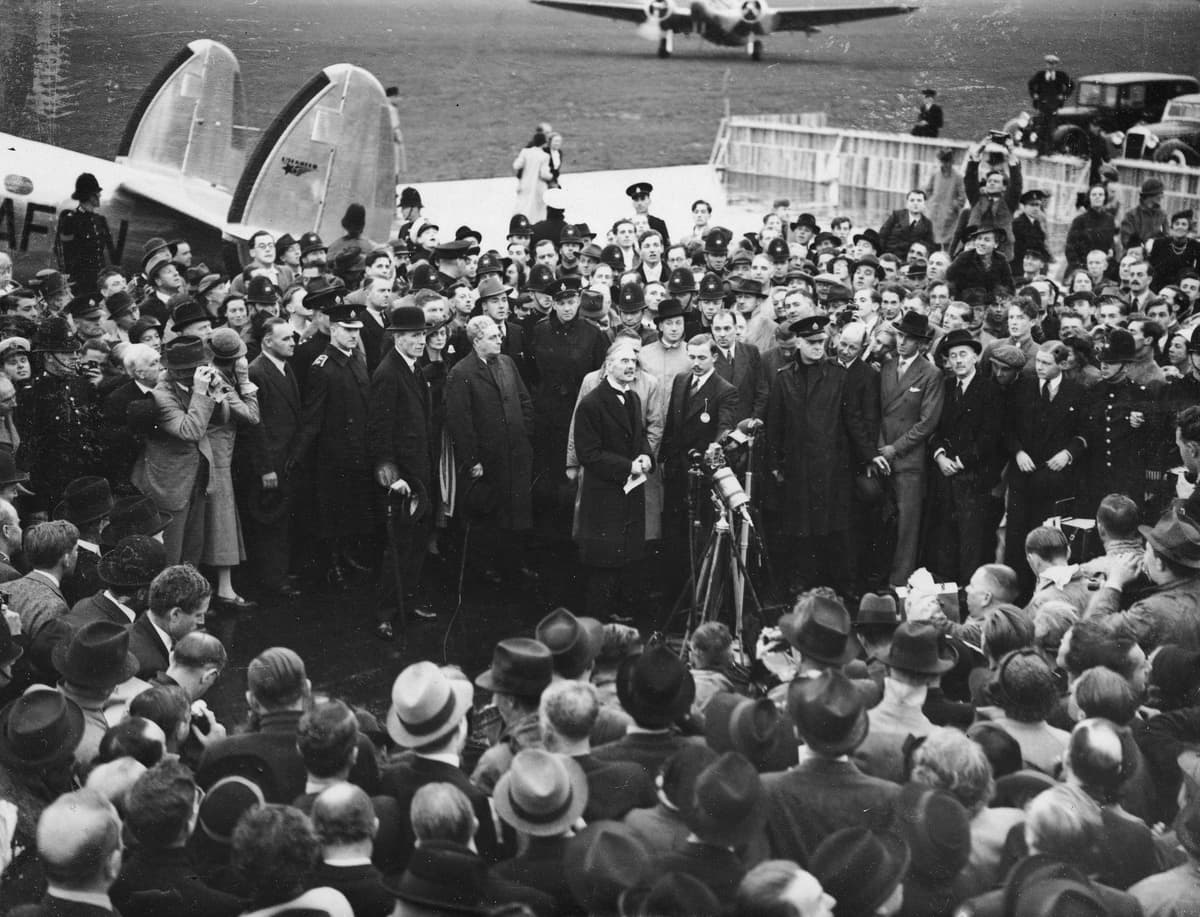
On 30 September 1938 he signed the Munich Agreement, which handed the Sudetenland of Czechoslovakia to Hitler, and came home saying, “I believe it is peace for our time.”
Then came the Bahamas. His father, short of money, sent him to grow sisal on the island of Andros. Neville took out a lease on about 26,000 acres in 1891 and spent most of the next six years there. The soil proved unsuitable, the venture failed, and Joseph Chamberlain lost about £50,000. Neville came home in 1897.
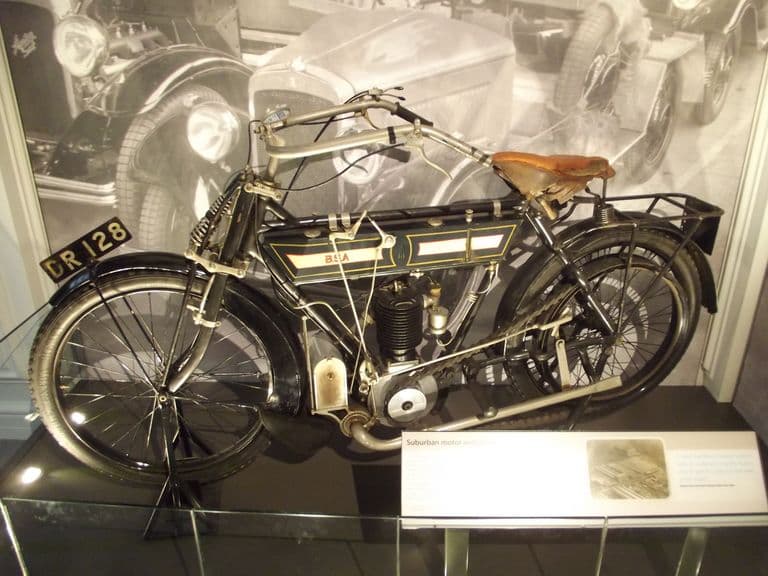
He threw himself into Birmingham industry. He became a director of Elliott’s Metal Company at Selly Oak, makers of copper and brass sheet, tube and wire, and later a director of the Birmingham Small Arms Company. In November 1897, with help from his family, he bought Hoskins, a Bordesley firm that made metal berths for ships’ cabins. He ran it for seventeen years. His biographers credit him with a profit-sharing scheme and a medical clinic for the workforce. In the census of 1911 he gave his occupation simply as “Ship’s Berth Manufacturer”.
Planning the city
Politics came late. In 1910 Chamberlain gave evidence to Parliament in favour of the Bill that merged Birmingham with its suburbs and tripled its size. In November 1911 he was elected to the council for All Saints’ ward. That same year he married Anne Cole and set up home at Westbourne in Edgbaston, which would be his Birmingham home until he died.
The council gave him the new Town Planning Committee. Under the Housing and Town Planning Act of 1909, Birmingham prepared four planning schemes before 1914, and the Victoria County History says the one for Quinton became a model for other councils. The war stopped them being carried out. He also led an inquiry into the city’s housing in 1913, a forerunner of the national Unhealthy Areas Committee that he chaired from 1919 to 1921.
Lord Mayor in wartime
He became Lord Mayor in 1915, a year after his father’s death. He cut the Lord Mayor’s expense allowance in half, set up crèches for workers and stockpiled coal to sell to the poor at cost. He was among the leading campaigners for a permanent orchestra paid for by the city. In 1919 the council agreed to a grant of £1,250 a year for an experimental five years, and the City of Birmingham Orchestra gave its first concert on 5 September 1920.
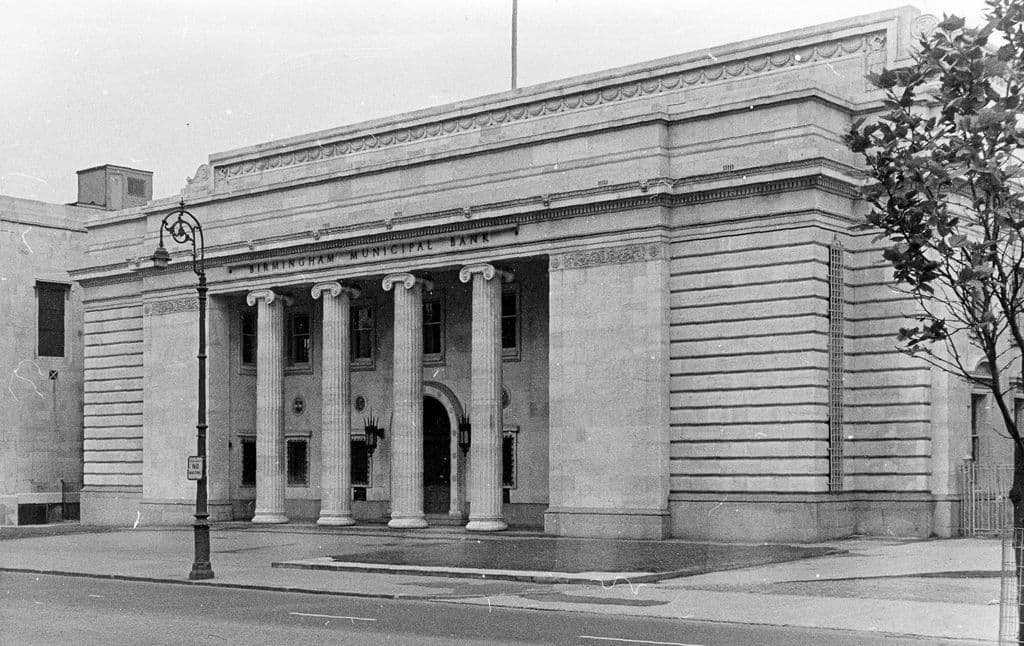
He was re-elected Lord Mayor in 1916 but did not finish the term. In December Lloyd George made him Director of National Service in London. He had little support from the Prime Minister, and after eight months he resigned, in August 1917. The experience, he wrote, “reminds me of the Bahamas when the plants didn’t grow”. The bank he had left behind did rather better. A new Act of 1919 made it permanent as the Birmingham Municipal Bank, and on 1 September 1919 it opened with a head office and seventeen branches. Chamberlain was the first chairman of its committee and stayed on it, even as an MP, until he became Chancellor of the Exchequer in 1923.
Birmingham’s man at Westminster
In 1918 he was elected MP for Birmingham Ladywood. He was 49. A year later the city’s Liberal Unionists and Conservatives merged, and he wrote: “The decision to unite practically places the direction of Unionist politics in Birmingham in my hands. I am not quite sure whether all those present perceived this; I did not mention it.” He moved to the safer Edgbaston seat in 1929.
As Minister of Health he passed his own Housing Act in 1923, though Birmingham built only 3,433 council homes under it. Most of the city’s great inter-war estates, including the new streets of Kingstanding on land taken into the city in 1928, went up under later Acts. But it was Chamberlain who came home in October 1933 to open Birmingham’s 40,000th council house, praising, as The Times reported on 24 October, “an achievement on the part of Birmingham which has no parallel in this or any other country”.
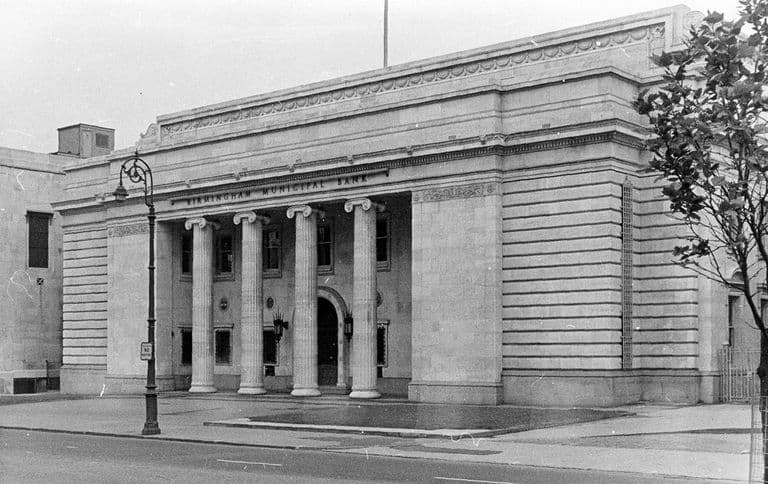
His bank had grown with the estates. Kingstanding got an evening branch at 595 Kingstanding Road on 1 January 1932, open on Mondays and Fridays from six to eight, and a new building of its own in 1937. On 22 October 1932 Chamberlain, by then Chancellor, laid the foundation stone of a new head office on Broad Street. Prince George opened it on 27 November 1933, with Chamberlain among the guests.
Munich, and a speech at home
He became Prime Minister in May 1937. On 30 September 1938 he signed the Munich Agreement, which handed the Sudetenland of Czechoslovakia to Hitler, and came home saying, “I believe it is peace for our time.” In March 1939 German troops marched into Prague. Two days later, on 17 March, the eve of his seventieth birthday, Chamberlain spoke in Birmingham and changed his tone: “there is hardly anything I would not sacrifice for peace. But there is one thing that I must except, and that is the liberty that we have enjoyed for hundreds of years, and which we will never surrender.”
Britain declared war on 3 September 1939. After the failure of the Norway campaign Chamberlain resigned as Prime Minister in May 1940 and served in Churchill’s government until illness forced him out that autumn. He died at Heckfield in Hampshire on 9 November 1940. His ashes were buried in the nave of Westminster Abbey, next to those of Andrew Bonar Law.
Why it mattered
Munich will always be the first thing people remember about Neville Chamberlain. Churchill, who had opposed him, told the Commons on 12 November 1940 that “Neville Chamberlain acted with perfect sincerity according to his lights”. Birmingham has other reasons to remember him. The Municipal Bank he talked into existence in 1916 became the second largest local savings bank in Britain, with 63 branches by the Second World War. It lent families the money to buy their homes, and it brought a savings counter to the new estates, Kingstanding among them. It stayed the city’s own until 31 March 1976, when it became a trustee savings bank. Its Broad Street head office, the stone he laid in 1932, is listed Grade II and is now the University of Birmingham’s Exchange. His papers are at the University, where his father was the first Chancellor. Carved across a beam inside the bank is the motto of the whole enterprise, and of the man: “Thrift Radiates Happiness”.
On the map
4 places connected with Neville Chamberlain. Tap a number for directions — some sites are private homes or gardens, so each place’s page says what you can see from the street.

- Birmingham Municipal Bank head office, Broad Street — Surviving, Surviving but altered · Directions to Birmingham Municipal Bank head office, Broad Street (opens Google Maps)
- The Council House, Victoria Square — Surviving · Directions to The Council House, Victoria Square (opens Google Maps)
- The Chamberlain Memorial — Surviving, Surviving but altered · Directions to The Chamberlain Memorial (opens Google Maps)
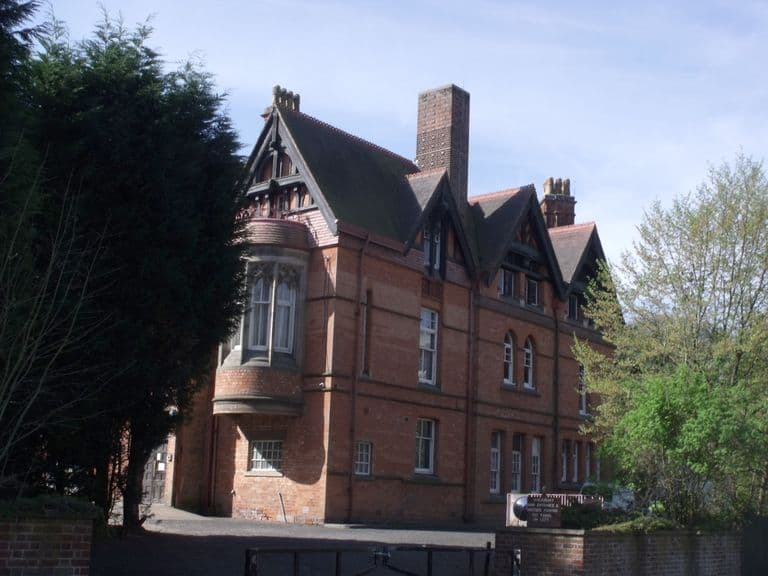
- Highbury, Moor Green — Surviving, Surviving but altered · Directions to Highbury, Moor Green (opens Google Maps)
Key dates
- 18 March 1869 — Neville Chamberlain is bornArthur Neville Chamberlain, son of Joseph Chamberlain and Florence Kenrick, is born at Southbourne in Edgbaston.
- November 1897 — Chamberlain buys HoskinsBack from a failed sisal plantation in the Bahamas, Neville Chamberlain buys Hoskins of Bordesley, makers of metal berths for ships’ cabins, and runs it for seventeen years.
- November 1911 — Chamberlain joins the councilNeville Chamberlain is elected to Birmingham City Council for All Saints’ ward and becomes chairman of the new Town Planning Committee.
- 29 September 1916 — The city’s own savings bank opensThe Birmingham Corporation Savings Bank, promoted by the Lord Mayor, Neville Chamberlain, opens in a semi-basement of the Water Department. No other council in Britain has one.
- 1 September 1919 — The Birmingham Municipal Bank opensMade permanent by the Birmingham Corporation Act 1919, the Municipal Bank opens with a head office and seventeen branches.
- 22 October 1932 — Bank head office foundation stoneNeville Chamberlain, now Chancellor of the Exchequer, lays the foundation stone of the Municipal Bank’s new head office on Broad Street.
- 27 November 1933 — Prince George opens the Municipal Bank head officePrince George opens T. Cecil Howitt’s Portland stone head office for the Municipal Bank on Broad Street, with Neville Chamberlain among the guests.
- October 1933 — Chamberlain opens the 40,000th council houseNeville Chamberlain opens Birmingham’s 40,000th council home, calling it “an achievement on the part of Birmingham which has no parallel in this or any other country”.
- 17 March 1939 — Chamberlain’s Birmingham speechTwo days after German troops enter Prague, Neville Chamberlain tells a Birmingham audience that the liberty Britain has enjoyed for hundreds of years is the one thing he will not sacrifice for peace.
- 9 November 1940 — Neville Chamberlain diesNeville Chamberlain dies at Heckfield, Hampshire. His ashes are buried in the nave of Westminster Abbey, beside Andrew Bonar Law.
Sources and further reading
Lord Mayor: he became Lord Mayor in 1915 and resigned in December 1916, part-way through a second term (Wikipedia, drawing on Self). The CBSO’s history calls him Lord Mayor “from 1916 to 1918”, which is wrong.
The bank’s founding date: 1916 for the wartime Birmingham Corporation Savings Bank; 1919 for the permanent Birmingham Municipal Bank. Both dates are used, correctly, by different sources.
Hoskins: the University of Birmingham catalogue calls the firm Hoskins and Son Ltd of Bordesley; Wikipedia says Hoskins & Company. Grace’s Guide lists a Bordesley firm, Hoskins and Sewell, making bedsteads and ships’ berths, which became a private company in 1897; it is not shown that this is the same business, so no works site has been mapped. The profit-sharing scheme and clinic come from his biographers via Wikipedia and have not been checked against business records.
Andros: the University’s catalogue gives 1890–97; Wikipedia gives a lease taken in 1891 and his return in early 1897. Joseph Chamberlain’s loss of £50,000 is from Wikipedia and Grace’s Guide.
The origin story of the bank (crossing Chamberlain Square) comes from David Parkes’s history of the bank, not a contemporary record.
Westbourne: the Birmingham Civic Society plaque on Edgbaston High School, Westbourne Road, says he “lived near here 1911 - 1940”. The house itself has not been located from a reliable source, so it has no place page.
Kingstanding: no source found links Chamberlain personally to the planning or building of the Kingstanding estate. Municipal Dreams (drawing on Carl Chinn) says only 3,433 Birmingham council homes were built under his 1923 Act, and that the city’s 30,000th council home, in Greenwood Place, Kingstanding, was opened by the Labour minister Arthur Greenwood. The location of the 40,000th home he opened in 1933 is not given.
The 1919 quotation about uniting the Unionists is from Feiling’s biography, as quoted in the Victoria County History.
- Papers of Neville Chamberlain (NC) — catalogue — Cadbury Research Library, University of Birmingham, 2016. collection description and administrative history
- Chamberlain Family Guide — Cadbury Research Library, University of Birmingham, 2016. Neville Chamberlain; Ida Chamberlain
- Rise of Neville Chamberlain — Wikipedia. Early life; Businessman; Birmingham politician
- Neville Chamberlain — Wikipedia
- Neville Chamberlain — Grace’s Guide
- Elliott’s Metal Co — Grace’s Guide
- Hoskins and Sewell — Grace’s Guide
- Mapping the records from a PM’s house to the Conqueror’s Manor — The Genealogist, 2022
- A History of the County of Warwick, vol. 7: The City of Birmingham — Local Government and Public Services, pp. 318–353 — W. B. Stephens (ed.), Victoria County History, 1964. housing and town planning; the municipal bank
- A History of the County of Warwick, vol. 7: The City of Birmingham — Political History from 1832, pp. 298–317 — W. B. Stephens (ed.), Victoria County History, 1964. Unionist fusion, 1919
- Birmingham Municipal Bank history: BMB History — David Parkes
- Birmingham Municipal Bank — Wikipedia
- Head Office opening ceremony, 1933 — David Parkes
- University of Birmingham confirms city centre gateway at historic Municipal Bank — University of Birmingham, 2016
- Kingstanding Circle shops (Municipal Bank section) — Voices of Kingstanding. Municipal Bank section
- Birmingham’s Interwar Council House Building — John Boughton, Municipal Dreams, 2014
- History — City of Birmingham Symphony Orchestra
- List of mayors of Birmingham — Wikipedia
- Blue Plaque: Neville Chamberlain — Birmingham Civic Society
- Speech by the Prime Minister at Birmingham on March 17, 1939 (British War Blue Book, no. 9) — Neville Chamberlain, 1939
- Past Prime Ministers: Neville Chamberlain — GOV.UK
- Mr. Neville Chamberlain (House of Commons, 12 November 1940) — Hansard
- Joseph and Neville Chamberlain — Westminster Abbey, Westminster Abbey
- Birmingham Municipal Bank headquarters — Wikipedia
Comments
Comments will load here.