
What is it?
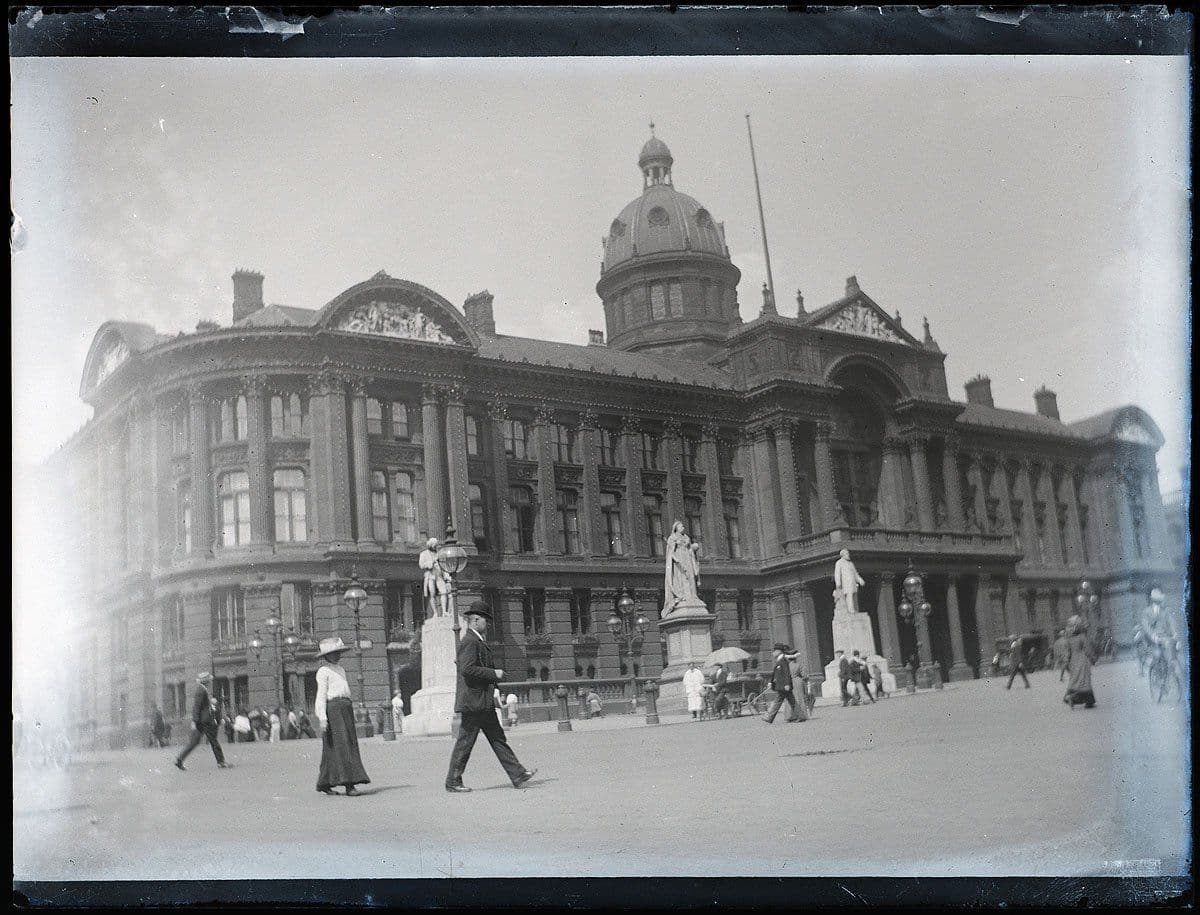
A domed, Italianate seat for the borough council on the north side of the square in front of the Town Hall, with a museum and art gallery and the ‘Big Brum’ clock tower added behind.
History
A palace for the council
For decades Birmingham’s council met in borrowed rooms. It had bought a site between Colmore Row, Congreve Street and Edmund Street in 1853, but did nothing with it until 1870, when it invited designs. Twenty-nine came in. The council chose a classical scheme by H. R. Yeoville Thomason over a Gothic one by Martin and Chamberlain.
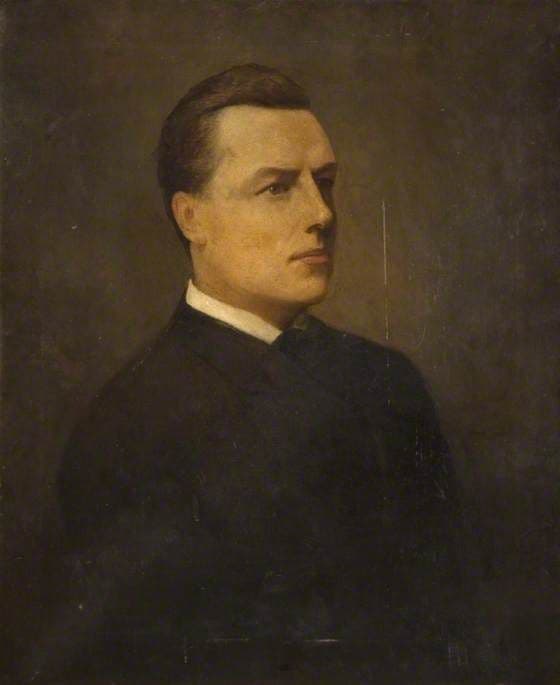
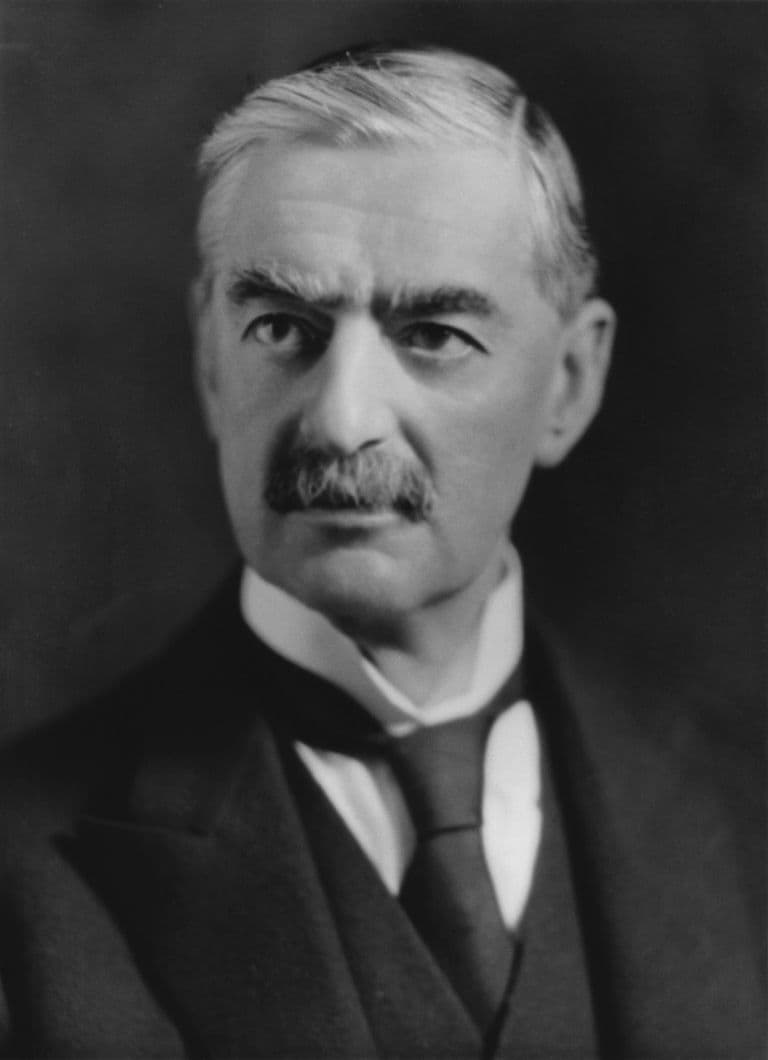
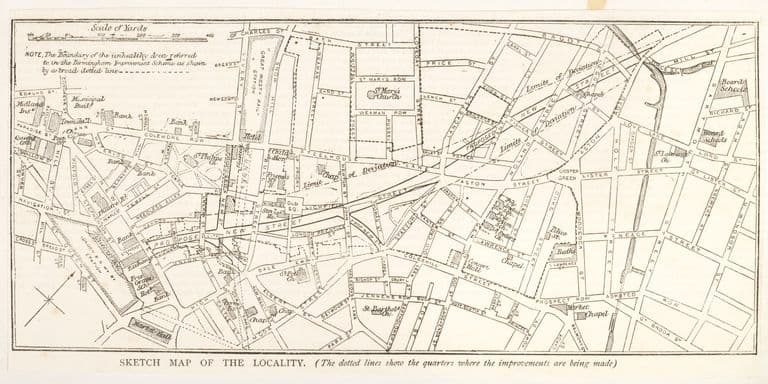
On 17 June 1874 the mayor laid the foundation stone. He was Joseph Chamberlain, seven months into the job, and already moving faster than any mayor before him. That year he talked the council into buying out the two private gas companies and the waterworks company; under Acts of 1875 the corporation took over both. The building rising on Victoria Square would be the headquarters of a new kind of town government, one that owned and ran the services its people needed.
The council first met in its new chamber in 1878, and the departments moved in in 1879. It cost £163,000.
Mosaic and pediment
Historic England describes a stone front of three storeys with a deep porte-cochère, a central arch with a mosaic by Salviati, and a carved pediment, behind which rises a dome on a high drum. Upstairs is a suite of three grand reception rooms. The council chamber itself is small and semicircular.
The Tangyes’ gallery
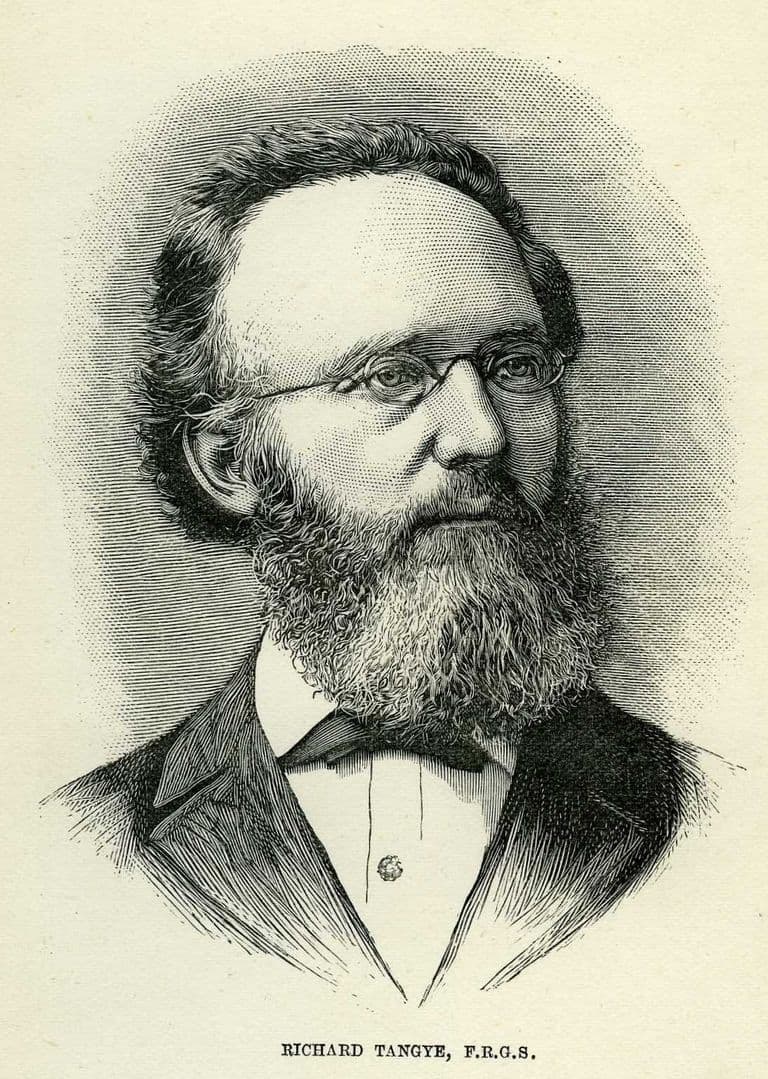
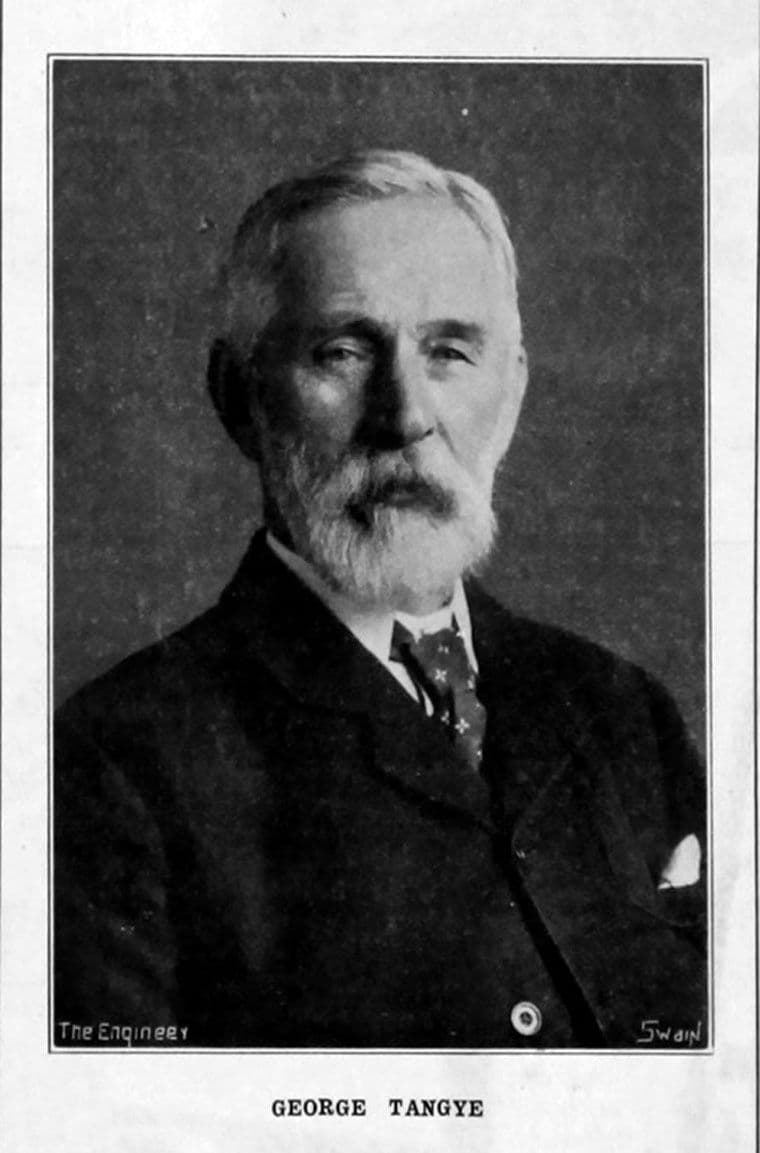
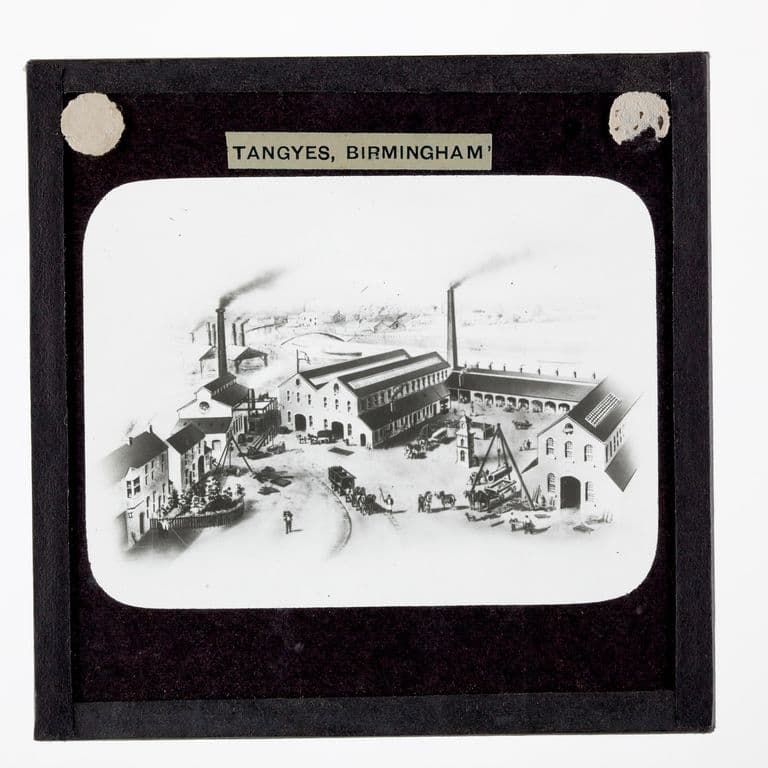
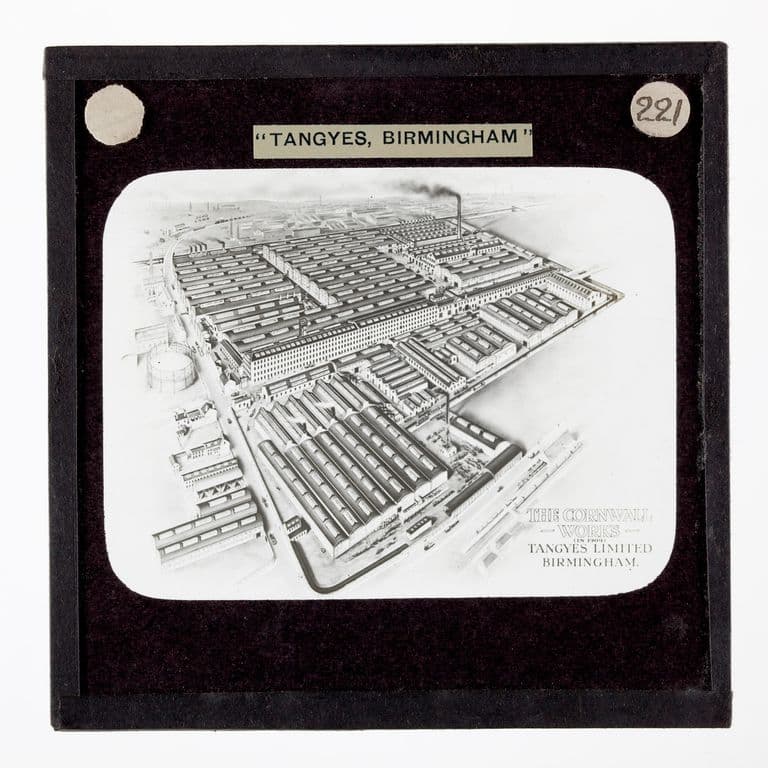
Behind the Council House Thomason built the Museum and Art Gallery of 1881–85, with its tall clock tower, ‘Big Brum’. The engineering firm of Tangye Brothers of Smethwick had given £10,000 in 1880 towards the new buildings, which the Prince of Wales opened in 1885. At the head of its main staircase hangs Joseph Southall’s fresco of Corporation Street in March 1914, the boulevard Chamberlain’s scheme had cut through the old town.
Still in charge
The same spot, then and now
1888–1913
Today
Old map: Ordnance Survey six-inch, reproduced with the permission of the National Library of Scotland (CC BY 4.0). Today: © OpenStreetMap contributors.
An extension to the north, by Ashley and Newman and joined to the old building by a bridge on a broad arch, followed between 1908 and 1919. Birmingham City Council still meets here, a century and a half after Chamberlain laid the first stone of the building that made his civic gospel solid.
What happened here?
The borough, later city, council has met here since 1878. In the 1870s it ran the newly municipal gas and water undertakings and the Improvement Scheme from these offices. Birmingham Museum & Art Gallery opened behind it in 1885.
Why it mattered
It is the building of Chamberlain’s municipal revolution: the place from which Birmingham showed other towns that a council could own its gas, water and streets and run them for the public good.
Today
What survives
The Council House of 1874–79, the Museum and Art Gallery of 1881–85 with Big Brum, and the 1911–19 extension.
Today
Birmingham City Council still meets here. The Museum and Art Gallery, entered from Chamberlain Square, reopened in phases from 24 October 2024 after maintenance work.
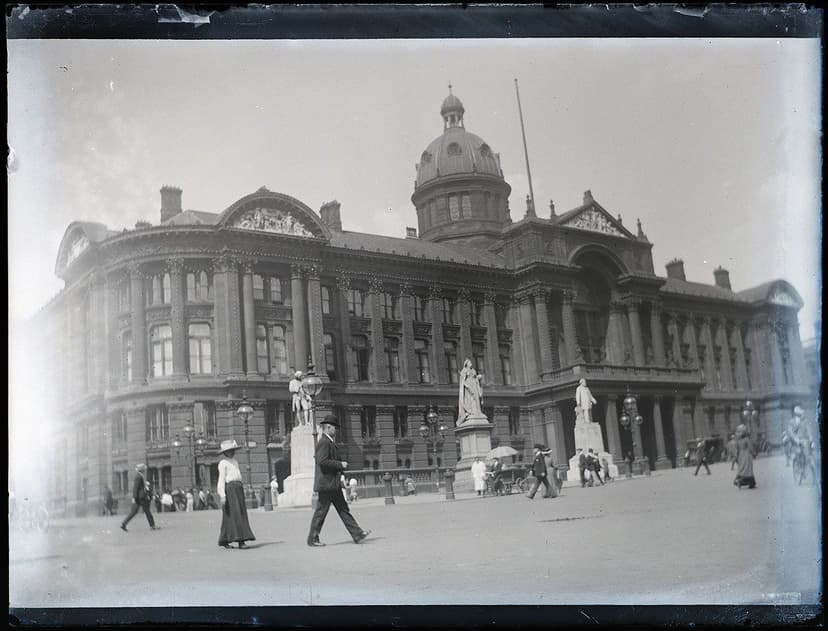
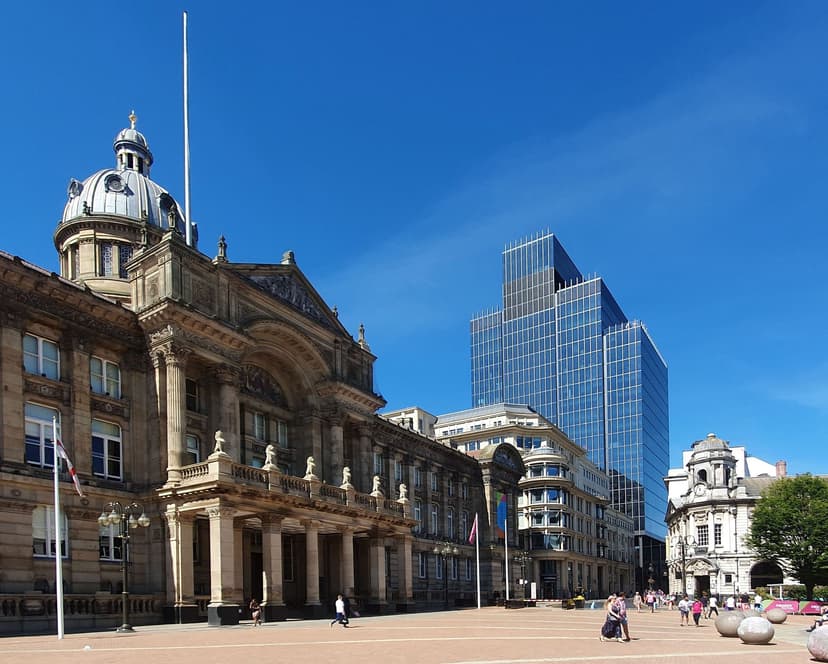
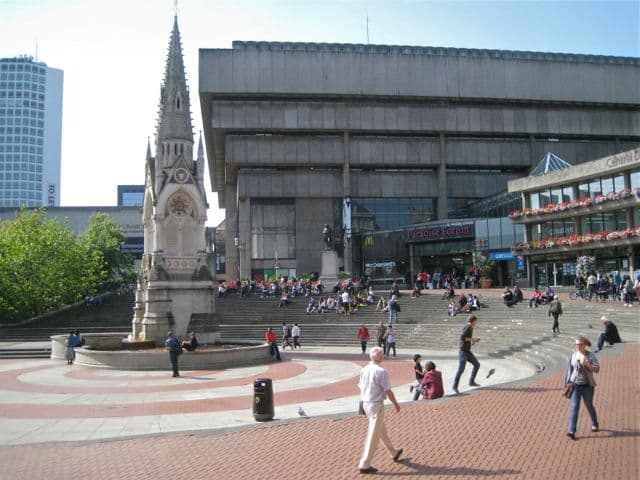
Then and now
Then · Early 1900s (estimated)
Now · 9 July 2022
Key dates
- November 1873 — Joseph Chamberlain becomes mayorJoseph Chamberlain is elected Mayor of Birmingham. In under three years the council takes over gas and water and launches the Improvement Scheme. He resigns in June 1876 on entering Parliament.
- 17 June 1874 — Chamberlain lays the Council House foundation stoneMayor Joseph Chamberlain lays the foundation stone of Yeoville Thomason’s Council House. The council first meets there in 1878.
- 1875 — Gas and water come into public handsUnder Mayor Chamberlain the corporation takes over Birmingham’s two private gas companies and, by an Act of 1875, the waterworks.
Sources and further reading
The foundation-stone date (17 June 1874), the cost and the number of competition entries come from Wikipedia; the Victoria County History gives the year 1874 and the sequence of meetings and occupation.
The Tangye gift is given as £10,000 by the Dictionary of National Biography (1912); this site’s Richard Tangye page notes a company history giving £11,000 in all.
Public access to the Council House itself is limited; the Museum and Art Gallery is open on its own hours.
- Council House, City Museum and Art Gallery and Council House extension — National Heritage List for England entry 1210333 — Historic England
- Council House, Birmingham — Wikipedia
- A History of the County of Warwick, vol. 7: The City of Birmingham — Local Government and Public Services, pp. 318–353 — W. B. Stephens (ed.), Victoria County History, 1964. Council House; gas and water supply
- Slum Clearance and the Building of Corporation Street — Chris Upton, History West Midlands
- Tangye, Richard — Dictionary of National Biography, 1912 supplement, vol. 3 — William Benjamin Owen, Smith, Elder & Co., 1912
- Reopening of Birmingham Museum & Art Gallery — Birmingham Museums Trust, 2024
Comments
Comments will load here.