
What was here?
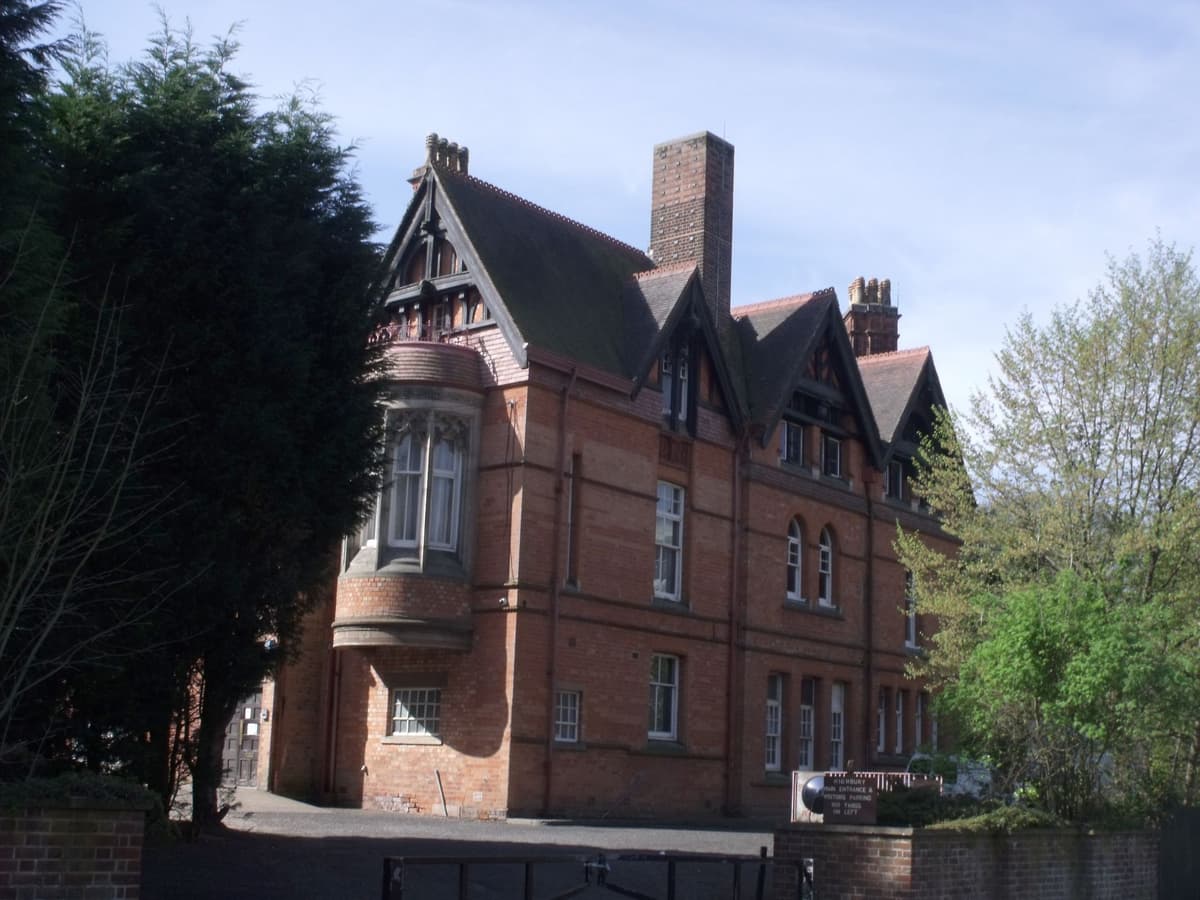
Highbury is the mansion and estate that Joseph Chamberlain created at Moor Green, between Moseley, Kings Heath and Stirchley, after retiring from the screw trade. The house still stands on Yew Tree Road; most of the grounds are Highbury Park.
History
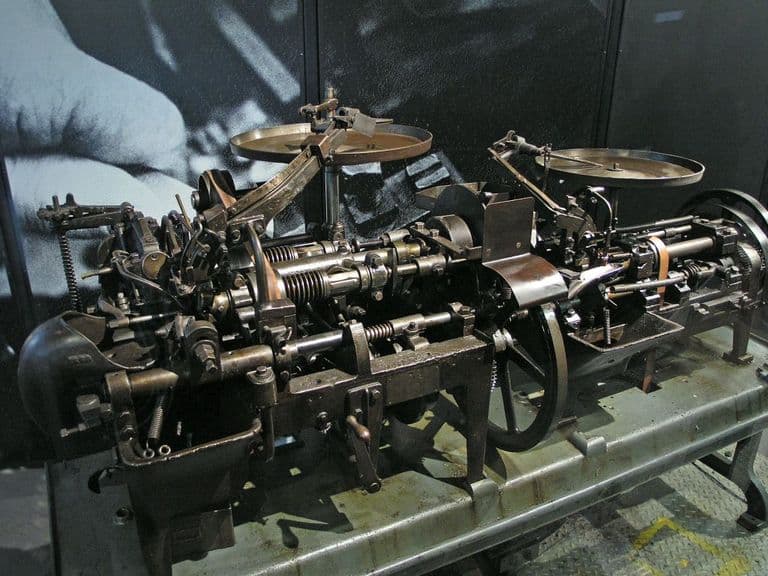
Joseph Chamberlain made his money in screws and spent a good part of it here.
Built on screws
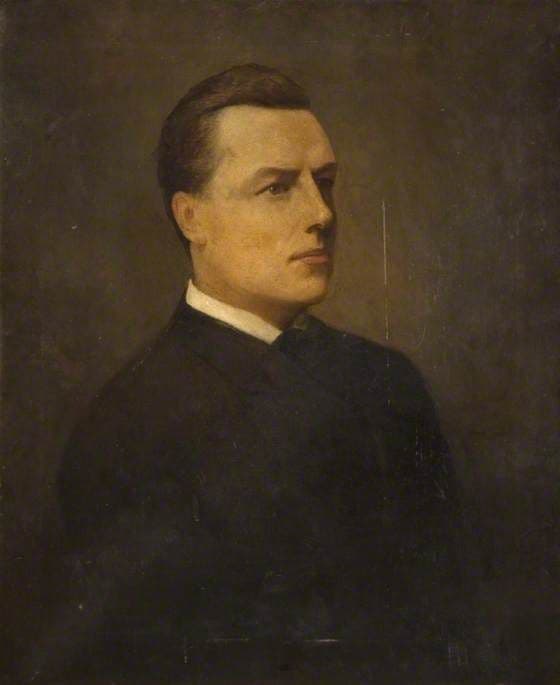
By 1874 Chamberlain had made enough from Nettlefold & Chamberlain to sell out and give his life to politics. In 1878, three years after the death of his second wife and two years after he was elected MP for Birmingham, he bought land at Moor Green, about 7 kilometres south of the town centre. The area had attracted rich Birmingham families since the late eighteenth century, people who wanted country air within reach of their businesses.
He named the house Highbury, after the north London suburb where he had grown up.
J. H. Chamberlain’s house
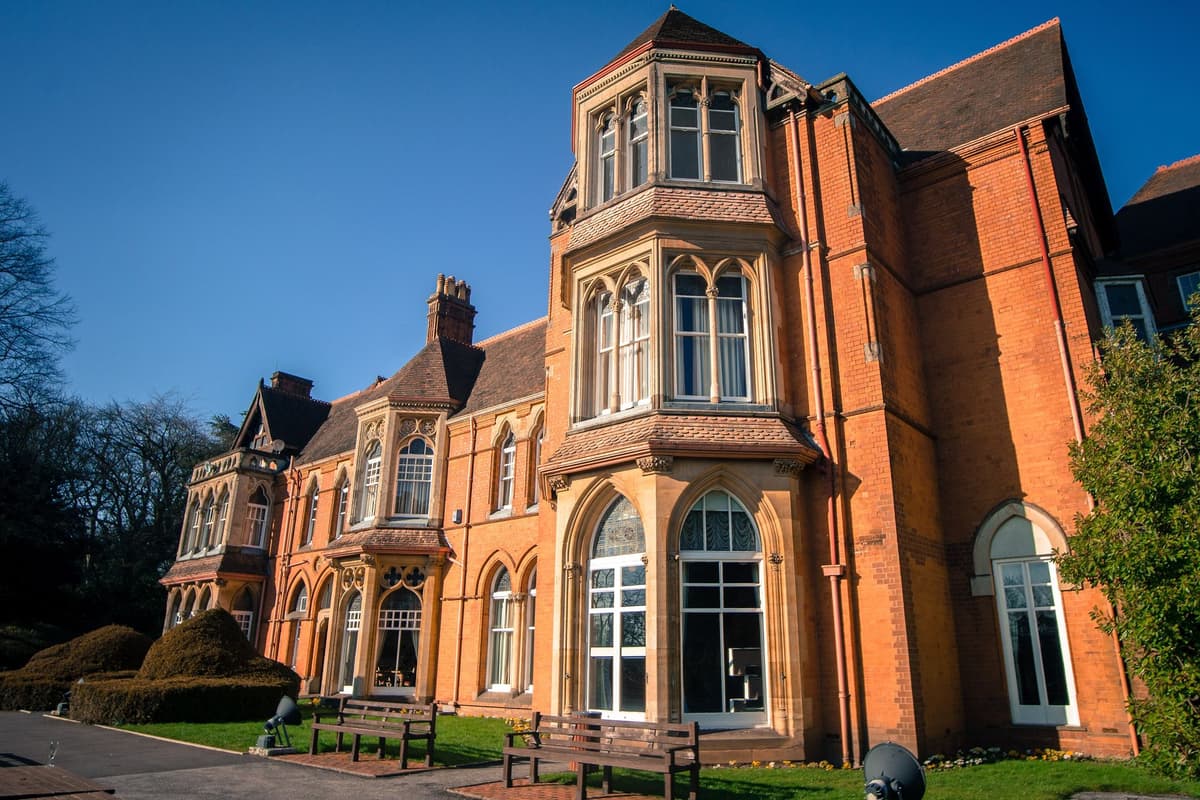
The architect was John Henry Chamberlain, a leading Birmingham architect and no relation. The house is dated 1879 and was built by John Barnsley & Sons of Birmingham. The Register of Parks and Gardens describes it as “more institutional in scale than domestic”, in hard red brick with terracotta and some applied timber framing, a style one historian called “a robust Venetian Gothic”.
The same spot, then and now
1888–1913
Today
Old map: Ordnance Survey six-inch, reproduced with the permission of the National Library of Scotland (CC BY 4.0). Today: © OpenStreetMap contributors.
Inside, the list entry describes an interior “of great richness”. A great hall rises through two storeys to a timber and glazed roof, with pink marble shafts, carved panels, tiles and a huge central brass gasolier. The former billiard room has a richly coffered and painted ceiling. The Chamberlain Highbury Trust names craftsmen including William Barfield of Leicester, John Hardman & Co. and Minton. A large extension was added in 1888.
Orchids and Jersey cows
Edward Milner designed the grounds in 1879, leading from terraces and lawns near the house to pleasure grounds and then meadows where Jersey cows grazed. Chamberlain took a close interest; in the later nineteenth century eighteen gardeners kept the place. His orchids were famous. The register counts fourteen glasshouses in 1896 and twenty-five by 1903. Around 1900–01 he added a Dutch garden, an Italian garden and a rock garden laid out to his own design by Pulham & Sons. By 1903 the estate had grown to just over 100 acres.
In 1888 Chamberlain married his third wife, the American Mary Endicott. Until his stroke in 1906 Highbury was the scene of great political and social gatherings. He died in 1914.
Hospital, home and park
From May 1915 to December 1917 the house was part of the First Southern General Hospital, and from 1918 an annexe of the orthopaedic hospital at Hollymoor. In 1919 his son Austen put the estate into trust as a hospital for disabled ex-servicemen. In 1932 the trustees gave house and grounds to the City of Birmingham, “for the benefit of its citizens”. Most of the grounds became a public park. The house became a home for elderly women until 1983, and from 1934 also held a small Chamberlain memorial museum. The glasshouses were pulled down and replaced by a dormitory block, Chamberlain House.
In 2016 the Chamberlain Highbury Trust was set up as an independent charity to restore Highbury and give it a sustainable future. It has begun restoring Milner’s landscape, and in 2025 it was awarded £2 million by the National Lottery Heritage Fund for the next phase.
What happened here?
Joseph Chamberlain lived here from 1880 to 1914 and entertained political allies and visitors on a grand scale. Later it was a military hospital (1915–19), a hospital for disabled ex-servicemen, and from 1932 to 1983 a council home for elderly women.
Why it mattered
Highbury is the clearest surviving monument to Chamberlain’s fortune from the screw trade and to the power he built in Birmingham. It is one of the city’s finest Victorian houses, by its leading Victorian architect, with rare surviving interiors.
What’s there now
What survives
The house (Grade II*, NHLE 1076076), with its great hall and principal rooms, though with large later additions. The grounds are registered Grade II (NHLE 1001203), including the Milner lawns, shrubbery, fish pond, avenues, the c.1900 Italian, Dutch and rock gardens, the lodge, dairy-farm buildings and part of the kitchen-garden wall. The orchid houses have gone.
Today
The hall is cared for by the Chamberlain Highbury Trust, which runs open days, tours and events and is restoring the grounds. Highbury Park is a public park. Birmingham Civic Society put up a blue plaque in 1990.
Then and now
Then · 10 April 2011
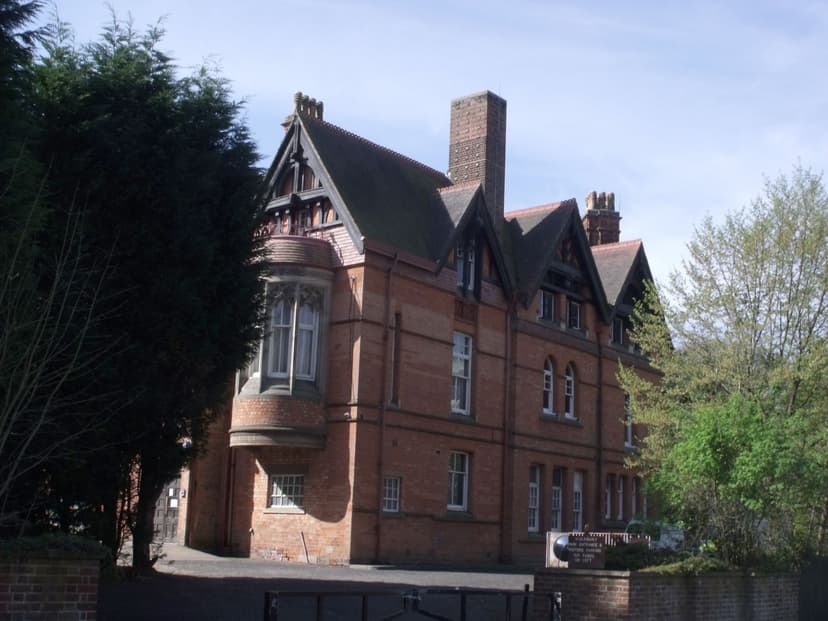
Now · 10 April 2011
Today
Highbury Hall, Moseley, 25 February 2018Bs0u10e01, 25 February 2018. Wikimedia Commons · CC BY-SA 4.0
Key dates
- 1878–80 — Highbury built for Joseph ChamberlainJoseph Chamberlain buys land at Moor Green in 1878. J. H. Chamberlain’s house, dated 1879, and Edward Milner’s grounds become his home from 1880 until 1914.
- 1932 — Highbury given to the cityThe Highbury trustees give Joseph Chamberlain’s house and grounds to the City of Birmingham “for the benefit of its citizens”. Most of the grounds become Highbury Park.
Sources and further reading
Dates: the Register of Parks and Gardens says the house was designed in 1878; the list entry says “dated 1879”; Birmingham Civic Society says built 1878–80; the Chamberlain Highbury Trust says completed in 1880.
Size of the first estate: 25 acres (Chamberlain Highbury Trust), 26 acres (Birmingham Civic Society) or about 10 hectares of meadow in Milner’s 1879 plan (Register).
The gift to the city: the Register and the trust say the trustees gave Highbury to the city in 1932. A Birmingham Civic Society page says Neville Chamberlain inherited and gave it in 1934; this conflicts with both and is not used.
The house address is given as 4 Yew Tree Road (trust) and 2 Yew Tree Road (some photograph captions).
- Highbury Hall, Yew Tree Road — National Heritage List for England entry 1076076 — Historic England
- Highbury — Register of Parks and Gardens entry 1001203 — Historic England
- Highbury Hall and Park, Birmingham — Parks & Gardens UK, Parks & Gardens Data Services
- The Hall — History of Highbury — Chamberlain Highbury Trust, Highbury Hall & Park
- Chamberlain Highbury Trust — Chamberlain Highbury Trust, Highbury Hall & Park
- Blue Plaque: Highbury Hall — Birmingham Civic Society, Birmingham Civic Society
Archive references: Cadbury Research Library, University of Birmingham JC (Joseph Chamberlain papers)
Comments
Comments will load here.