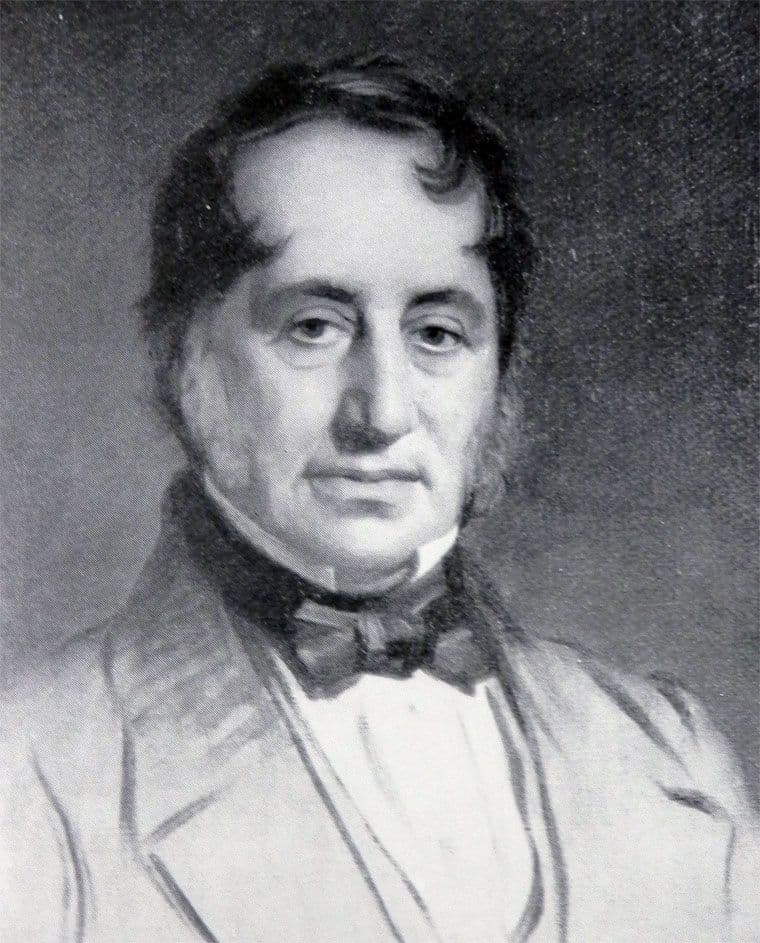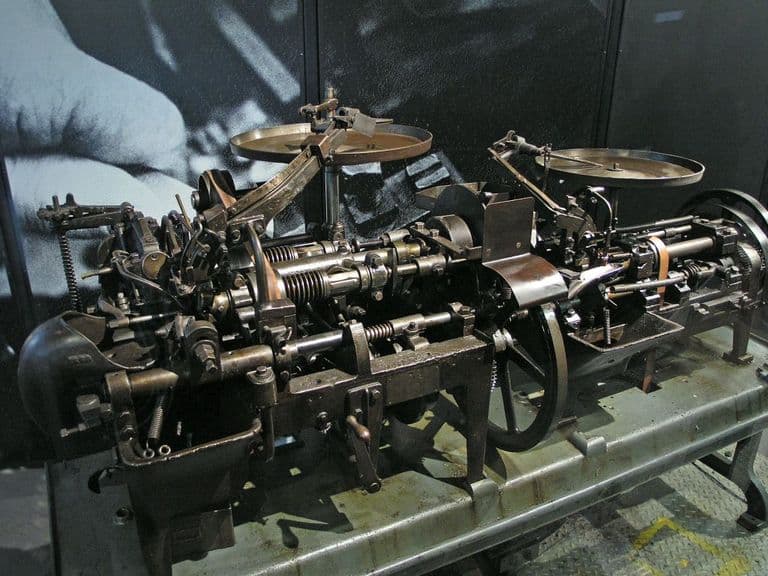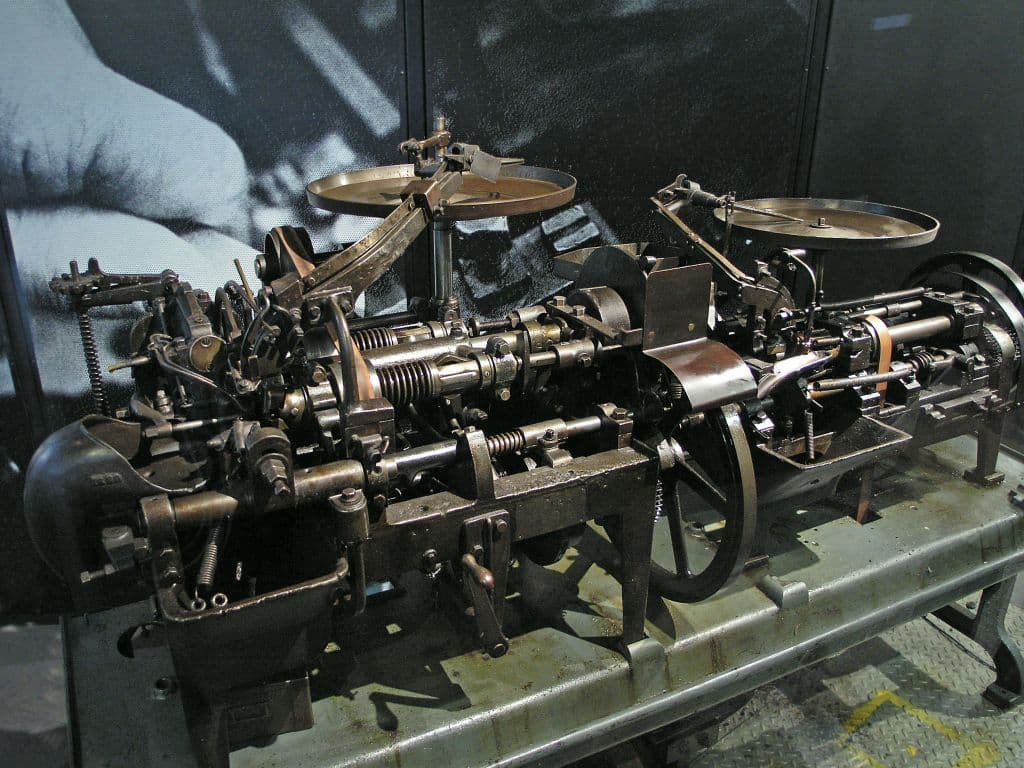
In 1854 two London brothers-in-law, the ironmonger John Sutton Nettlefold and the shoe manufacturer Joseph Chamberlain, went into the screw business together. Nettlefold had bought the British rights to an American machine that made wood screws with sharp, gimlet points straight from wire. The venture needed about £30,000; Chamberlain put in £10,000.
Sons in charge
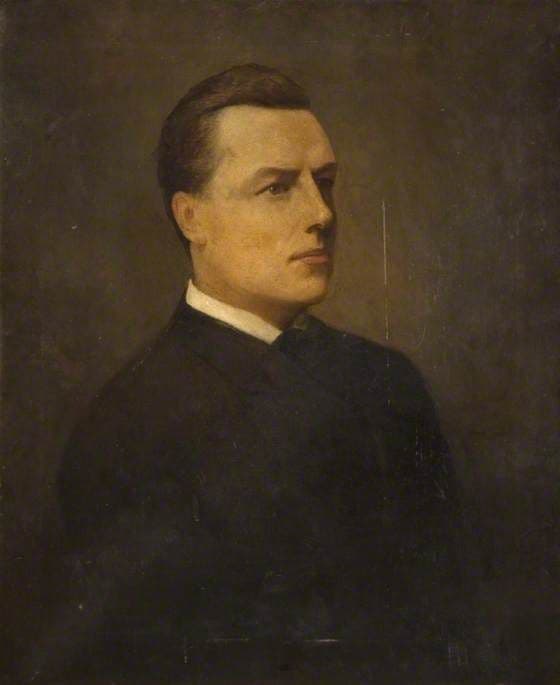
They built a works at Heath Street, Smethwick, beside the canal and the railway, and kept offices in Broad Street, Birmingham. Their sons ran it. Joseph Henry Nettlefold, an engineer, managed production; the young Joseph Chamberlain managed sales and accounts. Chamberlain’s biographer J. L. Garvin summed it up: “One made the screws; the other made the trade.”
Winning the market
The firm sold hard at home and abroad. By 1864 the works had 600 employees, and the Victoria County History says the firm dominated the British market by the mid-1860s. In 1869 it bought the Imperial Mills opposite the works for nuts, bolts, wire and nails, and it began to buy out rivals. Critics called it a monopoly.
After the Chamberlains
The Chamberlains left in 1874, when Joseph Chamberlain retired to devote himself to politics. The Nettlefolds carried on. In 1880 the business became Nettlefolds Ltd, absorbing the Birmingham Screw Company across the canal and other firms, with collieries, ironworks and wire mills behind it. In 1902 it merged with Guest, Keen & Co. to form Guest, Keen & Nettlefolds, which by 1914 made over half the screws in Britain. A screw-making machine built by the firm is in the Birmingham Museums collection.
On the map
2 places connected with Nettlefold & Chamberlain. Tap a number for directions — some sites are private homes or gardens, so each place’s page says what you can see from the street.

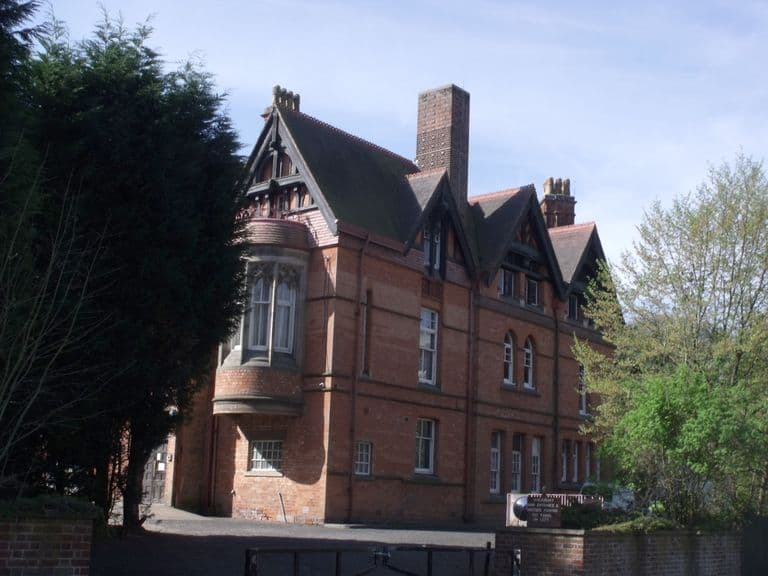
- Highbury, Moor Green — Surviving, Surviving but altered · Directions to Highbury, Moor Green (opens Google Maps)
- Heath Street Works (Nettlefold & Chamberlain), Smethwick — Site redeveloped · Directions to Heath Street Works (Nettlefold & Chamberlain), Smethwick (opens Google Maps)
Key dates
- 1834 — Nettlefold sets up a steam-powered screw works off Broad StreetAccording to Grace’s Guide, the London ironmonger John Sutton Nettlefold opens a steam-powered wood-screw works in Baskerville Place, off Broad Street, Birmingham. Garvin dates the move to Birmingham to about 1842.
- Autumn 1854 — Joseph Chamberlain arrives in BirminghamAged eighteen, Joseph Chamberlain comes from London to look after his father’s investment in the screw business. He takes charge of the firm’s commercial side from its Broad Street office.
- 1854 — Nettlefold & Chamberlain founded at Heath Street, SmethwickJohn Sutton Nettlefold buys the British rights to an American pointed-screw machine. With £10,000 from his brother-in-law Joseph Chamberlain, he builds the Heath Street Works in Smethwick, run by their sons.
- 12 April 1866 — John Sutton Nettlefold diesThe founder of the Nettlefold screw business dies in London and is buried at Highgate Cemetery.
- 1869 — Chamberlain becomes a partner; the firm buys Imperial MillsJoseph Chamberlain is made a partner in Nettlefold & Chamberlain, and the firm buys the Imperial Mills opposite the Heath Street Works for nuts, bolts, wire and nails.
- 1874 — Chamberlain retires from the screw tradeMayor of Birmingham since 1873, Joseph Chamberlain sells out of Nettlefold & Chamberlain to devote himself to politics. Garvin says the decision was taken in the spring; Grace’s Guide dates his departure to June.
- 1880 — Nettlefolds Ltd incorporatedThe screw business becomes Nettlefolds Ltd and takes over the Birmingham Screw Company’s St George’s Works across the canal from Heath Street.
- 1902 — Guest, Keen & Nettlefolds formedNettlefolds merges with Guest, Keen & Co. By 1914 the new company makes over half Britain’s screws and about a quarter of its nuts and bolts.
Sources and further reading
- Nettlefold and Chamberlain — Grace’s Guide, Grace’s Guide to British Industrial History
- Nettlefolds — Grace’s Guide, Grace’s Guide to British Industrial History
- Joseph Henry Nettlefold — Grace’s Guide, Grace’s Guide to British Industrial History
- Smethwick: Economic history, in A History of the County of Stafford, vol. 17, pp. 107–118 — M. W. Greenslade (ed.), Victoria County History, 1976
- The Life of Joseph Chamberlain, vol. 1: 1836–1885 — J. L. Garvin, Macmillan, 1932