
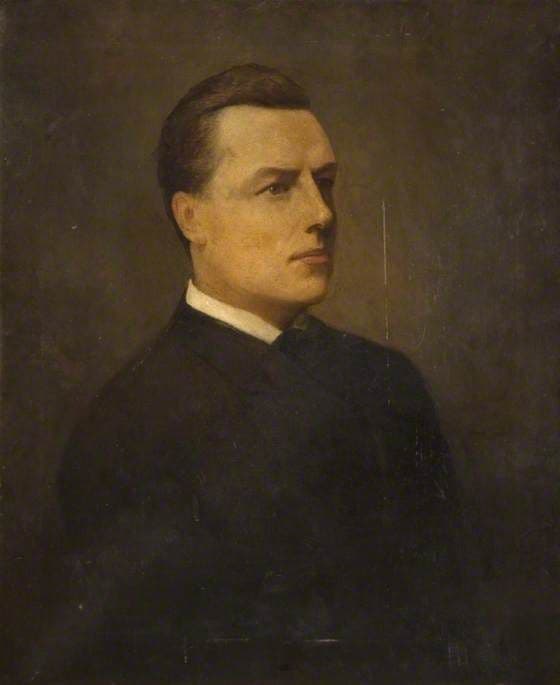
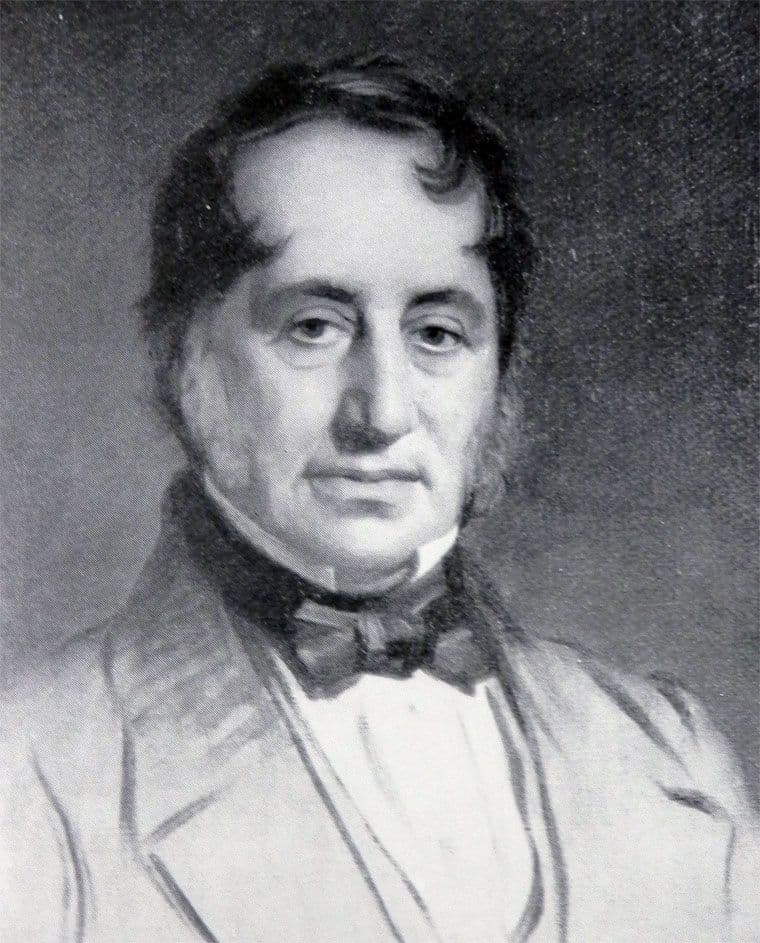
In the late autumn of 1854 an eighteen-year-old Londoner got off the train in Birmingham. He had been sent to keep an eye on his father’s money. His biographer J. L. Garvin, writing in 1932 from the family papers, says the father settled the matter in four words: “We will send Joe.”
Joseph Chamberlain would become the most famous name in Birmingham’s history. Before he was a mayor, a minister or anybody’s hero or villain, he spent twenty years selling screws. That is where his money, his methods and his reputation were made.
A screw that made its own hole
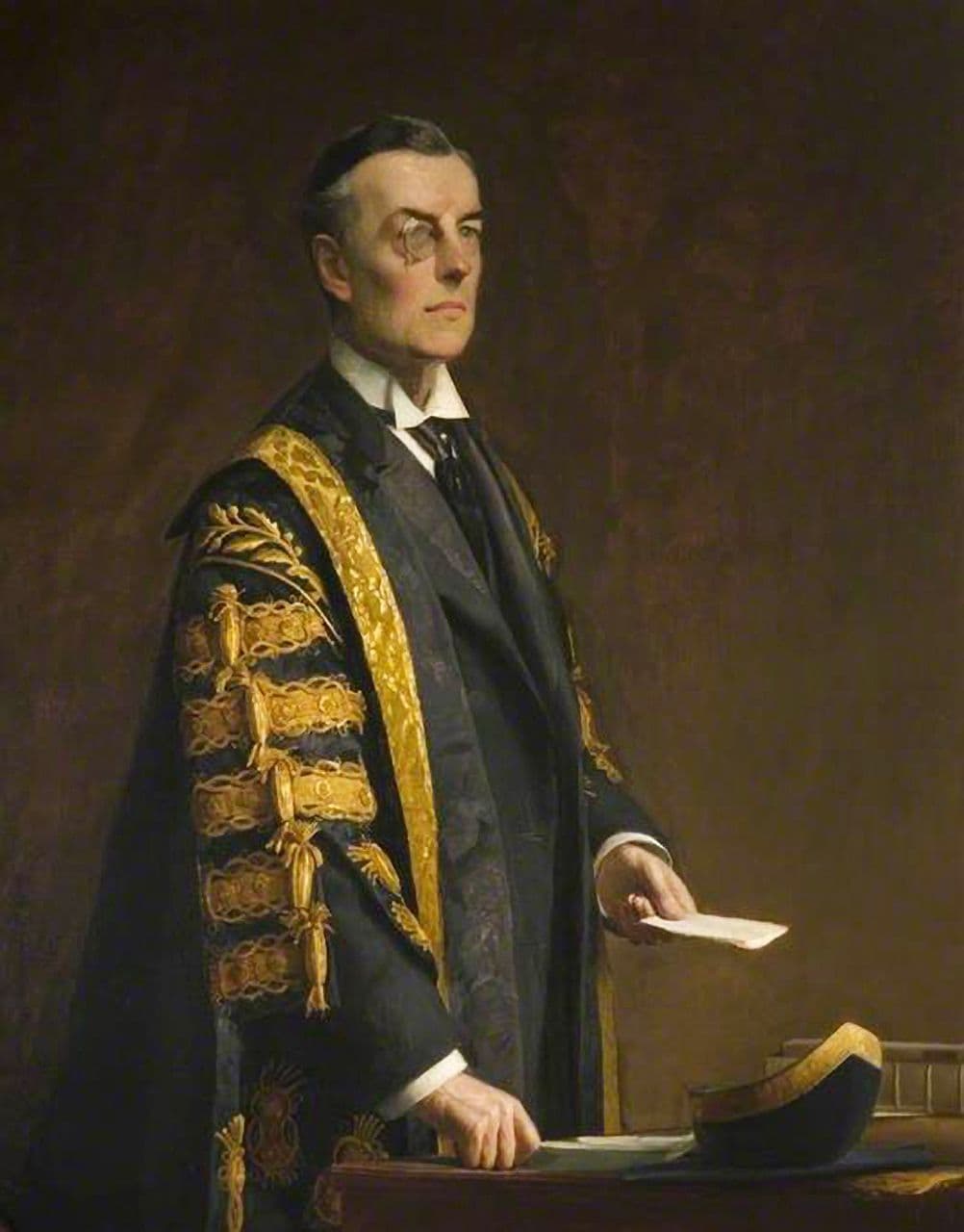
Chamberlain was born in Camberwell on 8 July 1836, the son of a London shoe manufacturer, also Joseph. He was educated at University College School from 1850 to 1852 and then put to work in the family business.
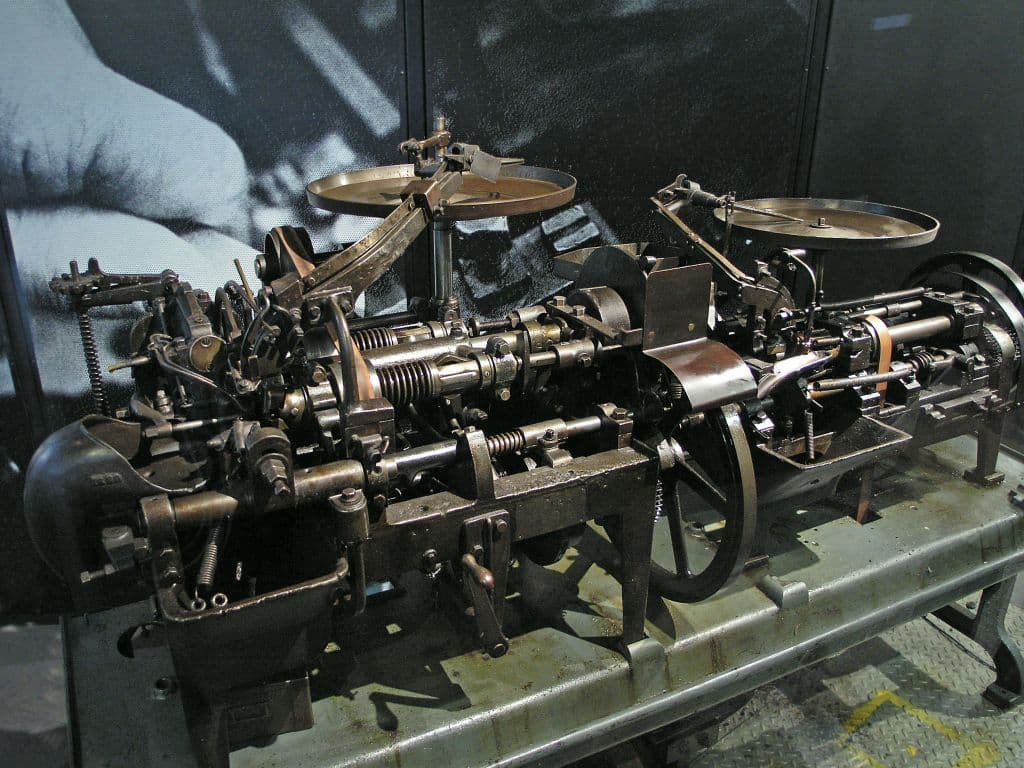
His uncle by marriage, John Sutton Nettlefold, was a London ironmonger who also made wood screws, and had a works off Broad Street in Birmingham. Screws in those days had blunt ends. You bored a hole with a gimlet first, then drove the screw in. An American patent offered something better: a pointed screw that made its own hole, cut, headed and threaded by self-acting machines fed with wire.
In 1854 Nettlefold bought the British rights. The whole venture needed about £30,000, more than he could raise. His brother-in-law, Chamberlain’s father, put in £10,000 as an equal partner. A new factory went up at Heath Street, Smethwick, by the canal and the railway on the edge of Birmingham. The younger Chamberlain came to watch over the stake.
The man who made the trade
The division of labour was simple. His cousin Joseph Henry Nettlefold, a gifted engineer, ran the works. Chamberlain ran the office in Broad Street and the selling. As Garvin put it: “One made the screws; the other made the trade.”
The first years were hard. The patent covered only the United Kingdom; rivals held the rights abroad, and the machines were costly to buy and run. Chamberlain went after customers himself. Garvin describes him quoting French buyers in their own decimal measures and packing screws the French way, in neat single-size packets wrapped in blue paper. He travelled to Ireland to open accounts. He produced the firm’s first price list for every size of screw and, it was said, knew it by heart.
It worked. The firm turned the corner while he was still in his early twenties. According to Garvin, by 1865 Birmingham was making about 130,000 gross of screws a week, and Nettlefold & Chamberlain made 90,000 of them.
Chamberlain was also at Smethwick often, mixing with the workforce. Garvin credits him with a Working Men’s Institute, a debating club and a benefit club for sickness, with Chamberlain as treasurer. These accounts come from an admiring official biography and should be read as such, but they fit a man who was already practising for public life.
Partner, and monopolist
Garvin and the Victoria County History agree that Chamberlain was formally made a partner only in 1869. Then he went on the attack. In 1869 the firm bought the Imperial Mills across Cranford Street from the Heath Street Works and turned them over to nuts, bolts, wire and nails. Chamberlain negotiated the takeover of rivals one by one until, in Garvin’s words, “almost the whole of the screw trade of Birmingham and its neighbourhood passed into the hands of his firm.” Opponents called him a merciless monopolist. That charge followed him for decades.
His private life in these years was marked by grief. He married Harriet Kenrick in 1861. She died in 1863, shortly after the birth of their son Austen. In 1868 he married her cousin Florence Kenrick. She died in childbirth in 1875.
Walking away
By then Chamberlain had found a bigger stage. He helped lead the National Education League from 1869, chaired the Birmingham School Board and was elected Mayor of Birmingham in 1873. In the spring of 1874, shortly after his father’s death, he decided to sell out of the business altogether. Grace’s Guide dates his departure to June 1874. He was thirty-seven. Garvin says he retired “on terms making him a rich man for that time, though by no means the magnifico popularly supposed”.
Without the screw fortune there would have been no full-time politician. As mayor he brought gas and clean water into public hands and began clearing the worst slums. He entered Parliament for Birmingham in 1876 and sat for the city until his death. He went on to serve as President of the Board of Trade and, from 1895 to 1903, as Colonial Secretary, a champion of empire whose record is still argued over. From 1900 he was also Chancellor of the new University of Birmingham.
Highbury
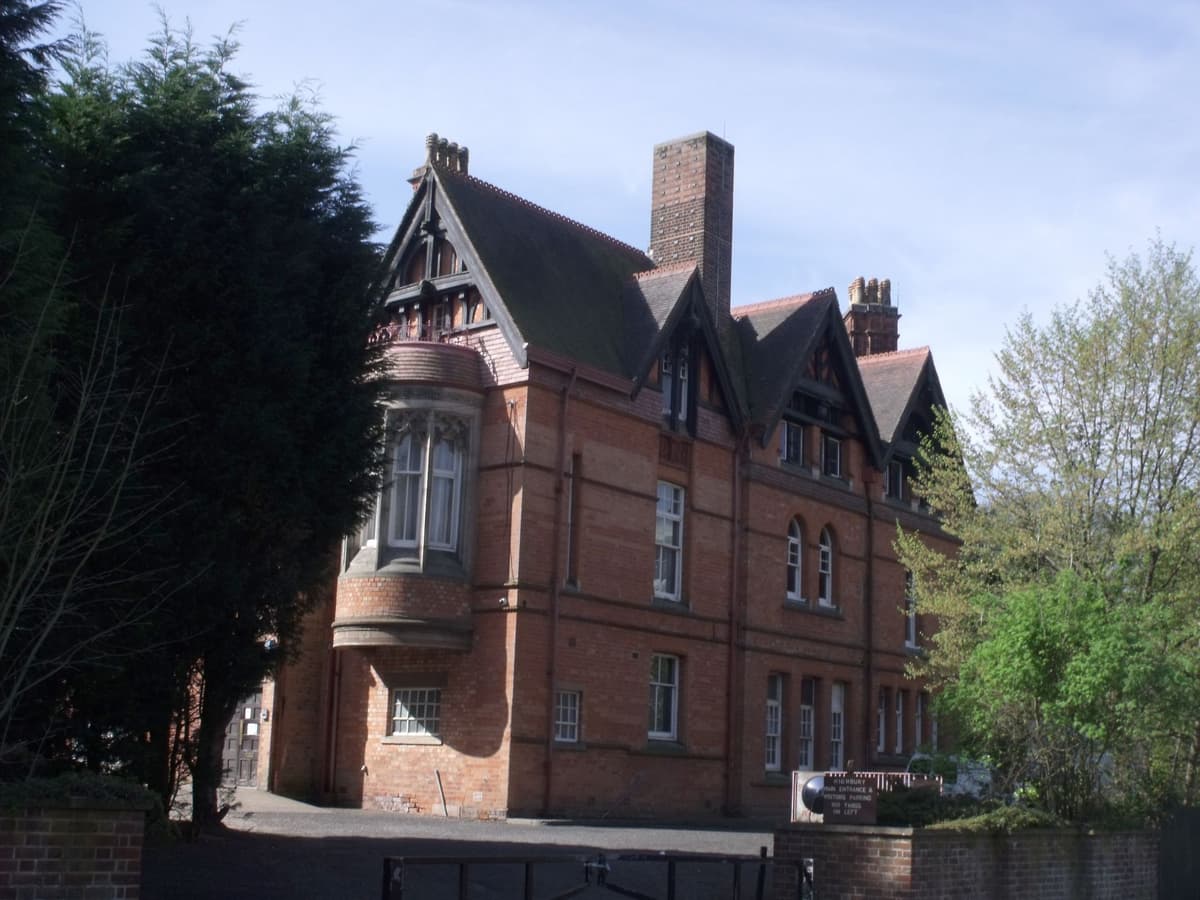
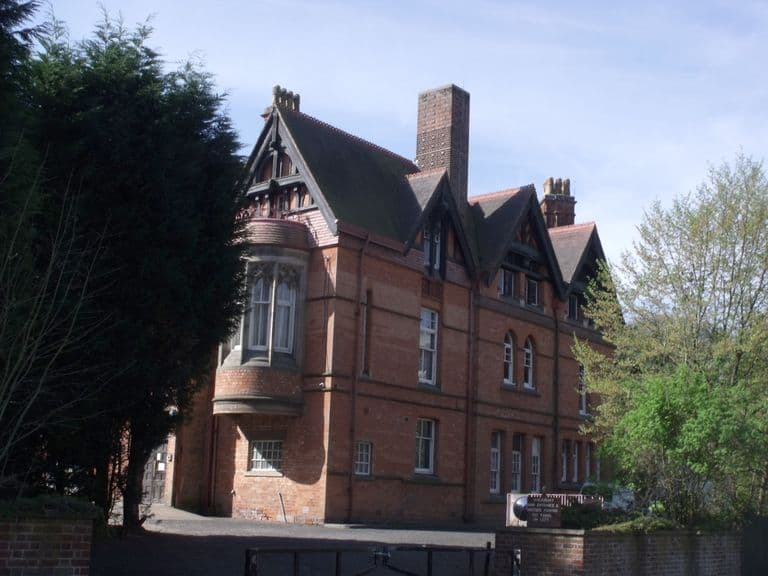
In 1878 Chamberlain bought land at Moor Green, south of the town. The Birmingham architect John Henry Chamberlain, no relation, designed him a red-brick Venetian Gothic house, dated 1879, and Edward Milner laid out the grounds. Chamberlain named it Highbury, after the north London suburb where he had grown up, and lived there from 1880 until his death. Its glasshouses held his famous orchids; there were twenty-five of them by 1903.
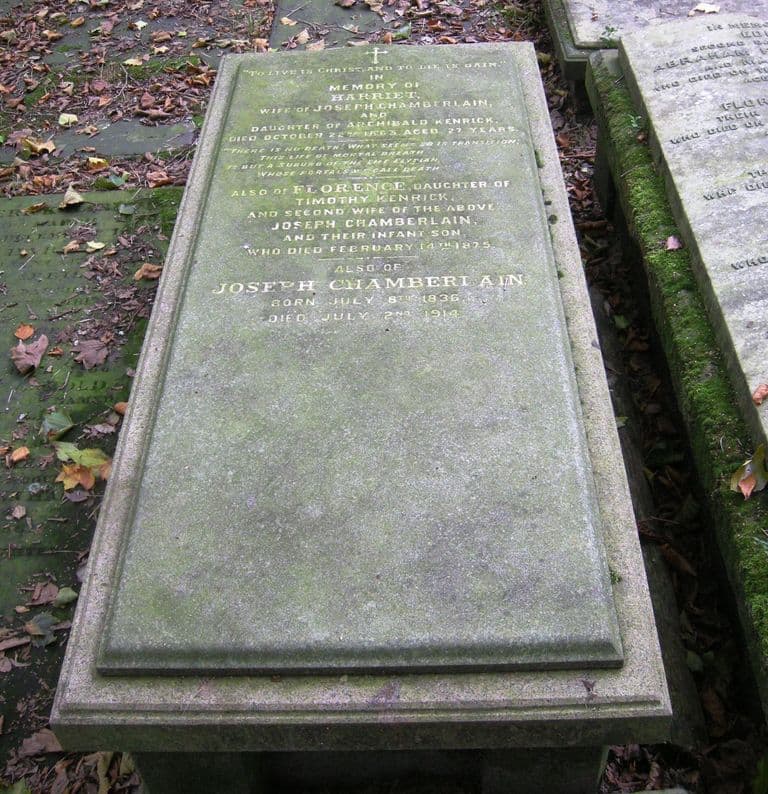
A stroke in 1906 ended his active career. He died in London on 2 July 1914. His family turned down a burial in Westminster Abbey and took him home to Key Hill Cemetery in Birmingham, to lie with his first two wives.
Why it mattered
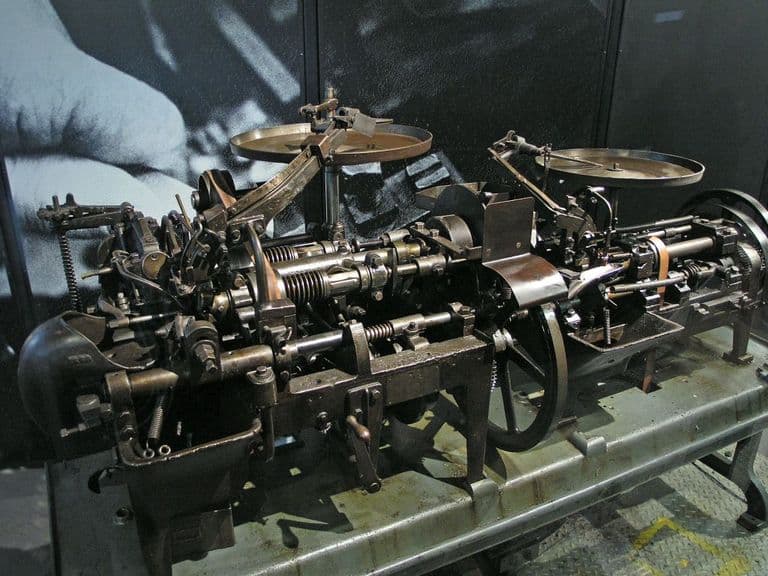
Chamberlain is remembered as a politician, but he was made in a factory. The screw business taught him to count, to sell, to organise and to merge, and those were the skills he brought to the Council House: buy out the competition, run it better, make it pay for the town. The firm he helped build did not stop with him. Nettlefolds became part of Guest, Keen & Nettlefolds in 1902, and by the First World War it made over half the screws in the country. A Nettlefold & Chamberlain screw-making machine is kept by Birmingham Museums. His papers are at the University of Birmingham, where he was Chancellor. His house still stands at Moor Green, being restored by the Chamberlain Highbury Trust. Every pointed screw driven into a Birmingham floorboard is a small reminder of the eighteen-year-old who was sent up from London to mind the money, and stayed to run the city.
On the map
10 places connected with Joseph Chamberlain. Tap a number for directions — some sites are private homes or gardens, so each place’s page says what you can see from the street.

- Grand Theatre, Corporation Street — Lost, Site redeveloped · Directions to Grand Theatre, Corporation Street (opens Google Maps)
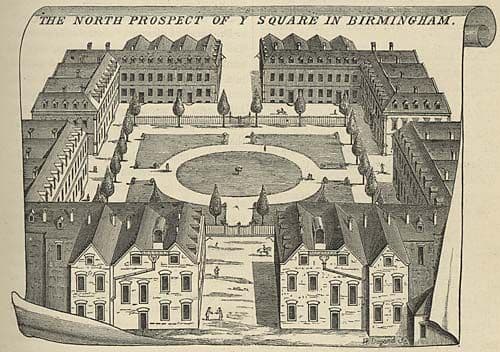
- Old Square — Lost, Site redeveloped · Directions to Old Square (opens Google Maps)
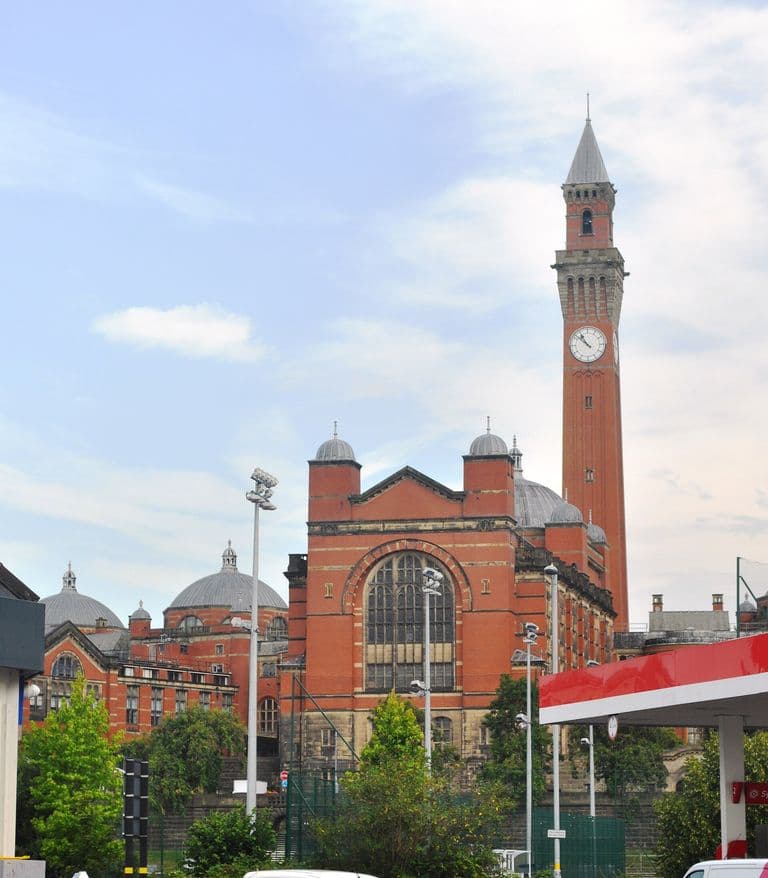
- Old Joe and the Aston Webb buildings, University of Birmingham — Surviving · Directions to Old Joe and the Aston Webb buildings, University of Birmingham (opens Google Maps)
- Key Hill Cemetery — Surviving, Surviving but altered · Directions to Key Hill Cemetery (opens Google Maps)
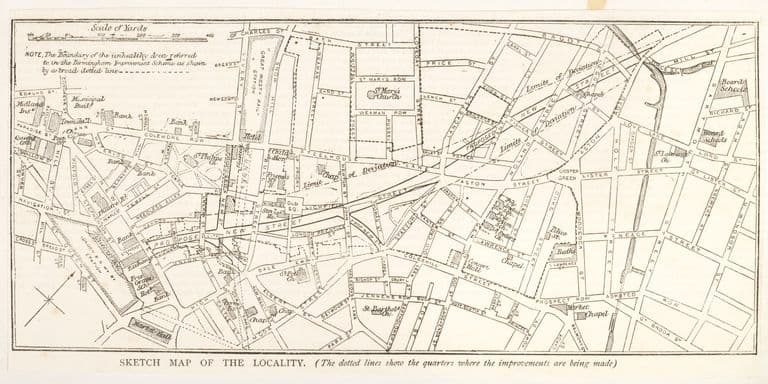
- Corporation Street — Surviving, Surviving but altered
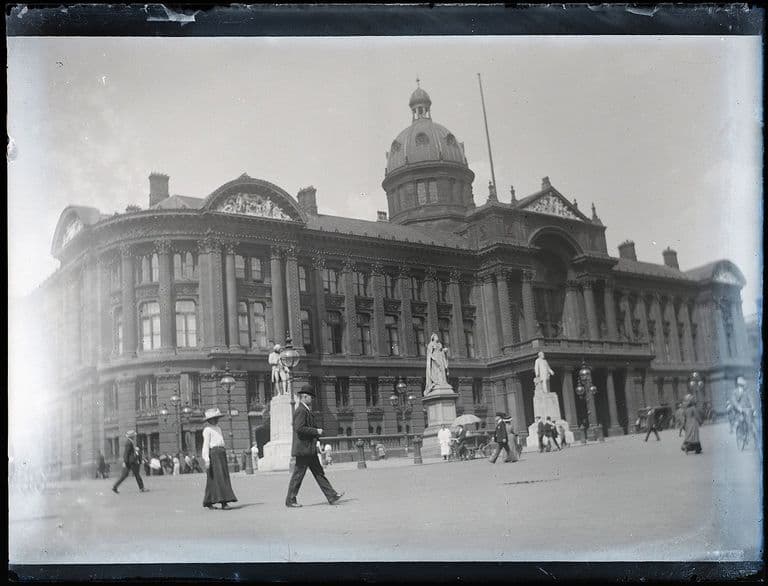
- The Council House, Victoria Square — Surviving · Directions to The Council House, Victoria Square (opens Google Maps)
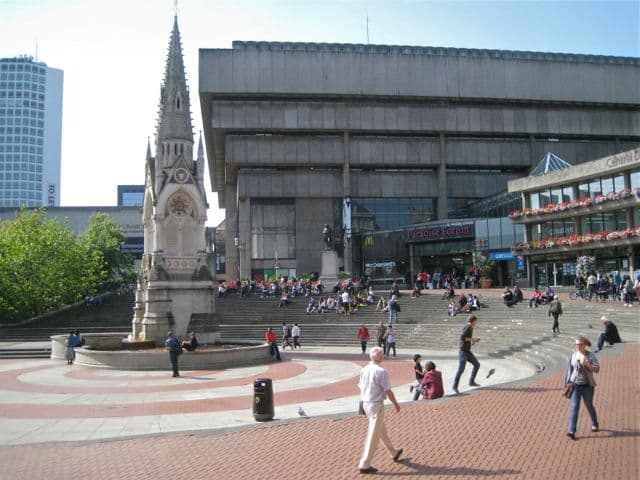
- The Chamberlain Memorial — Surviving, Surviving but altered · Directions to The Chamberlain Memorial (opens Google Maps)
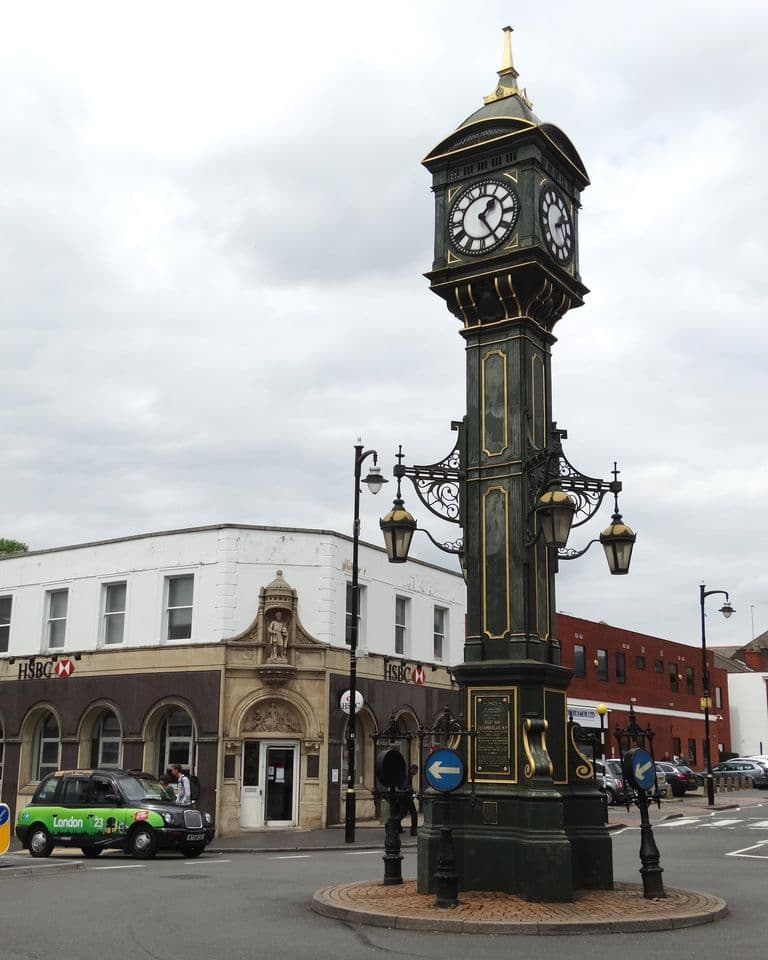
- The Chamberlain Clock — Surviving, Surviving but altered · Directions to The Chamberlain Clock (opens Google Maps)
- Highbury, Moor Green — Surviving, Surviving but altered · Directions to Highbury, Moor Green (opens Google Maps)
- Heath Street Works (Nettlefold & Chamberlain), Smethwick — Site redeveloped · Directions to Heath Street Works (Nettlefold & Chamberlain), Smethwick (opens Google Maps)
Key dates
- Autumn 1854 — Joseph Chamberlain arrives in BirminghamAged eighteen, Joseph Chamberlain comes from London to look after his father’s investment in the screw business. He takes charge of the firm’s commercial side from its Broad Street office.
- 1854 — Nettlefold & Chamberlain founded at Heath Street, SmethwickJohn Sutton Nettlefold buys the British rights to an American pointed-screw machine. With £10,000 from his brother-in-law Joseph Chamberlain, he builds the Heath Street Works in Smethwick, run by their sons.
- 18 March 1869 — Neville Chamberlain is bornArthur Neville Chamberlain, son of Joseph Chamberlain and Florence Kenrick, is born at Southbourne in Edgbaston.
- 1869 — Chamberlain becomes a partner; the firm buys Imperial MillsJoseph Chamberlain is made a partner in Nettlefold & Chamberlain, and the firm buys the Imperial Mills opposite the Heath Street Works for nuts, bolts, wire and nails.
- November 1873 — Joseph Chamberlain becomes mayorJoseph Chamberlain is elected Mayor of Birmingham. In under three years the council takes over gas and water and launches the Improvement Scheme. He resigns in June 1876 on entering Parliament.
- 17 June 1874 — Chamberlain lays the Council House foundation stoneMayor Joseph Chamberlain lays the foundation stone of Yeoville Thomason’s Council House. The council first meets there in 1878.
- 1874 — Chamberlain retires from the screw tradeMayor of Birmingham since 1873, Joseph Chamberlain sells out of Nettlefold & Chamberlain to devote himself to politics. Garvin says the decision was taken in the spring; Grace’s Guide dates his departure to June.
- 1875 — Gas and water come into public handsUnder Mayor Chamberlain the corporation takes over Birmingham’s two private gas companies and, by an Act of 1875, the waterworks.
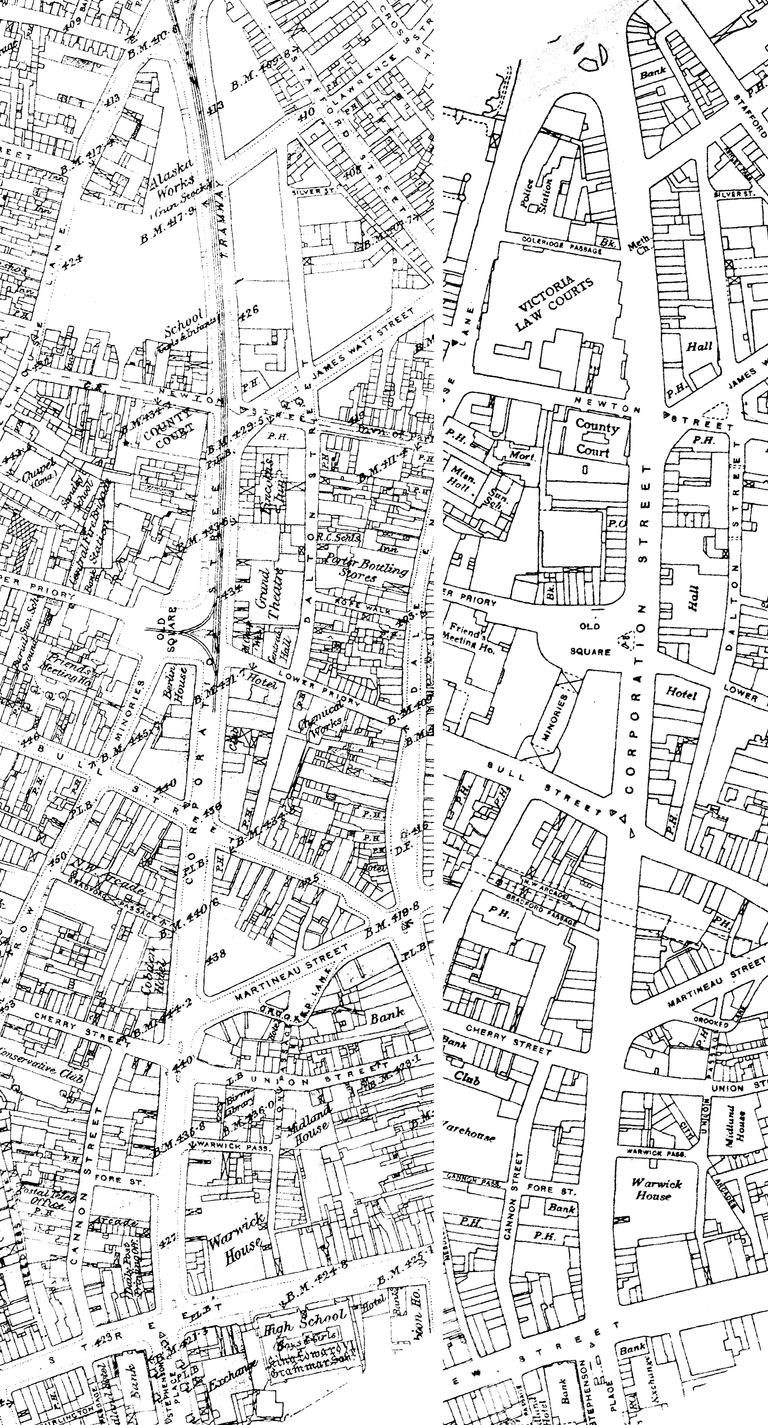
- 12 October 1875 — Council adopts Chamberlain’s Improvement SchemeUsing the new Artisans’ Dwellings Act, the council adopts Mayor Joseph Chamberlain’s scheme to buy and clear 93 acres of the worst streets in the town centre and drive a new street through them. Chamberlain asks the council for “a sagacious audacity”.
- 1878–80 — Highbury built for Joseph ChamberlainJoseph Chamberlain buys land at Moor Green in 1878. J. H. Chamberlain’s house, dated 1879, and Edward Milner’s grounds become his home from 1880 until 1914.
- 20 October 1880 — The Chamberlain Memorial is inauguratedJ. H. Chamberlain’s Gothic memorial fountain, paid for by public subscription to thank Joseph Chamberlain for his mayoralty, is inaugurated with Chamberlain present.
- 24 March 1900 — Mason’s college becomes the University of BirminghamMason University College, as Mason’s college had become in 1898, was turned into the University of Birmingham by royal charter, after a campaign led by Joseph Chamberlain.
- 1903 — The Chamberlain Clock is erectedA cast-iron clock tower is put up at the junction of Warstone Lane, Vyse Street and Frederick Street to mark Joseph Chamberlain’s visit to South Africa.
- 1909 — The University opens at EdgbastonKing Edward VII and Queen Alexandra open the University of Birmingham’s new buildings by Aston Webb and Ingress Bell, with Chamberlain Tower, ‘Old Joe’, at their centre.
- July 1914 — Joseph Chamberlain is buried at Key HillJoseph Chamberlain dies in London on 2 July 1914. His family declines burial in Westminster Abbey, and he is buried “among his own people” at Key Hill Cemetery.
Sources and further reading
Age on arrival: Garvin (1932), the Highbury trust and the Westminster Abbey biography say eighteen (1854). The University of Birmingham catalogue of his papers says sixteen; the text follows the majority.
Partnership: Grace’s Guide calls the firm a partnership of both families from 1854. Garvin and the Victoria County History (Staffs. vol. 17) say Chamberlain himself became a partner only in 1869, acting until then for his father.
The American machine: the family story (Garvin) says the Nettlefolds saw the machine at the Great Exhibition of 1851. Grace’s Guide reports that the official GKN history (Jones, 1987) doubts this and dates the purchase of the British rights to Sloane’s patent to 1854.
Output figures (130,000 and 90,000 gross a week, 1865) are Garvin’s and have not been checked against trade sources. Garvin’s account of Chamberlain’s welfare work and fair dealing is an authorised biography and is attributed as such. Wikipedia’s claim that the firm made two-thirds of all British screws has not been verified and is not used.
Leaving the business: Garvin says the decision came in the spring of 1874; Grace’s Guide says he left in June 1874. No source used here gives the sum he received.
Highbury: designed 1878 (Register of Parks and Gardens), dated 1879 on the building (list entry), completed 1880 (Chamberlain Highbury Trust). He lived there from 1880.
- The Life of Joseph Chamberlain, vol. 1: 1836–1885 — J. L. Garvin, Macmillan, 1932. vol. 1, ch. 4 and pp. 170–75
- Smethwick: Economic history, in A History of the County of Stafford, vol. 17, pp. 107–118 — M. W. Greenslade (ed.), Victoria County History, 1976
- Nettlefold and Chamberlain — Grace’s Guide, Grace’s Guide to British Industrial History
- Joseph Chamberlain — Grace’s Guide, Grace’s Guide to British Industrial History
- John Sutton Nettlefold — Grace’s Guide, Grace’s Guide to British Industrial History
- Joseph Chamberlain papers (JC) — Cadbury Research Library, University of Birmingham. Ref. GB 150 JC
- Chamberlain, Joseph — Dictionary of Unitarian & Universalist Biography, Unitarian Universalist History & Heritage Society
- Joseph and Neville Chamberlain — Westminster Abbey, Westminster Abbey
- Highbury Hall, Yew Tree Road — National Heritage List for England entry 1076076 — Historic England
- Highbury — Register of Parks and Gardens entry 1001203 — Historic England
- The Hall — History of Highbury — Chamberlain Highbury Trust, Highbury Hall & Park
- The Chamberlains — Chamberlain Highbury Trust, Highbury Hall & Park
- Machine for turning and slotting wood screws, made by Nettlefold and Chamberlain (Birmingham Museums object 1954S00329) — Birmingham Museums Trust, Birmingham Museums Trust via Wikimedia Commons
Comments
Comments will load here.