
What was here?
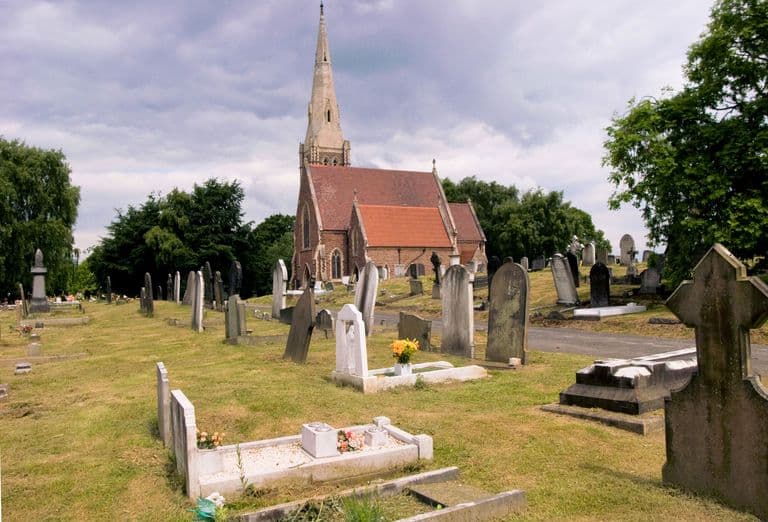
A private cemetery for the Birmingham General Cemetery Company, laid out on part of the old Birmingham Heath, with catacombs cut into a curving rock face and a Greek Doric chapel.
History
A cemetery for everyone
The Birmingham General Cemetery Company bought land on Key Hill, part of the old Birmingham Heath, and the local architect Charles Edge laid it out as a burial ground for all denominations, in practice mostly for Nonconformists. It opened on 23 May 1836, the first cemetery in Birmingham not attached to a church.
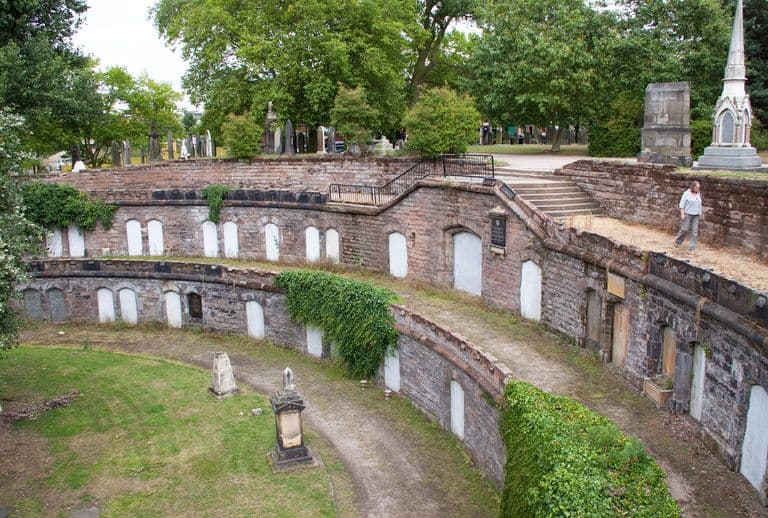
Edge set catacombs into the rising ground along a curving rock face, built a Greek Doric chapel and enclosed the whole with railings and grand gate piers. John Pope and Sons of Handsworth did at least some of the planting.
Westminster Abbey of the Midlands
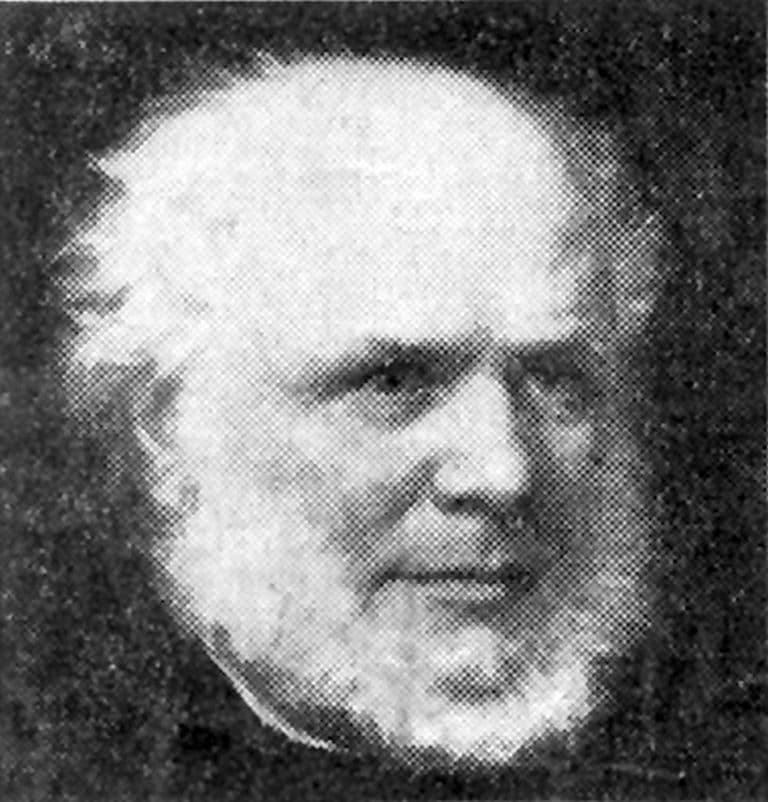
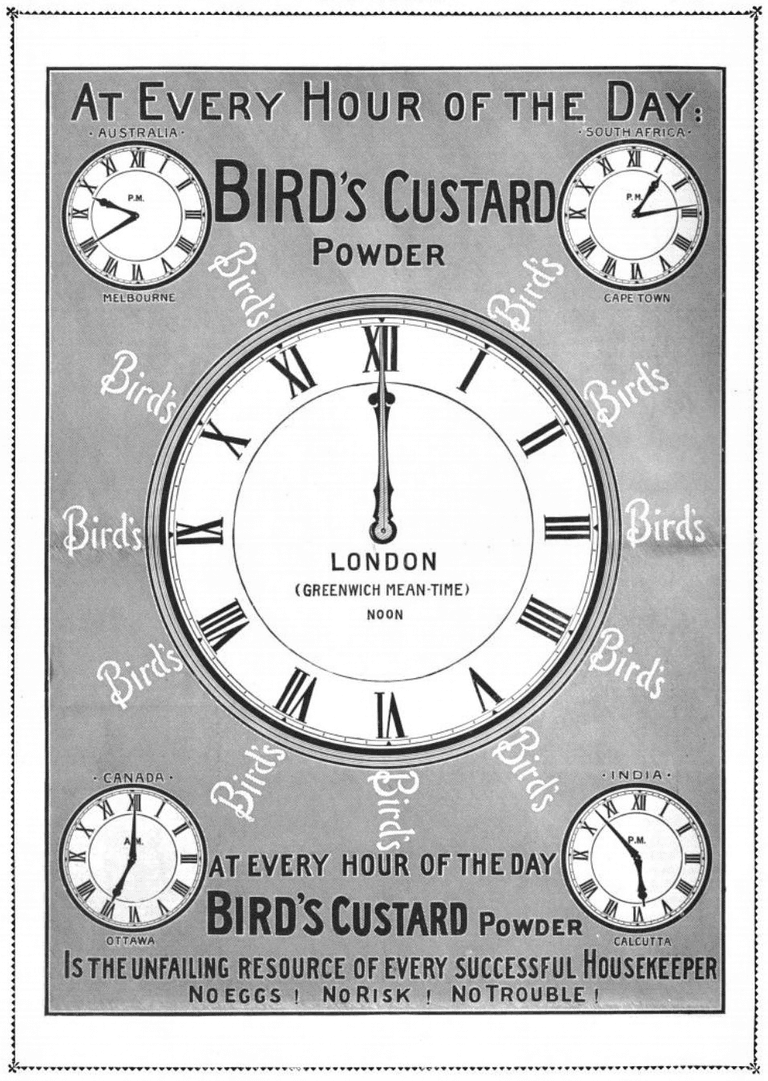
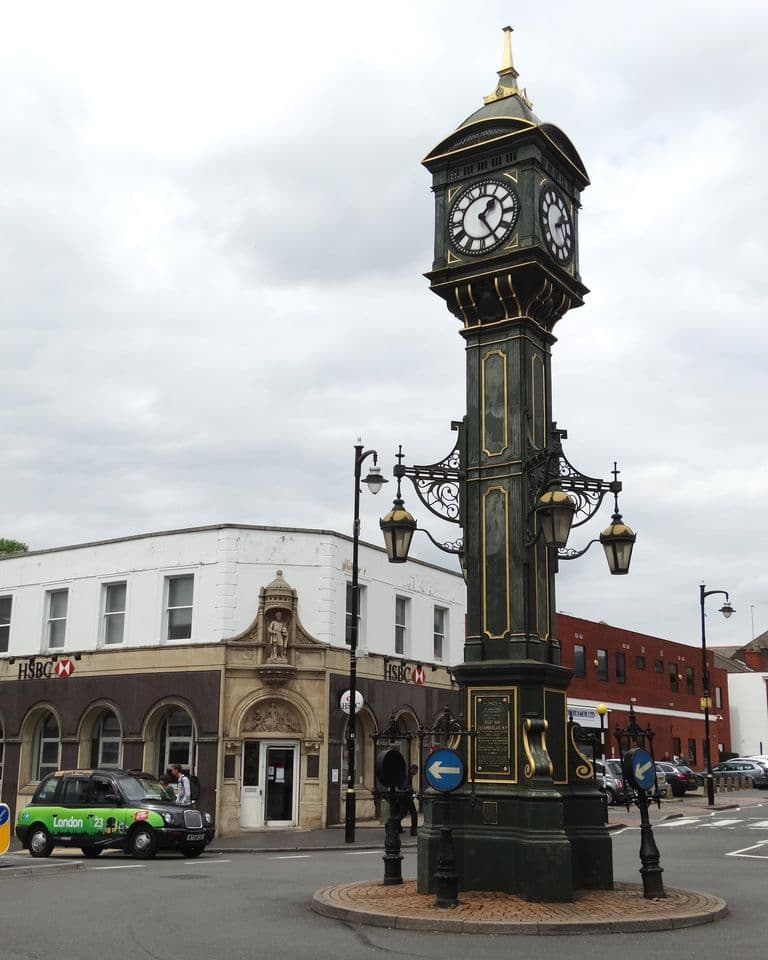
Many of the people who ran Victorian Birmingham were buried here. In 1915 the cemetery’s registrar, E. H. Manning, called it “the Westminster Abbey of the Midlands”. Among them are the preacher George Dawson, the writer Harriet Martineau, Alfred Bird of custard fame, and John Henry Chamberlain, the architect of the Chamberlain Memorial.
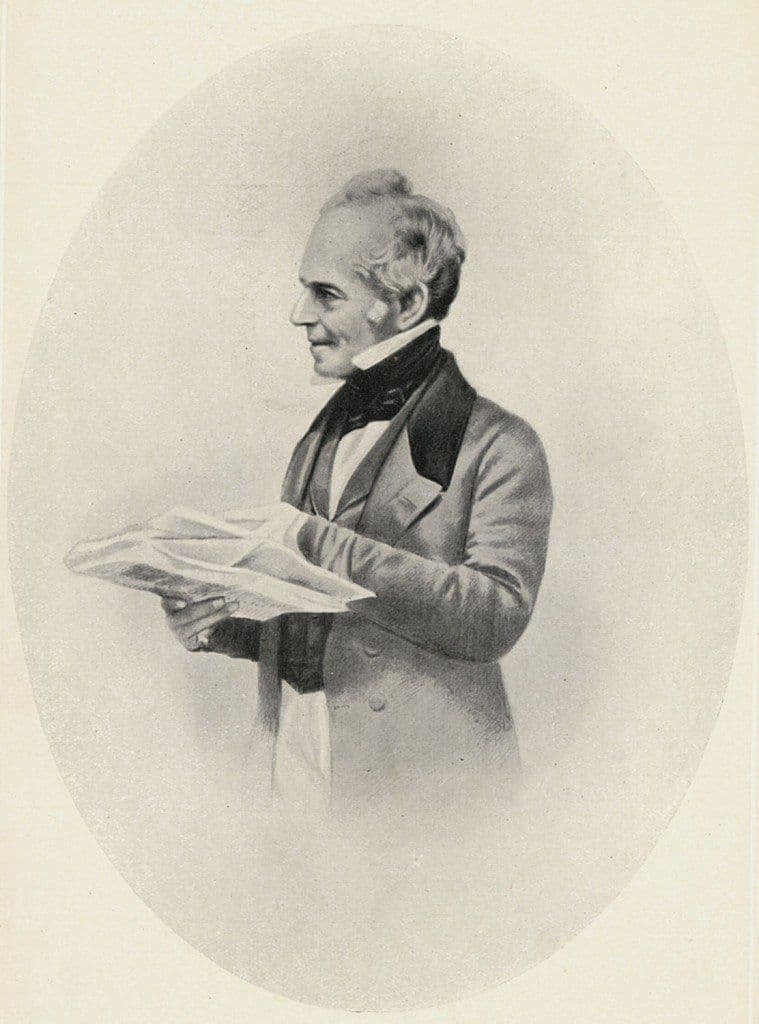
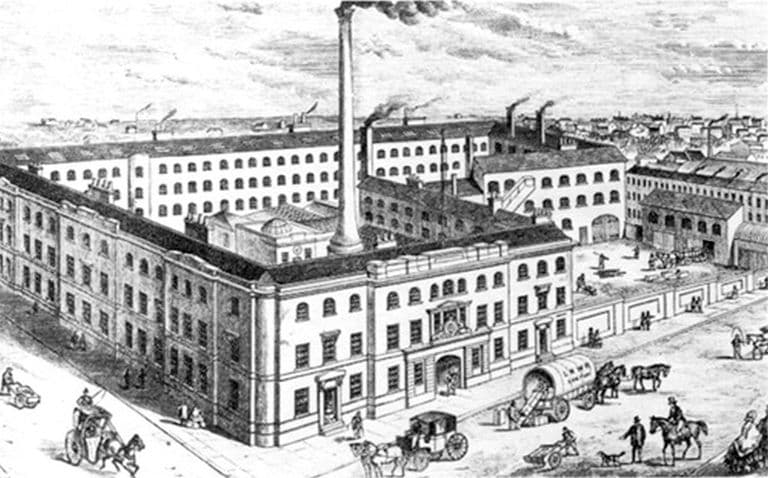
Joseph Gillott, the steel-pen millionaire of the Jewellery Quarter, was buried here in 1872.
Joe comes home
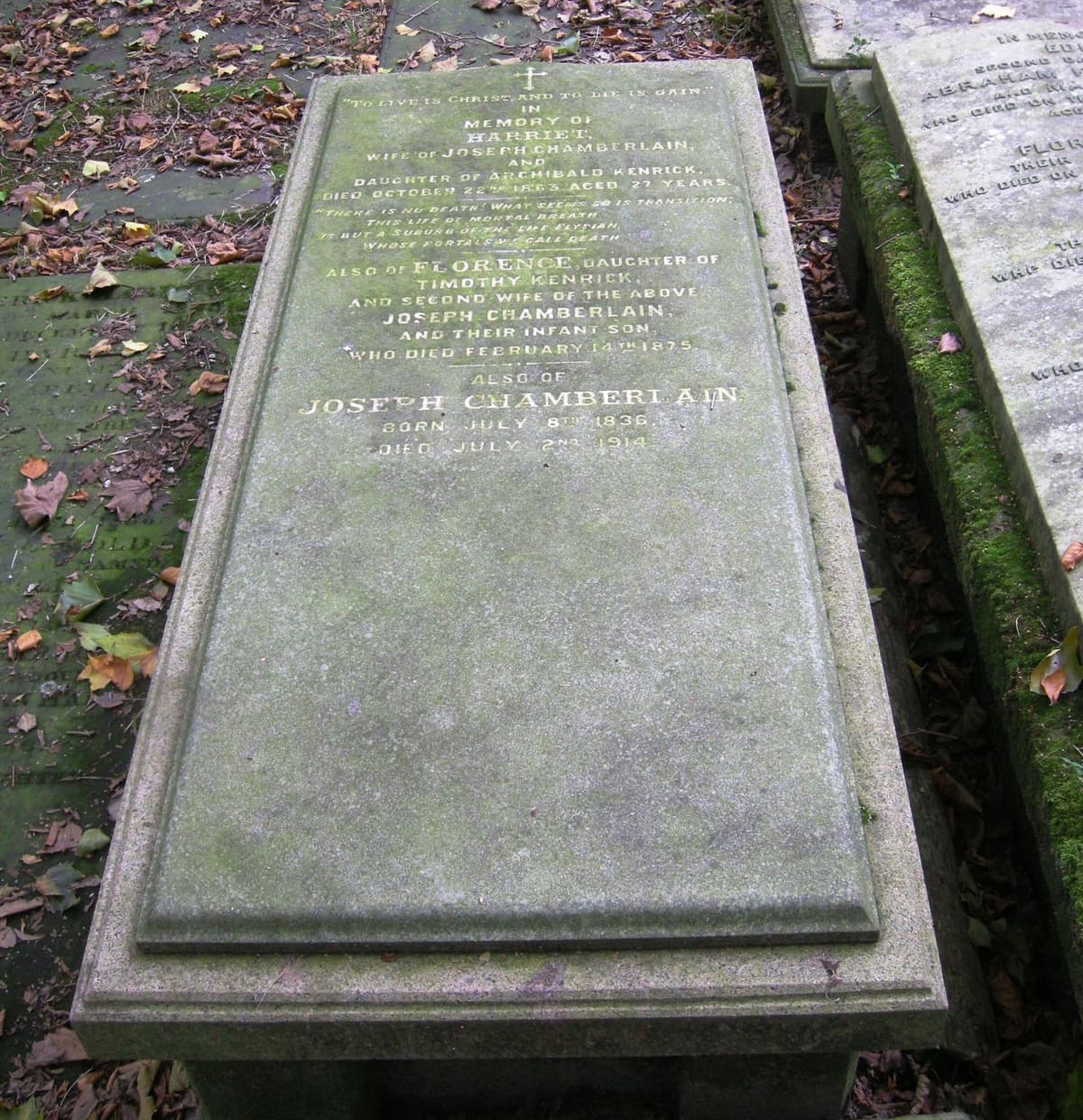
Joseph Chamberlain died in London on 2 July 1914, weeks before the outbreak of war. The Dean of Westminster offered burial in the Abbey. His family refused: he would be buried, they said, “among his own people”. He was brought home to Key Hill and laid in the grave of his first wife, Harriet, who died in 1863, and his second wife, Florence, who died in 1875. His father is buried nearby, and his brother Richard.
Into public hands
Birmingham City Council bought the cemetery compulsorily in 1952. Burials have stopped, the chapel has gone, and some memorials have been removed. But Edge’s gates and railings are listed, the catacombs survive, and the cemetery is on the national Register of Parks and Gardens at Grade II*. Birmingham’s most famous politician lies in a family grave in the Jewellery Quarter, because his family chose it over Westminster Abbey.
What happened here?
Burials from 1836, many of them of Birmingham’s Nonconformist and Liberal families, in graves and in catacombs cut into the hillside.
Why it mattered
It was Birmingham’s first cemetery for all denominations, and it holds the graves of the men and women who made Victorian Birmingham, Joseph Chamberlain above all.
The same spot, then and now
1888–1913
Today
Old map: Ordnance Survey six-inch, reproduced with the permission of the National Library of Scotland (CC BY 4.0). Today: © OpenStreetMap contributors.
What’s there now
What survives
The layout, catacombs, Charles Edge’s railings, gates and gate piers on Icknield Street and Key Hill, and many monuments, including Chamberlain’s family grave. The chapel has been demolished.
Today
A public open space owned by Birmingham City Council, next to Jewellery Quarter railway and tram station. The Friends of Key Hill & Warstone Lane Cemeteries run tours, including tours of the catacombs.
Today
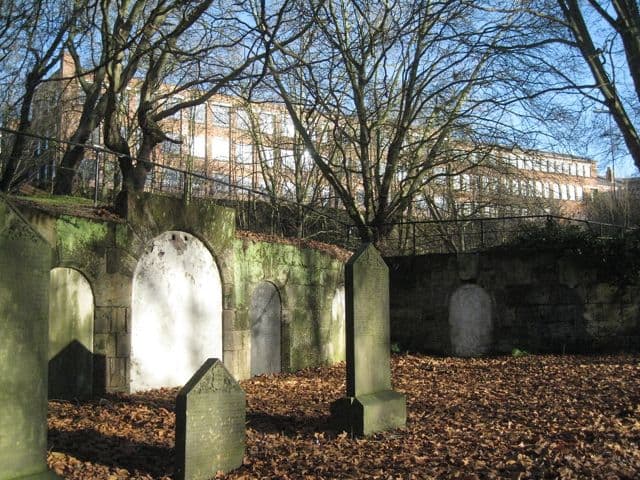
Key Hill Cemetery, former catacombs, 5 December 2012Robin Stott, 5 December 2012. Geograph Britain and Ireland via Wikimedia Commons · CC BY-SA 2.0 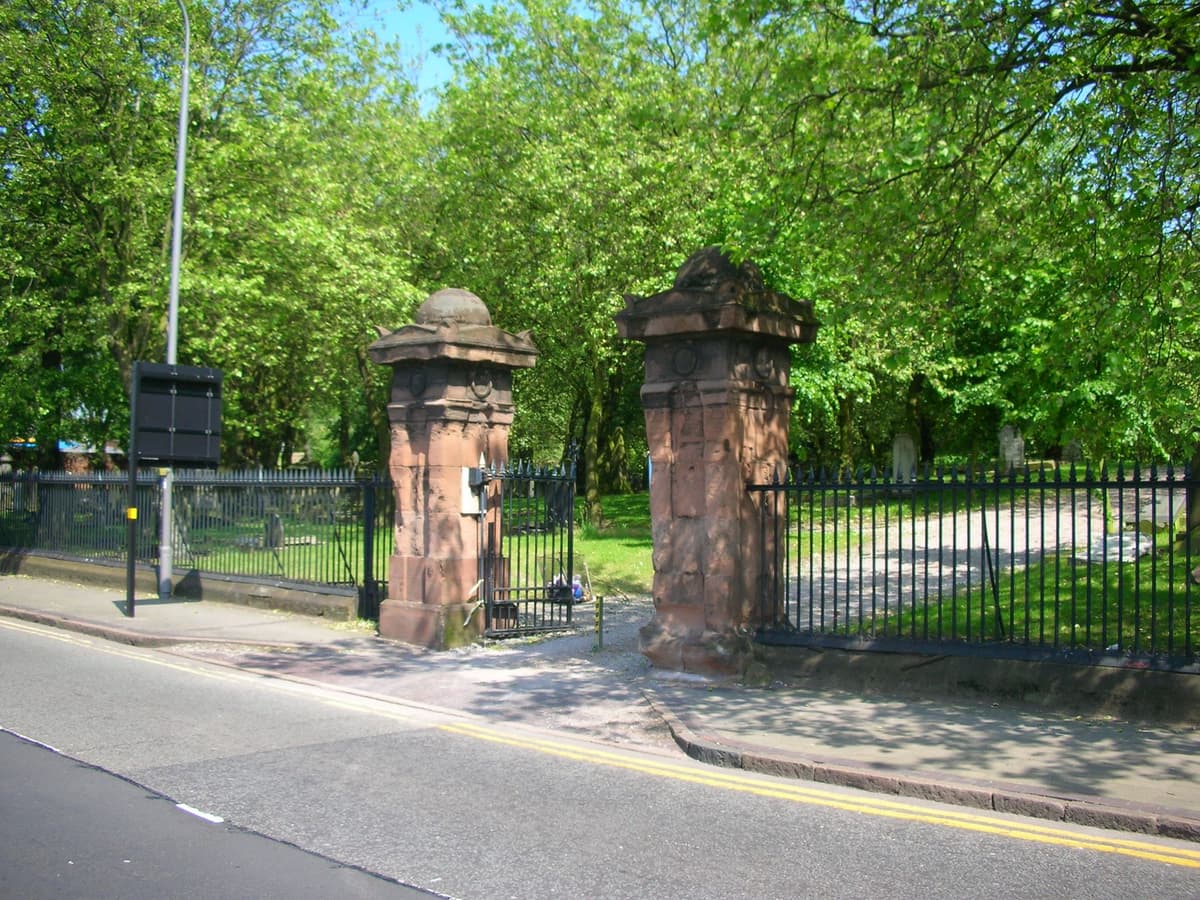
Gates and railings of Key Hill Cemetery, Uploaded 8 June 2006Oosoom, Uploaded 8 June 2006. English Wikipedia via Wikimedia Commons · CC BY-SA 3.0
Key dates
- 23 May 1836 — Key Hill Cemetery opensThe Birmingham General Cemetery opens on Key Hill, laid out by Charles Edge for burials of all denominations: the first cemetery in Birmingham not attached to a church.
- July 1914 — Joseph Chamberlain is buried at Key HillJoseph Chamberlain dies in London on 2 July 1914. His family declines burial in Westminster Abbey, and he is buried “among his own people” at Key Hill Cemetery.
Sources and further reading
Closure to new burials is dated 1980 by Parks & Gardens UK (quoting the Register) and 1982 in the same source’s entry for Warstone Lane, which says both cemeteries closed then.
Plot numbers (Chamberlain 610.K; Gillott 374–375.E) are from Wikipedia, citing Manning’s 1924 handbook. Chamberlain’s burial date is not given in the sources consulted.
The map point is the grave of Joseph Chamberlain as mapped on OpenStreetMap; it has not been checked on the ground.
- Key Hill Cemetery — Register of Parks and Gardens entry 1001352 — Historic England
- Railings and two sets of gates and gate piers to Key Hill Cemetery — National Heritage List for England entry 1343080 — Historic England
- Key Hill Cemetery, Birmingham — Parks & Gardens UK
- Key Hill Cemetery — Wikipedia. burials and plot numbers, after Manning 1924
- Joseph and Neville Chamberlain — Westminster Abbey, Westminster Abbey
- Friends of Key Hill & Warstone Lane Cemeteries — Friends of Key Hill & Warstone Lane Cemeteries
- OpenStreetMap node 908686072 (Joseph Chamberlain memorial, Key Hill Cemetery) — OpenStreetMap contributors
Comments
Comments will load here.