
In August 1832 one of the glasshouses beside the canal at Spon Lane, Smethwick, got a new name. The workers started calling No. 2 glasshouse “the French house”. Inside, glassblowers brought over from France and Belgium were doing something no English works did as a regular trade. They were blowing molten glass into long cylinders, splitting them open and flattening them into sheets.
The man who had brought them there was Robert Lucas Chance. He was nearly fifty, his business was in trouble, and he was staking it on a foreign method. It worked. Within twenty years his works was said to be the largest crown and sheet glassworks in England, and its glass roofed the Crystal Palace.
A merchant’s son
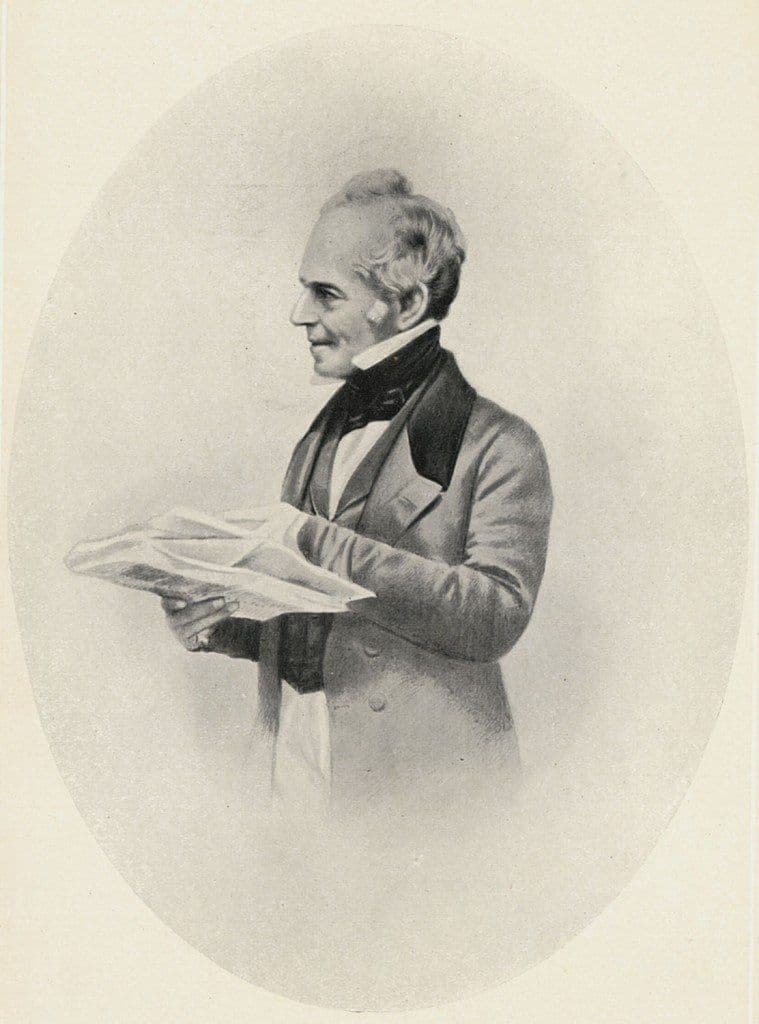
Lucas Chance, as he was known, was born on 8 October 1782, the eldest son of William Chance, a Birmingham merchant. The Chances were factors, middlemen who bought goods from the makers and sold them on. Trading as Chance & Homer, the family specialised in the American trade. His mother, Sarah, was a Lucas, and her family ran the glassworks at Nailsea, near Bristol.
He started young. He joined his father’s business at twelve, and the firm’s own centenary history says that by fourteen he was in sole charge of its warehouse, “the little master in the jacket”. He became a partner in 1804.
About 1810 the Nailsea works was struggling, and Lucas went there to help. He brought in John Hartley from Dumbarton, an expert in crown glass, and the two made a strong team. In 1811 he married his cousin Louisa Homer. From 1815 he was a glass merchant in London, and by 1820 he was selling window glass from Paul’s Wharf on the Thames.
The works by the canal
In 1822 he came back to the Midlands and bought a glassworks of his own.
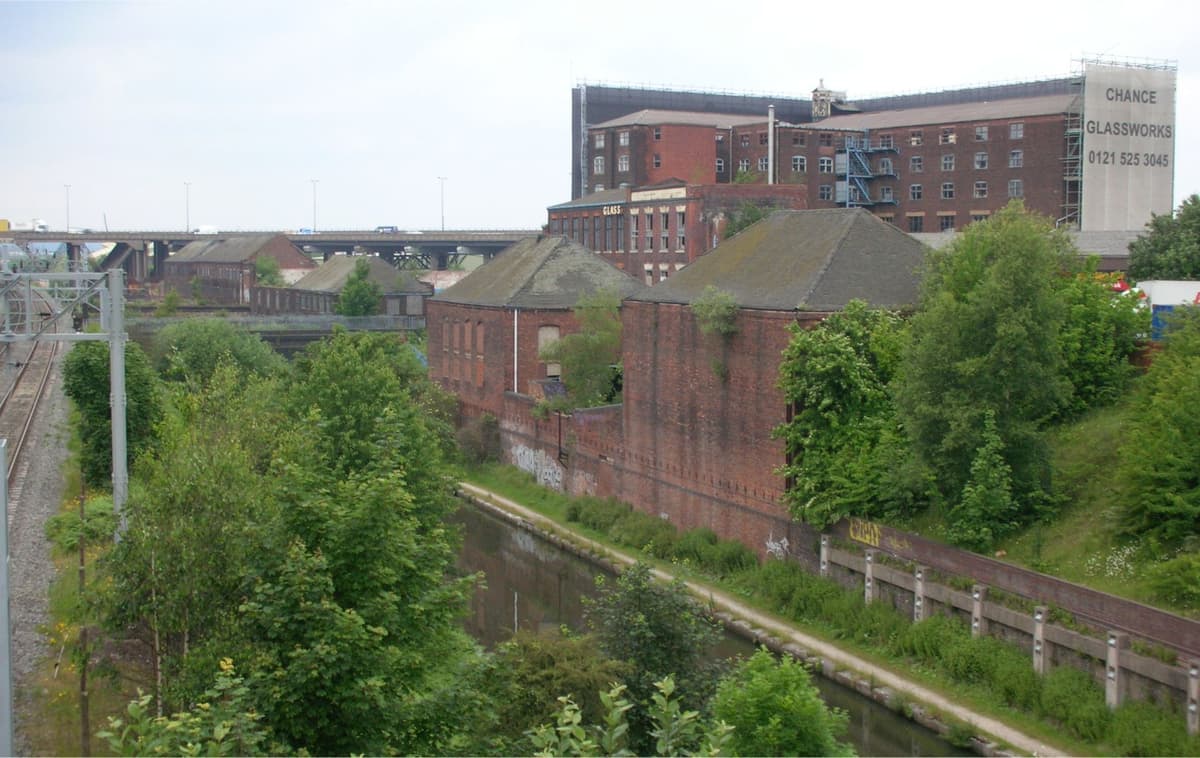
Thomas Shutt had started building it about 1814, on farmland beside the Birmingham Canal just west of Spon Lane, and was making crown window glass there by about 1815. From 1816 it traded as the British Crown Glass Company. After Shutt died in 1822, his surviving partners sold the works to Chance. The firm later counted 1824 as its founding year, and that is the date usually given. The Victoria County History, working from Chance’s own account book, puts the sale in 1822.
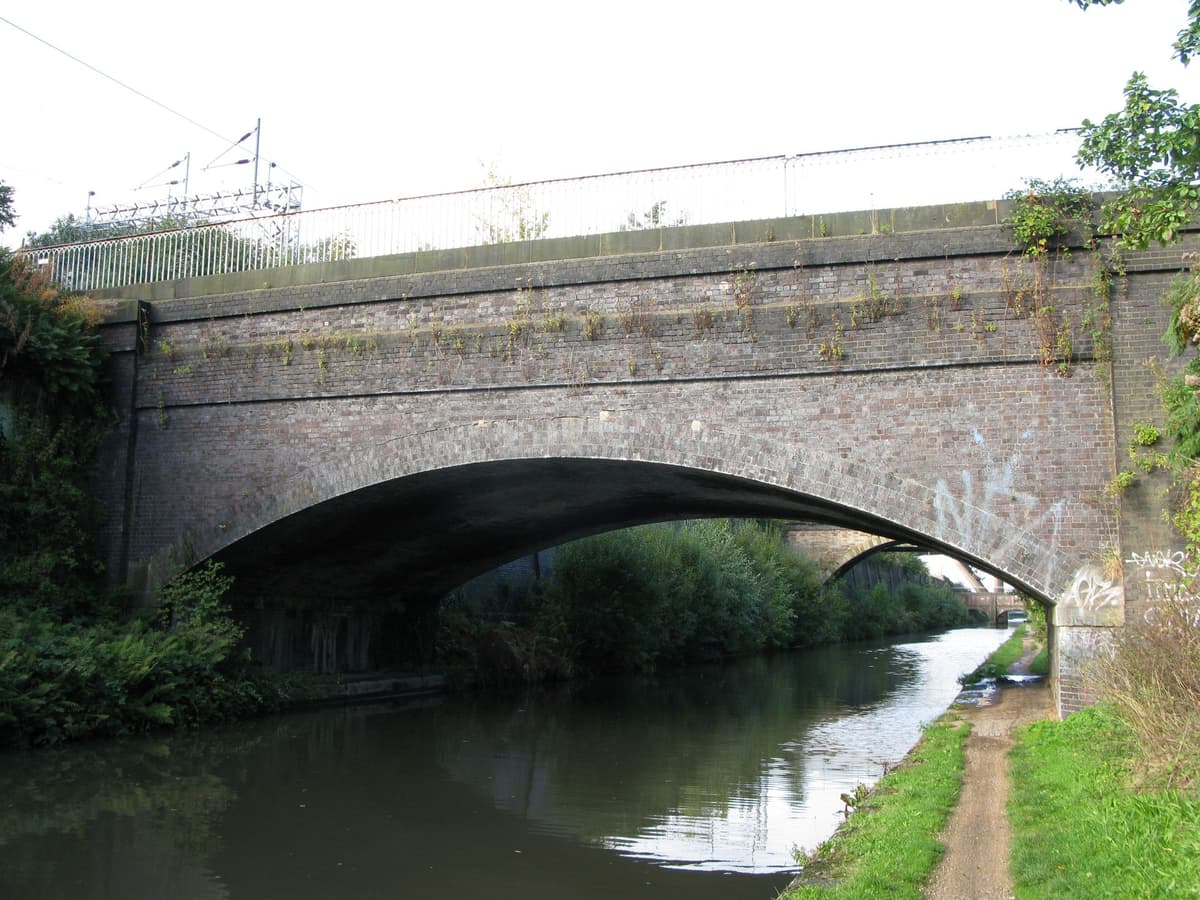
The canal was the point. Glass is heavy and fragile, and the roads of the 1820s were rutted and potholed. Water gave a smooth ride. The works sat between two lines of the Birmingham Canal Navigations: the old main line along its northern side, and the new, lower main line to the south. Later the Stour Valley railway came alongside too.
Chance built fast. He added a second glasshouse straight away, and a third in 1828 to meet the export trade. That year he brought John Hartley from Nailsea to be his partner.
The trouble with crown
Crown glass was spun out into a flat disc, and window panes were cut from it. That limited how big a pane could be. Glassmakers on the Continent used a different method. They blew the glass into a cylinder, cut it lengthways and reheated it until it opened out flat. Sheet glass came in bigger panes with less waste, though its surface was less even and less brilliant than crown.
Chance went to France, Belgium and Germany to see how it was done. He could not simply hire the skills: enticing skilled workers to leave was illegal in those countries. The French glassmaker Georges Bontemps, who ran a works at Choisy-le-Roi near Paris, helped him recruit French and Belgian blowers.
The newcomers were paid better than English workers, with free housing, coal and monthly bonuses. The Victoria County History notes that the foreign glassblowers sometimes earned more than the managers. They lived in rows of company cottages, and one, Belgian Row, stood in Union Street. Their words crept into the works. A shift was a “journey”, from the French journée, and the boys who helped the blowers were “gamins”.
The Victoria County History calls the result Chance’s “most notable achievement”: “the introduction into England of the regular manufacture of sheet glass as an alternative to crown-glass”. He began in 1832.
Rescue
It nearly came too late. The early 1830s brought a trade depression, and Chance was in difficulty. His brother William, an iron merchant in Birmingham, found the capital to keep the works going and in 1832 became a partner.
The partnerships changed several times. When John Hartley died in 1833, his sons James and John came in, and the firm was renamed Chances & Hartleys. The Hartleys left in 1836 to set up on their own in Sunderland, and from then on the business was Chance Brothers & Co.
Building a giant
Then the times turned in its favour. In 1845 the excise duty on glass was abolished, and in 1851 the window tax went too. Window glass became much cheaper.
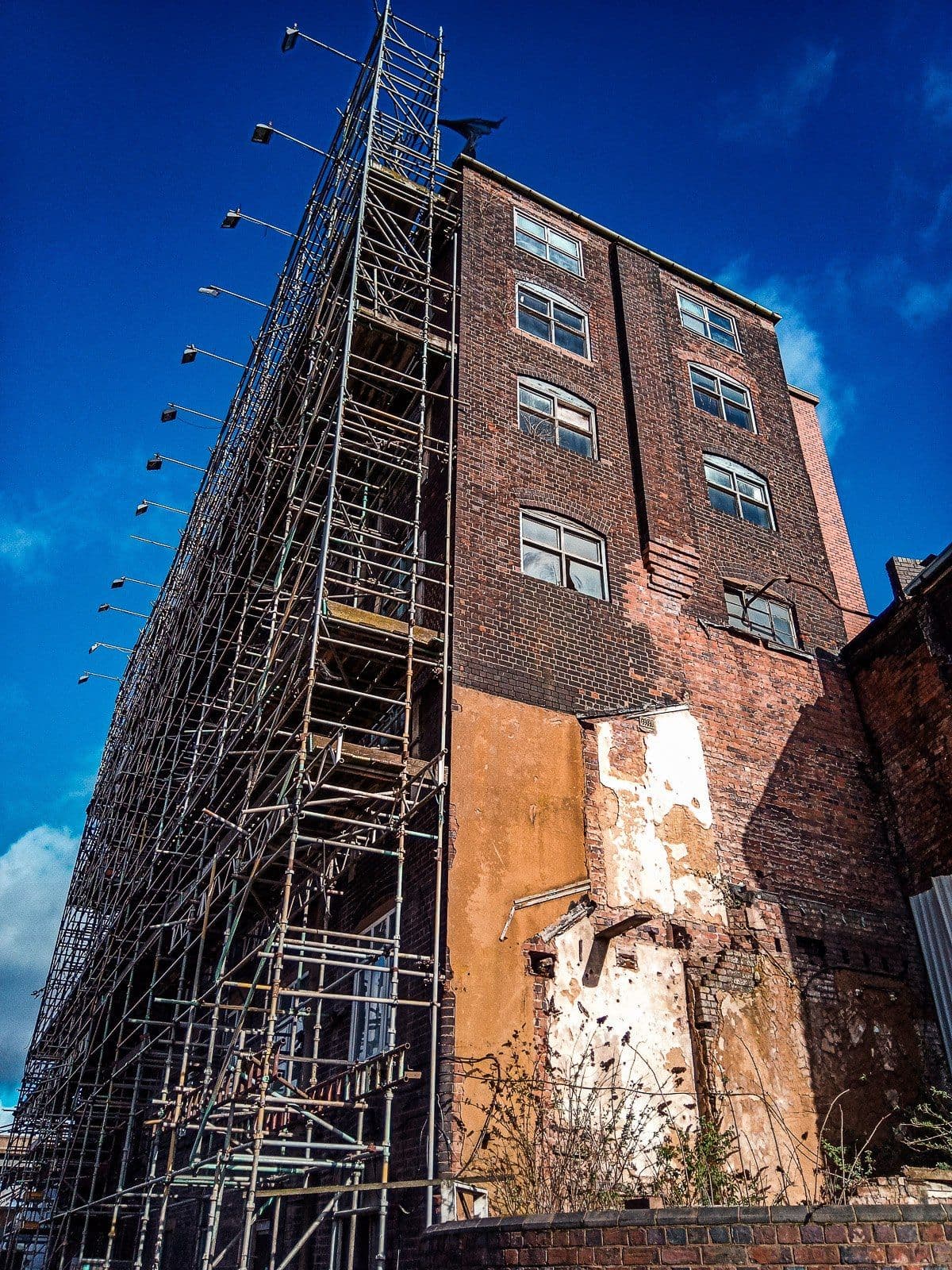
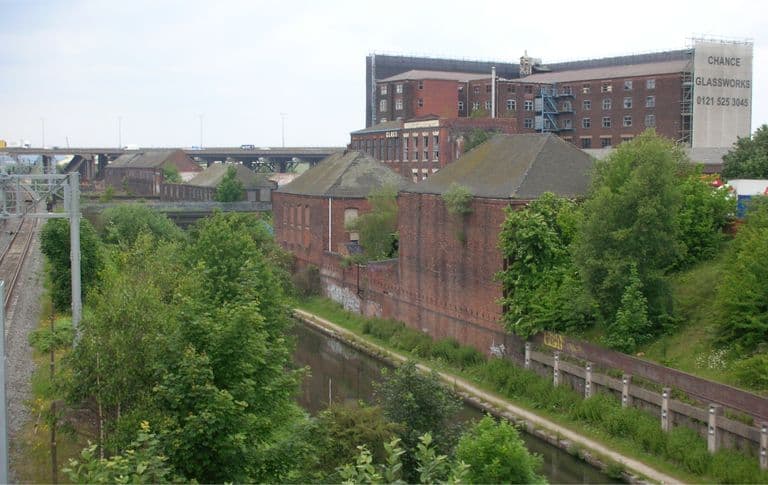
Spon Lane grew to meet the demand. By 1845 there were six glasshouses, four of them making sheet. Chemical works, which made the alkali for the glass, had been started at Oldbury in 1835, and the acid works was moved there to make room for a seventh. The site was enlarged in 1844, and schools were built on part of the new land, mainly for the children of the firm’s workers. A seven-storey warehouse went up in 1847. It still stands.
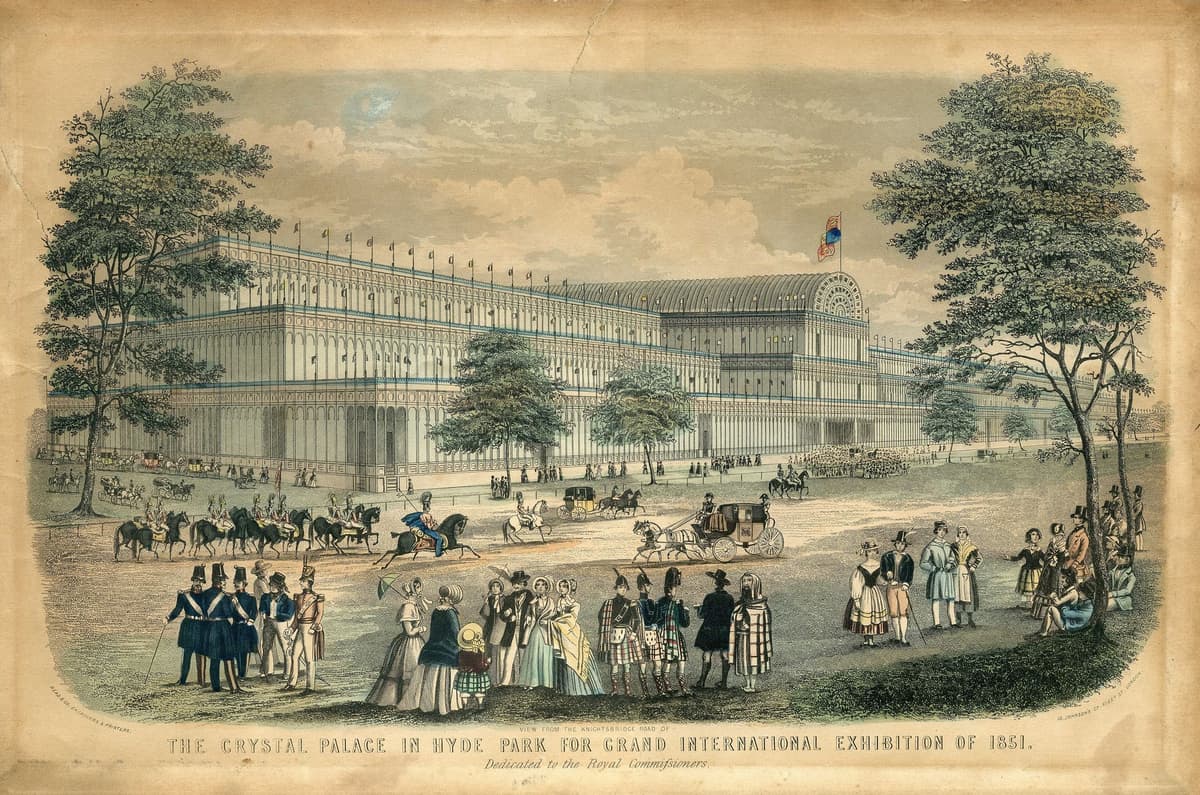
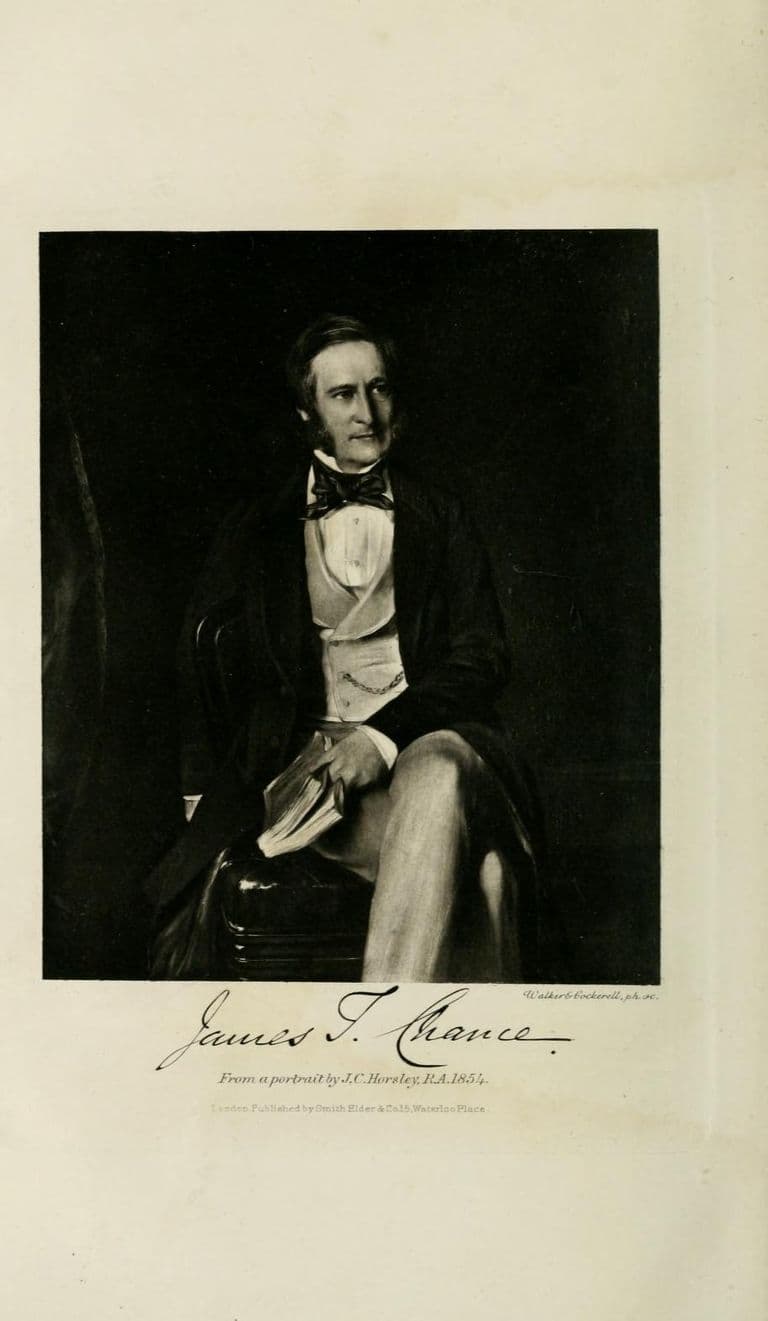
Lucas’s nephew James Timmins Chance had joined the firm, with a mathematician’s mind and a new process for polishing sheet glass. The firm glazed the new Houses of Parliament and, in 1851, Joseph Paxton’s Crystal Palace.
In 1851 the works employed about 1,200 people and was said to be the largest crown and sheet glassworks in England. In that year’s census Lucas Chance described himself as a “glass and chemical manufacturer, employing 1600 men”.
Last years
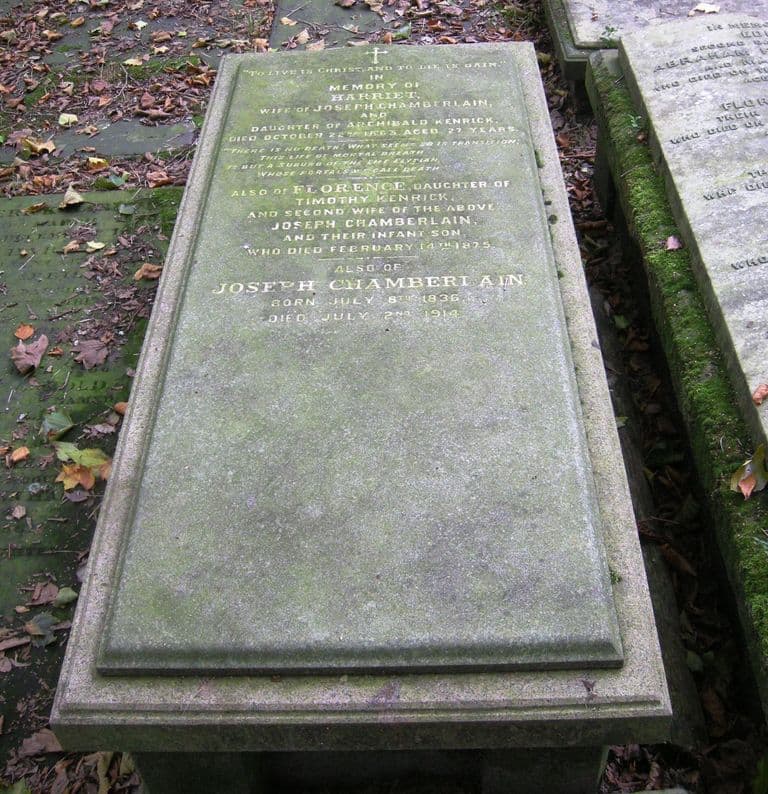
He lived in Ladywood, on the Birmingham side of Smethwick, and later at Summerfield House. He died on 7 March 1865 at Northfleet in Kent, aged 82, and was buried in Key Hill Cemetery in Birmingham’s Jewellery Quarter. His sons Frank and John Homer Chance were his executors.
By then the single glasshouse he had bought beside a canal had grown into a works of eight furnaces, with a lighthouse works alongside.
Why it mattered
Robert Lucas Chance did not invent sheet glass. He did something more practical. He saw that the Continent made window glass a better way, went to find out how, and brought the people who could do it to a canal bank in Smethwick.
It cost him dearly before it paid. By 1832 the works was close to failing, and his brother’s money saved it. But the timing was right. When the glass tax and the window tax were abolished in 1845 and 1851, cheap glass in big panes was exactly what Britain wanted, and Spon Lane could make it.
Much followed from that. Big, cheap panes went into ordinary windows, into the Houses of Parliament and into the Crystal Palace. The skills of the French house of 1832 also prepared the way for the lighthouse lenses and optical glass that made the Chance name famous around the world.
You can still see what he started. The brick warehouses and canal bridges of the glassworks stand between the canals at Spon Lane, beside the M5, protected by law. Lucas Chance lies a few miles away at Key Hill, in the cemetery of the Jewellery Quarter. In 1822 he bought one glasshouse. The glass that came out of it went all over the world.
On the map
2 places connected with Robert Lucas Chance. Tap a number for directions — some sites are private homes or gardens, so each place’s page says what you can see from the street.

- Chance’s Glassworks, Spon Lane — Partly surviving, At risk · Directions to Chance’s Glassworks, Spon Lane (opens Google Maps)
- Key Hill Cemetery — Surviving, Surviving but altered · Directions to Key Hill Cemetery (opens Google Maps)
Key dates
- 1822 (traditionally 1824) — Robert Lucas Chance buys the Spon Lane glassworksRobert Lucas Chance buys the British Crown Glass Company’s works beside the Birmingham Canal at Spon Lane, Smethwick. The firm later dates its founding to 1824. It grows into Chance Brothers.
- August 1832 — Sheet glass made at Spon LaneWith French and Belgian blowers, Chance begins making cylinder sheet glass in No. 2 glasshouse, “the French house”: the first regular manufacture of sheet glass in England.
- 1850–51 — Smethwick glass for the Crystal PalaceChance Brothers makes the sheet glass for Paxton’s Crystal Palace, over 956,000 square feet in panes 49 by 10 inches. Most of the ironwork comes from Fox, Henderson & Co., also of Smethwick.
Sources and further reading
Date of purchase: most accounts, the firm’s own centenary history and Historic England’s scheduling description give 1824. The Victoria County History of Staffordshire (vol. 17) puts the sale in 1822, from Chance’s account book of 1821–31, and Historic England’s description also says that “R.L.Chance bought the site in 1822”. We give 1822 and note the traditional date.
Date of birth: Grace’s Guide heads its entry “1791–1865”, but its own census entries (aged 55 in 1841, 68 in 1851) fit 8 October 1782, the date given by the Jewellery Quarter Research Trust.
The 1832 rescue: the Victoria County History names his brother William as the partner who joined in 1832. Grace’s Guide also names George Chance. We follow the VCH.
Bontemps: Georges Bontemps is said to have acted as Chance’s agent in recruiting French and Belgian workers around 1830–32. He did not come to Spon Lane himself until 1848 (VCH Staffordshire, which corrects an earlier VCH volume on this point).
Who brought in the cylinder method: Historic England describes it as “German” sheet glass made with French and German labour; the VCH and Revolutionary Players say French and Belgian workers. Probably both: the method came from Germany by way of France and Belgium.
Workforce in 1851: about 1,200 according to White’s Directory (via the VCH); 1,600 men according to Chance’s own census return. The census figure may include the chemical works.
Nailsea: Revolutionary Players says he went to Nailsea about 1810; the Jewellery Quarter Research Trust says he took control there at 21. We use the cautious form.
Not used: the purchase price (£24,000) given by Wikipedia, which we could not check.
- Smethwick: Economic history, in A History of the County of Stafford, vol. 17, pp. 107–118 — M. W. Greenslade (ed.), Victoria County History, 1976. glass: Shutt, 1822 sale, partnerships, sheet glass 1832, 1844–51 growth
- Chances Glassworks, Smethwick — National Heritage List for England entry 1021387 (scheduled monument) — Historic England, 2005. founding, canals, site development
- Robert Lucas Chance: Glassmaker — Revolutionary Players. early life, Nailsea, marriage, London
- The Arrival of Expert Workers — Revolutionary Players. the French house, August 1832; Bontemps
- French and Belgian Workers — Revolutionary Players. pay, housing, words
- Plate or Sheet Glass — Revolutionary Players. the cylinder process
- Economic and Social History: Industry and Trade, 1500–1880, in A History of the County of Warwick, vol. 7, pp. 81–139 — W. B. Stephens (ed.), Victoria County History, 1964. Chance & Homer; foreign blowers’ pay
- Robert Lucas Chance — Grace’s Guide to British Industrial History. Gazette notices, censuses, probate
- Chance Brothers and Co — Grace’s Guide to British Industrial History. glass and window taxes
- Robert Lucas Chance (1782–1865), Key Hill Cemetery record KH 18992 — Jewellery Quarter Research Trust. birth date and burial
- The seven storey warehouse and offices at Chance’s Glassworks — National Heritage List for England entry 1287117 — Historic England, 1978. the 1847 warehouse
Comments
Comments will load here.