Alfred Bird opened his own chemist’s shop in Bell Street in 1837, the year the firm later treated as its foundation. His ‘Fermenting Powder’, a baking powder, followed in 1843, and egg-free custard powder soon after. By 1849 he was at 15 Worcester Street, and in 1855 his baking powder was supplied for army bread in the Crimea.
A brand
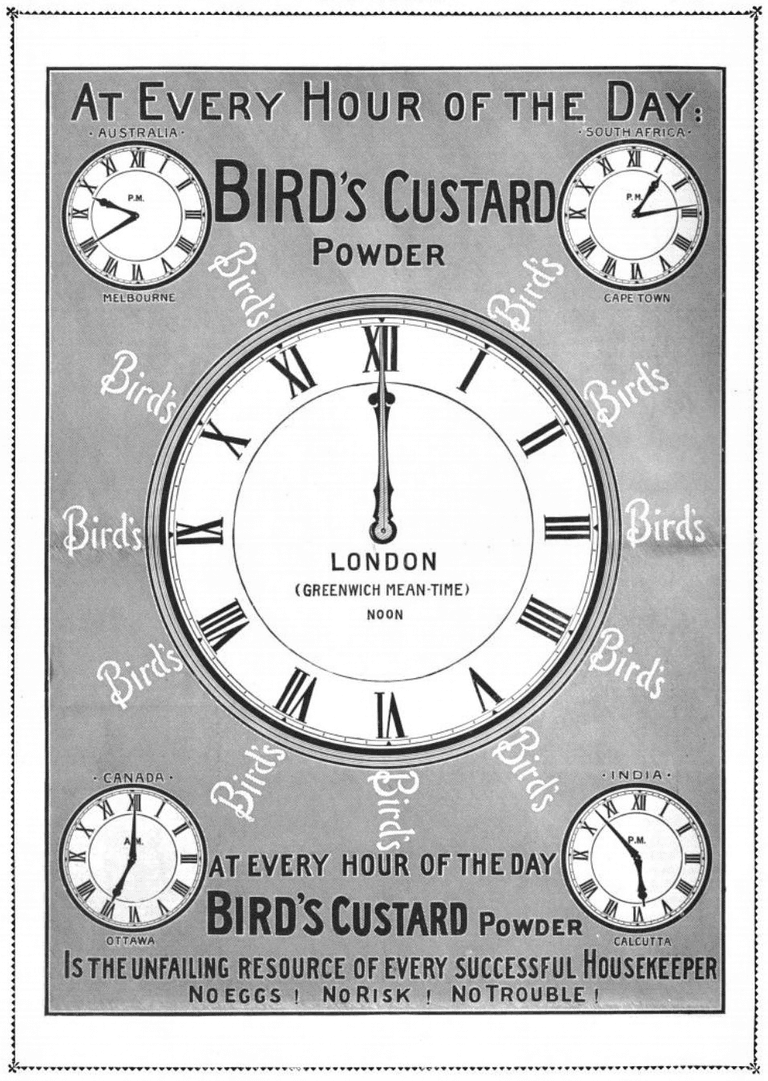
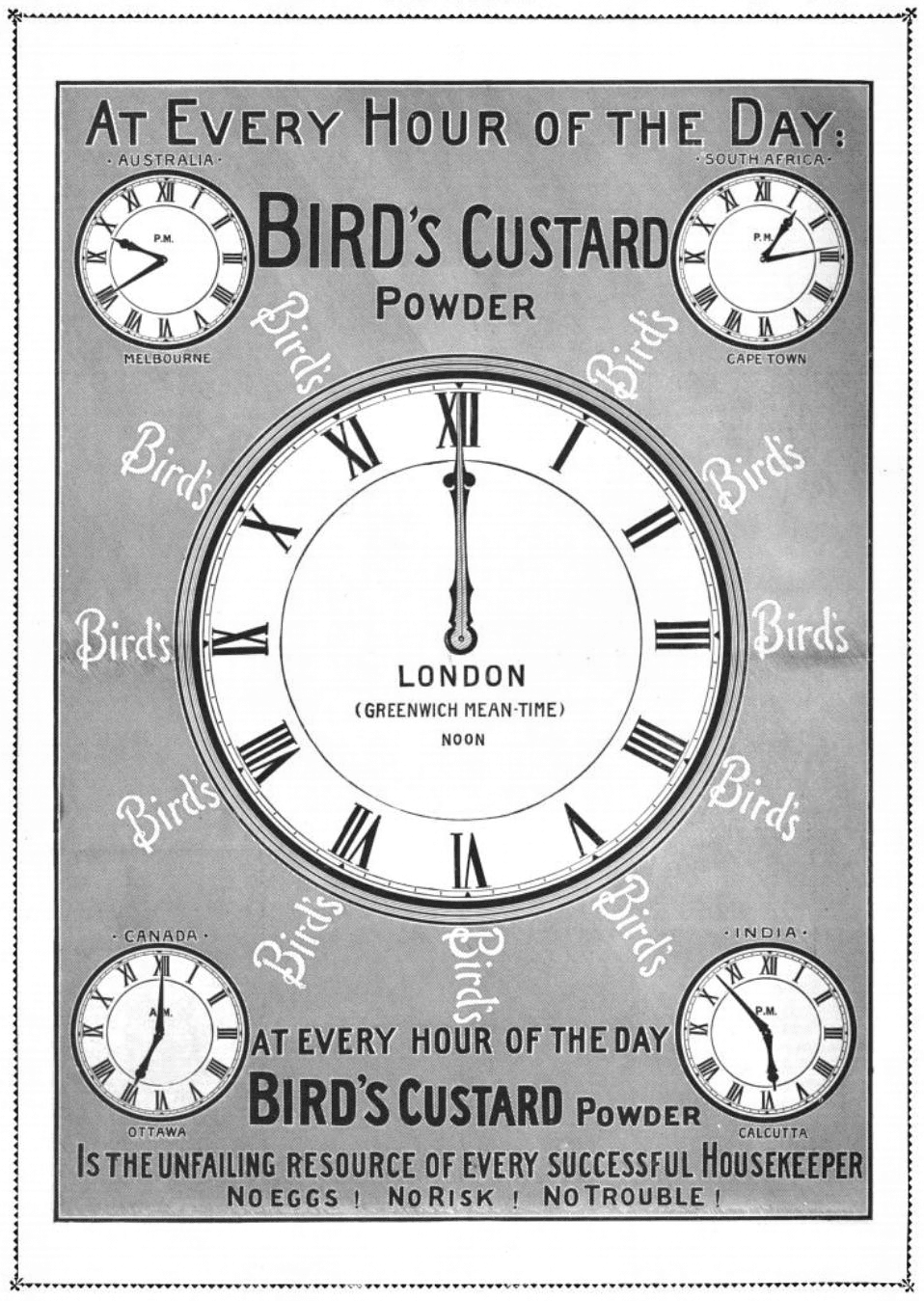
After Alfred’s death in 1878 his sons Charles and Alfred Frederick ran the firm, and from 1884 Alfred Frederick alone. He used colourful pictorial advertising from about 1880, built up a national network of agents and salesmen, and added egg substitute (1890), jelly crystals (1895) and tablet jellies. The business moved from Moor Street to the Devonshire Works on Gibb Street in 1886–87, and became Alfred Bird & Sons Ltd in 1900. The three-birds trademark came in 1929.
Later years
In 1947 Bird’s joined the American General Foods and also began making General Foods lines such as Maxwell House coffee. Production moved to a new factory at Banbury in the 1960s. Bird’s later passed to Kraft and, in 2004, Premier Foods, which still sells Bird’s Custard.
Pictures
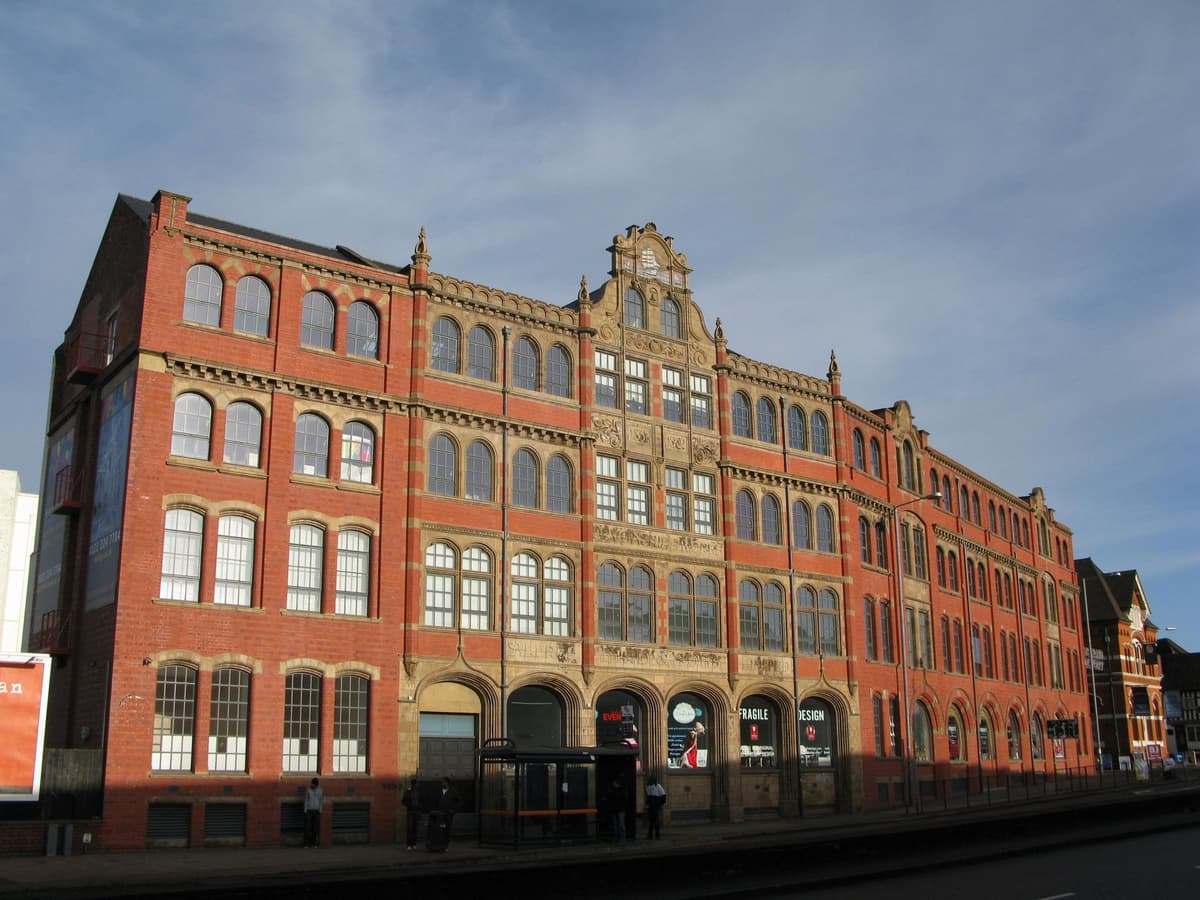
Devonshire House, Bird’s Devonshire Works, 17 December 2012Brianboru100, 17 December 2012. Wikimedia Commons (own work) · CC BY-SA 3.0
On the map
2 places connected with Alfred Bird & Sons. Tap a number for directions — some sites are private homes or gardens, so each place’s page says what you can see from the street.

- The Custard Factory (Bird’s Devonshire Works) — Surviving, Surviving but altered · Directions to The Custard Factory (Bird’s Devonshire Works) (opens Google Maps)
- Key Hill Cemetery — Surviving, Surviving but altered · Directions to Key Hill Cemetery (opens Google Maps)
Key dates
- 1837 — Alfred Bird opens his chemist’s shopAlfred Bird sets up as an ‘experimental chemist’ in Bell Street. The firm later counted 1837 as its foundation and the year of egg-free custard, though the custard story is family tradition.
- 1843 — Bird’s Fermenting Powder (baking powder)Alfred Bird produces ‘Bird’s Fermenting Powder’, a baking powder that raises bread without live yeast, first for his wife. In 1855 it was supplied for baking fresh bread for the army in the Crimea.
- c. 1886–87 — Bird’s moves to the Devonshire Works, DeritendAlfred Bird & Sons moves to a new site between Gibb Street and the River Rea. The Devonshire Works grows along the river until the 1930s; its buildings are now the Custard Factory.
Sources and further reading
- Alfred Bird and Sons — Grace’s Guide
- Alfred Bird (1811–1878) — Grace’s Guide
- Digbeth, Deritend and Bordesley High Streets Conservation Area Character Appraisal and Management Plan — Birmingham City Council, Birmingham City Council, 2009
- Devonshire House, High Street, Deritend — National Heritage List for England entry 1343073 — Historic England, 1982