
What was here?
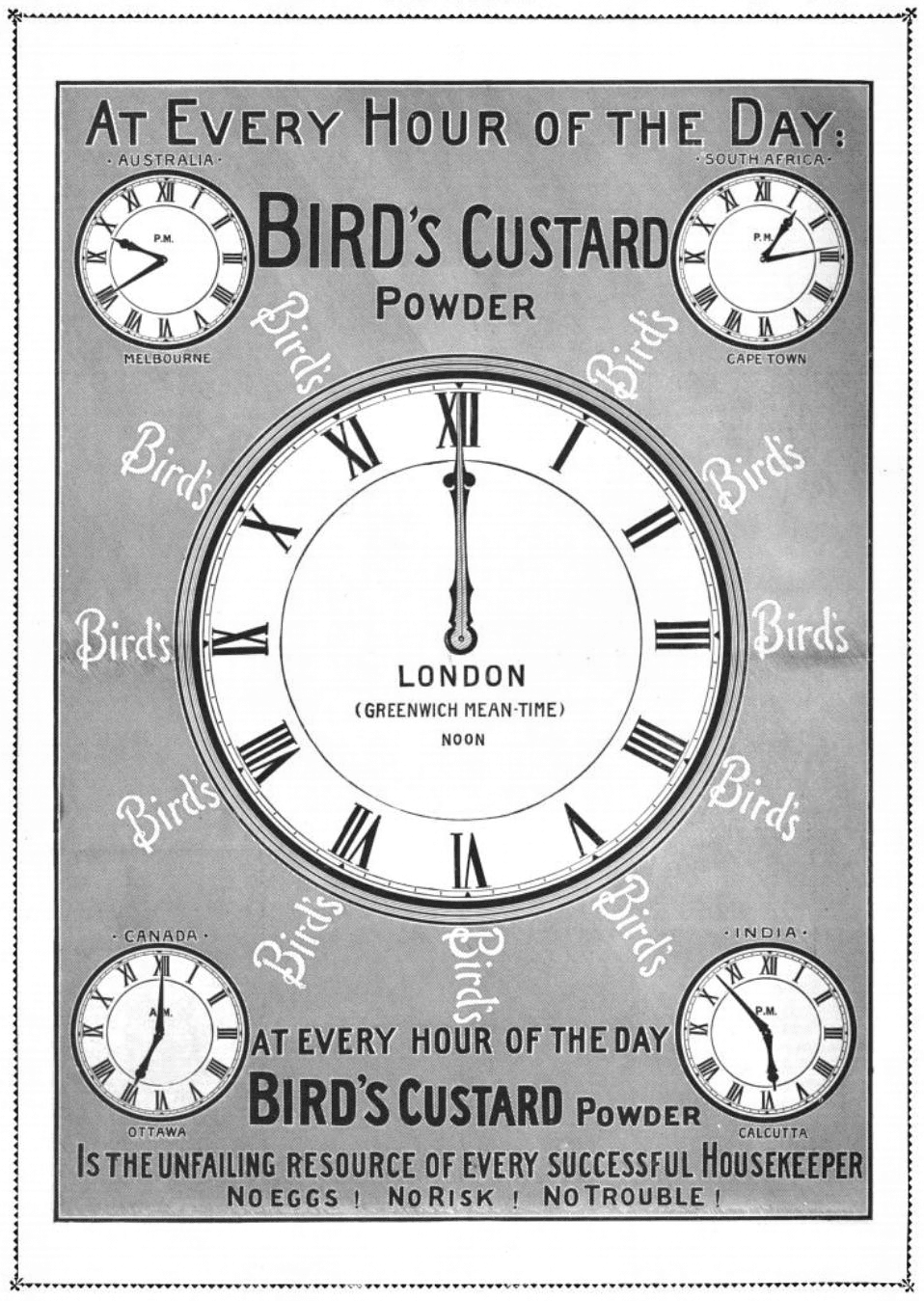
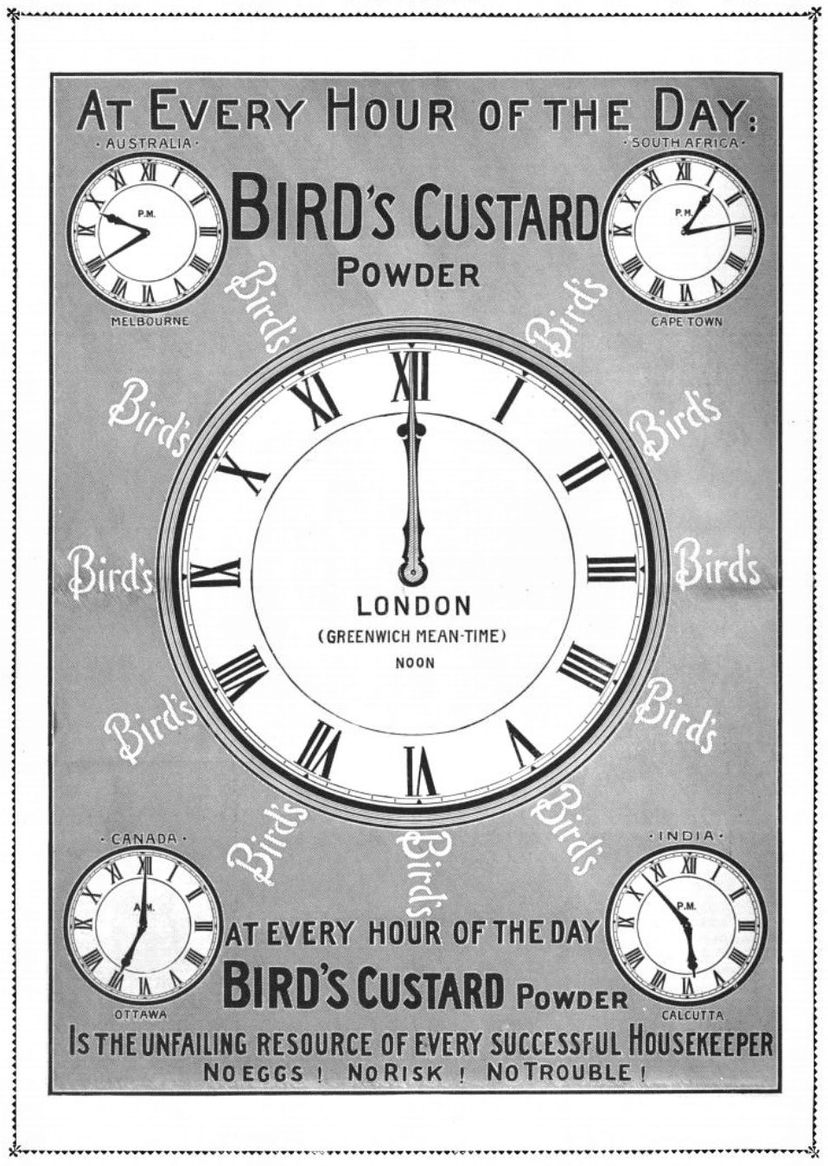
From 1886–87 this was the Devonshire Works of Alfred Bird & Sons, where Bird’s Custard Powder, baking powder, blancmange and jelly were made and packed. Since the early 1990s the old works has been the Custard Factory, a complex of studios, offices, shops and bars for creative businesses.
History
From Bell Street to the Rea
Alfred Bird began making his powders in a chemist’s shop in Bell Street in 1837 and moved to Worcester Street by 1849. By 1884 the firm had a works in Moor Street, already called the Devonshire Works. In 1886–87 his son Alfred Frederick Bird moved production to a new site between Gibb Street and the River Rea in Deritend, and the Moor Street works burned down in 1887.
A works that kept growing
The site had been an ancient tannery, sold off in lots in 1816. Bird’s works spread across it in an increasing number of workshops. It reached south onto High Street Deritend, where small buildings on medieval plots were replaced by a four-storey front of offices and workshops in 1902, 1908 and 1913. Then it spread north along Gibb Street, where big workshops of 1916 and 1930 replaced older houses and small factories, and extra storeys were added in 1919.
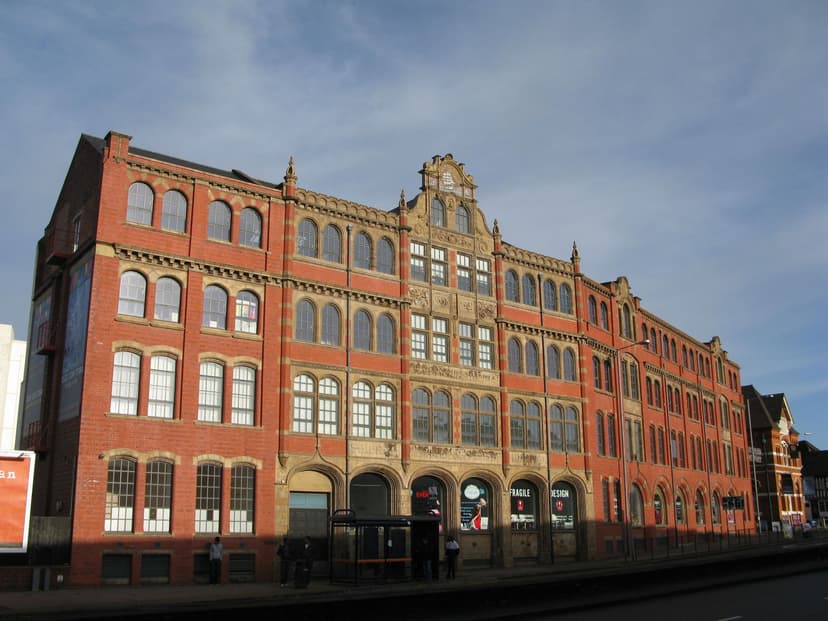
The centrepiece is Devonshire House, of 1902, in red brick and terracotta. Its bands of terracotta are inscribed “Alfred Bird and Sons Limited / Devonshire Works / 1837 and 1902”, and its gable carries a tiled ship in full sail. Railings beside it carry the Bird’s custard motif.
Moving out
Bird’s became part of General Foods in 1947. Having outgrown its Birmingham sites, the company began a new factory at Banbury in 1963, and production left Deritend in the mid-1960s.
The Custard Factory
From the early 1990s the developer Bennie Gray turned the empty buildings into studios and workshops for artists, designers and media businesses. A loading bay became a pool, and a sculpted dragon was fixed to a wall. Gibb Square followed in 1998. Devonshire House was restored as offices and studios and reopened as Zellig in 2010. In 2011 the Birmingham Civic Society unveiled a blue plaque to Alfred Bird, the chemist whose custard was made here.
What happened here?
Alfred Bird & Sons made custard powder, baking powder, blancmange, jelly and other packet foods here from 1886–87 until the 1960s. Since the 1990s the empty works has housed studios, workshops and offices for creative businesses.
Why it mattered
This was one of Birmingham’s biggest food factories and the home of a national brand built on chemistry and advertising. Its reuse since the 1990s has made it a hub for Digbeth’s creative businesses.
The same spot, then and now
1888–1913
Today
Old map: Ordnance Survey six-inch, reproduced with the permission of the National Library of Scotland (CC BY 4.0). Today: © OpenStreetMap contributors.
What’s there now
What survives
Most of the works: Devonshire House (1902) on High Street Deritend, listed Grade II, the later ranges along High Street and the big Gibb Street workshops, all reused. The blue plaque to Alfred Bird is on Gibb Street.
Today
The Custard Factory, a complex of studios, offices, shops, bars and event spaces on Gibb Street and High Street Deritend, in the Digbeth, Deritend and Bordesley High Streets Conservation Area.
Then and now
Then · 22 January 1902
Now · 17 December 2012
Today
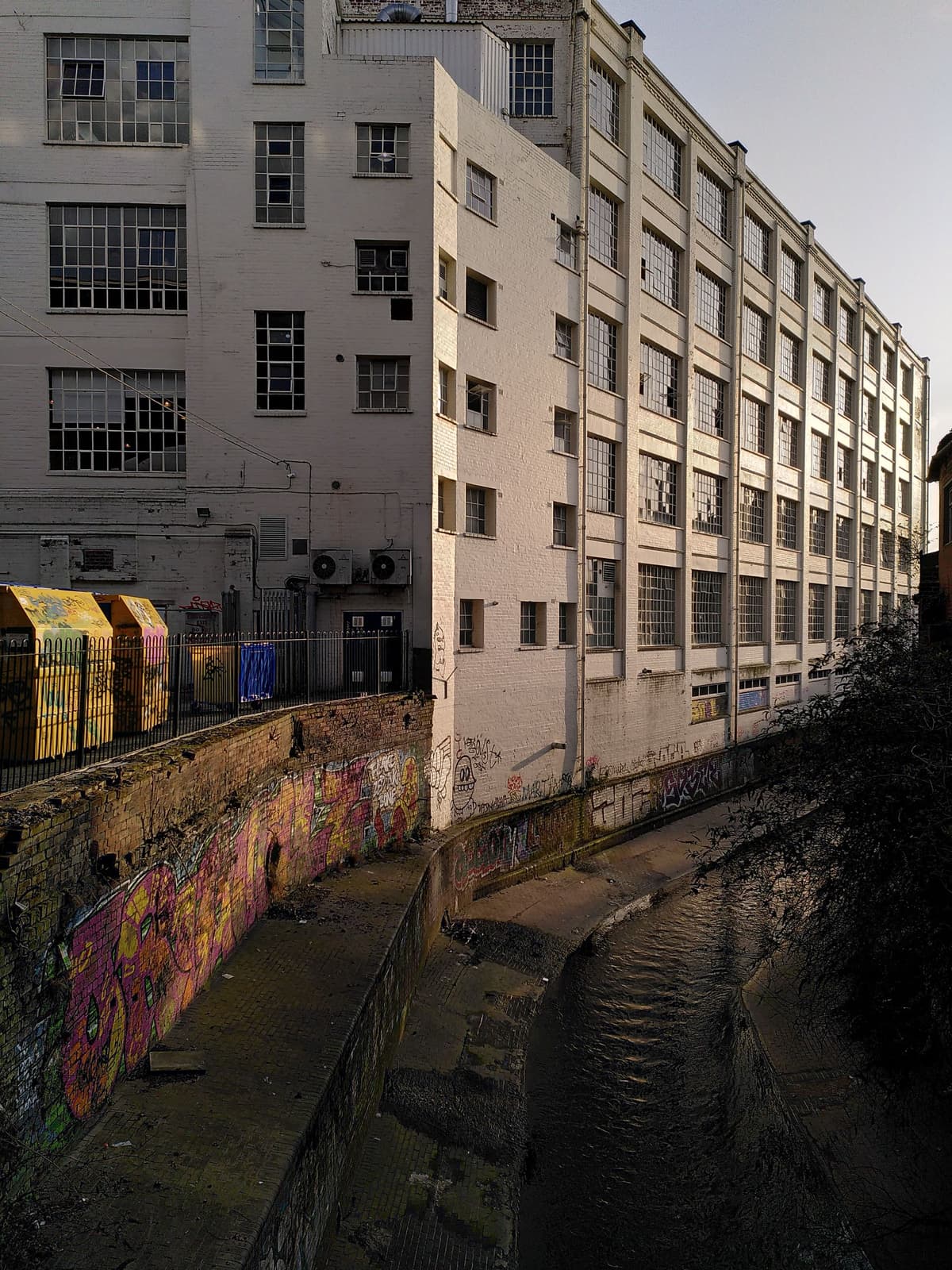
The River Rea and the Custard Factory, 22 March 2022A J Paxton, 22 March 2022. Geograph via Wikimedia Commons · CC BY-SA 2.0 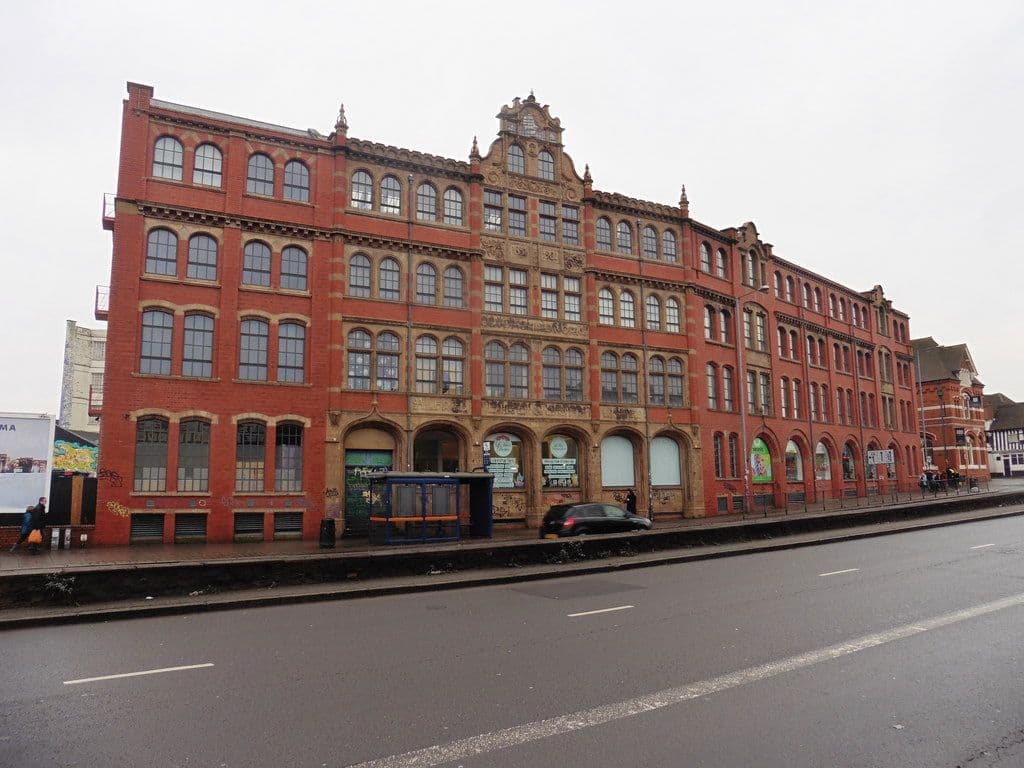
Former Bird’s Custard factory, 7 January 2017Roger Cornfoot, 7 January 2017. Geograph via Wikimedia Commons · CC BY-SA 2.0 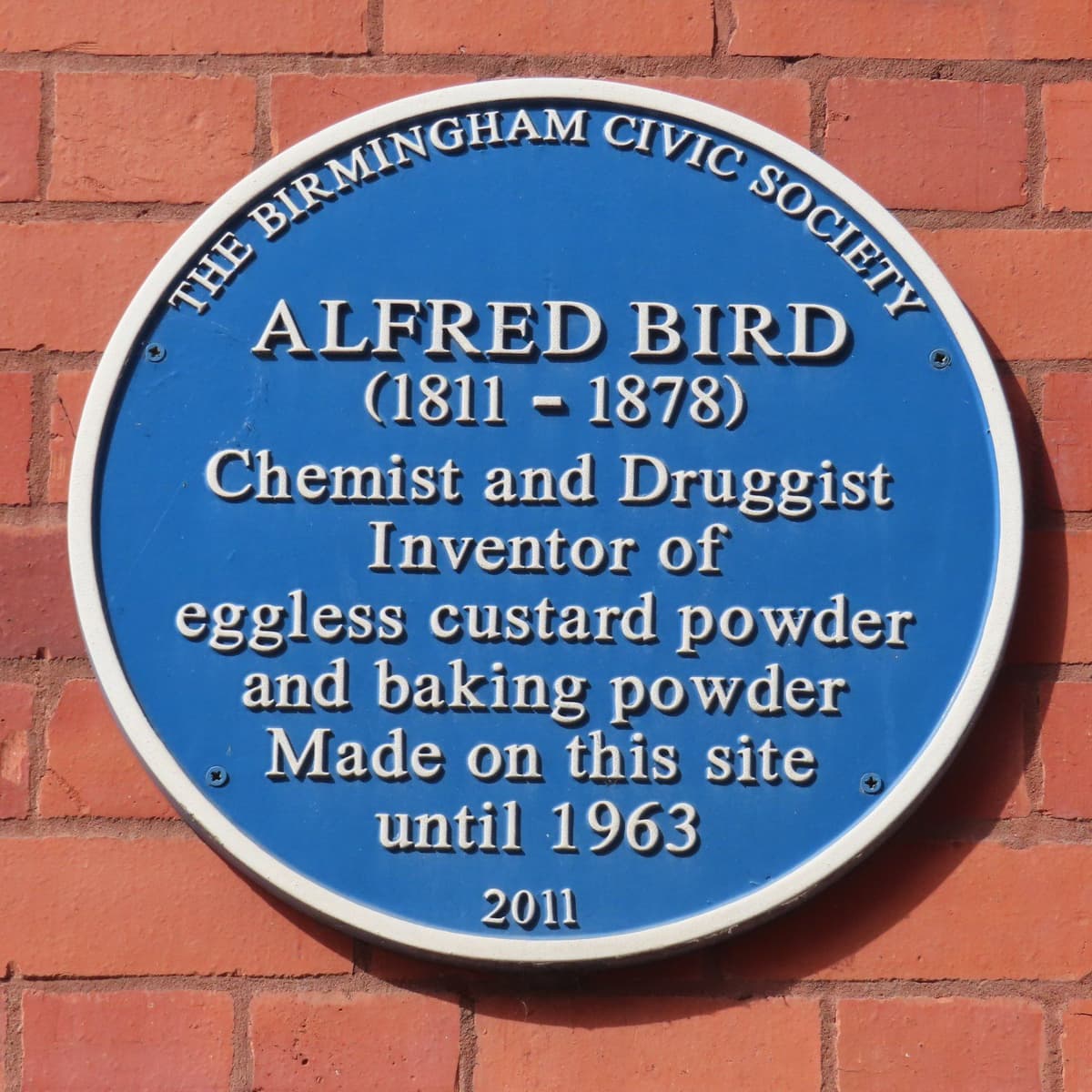
Alfred Bird blue plaque, Gibb Street, 8 April 2025Philip Halling, 8 April 2025. Geograph via Wikimedia Commons · CC BY-SA 2.0
Key dates
- c. 1886–87 — Bird’s moves to the Devonshire Works, DeritendAlfred Bird & Sons moves to a new site between Gibb Street and the River Rea. The Devonshire Works grows along the river until the 1930s; its buildings are now the Custard Factory.
Sources and further reading
The Birmingham conservation area appraisal (2009) dates the start of the Gibb Street works to 1886 in one place and 1887 in another; Grace’s Guide says a larger factory opened on a new site in 1886 and the Moor Street works burned in 1887. The Custard Factory’s own website says the factory was built in 1906. The date production left is given as 1963 (blue plaque), 1964 (Wikipedia) or 1966 (Grace’s Guide). Which surviving buildings date from which phase follows the conservation area appraisal; only Devonshire House is listed.
- Devonshire House, High Street, Deritend — National Heritage List for England entry 1343073 — Historic England, 1982
- Digbeth, Deritend and Bordesley High Streets Conservation Area Character Appraisal and Management Plan — Birmingham City Council, Birmingham City Council, 2009. pp. 15, 30, 46, 52
- Alfred Bird and Sons — Grace’s Guide
- Alfred Bird blue plaque, Gibb Street — Open Plaques
- Blue Plaque: Alfred Bird — Birmingham Civic Society
- Custard Factory — Wikipedia
- National Heritage List for England — listed building points (open data) — Historic England
Comments
Comments will load here.