Birmingham’s fame rests on metal, but from the 1820s it also made food. The early food firms grew out of shops. John Cadbury was a tea and coffee dealer in Bull Street who began grinding his own cocoa; Alfred Bird was a chemist and druggist who mixed powders in his shop.
Chemistry in a packet
The new foods were often chemistry. Cadbury’s pure Cocoa Essence of 1866 depended on a Dutch press that squeezed out cocoa butter. Bird’s baking powder (1843) raised bread without yeast, and his custard powder thickened milk without eggs. These were standard products, made in bulk, packed in tins and packets, and sold under a name people could trust.
Selling the name
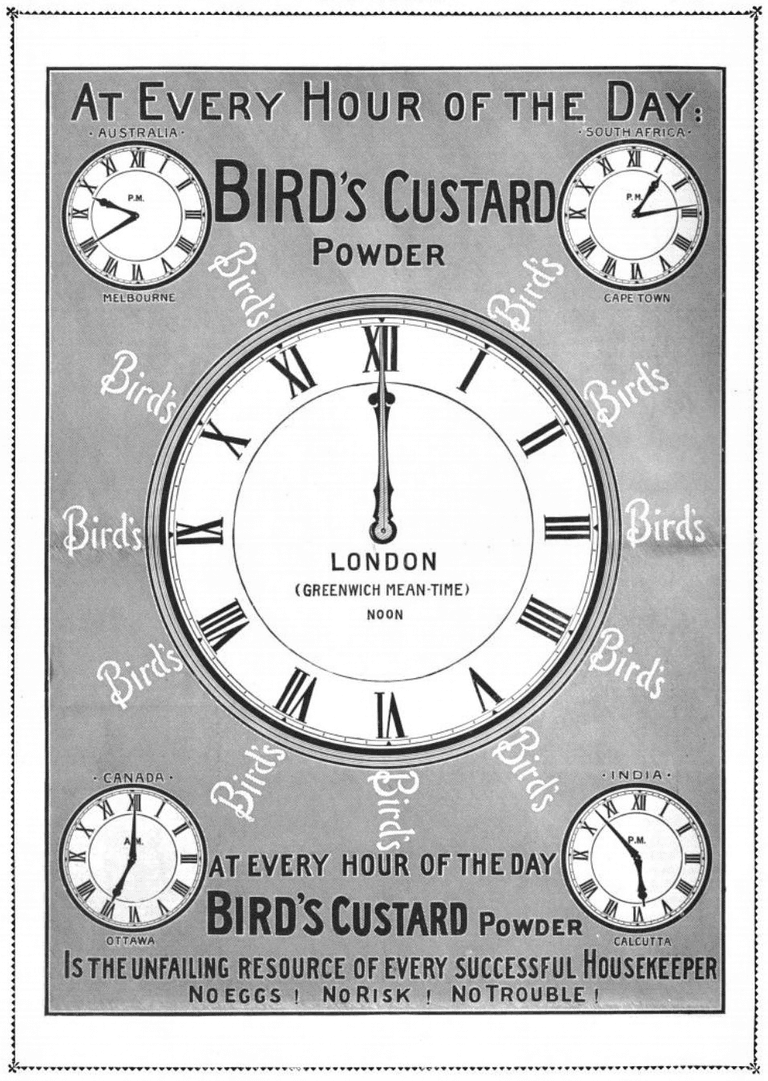
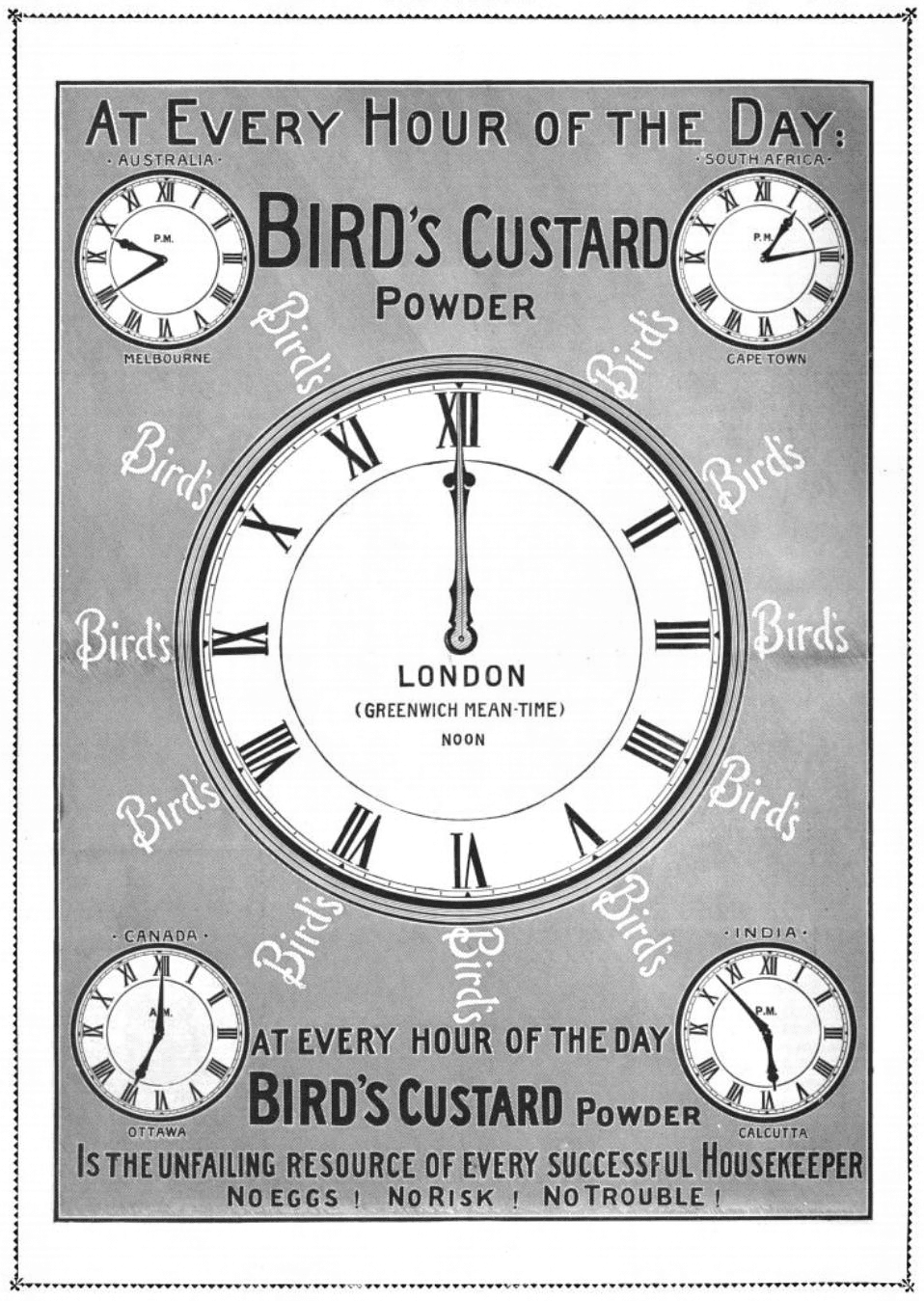
That made advertising essential. Bird’s used pictorial adverts from about 1880, through the same London agent as Cadbury’s. Brands spread across the country on hoardings and in the pages of the illustrated papers.
Big factories
The food firms built some of Birmingham’s biggest works: Cadbury at Bournville from 1879, Bird’s Devonshire Works in Deritend from 1886–87, and the Midland Vinegar Company at Aston Cross, founded in 1875, which launched HP Sauce in 1903. Production later left Digbeth for Banbury in the 1960s, and the last British-made bottle of HP Sauce came off the Aston line in 2007. Bournville still makes chocolate.
Pictures
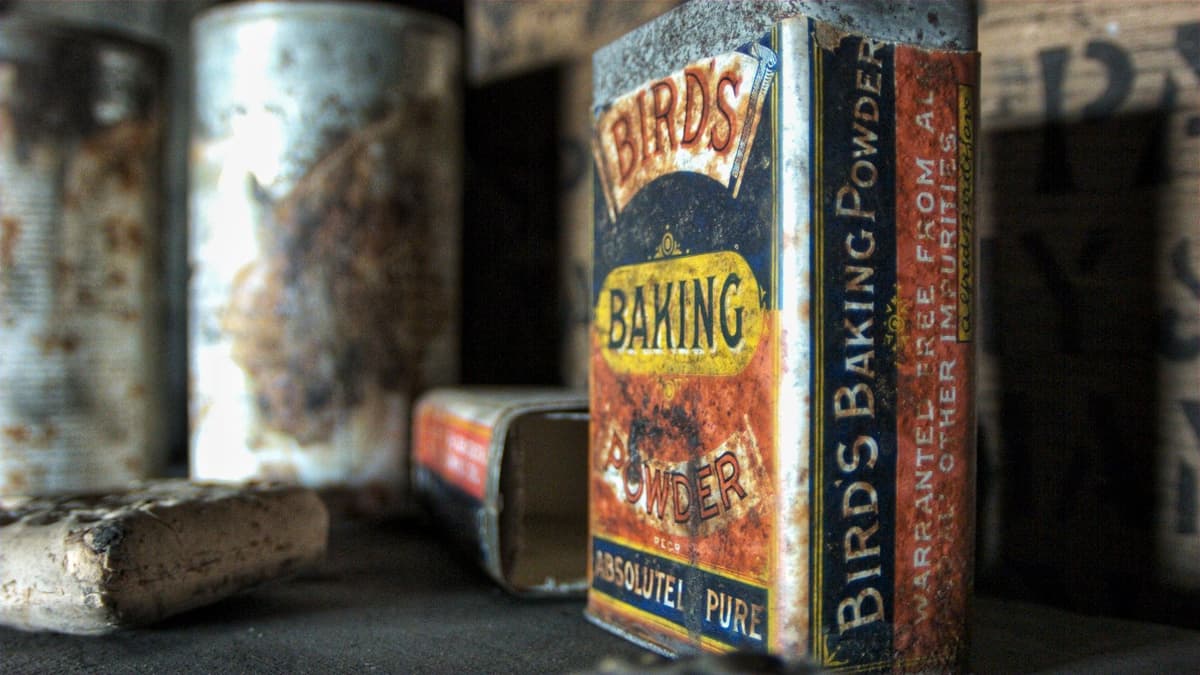
Bird’s Baking Powder in Scott’s hut, Antarctica, 27 February 2017owamux, 27 February 2017. Flickr via Wikimedia Commons · CC BY 2.0
On the map
2 places connected with Food and drink manufacture. Tap a number for directions — some sites are private homes or gardens, so each place’s page says what you can see from the street.

- John Cadbury’s shop, 93 Bull Street (site) — Lost, Site redeveloped · Directions to John Cadbury’s shop, 93 Bull Street (site) (opens Google Maps)
- The Custard Factory (Bird’s Devonshire Works) — Surviving, Surviving but altered · Directions to The Custard Factory (Bird’s Devonshire Works) (opens Google Maps)
Key dates
- 1824 — John Cadbury opens his shop in Bull StreetJohn Cadbury, a 23-year-old Quaker, opens as a tea and coffee dealer at 93 Bull Street. He also sells cocoa and drinking chocolate he grinds himself: the beginning of the Cadbury business.
- c. 1831 or about 1835 — Cadbury starts making cocoa in Crooked LaneJohn Cadbury rents a warehouse in Crooked Lane and begins making cocoa and chocolate with a pestle and mortar, turning a shop sideline into manufacturing. Sources differ between 1831 and about 1835.
- 1837 — Alfred Bird opens his chemist’s shopAlfred Bird sets up as an ‘experimental chemist’ in Bell Street. The firm later counted 1837 as its foundation and the year of egg-free custard, though the custard story is family tradition.
- 1843 — Bird’s Fermenting Powder (baking powder)Alfred Bird produces ‘Bird’s Fermenting Powder’, a baking powder that raises bread without live yeast, first for his wife. In 1855 it was supplied for baking fresh bread for the army in the Crimea.
- c. 1886–87 — Bird’s moves to the Devonshire Works, DeritendAlfred Bird & Sons moves to a new site between Gibb Street and the River Rea. The Devonshire Works grows along the river until the 1930s; its buildings are now the Custard Factory.
Sources and further reading
- Economic and Social History: Industry and Trade, 1500–1880, in A History of the County of Warwick, vol. 7, pp. 81–139 — W. B. Stephens (ed.), Victoria County History, 1964
- Alfred Bird and Sons — Grace’s Guide
- Midland Vinegar Co — Grace’s Guide
- Last British-made bottle of HP Sauce rolls off production line — Canadian Press (CBC News), CBC, 2007
- Cadbury Brothers — Grace's Guide