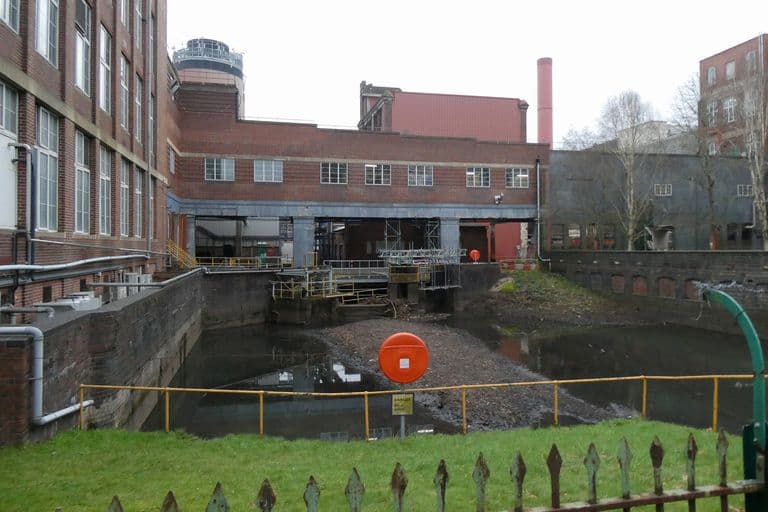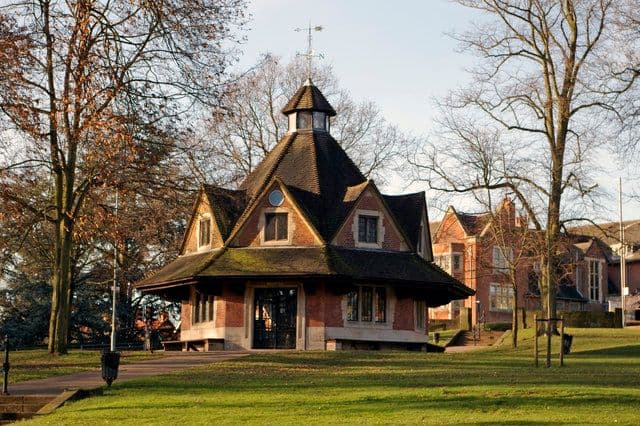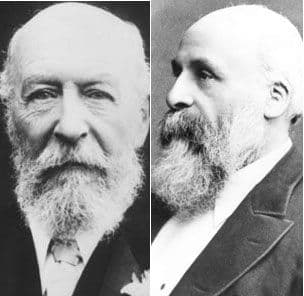
John Cadbury, a Quaker, sold tea and coffee in Bull Street and began making cocoa in Crooked Lane. In 1847 he moved manufacturing to Bridge Street, off Broad Street, and took his brother Benjamin into partnership; the firm became Cadbury Brothers. In 1854 it received a royal warrant as cocoa and chocolate makers to Queen Victoria.
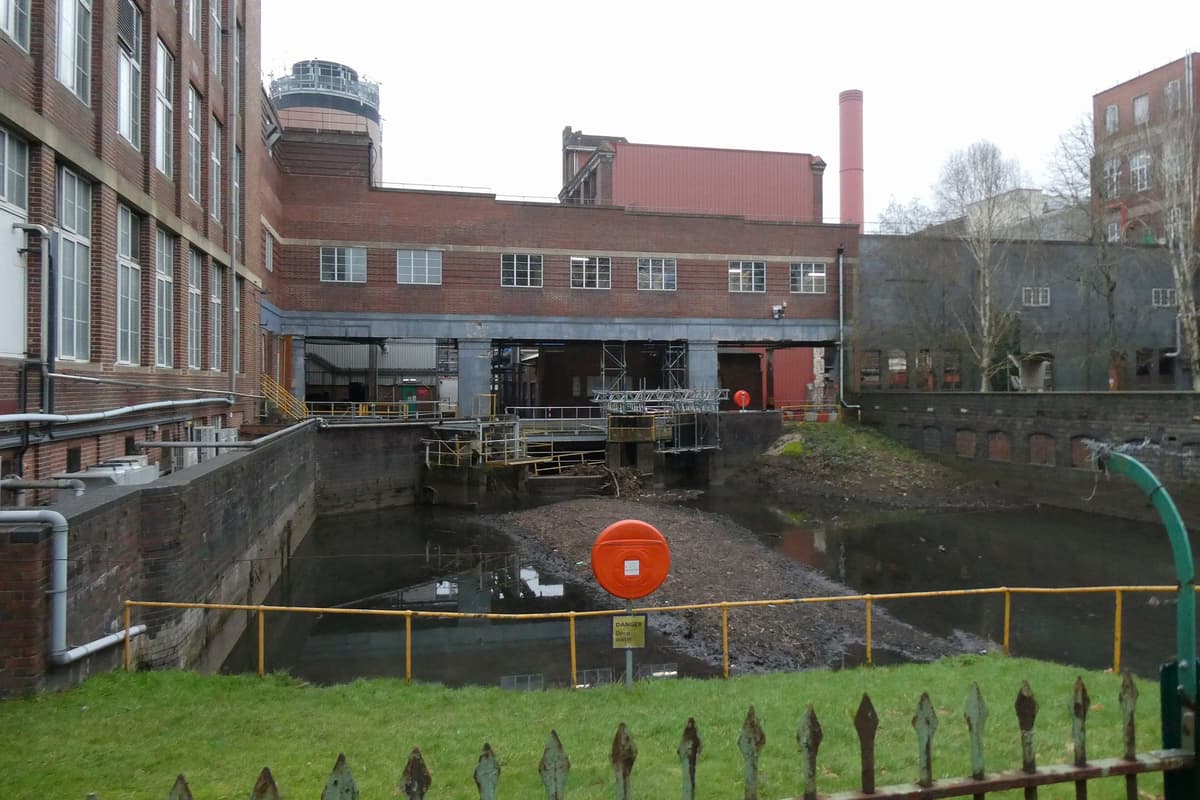
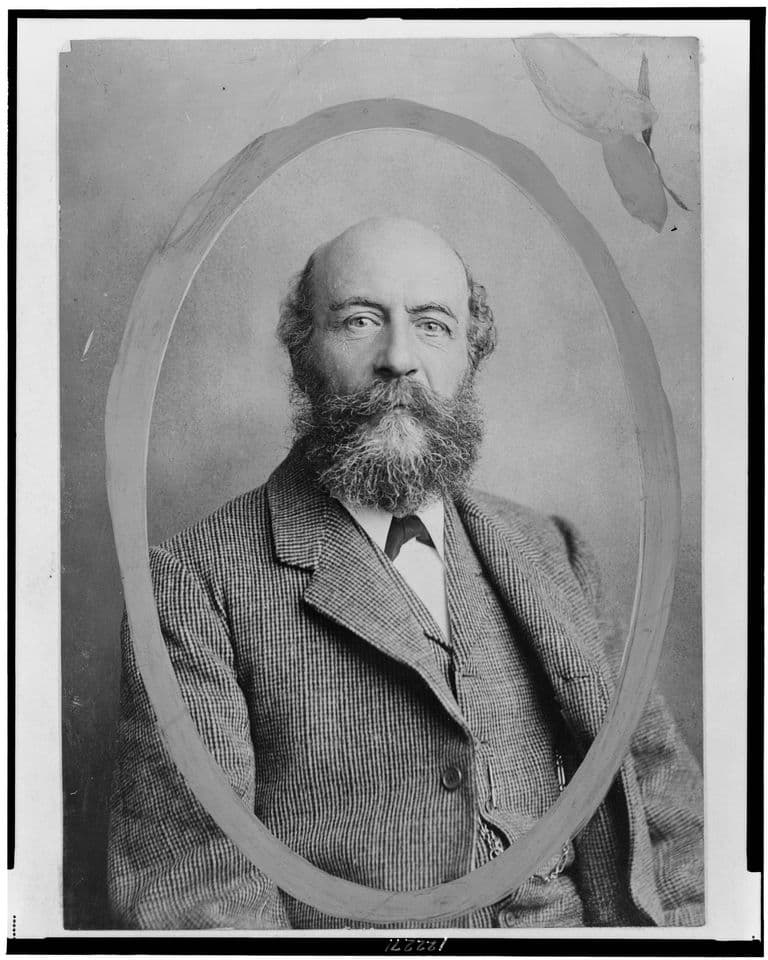
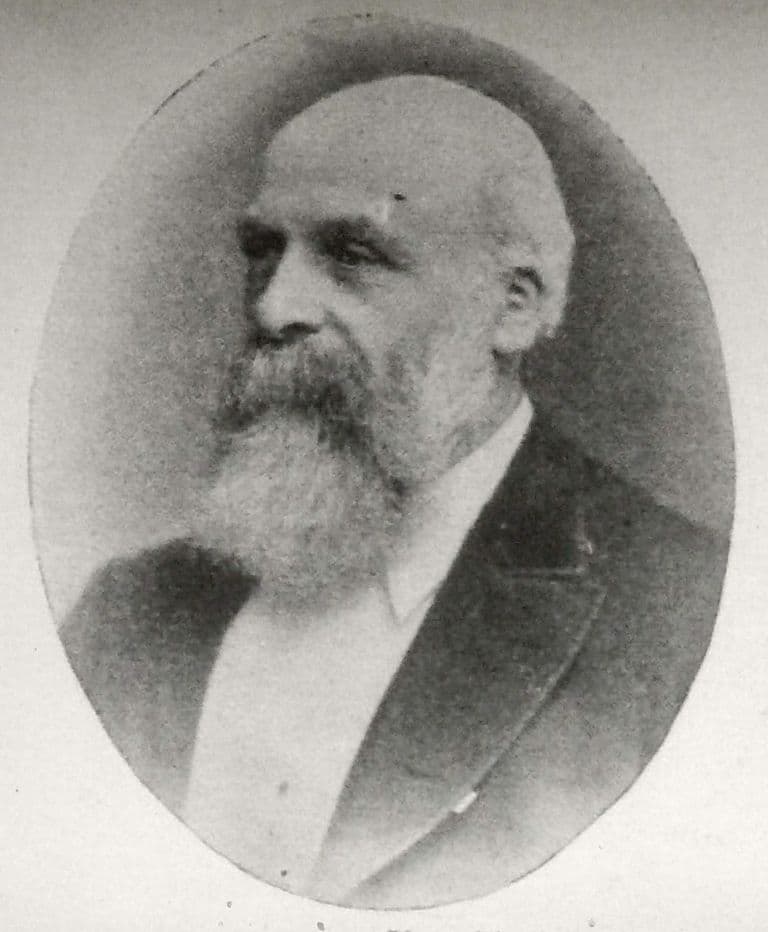
In 1861 John retired and his sons Richard and George took over a business with about a dozen workers. They came close to failure in 1863, but pure Cocoa Essence, launched in 1866 with the slogan “Absolutely pure”, turned it round. By the late 1870s there were about 300 employees. In 1879 the brothers moved the works to a country site four miles south of the city, which they called Bournville.
The firm became known for welfare: sports grounds, swimming baths, education, medical care and, from 1911, paid holidays and pensions for all. It was also tightly run: men and women were kept apart and married women were not employed. After Richard’s death in 1899 it became a limited company under George. From 1901 it learned that its cocoa from São Tomé was grown by forced labour; it stopped buying it only in 1909, and in a libel action that year won damages of one farthing.
Cadbury merged its interests with Fry’s in 1918–19, joined Schweppes in 1969 and was taken over by Kraft Foods in 2009–10. The Cadbury name now belongs to Mondelēz International, which still makes chocolate at Bournville.
On the map
4 places connected with Cadbury Brothers. Tap a number for directions — some sites are private homes or gardens, so each place’s page says what you can see from the street.

- John Cadbury’s shop, 93 Bull Street (site) — Lost, Site redeveloped · Directions to John Cadbury’s shop, 93 Bull Street (site) (opens Google Maps)
- Bournville village — Surviving · Directions to Bournville village (opens Google Maps)
- Bournville works (Cadbury) — Surviving, Surviving but altered · Directions to Bournville works (Cadbury) (opens Google Maps)
- Cadbury’s Bridge Street works — Lost, Site redeveloped
Key dates
- 1824 — John Cadbury opens his shop in Bull StreetJohn Cadbury, a 23-year-old Quaker, opens as a tea and coffee dealer at 93 Bull Street. He also sells cocoa and drinking chocolate he grinds himself: the beginning of the Cadbury business.
- c. 1831 or about 1835 — Cadbury starts making cocoa in Crooked LaneJohn Cadbury rents a warehouse in Crooked Lane and begins making cocoa and chocolate with a pestle and mortar, turning a shop sideline into manufacturing. Sources differ between 1831 and about 1835.
- 1847 — Cadbury moves to Bridge StreetAfter the Great Western Railway takes his Crooked Lane premises, John Cadbury moves his cocoa and chocolate manufacture to Bridge Street, off Broad Street. The firm becomes Cadbury Brothers when his brother Benjamin joins him.
- 1861 — Richard and George Cadbury take overJohn Cadbury retires and hands the failing Bridge Street cocoa works, with about a dozen employees, to his sons Richard (25) and George (22). They put in about £10,000 of family money and nearly fail by 1863.
- 1866 — Cadbury’s Cocoa Essence goes on saleUsing a Dutch press to remove cocoa butter, Richard and George Cadbury launch Cocoa Essence, sold as “Absolutely pure”, at a time when most cheap cocoa was bulked out with starch and other fillers.
- 1879 — Cadbury moves to BournvilleRichard and George Cadbury build a new factory on the Bournbrook estate, four miles south of Birmingham, with playing fields and sixteen foremen’s houses. Bridge Street closes and the works moves in the autumn.
- 1893 — George Cadbury buys land for a model villageGeorge Cadbury buys about 120 acres near the Bournville works to stop speculative building and to plan a village of cottages with gardens. Building begins in 1895.
- 22 March 1899 — Richard Cadbury dies in JerusalemRichard Cadbury dies of diphtheria in Jerusalem during a family tour of Egypt and Palestine. He is buried at Lodge Hill Cemetery, Selly Oak, and Cadbury Brothers becomes a limited company under George.
- 1909 — Cadbury wins a farthing over slave-grown cocoaEight years after learning that its São Tomé cocoa was grown by forced labour, Cadbury stops buying it in March 1909. Later that year it sues the Standard for libel; the jury finds for Cadbury but awards one farthing.
- 24 October 1922 — Death of George CadburyGeorge Cadbury dies at the Manor House, Northfield. His ashes are placed in a columbarium at the Friends’ Meeting House on Bournville Green, with a bust of him set into the building.
- 1990 — Cadbury World opens at BournvilleCadbury opens Cadbury World, a visitor attraction about chocolate and the firm’s history, on the Bournville factory site. More than 18 million people had visited by 2025.
Sources and further reading
- Cadbury Brothers — Grace's Guide
- Life of George Cadbury — A. G. Gardiner, Cassell, 1923
- Richard Cadbury of Birmingham — Helen C. A. Dixon (Helen Cadbury Alexander), Hodder and Stoughton, 1906
- Economic and Social History: Industry and Trade, 1500–1880, in A History of the County of Warwick, vol. 7, pp. 81–139 — W. B. Stephens (ed.), Victoria County History, 1964
- Experiments in Industrial Organization — Edward Cadbury, Longmans, Green, 1912
- Background paper on the origins of the endowment of the Barrow Cadbury Trust and the São Tomé and Príncipe slave trade — Barrow Cadbury Trust, Barrow Cadbury Trust, 2024
- Fact Sheet: Bournville Site — The Factory in a Garden — Cadbury World, Cadbury World