
What was here?
From 1847 to 1879 Cadbury Brothers made cocoa and chocolate in a works on Bridge Street, off Broad Street, close to the canal wharves at Gas Street Basin. Here Richard and George Cadbury saved the failing family business and launched Cocoa Essence in 1866. The street is now lined with hotels, offices and the Arena Central development.
History
From Crooked Lane
John Cadbury, a Quaker, opened a tea and coffee shop in Bull Street and began making cocoa and chocolate by hand, with a pestle and mortar, in a warehouse in Crooked Lane. In 1847 the Great Western Railway took the Crooked Lane premises, and Cadbury moved his manufacturing to Bridge Street, off Broad Street, close to the canal wharves. Cocoa and chocolate were being made there by 1848, when the firm had fewer than a dozen employees. When Birmingham held an exhibition of local manufactures at Bingley House in 1849, the catalogue listed “Chocolate, Cocoa, and Chicory, in various stages of manufacture, contributed by Cadbury Bros., Bridge Street, Broad Street, Birmingham.”
Inside the works
A description of 1852 gives a rare look inside. On the ground floor were the storehouse, the roasting ovens and the ‘kibbling mill’ that broke up the beans. Upstairs, in the packing room, a score of girls under a forewoman weighed and packed cocoa and wrapped chocolates in tinfoil. They wore washable holland frocks over their own clothes, a custom the firm kept for decades. In summer they had a weekly half-holiday, and twice a week they left an hour early for evening school.
Near collapse
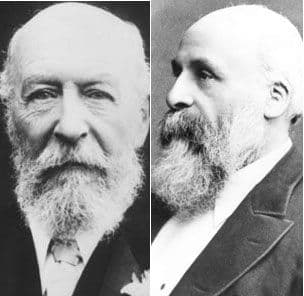
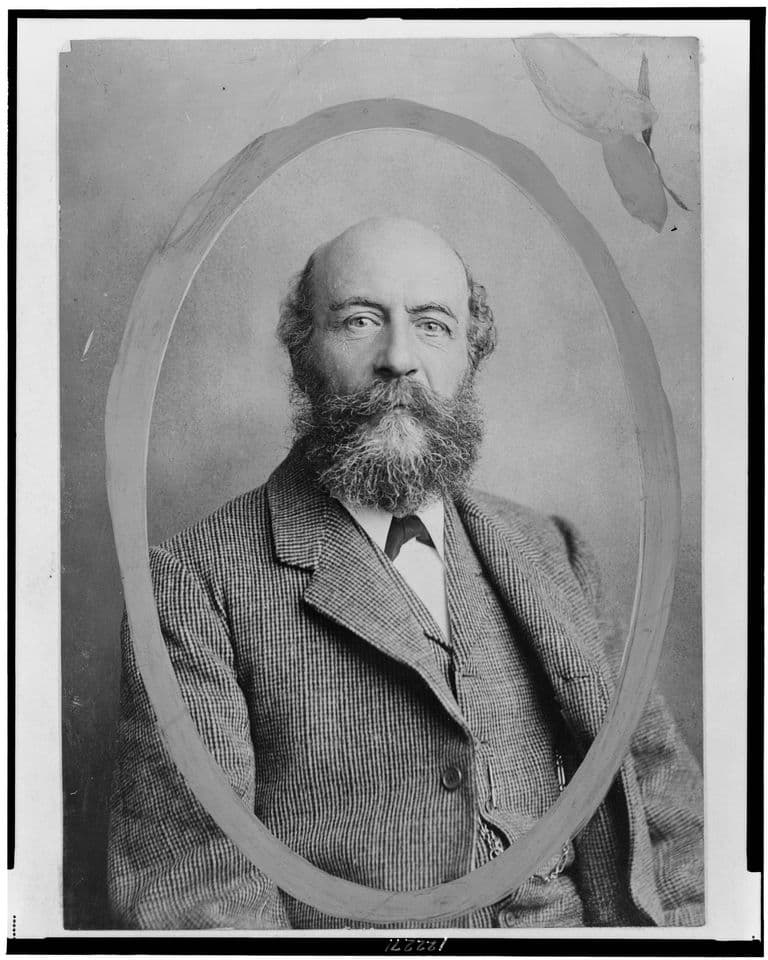
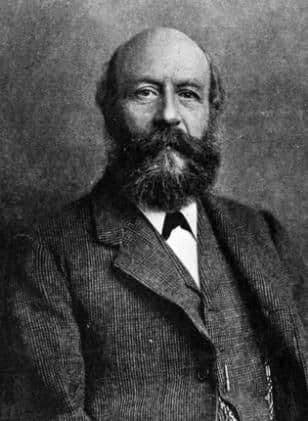
After his wife died in 1855, John Cadbury’s health failed and the business slid. In 1861 he handed it to his sons Richard, 25, and George, 22. By then Bridge Street employed about a dozen hands, some of the girls on 2s 6d to 5s a week. The brothers put in about £10,000 inherited from their mother’s family and agreed to close rather than run into debt. By 1863 they were nearly finished. The next year the business turned a small profit.
They ran it as a close community. George breakfasted with the workers and read to them. From 1866 he led a short daily service with a Bible reading and silent prayer. The Bridge Street Sick Club held a Christmas party in the stockroom over the warehouse, and the brothers played in the works cricket team. George’s biographer claimed that they were the first firm in Birmingham to give a Saturday half-holiday.
Pure cocoa
What saved the firm was quality. Most cheap cocoa was bulked out with starch, flour and treacle. With a press bought in the Netherlands that squeezed out cocoa butter, the brothers launched Cadbury’s Cocoa Essence in 1866, sold as “Absolutely pure”. After the Adulteration of Food Act of 1872 they gave up their cheap ‘pearl cocoa’ altogether, a big loss of trade at first.
Outgrown
By the late 1870s the works had about 300 employees and nowhere to grow. George wanted something better than its cramped rooms and ‘squalid outlook’. In 1878 the brothers bought land at Bournbrook, four miles south of the city. Bridge Street closed in 1879, and that autumn the works moved to the new factory at Bournville.
What happened here?
John Cadbury moved his cocoa manufacture here in 1847. His sons took over in 1861, nearly went bankrupt in 1863, launched pure Cocoa Essence in 1866 and grew the workforce to about 300 before moving to Bournville in 1879.
Why it mattered
Bridge Street was where Cadbury became a serious business. The decisions made here, to sell only pure cocoa and to treat the workforce as a community, set the pattern for Bournville.
Why it disappeared
Redevelopment · Other or unknown
Cadbury left in 1879 because the works was too small. Later uses of the building have not been traced; the whole area between Broad Street, Bridge Street and Holliday Street has since been rebuilt, most recently as Arena Central.
What’s there now
What replaced it
Later nineteenth- and twentieth-century buildings, now replaced by hotels, offices and the Arena Central development around Bridge Street.
What survives
Nothing of the works is known to survive. The canal arms and wharves at Gas Street Basin, which served the area, are still there. Descriptions of the works in 1852 survive in Helen Dixon’s life of Richard Cadbury (1906), which also reproduces a picture of the works.
Today
Bridge Street runs south-east from Broad Street, beside the Hyatt hotel and the Gas Street Basin canal arm, to Holliday Street. The east side is the Arena Central office development.
Key dates
- 1847 — Cadbury moves to Bridge StreetAfter the Great Western Railway takes his Crooked Lane premises, John Cadbury moves his cocoa and chocolate manufacture to Bridge Street, off Broad Street. The firm becomes Cadbury Brothers when his brother Benjamin joins him.
- 1861 — Richard and George Cadbury take overJohn Cadbury retires and hands the failing Bridge Street cocoa works, with about a dozen employees, to his sons Richard (25) and George (22). They put in about £10,000 of family money and nearly fail by 1863.
- 1866 — Cadbury’s Cocoa Essence goes on saleUsing a Dutch press to remove cocoa butter, Richard and George Cadbury launch Cocoa Essence, sold as “Absolutely pure”, at a time when most cheap cocoa was bulked out with starch and other fillers.
- 1879 — Cadbury moves to BournvilleRichard and George Cadbury build a new factory on the Bournbrook estate, four miles south of Birmingham, with playing fields and sixteen foremen’s houses. Bridge Street closes and the works moves in the autumn.
Sources and further reading
The exact plot on Bridge Street has not been identified from a map: a Royal Geographical Society walk places the factory ‘just across the canal’ from Gas Street Basin, and a local blog puts it opposite the Library of Birmingham, but neither gives the plot. The map point is therefore on Bridge Street only. Gardiner (1923) dates the Crooked Lane warehouse to 1835 and VCH Warwickshire says ‘from 1835’; Cadbury’s own history says 1831. VCH dates the Bull Street shop to 1834; Cadbury and other sources say 1824. Chocolate is said to have been first made at Bridge Street in 1848 (Birmingham Daily Post, 1918, quoted by Grace’s Guide). Bridge Street closed in July 1879 according to a Cadbury World fact sheet; the move is dated September (Cadbury World) or October 1879 (Gardiner).
- Richard Cadbury of Birmingham — Helen C. A. Dixon (Helen Cadbury Alexander), Hodder and Stoughton, 1906. ch. 2 (John Cadbury); ch. 4 (works in 1852)
- Life of George Cadbury — A. G. Gardiner, Cassell, 1923. chs. 1 and 3
- Economic and Social History: Industry and Trade, 1500–1880, in A History of the County of Warwick, vol. 7, pp. 81–139 — W. B. Stephens (ed.), Victoria County History, 1964
- Cadbury Brothers — Grace's Guide
- Fact Sheet: Bournville Site — The Factory in a Garden — Cadbury World, Cadbury World
- The Cadbury Story — Cadbury UK
- Birmingham city centre walk: manufacturing history — Royal Geographical Society (with IBG). stop 12, ‘Canals and cocoa’
Comments
Comments will load here.