Was Birmingham a town that fed the slave trade, or one that fought it? A 2008 guide to the Library of Birmingham’s records puts it plainly: “Could it be both?” The evidence says yes.
Four different things
Not every link is the same. Owning or trafficking enslaved people is one thing. Making goods that were traded for them is another. Profiting from slave-grown sugar and cotton, or selling to planters, is a third. Campaigning against slavery is a fourth. One person could do more than one.
Supplying the trade
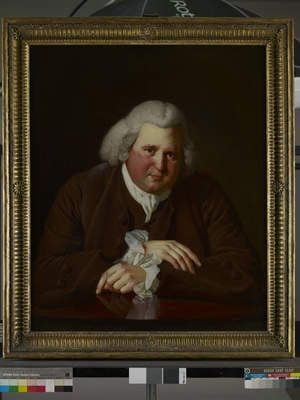
Birmingham’s clearest part was supplying goods. Guns went in ships’ cargoes to West Africa to be exchanged for enslaved people. The Quaker firm of Farmer & Galton on Steelhouse Lane was a leading supplier. In 1743 James Farmer asked for a cargo list for “a vesel that caries about 250 slaves … observe to add a few more guns”. The Ashmolean Museum says Birmingham was also a major centre for making brass manillas, bracelet-shaped currency used only in the slave trade. In 1789 Erasmus Darwin wrote that he had “just heard that there are muzzles or gags made at Birmingham for the slaves in our islands”. That was hearsay, and no maker has been named.
The Soho men
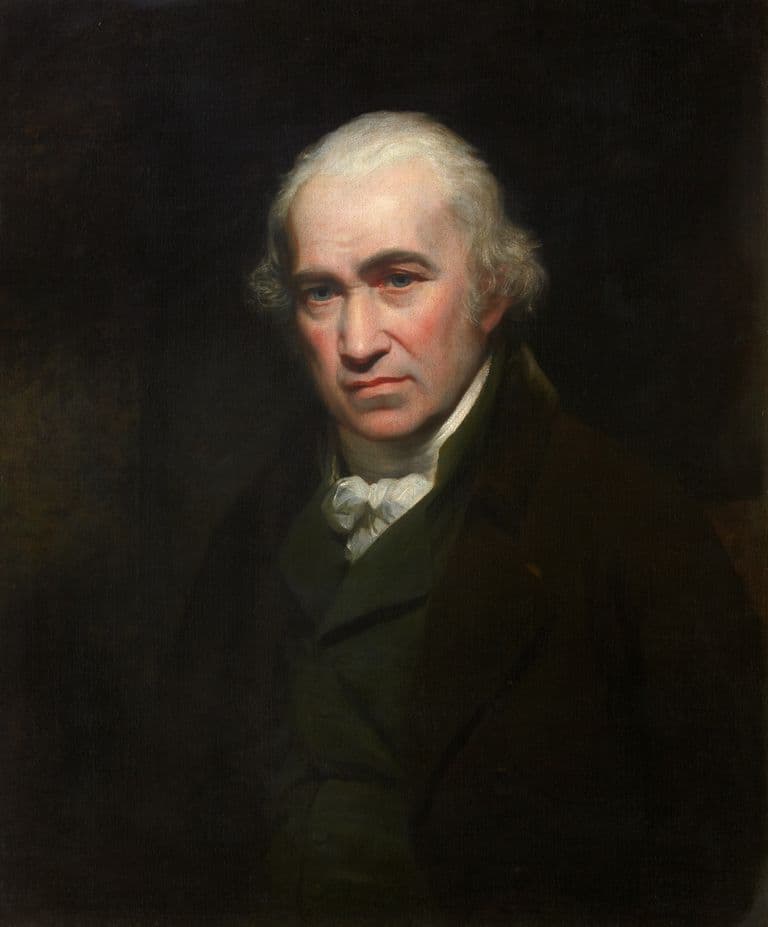
James Watt’s link is the most direct, and it comes before Birmingham. His father, a Greenock merchant, occasionally sold enslaved people. Documents now in the Library of Birmingham show that in 1762 Watt handled the account for a Black child named Frederick, sent from Greenock to Lady Spynie at Brodie House, near Forres. The historian Stephen Mullen calls Watt “directly complicit in Atlantic slavery whilst resident in the west of Scotland”. Nobody knows what became of Frederick.
In 1789 Erasmus Darwin wrote that he had “just heard that there are muzzles or gags made at Birmingham for the slaves in our islands”.
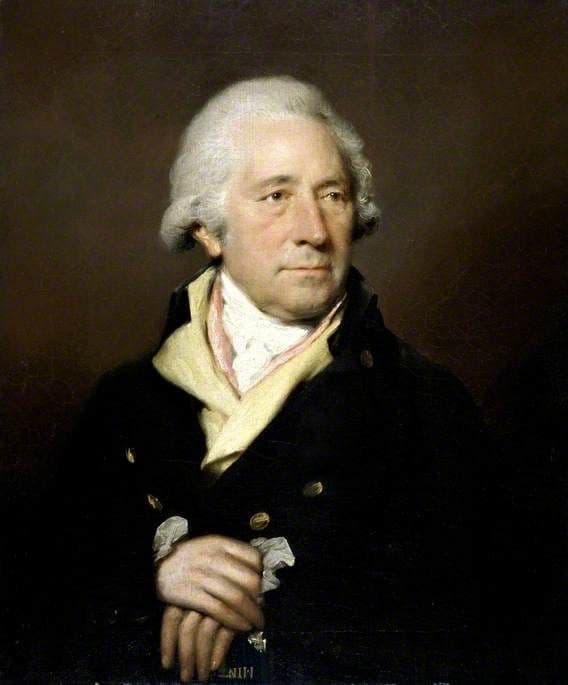
Matthew Boulton borrowed from a bank that depended on West India trade, and in 1783 he dined with Jamaican planters who wanted steam engines. But no Boulton & Watt engine is known to have gone to the West Indies before the two men retired in 1800. Boulton also subscribed to Equiano’s book, and in 1791 the Soho Mint struck coins for the Sierra Leone Company, a settlement for free Black people, showing a Black hand and a white hand clasped. Historians call his position equivocal. After 1800 the firm, run by their sons, took orders for about 119 engines for Caribbean and South American sugar estates between 1803 and 1825.
The campaign
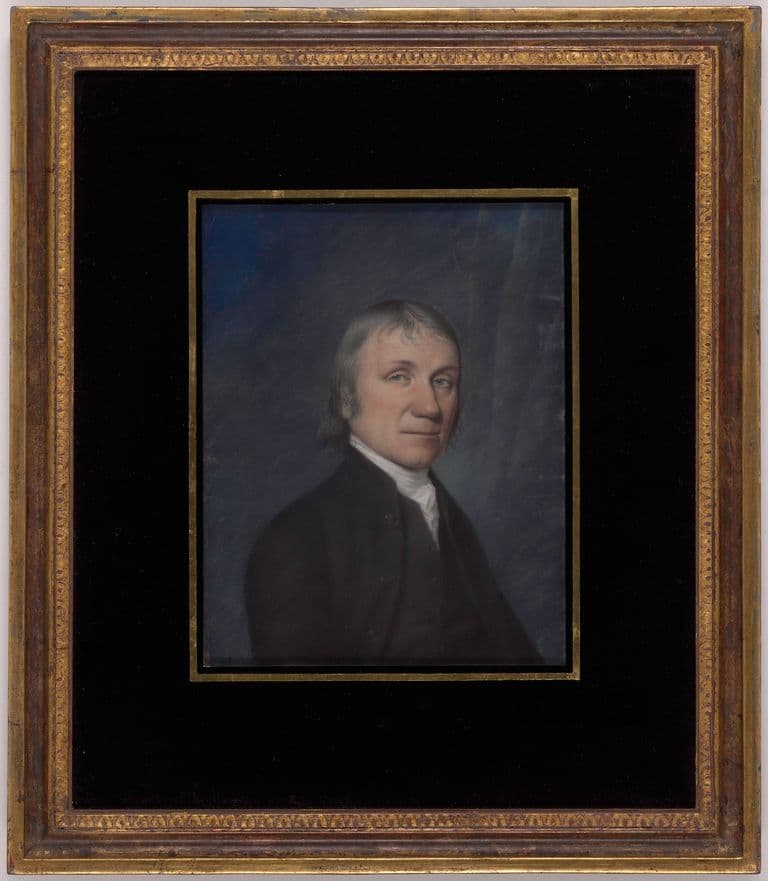
The same town fought back. In late 1787 the Quaker brothers Sampson and Charles Lloyd and William Russell met the abolitionist Thomas Clarkson and began rousing Birmingham. A petition against the slave trade went to Parliament early in 1788. That year Joseph Priestley preached against the trade at the New Meeting and called slavery “perhaps the greatest, and most crying evil under the sun”. Watt’s cash book records a guinea paid to “the negro bill” in 1788, probably an abolition petition. In June 1790 the formerly enslaved writer Olaudah Equiano thanked Birmingham supporters by name in *Aris’s Birmingham Gazette*, among them Galton, Russell, Priestley and Boulton.
Then the Quakers turned on one of their own. Samuel Galton junior defended his gun business by pointing at everyone else: people who used slave-grown sugar, rum and tobacco were, he wrote in 1796, “more intimately, and directly the Promoters of the Slave Trade, than the Vender of Arms is the Promoter of War”. His Meeting was not persuaded, and in August 1796 it disowned him.
The women
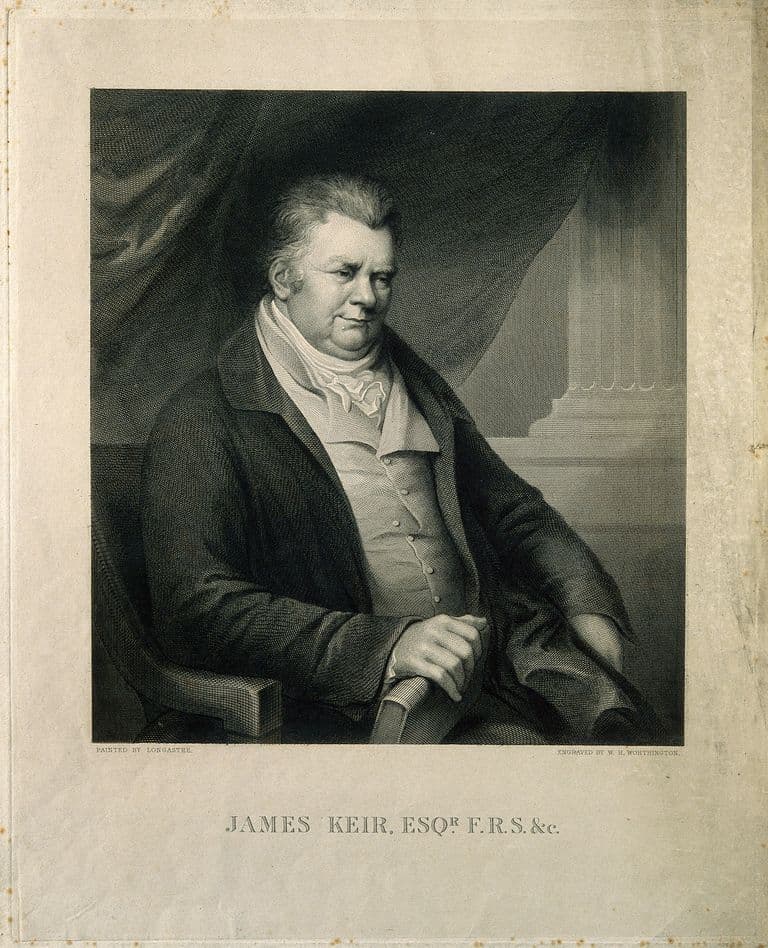
On 8 April 1825 Lucy Townsend and Mary Lloyd founded the Female Society for the Relief of British Negro Slaves. It is usually called the first women’s anti-slavery society. Its members went door to door and urged families to stop buying slave-grown sugar. Among them were daughters of the Lunar Society — Keir’s daughter Amelia Moilliet and Galton’s daughter Mary Anne Schimmelpenninck. In 1826 the Quaker Joseph Sturge became a leading figure in the new Birmingham Anti-Slavery Society. He went on to expose the “apprenticeship” system in the West Indies.
Sturge’s statue still stands at Five Ways, unveiled in 1862, with Charity comforting a Black child. Birmingham did both. It made money from slavery and it worked to end it, and much of the proof of both is kept in its own Library.
On the map
6 places connected with Slavery and abolition. Tap a number for directions — some sites are private homes or gardens, so each place’s page says what you can see from the street.

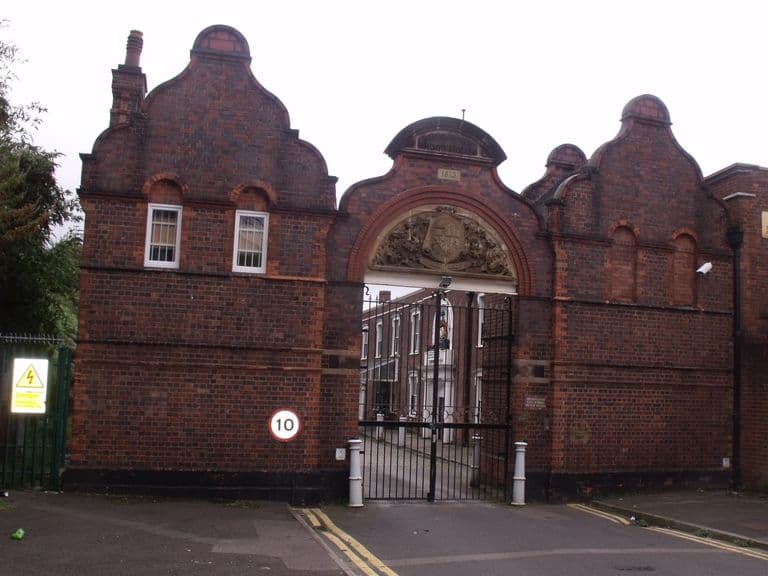
- Birmingham Gun Barrel Proof House — Surviving, Surviving but altered · Directions to Birmingham Gun Barrel Proof House (opens Google Maps)
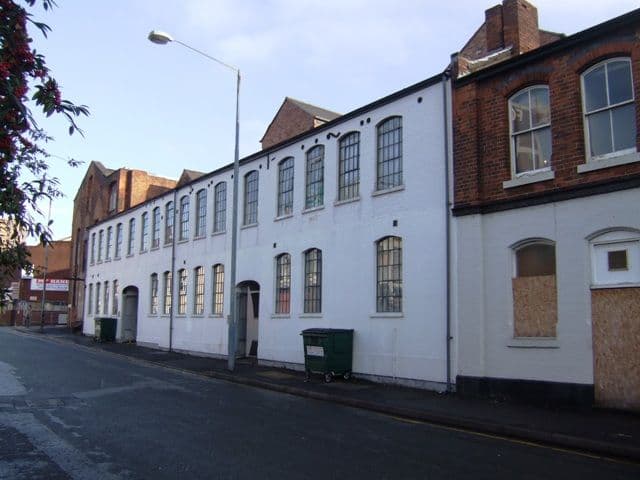
- The Gun Quarter — Partly surviving, Site redeveloped
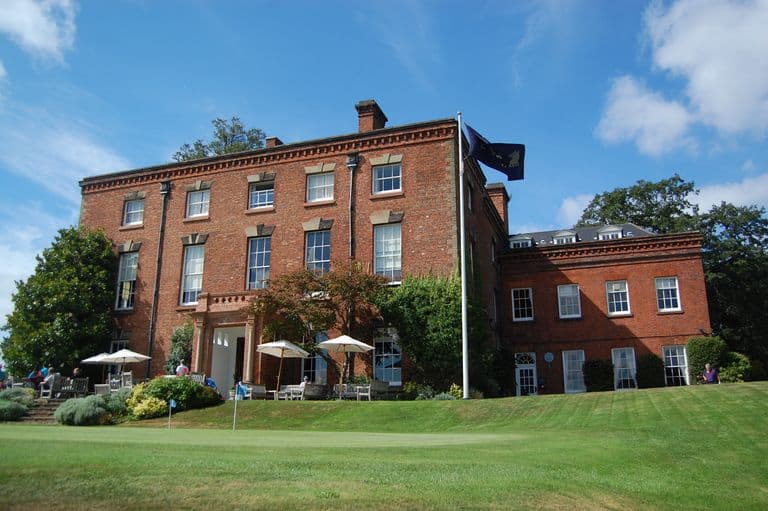
- Edgbaston Hall — Surviving · Directions to Edgbaston Hall (opens Google Maps)
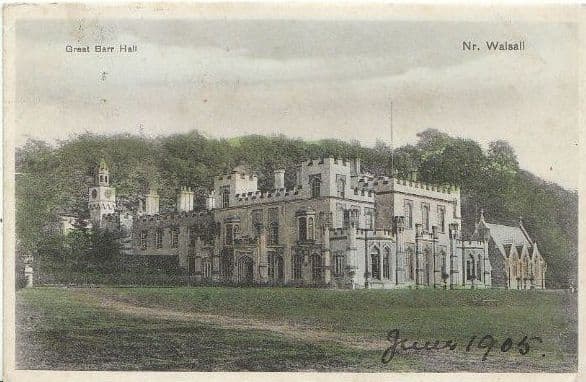
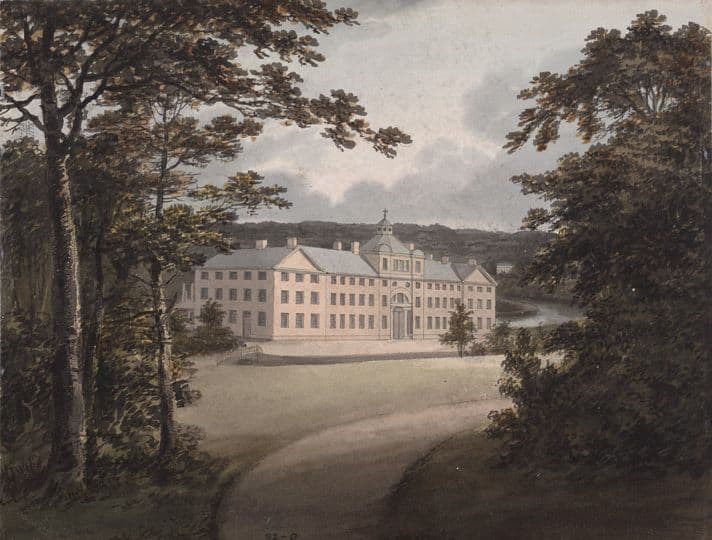
- Great Barr Hall — Partly surviving, At risk · Directions to Great Barr Hall (opens Google Maps)
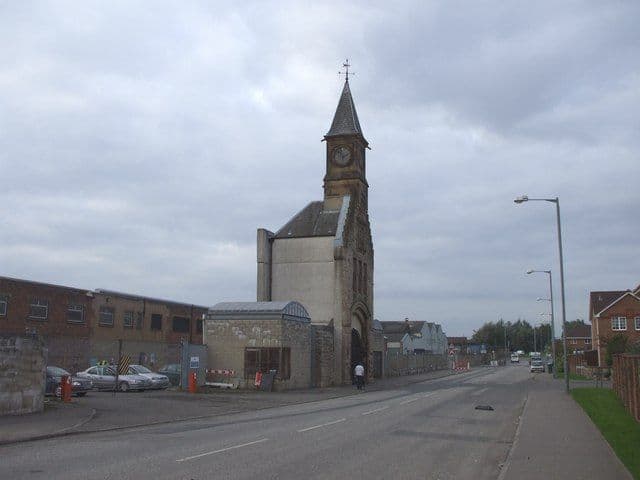
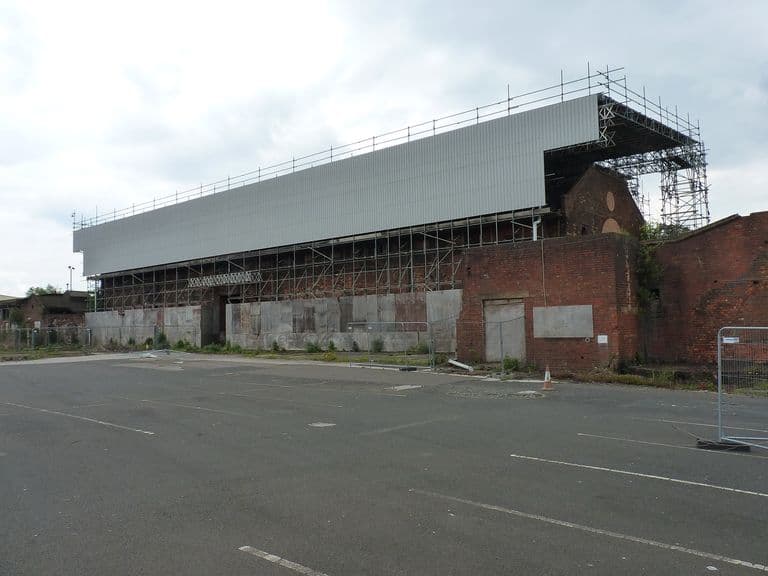
- Soho Foundry — Partly surviving, At risk · Directions to Soho Foundry (opens Google Maps)
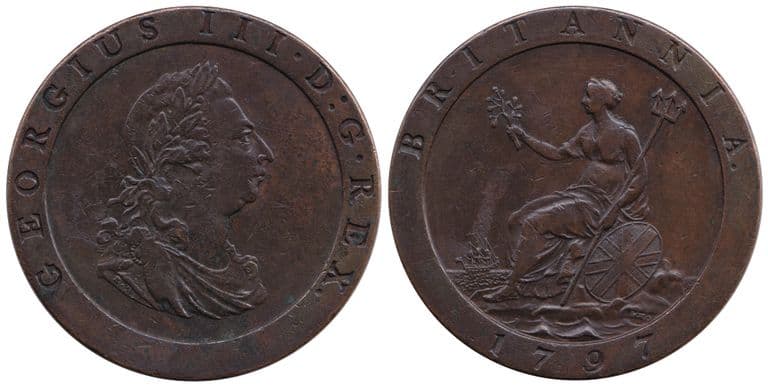
- Soho Mint — Lost, Site redeveloped · Directions to Soho Mint (opens Google Maps)
Key dates
- 17 March 1762 — Frederick is sent from Greenock to GlasgowThe Watt family firm hands a Black child, named in a clothing list as “Fridrick”, to a carter to be taken to Glasgow for Lady Spynie. Later that year a letter to “James Watt junior merchant in Greenock” — argued by Stephen Mullen to be the engineer — asks what the boy has cost.
- c. early 1788 — Birmingham petitions against the slave tradeAfter Thomas Clarkson’s visit in late 1787, Birmingham campaigners, among them Sampson and Charles Lloyd and William Russell, send a petition against the slave trade to Parliament. Joseph Priestley preaches against the trade at the New Meeting the same year.
- 1788 — Priestley preaches against the slave tradeAt the New Meeting, Priestley calls slavery “perhaps the greatest, and most crying evil under the sun”, as Birmingham prepares a petition to Parliament for abolition. The sermon is printed in Birmingham.
- 28 June 1790 — Equiano thanks his Birmingham supportersOlaudah Equiano, the formerly enslaved writer and campaigner, publishes a letter in Aris’s Birmingham Gazette thanking Birmingham subscribers to his Narrative, including Galton, William Russell, Priestley and Boulton.
- 1791 — Birmingham joins the sugar boycottAfter the Commons votes down abolition in April 1791, Birmingham families join the boycott of slave-grown sugar. Mary Anne Galton, Samuel Galton’s daughter, supports it, and one Birmingham grocer reportedly sees his sugar sales halve in four months.
- August 1796 — Samuel Galton is disowned by the QuakersAfter he defends his family’s gun trade, Warwickshire North Monthly Meeting disowns Samuel Galton junior. His firm had supplied guns to the African slave trade.
- 8 April 1825 — Birmingham women found an anti-slavery societyLucy Townsend and Mary Lloyd found the Female Society for the Relief of British Negro Slaves, usually called the first women’s anti-slavery society. Daughters of Lunar Society members, including Amelia Moilliet and Mary Anne Schimmelpenninck, sit on its committee.
- 1826 — Birmingham Anti-Slavery Society formedThe Quaker corn merchant Joseph Sturge becomes a leading figure in the new Birmingham Anti-Slavery Society. He later travels to the West Indies in 1836–37 to expose the ‘apprenticeship’ system that replaced slavery there.
- 1846 — Frederick Douglass speaks in the Gun QuarterThe American anti-slavery campaigner Frederick Douglass speaks at Ebenezer Chapel on Steelhouse Lane, in the heart of Birmingham’s gun quarter. Joseph Sturge is in the audience.
- 4 June 1862 — Joseph Sturge’s statue unveiled at Five WaysA statue of the Birmingham abolitionist Joseph Sturge by John Thomas is unveiled at Five Ways. It includes a figure of Charity comforting a Black child. It was restored in 2007.
- 1909 — Cadbury wins a farthing over slave-grown cocoaEight years after learning that its São Tomé cocoa was grown by forced labour, Cadbury stops buying it in March 1909. Later that year it sues the Standard for libel; the jury finds for Cadbury but awards one farthing.
Sources and further reading
- Slavery and Abolition: A Guide to Resources — Andy Green, Birmingham Archives & Heritage, 2008. Ref. MS 3101/C/C/2/1/5
- Matthew Boulton, William Murdock and James Watt: Appraisal for ‘Golden Boys’ Statue — Stephen Mullen, Birmingham Museums Trust, 2021
- James Watt and Slavery in Scotland — Stephen Mullen, History Workshop, 2020
- References to Slaves in the ‘Archives of Soho’ — Library of Birmingham, Birmingham Archives & Heritage. Ref. MS 3147; MS 3219; MS 3782. MS 3219, MS 3147, MS 3782
- The Birmingham gun manufactory of Farmer and Galton and the slave trade in the eighteenth century — W. A. Richards, University of Birmingham (MA thesis), 1972
- The Import of Firearms into West Africa 1750–1807: a quantitative analysis — J. E. Inikori, Journal of African History 18, 1977
- A brass manilla from West Africa — Ashmolean Museum
- Anti-slavery: Poetry, Images and Ideas — Revolutionary Players (Malcolm Dick and Kate Iles), History West Midlands. Darwin to Wedgwood, April 1789
- Stationary Steam Engines on Sugar Plantations in the Caribbean: Nevis 1816–1846 — David Small, 2021. summarising Tann 1997
- The History of the Rise, Progress and Accomplishment of the Abolition of the African Slave-Trade — Thomas Clarkson, 1808. ch. XIX
- A Sermon on the Subject of the Slave Trade; delivered to a society of Protestant Dissenters, at the New Meeting, in Birmingham — Joseph Priestley, Pearson and Rollason, Birmingham, 1788
- Anti-slavery and the Midlands — Revolutionary Players (Malcolm Dick and Kate Iles), History West Midlands. Equiano’s letter, 28 June 1790
- Faith and disunity: Samuel Galton and the Quakers — Library of Birmingham (The Iron Room blog), Library of Birmingham Archives & Collections, 2015. Ref. MS 3101/B/16/2
- Friendship, Abolition and Archives — The Iron Room — Library of Birmingham, 2016. Ref. MS 3173
- Lucy Townsend, abolitionist — West Bromwich Local History Society
- Abolition of the Slave Trade and Slavery — Revolutionary Players, History West Midlands
- Commerce, Slavery and Anti-slavery; The Lunar Society and the Anti-slavery Debate — Revolutionary Players, History West Midlands
- Conservation of Joseph Sturge — Birmingham Museums Trust