
What was here?
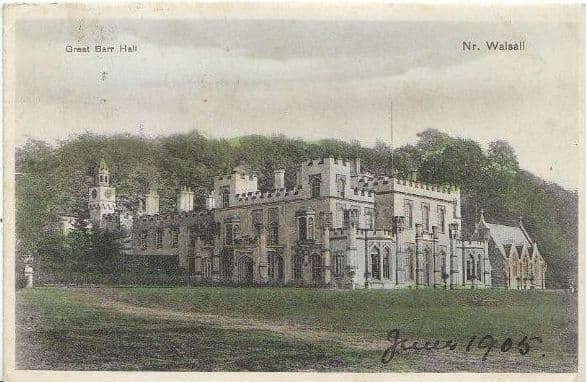
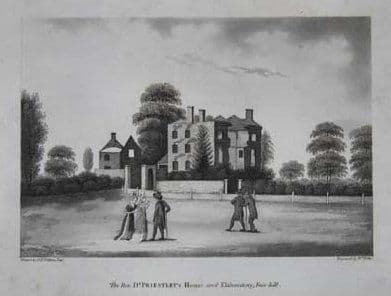
A rambling country house in a landscaped park at Great Barr, just over the city boundary from Kingstanding. Its Gothick front dates from about 1777. From 1785 to 1797 it was let to Samuel Galton junior, and the Lunar Society met here. In the 20th century it became a hospital. Today it is a roofless, decaying shell on private land.
History
Monastic airs
Great Barr Hall began as a farmhouse called Netherhouse. A hearth tax return of 1666 records Richard Scott living there with five hearths. Over the next century the Scott family made it grander, and by 1760 it was described as a “handsome and commodious dwelling house” with stables, a coach house and a walled garden.
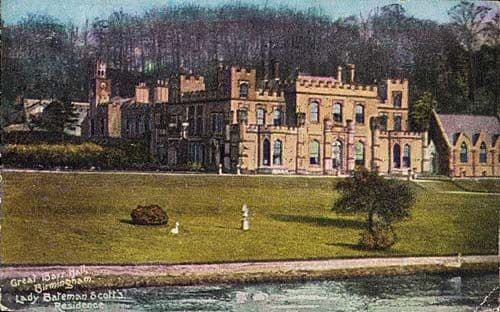
Then, about 1777, Joseph Scott went further. Stebbing Shaw, the Staffordshire historian, wrote in 1798 that Scott had begun “to exercise his well known taste and ingenuity upon the old fabric, giving it the pleasing monastic appearance it now exhibits”. The house was dressed in Gothick style, with pointed ogee windows, corner turrets and battlements. Historic England notes that this places it among the early examples of Gothic Revival taste in England.
The work cost more than the Scotts could afford. From 1785 they went abroad and let the house.
The Galtons move in
The tenant was Samuel Galton junior, a Birmingham Quaker, banker and gun-maker, and a member of the Lunar Society. His family lived here until 1797, wintering in Birmingham. His daughter Mary Anne, later Mrs Schimmelpenninck, lived at the hall from 1786 to 1797 and remembered it vividly in her autobiography of 1858. It was, she wrote, “more like an assemblage of several houses under the same roof, than the unity of one dwelling”.
The Lunar Society at Barr
The same spot, then and now
1888–1913
Today
Old map: Ordnance Survey six-inch, reproduced with the permission of the National Library of Scotland (CC BY 4.0). Today: © OpenStreetMap contributors.
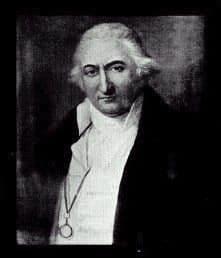
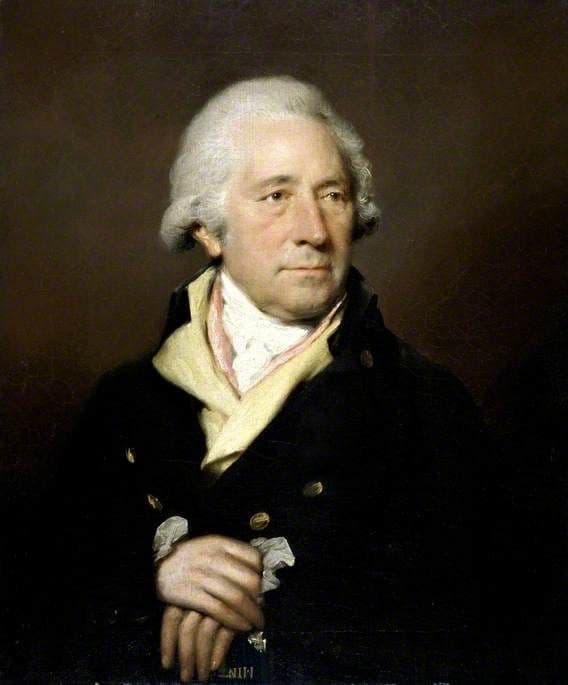
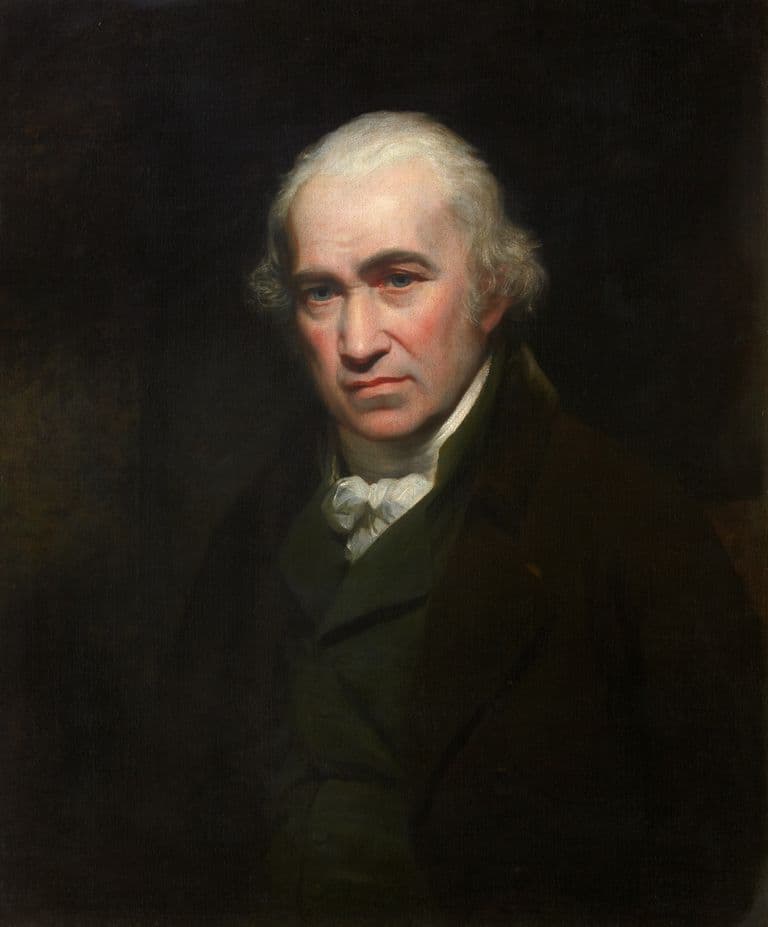
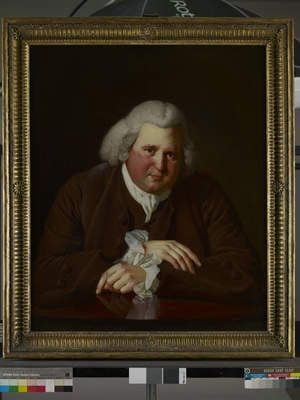
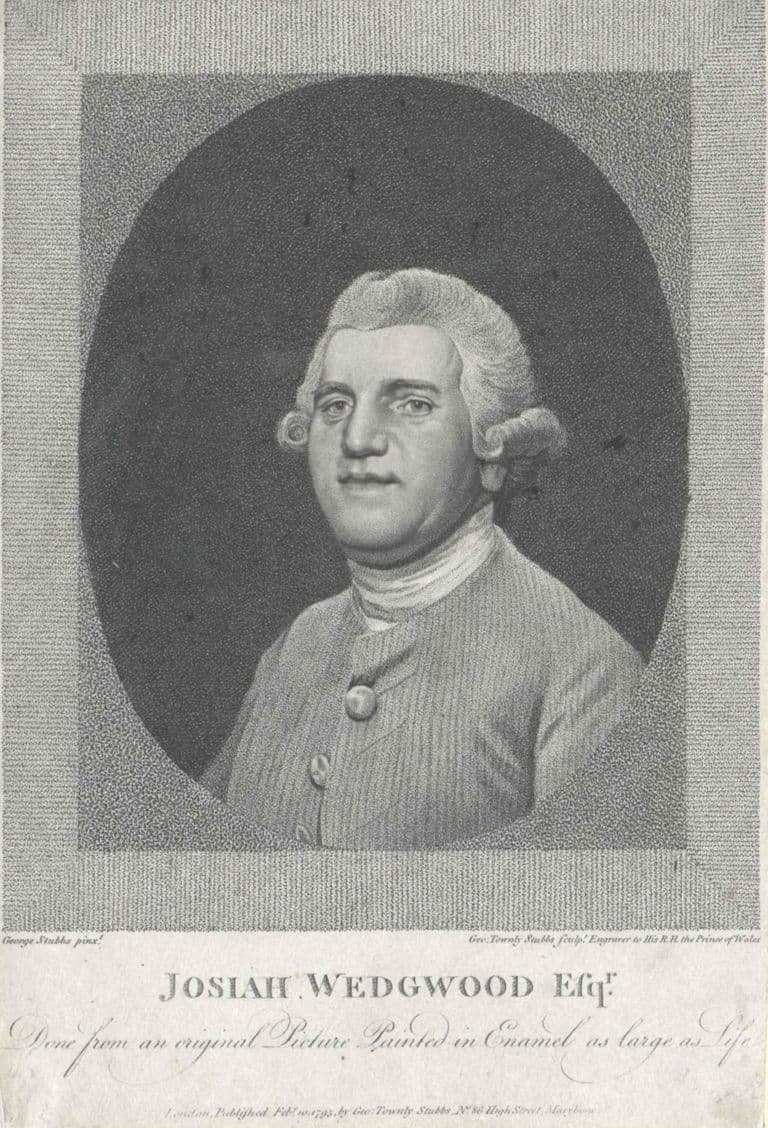
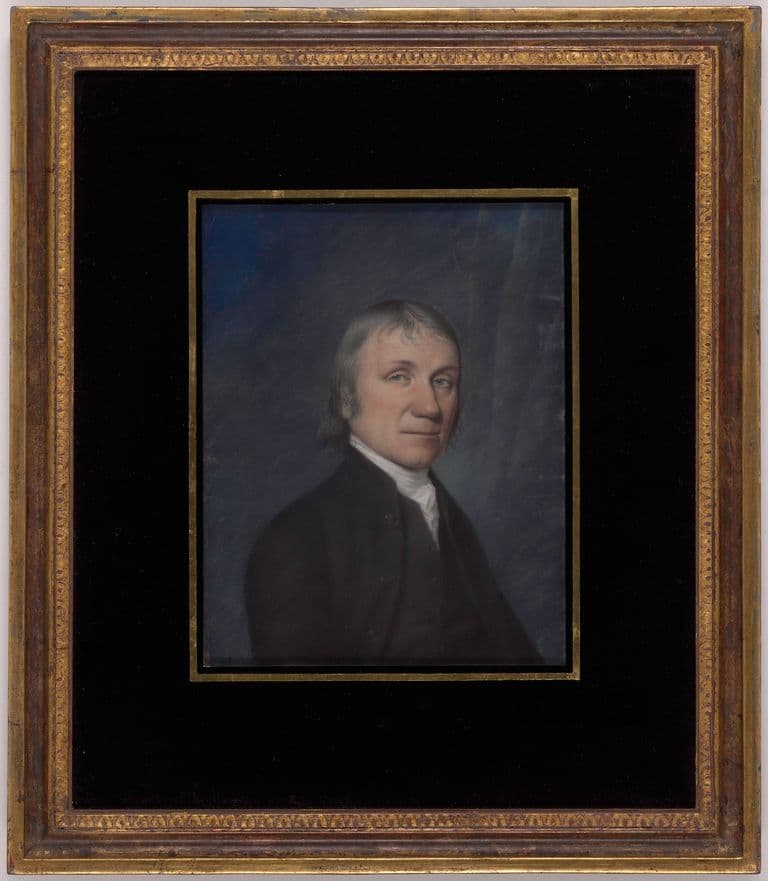
In Galton’s time the house became one of the Lunar Society’s meeting places. Historic England’s register entry says the Society “met occasionally at Great Barr between 1785 and 1796”. Mary Anne Schimmelpenninck left the only eyewitness accounts of meetings at the hall, and other meetings are mentioned in letters between members. Imagine Boulton, Watt, Priestley or Withering riding out from Birmingham under a full moon to dine and argue in this odd, many-staired house.
Guns and conscience
Galton’s wealth came from guns. The family firm, Farmer & Galton of Steelhouse Lane, was a major supplier to the African trade, and its own papers in the Library of Birmingham show it supplied guns to slave traders. Library of Birmingham archivists state that the firm was also involved more directly in slave trading. In the 1790s Galton’s fellow Quakers challenged the family over making instruments of war. In August 1796 his Monthly Meeting disowned him. A year later the Galtons left Great Barr; their lease ended in 1797. In 1804 Galton left the gun trade and turned to banking. His daughter Mary Anne became a supporter of the anti-slavery cause.
Scotts, guardians and patients
The Scotts came back in 1797 and altered the house again. Between 1830 and 1848 a clock tower was added. Around 1856 a chapel was built, probably to designs by George Gilbert Scott, who also added lodges, a bridge and a boathouse for Sir Francis Scott. The chapel was never consecrated and became a billiard room.
After Lady Bateman-Scott died in 1909, the West Bromwich Poor Law Guardians bought the hall, at first to house orphaned children. From 1918 it was a hospital for people with learning disabilities, later known as St Margaret’s. Extensions came and went; in 1955 the clock tower, stables and part of the east wing were demolished. The hospital closed in 1978.
Decline
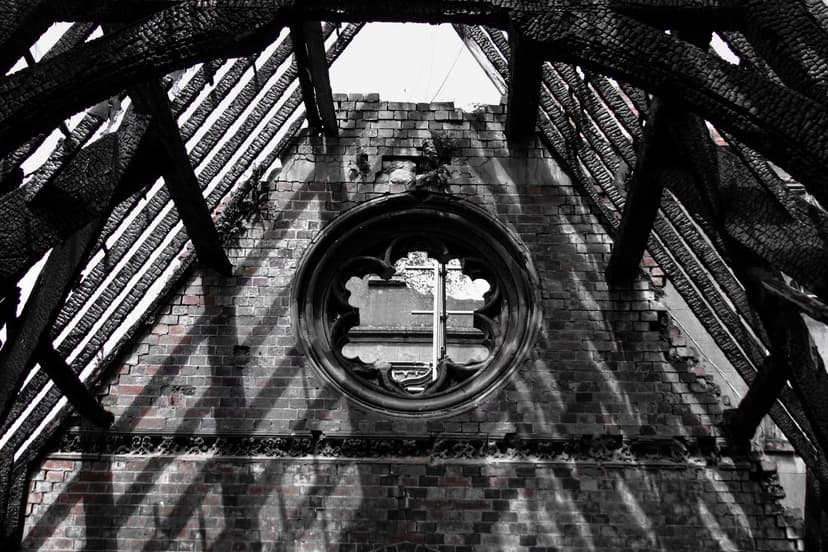
Since then the story has been one of loss. In 1989 a new owner stripped out plasterwork and woodwork to fight dry rot. Parts of the estate were sold off. Vandalism followed, and fire gutted the chapel. When Historic England surveyed the house in March 2016, the roof had almost entirely gone, sash windows had been removed and much of the interior had been lost. In September 2016 the hall was downgraded from Grade II* to Grade II, and it is on the Heritage at Risk Register. Restoration schemes have been proposed, but none had saved it at the time of writing.
Great Barr Hall is the nearest Lunar Society meeting place to Kingstanding, a few minutes from the Queslett Moonstones. It is a ruin now, but in its rooms some of the sharpest minds of the 18th century once talked late into the night. That memory is worth fighting for.
What happened here?
The Scotts remodelled a 17th-century house in Gothick style from about 1777. Samuel Galton junior leased it from 1785 to 1797, and the Lunar Society met here occasionally between 1785 and 1796. The Scotts returned and enlarged it; a chapel was added around 1856. From 1918 it was a hospital, closed in 1978. Since then it has decayed into a roofless shell.
Why it mattered
Great Barr Hall is one of the few surviving buildings where the Lunar Society is documented as meeting. It is an early example of Gothic Revival taste, set in a registered historic landscape, and it ties Kingstanding’s doorstep to the Midlands Enlightenment, and to the gun trade that funded part of it.
Why it disappeared
Condition of the building · Estate sold and built over
The house ceased to be a hospital in 1978. According to the list entry, a private owner stripped plasterwork and woodwork from 1989 to stop dry rot, parts of the landscape were sold, and vandalism and fire damage to the chapel in the later 20th and early 21st centuries left the house without most of its roof and fittings, with water causing further damage.
What’s there now
What replaced it
Hospital extensions of 1925 and 1955 (later partly demolished). Parts of the surrounding estate have been sold for development.
What survives
The roofless shell of the house, with its Gothick west front, staircase hall walls and 18th-century cellars; the fire-damaged chapel of c.1856; the registered landscape with its lakes (Registered Park and Garden, Grade II). Mary Anne Schimmelpenninck’s memoir preserves the Galton years.
Today
The hall stands on private land in Pheasey Park Farm ward, Walsall, B43, just north of the Birmingham boundary and close to Kingstanding. It is unsafe and there is no public access to the building. The Lunar Society Moonstones at Queslett are nearby and can be seen from the road.
Then and now
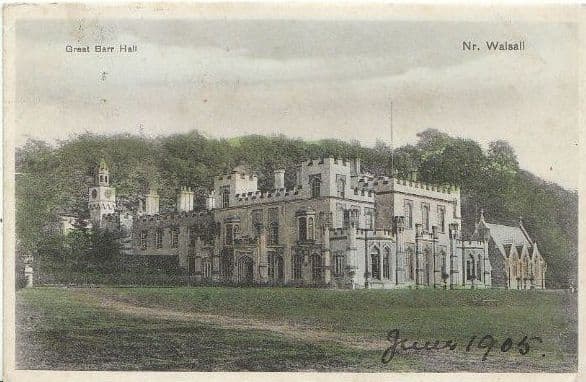
Then · before 1906 (hand-dated June 1905)
Now · 14 May 2016
Today
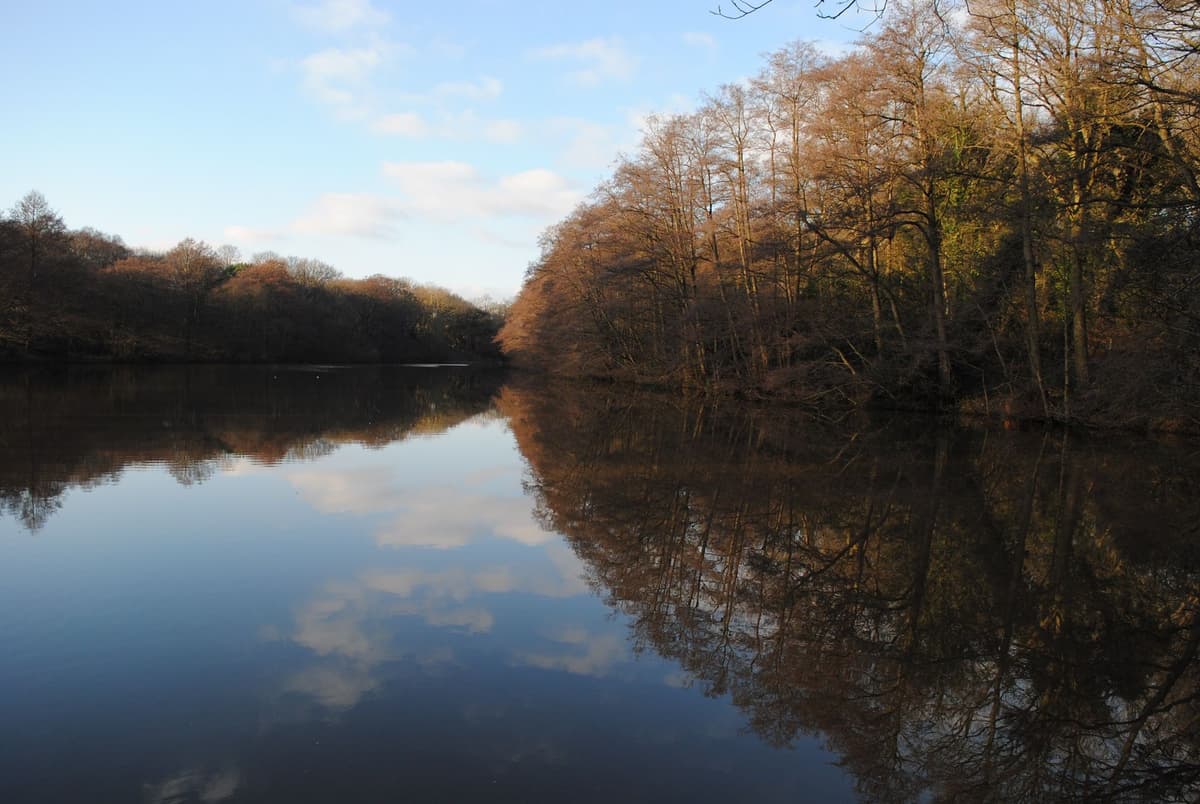
Great Barr Hall upper lake, 1 February 2021Andy Mabbett, 1 February 2021. Wikimedia Commons · CC BY-SA 4.0
Key dates
- c. 1777 — Great Barr Hall remodelled in Gothick styleJoseph Scott began remodelling the old house at Great Barr in Gothick style. From 1785 it was let to Samuel Galton junior, and the Lunar Society met there.
- 1785–1796 — The Lunar Society begins meeting at Great Barr HallSamuel Galton junior leases Great Barr Hall, just north of Kingstanding. According to Historic England, the Lunar Society “met occasionally at Great Barr between 1785 and 1796”.
Sources and further reading
Galton’s lease is dated from 1785 (list entry; Pearson) or from about 1788 (Revolutionary Players); we use 1785. The list entry does not name the designer of the c.1777 remodelling. The chapel’s attribution to George Gilbert Scott is ‘probably’ in the list entry. The current planning position has not been confirmed; restoration proposals have been reported in the Express & Star, with council officers recommending refusal of one scheme. Whether Galton Drive nearby is named after the Galtons is unverified. Do not describe the hall as ‘in Birmingham’: it is in Walsall borough.
- Great Barr Hall and Chapel — National Heritage List for England entry 1076395 — Historic England
- Great Barr Hall — Register of Parks and Gardens entry 1001202 — Historic England
- Great Barr Hall and Estate: Background Paper to Policy ENV7 — Walsall Council, Walsall Council, 2016
- Faith and disunity: Samuel Galton and the Quakers — Library of Birmingham (The Iron Room blog), Library of Birmingham Archives & Collections, 2015. Ref. MS 3101/B/16/2
- “An Unchristian Traffick” — Library of Birmingham (The Iron Room blog), Library of Birmingham Archives & Collections, 2015. Ref. MS 3101
- The Life, Letters and Labours of Francis Galton, vol. 1 — Karl Pearson, Cambridge University Press, 1914. vol. 1, ch. 2
- A Portrait of Samuel Galton jnr — Revolutionary Players (Malcolm Dick and Kate Iles), History West Midlands
- Plea to back Great Barr Hall restoration as designs released — Express & Star
Archive references: Library of Birmingham MS 3101 (Galton Papers)
Comments
Comments will load here.