
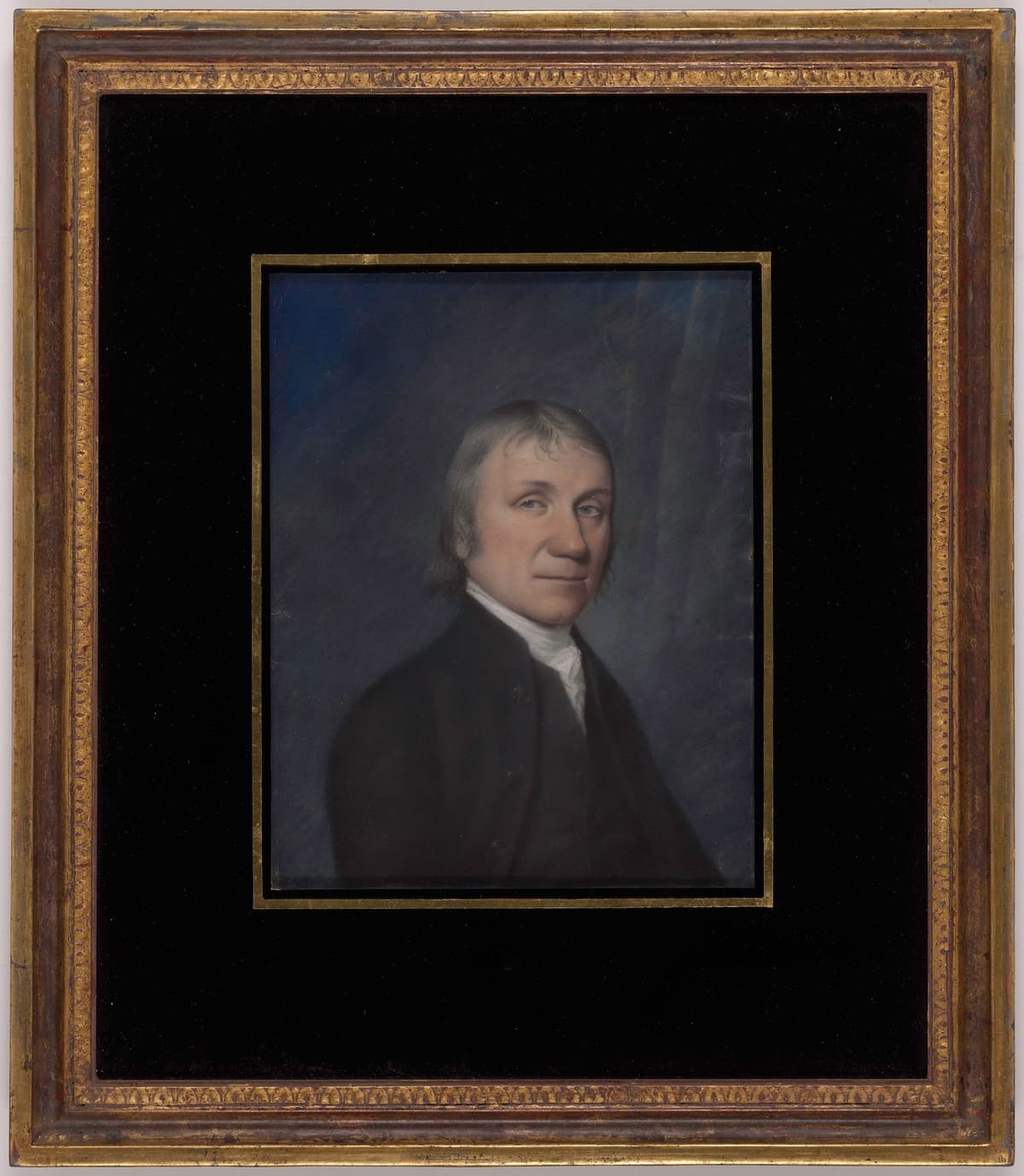
In the autumn of 1780 one of the most famous scientists in Europe arrived in Birmingham with his family, his books and his apparatus. Joseph Priestley was 47. He had already done the work that made his name. Now he wanted a place to think, preach and experiment in peace.
He got eleven years. Then the town turned on him.
Why Birmingham?
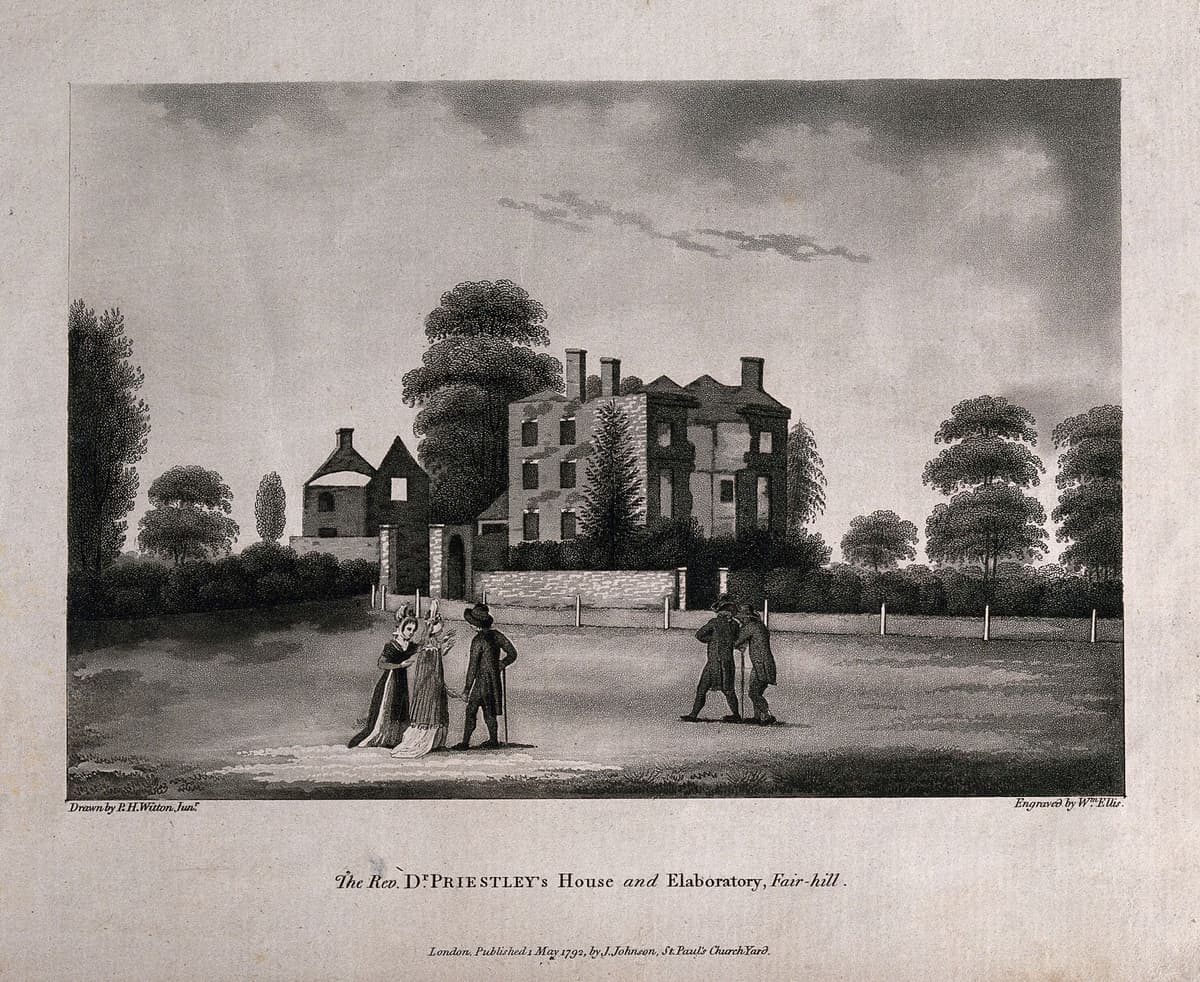
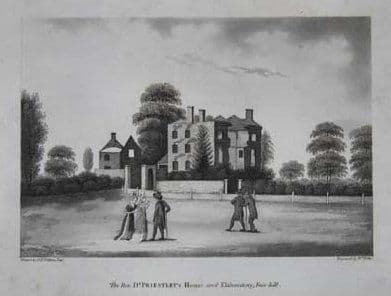
Priestley had just left the service of Lord Shelburne at Calne in Wiltshire. He chose Birmingham, he said, because his brother-in-law, the ironmaster John Wilkinson, “wished to have us nearer to him”, and Wilkinson “soon provided a house for me”. That house was Fair Hill, in Sparkbrook, then out in the fields beyond the town.
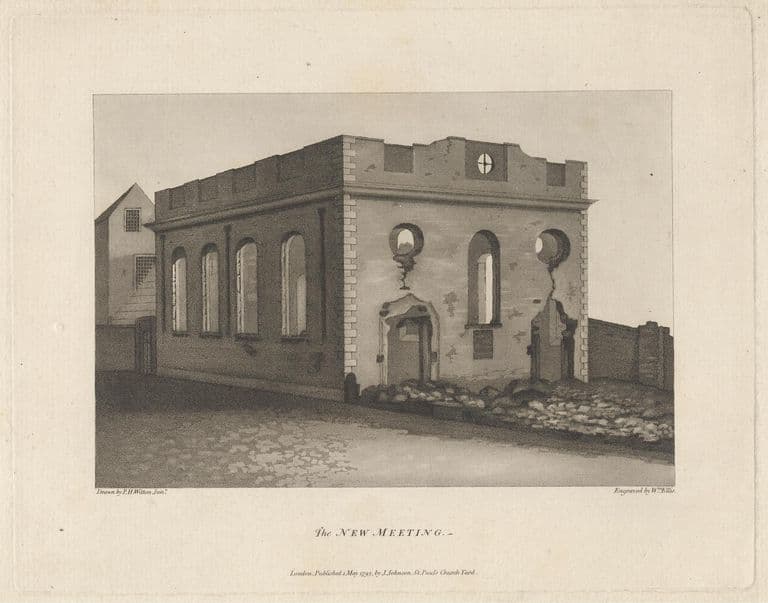
Within about three months the New Meeting, one of Birmingham’s two main congregations of Protestant Dissenters, invited him to be its minister alongside Mr Blyth. Priestley drove a hard bargain. He would preach and teach on Sundays only, and leave baptisms and sick visits to his colleague. The rest of the week belonged to his writing and his laboratory.
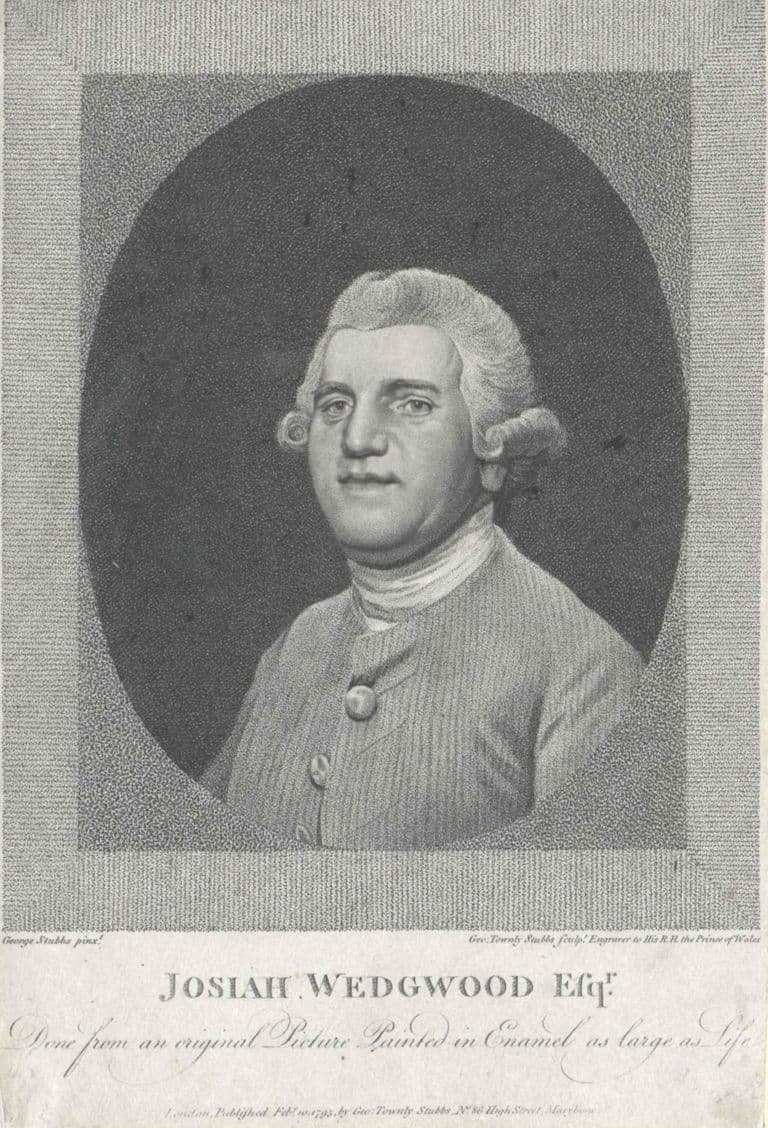
Priestley records that Samuel Galton senior took one over, that his son Samuel Galton junior did the same, and that the potter Josiah Wedgwood “was very zealous to serve me, and urged me to accept of a much larger allowance than I chose”.
He was delighted. Writing his memoirs in Birmingham in 1787, he described “my settlement at Birmingham as the happiest event in my life”.
Dining by the full moon
What made Birmingham so good? Partly, he wrote, “the convenience of good workmen of every kind”: a town full of people who could make whatever a chemist dreamed up. Partly it was the company.
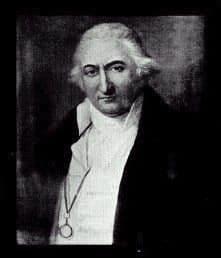
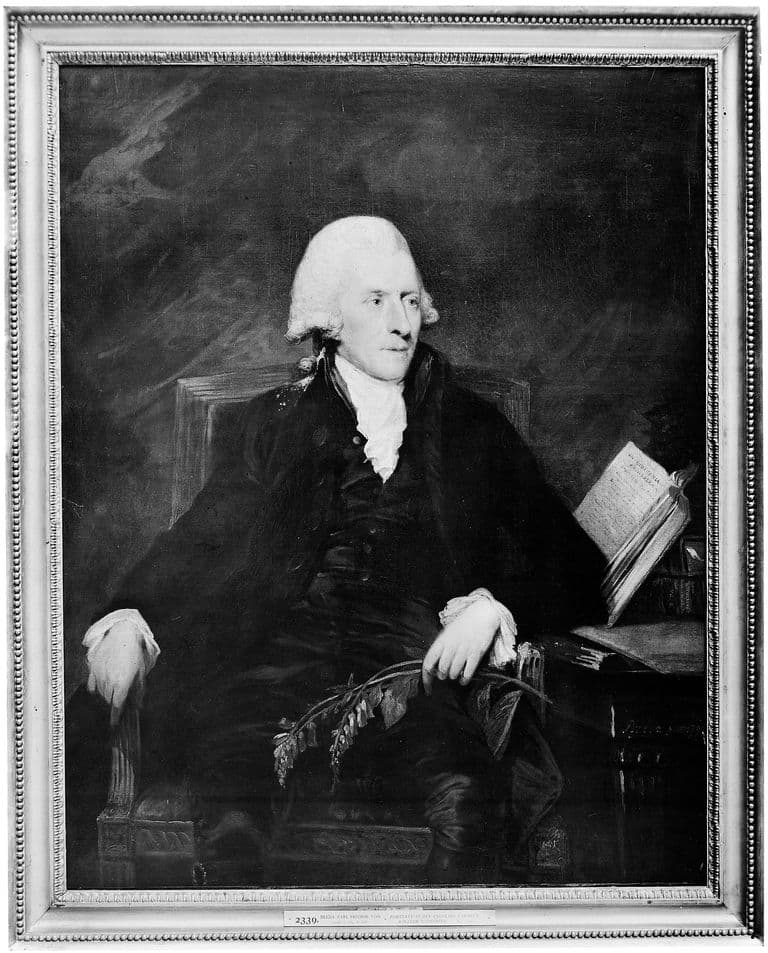
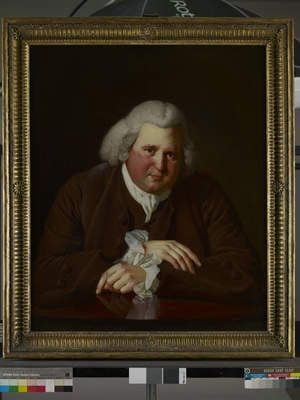
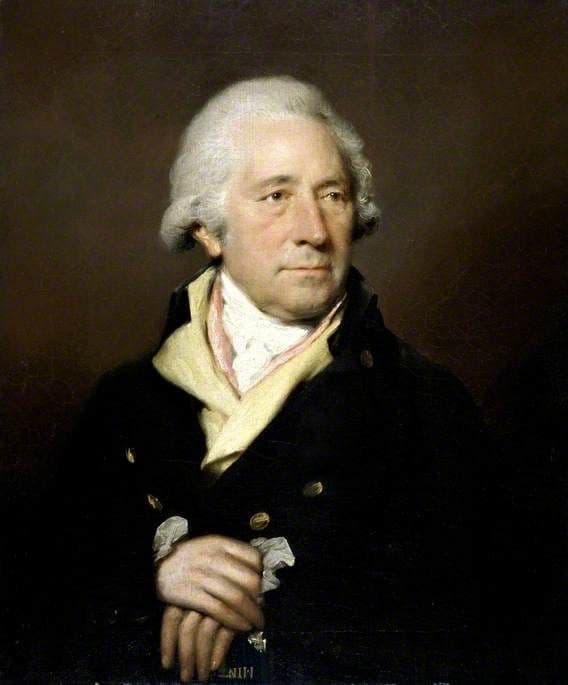
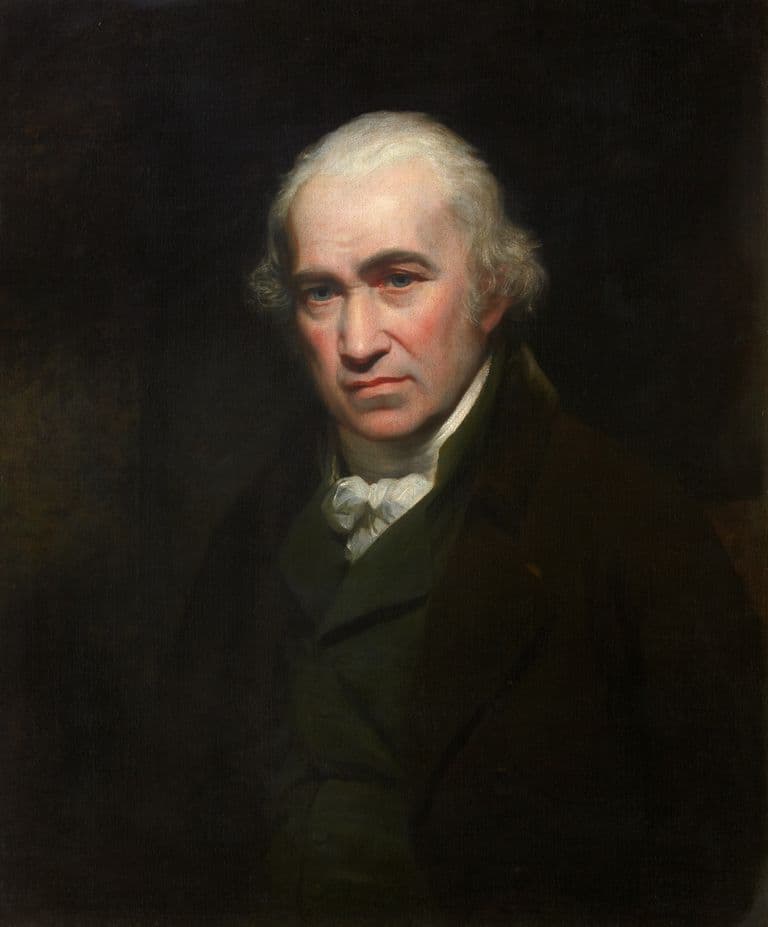
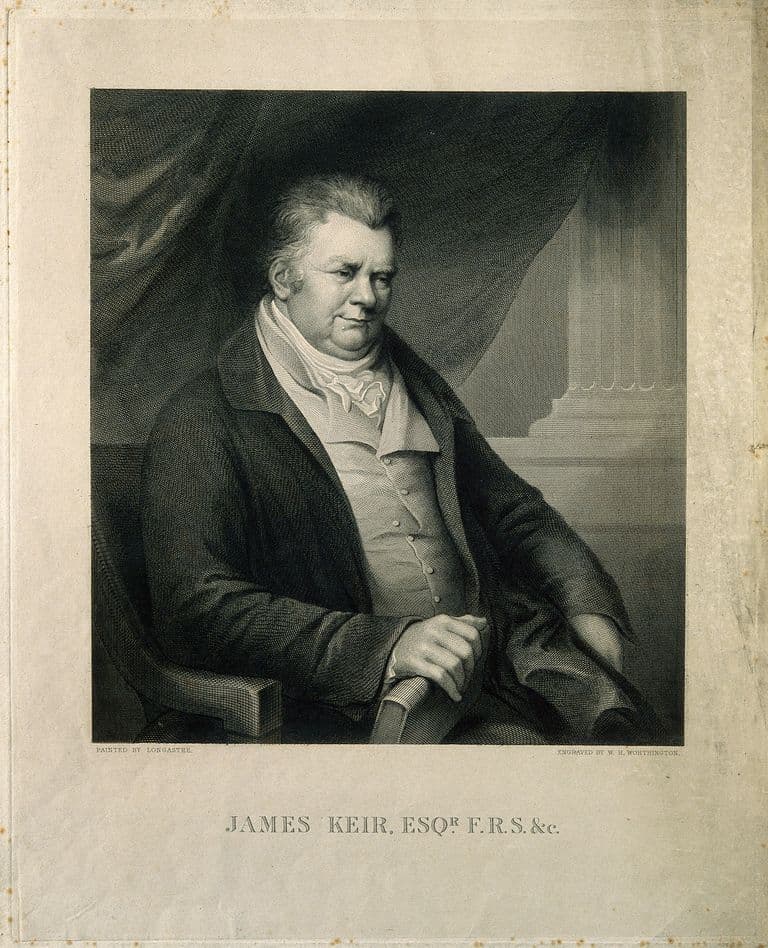
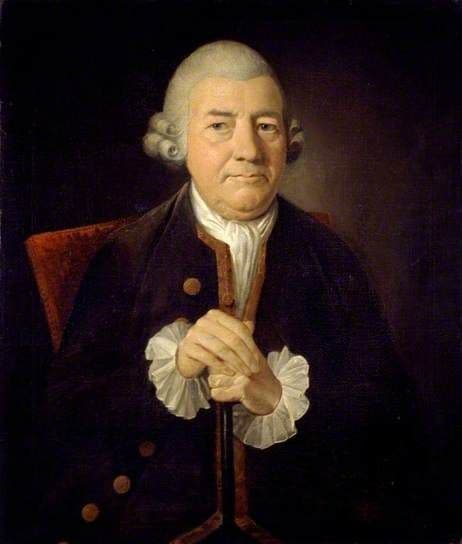
Priestley joined a remarkable group of friends: James Watt, James Keir, William Withering, Matthew Boulton, Dr Erasmus Darwin, Samuel Galton and others. In his own words, they “dined together every month, calling ourselves the lunar society, because the time of our meeting was near the full moon”. The moonlight lit their way home along unlit roads.
His friends also paid for his science. His salary at the New Meeting was modest, so experiments ran on subscriptions. Priestley records that Samuel Galton senior took one over, that his son Samuel Galton junior did the same, and that the potter Josiah Wedgwood “was very zealous to serve me, and urged me to accept of a much larger allowance than I chose”.
The science: what Birmingham did and did not see
A myth needs clearing up first. Priestley did not discover oxygen in Birmingham. He isolated what he called “dephlogisticated air” in 1774, at Calne, six years before he arrived. His soda water, the fizzy drink that conquered the world, came even earlier, from his Leeds years in the early 1770s.
In Birmingham he kept working on gases, or “airs”. He published two more volumes of experiments and a stream of papers in the Royal Society’s Philosophical Transactions. He passed his friend Withering’s mineral analyses on to Sir Joseph Banks at the Royal Society.
He also spent much of the decade on the losing side of a great argument. In Paris, Antoine Lavoisier was building a new chemistry that did away with “phlogiston”, the supposed substance of burning. Priestley defended the old theory to the end, and the Lunar men largely stood with him. “My friends … of the lunar society”, he wrote in 1795, “were never satisfied with the Anti-phlogistic doctrine.”
A dangerous preacher
Most of what Priestley wrote in Birmingham was not chemistry but theology: books such as History of the Corruptions of Christianity (1782) and History of Early Opinions concerning Jesus Christ (1786). He was a Unitarian. He denied the Trinity and attacked the privileges of the Church of England.
And he could not resist a vivid phrase. In a sermon of 1785 he said that Dissenters were “laying gunpowder, grain by grain, under the old building of error and superstition”. He meant ideas. His enemies chose to hear explosives. The nickname “Gunpowder Joe” stuck.
He backed the campaign of 1787–90 to repeal the Test and Corporation Acts, which shut Dissenters out of public office. He welcomed the French Revolution. In a town where Church and King loyalism ran hot, he had become a target.
“The greatest, and most crying evil”
In 1788 Priestley turned the New Meeting pulpit against the slave trade. His Sermon on the Subject of the Slave Trade, printed in Birmingham that year, called slavery “perhaps the greatest, and most crying evil under the sun”. It came as the town prepared its own petition to Parliament for abolition.
He knew his audience. Birmingham made guns and hardware that were shipped to Africa. So he told them that if the trade ended and honest commerce with Africa grew, “the manufacturers of this country in general would find a great benefit from a change of the system, and not one of them would be a loser”. In 1790 he was among the Birmingham subscribers publicly thanked by the formerly enslaved writer Olaudah Equiano.
Fourteenth of July, 1791
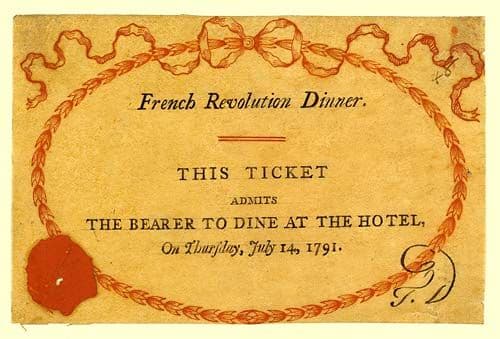
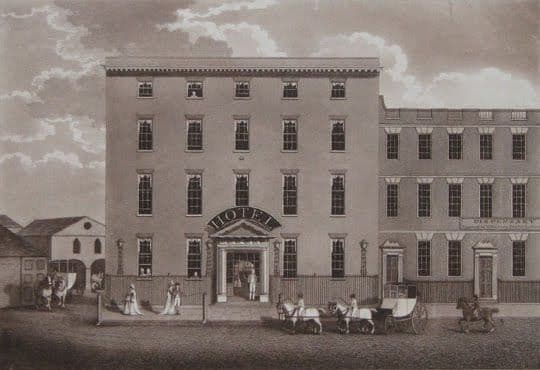
On 14 July 1791, supporters of the French Revolution sat down to dinner at the Royal Hotel in Temple Row to mark the second anniversary of the fall of the Bastille. Priestley was not there.
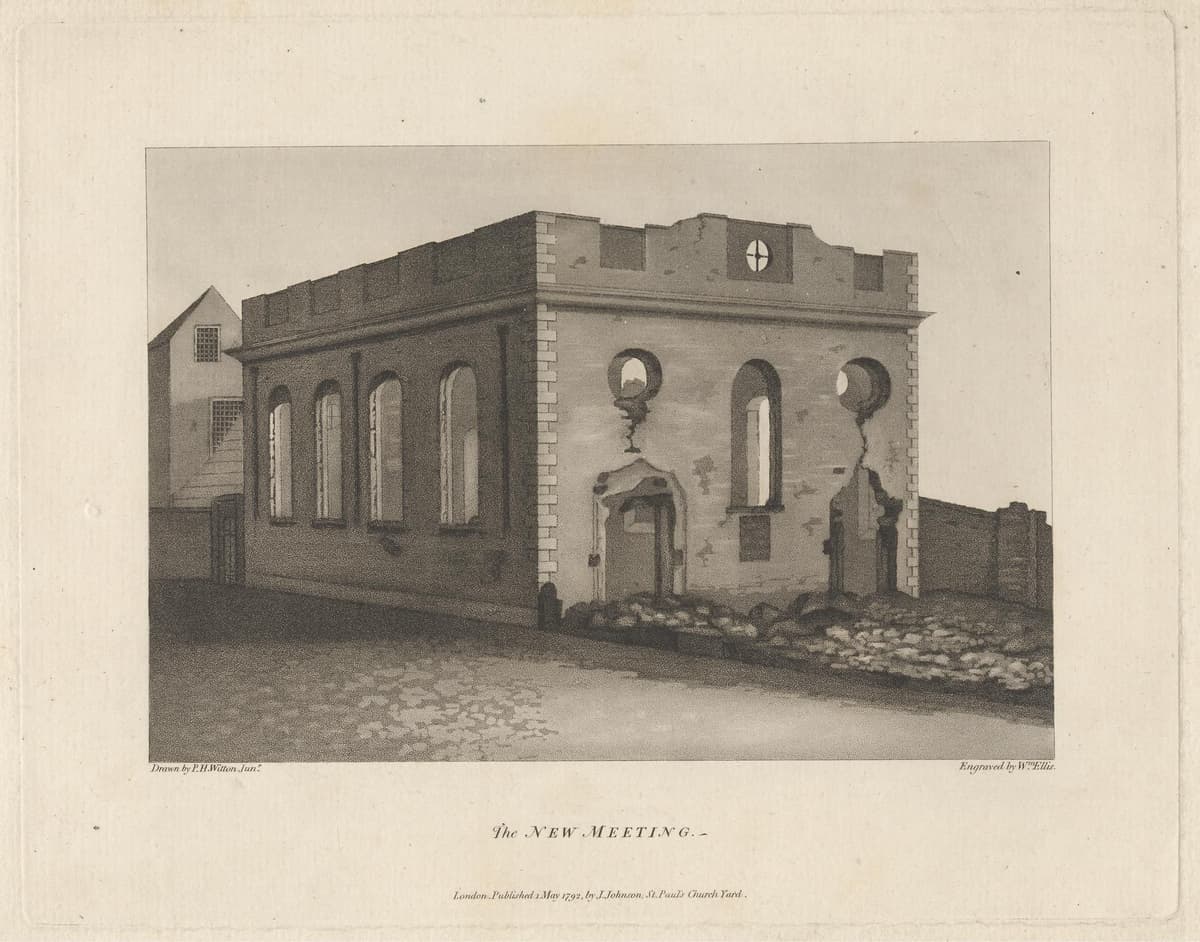
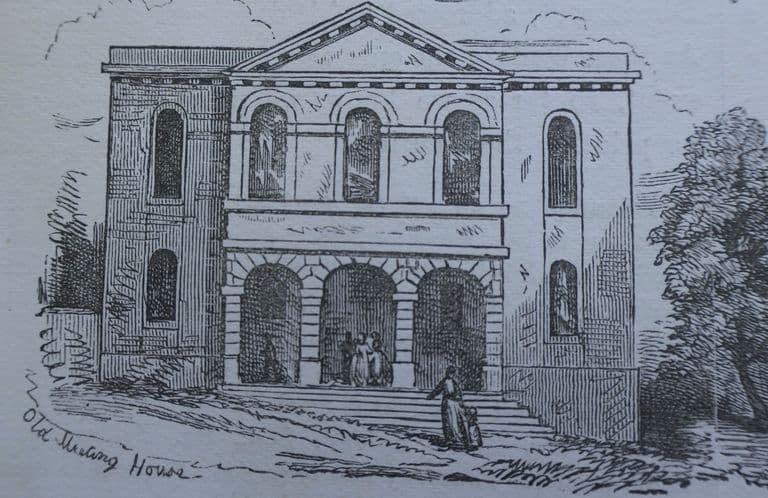
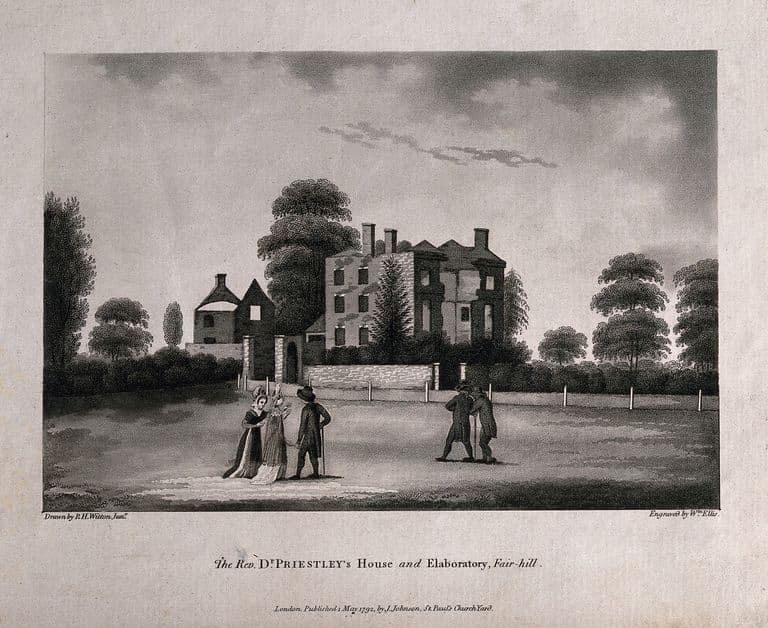
It made no difference. A crowd gathered and attacked the departing guests. Then it went looking for Dissenters. It burned the New Meeting, Priestley’s chapel, and the Old Meeting. Then it marched on Fair Hill.
Priestley and his wife fled. His son William and others stayed but could not hold the house. The mob ransacked and burned it, with the laboratory, the apparatus, the library and the manuscripts of a lifetime. An eyewitness letter of the time describes the road “for half a mile … strewn with your books”, and the floor “covered, two or three inches deep with torn leaves, chiefly manuscript”.
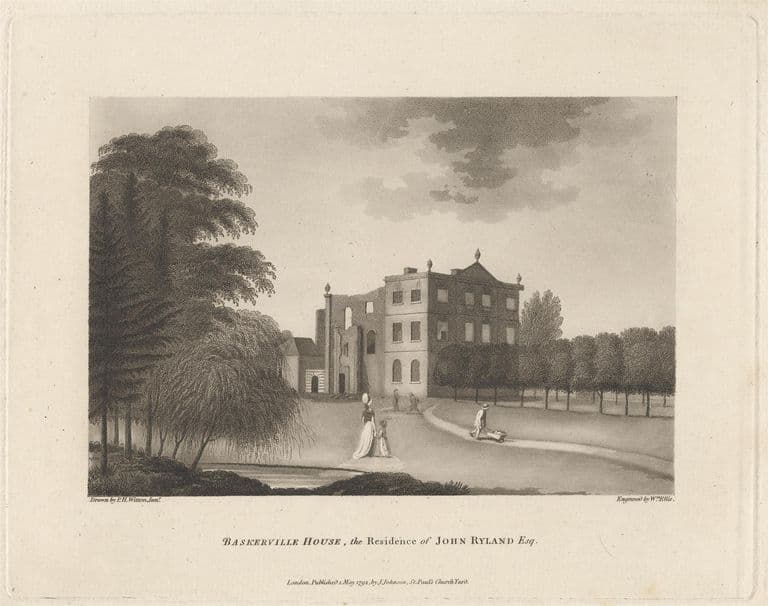
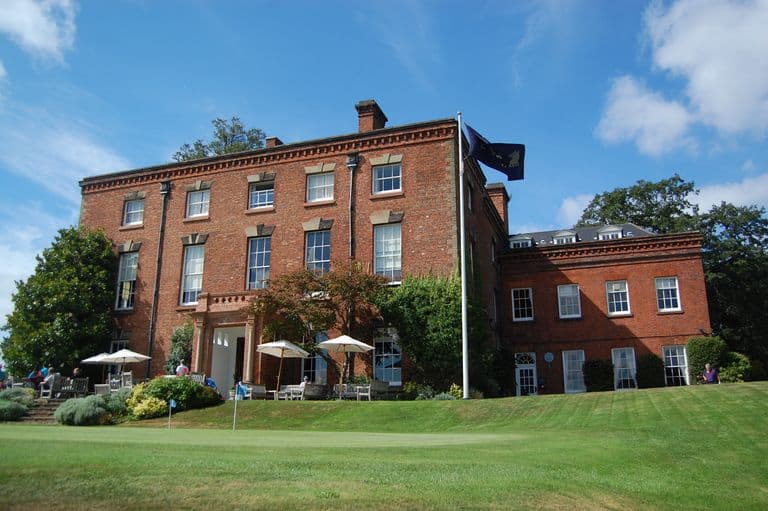
For days the violence spread across the town and the villages around it. Rioters attacked Dissenters’ houses, among them Baskerville House at Easy Hill, and threatened his friend Withering’s Edgbaston Hall, until troops restored order around 17 July.
Exile
Priestley went to London and never returned to Birmingham. He wrote his Appeal to the Public on the riots from there, lived in Hackney from 1791 and in 1794 sailed for America. He died at Northumberland, Pennsylvania, on 6 February 1804, and he is buried there, an ocean away from the town he had called the happiest choice of his life.
Why it mattered
Priestley’s Birmingham years were not the years of his great discoveries. They were the years that tested what he stood for: free inquiry, religious liberty, the right to disagree, and the conviction that slavery was a crime. He paid for those beliefs with his home, his laboratory and his country.
Birmingham did not forget him. The New Meeting congregation rebuilt their chapel on the same Moor Street site; it still stands, now St Michael’s Catholic Church, with a blue plaque to the minister the mob drove out. A street in Sparkbrook carries his name where Fair Hill stood. On the edge of Kingstanding, his Moonstone stands with those of his Lunar friends.
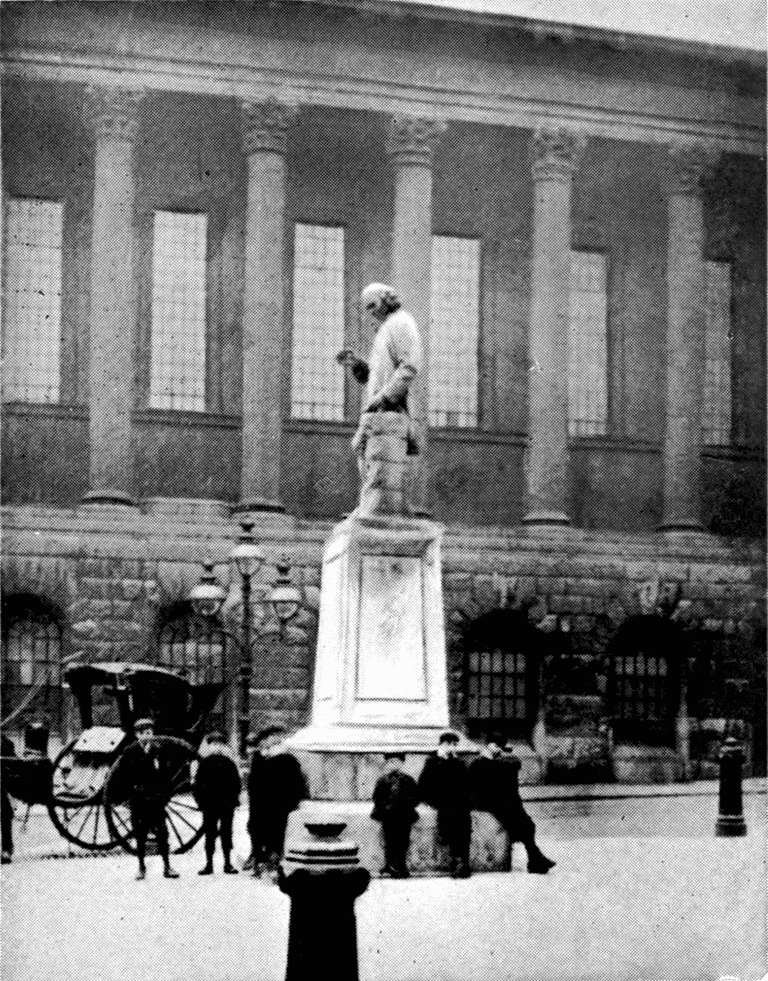
And in 2026, after ten years in storage, his statue returned to the heart of the city, at Ratcliff Passage beside the Town Hall, with James Watt at the other end. The town that burned his books now keeps him in bronze in its civic square.
On the map
10 places connected with Joseph Priestley. Tap a number for directions — some sites are private homes or gardens, so each place’s page says what you can see from the street.

- The Royal Hotel, Temple Row — Lost, Site redeveloped · Directions to The Royal Hotel, Temple Row (opens Google Maps)
- Old Meeting House, Old Meeting Street — Lost, Site redeveloped · Directions to Old Meeting House, Old Meeting Street (opens Google Maps)
- Statue of Joseph Priestley, Ratcliff Passage — Relocated, Surviving but altered · Directions to Statue of Joseph Priestley, Ratcliff Passage (opens Google Maps)
- New Meeting House — Surviving but altered · Directions to New Meeting House (opens Google Maps)
- Edgbaston Hall — Surviving · Directions to Edgbaston Hall (opens Google Maps)
- Fair Hill — Lost, Site redeveloped
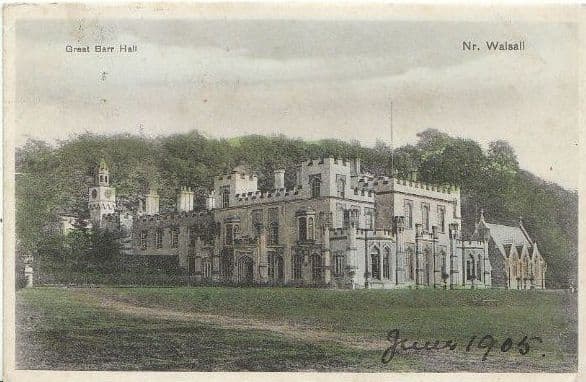
- Great Barr Hall — Partly surviving, At risk · Directions to Great Barr Hall (opens Google Maps)
- Easy Hill — Lost, Site redeveloped · Directions to Easy Hill (opens Google Maps)
- Watt’s house at Harper’s Hill (Regent Place) — Lost, Partly surviving · Directions to Watt’s house at Harper’s Hill (Regent Place) (opens Google Maps)
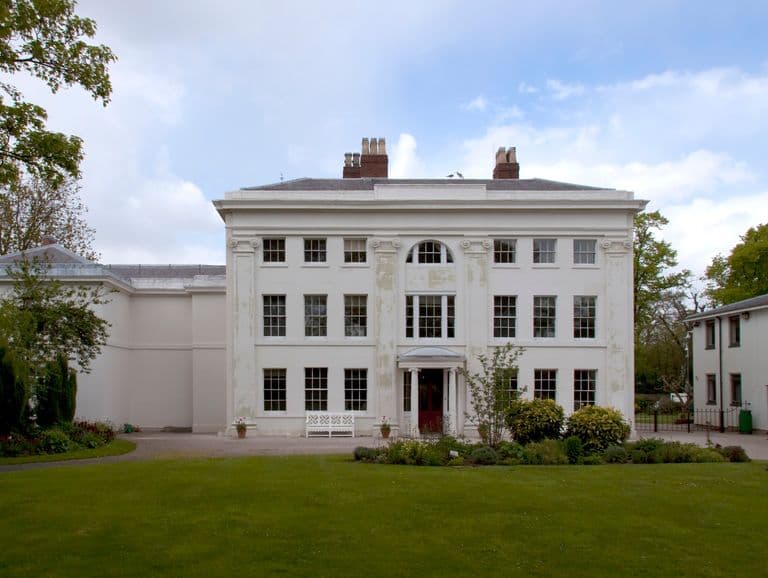
- Soho House — Surviving · Directions to Soho House (opens Google Maps)
Key dates
- 1726 — First New Meeting House built in Moor StreetBirmingham’s New Meeting congregation of Protestant Dissenters built its first chapel in Moor Street. Joseph Priestley became its minister in 1780; rioters burnt it in 1791.
- 1780 — Priestley settles at Fair HillJoseph Priestley moves to Fair Hill, Sparkbrook, in a house provided through his brother-in-law John Wilkinson. Within months he becomes minister of the New Meeting.
- c. early 1788 — Birmingham petitions against the slave tradeAfter Thomas Clarkson’s visit in late 1787, Birmingham campaigners, among them Sampson and Charles Lloyd and William Russell, send a petition against the slave trade to Parliament. Joseph Priestley preaches against the trade at the New Meeting the same year.
- 1788 — Priestley preaches against the slave tradeAt the New Meeting, Priestley calls slavery “perhaps the greatest, and most crying evil under the sun”, as Birmingham prepares a petition to Parliament for abolition. The sermon is printed in Birmingham.
- 28 June 1790 — Equiano thanks his Birmingham supportersOlaudah Equiano, the formerly enslaved writer and campaigner, publishes a letter in Aris’s Birmingham Gazette thanking Birmingham subscribers to his Narrative, including Galton, William Russell, Priestley and Boulton.
- 14 July 1791 — The Bastille dinner; the New Meeting and Fair Hill are burnedA dinner at the Royal Hotel marks the fall of the Bastille. A crowd attacks the guests, burns the New Meeting and Old Meeting, then ransacks and burns Priestley’s house and laboratory at Fair Hill. Priestley escapes.
- 14 July 1791 — Keir chairs the Bastille dinnerJames Keir chairs a Birmingham dinner celebrating the French Revolution. It sets off the Priestley Riots of 14–17 July 1791.
- 6 October 1799 — Withering dies at The LarchesWilliam Withering dies at The Larches, Sparkbrook, the house rebuilt on the site of Priestley’s Fair Hill, eight days after moving in. He is buried at Edgbaston Old Church.
- 1 August 1874 — Huxley unveils Priestley’s statueA hundred years to the day after Priestley’s experiment that produced oxygen, T. H. Huxley presents F. J. Williamson’s statue of Joseph Priestley to the town of Birmingham.
- 1998 — The Lunar Society Moonstones are madeSteve Field designs carved sandstone memorials to the Lunar men, including Priestley, Withering, Galton, Darwin and Wedgwood. They stand at Queslett, on the edge of Kingstanding.
- July 2026 — Watt and Priestley return to Ratcliff PassageAfter about ten years in store during the Paradise redevelopment, the statues of James Watt and Joseph Priestley are reinstated at either end of Ratcliff Passage, beside the Town Hall.
Sources and further reading
Birth date: the Oxford DNB gives 13 March 1733 (Old Style); in the modern (New Style) calendar this is 24 March 1733.
Fair Hill and The Larches: Pearson (1914), the Library of Birmingham and Dargue all indicate that the house wrecked in 1791 was rebuilt on the same estate and renamed The Larches, where Withering later died and Francis Galton was born. The 1885 Dictionary of National Biography wrongly implies Withering bought Priestley’s house unchanged. Priestley was in America by 1799, so whether he sold it directly is not confirmed. Who owned Fair Hill in Priestley’s time is also unclear: Priestley says only that Wilkinson “provided” it.
Oxygen and soda water: both pre-date Birmingham (soda water at Leeds, early 1770s; oxygen at Calne, 1774). The 1980 blue plaque calls him “discoverer of Oxygen” as a description, not a claim about where it happened.
The riots: the University of Birmingham describes “five days” of violence; other accounts give 14–17 July, with troops arriving on 17–18 July. The standard academic account (R. B. Rose, 1960) has not yet been checked for this page.
“Gunpowder Joe”: Revolutionary Players dates the sermon to 1785 and says the phrase was misquoted against him from 1787.
Not used for lack of evidence: his exact New Meeting salary and the number of pupils in his classes (Wikipedia only); the wording and house number of the stone tablet at Priestley Road, Sparkbrook; whether the Lunar Society ever met at Fair Hill.
- Memoirs of Dr. Joseph Priestley, to the year 1795, written by himself — Joseph Priestley, London, 1806. Birmingham section (written 1787) and continuation (1795)
- Priestley, Joseph (1733–1804) — Robert E. Schofield, Oxford Dictionary of National Biography, 2004. birth date; career
- The Priestley Riots and their Aftermath — Revolutionary Players (Malcolm Dick and Kate Iles), History West Midlands. the riots; eyewitness letter
- The Birmingham Riots of 1791 — Cadbury Research Library, University of Birmingham. Bastille dinner; “five days”
- Priestley Riots — Wikipedia contributors, Wikipedia. riot sequence (lead only)
- Gunpowder Joe — Revolutionary Players (Malcolm Dick and Kate Iles), History West Midlands. 1785 sermon and nickname
- A Sermon on the Subject of the Slave Trade; delivered to a society of Protestant Dissenters, at the New Meeting, in Birmingham — Joseph Priestley, Pearson and Rollason, Birmingham, 1788
- Anti-slavery and the Midlands — Revolutionary Players (Malcolm Dick and Kate Iles), History West Midlands. sermon and Birmingham petition; Equiano letter, 1790
- Church of St Michael, New Meeting Street — National Heritage List for England entry 1219721 — Historic England. rebuilt New Meeting, now St Michael’s
- Blue Plaque: Joseph Priestley — Birmingham Civic Society
- The Life, Letters and Labours of Francis Galton, vol. 1 — Karl Pearson, Cambridge University Press, 1914. ch. 2: Fair Hill rebuilt as The Larches
- A History of Birmingham Places & Placenames: Sparkbrook; Larches Green — William Dargue. site of Fair Hill
- James Watt and Joseph Priestley statues return to Birmingham after ten years — TheBusinessDesk, TheBusinessDesk, 2026
- Statues to return to Ratcliff Passage — Paradise Birmingham, Paradise Birmingham, 2026
- Joseph Priestley — Wikipedia contributors, Wikipedia. soda water, Hackney and emigration dates (lead only)
Comments
Comments will load here.