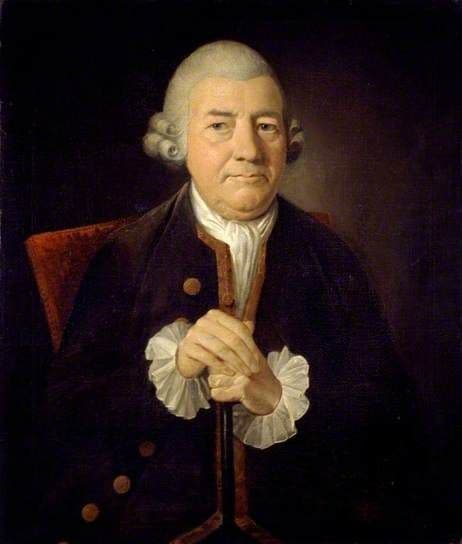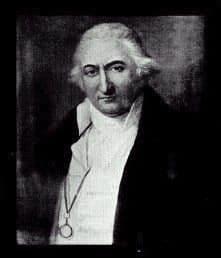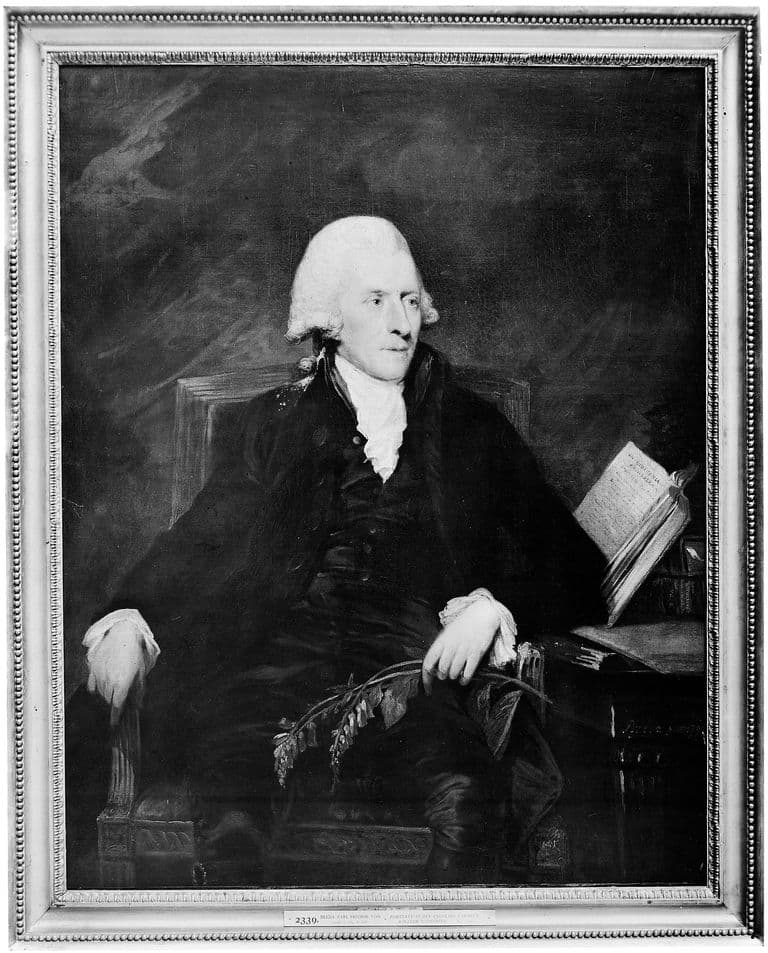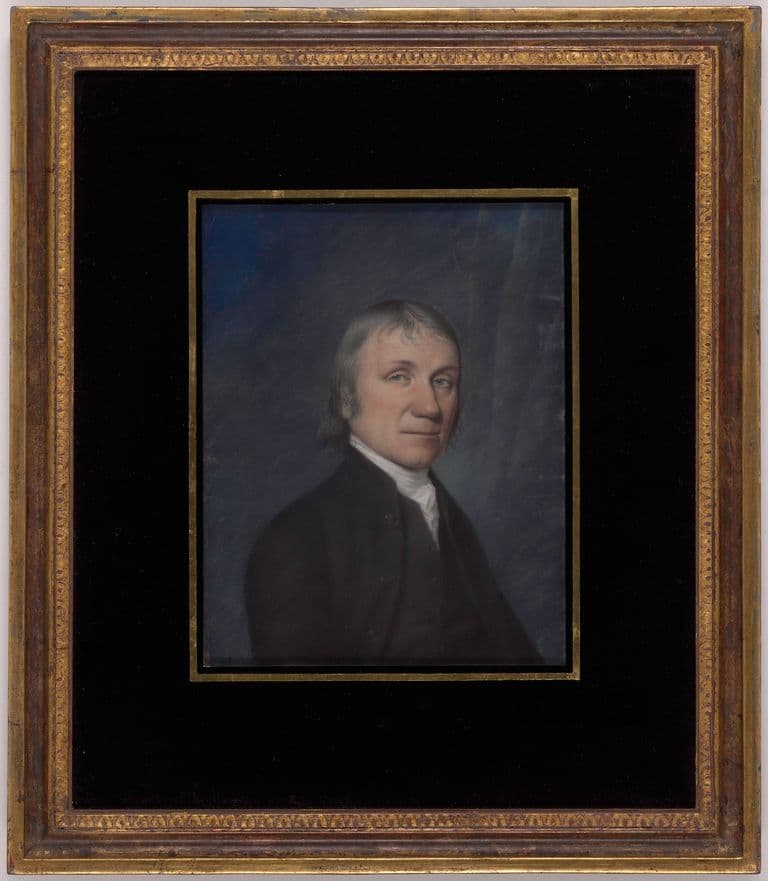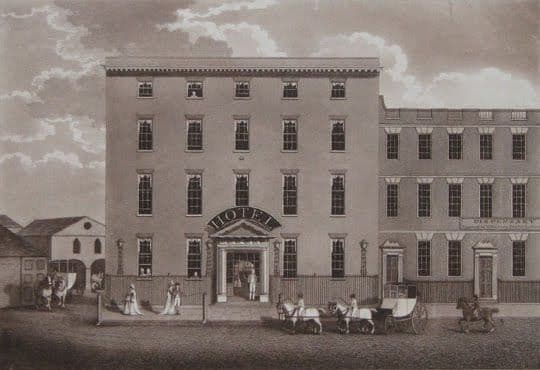
On 14 July 1791, the second anniversary of the fall of the Bastille, friends of the French Revolution sat down to dinner at a hotel on Temple Row, usually named as the Royal Hotel. Their tickets read simply “French Revolution Dinner”. James Keir was in the chair. Joseph Priestley stayed away.
That did not save him.
The first night
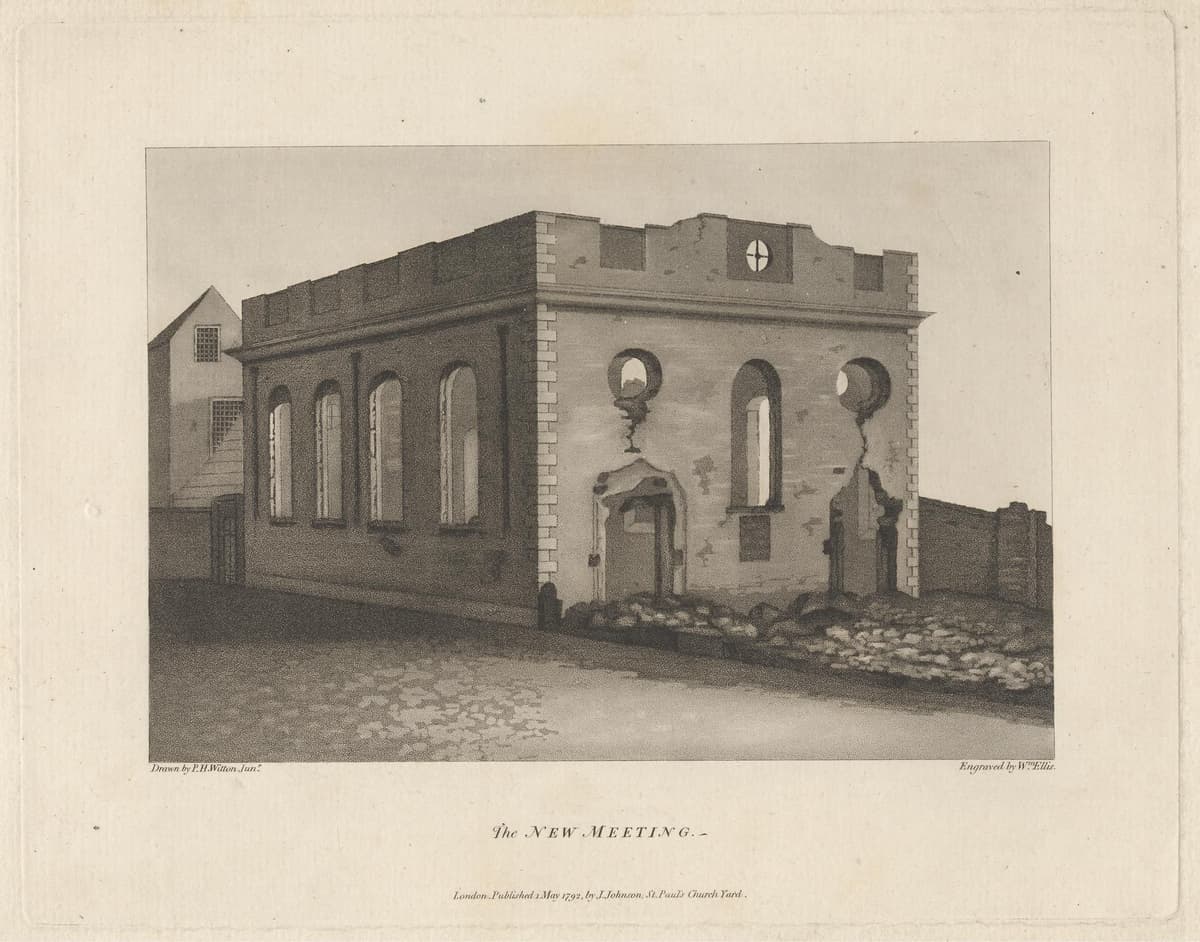
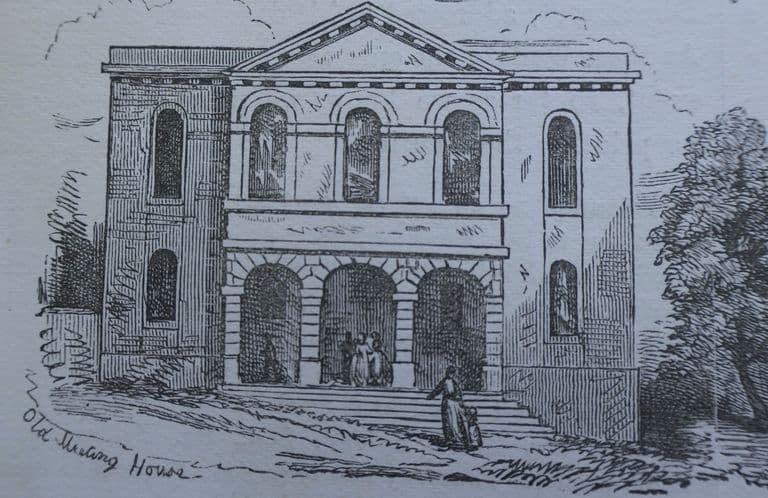
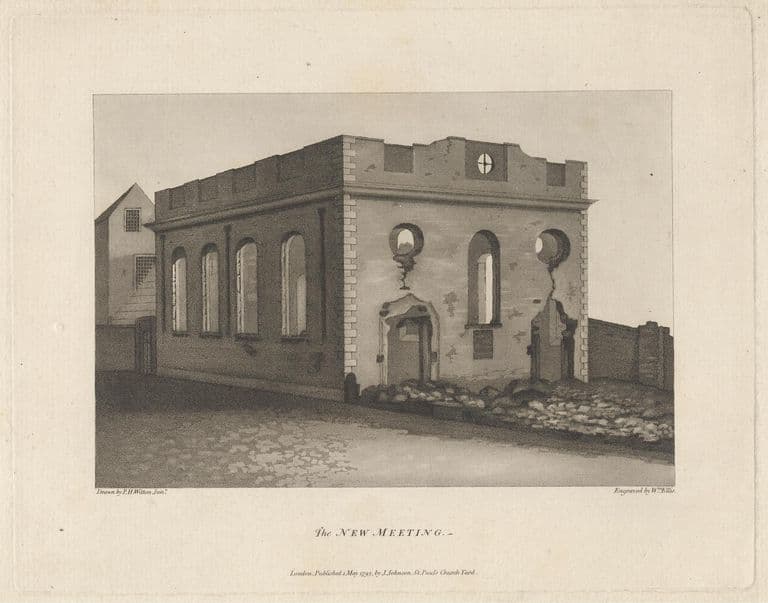
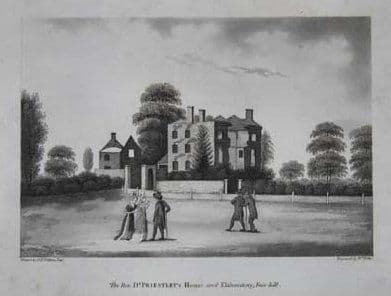
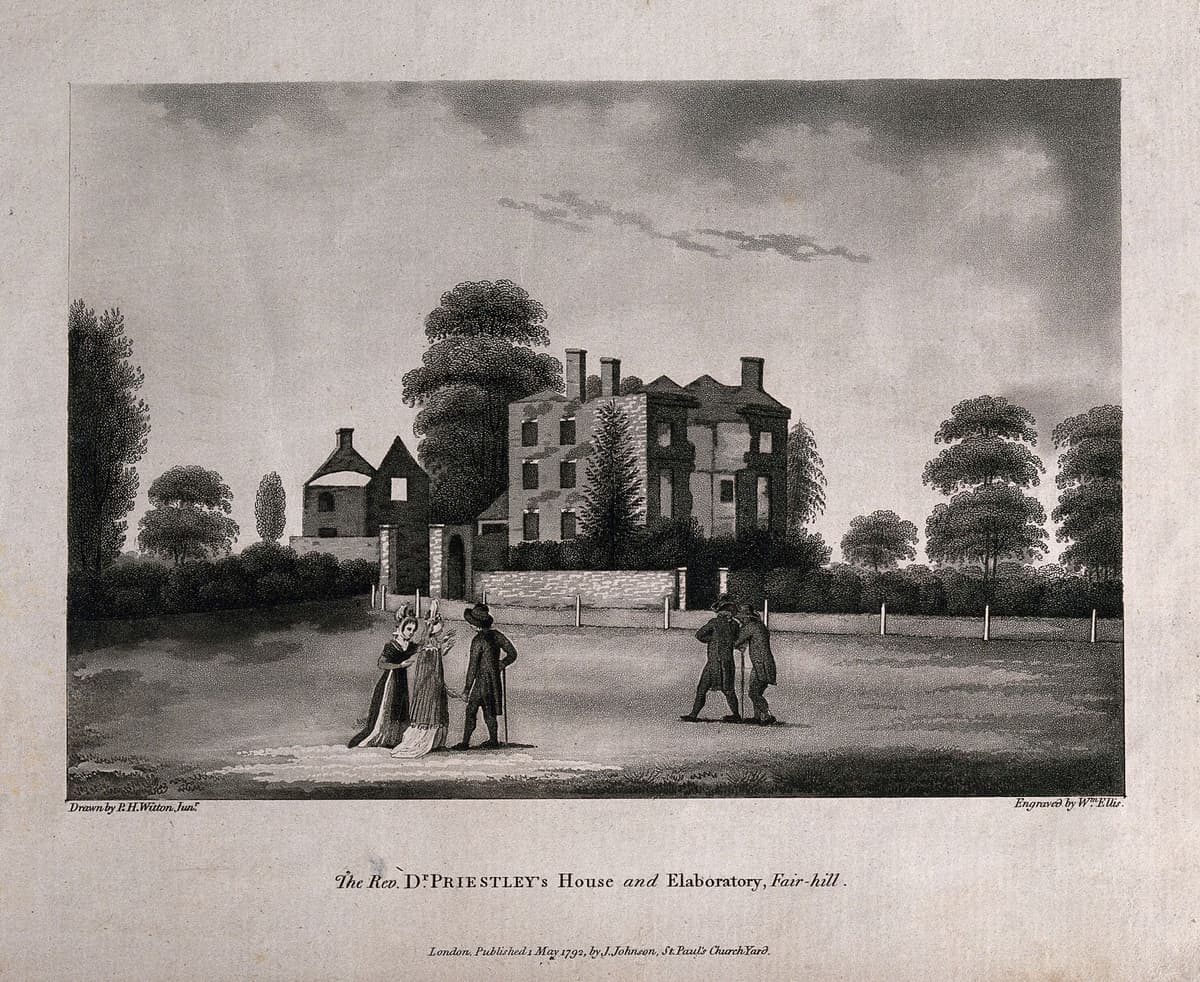
A crowd gathered outside and attacked the guests as they left. Then it went for the Dissenters’ chapels. The New Meeting, where Priestley was minister, was burned, and so was the Old Meeting. Next the crowd headed for Fair Hill, Priestley’s house in Sparkbrook. Priestley and his wife got away. His son William stayed but could not stop the house and laboratory being ransacked and set on fire. An eyewitness told Priestley that his books lay scattered along the road for half a mile, and the floor was inches deep in torn pages, most of them manuscript.
The days after
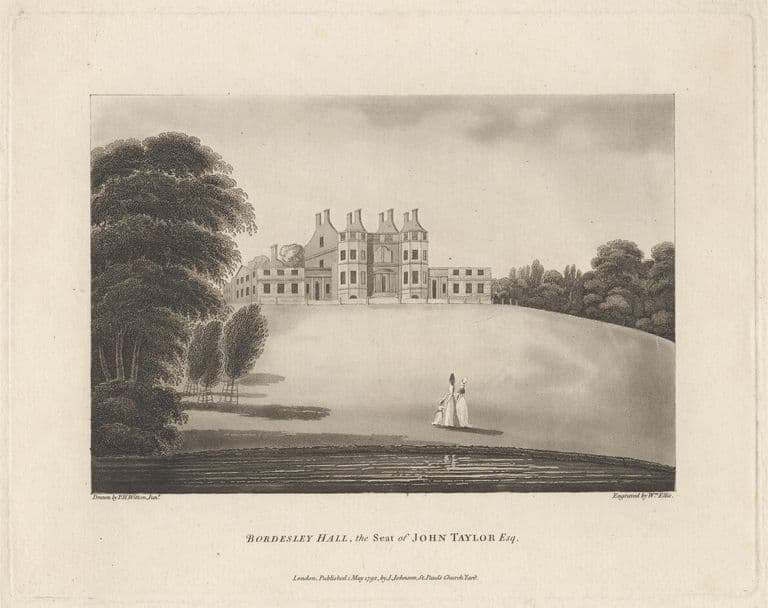
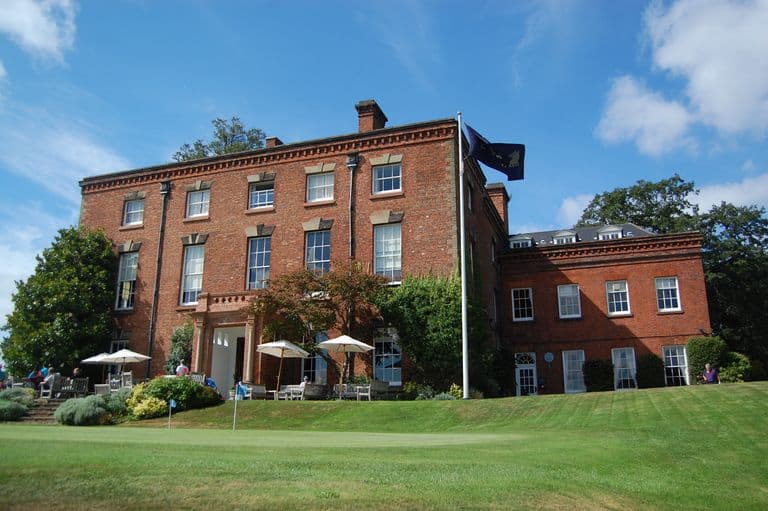
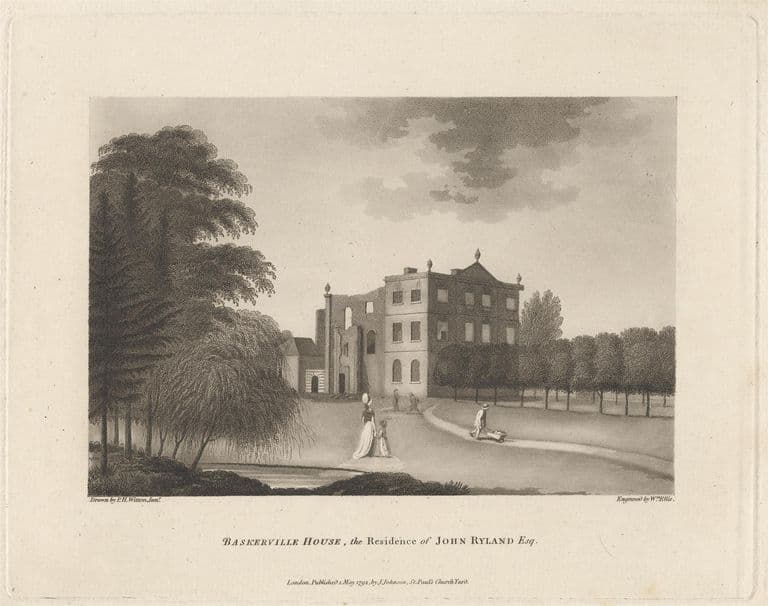
The rioting spread. Contemporary prints by William Ellis show the ruins of John Ryland’s Baskerville House at Easy Hill, burned on 15 July; Bordesley Hall; William Russell’s house at Showell Green; and George Humphrys’ house at Sparkbrook. At Edgbaston Hall, William Withering — an Anglican, but Priestley’s friend — loaded his books and specimens into wagons under hay, ready to flee. Troops arrived in time to save the house. The University of Birmingham describes five days of violence.
Why?
Priestley was a Unitarian, a leading Dissenter and an outspoken supporter of the campaign to repeal the Test and Corporation Acts, which barred Dissenters from public office. He sympathised with the French Revolution. That made him a target, and the Bastille dinner gave his enemies their moment.
Afterwards
Priestley went to London and never came back to Birmingham. In 1794 he left for Pennsylvania, where he died in 1804.
The New Meeting congregation rebuilt their chapel on the same Moor Street site, reopening it in about 1802–03. The building is now St Michael’s Catholic Church. A blue plaque on it records that Priestley “ministered to his congregation from 1780 - 1791”. The mob burned the chapel. The congregation built it again.
Pictures
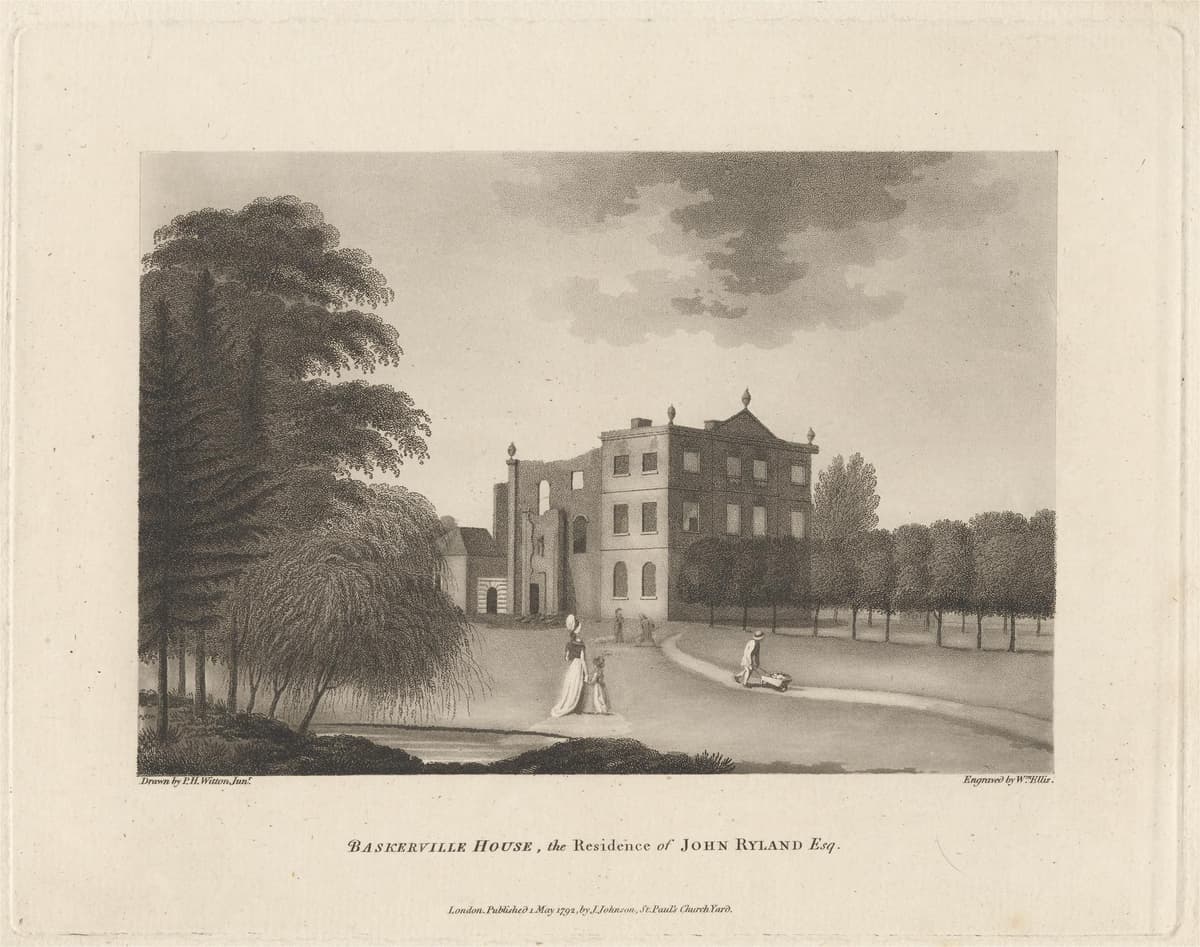
Baskerville House, the Residence of John Ryland, Esq., 1792William Ellis after Philip Henry Witton junior, 1792. Yale Center for British Art via Wikimedia Commons · CC0 1.0 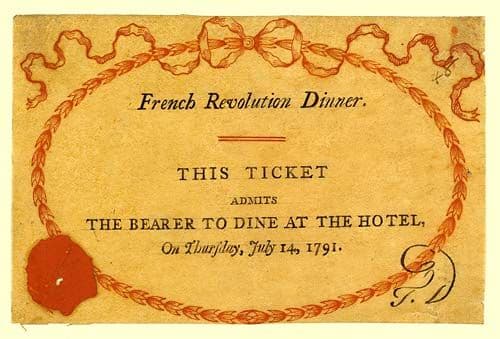
Ticket for the French Revolution dinner, 14 July 1791Unknown, 1791. Wikimedia Commons (credited to Revolutionary Players) · Public domain
On the map
8 places connected with The Priestley Riots. Tap a number for directions — some sites are private homes or gardens, so each place’s page says what you can see from the street.

- Bordesley Hall — Lost
- The Royal Hotel, Temple Row — Lost, Site redeveloped · Directions to The Royal Hotel, Temple Row (opens Google Maps)
- Old Meeting House, Old Meeting Street — Lost, Site redeveloped · Directions to Old Meeting House, Old Meeting Street (opens Google Maps)
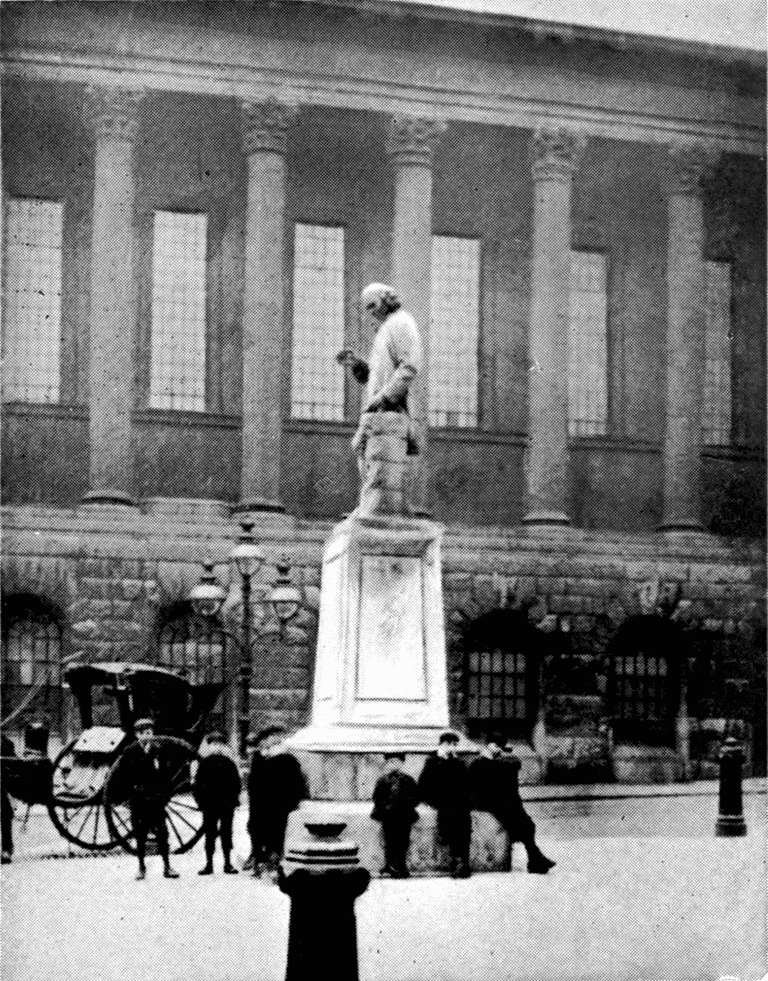
- Statue of Joseph Priestley, Ratcliff Passage — Relocated, Surviving but altered · Directions to Statue of Joseph Priestley, Ratcliff Passage (opens Google Maps)
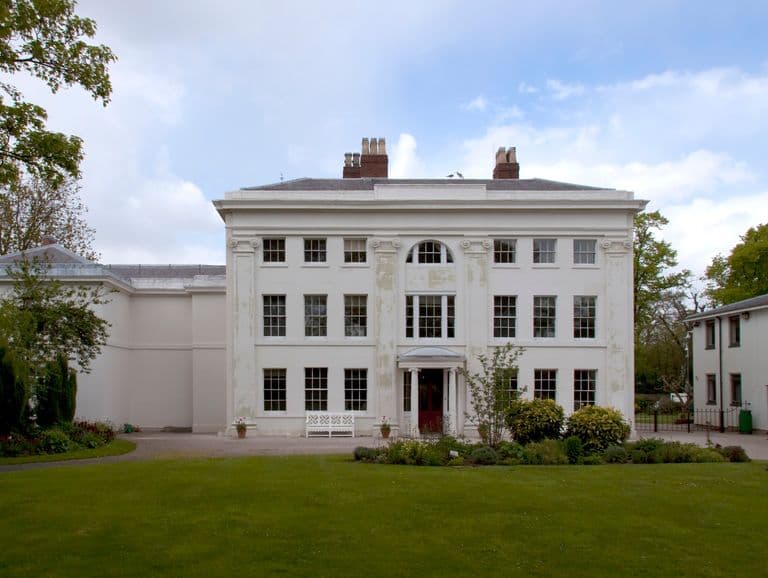
- New Meeting House — Surviving but altered · Directions to New Meeting House (opens Google Maps)
- Edgbaston Hall — Surviving · Directions to Edgbaston Hall (opens Google Maps)
- Fair Hill — Lost, Site redeveloped
- Easy Hill — Lost, Site redeveloped · Directions to Easy Hill (opens Google Maps)
Key dates
- c. 16–17 July 1791 — Rioters threaten Edgbaston Hall; troops restore orderWithering hides his books and specimens under hay in wagons as rioters approach Edgbaston Hall. The arrival of troops saves the house and ends the riots.
- 15 July 1791 — Easy Hill (Baskerville House) is burnedRioters sack and burn Baskerville House at Easy Hill, by now the home of John Ryland. Baskerville’s vault in the grounds is not disturbed.
- 14 July 1791 — The Bastille dinner; the New Meeting and Fair Hill are burnedA dinner at the Royal Hotel marks the fall of the Bastille. A crowd attacks the guests, burns the New Meeting and Old Meeting, then ransacks and burns Priestley’s house and laboratory at Fair Hill. Priestley escapes.
- c. 1802; reopened 1803 — New Meeting House rebuiltThe New Meeting congregation rebuilt their chapel on the Moor Street site. The building survives as St Michael’s Catholic Church.
Sources and further reading
- The Birmingham Riots of 1791 — Cadbury Research Library, University of Birmingham
- The Priestley Riots and their Aftermath — Revolutionary Players (Malcolm Dick and Kate Iles), History West Midlands
- Memoirs of Dr. Joseph Priestley, to the year 1795, written by himself — Joseph Priestley, London, 1806
- Withering, William — Dictionary of National Biography, Smith, Elder & Co., 1885–1900. the attack on Edgbaston Hall
- Birmingham Toast — Jennifer Dionisio, Distillations, Science History Institute, 2010
- John Baskerville, Type-founder and Printer, 1706–1775 — Josiah H. Benton, Boston, 1914. Easy Hill burned 15 July 1791
- Church of St Michael, New Meeting Street — National Heritage List for England entry 1219721 — Historic England
- Blue Plaque: Joseph Priestley — Birmingham Civic Society
- Views of the Ruins of the Principal Houses destroyed during the Riots at Birmingham — P. H. Witton jnr, engraved by William Ellis, Yale Center for British Art (B1977.14.14752a–14758), 1792