
What was here?
A walled estate of about eight acres west of the old town, leased by the japanner and printer John Baskerville in 1745. He built a house in the middle, ran his japanning works and printing office here, and was buried in its grounds in 1775. The house was burnt by rioters in 1791. Baskerville House in Centenary Square now covers the area.
History
A writing master’s Eden
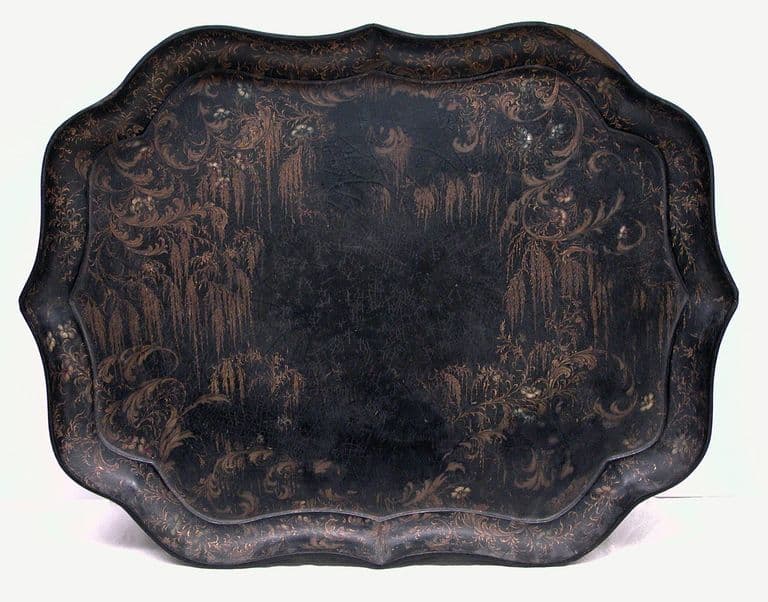
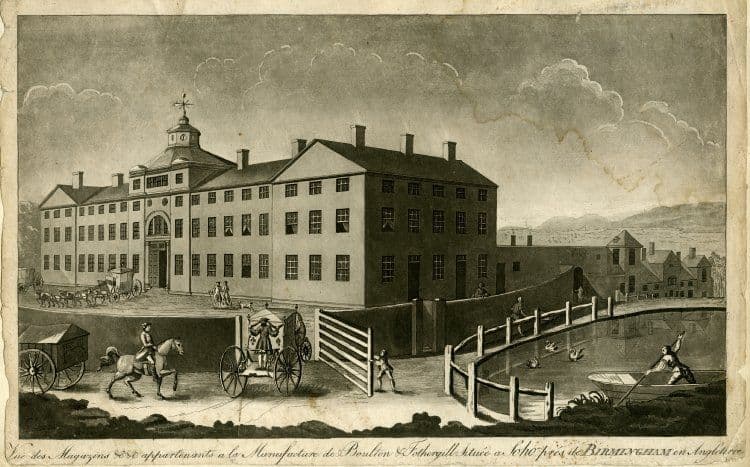
John Baskerville came to Birmingham as a young man, earning a living as a writing master and cutting gravestones. Then he found his fortune in japanning: lacquered and painted metalware such as trays and candlesticks. In 1742 he patented a way of rolling and finishing thin metal plates in imitation mahogany or tortoiseshell.
With the money, in 1745, he leased about eight acres “a quarter of a mile north-west of the town as it then existed”, in the words of the Dictionary of National Biography (1885). He called it Easy Hill, built a house in the centre, and laid out the grounds. William Hutton, Birmingham’s 18th-century historian, wrote that he “converted it into a little Eden ... but the town, as if conscious of his merit, followed his retreat, and surrounded it with buildings”.
The perfect page
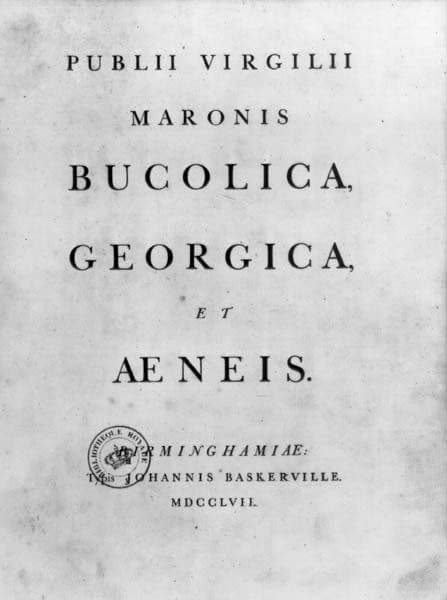
Japanning paid the bills, but Baskerville’s passion was letters. From around 1750 he poured his wealth into printing at Easy Hill. He experimented with everything: cutting punches, casting type, mixing blacker ink, smoothing paper, improving the press. His first book, a Virgil, appeared in 1757; a Milton followed in 1758. He became printer to the University of Cambridge and produced the great folio Bible of 1763.
Critics at home sneered. Readers abroad, including Benjamin Franklin, admired him. Baskerville’s typeface outlived them all and is still in daily use, in print and on screens, around the world.
The same spot, then and now
1888–1913
Today
Old map: Ordnance Survey six-inch, reproduced with the permission of the National Library of Scotland (CC BY 4.0). Today: © OpenStreetMap contributors.
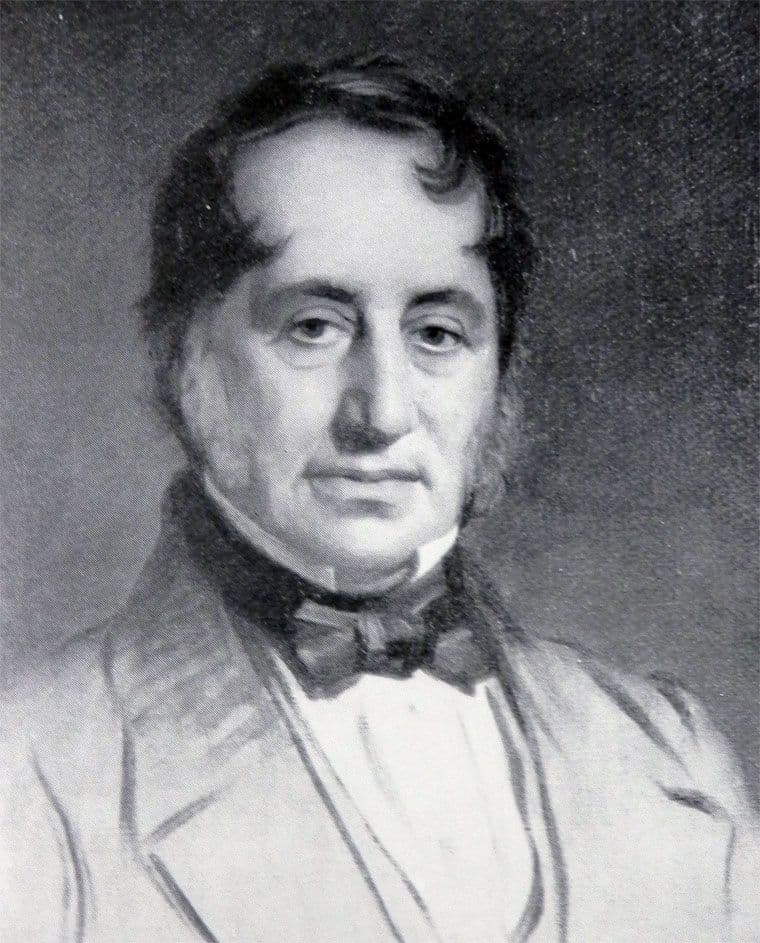
Easy Hill was also home to Sarah Eaves, who came as housekeeper around 1750 after her husband had fled the country. She and Baskerville lived as man and wife and married in June 1764, after Richard Eaves died. In 1761 Baskerville served as High Bailiff of Birmingham.
A grave in the garden
Baskerville was a religious sceptic who wanted nothing to do with consecrated ground. When he died at Easy Hill on 8 January 1775, he was buried in his own grounds, under a conical building that had once been a mill. His epitaph, which he wrote himself, began: “Stranger — Beneath this Cone in unconsecrated ground / A friend to the liberties of mankind directed his body to be inhum’d.”
Sarah carried on the business and sold the type. The punches eventually went to France and, in 1953, to Cambridge University Press.
Fire
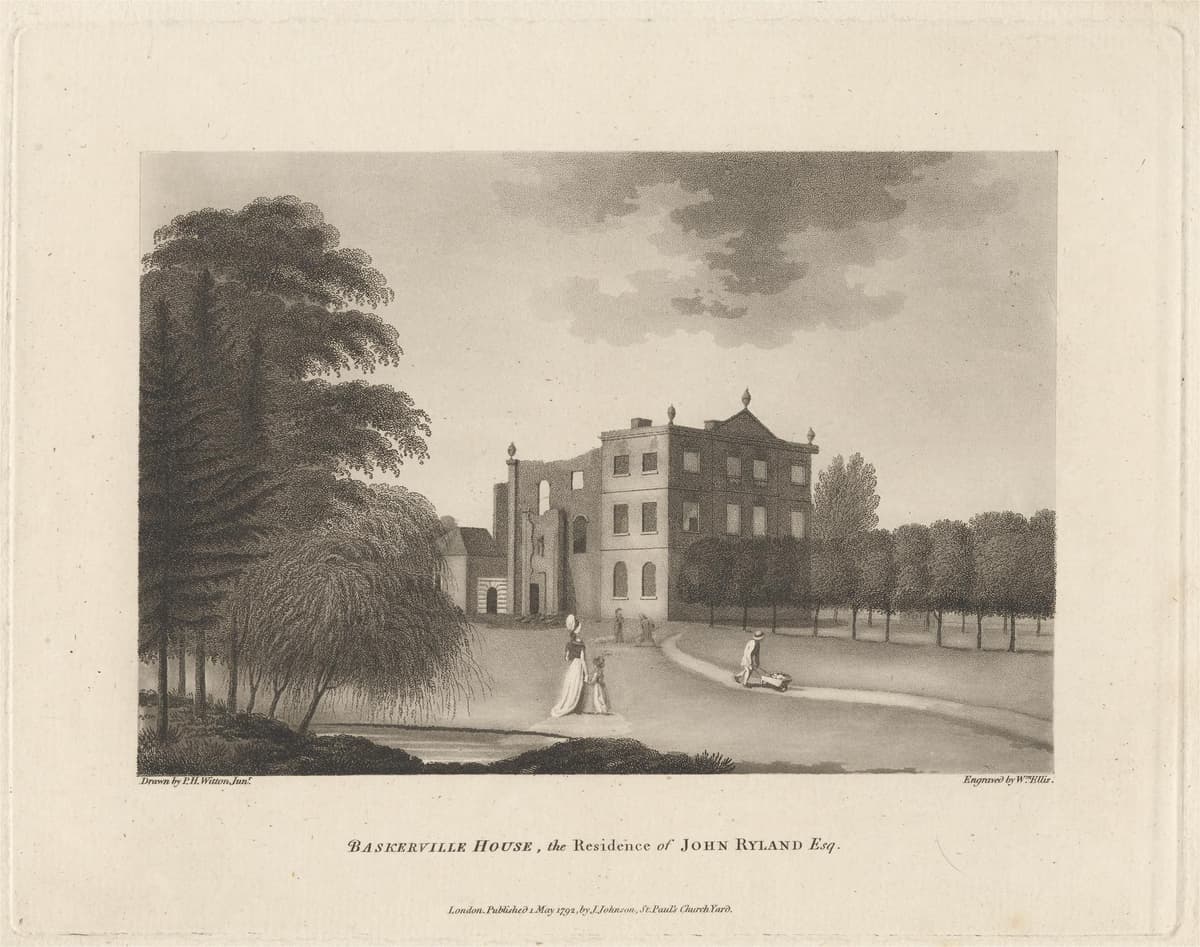
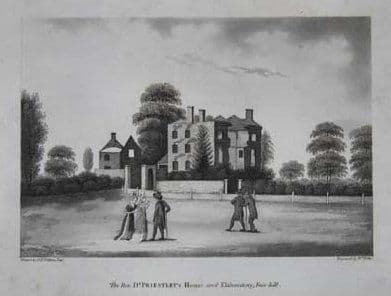
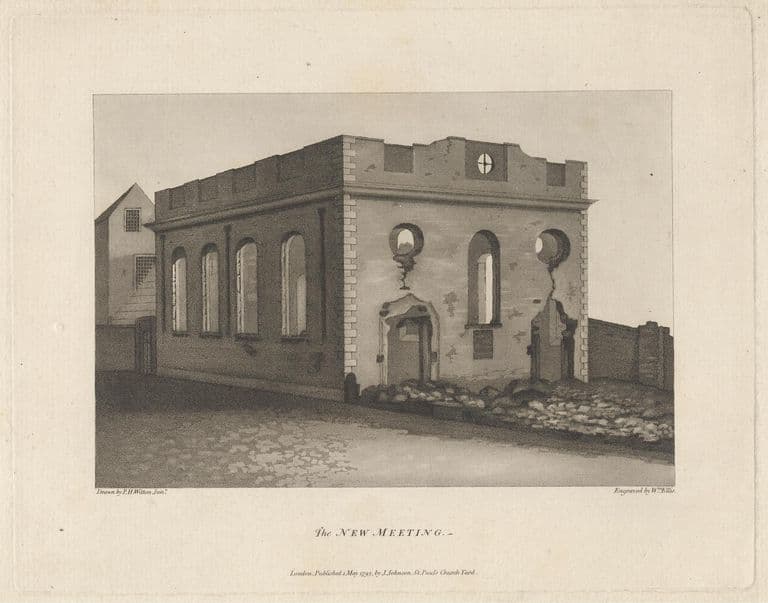
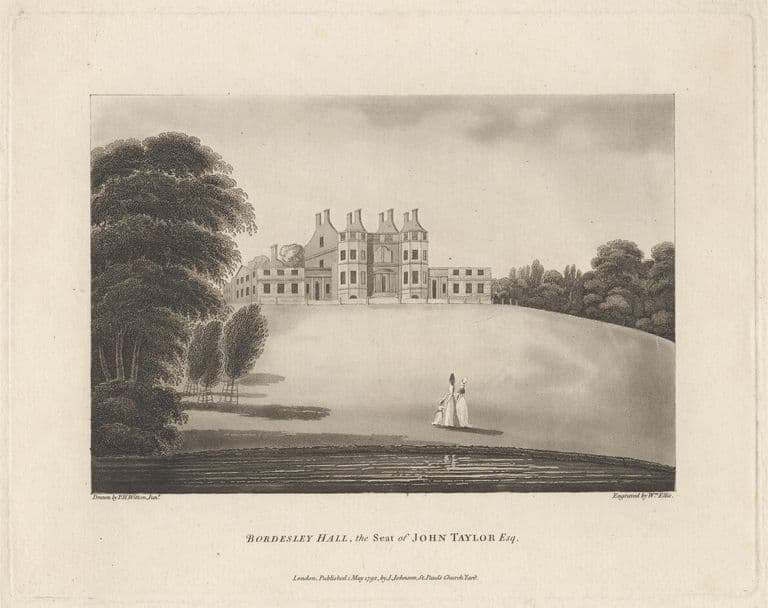
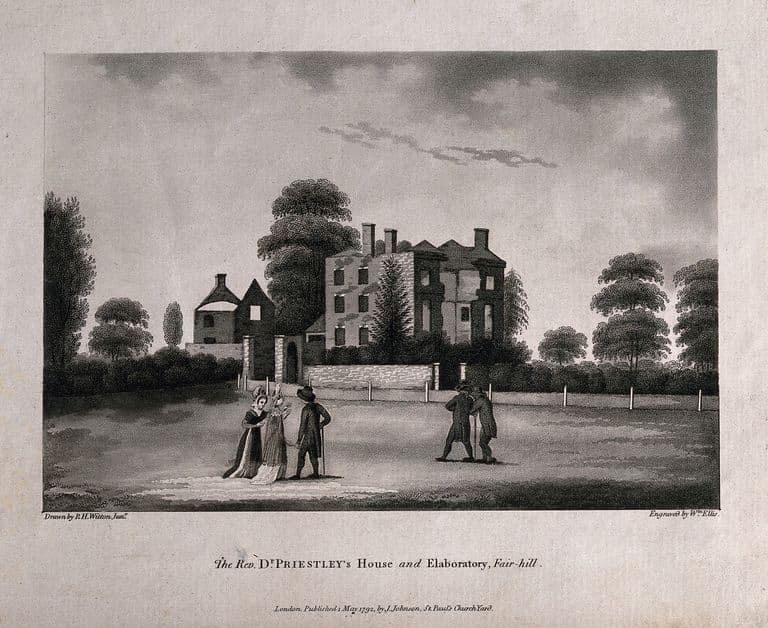
In 1789 the estate was sold to John Ryland, who called the house Baskerville House. Two years later Birmingham erupted. On 14 July 1791 a crowd angered by a dinner celebrating the French Revolution began attacking the homes and chapels of Dissenters. On Friday 15 July they reached Easy Hill. Ryland’s house was set on fire and gutted. A print published in 1792 by William Ellis shows the shell.
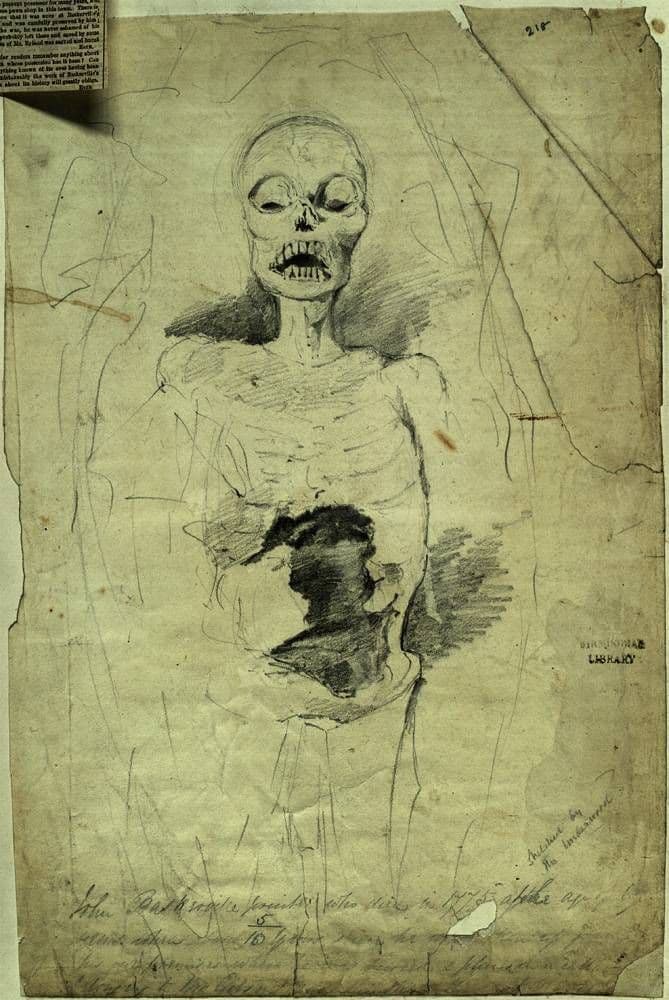
Baskerville’s vault was not disturbed by the rioters. It was disturbed by business. By 1812, according to local historian William Dargue, canal arms and wharves had been cut across the old estate. In the 1820s workmen dug up the lead coffin. For years it was kept in a warehouse and shown to the curious, until about 1829 it was quietly placed in a vault at Christ Church, New Street. Rediscovered there on 12 April 1893, the body was moved to the catacombs at Warstone Lane Cemetery in February 1898, where it remains.
Civic offices on a printer’s garden
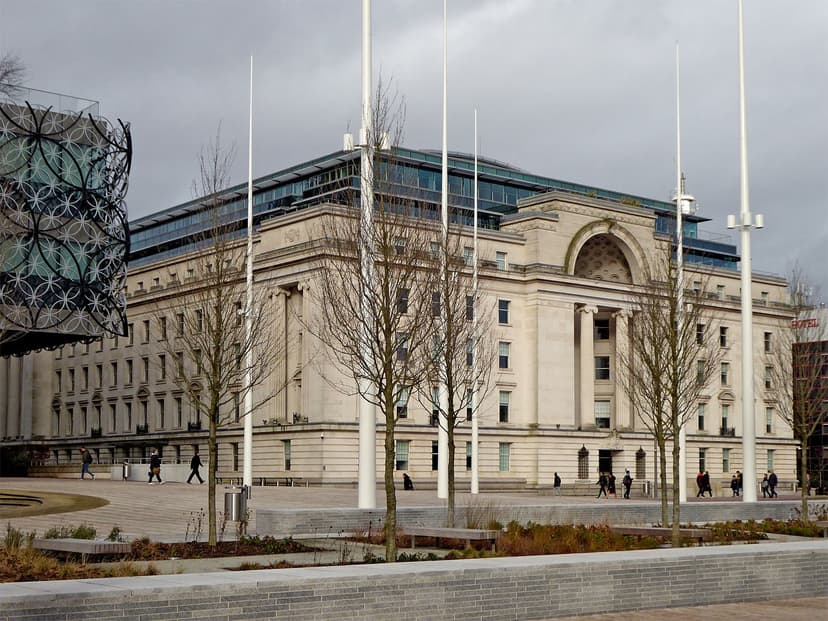
The burnt house was cleared at a date nobody has recorded. In the 1930s the city planned a grand civic centre on the old estate. Only part was built: Baskerville House, designed by T. Cecil Howitt in 1935, begun in 1938 and finished in the 1940s. The Library of Birmingham says Easy Hill occupied approximately the land where the Library and Baskerville House now stand.
Today the building carries plaques to Baskerville, including a blue plaque unveiled in 2025 for the 250th anniversary of his death. Outside is David Patten’s 1990 sculpture “Industry and Genius”, whose reversed bronze letters spell VIRGIL. A man who printed some of the finest pages ever made is remembered, fittingly, in letters.
What happened here?
Baskerville lived and worked here from the 1740s until his death in 1775, running his japanning works and, from the 1750s, his type foundry and press. The Virgil (1757) and Milton (1758) were produced here. He was buried in the grounds. In 1791, as John Ryland’s house, it was burnt by rioters. Canal wharves were cut across the estate by 1812, and Baskerville’s coffin was dug up in the 1820s.
Why it mattered
Easy Hill was the birthplace of the Baskerville typeface and of books that set new standards in printing. It is also a vivid chapter in the 1791 riots, and the start of the strange story of Baskerville’s wandering coffin.
Why it disappeared
Riot · Redevelopment
The house, by then John Ryland’s, was attacked on 15 July 1791 during the Priestley Riots, set on fire and gutted (Dictionary of National Biography; Langford). The ruins were cleared at an unknown date. Canal arms and wharves were cut across the estate by 1812 (Dargue, lead only), and in the 20th century the site was used for the civic centre, of which Baskerville House (begun 1938) was built.
What’s there now
What replaced it
Canal arms and wharves (by 1812); later Baskerville House, civic offices designed by T. Cecil Howitt in 1935 and built from 1938, and Centenary Square. The Library of Birmingham stands on part of the old estate.
What survives
Nothing of the house is known to survive. Plaques on Baskerville House, including a 2025 blue plaque; David Patten’s sculpture ‘Industry and Genius’ (1990); Baskerville’s books and typeface; his remains in the catacombs at Warstone Lane Cemetery.
Today
Stand in Centenary Square in front of Baskerville House, the stone civic building on the Broad Street side. Look for the plaques on its walls and for ‘Industry and Genius’ nearby. The Library of Birmingham next door also stands on land that was once part of Easy Hill.
Then and now
Then · 1792
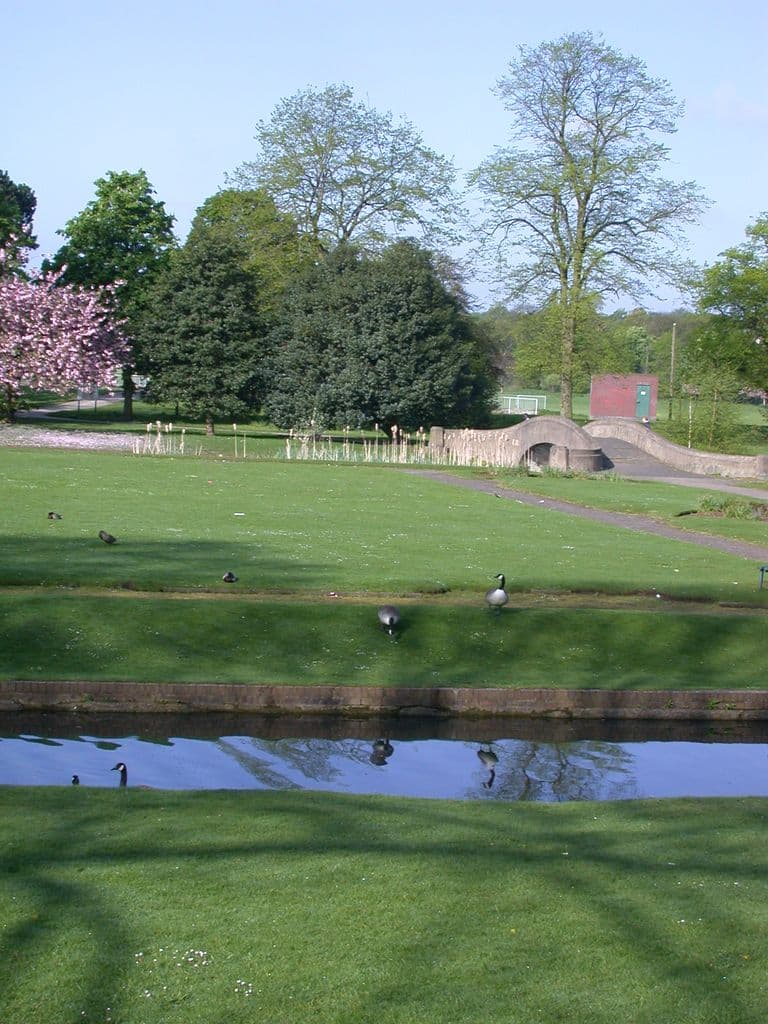
Now · 29 January 2020
Today
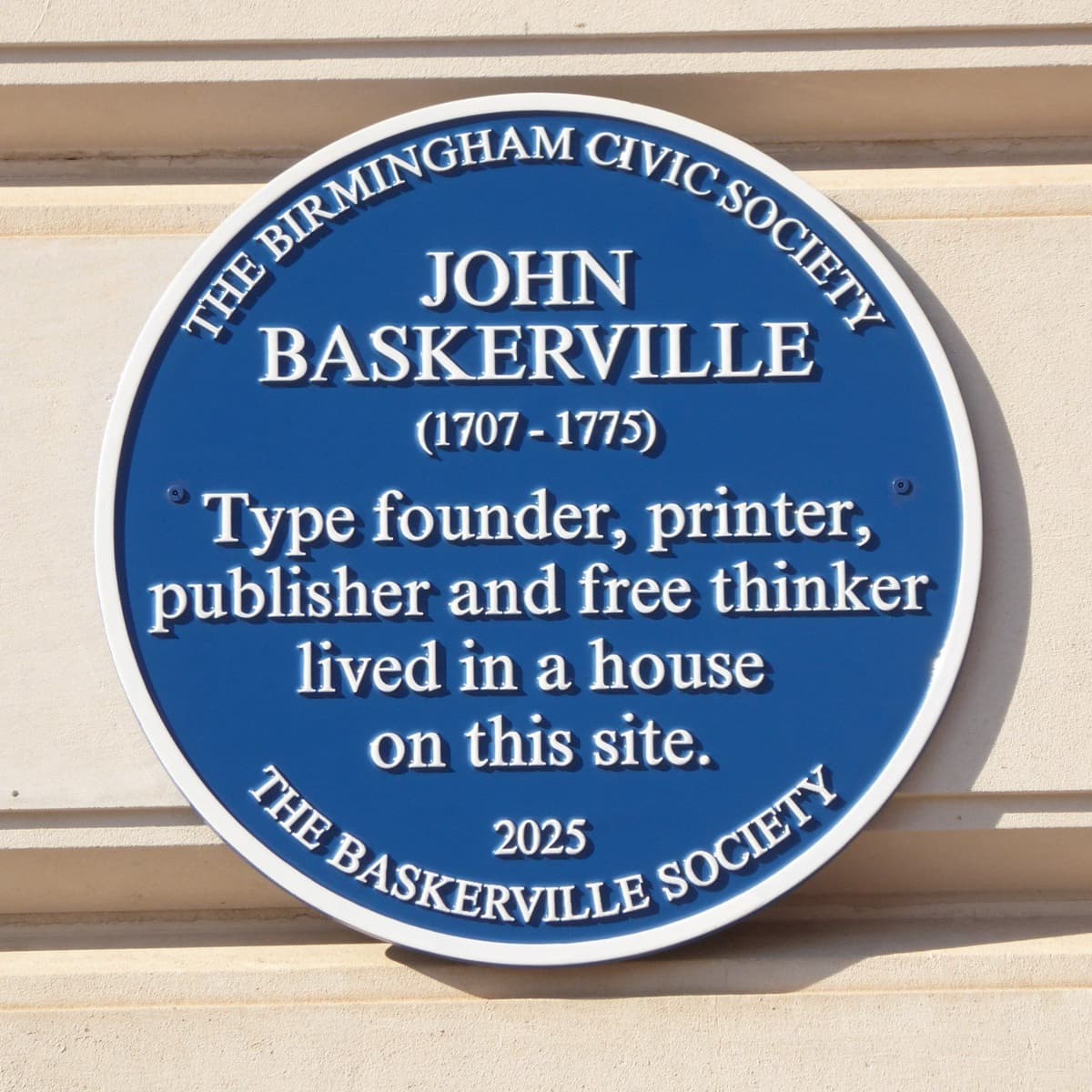
Blue plaque to John Baskerville, 19 March 2026Philip Halling, 19 March 2026. Geograph Britain and Ireland via Wikimedia Commons · CC BY-SA 2.0
Key dates
- 1745 — Baskerville takes the lease of Easy HillBaskerville takes a building lease of about eight acres just north-west of the town, names it Easy Hill and builds a house and works there. The site is now Centenary Square.
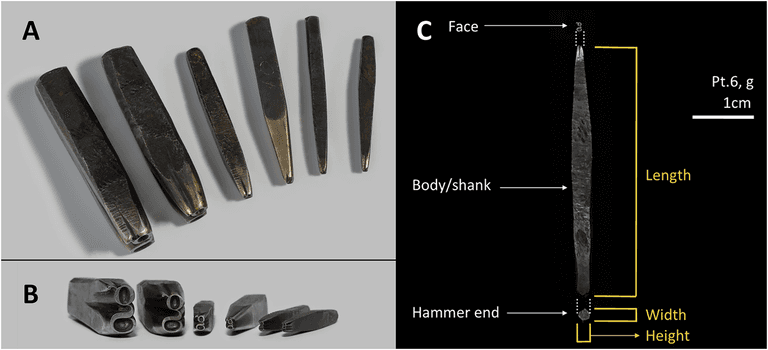
- October 1752 — Baskerville’s workshop finishes its first punchesAt Easy Hill, John Baskerville tells the publisher Robert Dodsley that fourteen punches for his large titling letters have been “begun and finished in nine days only”. His punch-cutter John Handy did much of the cutting; the type was used for the Virgil of 1757.
- 1757 — Baskerville prints his VirgilBaskerville’s first book, a quarto Virgil, appears from his press at Easy Hill, using type, ink and paper he developed himself.
- 1763 — Baskerville’s Cambridge BibleAs printer to the University of Cambridge, Baskerville produces his folio Bible, generally reckoned his masterpiece.
- January 1775 — Baskerville dies and is buried at Easy HillJohn Baskerville dies at Easy Hill. A religious sceptic, he is buried in unconsecrated ground in his own grounds, under a cone, with an epitaph he wrote himself.
- 15 July 1791 — Easy Hill (Baskerville House) is burnedRioters sack and burn Baskerville House at Easy Hill, by now the home of John Ryland. Baskerville’s vault in the grounds is not disturbed.
Sources and further reading
The exact position of Baskerville’s house within the eight-acre estate is not fixed; the map point is Baskerville House. The story that rioters drinking in the cellar died when the roof fell in comes from a search summary of Hutton and has not been checked, so it is not used. The 1812 canal arms and the 1925 filling of the canal arms come from William Dargue (lead only). Sources disagree on when the coffin was dug up (1820, 1821 or c.1828) and whether he was reinterred at Warstone Lane on 24 or 26 February 1898. Baskerville’s birth year is 1706 or 1707 depending on the calendar used. The 1885 DNB mentions ruins of the old façade still visible at the lower end of Broad Street; nothing is known to survive today.
- Baskerville, John — H. R. Tedder (Dictionary of National Biography), Smith, Elder & Co., 1885
- John Baskerville, Type-founder and Printer, 1706–1775 — Josiah H. Benton, Boston, 1914
- The Burials of John Baskerville — Rachel Clare (Library of Birmingham, The Iron Room blog), Library of Birmingham Archives & Collections, 2016. Ref. EP 26/2/4/1
- Economic and Social History: Industry and Trade, 1500–1880, in A History of the County of Warwick, vol. 7, pp. 81–139 — W. B. Stephens (ed.), Victoria County History, 1964
- Baskerville House — National Heritage List for England entry 1271414 — Historic England
- Easy Hill — William Dargue
- Blue plaque to John Baskerville (Geograph 8276338) — Philip Halling
- WL 53343 – John Baskerville — Jewellery Quarter Research Trust (material from Dr Caroline Archer)
- Iconic sculpture returned to Centenary Square — Acivico
- A Century of Birmingham Life — John Alfred Langford, 1870
Archive references: Library of Birmingham EP 26/2/4/1 (Christ Church register, 1893 rediscovery)
Comments
Comments will load here.