
Before the city spread over them, the fields around Birmingham were run from great houses. Very few of them are left.
Some were medieval. Erdington Hall stood on a double-moated site held by the de Erdington family from the twelfth century; its 17th-century successor was demolished in 1912 for Tyburn Road. Perry Hall in Perry Barr was the moated seat of the Goughs, later Lords Calthorpe, whose estate held most of the farms that became Kingstanding. The estate was sold off from 1921 and the hall demolished in the late 1920s; its moat survives in Perry Hall Park.
Others belonged to the men who made industrial Birmingham. John Baskerville’s house at Easy Hill was attacked, set on fire and gutted in the riots of July 1791. James Watt’s Heathfield Hall in Handsworth was demolished in 1927–28.
One was built for the Church. A. W. N. Pugin designed Bishop’s House on Bath Street, opposite St Chad’s, in 1840–41 for the Catholic bishop and his clergy. It was demolished in 1959 or 1960 for the Inner Ring Road.
The reasons for these losses vary: riot, estates broken up and sold, and land needed for roads and housing. Together they show how the countryside and the old town gave way to the modern city. In several cases the best evidence left is a moat, a street name or a painting. This collection gathers those traces.
The places
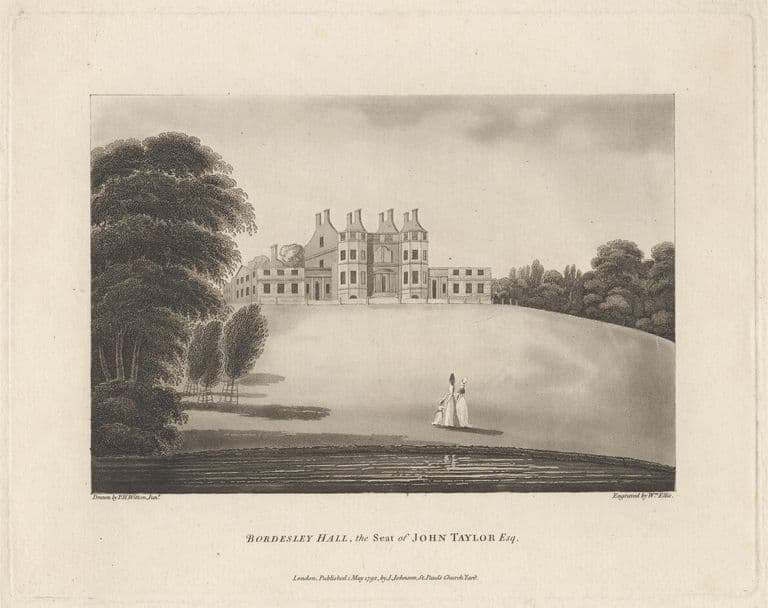 Bordesley HallLost · c. 1757–1791The Taylor family’s Georgian house in a park south of the Coventry Road, Bordesley. Rioters gutted it by fire on 15 July 1791, in the Priestley riots, when it belonged to John Taylor the younger, banker son of the button maker. Its park later became streets.
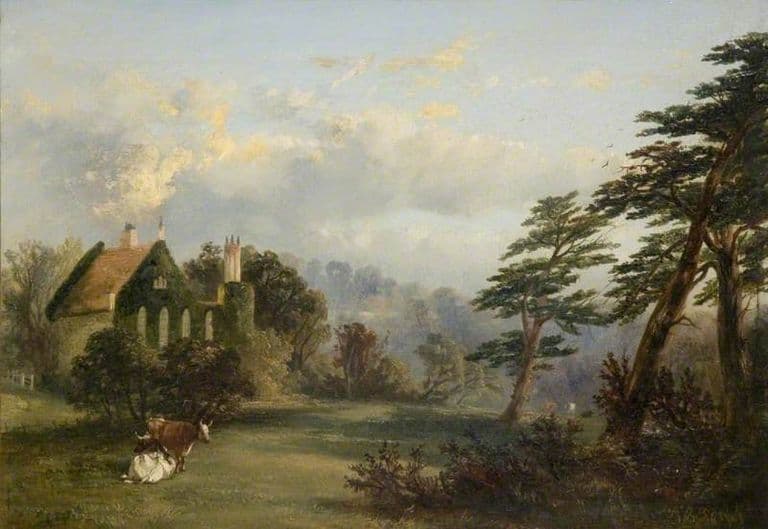 Hockley AbbeyLost, Site redeveloped · c. 1779–c. 1870A house built to look like a ruined medieval abbey, made about 1779 by the Birmingham manufacturer Richard Ford from furnace slag, with a false date of 1473 in pebbles. Ivy-clad beside Hockley Pool near Boulton’s Soho, it was pulled down around 1868–71 for streets and works.
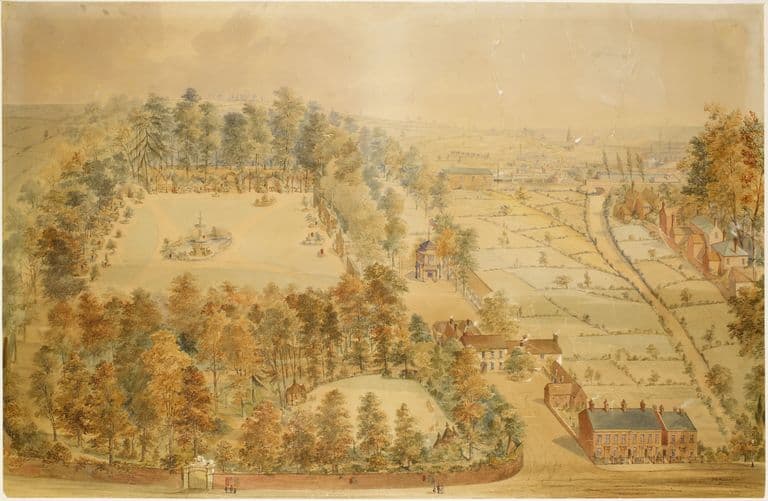 Duddeston Hall and Vauxhall GardensLost, Site redeveloped · c. 1400–1850The Holtes’ manor house at Duddeston, left when they moved to Aston Hall in 1631. From the 1740s its grounds were Birmingham’s Vauxhall pleasure gardens, with concerts, bowls and fireworks. The house was largely pulled down by 1781; the gardens closed in 1850 and were built over.
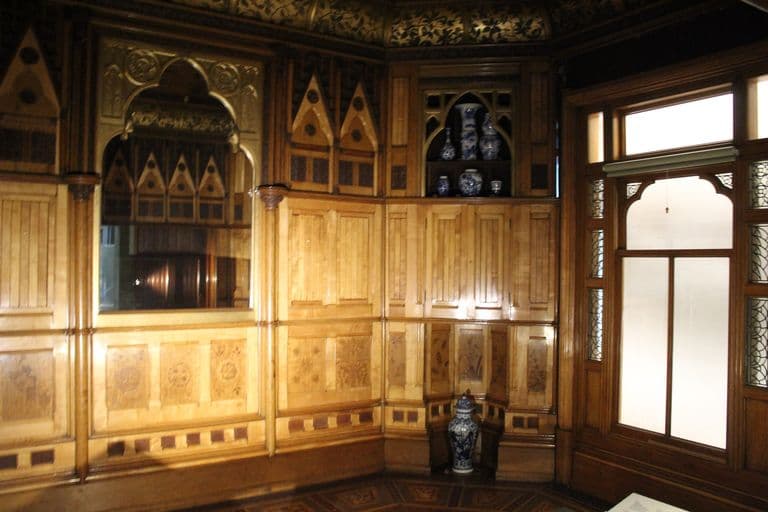 The Grove, HarborneLost · c. 1877–1963Thomas Attwood’s home through the Reform Bill years, where Birmingham’s crowds came to fetch him in May 1832. Rebuilt for William Kenrick in 1877–78, it was pulled down in 1963. One room survives, in the Victoria and Albert Museum.
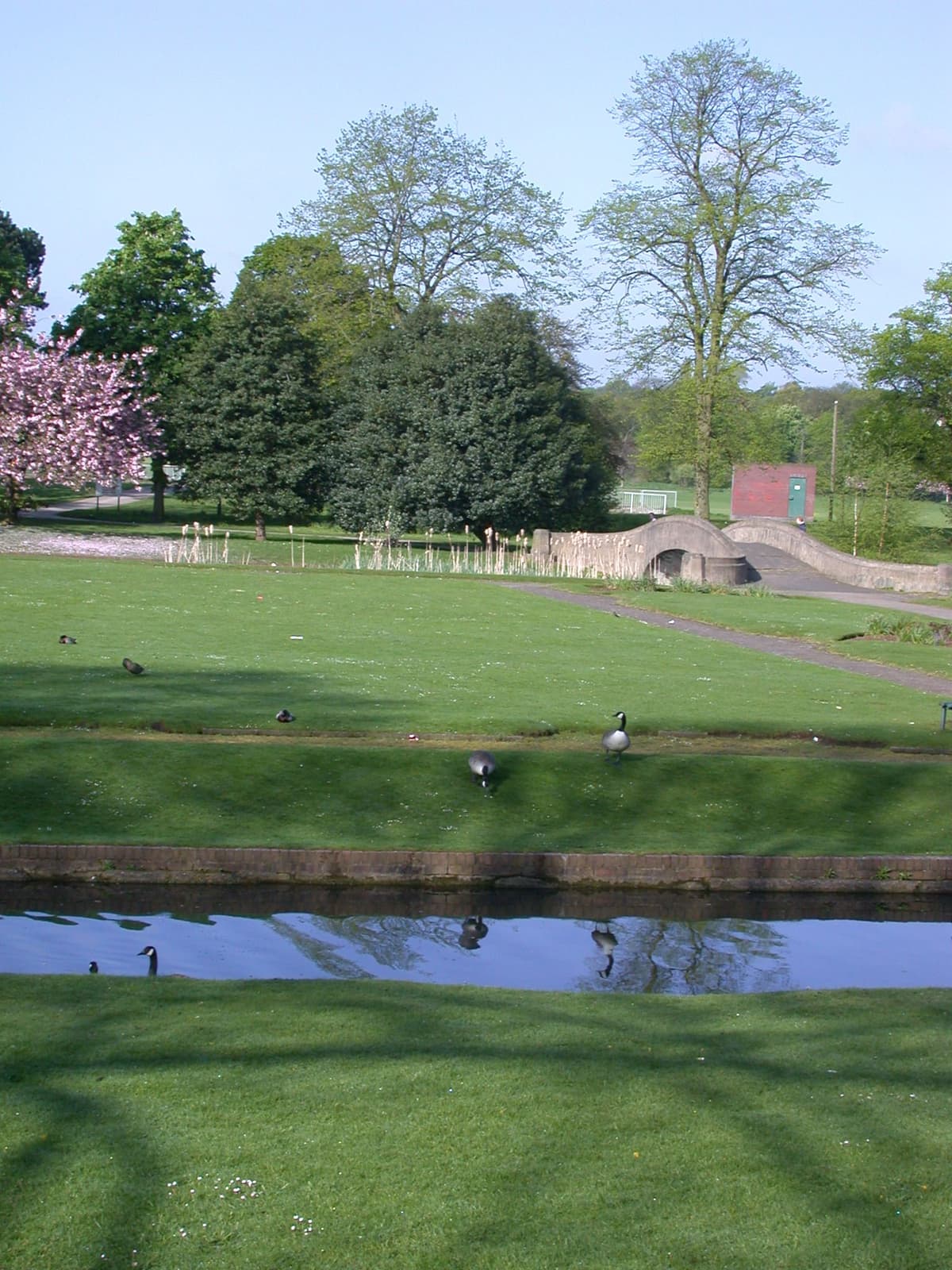
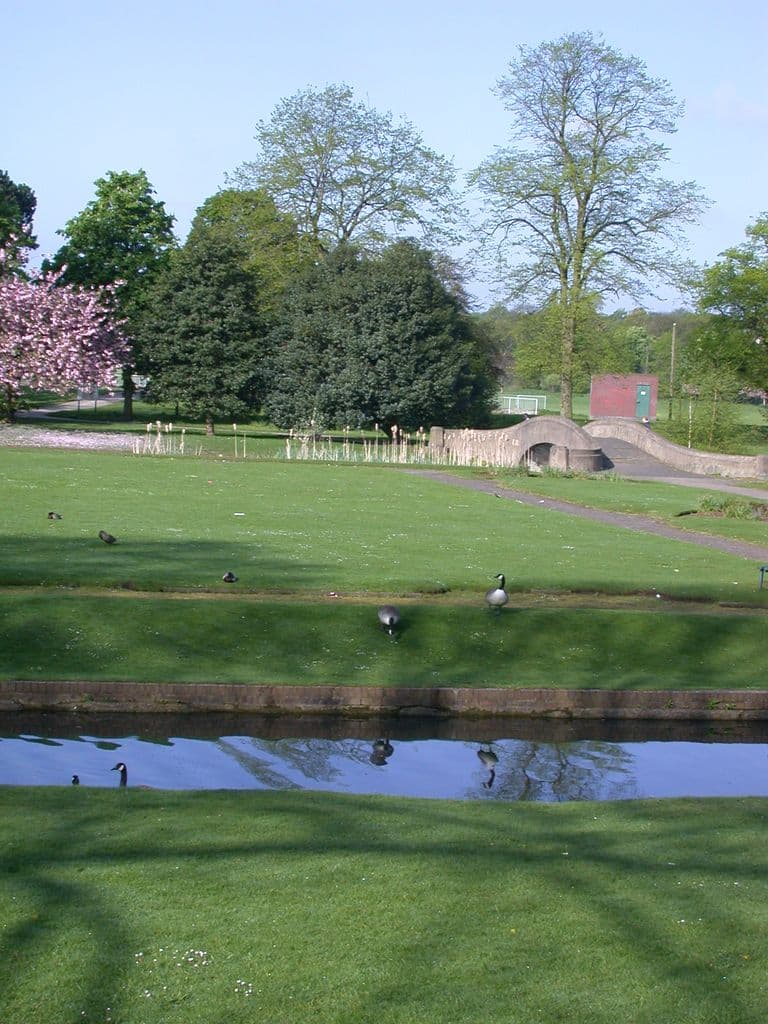 Perry Hall, Perry BarrLost, Partly surviving · lost c. 1929The moated home of the Gough family, later the Lords Calthorpe, whose Perry Hall estate owned the farms that became Kingstanding. The estate was sold off from 1921 and the hall demolished in the late 1920s. Its moat survives in Perry Hall Park.
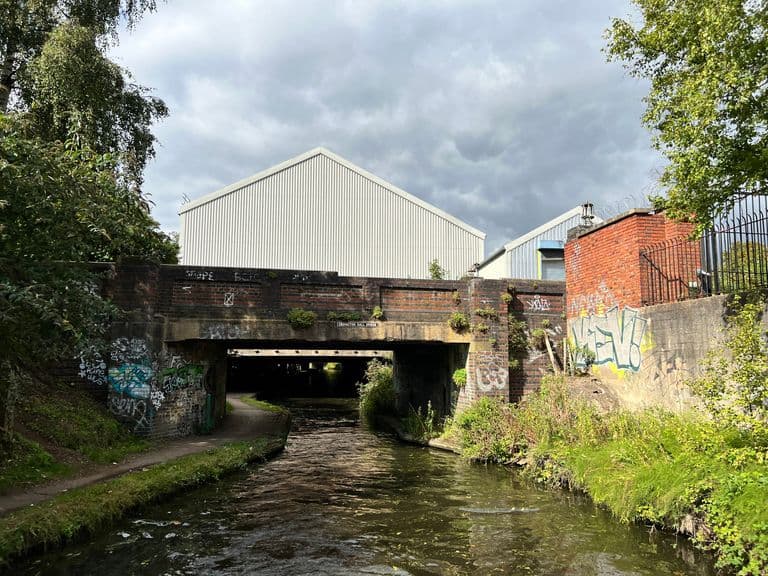 Erdington HallLost · c. 1660–1912The moated seat of the de Erdington family, rebuilt in brick with Dutch gables in the 17th century. Still lived in in 1908, it was demolished in 1912 when Tyburn Road was built. No remains are visible, but Erdington Hall Road and Erdington Hall Bridge keep the name.
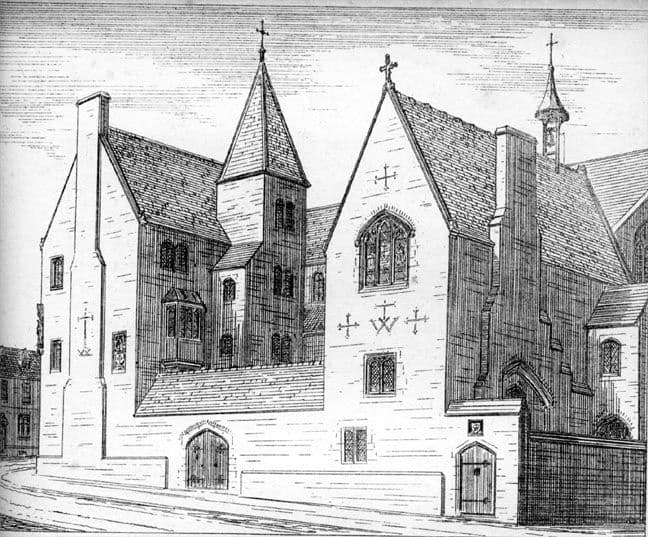 Bishop’s House, Bath StreetLost · 1840–c. 1959A. W. N. Pugin’s Gothic house for the Catholic bishop, built in 1840–41 on Bath Street opposite St Chad’s. It was demolished around 1959 for the Inner Ring Road. A carved chimneypiece and two chairs survive at the V&A.
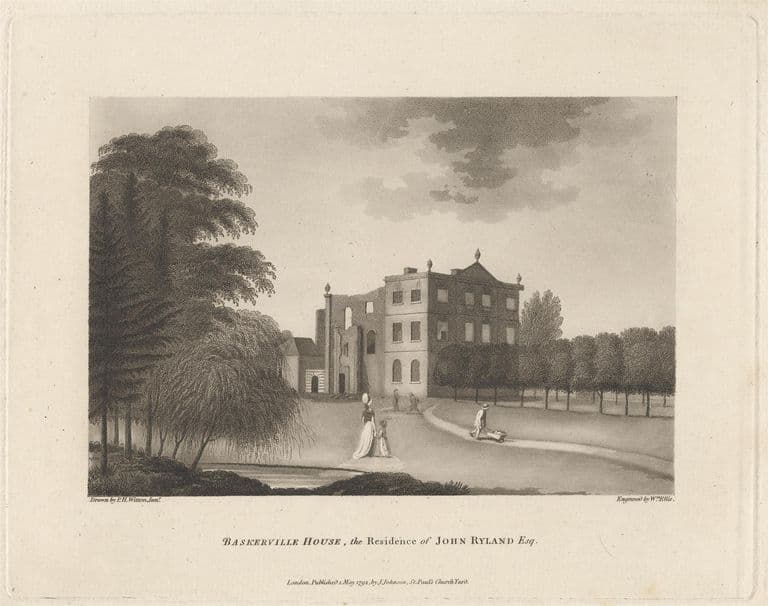 Easy HillLost, Site redeveloped · c. 1745–1791John Baskerville’s eight-acre estate just outside Georgian Birmingham, where he made japanned ware, cast type and printed some of the most beautiful books of his age. Burnt in the 1791 riots; Baskerville House stands on the site.
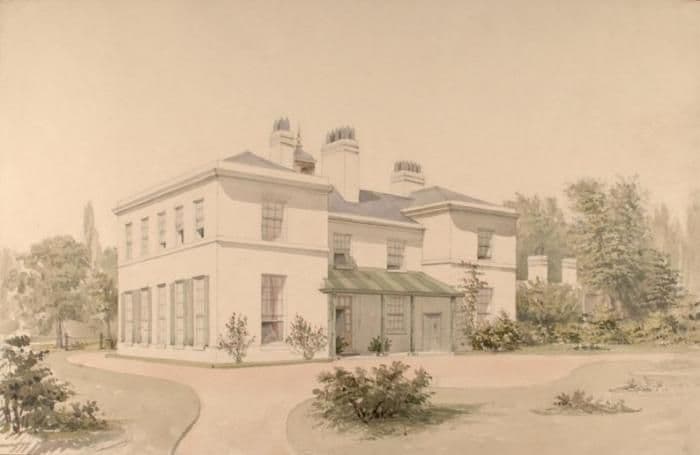 Heathfield HallLost, Site redeveloped · c. 1790–c. 1927James Watt’s home in Handsworth from 1790 until his death there in 1819, with his famous garret workshop. Demolished in 1927–28 and built over; its lodge on Radnor Road survives with a blue plaque.