
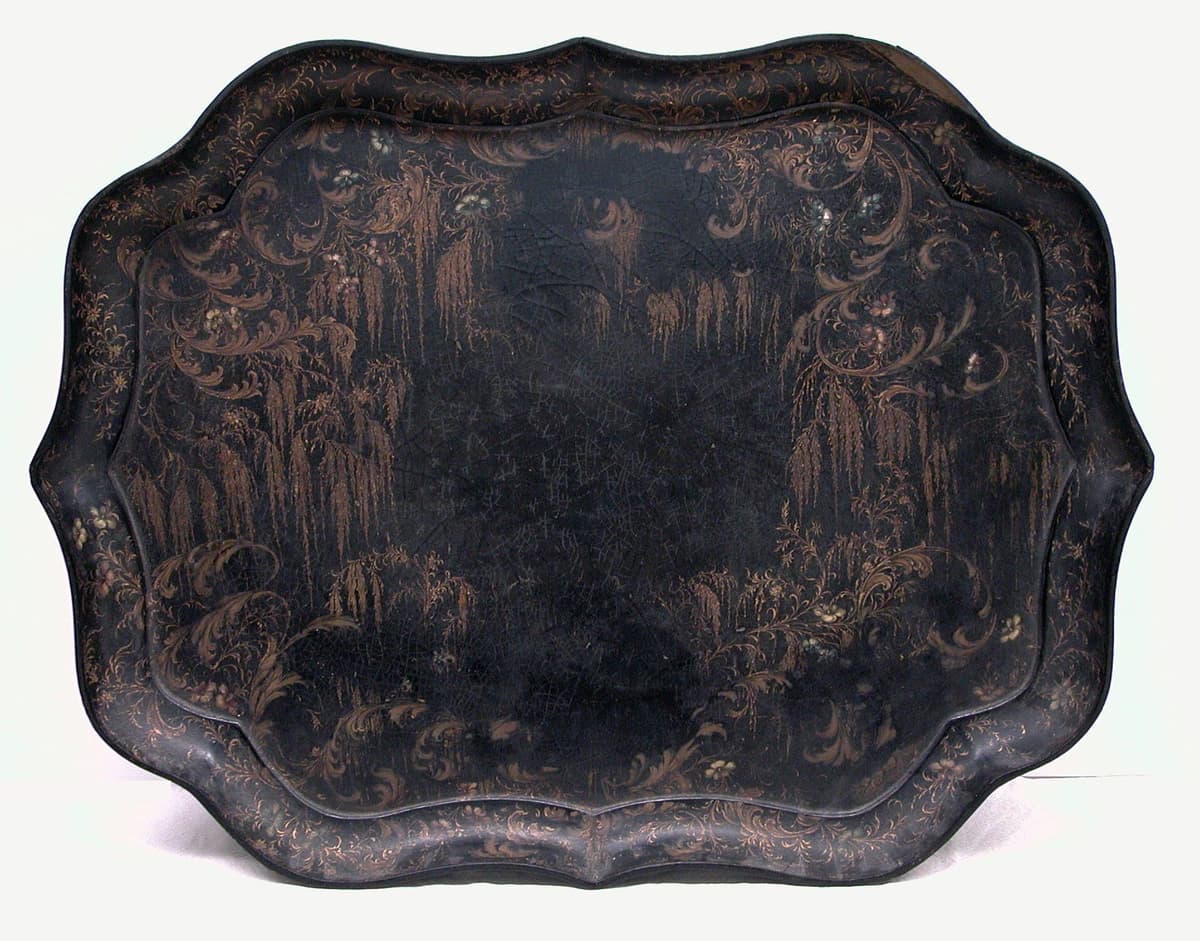
In November 1772 a Birmingham japanner asked the Crown for a monopoly on something that sounds like a joke. Henry Clay wanted the sole right to make roofs for coaches and sedan chairs, panels for rooms, doors and cabins of ships, bookcases, screens, chimney pieces, tables, tea trays and tea chests, all of them “in paper”.
It was not a joke. It made him one of the richest men in Birmingham.
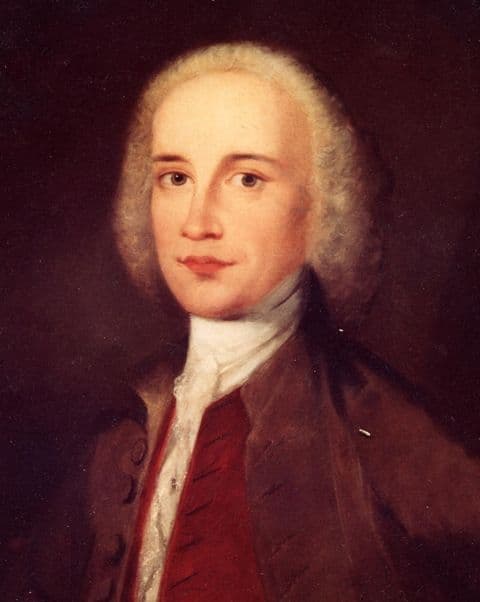
Baskerville’s workshop
Clay learned his trade in one of the most inventive workshops in the town. W. C. Aitken, who wrote the history of the industry in 1866, says Clay was “in early life an apprentice to the celebrated John Baskerville”, who was then in the japanning business. The Victoria County History is a little more cautious: both Clay and his later partner, Gibbins or Gibbons, “worked for Baskerville for several years”. No indenture or date has been found.
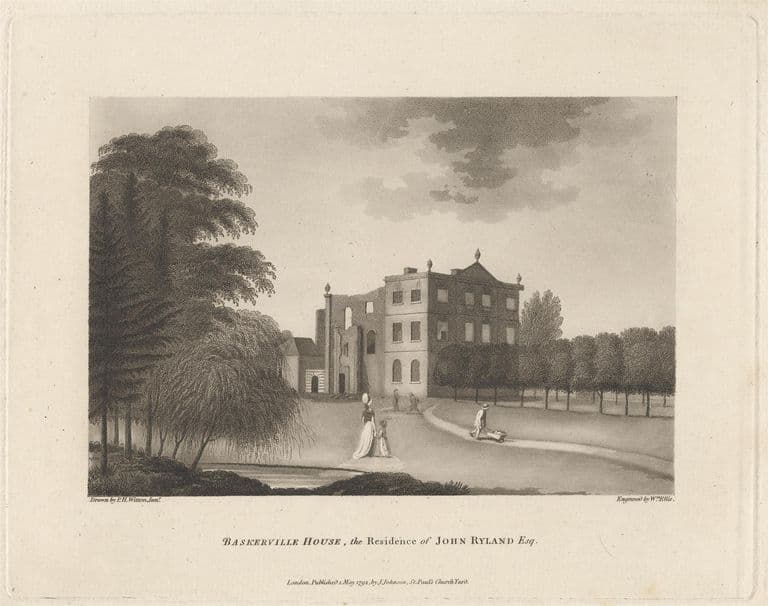
Japanning was Europe’s answer to the lacquerware arriving from Asia. Craftsmen laid coat after coat of hard varnish on a surface, baked each one in a stove, painted and gilded it, and polished it to a deep, glassy black. Baskerville made his first fortune this way, before he ever printed a book, and the money paid for his type. When Lady Shelburne visited his estate at Easy Hill in May 1766, she found that Mrs Baskerville had “chiefly the management” of the japanning business, and she bought some. The next morning she went to see “the making of buckles, papier mâché boxes” elsewhere in the town.
So papier mâché was nothing new in Birmingham. William Hutton credited John Taylor’s works with the painted paper snuff box. But that was papier mâché in its literal sense, “chewed paper”: pulp pressed into a mould. It made good small boxes. It did not make anything large or strong.
Paper as strong as wood
Clay’s idea was to stop pulping. Instead, as Aitken describes it, he pasted whole sheets of soft, absorbent paper one on top of another over a metal “core” of the shape he wanted, building up a laminate. Dried in a hot stove, soaked in oil, planed smooth, varnished and stoved again and again, the result was hard and rigid. Clay said it could be sawn, planed or turned like wood, and that once japanned it could be brought to “the highest polish by friction with the human hand”.
His patent, number 1027, was granted on 20 November 1772. Its list of uses shows his ambition: not trinkets, but coach roofs, furniture and fittings for houses and ships. In 1778 he added a patent for japanned paper buttons, “with or without shanks of metal or catgut”, and he took out more for buttons in 1786 and 1790 and for carriage and furniture panels in 1792.
The works in Newhall Street
Clay’s factory stood at 19 Newhall Street, in the new streets on the north-west side of the town. At its height, Aitken says, 300 people worked there, a big workforce for Georgian Birmingham. The process he describes needed many hands, because pasting, stoving, planing, varnishing, painting, gilding and polishing were all separate stages.
The goods were luxuries. Trays and “waiters” in black and gold, tea caddies, card and dressing tables, screens and cabinet panels were made for fashionable houses, and coach panels for carriage builders. “His profits were enormous,” Aitken wrote, and he “amassed a princely fortune”.
Covent Garden and the court
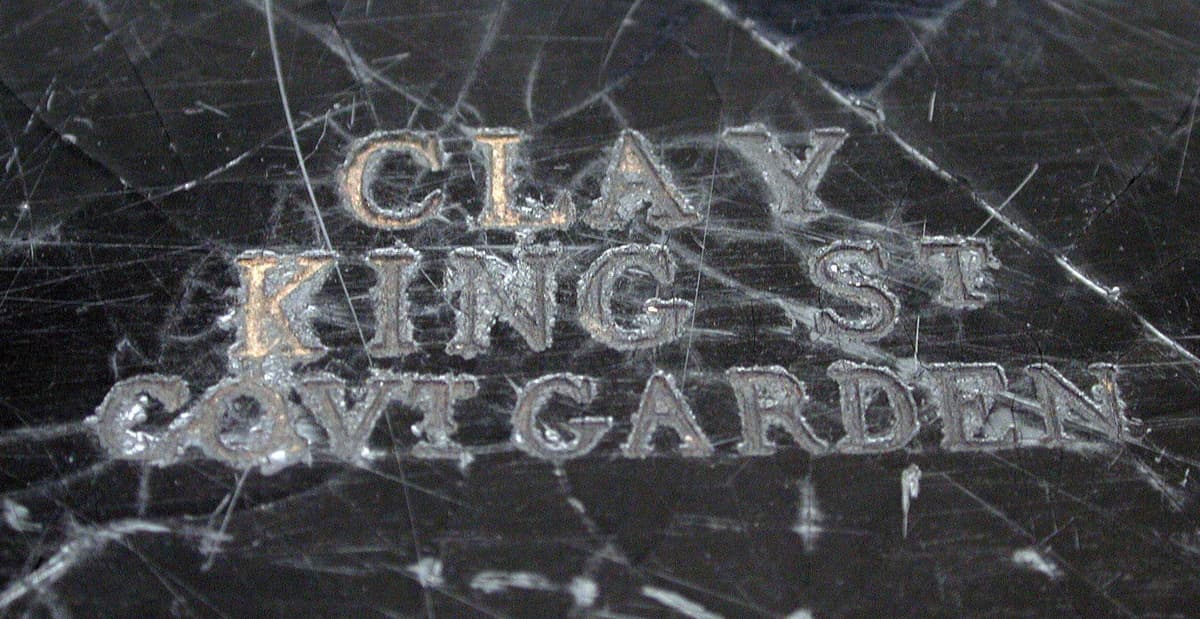
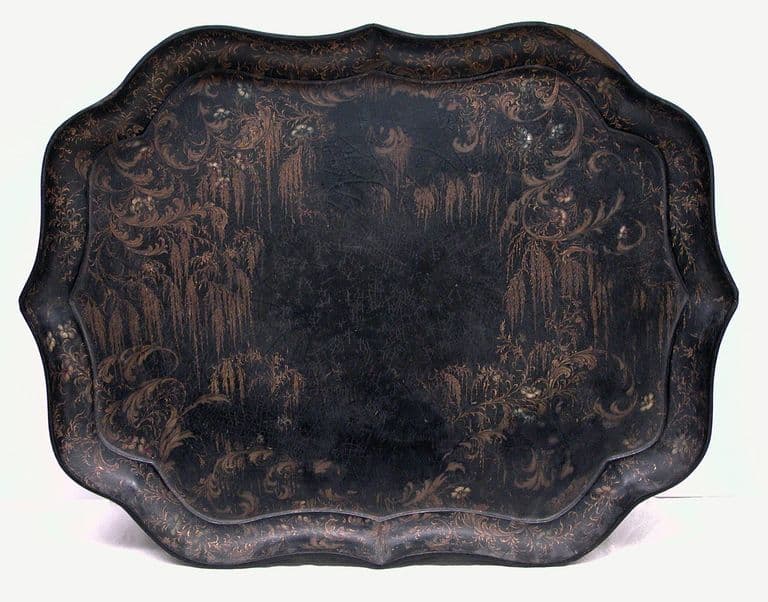
To sell to the rich, Clay needed to be in London. By about 1785 he had a house in King Street, Covent Garden, which the Victoria County History says served “commercial as well as personal purposes”: home, showroom and warehouse in one. A tray now in the Metropolitan Museum of Art in New York is stamped “CLAY KING ST COVT GARDEN”.
Royal favour followed. According to Aitken, Clay won it with “a judicious present” of a papier-mâché sedan chair for the queen, along with a set of pier tables painted with copies of Guido Reni. By the 1790s Clay was calling himself “Japanner to His Majesty”, and later to the Prince of Wales as well.
In 1790 he was High Sheriff of Warwickshire, an honour usually given to landed gentlemen. John Taylor, the button and japanning magnate, had held it before him. A man who made his money from varnished paper now led the county’s ceremonial and legal business for a year.
An inventive mind
Clay did not stop at trays. In 1796, now styled “esquire”, he patented a cart for carrying and tipping coal, lime, manure and rubble. In 1798 he patented a way of saving the water lost when boats passed through canal locks, a pressing problem for Birmingham’s new canals. Aitken says the lock was meant to save half the water.
His factory, though, was past its peak. By 1802, Aitken says, the workforce had fallen to fewer than a hundred. Rivals had moved into the trade once his first patent ran out: Small and Son, Guest, Chopping and Bill, who also began making plain “blanks” for other japanners to decorate.
Henry Clay died in 1812. His will was proved in London on 9 July that year. He was reputedly worth £80,000.
The trade he made
The industry outlived him by a century. In 1816 Jennens and Bettridge began business, and for decades they were the most celebrated papier-mâché makers in Britain. Their decorators added pearl-shell inlay, patented by George Souter in 1825; later makers pressed pulp into metal moulds and steamed their blanks for strength. Jennens and Bettridge trained decorative painters, several of whom went on to work in stained glass at Hardman’s. Papier-mâché armchairs were among Birmingham’s exhibits at the Great Exhibition of 1851.
Aitken, writing in 1866, called papier mâché “a speciality of industry for which Birmingham has been long and deservedly famous”. Nowhere else, he claimed, had made such good material. It all went back to sheets of paper pasted over an iron core in Newhall Street.
Why it mattered
Henry Clay turned paper into an industrial material. Before him, papier mâché meant pulp pressed into small boxes. After his patent of 1772, it meant strong, light panels that could be planed like timber and polished like lacquer, made by the hundred in a Birmingham factory and sold to the royal family.
He also shows how Birmingham’s trades grew from one another. Clay learned japanning from John Baskerville, whose varnished trays paid for the most beautiful type of the age. Clay took that craft in a new direction, and his rivals and successors, above all Jennens and Bettridge, made Birmingham papier mâché famous for another hundred years.
The Victoria County History calls the material “really a forerunner of present-day plastic substances, which can be given any required shape or colour”. That is a fair description. Long before Alexander Parkes showed Parkesine, generally recognised as the first plastic, in 1862, Henry Clay was moulding the future out of paste and paper.
On the map
2 places connected with Henry Clay. Tap a number for directions — some sites are private homes or gardens, so each place’s page says what you can see from the street.

Key dates
- 20 November 1772 — Henry Clay patents papier-mâché ‘paper ware’Patent No. 1027 gives the Birmingham japanner Henry Clay a monopoly on making japanned panels, coach roofs, furniture and tea trays “in paper”, by pasting sheets together rather than moulding pulp. It founds Birmingham’s papier-mâché industry.
Sources and further reading
Birth: no date or place of birth has been found. The Furniture History Society’s dictionary (seen only in search summaries) heads its entry “1772–1812”, which are his working dates.
Baskerville: Aitken (1866) says Clay was Baskerville’s apprentice; the Victoria County History says he worked for Baskerville “for several years”. A summary of the Furniture History Society entry gives an apprenticeship of 1740–49, which is hard to square with a man still working in 1812; not used.
Patent date: Woodcroft’s index gives 20 November 1772 for No. 1027. A chapter in Timmins (1866) gives 1773, probably the date the specification was enrolled.
Royal gift: Aitken says the sedan chair was presented to “Queen Caroline”, but Caroline did not become queen until 1820, eight years after Clay’s death. It was probably Queen Charlotte, wife of George III; we say “the queen”.
The London house dates from about 1785 according to a summary of the Furniture History Society entry; the Victoria County History gives no date. The “Japanner to His Majesty” title is dated 1792 in the same summary.
The figure of £80,000 is a reputation, not a probate valuation. Family historians’ notes (Clay of England Society) say Clay was also High Bailiff of Birmingham in 1788 and bought an estate at Maxstoke in 1784; not checked, so not used.
The exact date and place of his death are not known; his will was proved on 9 July 1812 (The National Archives, PROB 11/1535/123). No evidence was found of a large export trade in his goods, or of any link to the slave trade.
- Titles of Patents of Invention, Chronologically Arranged (2 vols) — Bennet Woodcroft, Great Seal Patent Office, London, 1854. nos. 1027 (1772), 1180 (1778), 1572 (1786), 1729 (1790), 1918 (1792), 2092 (1796), 2213 (1798)
- The Resources, Products, and Industrial History of Birmingham and the Midland Hardware District — Samuel Timmins (ed.), Robert Hardwicke, London, 1866. W. C. Aitken, ‘Papier Mâché Manufacture’, pp. 566–9; button chapter
- Economic and Social History: Industry and Trade, 1500–1880, in A History of the County of Warwick, vol. 7, pp. 81–139 — W. B. Stephens (ed.), Victoria County History, 1964. Baskerville and Clay; 300 employees; King Street; ‘forerunner of present-day plastic substances’
- Life of William, Earl of Shelburne, vol. 1 — Lord Edmond Fitzmaurice, Macmillan, London, 1875. vol. 1, pp. 275–6, Lady Shelburne’s diary, May 1766
- An History of Birmingham (2nd edition) — William Hutton, Pearson and Rollason, Birmingham (Project Gutenberg text), 1783. John Taylor and the paper snuff box
- Clay, Henry (1772–1812) — Furniture History Society, British and Irish Furniture Makers Online (Dictionary of English Furniture Makers). seen via search summaries only: Covent Garden c.1785; royal titles; £80,000
- Will of Henry Clay of Birmingham, Warwickshire — Prerogative Court of Canterbury, The National Archives, 1812. Ref. PROB 11/1535/123. will proved 9 July 1812
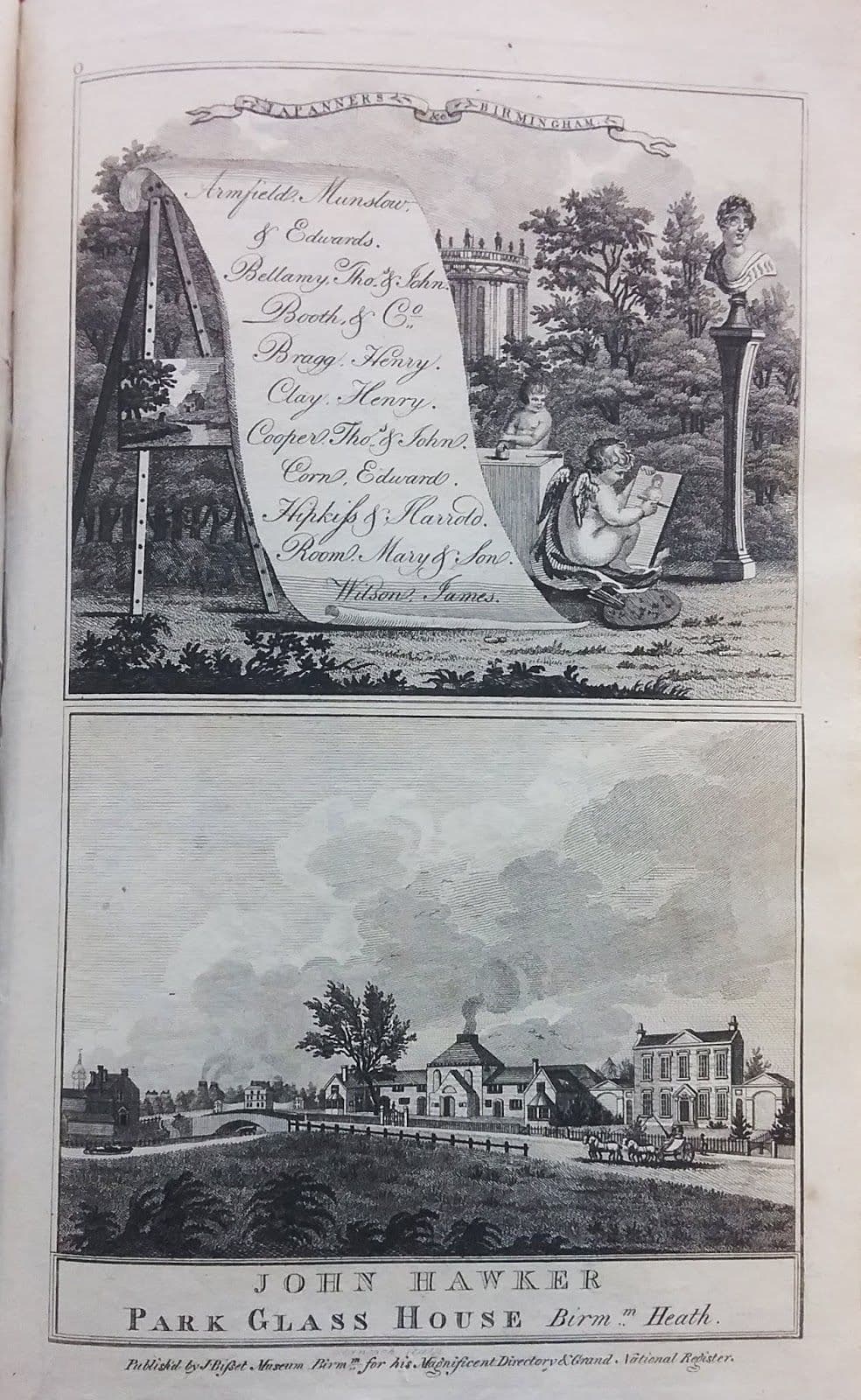
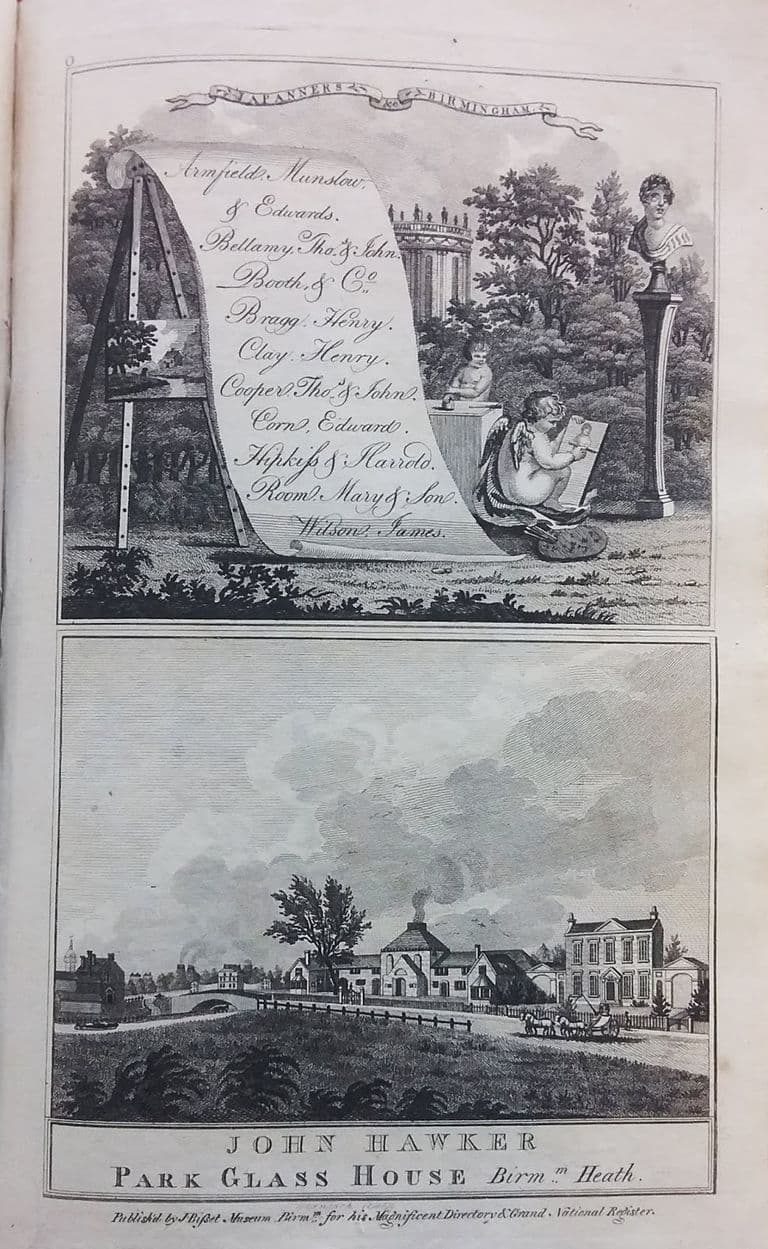
- A Poetic Survey round Birmingham, with a Magnificent Directory — James Bisset, Swinney & Hawkins for the author, Birmingham, 1800. plate O, ‘Japanners’
- Tray, papier mâché, Henry Clay (SF1999.50.10) — Metropolitan Museum of Art, Metropolitan Museum of Art, New York, via Wikimedia Commons. tray stamped CLAY KING ST COVT GARDEN
- High Sheriff of Warwickshire — Wikipedia. lead only: 1790
- Clay of Warwickshire — Clay of England Society. lead only: directory addresses

Comments
Comments will load here.