
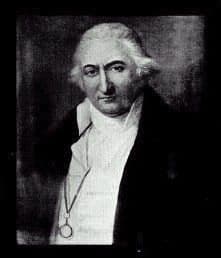
Picture a Quaker meeting in Birmingham in January 1796. Quakers are a people of peace. They refuse to fight. And before them comes a defence from a wealthy member of their own Society, a man who makes guns.
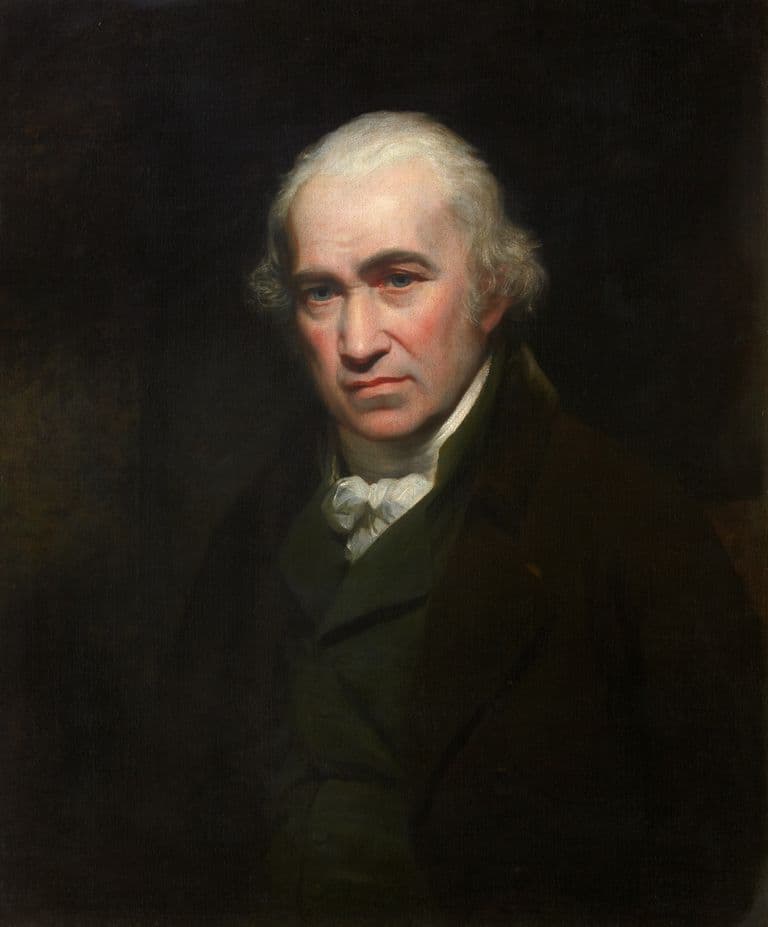
Samuel Galton junior was a scientist, a friend of Priestley, a Fellow of the Royal Society and, in the words of the historians of Revolutionary Players, “the most successful businessman” of the Lunar Society. His story is also the story of where Birmingham’s money came from, and what it cost.
Born into the gun trade
The family business went back to Joseph Farmer, an ironworker with a shop at the corner of Bull Street in 1702 who turned to gunmaking. In 1735 Farmer moved to a house in Steelhouse Lane. Samuel Galton senior married into the family in 1746, and the firm traded as Farmer & Galton.
Samuel junior was born at Duddeston in 1753 and educated at the Dissenters’ academy at Warrington. In 1773 his father put him in charge of the Steelhouse Lane gun works. A year later, in 1774, he was an equal partner. The firm made guns under government contract, and in the French wars of 1793–1815 it armed British troops.
Guns for the African trade
It also armed the slave trade.
Priestley wrote warmly of the family: “Seldom, if ever, have I known two persons of such cultivated minds … as he and Mrs. Galton.”
The Library of Birmingham’s archivists state plainly that Farmer & Galton “made and supplied guns to European slave traders, and was also involved more directly in slave trading”. The firm’s own papers survive. In 1743 James Farmer wrote to his brother asking for “an abstract for a cargo for the Windward or Gold Coast for a vesel that caries about 250 slaves … observe to add a few more guns”.

Guns were packed with cloth and metal goods into cargoes that were exchanged on the West African coast for enslaved people. A study of the firm by W. A. Richards concluded that its origins, growth and sales were “rooted in the slave trade”. It was probably the largest Birmingham gun firm in the African trade in the eighteenth century.
No evidence has been found that the Galtons owned enslaved people themselves. Their main part was to supply the goods, though the firm also had a share in at least one slaving voyage: HSBC’s historians record it as a part-owner of the Bristol ship Africa on its voyage of 1774–75. In Birmingham’s Gun Quarter, all of this was part of the business.
A gentleman of science
From the 1780s Galton was at the Lunar Society’s table with Boulton, Watt, Priestley, Withering and Darwin. He experimented on optics, light and colour, and the Royal Society still holds his paper “Experiments on the prismatic colours”. He was elected a Fellow on 8 December 1785.
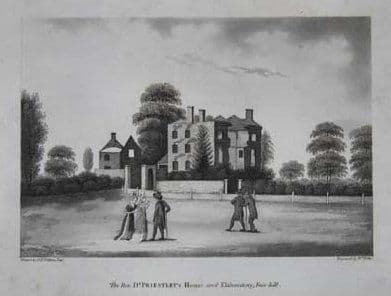
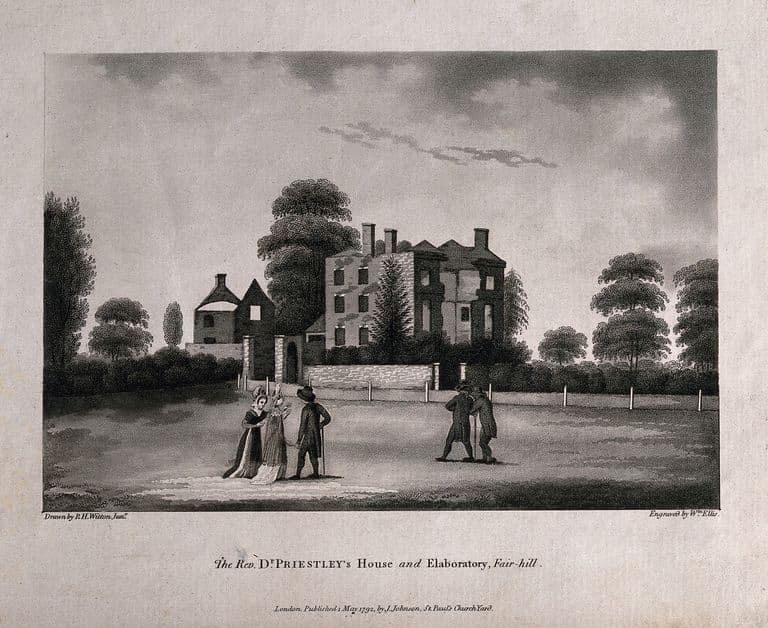
Like his father, he helped pay for Priestley’s experiments. Priestley wrote warmly of the family: “Seldom, if ever, have I known two persons of such cultivated minds … as he and Mrs. Galton.” When the mob burned Priestley out of Fair Hill in 1791, Galton gave personal help to Priestley and his family.
The Lunar Society at Great Barr
Here the story comes very close to home.
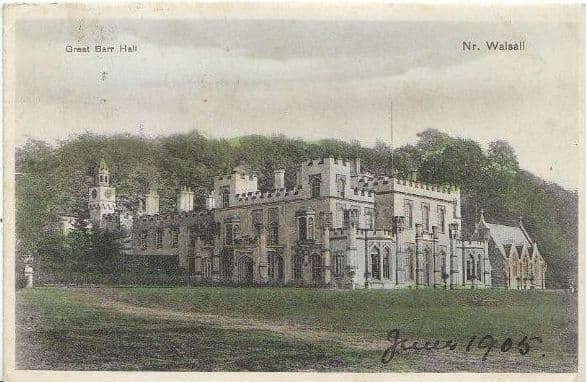
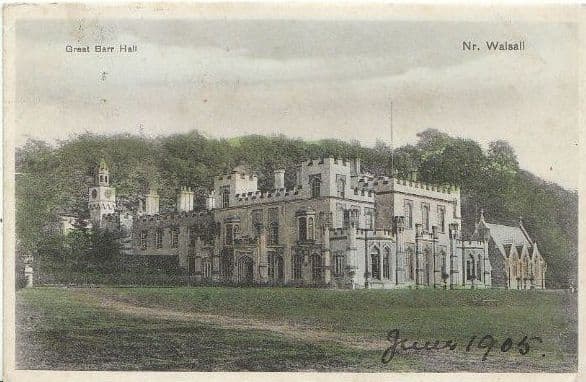
In 1785 Galton moved his family out to Great Barr Hall. Its owner, Joseph Scott, had overspent on rebuilding it in the fashionable Gothick style and gone abroad, so the Galtons took a lease. They spent summers there and winters in Birmingham.
According to Historic England, the Lunar Society “met occasionally at Great Barr between 1785 and 1796”. Galton’s daughter, Mary Anne, later Mrs Schimmelpenninck, remembered those gatherings in an account of her childhood.
Great Barr Hall stands just north of Kingstanding, across the city boundary in Walsall. For a decade, the men who were changing the world sometimes dined just over the boundary from where Kingstanding’s streets run today. The lease ended in 1797. The hall survives, though now a roofless ruin on private land.
“Instruments of War”
Quaker unease was growing. In 1790 the Yearly Meeting told Friends to deal with any member “concerned in fabricating or selling Instruments of War”. Disapproval of the Galtons sharpened from 1792, partly because of the slave trade. In March 1795 Warwickshire North Monthly Meeting sent three Friends to visit both father and son. By July, Samuel senior had “relinquished the business”.
Samuel junior would not. On 13 January 1796 he addressed the Meeting in his own defence, and he had the defence printed and circulated, so it became a public argument rather than a private plea. His family had made guns for more than seventy years without complaint, he said, and his money could not be moved at once. Then he turned the argument on his accusers: “those who use the produce of the labor of Slaves, as Tobacco, Rum, Sugar, Rice, Indigo, and Cotton, are more intimately, and directly the Promoters of the Slave Trade, than the Vender of Arms is the Promoter of War”.
His wider argument was that nobody could draw a clean line. A gun passed through many skilled hands before it was finished, and the iron, brass, wood and money behind it came from many more. Was the farmer who grew barley, he asked, or the brewer, the importer of rum or the distiller, to blame for the drunkenness that followed? Almost everyone in the Midlands economy, Quakers included, was supplying the wars in some way. “The practice of your principles,” he told his judges, “is not compatible with the situation in which Providence has placed us.”
It was self-serving. It was also a real point: the whole British economy ran on slave-grown goods and on war. The historian Priya Satia notes the ironies in the room. One of the Friends sent to visit him was the banker Sampson Lloyd III, whose family had long supplied iron for Galton guns. Another, Joseph Gibbins, would soon go into business with him. The Meeting was not persuaded. In February it refused his contributions while he stayed in the trade. In August 1796 it disowned him, declaring him “not in unity with friends”.
Guns to banking
Galton did not walk away from his faith. He kept attending meetings for worship and kept giving money to the Quaker school at Ackworth. The Meeting later accepted his donation to enlarge its burial ground.
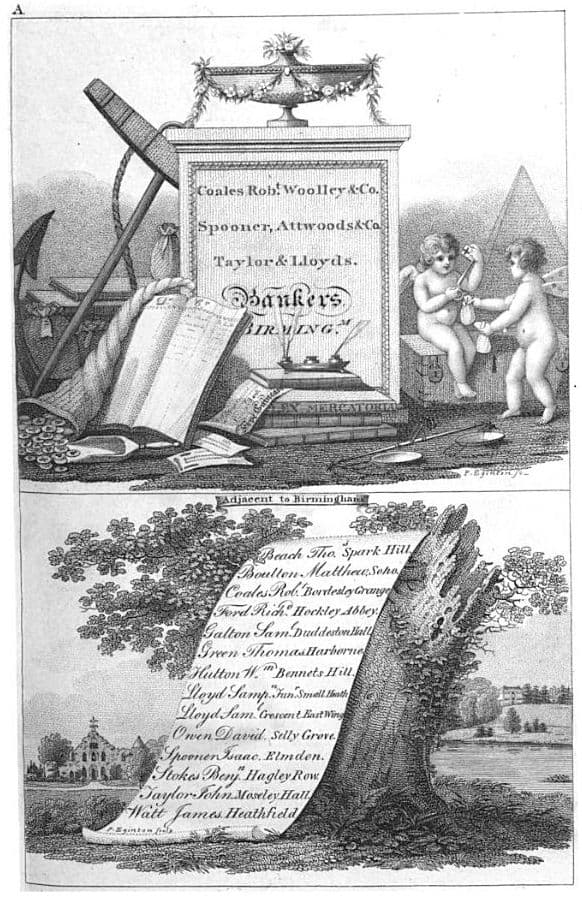
Nor did the family walk away from guns. The disownment came just as the wars with France sent orders soaring, and the firm’s profits rose sharply. In 1804 Galton retired from the gun trade and handed it to his son Samuel Tertius, though his own money stayed in the business. The same year father and son founded a bank with Joseph Gibbins, one of the Friends who had been sent to reclaim him.
For the next eleven years Samuel Tertius was both a banker and a government gun contractor. The gun business was finally wound up in 1815. It was not a change of heart: Waterloo ended the wars, and the government’s orders stopped. The bank, renamed Galton and James in 1812, was dissolved in 1831.
Meanwhile his daughter Mary Anne backed the 1791 boycott of slave-grown sugar, and later sat on the committee of Birmingham’s pioneering women’s anti-slavery society of 1825.
The family web
The Lunar friendships ran into the family. Galton’s son Samuel Tertius married Violetta, daughter of Erasmus Darwin. Their son Francis Galton was born in 1822 at The Larches, Sparkbrook, the house rebuilt on the ruins of Priestley’s Fair Hill, where William Withering had died. Francis became a celebrated scientist, whose later work on eugenics casts a long and troubling shadow and needs telling honestly in its own right.
Samuel Galton died at Duddeston on 19 June 1832, leaving about £300,000. He was buried in the Friends’ burial ground at Bull Street.
Why it mattered
Galton is an uncomfortable hero, and that is why he matters. He was a genuine scientist and a generous friend to Priestley. His fortune came from a trade that put guns into slaving ships, and he defended it to his own congregation.
His Quaker meeting looked at the gun trade and drew a line, and Birmingham should remember that too. So should we remember his daughter, who stood on the other side of the slavery question.
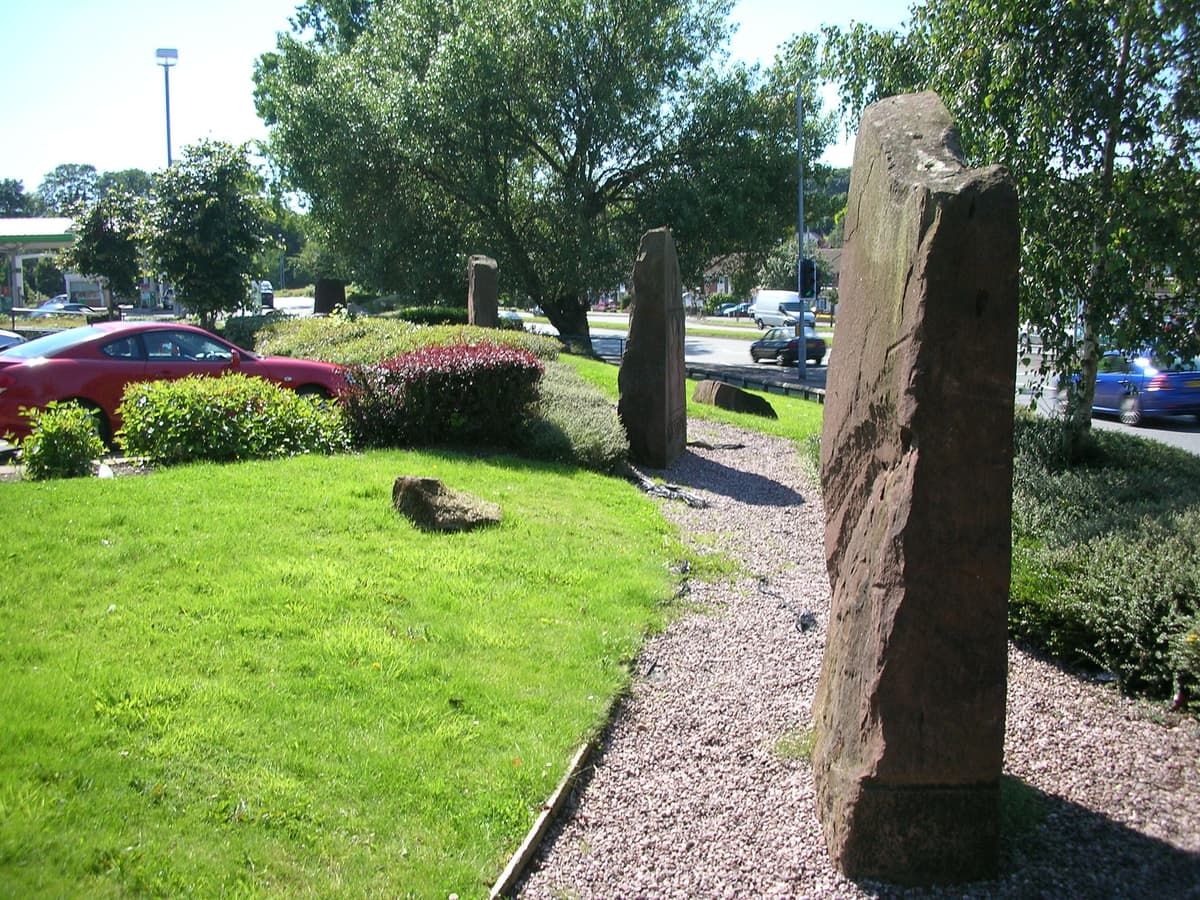
For Kingstanding, Galton is the neighbour. The Lunar Society came to his rented hall at Great Barr, just over the boundary, and his Moonstone stands at Queslett with the rest.
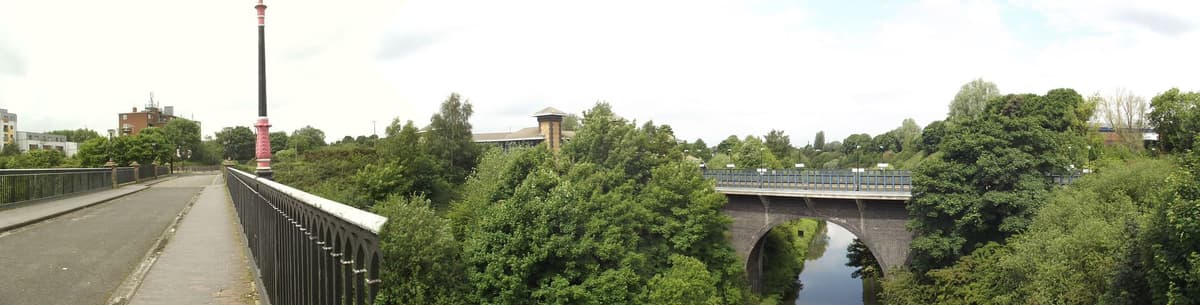
His name is also cast into iron over the canal at Smethwick. Thomas Telford’s Galton Bridge of 1829, Grade I listed, honours him as a major shareholder in the canal company. A disowned Quaker gunmaker, spanning the cutting his money helped to dig: Birmingham’s industrial revolution, in all its brilliance and all its complications, in a single name.
On the map
4 places connected with Samuel Galton junior. Tap a number for directions — some sites are private homes or gardens, so each place’s page says what you can see from the street.

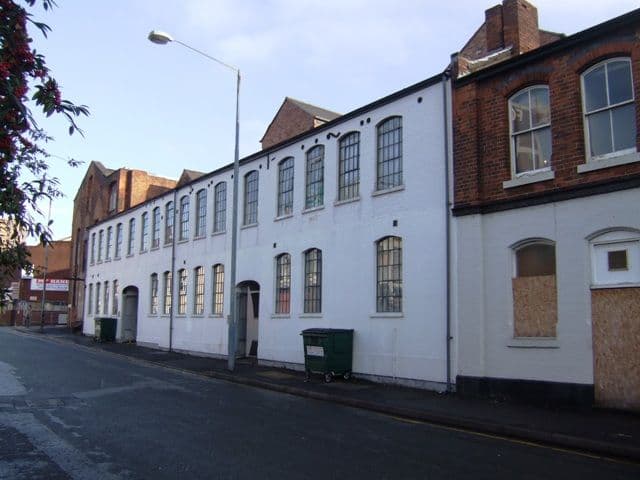
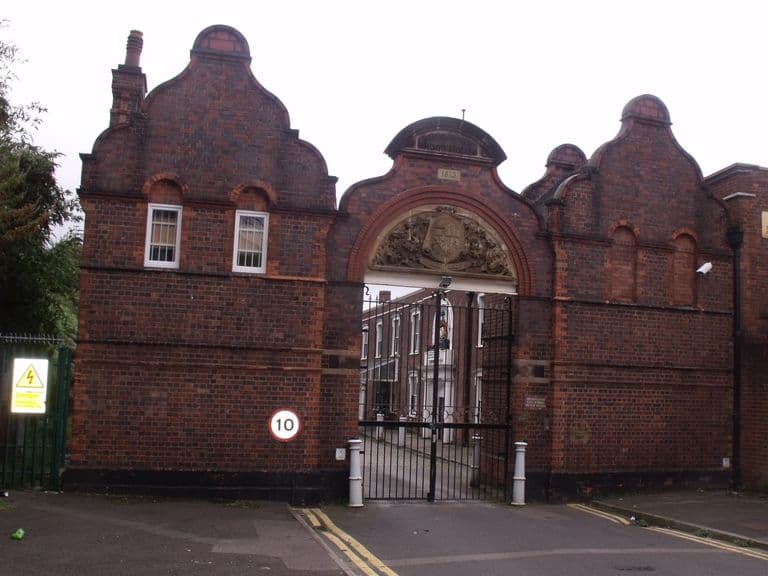
- The Gun Quarter — Partly surviving, Site redeveloped
- Fair Hill — Lost, Site redeveloped
- Great Barr Hall — Partly surviving, At risk · Directions to Great Barr Hall (opens Google Maps)
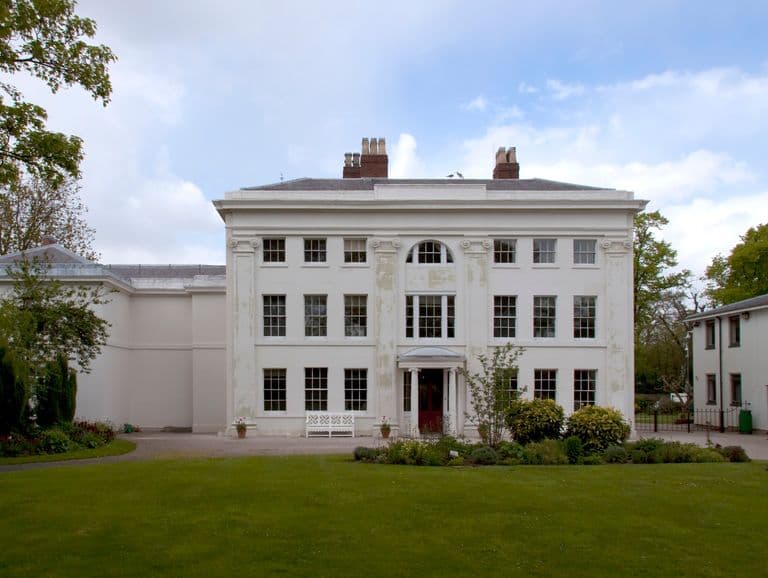
- Soho House — Surviving · Directions to Soho House (opens Google Maps)
Key dates
- c. 1777 — Great Barr Hall remodelled in Gothick styleJoseph Scott began remodelling the old house at Great Barr in Gothick style. From 1785 it was let to Samuel Galton junior, and the Lunar Society met there.
- 1785–1796 — The Lunar Society begins meeting at Great Barr HallSamuel Galton junior leases Great Barr Hall, just north of Kingstanding. According to Historic England, the Lunar Society “met occasionally at Great Barr between 1785 and 1796”.
- 28 June 1790 — Equiano thanks his Birmingham supportersOlaudah Equiano, the formerly enslaved writer and campaigner, publishes a letter in Aris’s Birmingham Gazette thanking Birmingham subscribers to his Narrative, including Galton, William Russell, Priestley and Boulton.
- 1791 — Birmingham joins the sugar boycottAfter the Commons votes down abolition in April 1791, Birmingham families join the boycott of slave-grown sugar. Mary Anne Galton, Samuel Galton’s daughter, supports it, and one Birmingham grocer reportedly sees his sugar sales halve in four months.
- August 1796 — Samuel Galton is disowned by the QuakersAfter he defends his family’s gun trade, Warwickshire North Monthly Meeting disowns Samuel Galton junior. His firm had supplied guns to the African slave trade.
- 1804 — The Galtons leave the gun trade for bankingSamuel Galton junior and his son Samuel Tertius give up gunmaking and turn the Steelhouse Lane premises into the Galton bank.
- 8 April 1825 — Birmingham women found an anti-slavery societyLucy Townsend and Mary Lloyd found the Female Society for the Relief of British Negro Slaves, usually called the first women’s anti-slavery society. Daughters of Lunar Society members, including Amelia Moilliet and Mary Anne Schimmelpenninck, sit on its committee.
- c. 1871 — The Larches (rebuilt Fair Hill) demolishedThe Larches, rebuilt on Priestley’s Fair Hill estate and later home of William Withering and the Galtons, was demolished and the estate built over.
- 1998 — The Lunar Society Moonstones are madeSteve Field designs carved sandstone memorials to the Lunar men, including Priestley, Withering, Galton, Darwin and Wedgwood. They stand at Queslett, on the edge of Kingstanding.
Sources and further reading
Readmission to the Quakers: the Library of Birmingham’s archivist writes that he “was admitted back into the Society of Friends”; Revolutionary Players says only that leaving the gun trade helped to restore relations and that the Meeting later accepted his donation. We use the cautious form until the minute books are checked.
Date of disownment: the minute quoted by the Library of Birmingham is dated 19 August 1796; Revolutionary Players gives 10 August 1796. We say “August 1796”. A minute dated “9 March 1797” in the same blog is probably a slip for 1796.
Date of his defence: the address is dated 13 January 1796; Revolutionary Players dates the printed version 1795.
Leaving the gun trade: Revolutionary Players says he retired in 1795; the Library of Birmingham and Pearson say he continued with his son until 1804. 1795 is when Samuel Galton senior gave up. Wikipedia (lead only) says the business ended in 1815 under Samuel Tertius.
Lunar meetings: the Historic England register text says the Society “met occasionally” at Great Barr in 1785–96. Claims that it met “frequently” at his Steelhouse Lane house rest on a forum post and are not used.
Burial: the Bull Street burial ground was excavated c.2001–02 and its burials re-interred at Lodge Hill Cemetery, Selly Oak. Whether Galton’s own remains were identified is not known.
Gun numbers: estimates such as 12,000 guns a year (1752) are single secondary figures and are not used here.
Not used for lack of evidence: the exact plot of the Steelhouse Lane works and house; the date Duddeston House was demolished; the title and date of his natural history books for children; the identity of the “Mr Galton” mentioned in a 1790 letter about Trinidad sugar works.
- Samuel Galton (1753–1832) — Science in the Making — The Royal Society. Ref. L&P/7/262. dates; FRS; prismatic colours paper
- A Portrait of Samuel Galton jnr — Revolutionary Players (Malcolm Dick and Kate Iles), History West Midlands. Warrington; manager 1773; partner 1774; Lunar; help after riots
- The Galton Family — Jenny Uglow, History West Midlands. government contracts; French wars
- The Life, Letters and Labours of Francis Galton, vol. 1 — Karl Pearson, Cambridge University Press, 1914. ch. 2: family, homes, Great Barr, The Larches
- Great Barr Hall — Register of Parks and Gardens entry 1001202 — Historic England. “met occasionally at Great Barr between 1785 and 1796”
- Great Barr Hall and Chapel — National Heritage List for England entry 1076395 — Historic England. Great Barr Hall today
- “An Unchristian Traffick” — Library of Birmingham (The Iron Room blog), Library of Birmingham Archives & Collections, 2015. Ref. MS 3101. guns to slave traders
- Slavery and Abolition: A Guide to Resources — Andy Green, Birmingham Archives & Heritage, 2008. Ref. MS 3101/C/C/2/1/5. 1743 Farmer letter; Galton’s defence (MS 3101)
- The Birmingham gun manufactory of Farmer and Galton and the slave trade in the eighteenth century — W. A. Richards, University of Birmingham (MA thesis), 1972
- Faith and disunity: Samuel Galton and the Quakers — Library of Birmingham (The Iron Room blog), Library of Birmingham Archives & Collections, 2015. Ref. MS 3101/B/16/2. 1790–96 minutes; disownment
- Commerce, Slavery and Anti-slavery; The Lunar Society and the Anti-slavery Debate — Revolutionary Players, History West Midlands. Quaker case; Mary Anne Galton and sugar boycott
- Abolition of the Slave Trade and Slavery — Revolutionary Players, History West Midlands. 1825 Female Society committee
- Empire of Guns: The Violent Making of the Industrial Revolution — Priya Satia, Penguin, 2018
- Memoirs of Dr. Joseph Priestley, to the year 1795, written by himself — Joseph Priestley, London, 1806. the Galtons as subscribers and friends
- Friends Meeting House, Bull Street — Architectural History Practice for Britain Yearly Meeting, Britain Yearly Meeting. burials moved to Lodge Hill
- Galton Bridge, Smethwick — National Heritage List for England entry 1214833 — Historic England. Galton Bridge
- The Galtons of Birmingham: a Quaker gunmaker (public talk) — Priya Satia. printed defence; barley and brewer argument; “Providence” quotation; Samson Lloyd and Joseph Gibbins; profits; Samuel Tertius ran the gun business until 1815
- Research findings: Galton and James — HSBC History, HSBC Holdings. bank founded 1804 with Joseph Gibbins; Galton and James 1812; dissolved 1831; part-owner of the ship Africa, 1774–75
Comments
Comments will load here.