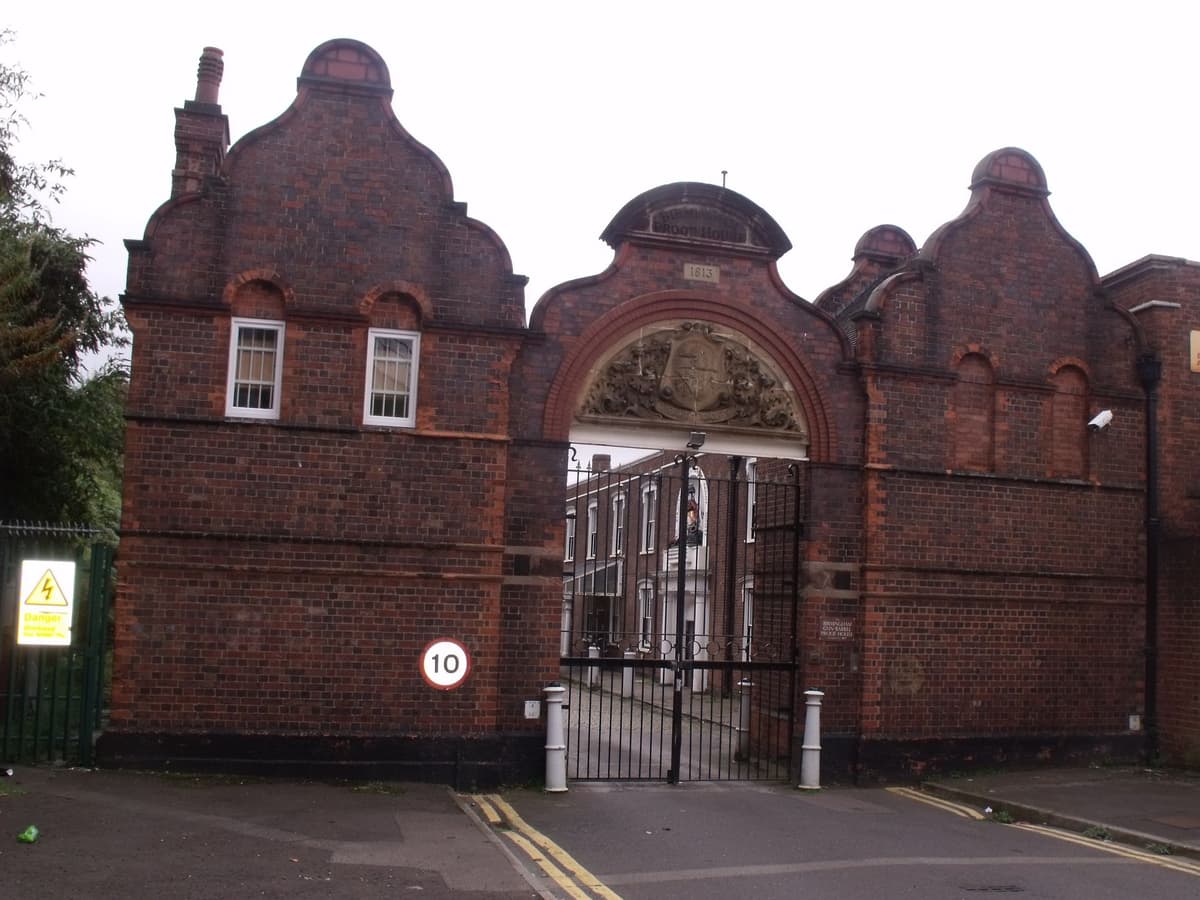
Born of a quarrel
Proof means firing a barrel with an overcharge to show it will not burst. In eighteenth-century Birmingham it was voluntary. Good makers proved their barrels, and some, like Thomas Ketland and Samuel Galton, proved other makers’ too. The cheap export trade did not. In 1766 Lord Shelburne heard that more than half the guns sent from Birmingham to Africa would burst “in the first hand that fires them”, and suggested a proof master paid for by the makers themselves.
What finally moved the trade was a threat from London. In 1813 a bill was proposed to make every gunmaker mark his weapons with his own name. Birmingham’s makers saw it as a plot by their London rivals. They united to oppose it and asked for a proof house of their own.
The Act of 1813
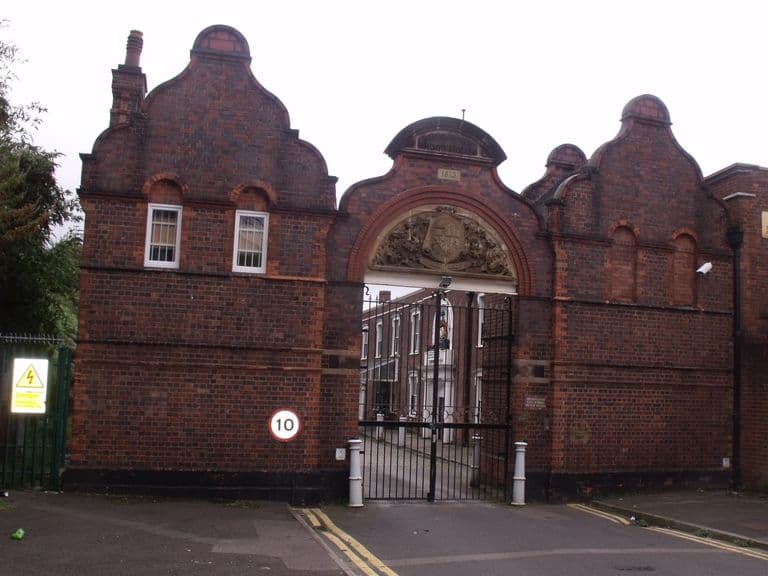
The Act of 1813 provided for guardians, trustees and wardens to set up and supervise a proof house under a proof master, and made proof compulsory. The first proof master was John Bondman. The proof house in Banbury Street was built in 1813–14.
The early years were bitter. Some makers claimed the house was being run by their rivals to injure them, and there were attempts to put it under people outside the trade. These failed, but the rules were tightened over time, especially by the Acts of 1855 and 1868, until the system was accepted. The board is still made up, Historic England notes, of master gunmakers, magistrates and councillors.
Still at work
The guardians’ museum began with a collection of arms and armour bought in 1873. Its pattern rooms and library now hold more than 1,000 original cartridge drawings. The Birmingham Proof House still tests firearms and ammunition to international standards.
On the map
2 places connected with The Guardians of the Birmingham Gun Barrel Proof House. Tap a number for directions — some sites are private homes or gardens, so each place’s page says what you can see from the street.

- Birmingham Gun Barrel Proof House — Surviving, Surviving but altered · Directions to Birmingham Gun Barrel Proof House (opens Google Maps)
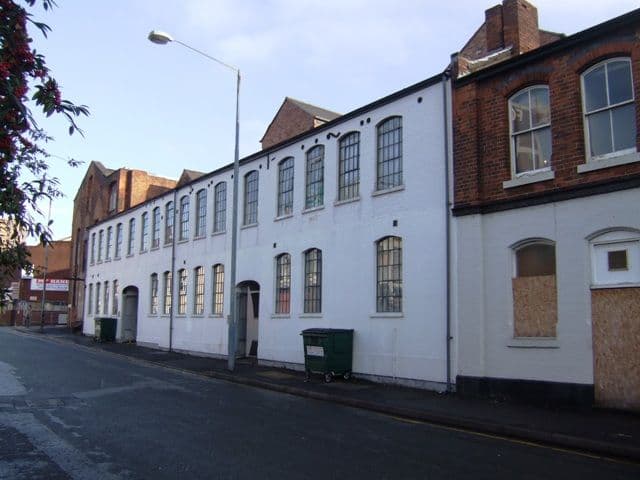
- The Gun Quarter — Partly surviving, Site redeveloped
Key dates
- 1813 — The Birmingham Proof House is establishedAn Act of Parliament, sought and paid for by the gun trade, makes proof of gun barrels compulsory and sets up guardians and a proof master. The Proof House in Banbury Street is built in 1813–14.
Sources and further reading
- Economic and Social History: Industry and Trade, 1500–1880, in A History of the County of Warwick, vol. 7, pp. 81–139 — W. B. Stephens (ed.), Victoria County History, 1964. ‘Employers’ Organizations and the Proof House’
- Birmingham Gun Barrel Proof House — National Heritage List for England entry 1291262 — Historic England
- The Resources, Products, and Industrial History of Birmingham and the Midland Hardware District — Samuel Timmins (ed.), Robert Hardwicke, London, 1866. J. D. Goodman, ‘Proving of Barrels’
- Life of William, Earl of Shelburne, vol. 1 — Lord Edmond Fitzmaurice, Macmillan, London, 1875. vol. 1, p. 404
- Museum & Pattern Rooms — Birmingham Proof House
- Birmingham Proof House — Birmingham Proof House