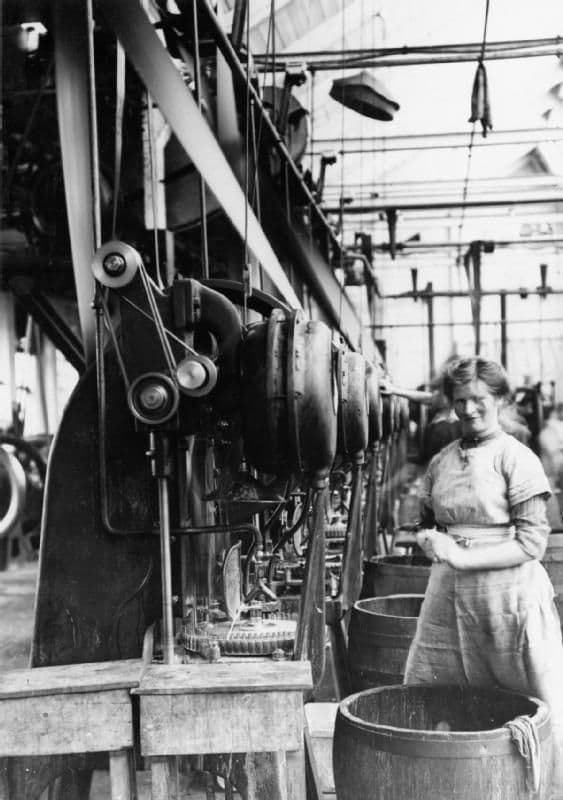
Birmingham made guns long before it made steam engines. Its gunmakers clustered around Steelhouse Lane and the streets near it, which became the Gun Quarter.
Farmer & Galton
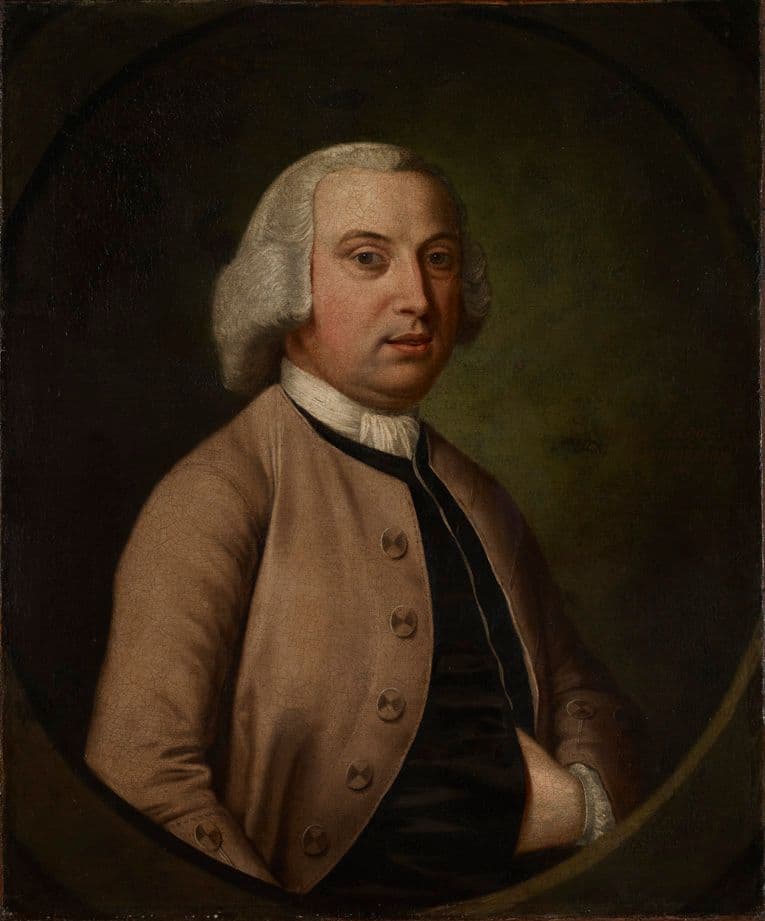
The best-documented firm was Farmer & Galton. It began with Joseph Farmer, an ironworker with a shop at the corner of Bull Street and the Minories in 1702, who turned to gunmaking. In 1735 he moved to a house on Steelhouse Lane. Samuel Galton senior married into the family in 1746, and the firm grew. His son, Samuel Galton junior, became manager in 1773 and an equal partner a year later.
The Galtons sold guns to the British government. During the French wars of 1793–1815 their guns armed British soldiers. They also sold to the East India Company.
Guns for the African trade
A large part of the business was the African trade. Guns went out in ships’ cargoes to West Africa, to be exchanged with cloth and metal goods for enslaved people. In 1743 James Farmer asked his brother for a cargo list “for the Windward or Gold Coast for a vesel that caries about 250 slaves … observe to add a few more guns”. Birmingham became the main English centre for these guns. In the 1750s Farmer & Galton were the main supplier to the Company of Merchants Trading to Africa. The Library of Birmingham’s archivists say the firm was also “involved more directly in slave trading”.
The Quaker reckoning
The Galtons were Quakers, and Quakers were against war. In 1795 their Monthly Meeting sent Friends to visit them. Galton senior gave up the business. Galton junior argued back in January 1796: people who used slave-grown sugar, rum and tobacco were, he said, “more intimately, and directly the Promoters of the Slave Trade, than the Vender of Arms is the Promoter of War”. The Meeting was not persuaded and disowned him in August 1796. He kept making guns until 1804, then turned the Steelhouse Lane premises into a bank.
In 1846 the American campaigner Frederick Douglass spoke against slavery at Ebenezer Chapel on Steelhouse Lane, in the heart of the Gun Quarter. It was the right street to say it in.
On the map
9 places connected with The gun trade. Tap a number for directions — some sites are private homes or gardens, so each place’s page says what you can see from the street.

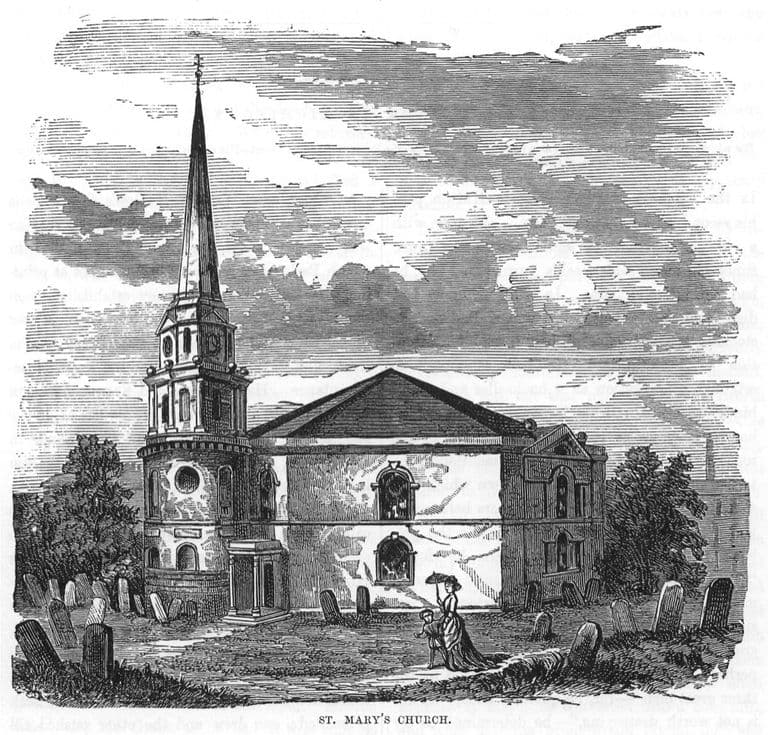
- St Mary’s Church, Whittall Street — Lost, Site redeveloped · Directions to St Mary’s Church, Whittall Street (opens Google Maps)
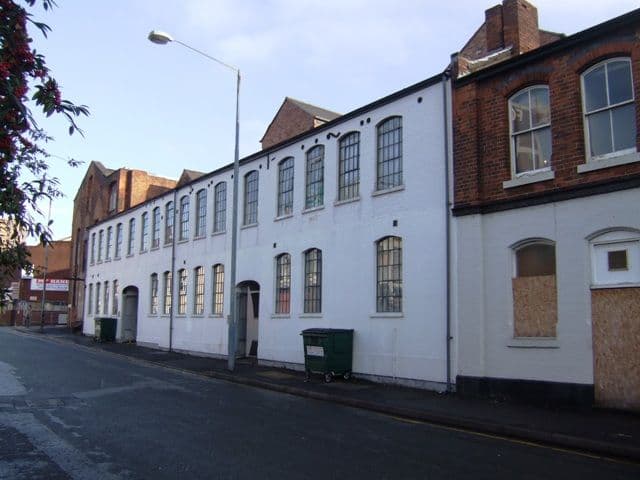
- Westley Richards, Pritchett Street — Surviving, Surviving but altered · Directions to Westley Richards, Pritchett Street (opens Google Maps)
- Westley Richards works, Grange Road, Bournbrook — Lost, Site redeveloped · Directions to Westley Richards works, Grange Road, Bournbrook (opens Google Maps)
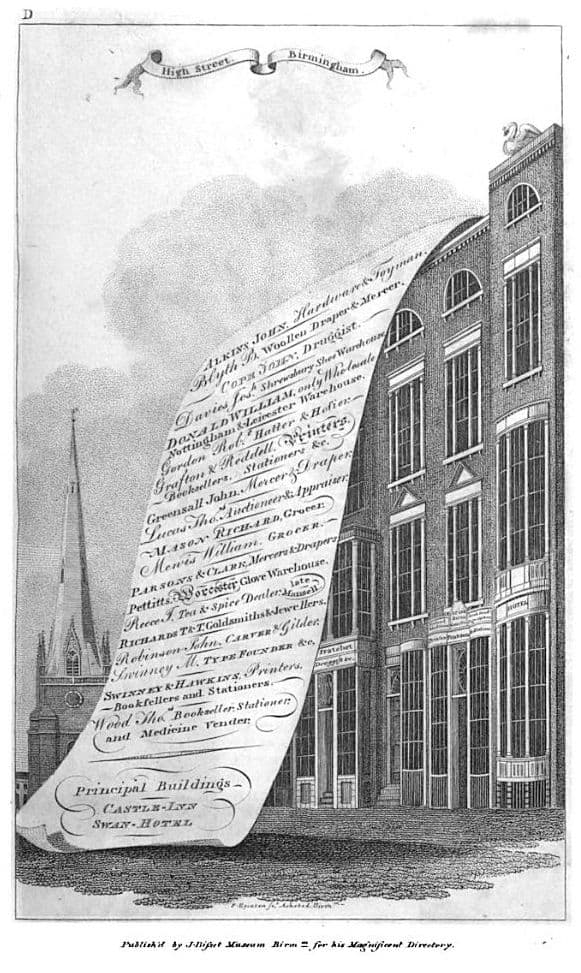
- Westley Richards, 82 High Street — Lost · Directions to Westley Richards, 82 High Street (opens Google Maps)
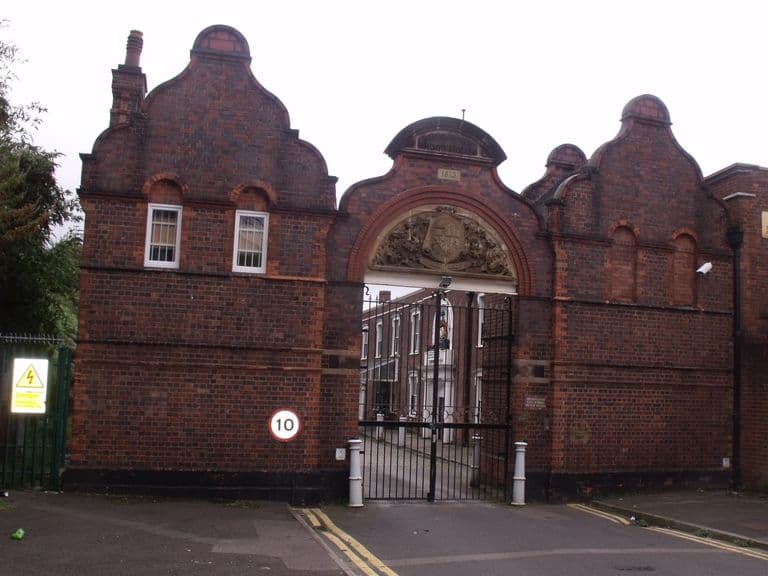
- Birmingham Gun Barrel Proof House — Surviving, Surviving but altered · Directions to Birmingham Gun Barrel Proof House (opens Google Maps)
- The Gun Quarter — Partly surviving, Site redeveloped
- Kynoch’s Lion Works, Witton — Lost, Site redeveloped
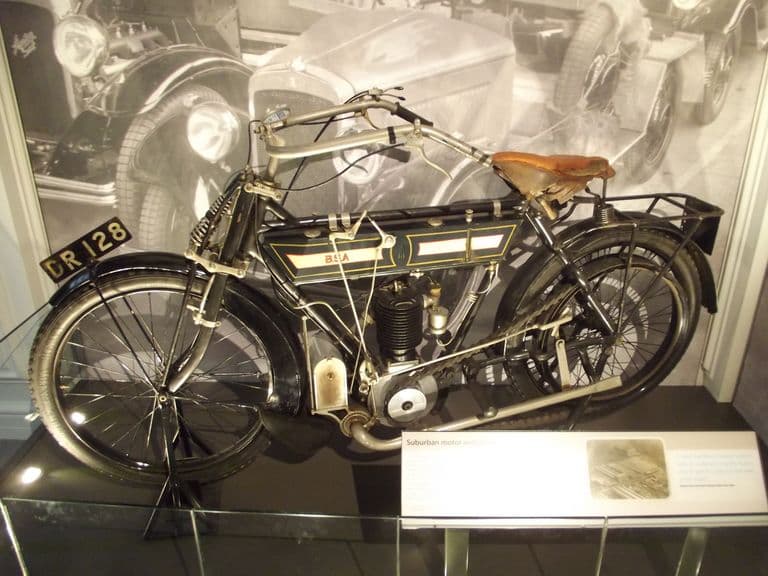
- BSA works, Armoury Road, Small Heath — Lost, Site redeveloped
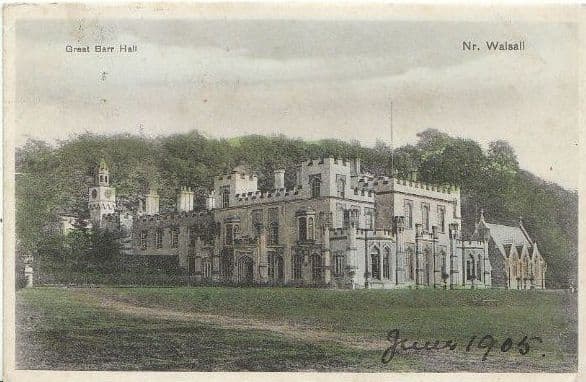
- Great Barr Hall — Partly surviving, At risk · Directions to Great Barr Hall (opens Google Maps)
Key dates
- May 1766 — Lady Shelburne watches John Taylor enamel a boxLord and Lady Shelburne tour Birmingham’s works. Taylor enamels a landscape on a box in front of them. Shelburne notes that a button passes through fifty hands, and that half the guns sent to Africa will burst.
- August 1796 — Samuel Galton is disowned by the QuakersAfter he defends his family’s gun trade, Warwickshire North Monthly Meeting disowns Samuel Galton junior. His firm had supplied guns to the African slave trade.
- 1804 — The Galtons leave the gun trade for bankingSamuel Galton junior and his son Samuel Tertius give up gunmaking and turn the Steelhouse Lane premises into the Galton bank.
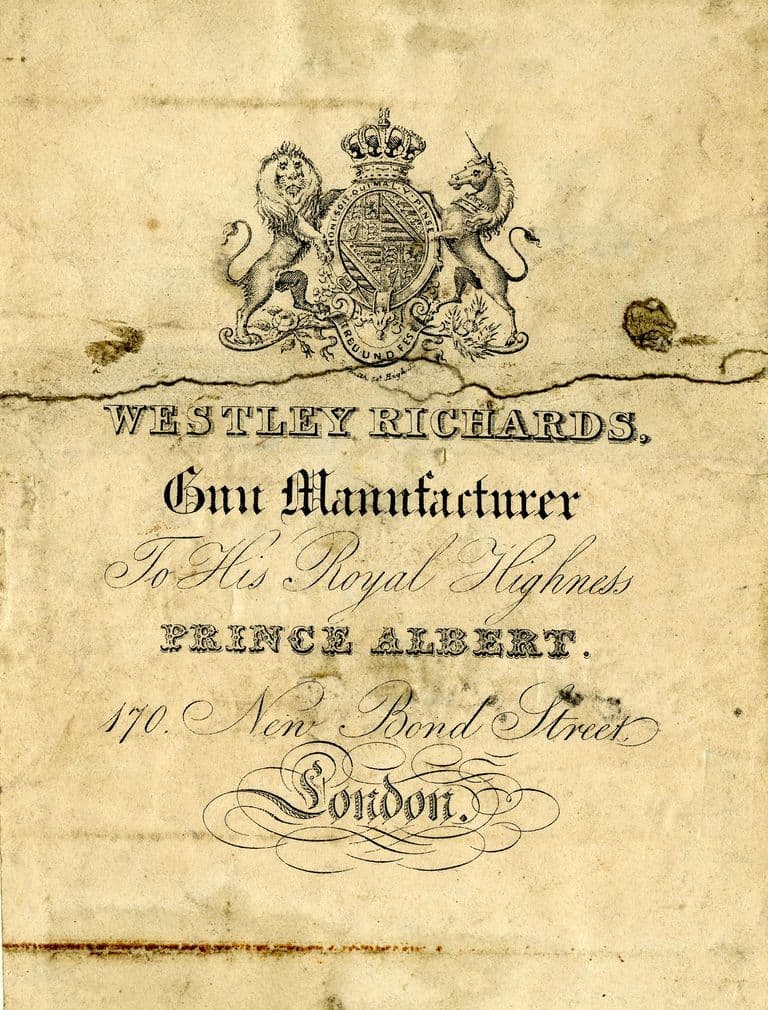
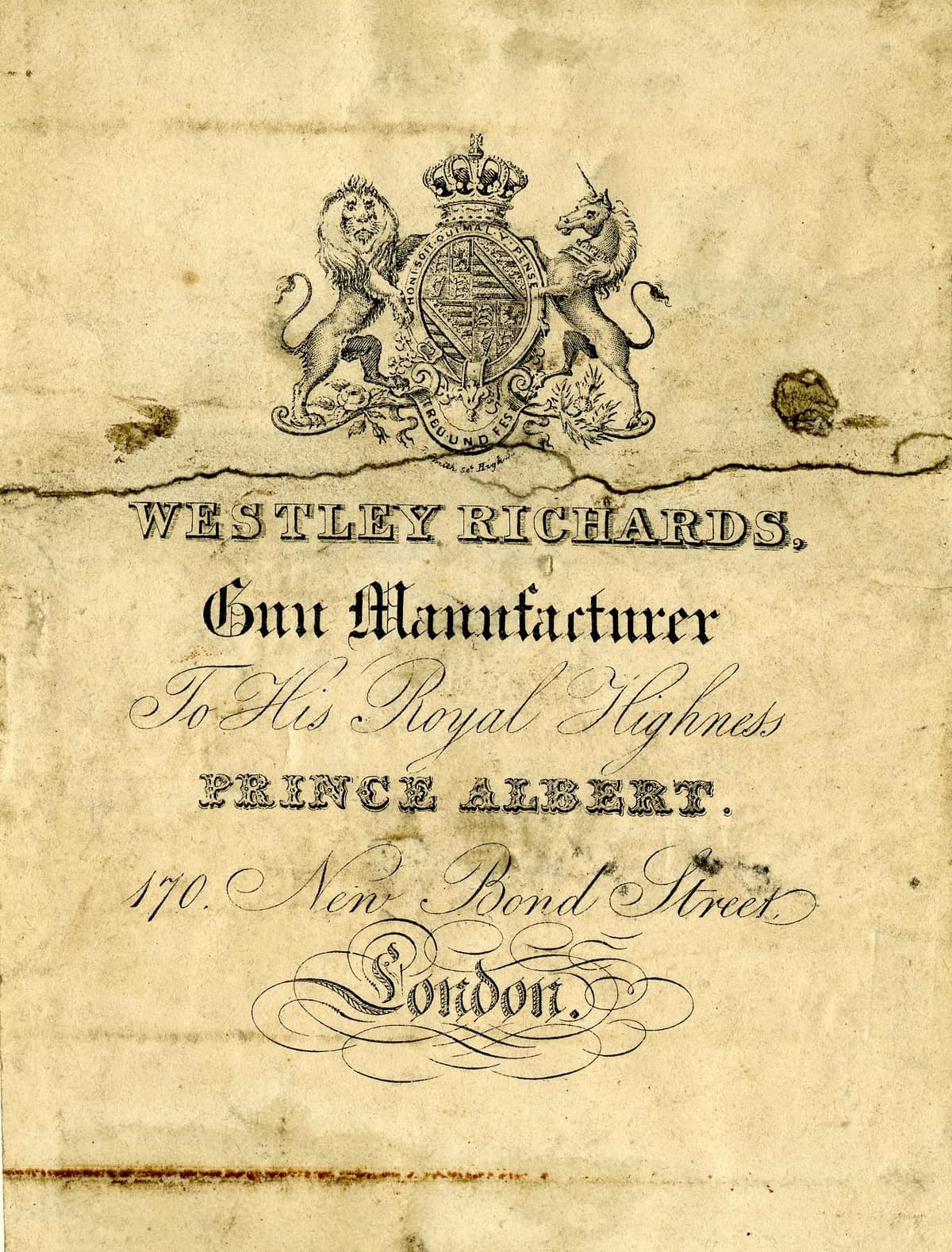
- 1812 — Westley Richards sets up as a gunmakerWilliam Westley Richards, about 22, goes into business at 82 High Street. Selling through a Bond Street agent, his firm becomes one of Birmingham’s best-known sporting gunmakers and is still working in the city today.
- 1813 — The Birmingham Proof House is establishedAn Act of Parliament, sought and paid for by the gun trade, makes proof of gun barrels compulsory and sets up guardians and a proof master. The Proof House in Banbury Street is built in 1813–14.
- 1846 — Frederick Douglass speaks in the Gun QuarterThe American anti-slavery campaigner Frederick Douglass speaks at Ebenezer Chapel on Steelhouse Lane, in the heart of Birmingham’s gun quarter. Joseph Sturge is in the audience.
- 1861 — BSA incorporatedLarger Birmingham gunmakers incorporate the Birmingham Small Arms Company to mass-produce guns by machine, in answer to the government factory at Enfield. Its Small Heath works open in 1863.
- 1861 — Percussion-cap works licensed at WittonAfter the 1859 explosion at Whittall Street, a powder magazine and percussion-cap works is licensed at Witton. George Kynoch becomes proprietor in 1862.
- 1863 — BSA factory opens at Small HeathThe Birmingham Small Arms works opens on a 25-acre site on Golden Hillock Lane (later Armoury Road) to make small arms by machinery.
- November–December 1870 — Explosions at Witton and Ludlow’s cartridge worksAn explosion at Kynoch’s Witton works kills eight; three weeks later one at Ludlow & Co.’s neighbouring cartridge works kills 51. The outcry brings government regulation of cartridge-filling.
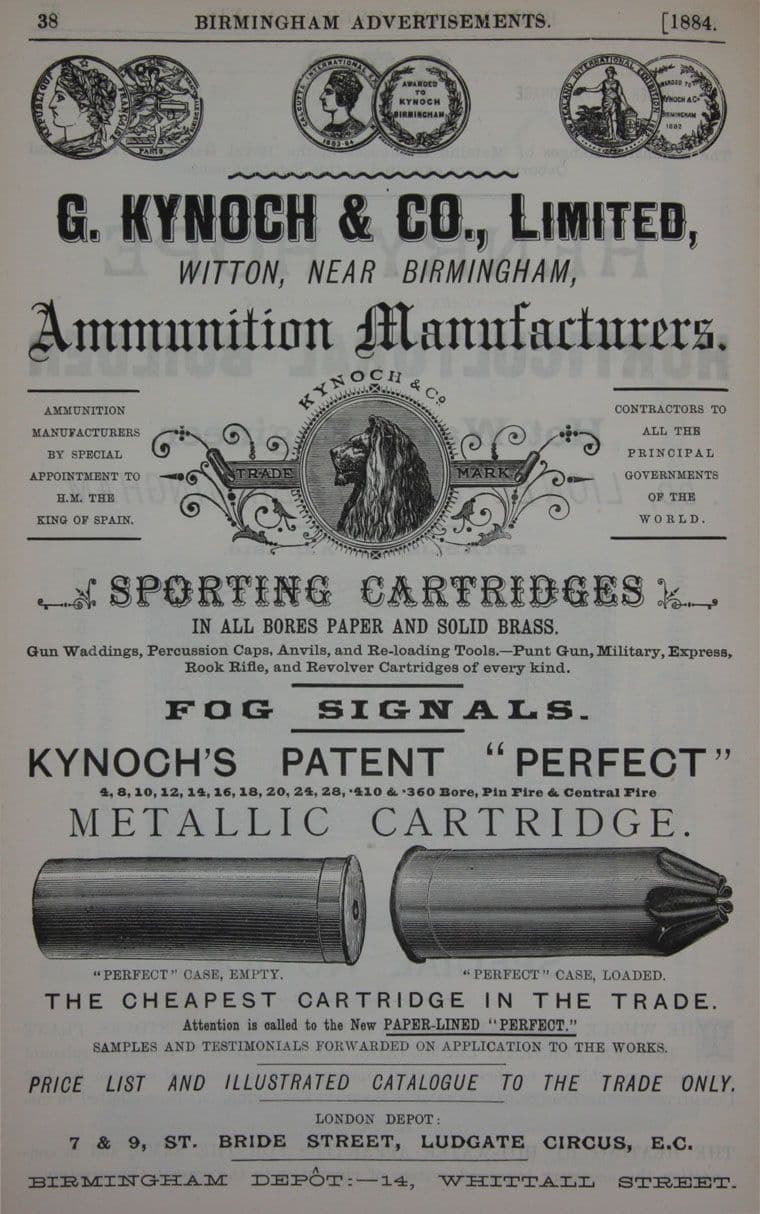
- 6 July 1884 — Kynoch’s becomes a limited companyGeorge Kynoch sells his Witton ammunition business to a new limited company for £260,000 in cash plus shares. Four years later he is forced off the board and Arthur Chamberlain becomes chairman.
- 1894 — Westley Richards moves to BournbrookWestley Richards opens a purpose-built gun factory in Grange Road, Bournbrook, leaving the cramped workshops of the Gun Quarter. It stays for 114 years before returning to Pritchett Street, near the old quarter, in 2008.
- November 1918 — Kynoch joins Nobel IndustriesKynoch Ltd, whose Witton works employed about 18,000 people in the war, joins the explosives merger that becomes Nobel Industries. In 1926 Nobel becomes part of ICI, and Witton becomes ICI Metals in 1929.
- c. 1950s–1960s — The Gun Quarter is cut through by the Inner Ring RoadBuilding the Dental Hospital and the Inner Ring Road demolishes much of the Gun Quarter, leaving, in the council’s words, ‘only a fragment’.
Sources and further reading
- The Life, Letters and Labours of Francis Galton, vol. 1 — Karl Pearson, Cambridge University Press, 1914. ch. 2
- A Portrait of Samuel Galton jnr — Revolutionary Players (Malcolm Dick and Kate Iles), History West Midlands
- The Galton Family — Jenny Uglow, History West Midlands
- “An Unchristian Traffick” — Library of Birmingham (The Iron Room blog), Library of Birmingham Archives & Collections, 2015. Ref. MS 3101
- Faith and disunity: Samuel Galton and the Quakers — Library of Birmingham (The Iron Room blog), Library of Birmingham Archives & Collections, 2015. Ref. MS 3101/B/16/2
- Slavery and Abolition: A Guide to Resources — Andy Green, Birmingham Archives & Heritage, 2008. Ref. MS 3101/C/C/2/1/5. Farmer letter, MS 3101; Douglass
- The Birmingham gun manufactory of Farmer and Galton and the slave trade in the eighteenth century — W. A. Richards, University of Birmingham (MA thesis), 1972
- The Import of Firearms into West Africa 1750–1807: a quantitative analysis — J. E. Inikori, Journal of African History 18, 1977