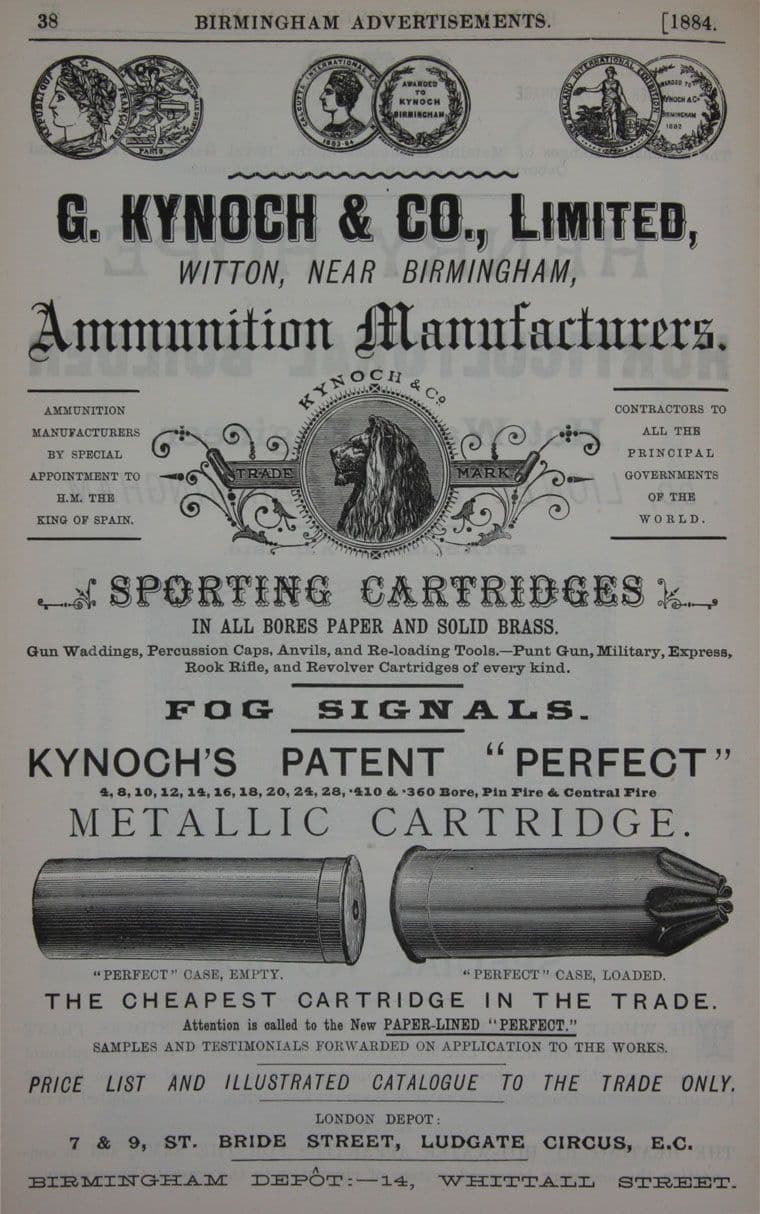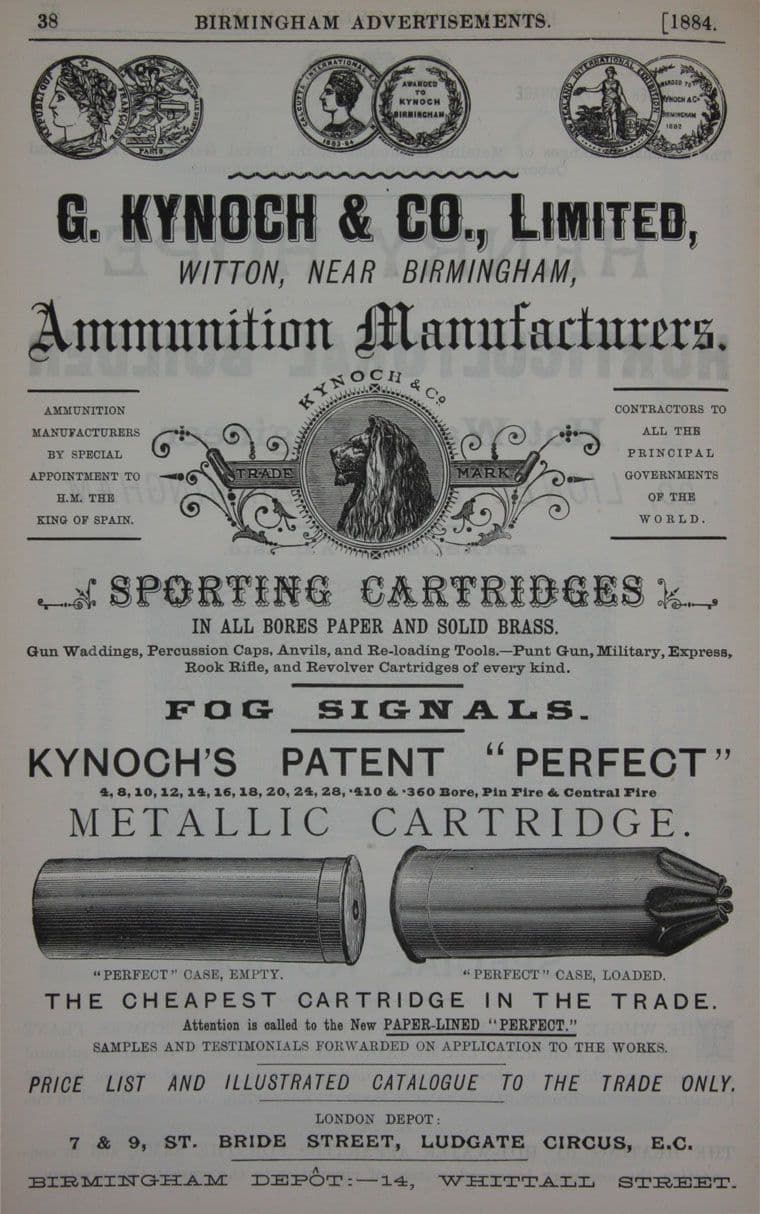
The firm began with a percussion-cap works licensed on a four-acre site at Witton in 1861, after the deadly explosion at Pursall & Phillips’ Whittall Street works in 1859. George Kynoch became proprietor in 1862, and from 1863 the business was G. Kynoch & Co. Its works at Witton became the Lion Works.
Under George Kynoch
Kynoch moved from caps into metallic cartridges and fog signals and rolled his own metal. By 1882 the Lion Works covered 24 acres and employed 800 people. Explosions at Witton and at Ludlow & Co.’s neighbouring works in 1870 helped to bring government regulation of cartridge-filling. On 6 July 1884 the business became a limited company. Kynoch was forced to resign in 1888.
Under the Chamberlains
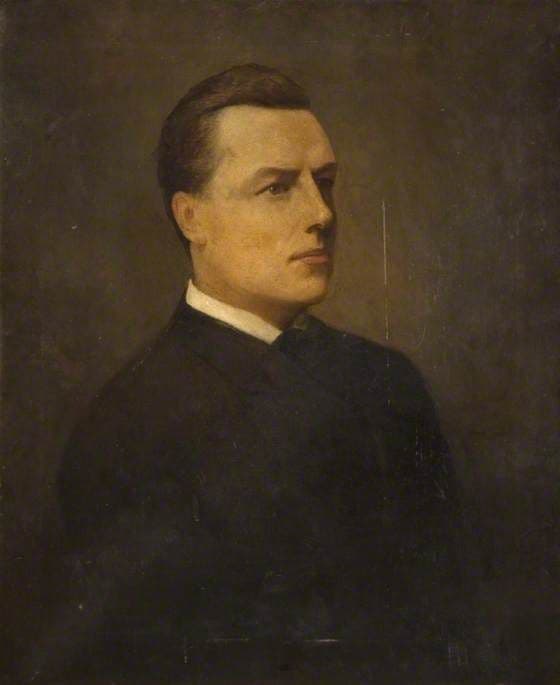
Arthur Chamberlain, brother of Joseph Chamberlain, chaired the firm for 25 years from 1888. It was refloated as Kynoch Ltd in 1897. By 1903 it had ten factories, six of them in Birmingham, as well as cordite works at Arklow in Ireland and Kynochtown in Essex, and 6,000 workers. It made cartridges, shells, steel, soap and candles, and for a time gas engines and cycle parts, and printed its own cartridge wrappings at the Kynoch Press. During the Boer War, on 10 December 1900, David Lloyd George attacked the government in the Commons over cordite contracts given to Kynoch, in which the Colonial Secretary Joseph Chamberlain’s relations held shares worth, he said, £230,000–£250,000.
War and merger
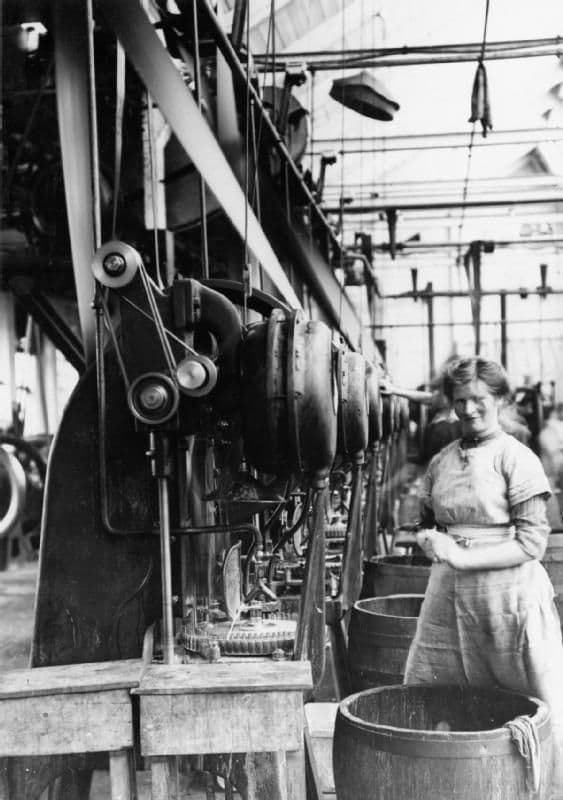
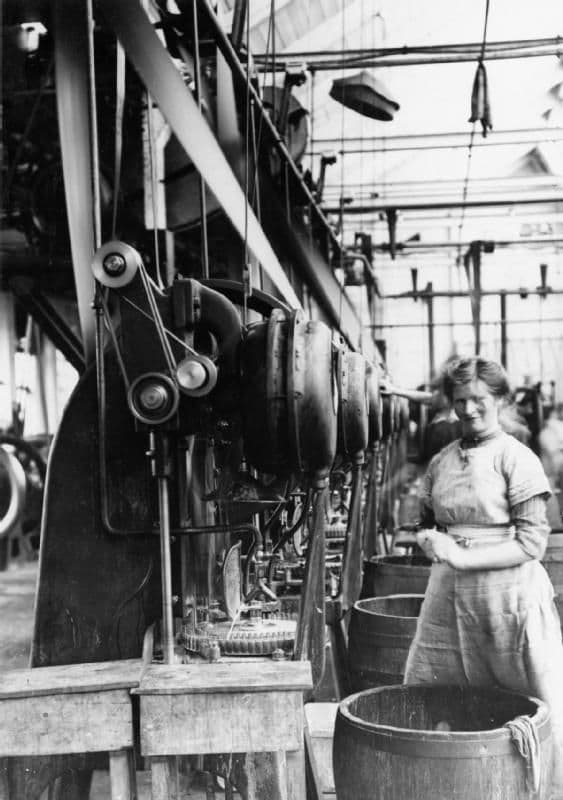
In the First World War about 18,000 people worked at Witton, many of them women. In 1918 Kynoch joined Explosives Trades Ltd, soon renamed Nobel Industries, and in 1926 it passed into Imperial Chemical Industries. It became ICI Metals in 1929, and in 1962 Imperial Metal Industries (IMI), which became independent of ICI in 1977.
Pictures
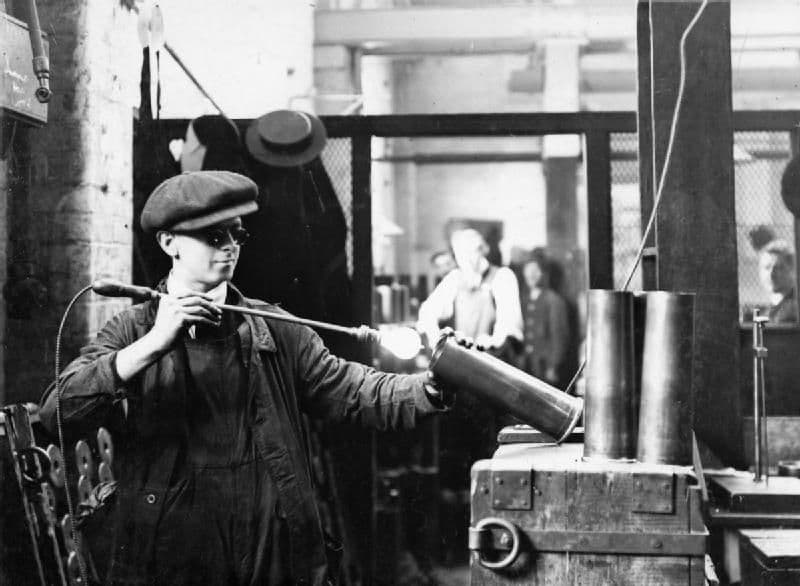
Inspecting shell cases at Kynoch’s, First World War, 1914–18Unknown photographer, 1914–18. Imperial War Museums (Q 54372), via Wikimedia Commons · Public domain 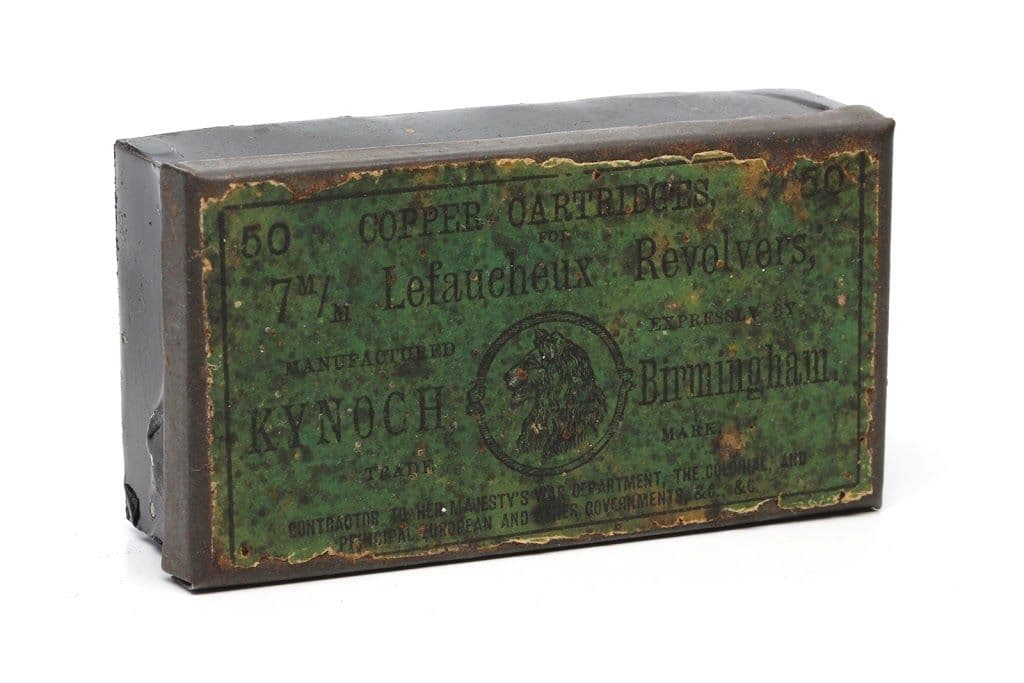
Kynoch & Co. cartridge box, 2018Aaron Newcomer, 2018. Wikimedia Commons · CC BY 4.0
On the map
One place connected with Kynoch (G. Kynoch & Co.; Kynoch Ltd). Tap a number for directions — some sites are private homes or gardens, so each place’s page says what you can see from the street.

- Kynoch’s Lion Works, Witton — Lost, Site redeveloped
Key dates
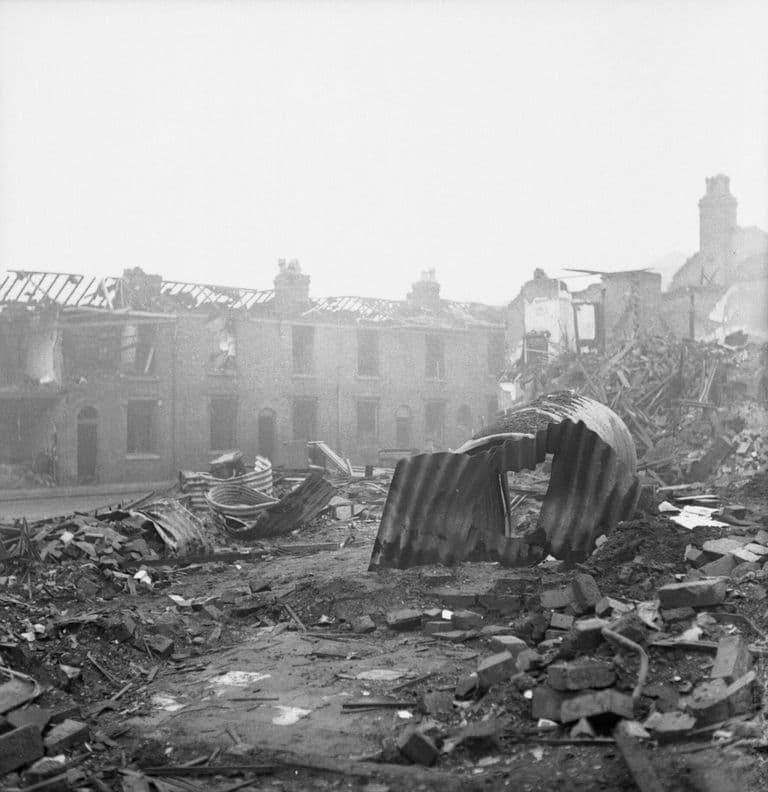
- November–December 1870 — Explosions at Witton and Ludlow’s cartridge worksAn explosion at Kynoch’s Witton works kills eight; three weeks later one at Ludlow & Co.’s neighbouring cartridge works kills 51. The outcry brings government regulation of cartridge-filling.
- 6 July 1884 — Kynoch’s becomes a limited companyGeorge Kynoch sells his Witton ammunition business to a new limited company for £260,000 in cash plus shares. Four years later he is forced off the board and Arthur Chamberlain becomes chairman.
- November 1918 — Kynoch joins Nobel IndustriesKynoch Ltd, whose Witton works employed about 18,000 people in the war, joins the explosives merger that becomes Nobel Industries. In 1926 Nobel becomes part of ICI, and Witton becomes ICI Metals in 1929.
Sources and further reading
- History of Kynoch, part 1 — Staffordshire Home Guard website
- A History of the County of Warwick, vol. 7: The City of Birmingham — Industry and Trade, 1880–1960, pp. 140–208 — W. B. Stephens (ed.), Victoria County History, 1964
- Kynoch — Grace’s Guide to British Industrial History
- Obituary of George Kynoch, MP — Birmingham Daily Post, Birmingham Daily Post, 1891. Ref. Birmingham Daily Post, Monday 2 March 1891
- Ministers of the Crown and Members holding office (interest in contracts), HC Deb 10 December 1900 vol. 88 cc397–485 — Hansard, UK Parliament, 1900