
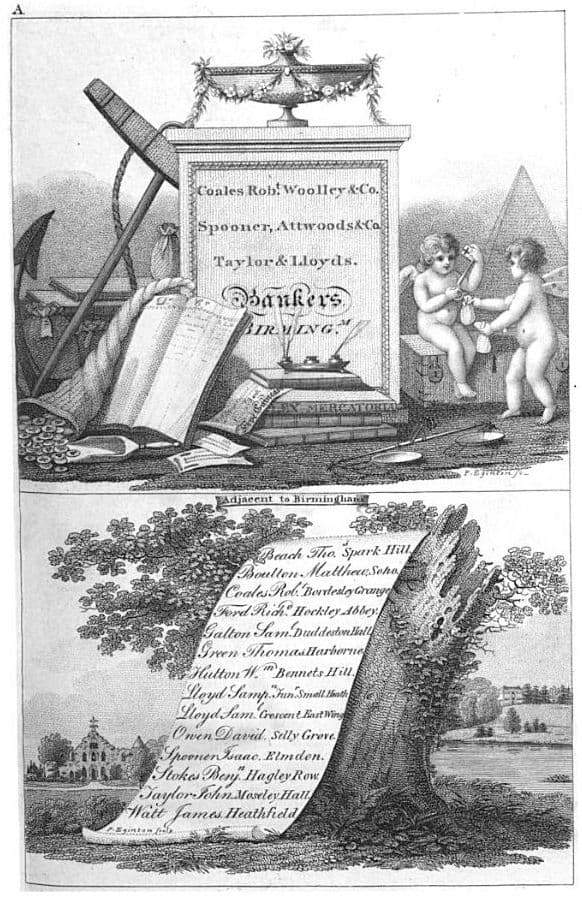
What is it?
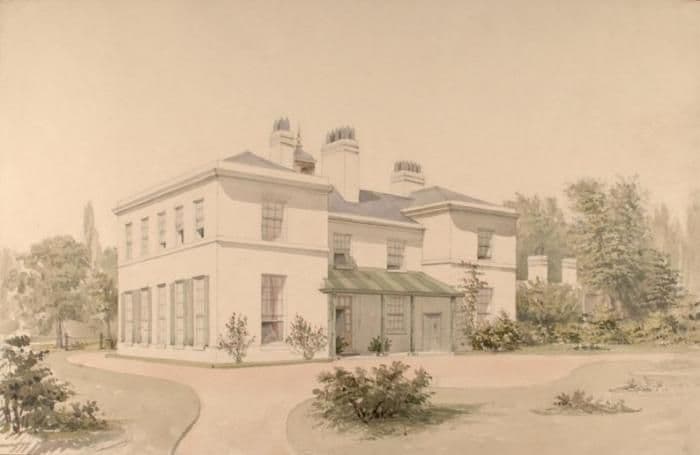
A Georgian house on the hill above Boulton’s Soho works. Boulton bought it unfinished in 1766, spent the next thirty years enlarging it, and lived here until he died in 1809. Around its dining table the Lunar Society argued, experimented and ate. The house still stands, a museum today.
History
A house above the works
In 1766 Matthew Boulton was in his late thirties and running the most ambitious metal-goods factory in the Midlands. What he needed was a house within sight of it. On the slope above his Soho Manufactory stood a mid-18th-century house that had never been finished. Historic England’s list entry describes what happened next as “the enlargement over a long period of an unfinished mid C18 house acquired in 1766 by Matthew Boulton”. Boulton and his wife Ann moved in that year.
It was a strategic choice. From Soho House, Boulton could keep an eye on the works below, and visitors to the factory could be brought up the hill to dine. The house was where the business met the world.
Thirty years of improvement
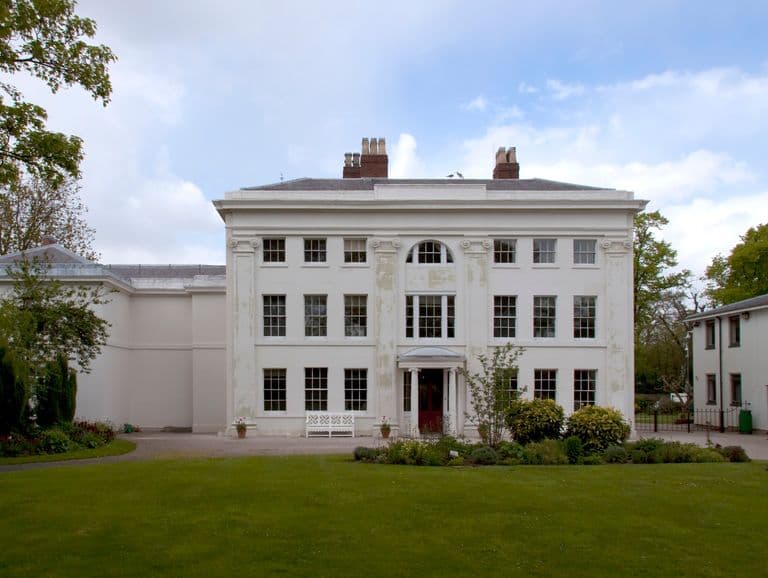
Boulton never stopped tinkering. Samuel Wyatt was employed on the house in 1789, and James Wyatt in 1796. The list entry says the principal front, now the garden front, is “probably attributable to James Wyatt”, and a bill from James Wyatt for drawings of 1796 survives in the Library of Birmingham. The walls are faced with painted slate made to look like cut stone.
Inside, Boulton brought the factory’s ingenuity home. Birmingham Museums says Soho House was the first house in England since Roman times to have central heating, and that it also had a steam-heated bath and indoor flushing toilets. That superlative is the museum’s claim, but the point stands: this was a manufacturer’s house, built by a man who liked machines to make life easier.
Full moon over Handsworth
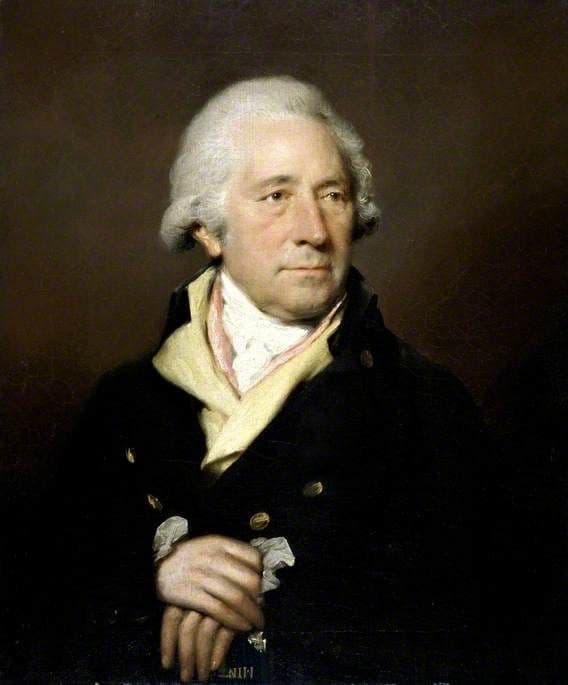
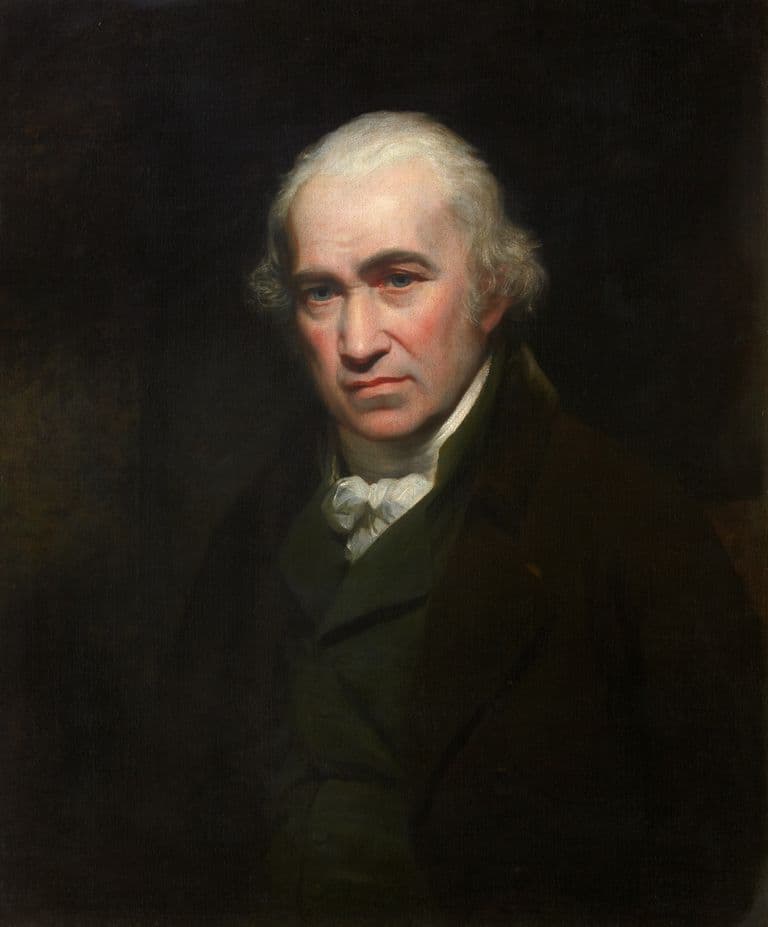
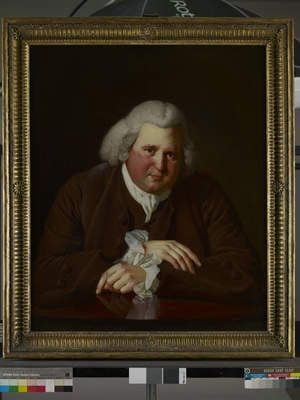
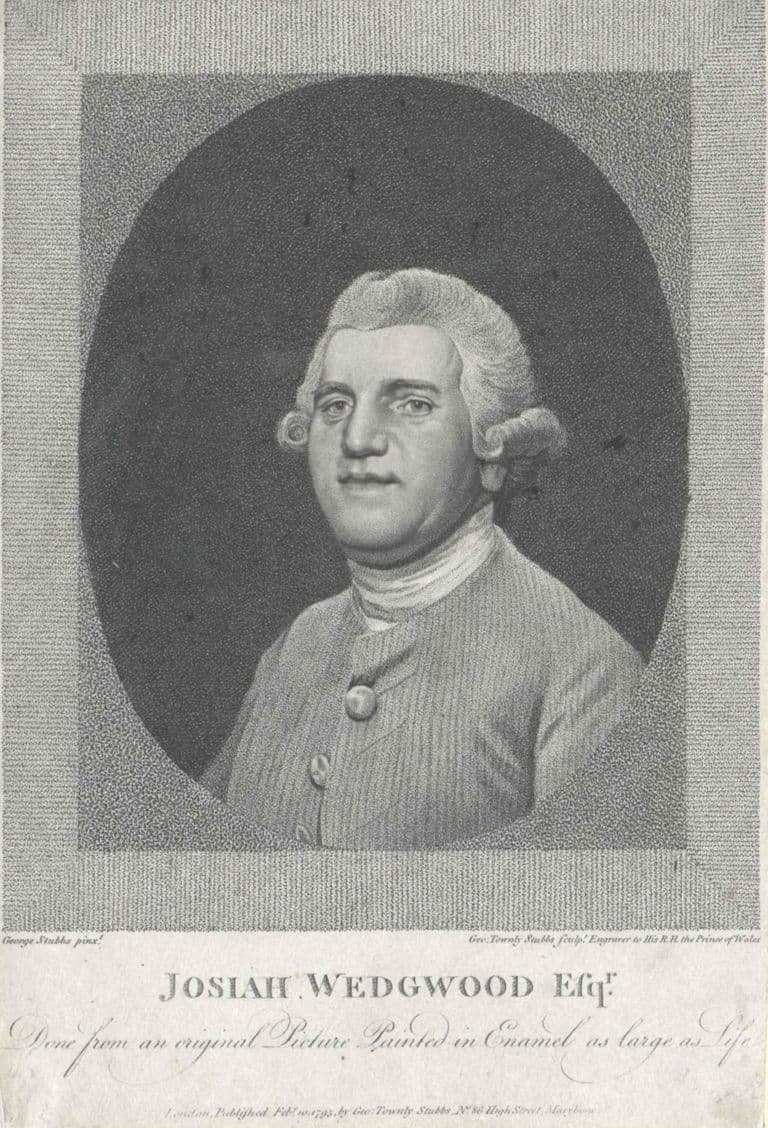
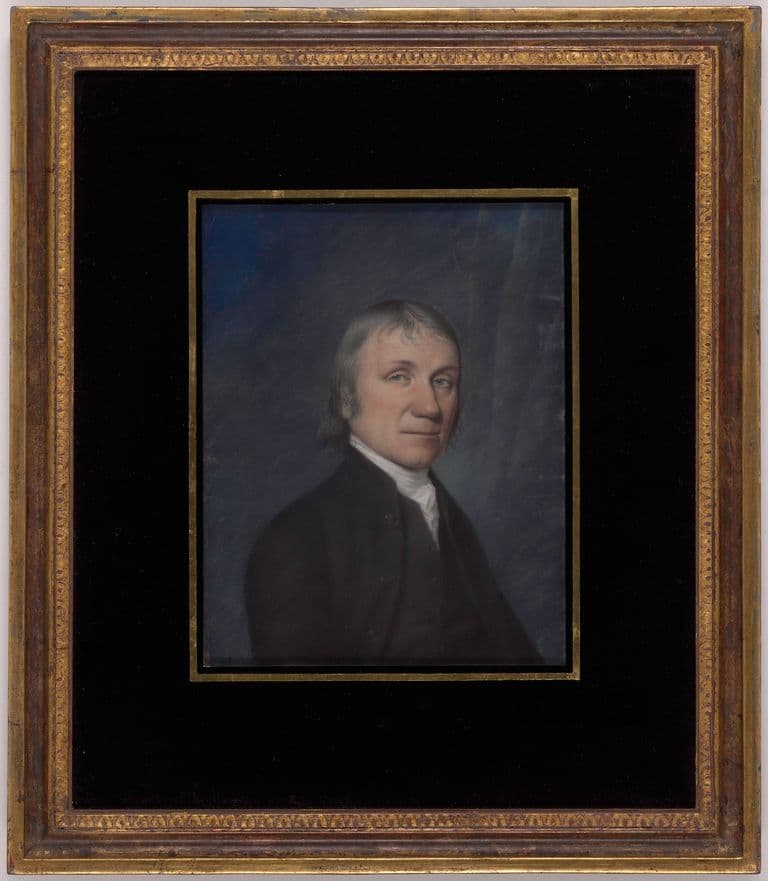
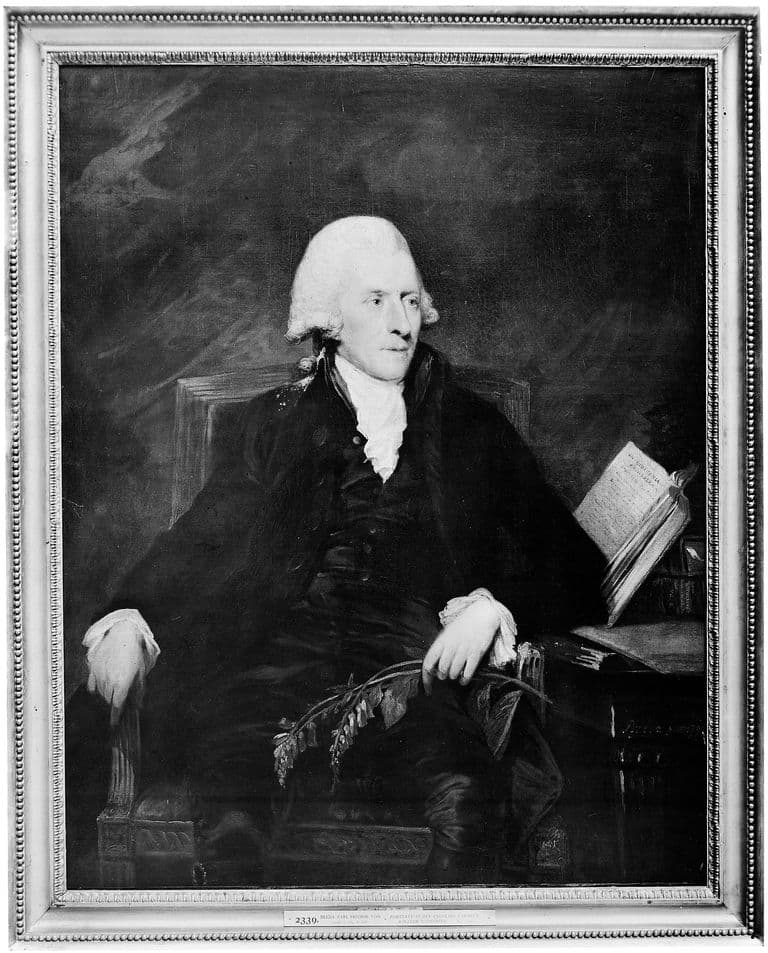
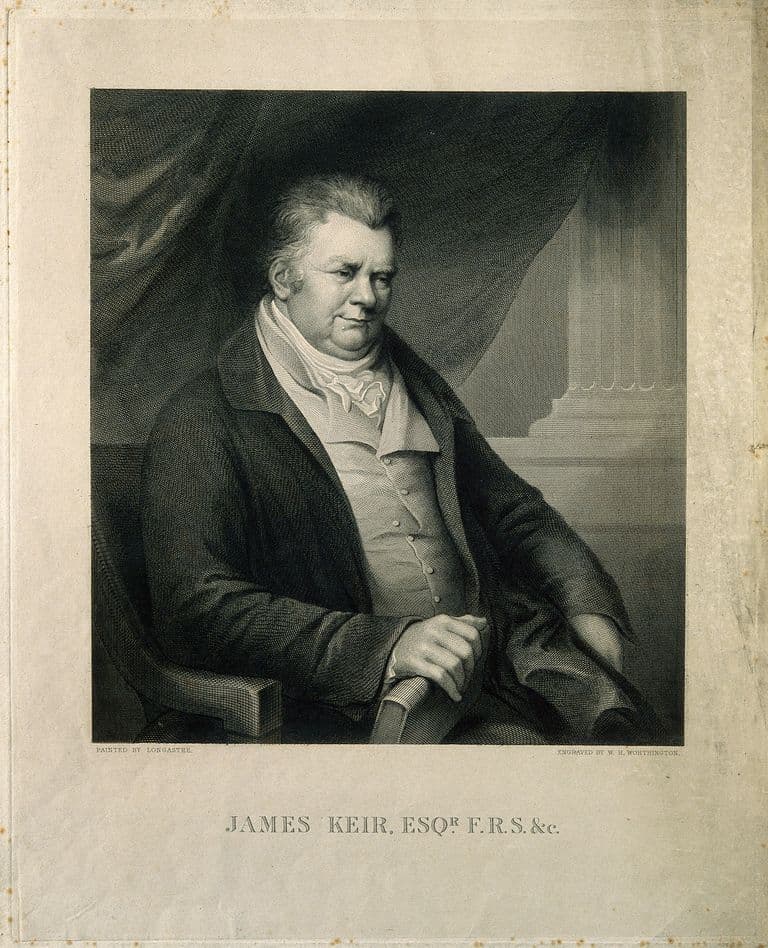
Soho House is best remembered for a group of friends. The Lunar Society brought together manufacturers, physicians and experimenters from across the Midlands: James Watt, Erasmus Darwin, Josiah Wedgwood, Joseph Priestley, William Withering, James Keir, Samuel Galton and others. The Library of Birmingham’s archivists record that after Dr William Small died in 1775 the group decided to meet monthly, on the Sunday nearest the full moon, dining at two o’clock and carrying on until at least eight. The moon mattered. On the dark roads around Birmingham, a full moon meant a safe ride home.
The same spot, then and now
1888–1913
Today
Old map: Ordnance Survey six-inch, reproduced with the permission of the National Library of Scotland (CC BY 4.0). Today: © OpenStreetMap contributors.
Priestley, writing at Birmingham in 1787, described the friends who “dined together every month, calling ourselves the lunar society, because the time of our meeting was near the full moon”. Soho House was the most regular venue. The members met in the dining room, which the museum now calls the “Lunar Room”. Here they talked chemistry, steam, medicine, canals and politics, and tried out experiments on the spot. Few dining rooms in Britain have heard so many ideas that went on to change the world outside.
After Boulton
Priestley, writing at Birmingham in 1787, described the friends who “dined together every month, calling ourselves the lunar society, because the time of our meeting was near the full moon”.
Boulton died at Soho House on 17 August 1809, aged eighty. His son Matthew Robinson Boulton (1770–1842) took on the house, and by 1850 his grandson Matthew Piers Watt Boulton owned it and was letting it out; inventories survive from 1850–51. As Soho’s industries wound down and the land around filled with streets, the house drifted through other lives. The list entry records later names: the “Soho Hall Hotel” and the “Soho House Police Hostel”.
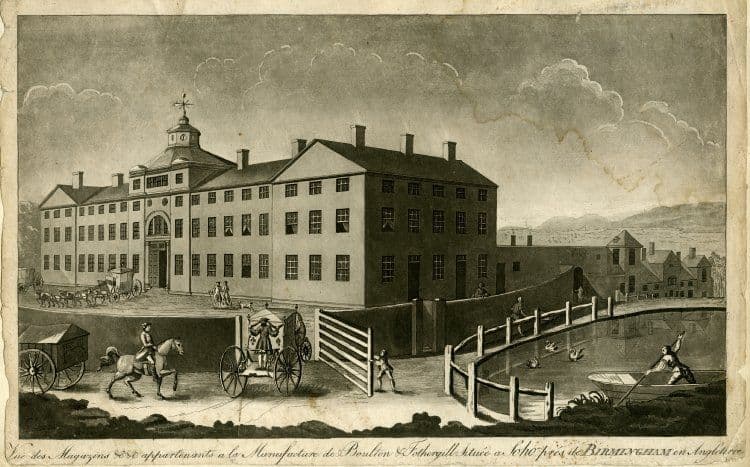
That it survived at all is the surprise. The Manufactory below was gone by 1863. The house above it was not.
Back to Boulton
Soho House opened as a museum in 1995, presenting the house as it was in Boulton’s time, with the Lunar Room at its heart. In 1987 Birmingham Museums had acquired the Society’s dining table, and a plaque in the Lunar Room records it. Outside, a Birmingham Civic Society blue plaque reads “Matthew Boulton 1766–1809 lived here”, and the gardens include a reconstructed “Hermitage”.
Stand in the Lunar Room and the story is easy to picture: a long afternoon, the candles lit, a jar of gas on the table, and men who were busy inventing the modern world arguing about it over dinner.
What happened here?
Boulton lived here from 1766 until his death in 1809, running his businesses from the house above the works. The Lunar Society met here more regularly than anywhere else, dining in what is now called the Lunar Room. Later the house was let, then became a hotel and a police hostel, before its restoration as a museum.
Why it mattered
Soho House is the one place where you can stand in the room where the Lunar Society actually met. It shows how closely Birmingham’s industry, science and social life were tied together in the 1770s and 1780s, and it is the best-surviving home of any of the Soho pioneers.
Soho House and Boulton’s works, on today’s streets

Today
What survives
The house itself, enlarged by Boulton, with the Lunar Room, the Society’s dining table (acquired 1987), a Birmingham Civic Society blue plaque and the gardens with a reconstructed Hermitage. Nearby street names keep the Soho story alive: Soho Avenue, Soho Road, Soho Hill and Boulton Road.
Today
Soho House stands on Soho Avenue, a short walk up from Soho Road in Handsworth. Look for the painted slate front made to look like stone, and the blue plaque. The works it overlooked have gone; the streets of houses to the south, around South Road and Factory Road, cover the site of the Soho Manufactory and Mint.
Then and now
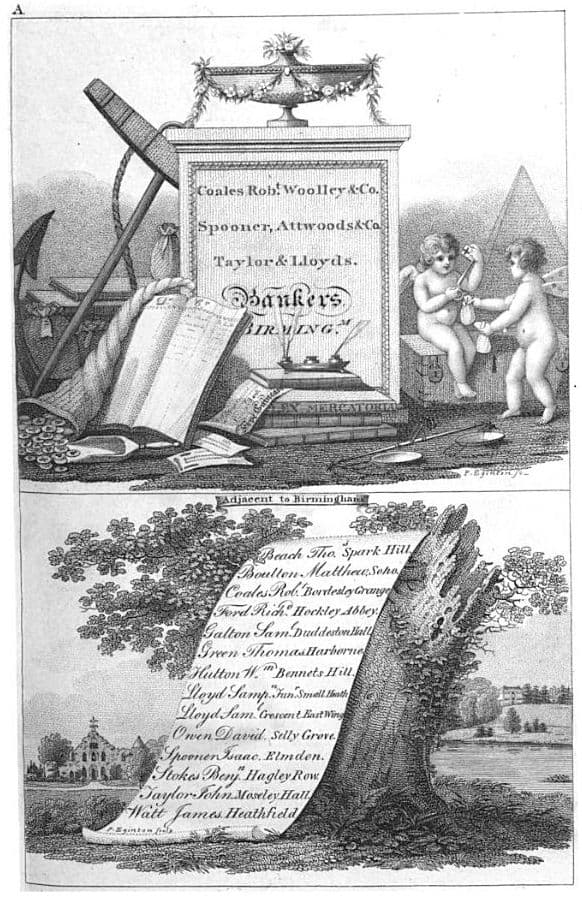
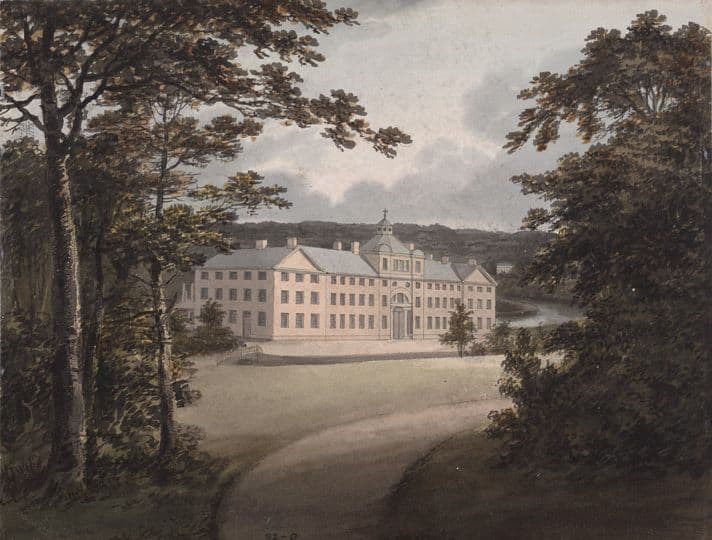
Then · 1800
Now · 11 May 2010
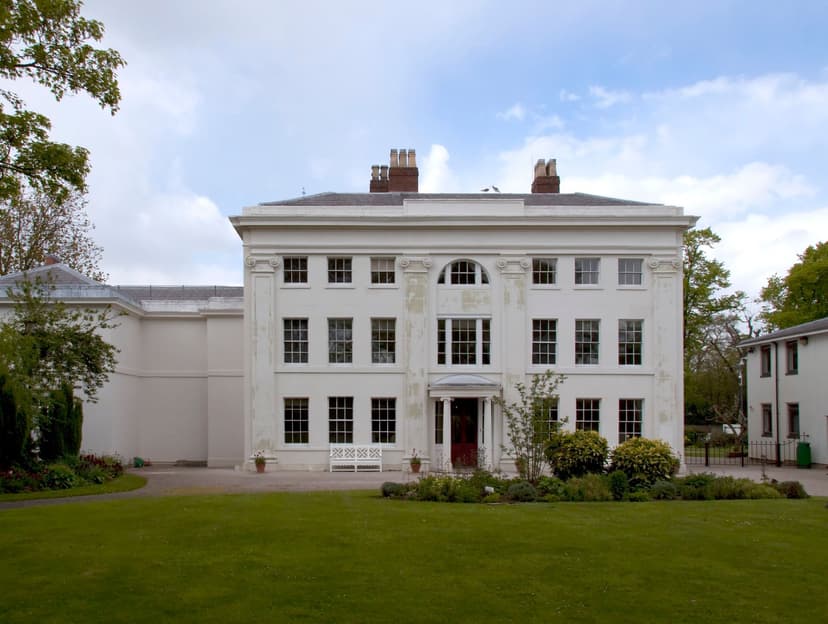
Today
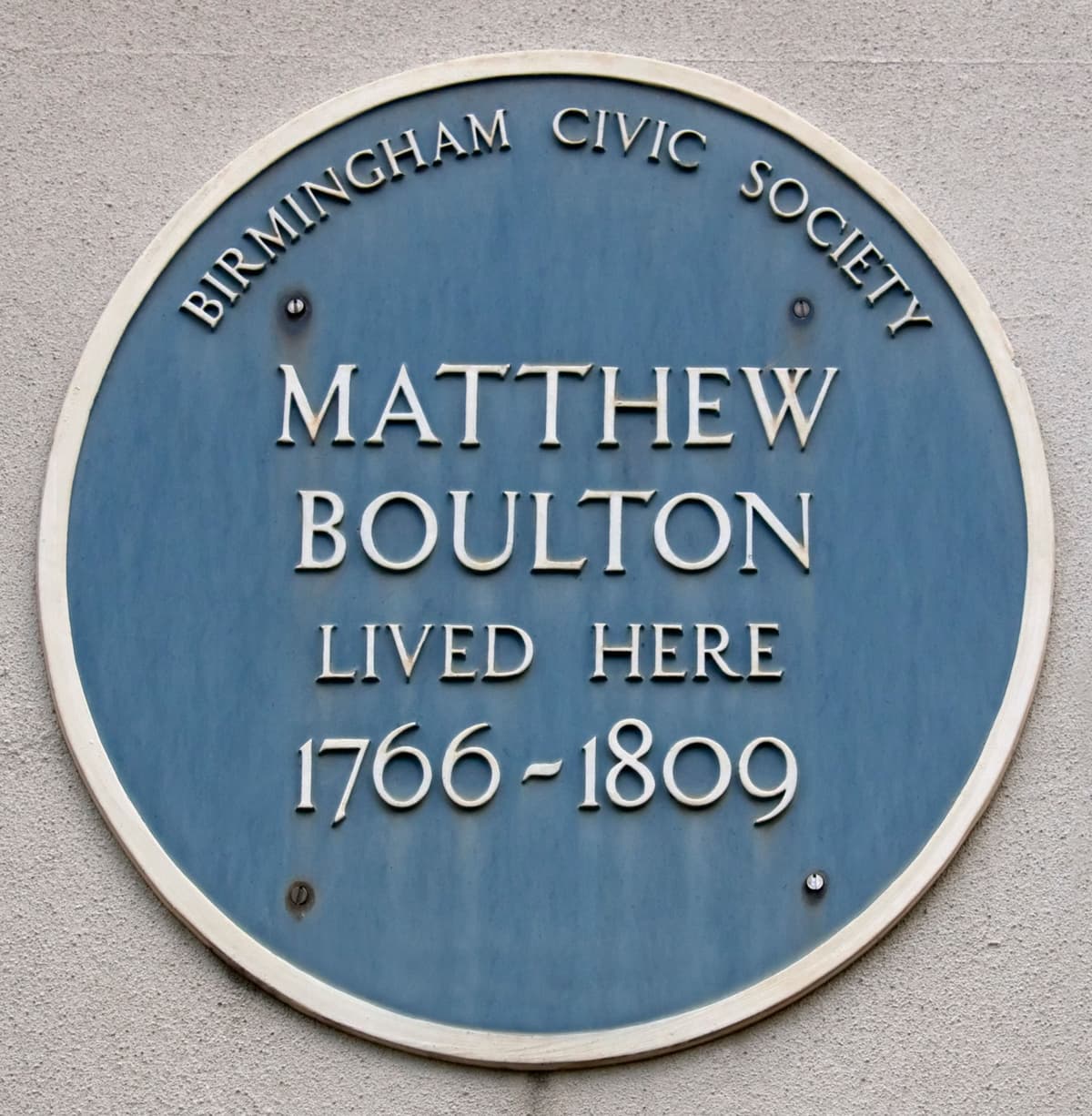
Soho House blue plaque, May 2010May 2010. Tony Hisgett via Wikimedia Commons · CC BY 2.0
Key dates
- c. 1756–57 — Soho House builtThe house that became Soho House was built in the mid-18th century. Matthew Boulton acquired it unfinished in 1766 and enlarged it over the next thirty years.
- c. mid-1760s — The Lunar circle takes shapeMatthew Boulton, Erasmus Darwin, William Small and their friends begin meeting, writing and experimenting together. Benjamin Franklin introduces Small to Boulton in 1765. There is no single founding date; the Library of Birmingham says the group existed “from the 1750s”.
- 1766 — Boulton moves into Soho HouseMatthew and Ann Boulton move into Soho House, above the Manufactory. It becomes the favourite meeting place of the Lunar Society.
- 1775 — The Lunar Society starts meeting by the full moonAfter Dr William Small dies in 1775, his friends decide to meet monthly on the Sunday nearest the full moon, so they have light to ride home by. They dine at two and talk until at least eight.
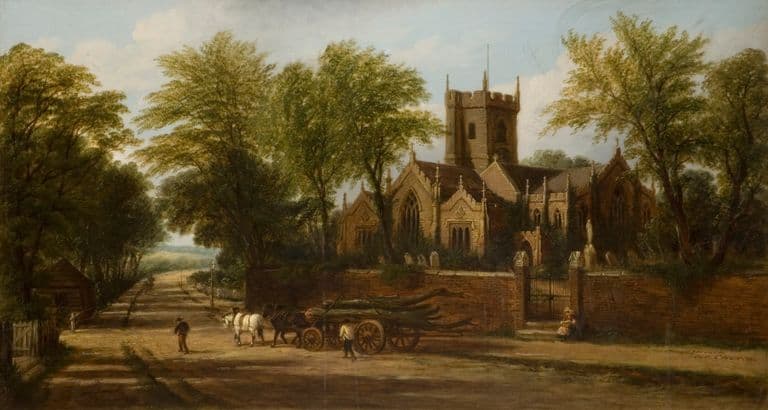
- 17 August 1809 — Death of Matthew BoultonMatthew Boulton dies at Soho House, aged 80, and is buried at St Mary’s Church, Handsworth, on 24 August.
Sources and further reading
The build date is given as c.1756 (Wikipedia) or c.1757 (Revolutionary Players); the list entry says only ‘mid C18’. The Library of Birmingham says the house was ‘extensively rebuilt’ in 1790 by Samuel and James Wyatt, while the list entry records Samuel Wyatt employed in 1789 and James Wyatt in 1796; Samuel Wyatt should not be described as the house’s designer. The central-heating ‘first since Roman times’ claim is Birmingham Museums’ own and is attributed here.
- Soho House — National Heritage List for England entry 1076151 — Historic England
- Soho House: About — Birmingham Museums Trust
- The Lunar Society — Soho House highlights — Birmingham Museums Trust
- The Lunar Society — Archives of Soho — Library of Birmingham, Birmingham City Council. Ref. MS 3782/13/53/87; MS 3219/4/86/7
- Soho house — Archives of Soho — Library of Birmingham, Birmingham City Council. Ref. MS 3782/12/108/7; MS 3782/13/149/70; MS 3782/6/101
- Birmingham Images: Soho House and Heathfield captions (inventories 1850–51; James Wyatt bill 1796; Heathfield built 1787–90 by Samuel Wyatt; demolished 1928) — Library of Birmingham
- Memoirs of Dr. Joseph Priestley, to the year 1795, written by himself — Joseph Priestley, London, 1806. Birmingham section, written 1787
- Open Plaques #1374: Matthew Boulton, Soho House — Open Plaques
- Open Plaques plaque 8363 (Lunar Society dining table, Soho House) — Open Plaques
- The Soho Manufactory: From Snow Hill to Handsworth — Revolutionary Players (History West Midlands)
Archive references: Library of Birmingham MS 3782 (Matthew Boulton papers)
Comments
Comments will load here.