
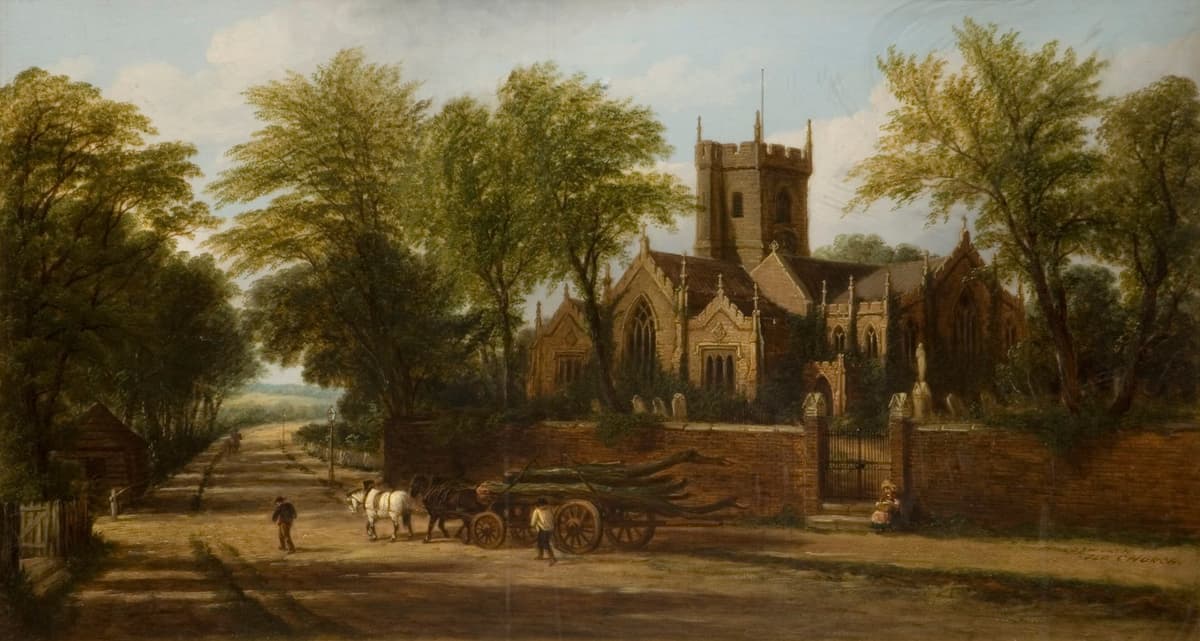
What is it?
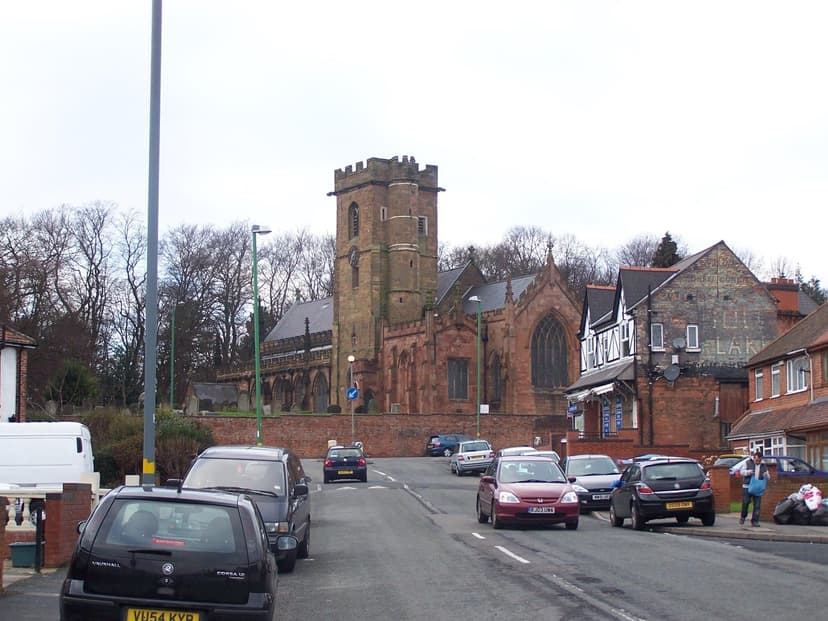
An old parish church on Hamstead Road, beside Handsworth Park. Boulton, Watt and Murdoch, the three men of Soho, are all buried here. Inside are Flaxman’s bust of Boulton, Chantrey’s marble statue of Watt in a chapel built for it in 1826, and Chantrey’s bust of Murdoch.
History
A country church
Long before Soho, St Mary’s was a village church in the Staffordshire parish of Handsworth. Historic England’s list entry traces it to the 12th or early 13th century, with a tower whose upper stage is 15th century. The parish registers begin in 1558.
When Matthew Boulton built his works at Soho in the 1760s, this was his parish church. It became the resting place of the men who made Soho famous.
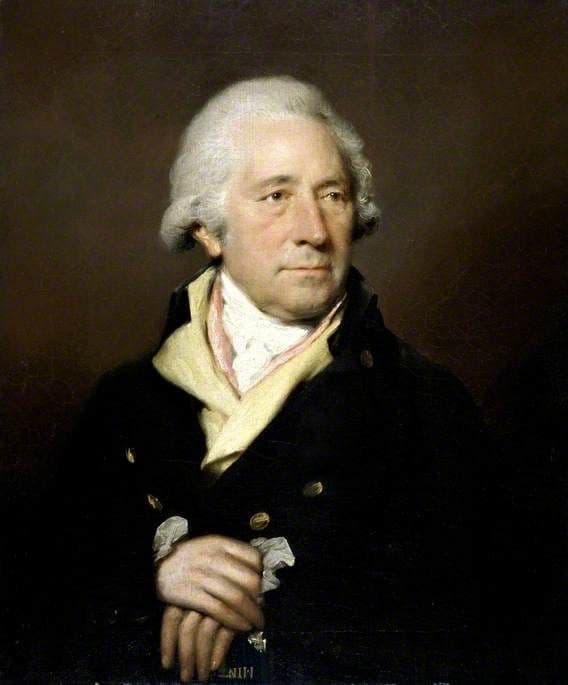
Boulton
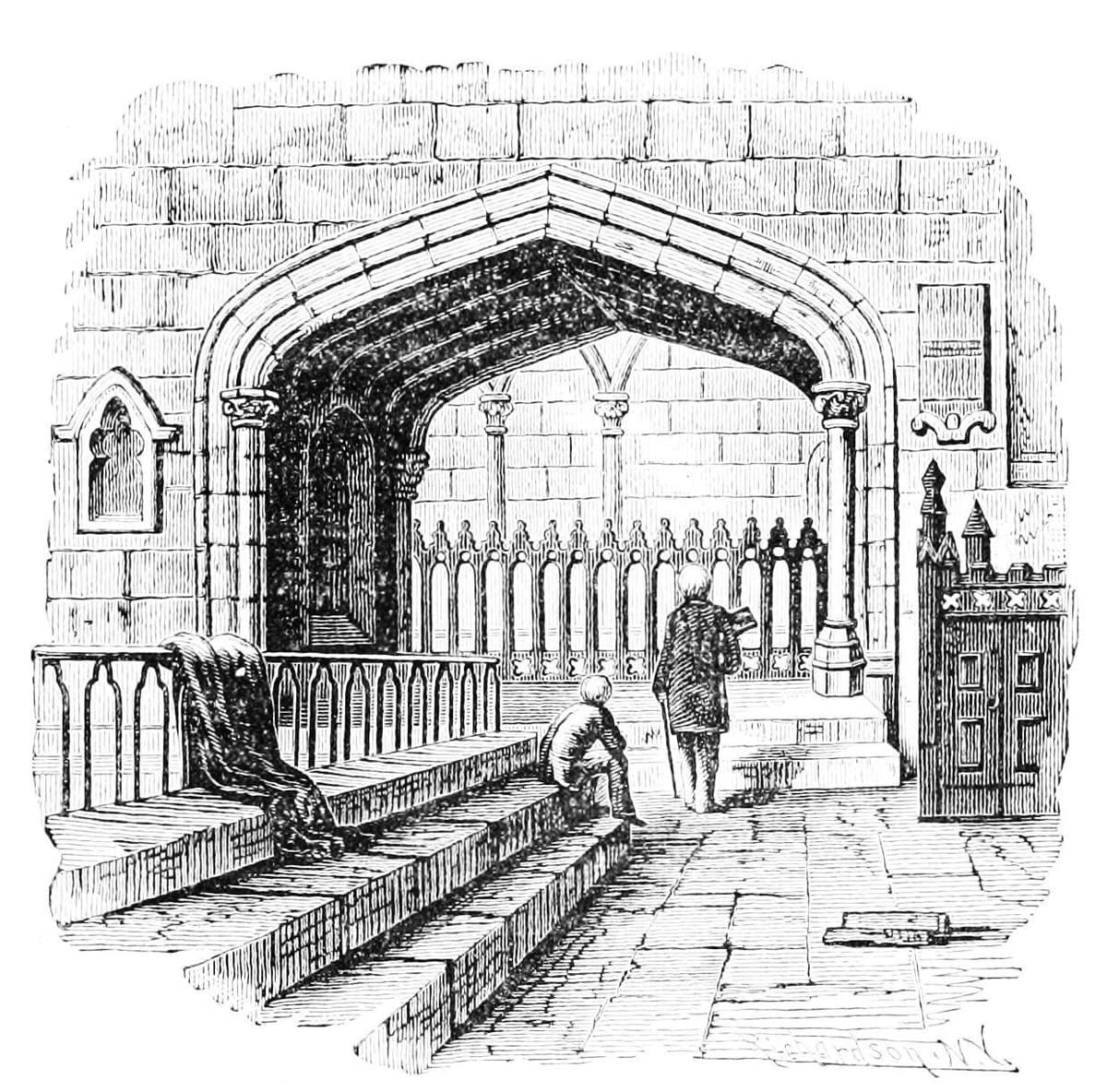
Boulton died at Soho House on 17 August 1809 and was buried at St Mary’s on 24 August. An obituary in the Monthly Magazine of 1 October 1809, known from a later transcription, describes a hearse, nine mourning coaches and six hundred workmen, each given a silver medal struck for the occasion.
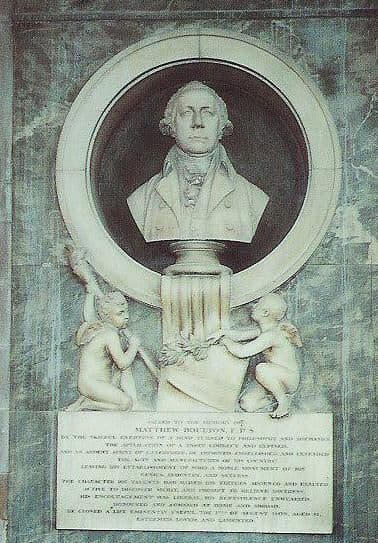
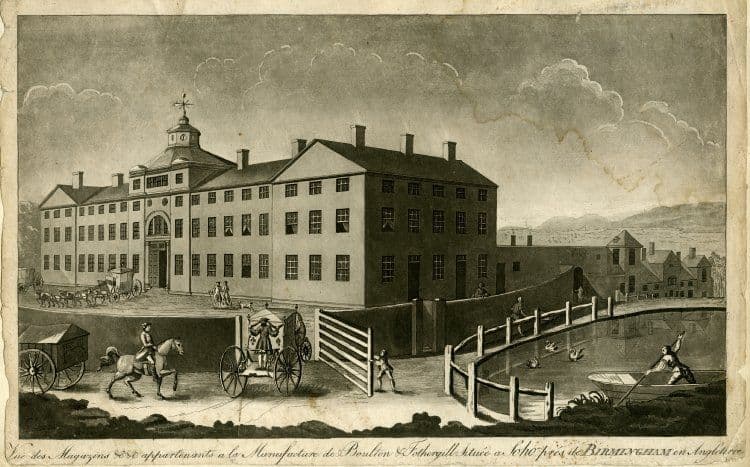
His son commissioned a wall monument from the sculptor John Flaxman. The list entry describes “a bust of Matthew Boulton (died 1809) with 2 putti below one of them holding a picture of the Soho Works”. Even in death, Boulton is shown with his factory.
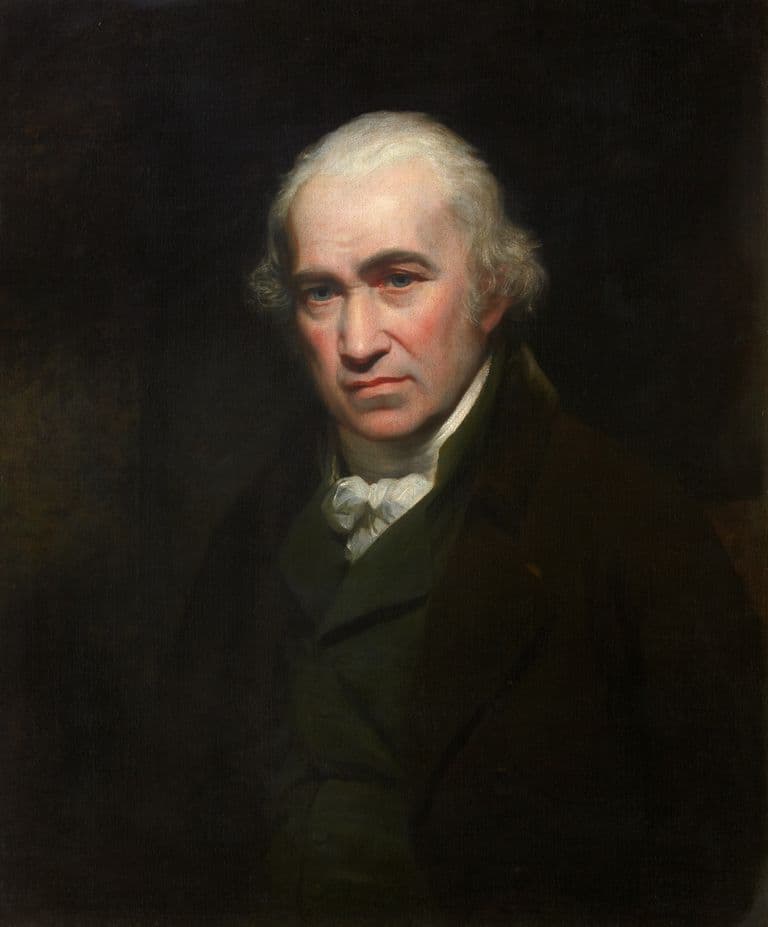
Watt
James Watt died at Heathfield on 25 August 1819 and was buried in the churchyard. In 1825 Sir Francis Chantrey carved a seated statue of him in white marble, and in 1826 Thomas Rickman added a south-east chapel to the church “as a mausoleum to James Watt”, in the list entry’s words, to hold it. The church’s own history says Chantrey regarded the statue as his favourite.
William White’s Directory of Staffordshire, in 1851, described “a neat groined chapel” raised “over the vault of the late celebrated engineer, James Watt, Esq, of whom there is in the chapel a beautiful white marble statue, by Chantrey”. Later rebuilding enlarged the church around the grave, so Watt now lies inside.
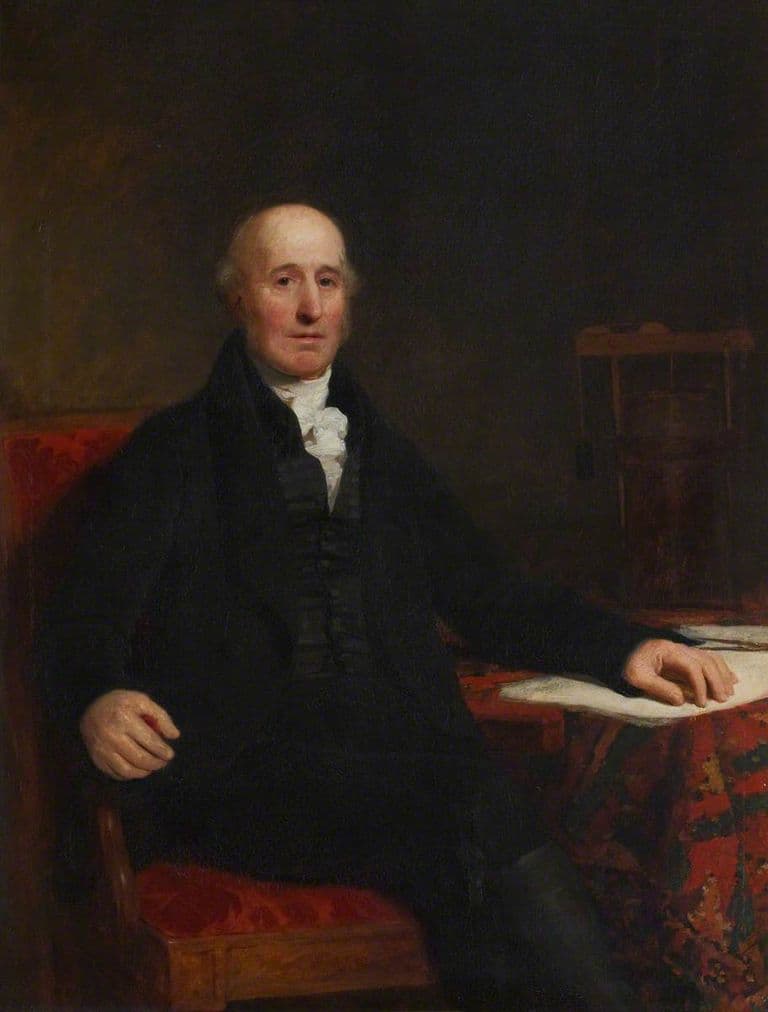
Murdoch
William Murdoch, the engineer who managed the Soho Foundry and pioneered gas lighting, died at his house on Sycamore Hill, Handsworth, on 15 November 1839. He too was buried at St Mary’s. His monument, opposite Boulton’s, is a stone bust by Chantrey set in a pointed arch.
Rebuilding
The church around them kept changing. William Hollins rebuilt parts of it from 1820, and J. A. Chatwin carried out a major rebuilding in 1876–80. The rectory was demolished in the 1890s to make way for the lake in Handsworth Park, which now runs right up to the churchyard. In 1911 Handsworth, and its church, became part of Birmingham.
The cathedral of the Industrial Revolution
St Mary’s has been called “the cathedral of the Industrial Revolution”, a phrase the church uses on its own website. It is a big claim for a parish church, but few churches anywhere hold the graves of three such men.
The same spot, then and now
1888–1913
Today
Old map: Ordnance Survey six-inch, reproduced with the permission of the National Library of Scotland (CC BY 4.0). Today: © OpenStreetMap contributors.
Come here after visiting Soho House and Heathfield’s lodge, and the story closes in a circle. Boulton, the businessman; Watt, the engineer; Murdoch, the practical genius who made their machines work. They spent their lives within a couple of miles of this spot, and they ended their story together, under one roof, in Handsworth.
What happened here?
Matthew Boulton was buried here on 24 August 1809, James Watt in 1819 and William Murdoch in 1839. Monuments followed: Flaxman’s bust of Boulton, Chantrey’s 1825 statue of Watt in Rickman’s 1826 chapel, and Chantrey’s bust of Murdoch. The church was much rebuilt in the 19th century.
Why it mattered
St Mary’s is the burial place of Boulton, Watt and Murdoch, the three central figures of Soho. Its monuments, by two of the leading sculptors of the day, show how quickly these industrialists were treated as national heroes.
Today
What survives
The church, in use, with the Watt chapel and Chantrey statue, Flaxman’s Boulton monument, Chantrey’s Murdoch bust, and the graves of all three men. The churchyard adjoins Handsworth Park.
Today
St Mary’s stands on Hamstead Road, Handsworth, at the edge of Handsworth Park. The monuments are inside the church, so you will need to visit when it is open, for services or open days such as Birmingham Heritage Week.
Then and now
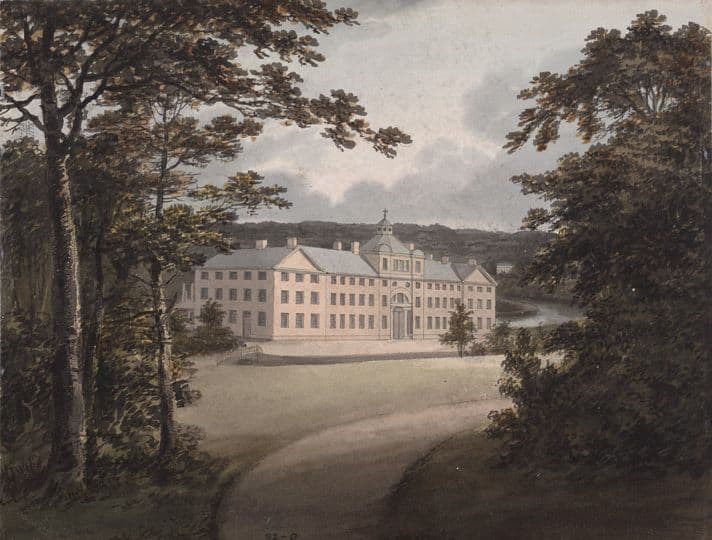
Then · 1854
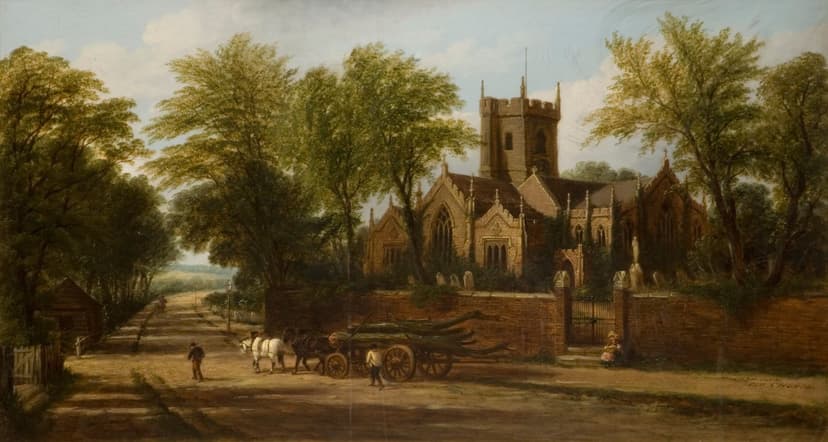
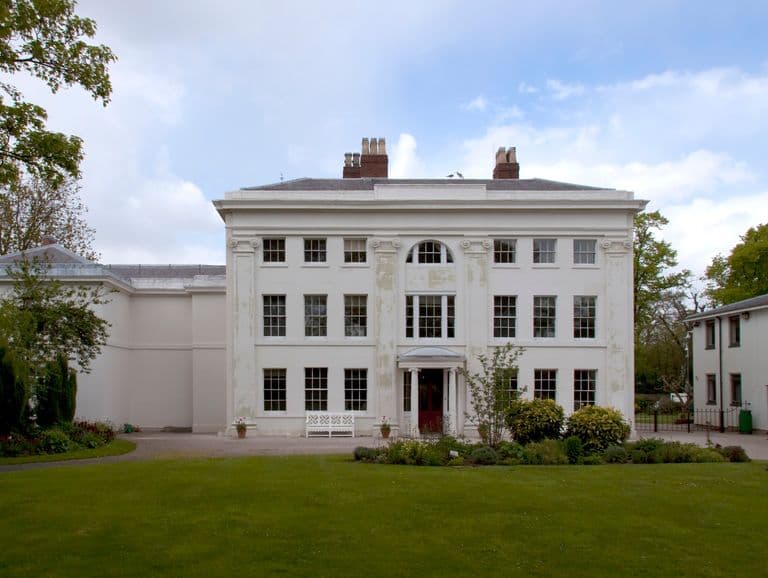
Now · 11 January 2011
Key dates
- 17 August 1809 — Death of Matthew BoultonMatthew Boulton dies at Soho House, aged 80, and is buried at St Mary’s Church, Handsworth, on 24 August.
- 25 August 1819 — Death of James WattJames Watt dies at Heathfield and is buried at St Mary’s, Handsworth, where a chapel with Chantrey’s marble statue is later built for him.
- 1826 — Watt chapel added at St Mary’s, HandsworthThomas Rickman added a south-east chapel to St Mary’s Church, Handsworth, as a mausoleum to James Watt, holding Chantrey’s marble statue of 1825.
Sources and further reading
The list entry records the monuments but not the burials; the burials are given by the church and other sources. The Monthly Magazine obituary details come from a transcription that has not been checked against the original. Chantrey’s regard for the Watt statue as his favourite is the church’s own claim. The church website calls the building ‘Grade II listed’; the National Heritage List gives Grade II*. The list entry gives the address as ‘Lozells B19’.
- Church of St Mary, Hamstead Road, Handsworth — National Heritage List for England entry 1076358 — Historic England
- Our History — St Mary’s Church Handsworth
- Matthew Boulton: Obituary — from The Monthly Magazine (1 Oct 1809) — The Monthly Magazine, Today in Science History (transcription), 1809
- Murdock, William — Dictionary of National Biography, vol. 39 — R. B. Prosser, Smith, Elder & Co., 1894
Comments
Comments will load here.