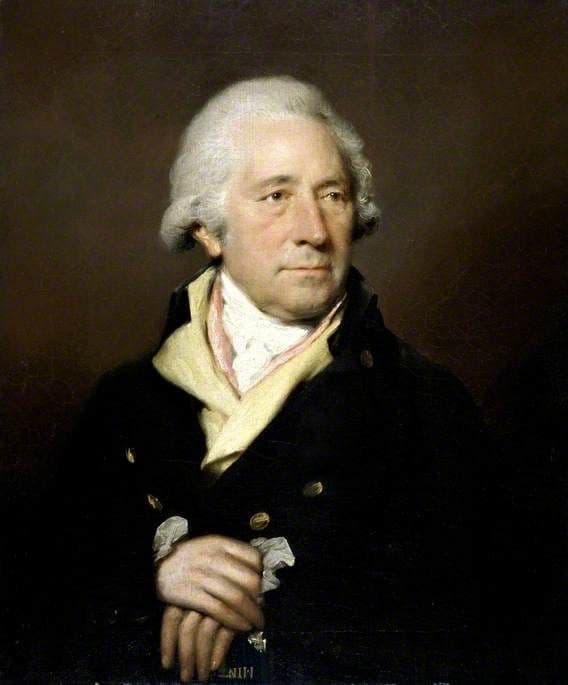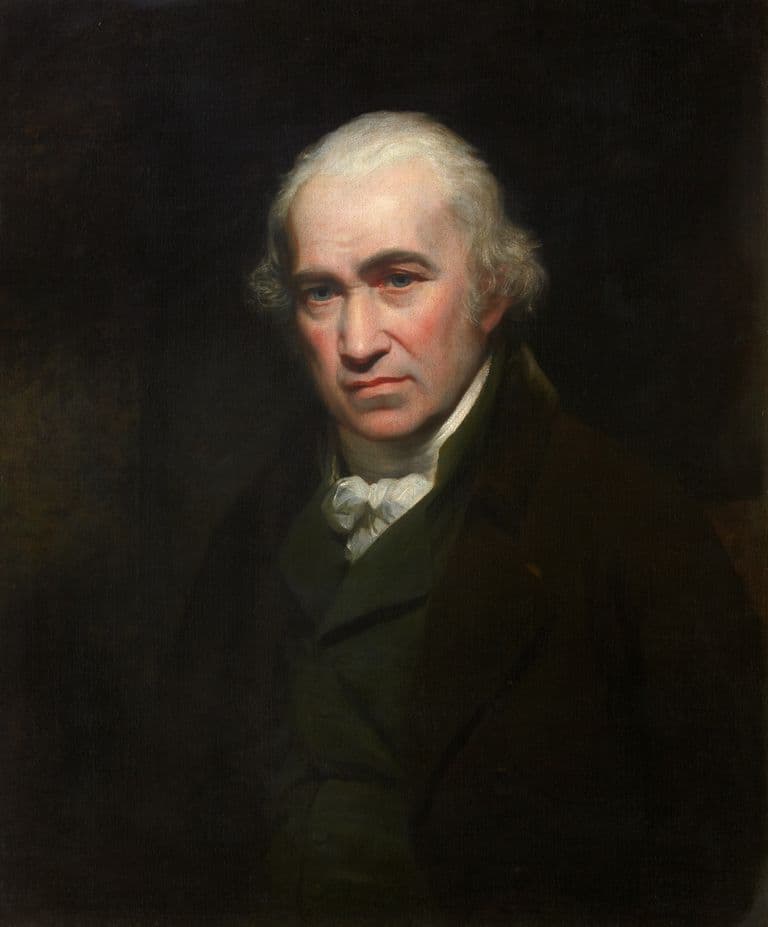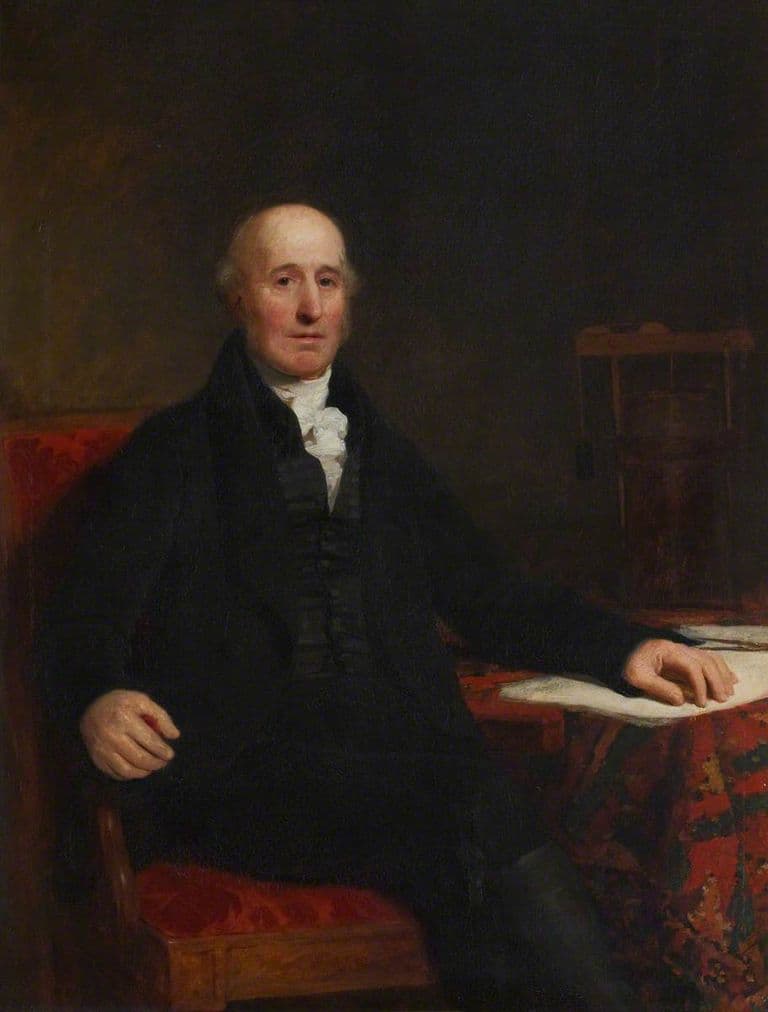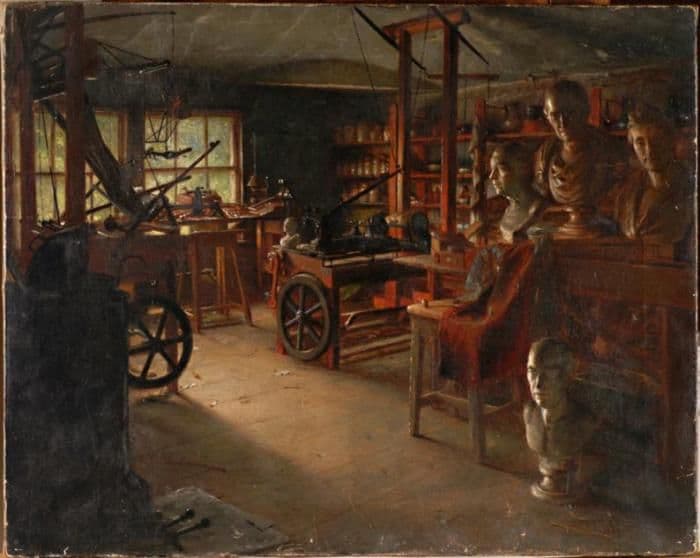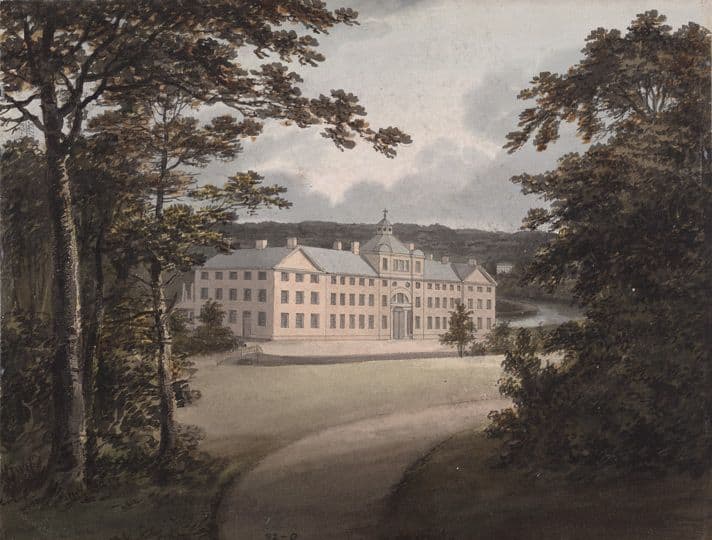
In 1775 a Birmingham button-maker and a Scottish instrument-maker went into business together. Between them they put steam to work across Britain.
Matthew Boulton had a factory, money and a gift for selling. James Watt had an idea. In 1765, while repairing a model Newcomen engine for Glasgow University, he saw that it wasted fuel by heating and cooling the same cylinder over and over. His answer was a separate condenser, patented in 1769. What he lacked was the money and the workshop to build engines that worked.
Getting going
Watt’s experimental engine reached Soho in 1774. Its first job was humble: pumping water from the tail of Boulton’s mill stream back to the top, so the waterwheel could keep turning in dry weather. Boulton had been thinking along those lines for years. In February 1766 he wrote to Benjamin Franklin about a “fire engine” for just that purpose.
The real breakthrough came in Parliament. In 1775 an Act extended Watt’s patent by 25 years, to 1800, and Boulton was instrumental in getting it through. The partnership began the same year. Engines were at work for customers by 1776; the usual account puts the first at Bloomfield Colliery in Tipton.
Better engines
William Murdoch joined the firm in 1777 and spent much of the next twenty years in Cornwall, putting up and minding pumping engines at the mines. Meanwhile the engines kept improving. In 1781 a sun-and-planet gear was patented in Watt’s name to turn the beam’s up-and-down stroke into rotary motion, getting round James Pickard’s patent on the crank. The Library of Birmingham credits the invention to Murdoch. A double-acting engine followed in 1782. Now steam could drive machinery, not just pump water.
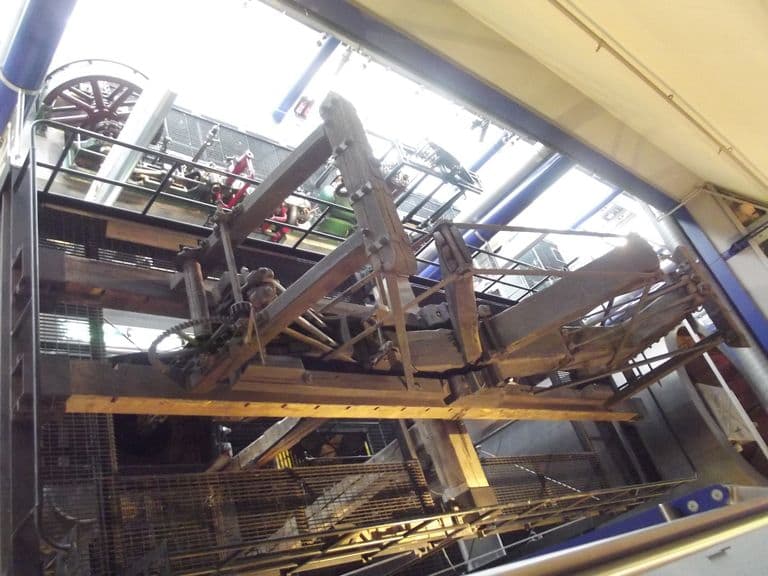
One early Boulton & Watt engine still exists. The Smethwick Engine worked at Smethwick from 1779 until 1891, according to the plaque on its old site, and now stands in Thinktank at Millennium Point.
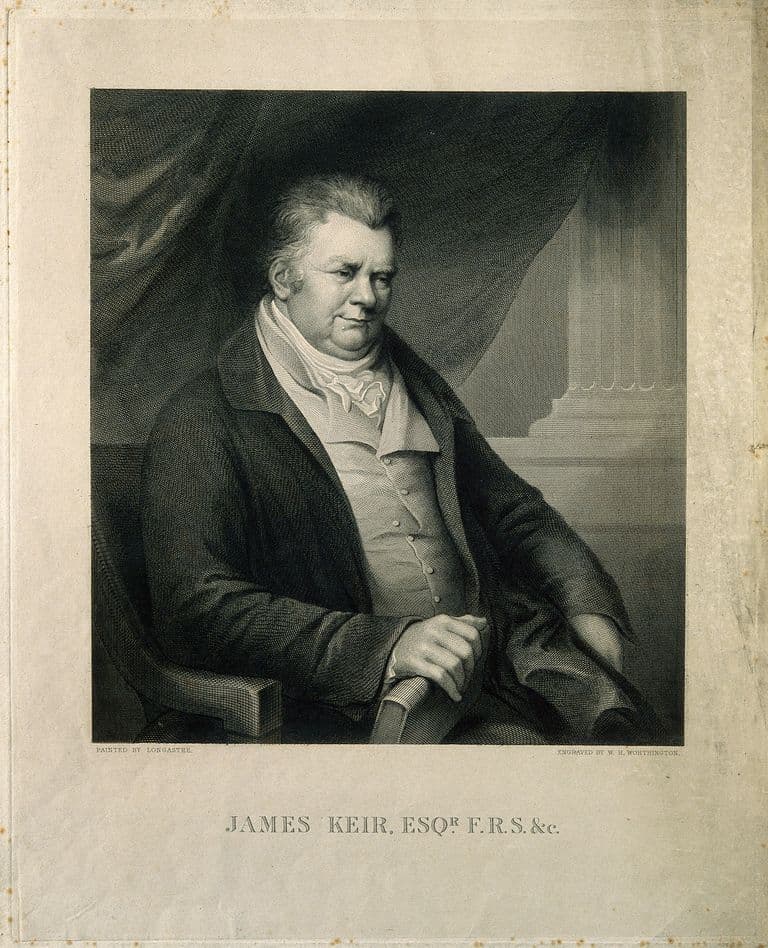
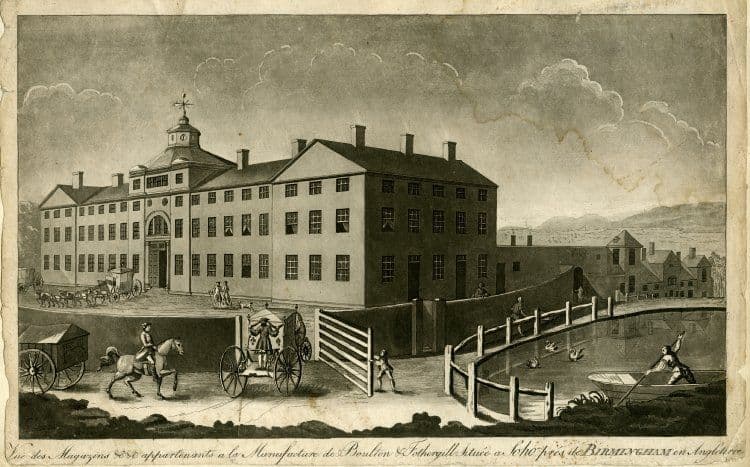
Until 1795 the engine side of the business was run from the Soho Manufactory, alongside Boulton’s other trades. In 1780 Watt, Boulton and James Keir also set up a separate firm, James Watt & Co., to sell Watt’s new letter-copying press.
The sons take over
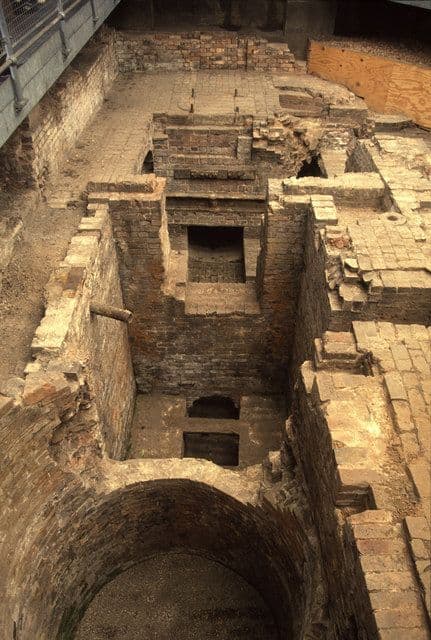
In 1795–96 the firm built Soho Foundry beside the Birmingham Canal at Smethwick. Historic England describes it as the first factory built to make complete steam engines on one site. Much of the credit goes to the founders’ sons, James Watt junior and Matthew Robinson Boulton. When Watt’s patent ran out in 1800, the two fathers handed the engine business to them. Boulton kept the Soho Mint.
Under the sons the Foundry grew. Murdoch came back from Cornwall as manager at the end of the 1790s, and the works became one of the earliest factories lit by gas. Marine engines were made from 1804, among them the screw engines for Brunel’s *Great Eastern*.
The sons’ firm also sold engines to sugar estates worked by enslaved people. About 119 Boulton & Watt engines were ordered for Caribbean and South American sugar estates between 1803 and 1825. No exports to the West Indies are known before the founders retired in 1800. That trade belongs to the firm under their sons.
The end of the name
James Watt junior died in 1848. That year the business passed to James Watt & Co., with no Boulton or Watt in the partnership. Engines were made at Soho Foundry until 1895, when the works was sold to W. & T. Avery, the weighing-machine makers.
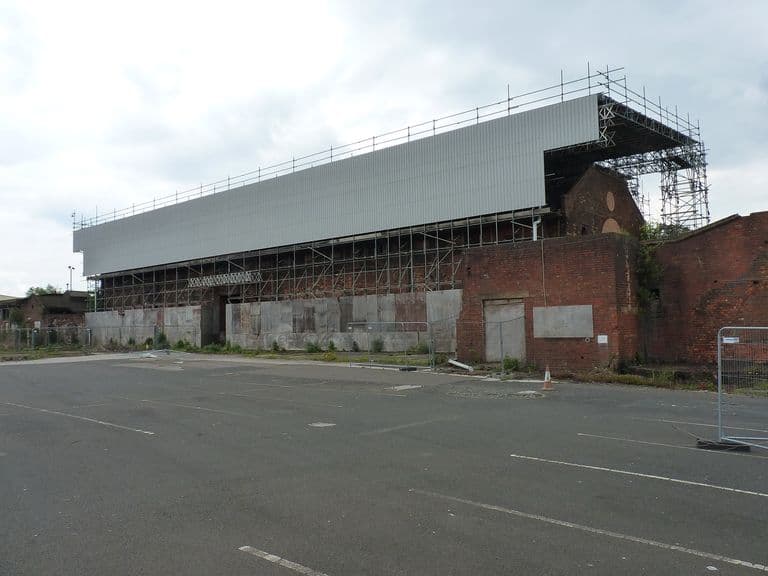
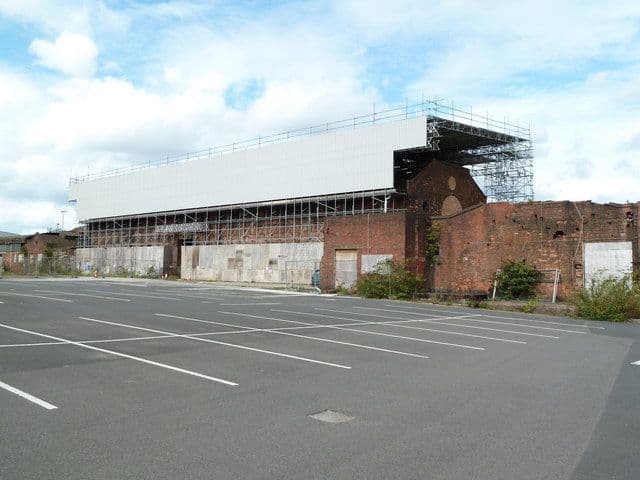
The Foundry is still there. Its first building of 1795–96 survives, listed Grade II* and protected as a scheduled monument, with a temporary roof put on in 2008 to keep out the rain. It is on Historic England’s Heritage at Risk register. The place where the sons cast engines for mines, mills, ships and sugar estates is waiting for its next chapter.
On the map
13 places connected with Boulton & Watt. Tap a number for directions — some sites are private homes or gardens, so each place’s page says what you can see from the street.

- Soho Manufactory new engine yard (site) — Lost, Site redeveloped · Directions to Soho Manufactory new engine yard (site) (opens Google Maps)
- Pickard’s mill, Snow Hill — Lost, Site redeveloped
- Site of the Smethwick Engine, Bridge Street North — Partly surviving · Directions to Site of the Smethwick Engine, Bridge Street North (opens Google Maps)
- The Smethwick Engine at Thinktank — Relocated · Directions to The Smethwick Engine at Thinktank (opens Google Maps)
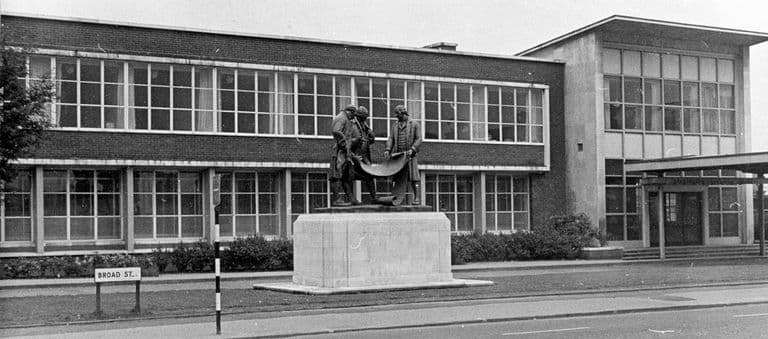
- Boulton, Watt and Murdoch (“The Golden Boys”) — Relocated · Directions to Boulton, Watt and Murdoch (“The Golden Boys”) (opens Google Maps)
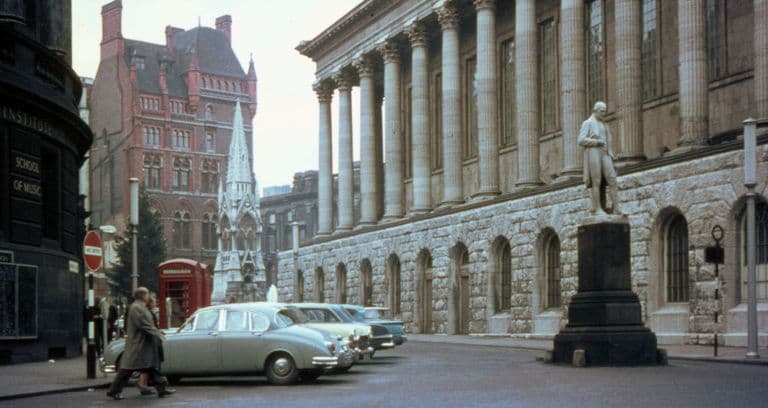
- Statue of James Watt, Ratcliff Passage — Relocated · Directions to Statue of James Watt, Ratcliff Passage (opens Google Maps)
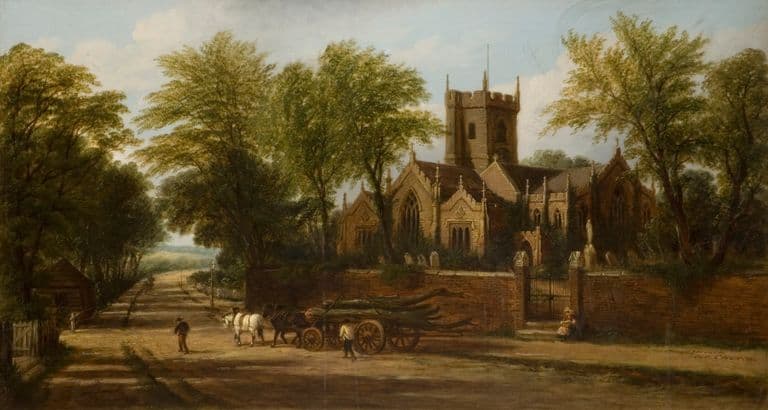
- St Mary’s Church, Handsworth — Surviving · Directions to St Mary’s Church, Handsworth (opens Google Maps)
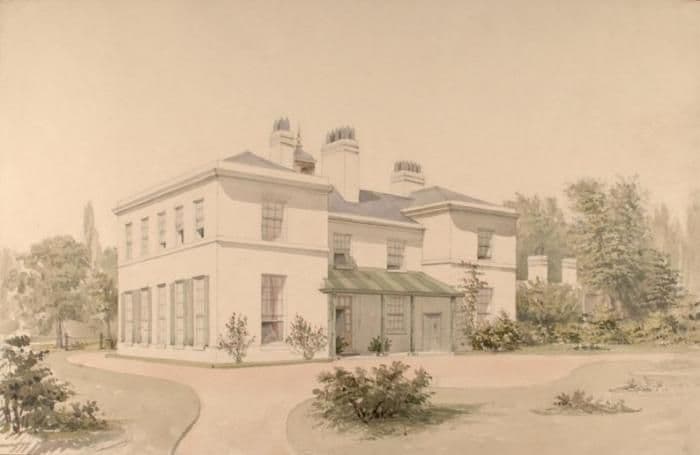
- Watt’s house at Harper’s Hill (Regent Place) — Lost, Partly surviving · Directions to Watt’s house at Harper’s Hill (Regent Place) (opens Google Maps)
- Heathfield Hall — Lost, Site redeveloped · Directions to Heathfield Hall (opens Google Maps)
- Soho Foundry — Partly surviving, At risk · Directions to Soho Foundry (opens Google Maps)
- Soho Mint — Lost, Site redeveloped · Directions to Soho Mint (opens Google Maps)
- Soho Manufactory — Lost, Site redeveloped · Directions to Soho Manufactory (opens Google Maps)
- Soho House — Surviving · Directions to Soho House (opens Google Maps)
Key dates
- 1773–74 — Roebuck’s share in Watt’s engine passes to BoultonRuined by flooded coal pits, John Roebuck settles a debt of about £1,200 to Matthew Boulton by handing over his two-thirds share in James Watt’s engine patent. Watt’s trial engine is shipped from Kinneil to Soho, and Watt follows in 1774.
- 1775 — Boulton & Watt partnership beginsParliament extends Watt’s 1769 patent by 25 years, to 1800, with Boulton’s help, and the partnership of Boulton & Watt begins.
- 8 March 1776 — First commercial engine at Bloomfield CollieryA Boulton & Watt pumping engine with a 50-inch cylinder is set to work at Bloomfield Colliery, Tipton. A newspaper reports “a steam engine constructed upon Mr. Watts’s new principles”.
- 1777 — William Murdoch joins Boulton & WattThe young Ayrshire millwright’s son William Murdoch joins the firm at Soho. He will work for Boulton & Watt for more than fifty years.
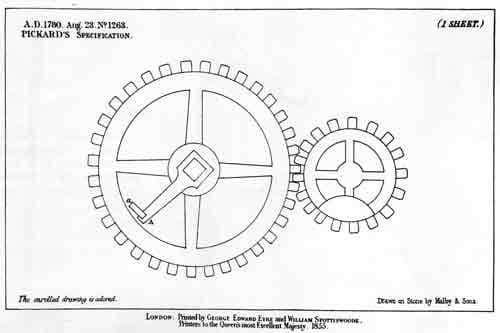
- 23 August 1780 — Pickard’s ‘crank patent’James Pickard of Snow Hill, button maker, patents a way of making a steam engine turn wheels (no. 1263), after a crank was fitted to Matthew Wasbrough’s engine at his mill. Watt claims the idea was leaked from Soho and avoids the crank with the sun-and-planet gear.
- 1781 — Sun-and-planet gear patentedWatt patents the sun-and-planet gear, which lets his engines drive wheels. The Library of Birmingham credits the original invention to William Murdoch.
- 1795–96 — Soho Foundry is built at SmethwickBoulton & Watt, led by their sons, build a foundry beside the Birmingham Canal to make complete steam engines on one site. Historic England describes it as the first factory built for the purpose.
- 1800 — The sons take over the engine businessAs Watt’s patent expires, Boulton and Watt hand the engine business to Matthew Robinson Boulton and James Watt junior. Boulton keeps the Mint.
- March 1802 — Gas lights at Soho for the Peace of AmiensGas lights are shown at each end of the Soho Manufactory during celebrations for the Peace of Amiens — a small display by William Murdoch, not a floodlit factory.
- c. by 1863 — The Soho Manufactory is goneAfter closing around 1850, Boulton’s Soho Manufactory and the old Soho Mint are demolished in stages. By 1863 nothing is left above ground; the site is later partly dug for sand and built over with housing.
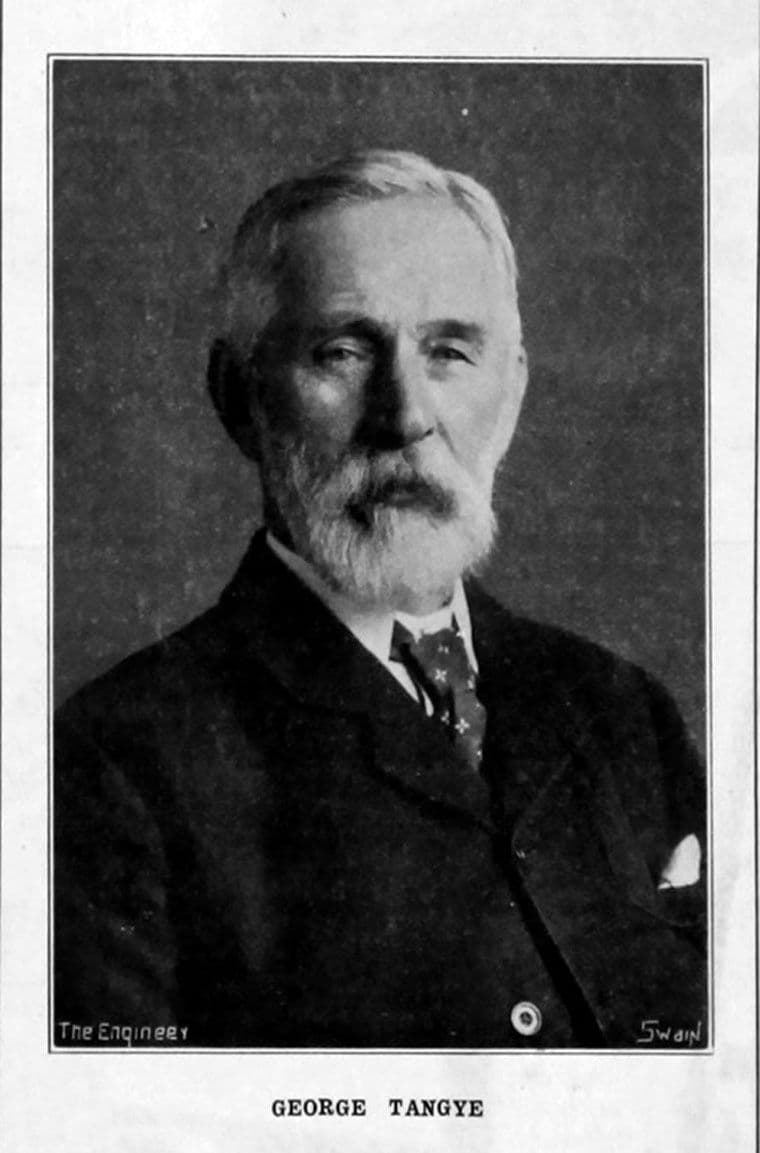
- 1895 — Avery buys Soho FoundryW & T Avery, the weighing-machine makers, buy Soho Foundry from the failing James Watt & Co. and move all their manufacturing there. George Tangye takes custody of the Boulton & Watt papers.
- 1895 — Soho Foundry sold to AveryAfter a century of steam-engine making, James Watt & Co. sell Soho Foundry to W. & T. Avery, the weighing-machine makers. The 1795–96 foundry building survives on the site.
- 1911 — George Tangye gives the Boulton & Watt papers to BirminghamGeorge Tangye presents the Boulton & Watt business archive, kept since 1895 in his ‘Watt Museum’, to Birmingham’s Reference Library. It is now the Library of Birmingham’s collection MS 3147.
- 14 September 1956 — The Golden Boys are unveiledSir Percy Mills unveils William Bloye’s gilded bronze of Boulton, Watt and Murdoch on Broad Street, designed in 1938 and delayed by the war.
- 29 September 2001 — Thinktank opens with the Smethwick EngineThinktank, Birmingham’s science museum, opens at Millennium Point. Its centrepiece is the Boulton & Watt engine that worked at Smethwick from 1779.
Sources and further reading
- Steam engines — Archives of Soho — Library of Birmingham, Birmingham City Council. Ref. MS 3782/12/1/2
- Copying press — Archives of Soho — Library of Birmingham, Birmingham City Council. Ref. MS 3219/4/127/6, /13; MS 3219/4/18/22; MS 3147/18/2
- Matthew Robinson Boulton (1770 to 1842) — Archives of Soho — Library of Birmingham, Birmingham City Council
- Matthew Boulton (1728 to 1809) — Archives of Soho — Library of Birmingham, Birmingham City Council. Ref. MS 3782/16/1; MS 3782/12/108/1
- The Soho Manufactory, Mint and Foundry, West Midlands: Where Boulton, Watt and Murdoch Made History — George Demidowicz, Historic England / Liverpool University Press, 2022. via publisher’s summary
- Soho Foundry, former Boulton and Watt foundry, pattern stores and erecting shops — National Heritage List for England entry 1268451 — Historic England
- Remains of the Boulton and Watt Soho foundry and mint, Birmingham Canal, Smethwick — Scheduled Monument 1021388 — Historic England
- Murdock, William — Dictionary of National Biography, vol. 39 — R. B. Prosser, Smith, Elder & Co., 1894
- A Portrait of James Watt — Revolutionary Players, History West Midlands
- Matthew Boulton, William Murdock and James Watt: Appraisal for ‘Golden Boys’ Statue — Stephen Mullen, Birmingham Museums Trust, 2021. on engines for the West Indies
- Stationary Steam Engines on Sugar Plantations in the Caribbean: Nevis 1816–1846 — David Small, 2021. summarising Tann 1997
- James Watt and the First Commercial Steam Engine — Angle Ring. lead only, for the Bloomfield engine
- Open Plaques plaque 10757 (site of James Watt’s Smethwick Engine) — Open Plaques
- Soho Foundry, Foundry Lane, Smethwick — Heritage at Risk entry 47046 — Historic England