
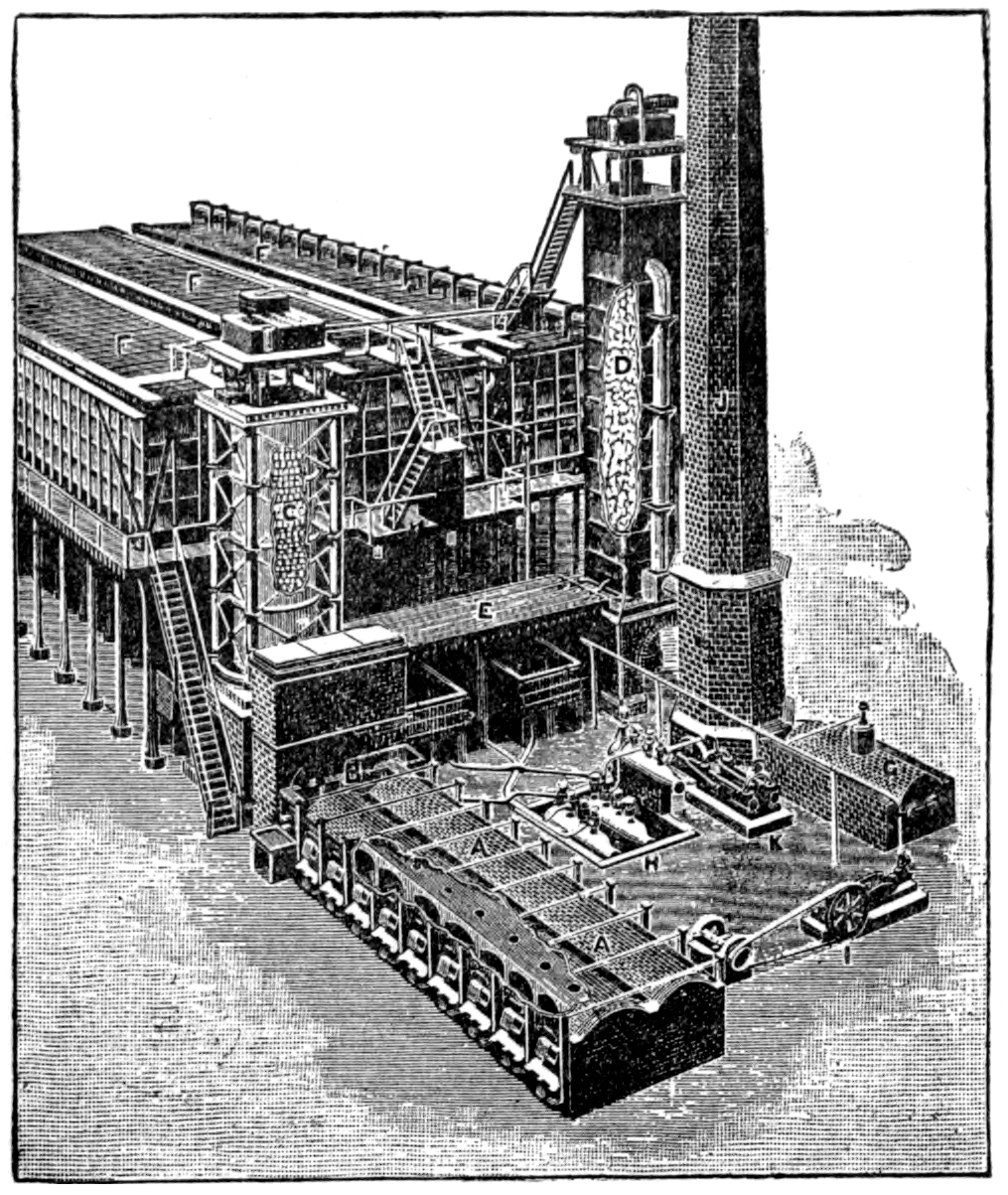
Birmingham, 1746. In a workshop on Steelhouse Lane, a young doctor is building a box out of sheets of lead. Inside it he means to burn sulphur, and out of the fumes he means to make one of the most corrosive liquids then known.
The makers of the day did this in glass, in fragile globes that broke easily and held little. John Roebuck had worked out that lead would do the job just as well, and lead could be made as big as you liked. It was a small change of material. It made sulphuric acid cheap.
A doctor in a metal town
Roebuck was not a Birmingham man. He was born in Sheffield and baptised in 1718, the son of a manufacturer of Sheffield wares who wanted him in the family business. The boy wanted learning instead. After Sheffield grammar school and Philip Doddridge’s academy at Northampton he went to Edinburgh to study medicine. There the chemistry teaching of William Cullen and Joseph Black caught him for life. He finished at Leiden, taking his degree as a doctor of medicine on 5 March 1742.
Then he came to Birmingham to practise. Within a few years he had a good list of patients. But the town around him was a giant workshop of buckles, buttons, plate and brass, and its trades ran on chemistry that nobody had studied properly. Roebuck spent his spare hours experimenting for them. He found better ways to refine gold and silver and to recover the tiny particles that local makers lost in their processes.
He set up a large laboratory in Steelhouse Lane, with a refinery for precious metals attached. Running the business side was a Birmingham merchant called Samuel Garbett. The 1897 Dictionary of National Biography describes Roebuck’s role as “what is now called a consulting chemist”: local manufacturers brought him their problems.
Oil of vitriol
The partners had a problem of their own. Refining metals needs sulphuric acid, then called oil of vitriol, and theirs had to come from distant makers. It was dear to make in small batches and dangerous to carry. The Victoria County History of Birmingham says this kept the refinery’s costs high.
Sulphuric acid was not new. It had been known for centuries. Around 1740 Joshua Ward had made it on a larger scale near London by burning sulphur with saltpetre over water and catching the fumes in glass globes, the largest that could safely be blown. The globes were the bottleneck.
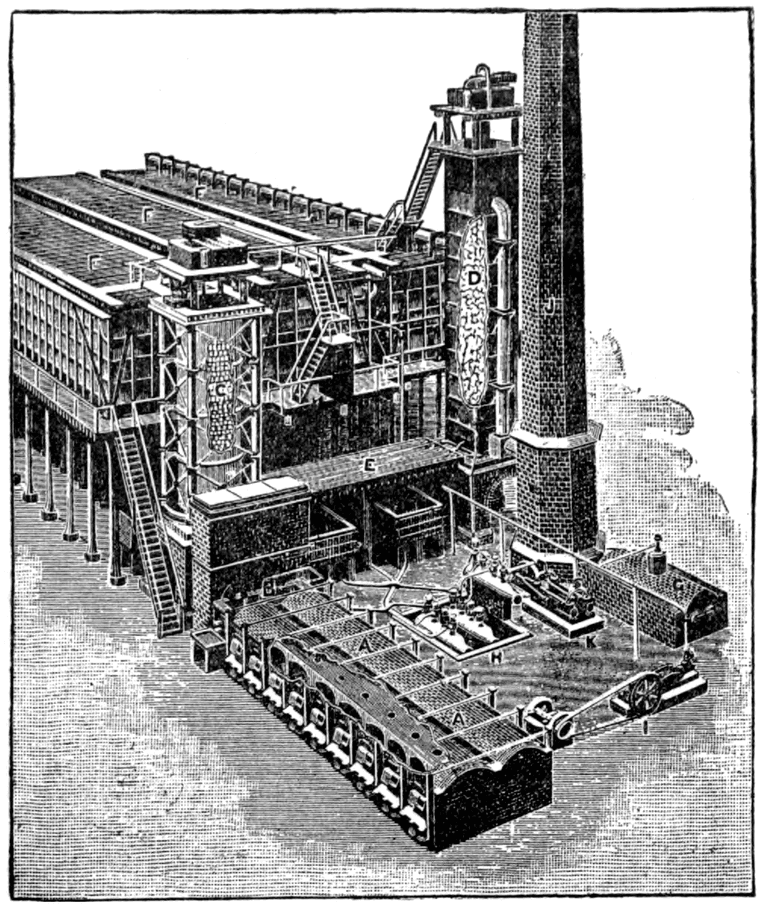
Roebuck showed that lead resisted the acid as well as glass did. In 1746 he and Garbett built their first lead chamber and began making acid on a scale nobody had managed before. A sheet of lead could be cut, joined and enlarged, so the vessel could be as big as a room. According to the Dictionary of National Biography the change cut the cost of sulphuric acid to about a quarter of what it had been.
The secret that got out
In 1749 the partners opened a much bigger works at Prestonpans, on the coast east of Edinburgh. Scotland’s linen trade needed bleach. Linen had been soured in sour milk for days at a time, and cheap sulphuric acid did the job far faster. Prestonpans sold to the bleachfields.
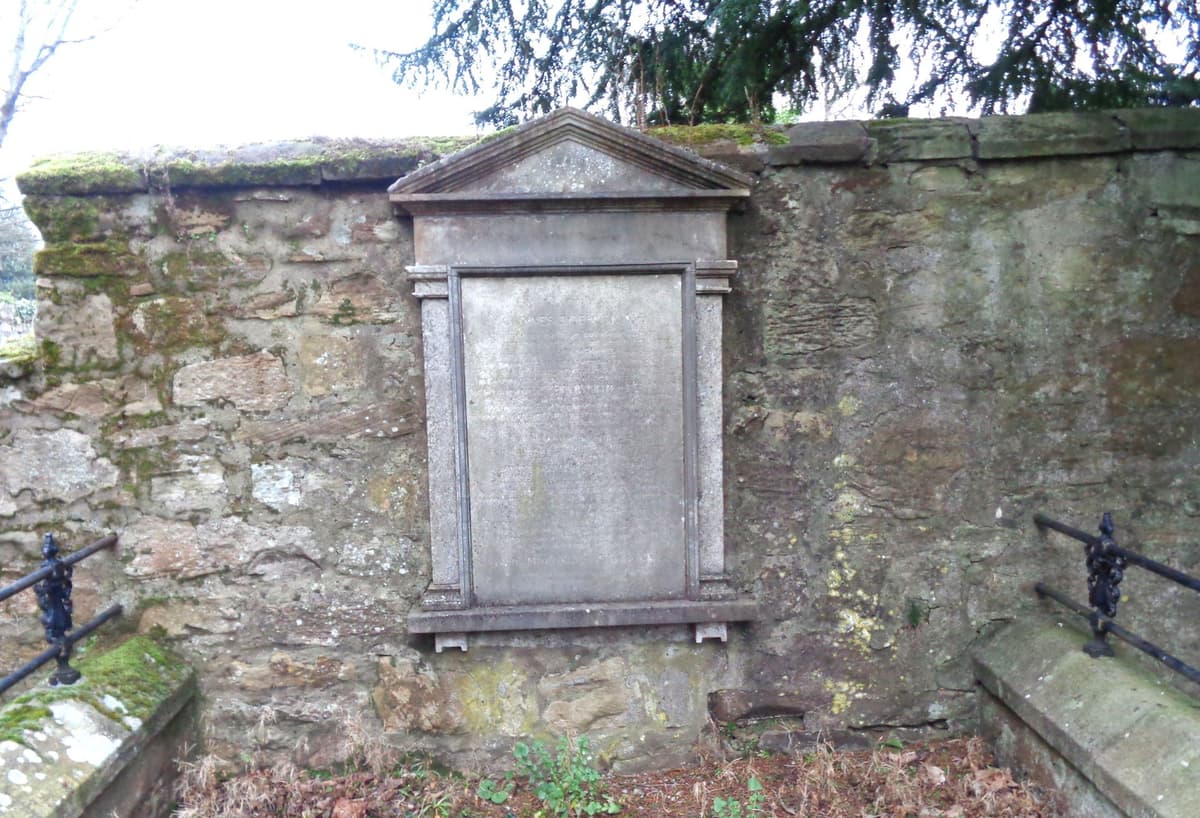
Roebuck and Garbett never patented the lead chamber. They kept it secret instead, behind a high wall that local people remembered as the “Secret Works”. Secrets leak. The Dictionary of National Biography says the process reached England through a workman who absconded, and by 1756 rivals were using it. When Roebuck took out a Scottish patent in 1771 and tried to stop other Scots copying, the Court of Session ruled against him because the method was already free in England. The House of Lords threw out his appeal in 1774.
Making acid meant burning sulphur in sealed rooms and working among the fumes. A French visitor to Prestonpans in the 1780s, Faujas de Saint-Fond, complained of a suffocating smell and air so corrosive that brass turned green. He blamed the salt pans, but the acid works stood alongside them. Cheap acid had a price, and the people who made it paid first.
Carron
Roebuck’s energy needed more outlets. With his brothers, Garbett and the Cadell family of Cockenzie, he formed a company to smelt iron in Scotland on a large scale. Roebuck chose the site on the River Carron near Falkirk, with water power, coal, ironstone and limestone close at hand and the Firth of Forth for shipping. The Carron Company was founded in 1759 and its first furnace was blown on 1 January 1760. Garbett and Roebuck each put up a quarter of the capital.
Roebuck pushed to use coal instead of costly charcoal. In 1762 he patented a way of turning cast iron into malleable iron with a pit-coal fire, patent number 780. Carron grew into one of the great ironworks of Britain. It made pots, stoves and grates, and it made guns. Its short naval gun, the carronade, made the name famous from 1779. From 1762 it also made iron pans for boiling sugar on the slave plantations of the West Indies.
Kinneil and the engine

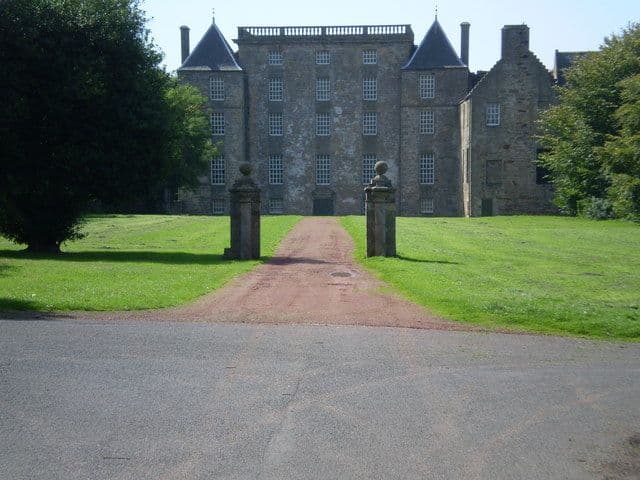
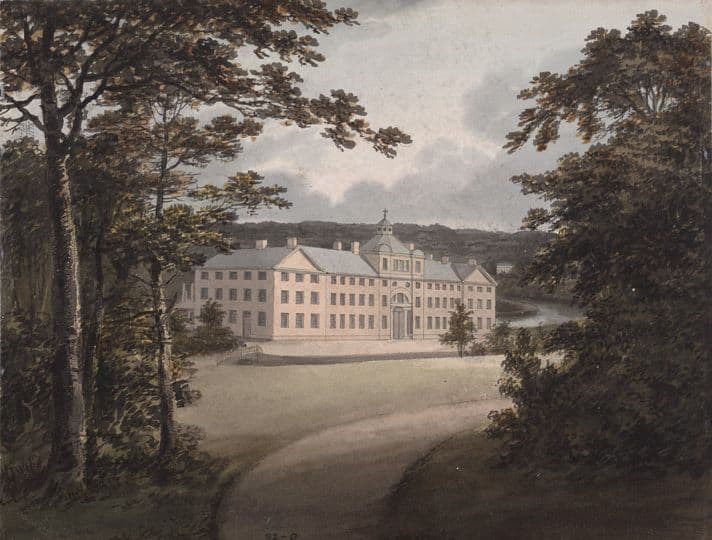
Then Roebuck overreached. To feed Carron with coal he leased the Duke of Hamilton’s coal mines and salt pans at Bo’ness, and about 1764 he moved his family into Kinneil House, overlooking the Forth. His pits flooded. The Newcomen pumping engines of the day could not keep the water down.
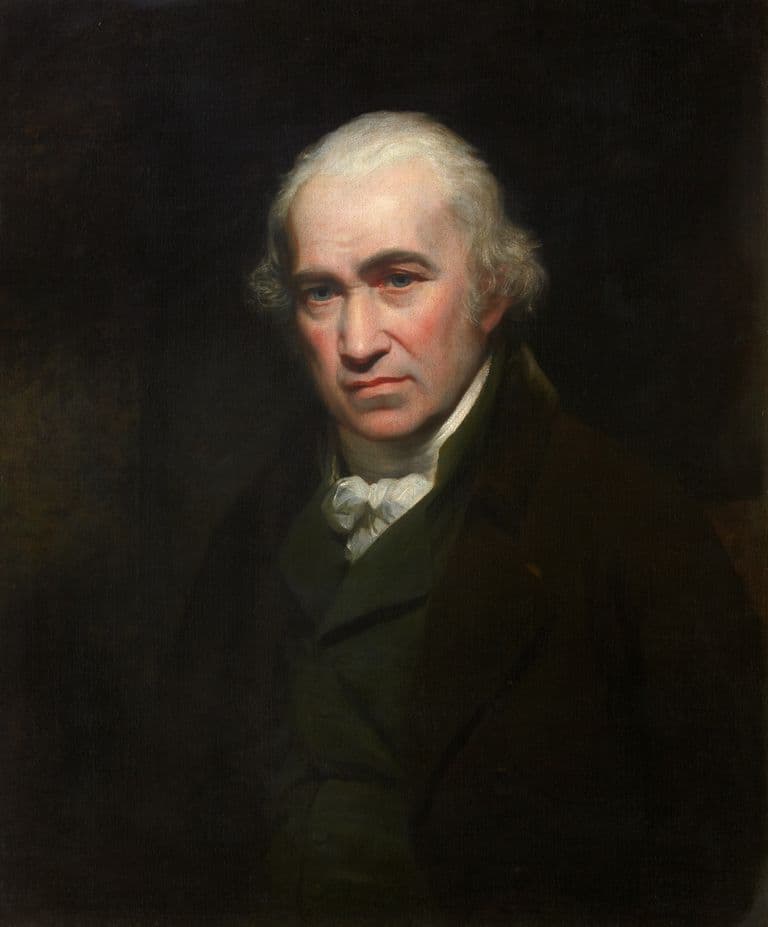
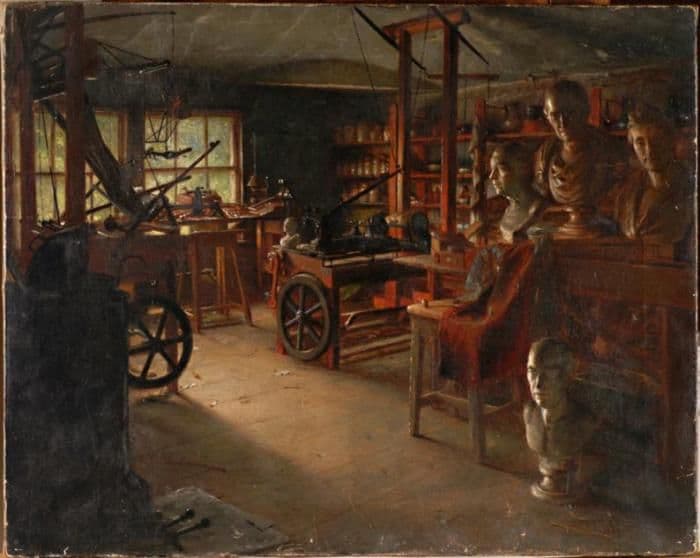
Joseph Black told him about a young Glasgow instrument maker with an idea for a better engine. That was James Watt. Roebuck became his backer and his partner. In 1767, by Samuel Smiles’s account, he took on Watt’s debts of about £1,000 and agreed to pay for further experiments and a patent, in return for two-thirds of the invention. Watt built a trial engine in an outhouse behind Kinneil House, and he took out his patent for the separate condenser in 1769.
Roebuck was the impatient one. “A day, a moment, ought not to be lost,” he wrote to Watt in October 1768. But the engine was not ready, and the money ran out. By Smiles’s account Roebuck could not even pay the patent fees, and Watt had to borrow them from Black.
Ruin
The mines swallowed everything: Roebuck’s own fortune, his wife’s money, his profits and large loans from friends. A venture to make soda from salt failed too. By 1773 he was in the hands of his creditors. To pay them he had to pull his capital out of Carron, the Birmingham refinery and Prestonpans.
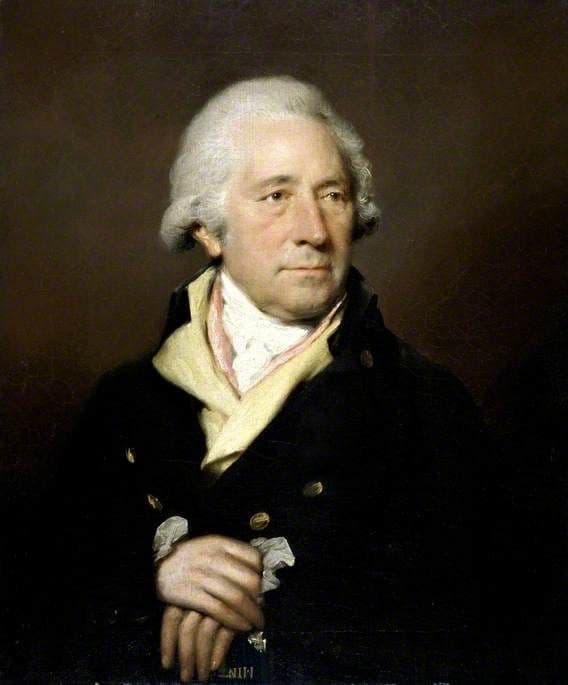
Among his debts was about £1,200 owed to Matthew Boulton of Soho. Boulton offered to take Roebuck’s two-thirds share in Watt’s engine instead of the money. The creditors, Smiles wrote, did not value the engine as worth “one farthing”, and they agreed. Watt called it “paying one bad debt with another”. Boulton later agreed to pay Roebuck £1,000 more out of the engine’s first profits. The engine at Kinneil was taken apart and shipped to Birmingham, and Watt followed it in 1774.
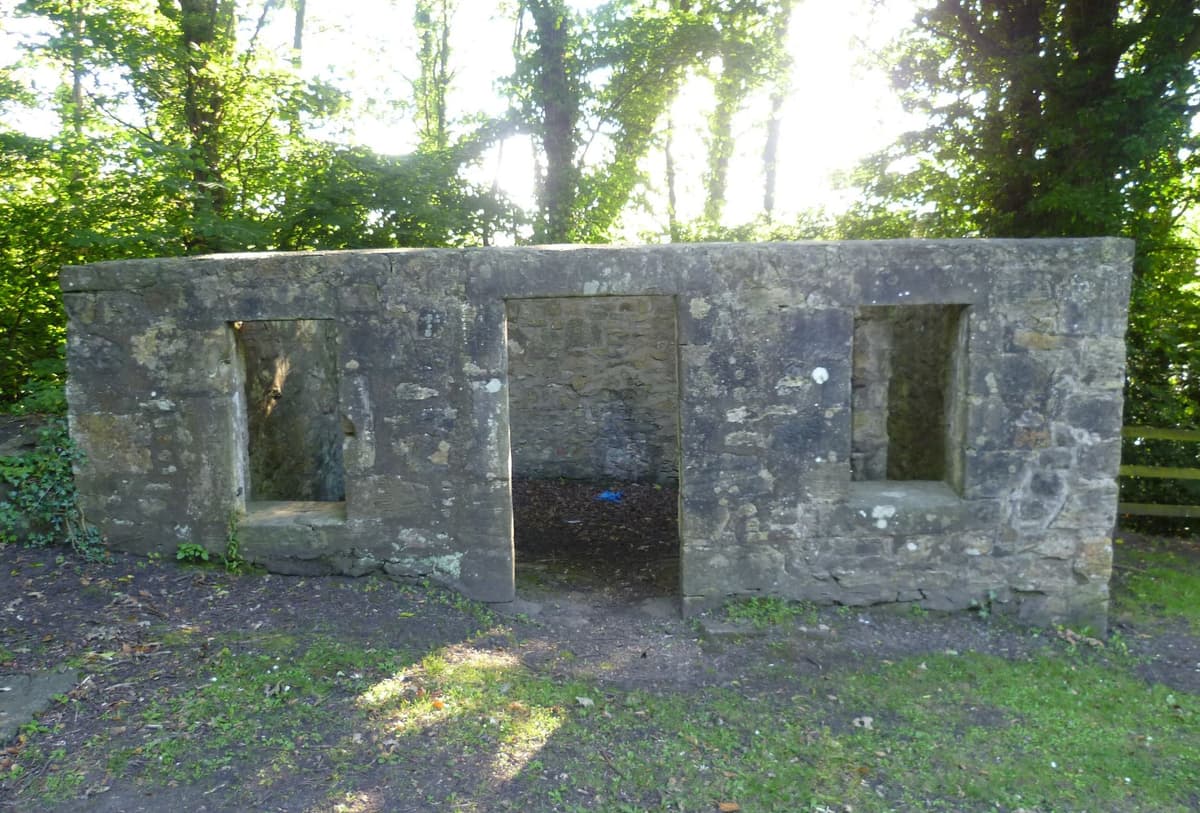
Roebuck’s creditors left him running the Bo’ness coal and salt works on an allowance. He farmed at Kinneil, kept experimenting, and was a Fellow of the Royal Societies of London and Edinburgh. He died on 17 July 1794 and is buried at Carriden, near Bo’ness.
Why it mattered
Roebuck did not invent sulphuric acid, and he did not invent Watt’s engine. What he did was simpler and bigger: he took a costly laboratory chemical and made it into a cheap bulk product, by building in lead instead of glass. Cheap acid bleached linen, cleaned and refined metal, and in time fed the alkali, dye and fertiliser industries of the nineteenth century. In 1897 the Dictionary of National Biography could still say that the way sulphuric acid was made was “still substantially that of Roebuck”.
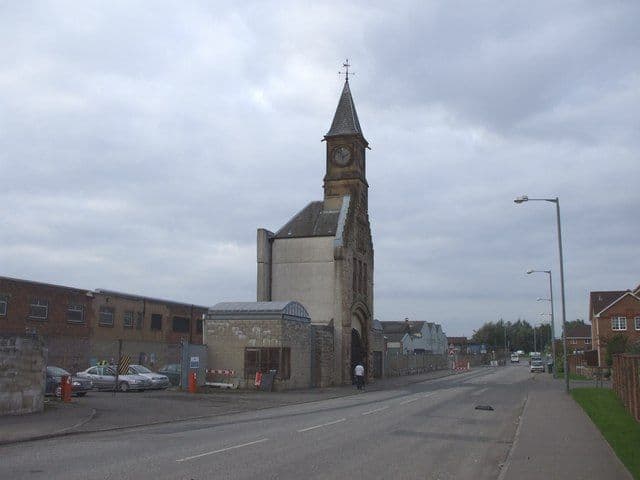
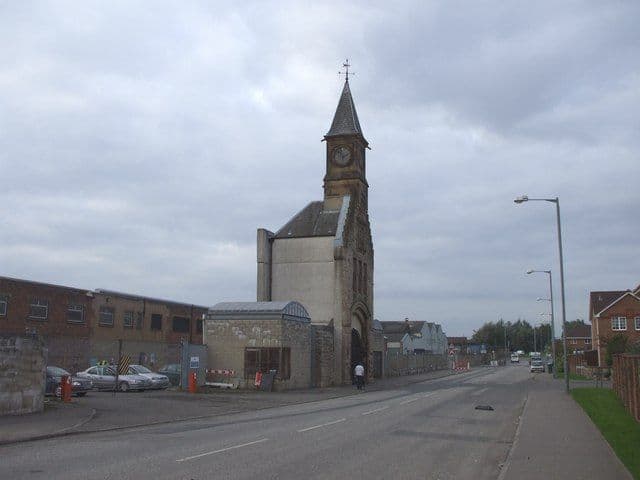
He started it in Birmingham, in a refinery on Steelhouse Lane that served the town’s jewellers and platers. Nothing of it survives. The street is now lined by the old police station and the Children’s Hospital.
His second legacy came through failure. Roebuck kept Watt going when Watt was ready to give up, and when Roebuck went under, his share of the engine passed to Matthew Boulton. Birmingham got the steam engine because a Sheffield doctor’s Scottish coal pits flooded.
A man who went bankrupt in 1773 had already changed two industries before he went down.
On the map
One place connected with John Roebuck. Tap a number for directions — some sites are private homes or gardens, so each place’s page says what you can see from the street.

- Roebuck and Garbett’s laboratory and refinery, Steelhouse Lane — Lost, Site redeveloped
Key dates
- 1746 — Roebuck and Garbett make sulphuric acid in lead chambersAt their Steelhouse Lane refinery, John Roebuck and Samuel Garbett begin making sulphuric acid on a large scale in chambers of lead instead of glass globes. The unpatented process cuts the cost of the acid to about a quarter and moves to a bigger works at Prestonpans in 1749.
- 1759 — Carron Company foundedJohn Roebuck, Samuel Garbett and partners found the Carron ironworks near Falkirk, with Birmingham capital. Its first furnace is blown on 1 January 1760.
- 1773–74 — Roebuck’s share in Watt’s engine passes to BoultonRuined by flooded coal pits, John Roebuck settles a debt of about £1,200 to Matthew Boulton by handing over his two-thirds share in James Watt’s engine patent. Watt’s trial engine is shipped from Kinneil to Soho, and Watt follows in 1774.
Sources and further reading
Birth: the Oxford DNB heads the entry “bap. 1718”; the 1897 DNB says born 1718 at Sheffield.
Leiden degree: 5 March 1742 (1897 DNB); a local history of Prestongrange gives 1743. We follow the DNB.
Who did what in 1746: the 1897 DNB credits Roebuck with the lead chamber and says the first was put up by Roebuck and Garbett in 1746; the Victoria County History presents Garbett as the refiner who needed the acid and Roebuck as the scientist who showed lead would serve. We describe it as a joint venture with Roebuck as the chemist.
Cost: “a fourth of its former cost” (1897 DNB; Mantoux, citing Jardine’s memoir of 1798). A Prestongrange local history says the price fell by a third. Neither figure is precisely documented, so we say “about a quarter”, attributed.
Chamber sizes: modern summaries give figures such as six feet square or 200 cubic feet for the first chambers. We found no primary source and leave them out.
Watt’s debts: Smiles says Roebuck undertook about £1,000 of Watt’s debts (1767–68); the 1897 DNB says £1,200 owed to Black, which may be a confusion with the £1,200 Roebuck later owed Boulton. The DNB’s “Robert Black” is a slip for Joseph Black.
The patent: Roebuck agreed to pay for the patent, but Smiles says he could not and Watt borrowed the money from Black. We say Roebuck backed the patent, not that he paid for it.
Boulton’s purchase: Roebuck was in his creditors’ hands by 1773; the Archives of Soho listings date Boulton’s acquisition of the share to 1774, and Watt’s notebook records the “Boulton/Roebuck Settlement” between May 1773 and March 1774.
Iron patent: 1762, no. 780 (1897 DNB; Mantoux gives 25 October 1762). One web summary gives 1760.
Carronade: first cast at Carron in 1779 (1897 DNB); some accounts say 1778.
Portrait: no authenticated portrait of Roebuck licensed for reuse has been found.
- Roebuck, John (1718–1794) — Dictionary of National Biography, vol. 49 — Francis Espinasse, Smith, Elder & Co., 1897. life; Steelhouse Lane laboratory; lead chambers 1746; Prestonpans 1749; leak, 1771 patent and 1774 appeal; Carron; Kinneil; ruin; death
- Economic and Social History: Industry and Trade, 1500–1880, in A History of the County of Warwick, vol. 7, pp. 81–139 — W. B. Stephens (ed.), Victoria County History, 1964. pp. 81–139: 1746 lead vessels; Roebuck showed lead resisted the acid; ‘pivotal point’; not patented
- Roebuck, John (bap. 1718, d. 1794), ironmaster — Oxford Dictionary of National Biography — R. H. Campbell, Oxford University Press, 2004; rev. 2013. cited via Frankis; not consulted directly
- Lives of Boulton and Watt — Samuel Smiles, John Murray, London, 1865. chs 8–11: Watt’s debts, two-thirds share, October 1768 letter, patent fees, Boulton’s purchase, ‘one farthing’, ‘one bad debt with another’, further £1,000
- Industrial Revolution: A Documentary History, Series One, Parts 2 and 3: The Boulton and Watt Archive — guide — Adam Matthew Publications, Adam Matthew. Ref. Library of Birmingham MS 3219 (James Watt papers), MI/1/19–20. Watt notebooks MI/1/19–20: Boulton/Roebuck negotiations and settlement, 1772–74
- Industrial Revolution: A Documentary History, Series One, Part 12: Boulton & Watt Correspondence and Papers (MS 3147/3/1–79) — detailed listing — Adam Matthew Publications, with listings by the Archives of Soho Project, Adam Matthew. Ref. Library of Birmingham MS 3147/3. Archives of Soho: Boulton acquired Roebuck’s interest, 1774
- Samuel Garbett — Grace’s Guide to British Industrial History. Carron capital: 25 per cent each
- Brickmaking, Salting and Chemicals at Prestongrange — David Anderson, Prestoungrange University Press. Prestonpans ‘Secret Works’; linen bleaching; Faujas de Saint-Fond on fumes
- Carron Co. Sugar Pans — the Slavery Connection — Lesley Ramsay, Our Stories Falkirk (Hidden Heritage: Industry and Empire project), 2020. sugar pans from 1762
- Watt’s Cottage — Friends of Kinneil. Watt’s Cottage; Carriden burial

Comments
Comments will load here.