
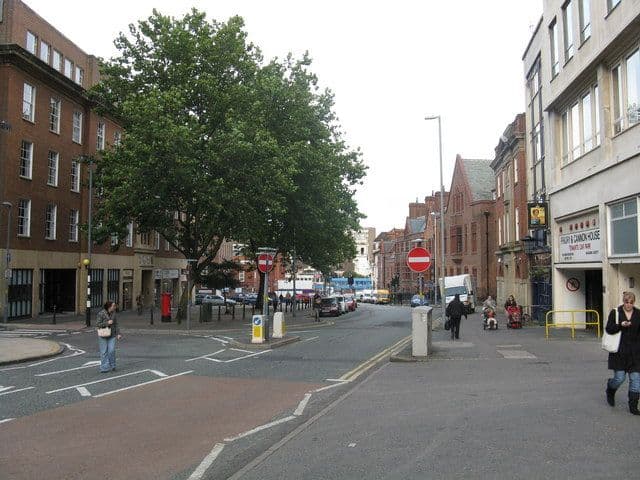
What was here?
A laboratory and precious-metal refinery run by the merchant Samuel Garbett and the physician John Roebuck. Local manufacturers brought it their chemical problems, and here in 1746 the partners began making sulphuric acid in vessels of lead instead of glass.
History
Garbett was refining metals in a workshop on Steelhouse Lane for the town’s jewellers when the cost of buying in sulphuric acid became a problem. With Roebuck, who set up a large laboratory and refinery on the street, he began making the acid on a large scale in lead chambers in 1746. The process was never patented and was moved to a bigger works at Prestonpans in Scotland in 1749, but the Birmingham refinery carried on. Roebuck withdrew his capital after his ruin in 1773, and after Garbett’s bankruptcy in 1782 the business passed to Alston and Armitage. James Alston & Sons, refiners and manufacturing chemists, were still on Steelhouse Lane in the nineteenth century.
What happened here?
The first lead chamber for making sulphuric acid, 1746.
Why it mattered
Lead chambers made sulphuric acid a cheap bulk chemical, used for refining metals, bleaching linen and, later, the heavy chemical industry.
Why it disappeared
Redevelopment
The street has been rebuilt several times; nothing of the eighteenth-century works is known to survive.
More pictures
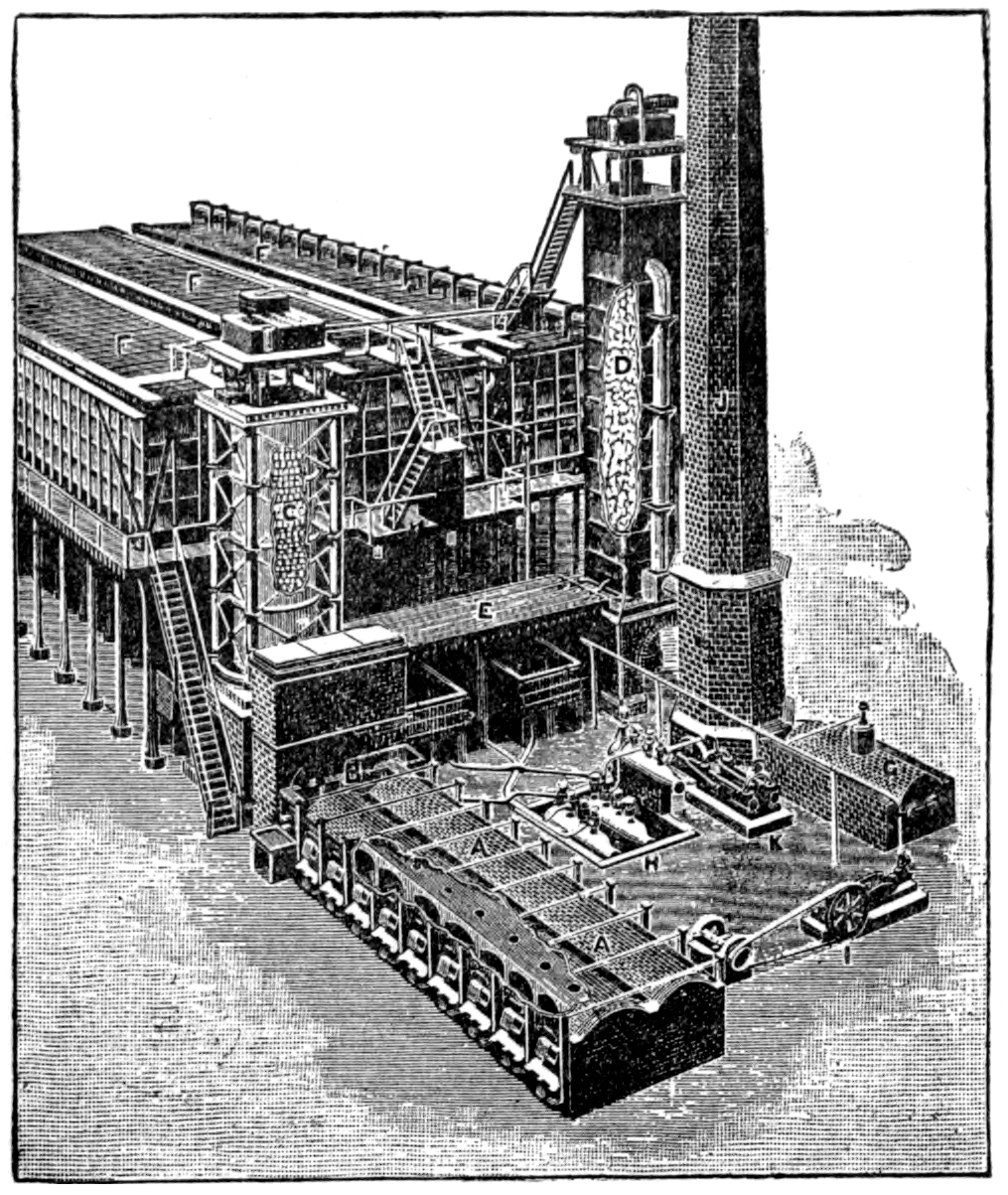
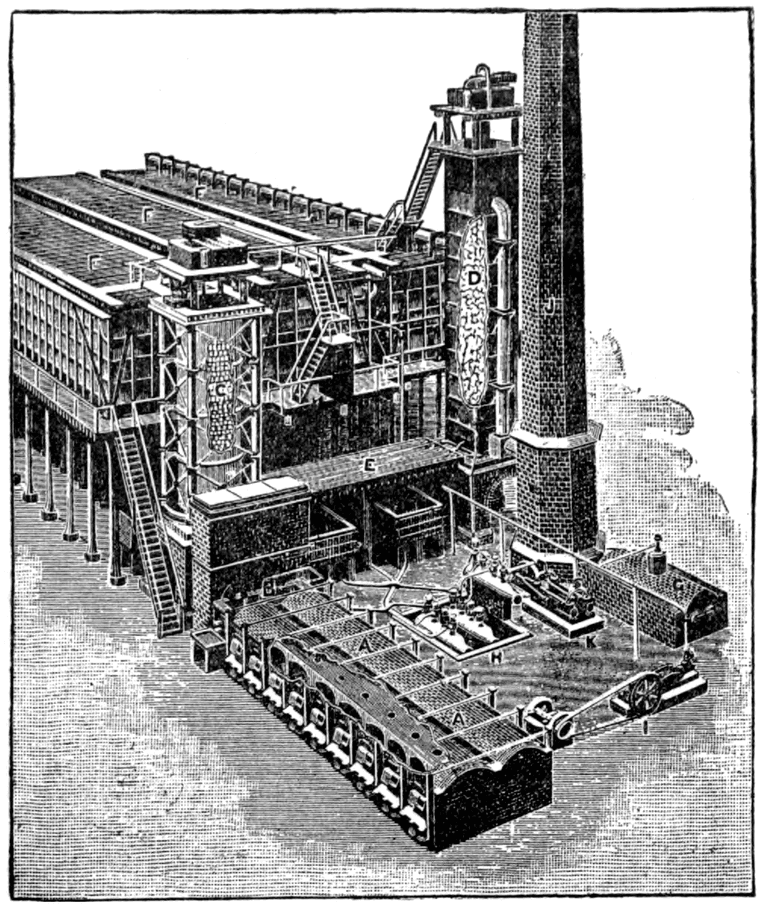
Diagram of a lead-chamber sulphuric acid plant, 1911Encyclopædia Britannica (after Thorpe’s Inorganic Chemistry), 1911. Wikimedia Commons, from Encyclopædia Britannica, 11th edition, vol. 26 · Public domain
What’s there now
What survives
Nothing known.
Today
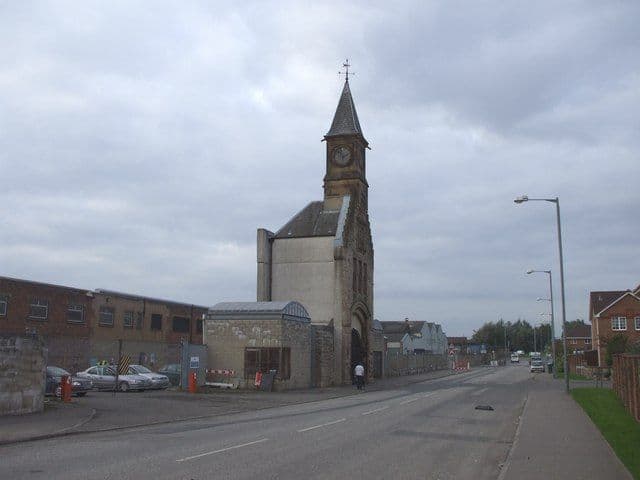
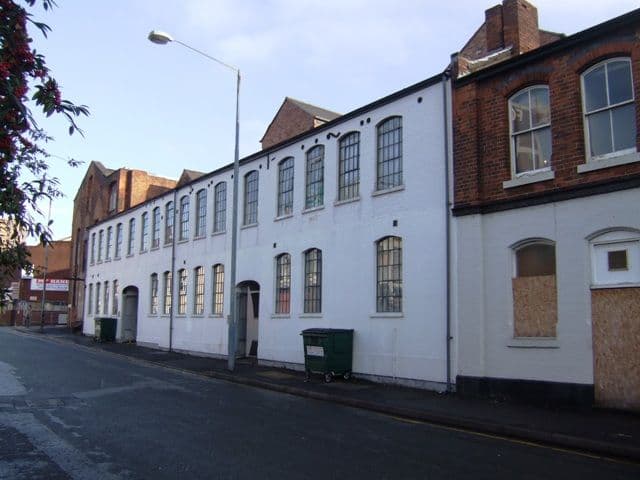
Steelhouse Lane is lined by the Victorian police station and lock-up and the Birmingham Children’s Hospital in the former General Hospital.
Then and now
Then · 29 September 2008
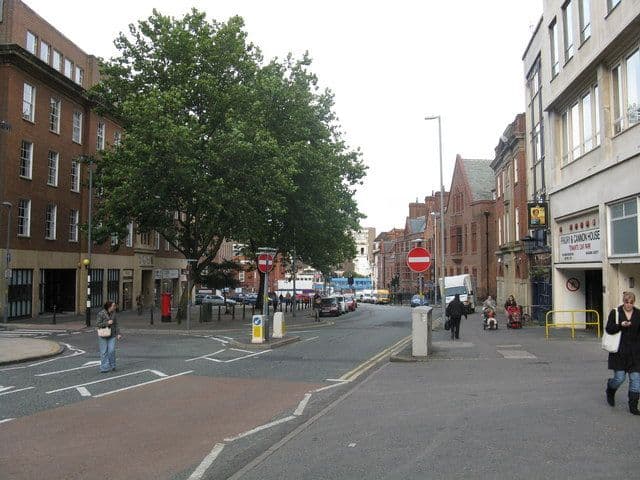
Now · 29 September 2008
Key dates
- 1746 — Roebuck and Garbett make sulphuric acid in lead chambersAt their Steelhouse Lane refinery, John Roebuck and Samuel Garbett begin making sulphuric acid on a large scale in chambers of lead instead of glass globes. The unpatented process cuts the cost of the acid to about a quarter and moves to a bigger works at Prestonpans in 1749.
Sources and further reading
The 1897 Dictionary of National Biography and the Victoria County History both place the laboratory and refinery in Steelhouse Lane, but no source found gives its position on the street. The map pin marks the street, not the building.
- Roebuck, John (1718–1794) — Dictionary of National Biography, vol. 49 — Francis Espinasse, Smith, Elder & Co., 1897
- Economic and Social History: Industry and Trade, 1500–1880, in A History of the County of Warwick, vol. 7, pp. 81–139 — W. B. Stephens (ed.), Victoria County History, 1964
Comments
Comments will load here.