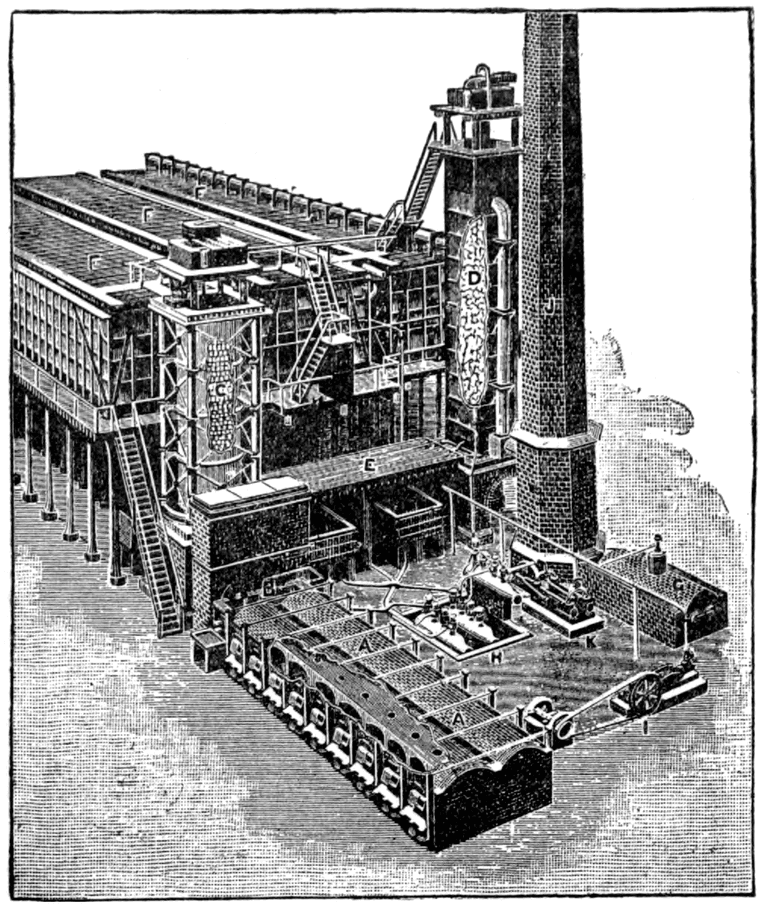
The Carron Company was Birmingham money and know-how planted in Scotland. Roebuck chose the site; he and Garbett each held a quarter of the capital. The first furnace was blown on 1 January 1760, and within a year the works was producing large quantities of iron. Roebuck worked to replace charcoal with coal, patenting a pit-coal process for malleable iron in 1762, and John Smeaton designed blowing machinery.
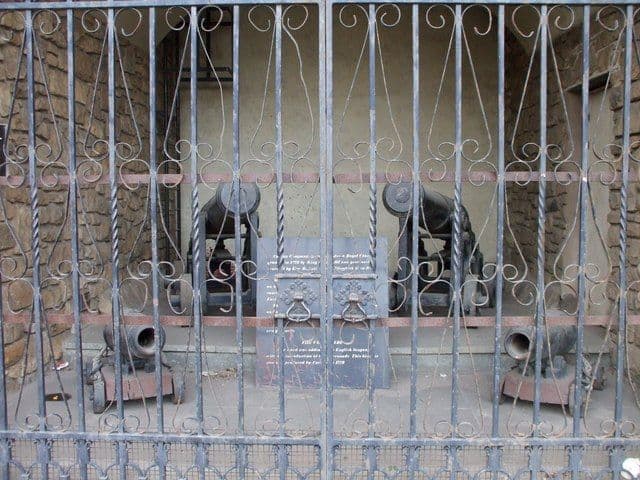
Carron made domestic ironware, sugar-boiling pans for West Indian plantations from 1762, and guns: the short naval carronade, first cast there in 1779, took its name from the works.
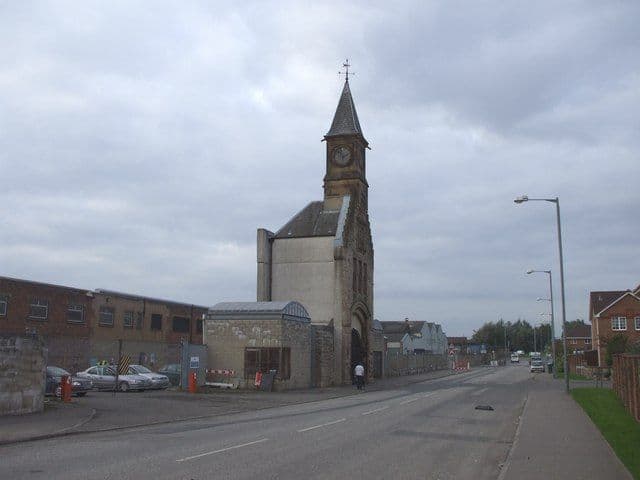
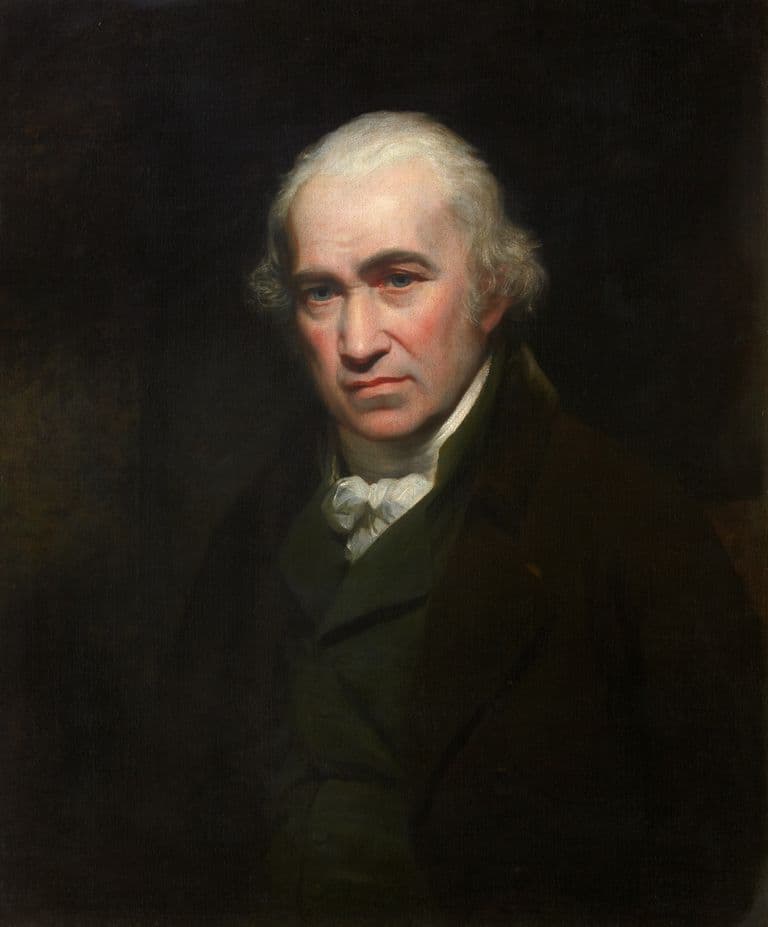
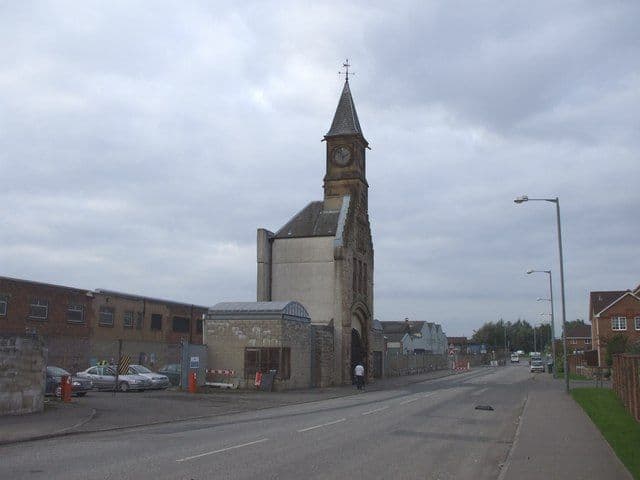
Roebuck withdrew after his ruin in 1773. Garbett’s son-in-law Charles Gascoigne became a partner in 1765 and a dominant figure, and the Victoria County History blames him for Garbett’s bankruptcy in 1782. James Watt’s first trial engines were made with Roebuck’s backing while Carron was his main business. The company traded until 1982; its clocktower survives at Carron.
Key dates
- 1759 — Carron Company foundedJohn Roebuck, Samuel Garbett and partners found the Carron ironworks near Falkirk, with Birmingham capital. Its first furnace is blown on 1 January 1760.
Sources and further reading
- Roebuck, John (1718–1794) — Dictionary of National Biography, vol. 49 — Francis Espinasse, Smith, Elder & Co., 1897
- Samuel Garbett — Grace’s Guide to British Industrial History
- Carron Co. Sugar Pans — the Slavery Connection — Lesley Ramsay, Our Stories Falkirk (Hidden Heritage: Industry and Empire project), 2020
- Economic and Social History: Industry and Trade, 1500–1880, in A History of the County of Warwick, vol. 7, pp. 81–139 — W. B. Stephens (ed.), Victoria County History, 1964