
What was here?
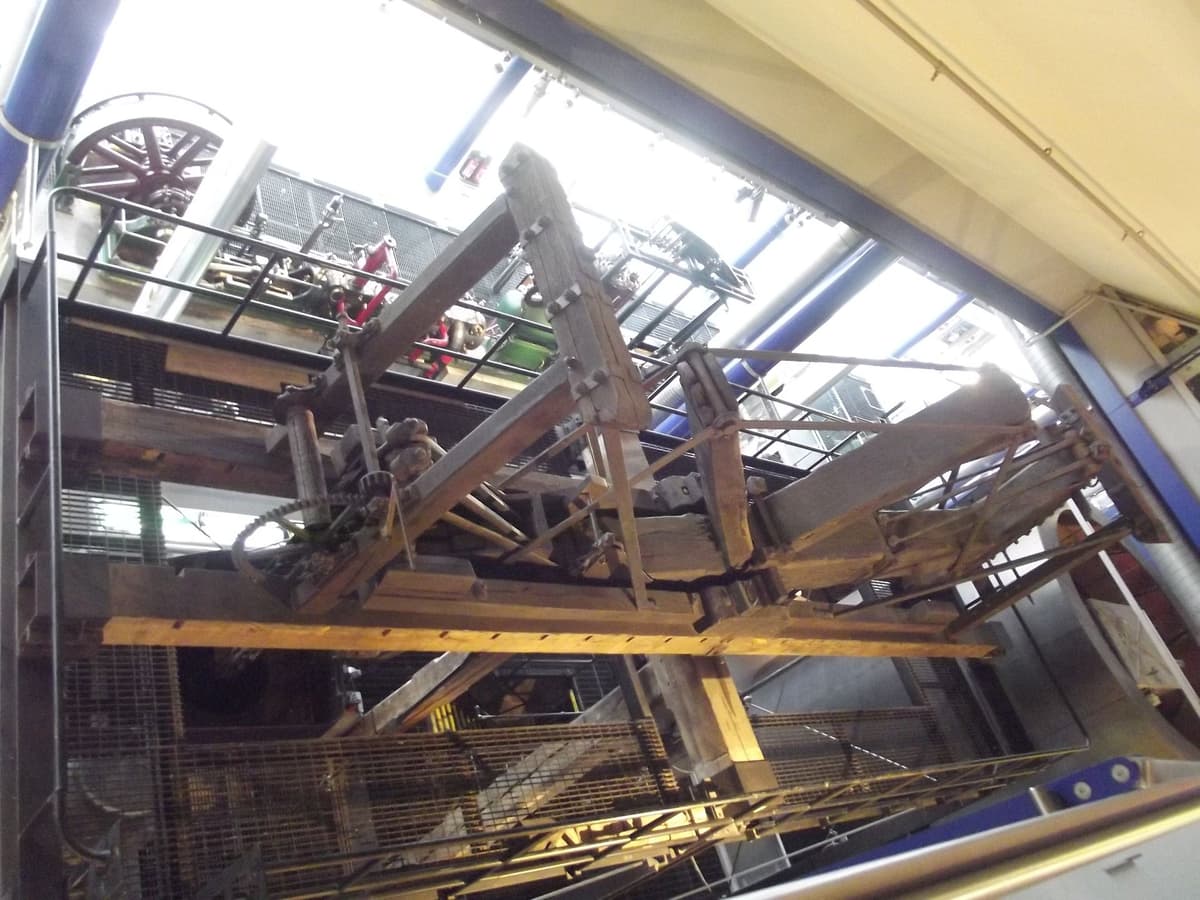
Thinktank, opened in 2001 in the Millennium Point building on Curzon Street, took over the science collections of the old Museum of Science and Industry. Its ground floor holds the Smethwick Engine.
History
Water uphill
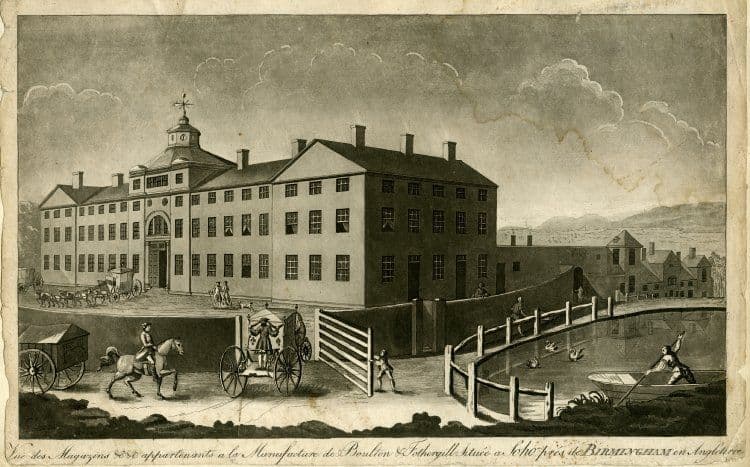
In the 1770s the Birmingham Canal climbed over the ridge at Smethwick by a flight of locks. Every boat that passed drained water from the summit, and there was not enough to spare. The canal company turned to the new firm of Boulton & Watt. In May 1779 their engine began to work at Smethwick, pumping water back up to the top of the locks.
Birmingham Museums puts it in plain numbers: the engine lifted the equivalent of 1,500 buckets of water a minute, enough to let 250 boats a week through the locks.
A long working life
It kept going for more than a century. A plaque on its old site says it worked until 1891. A replacement pumping engine was built in 1892, and in 1897–98 the old engine was taken down and moved to the canal depot at Ocker Hill for preservation. In 1959 it joined the city’s museum collection.
Thinktank
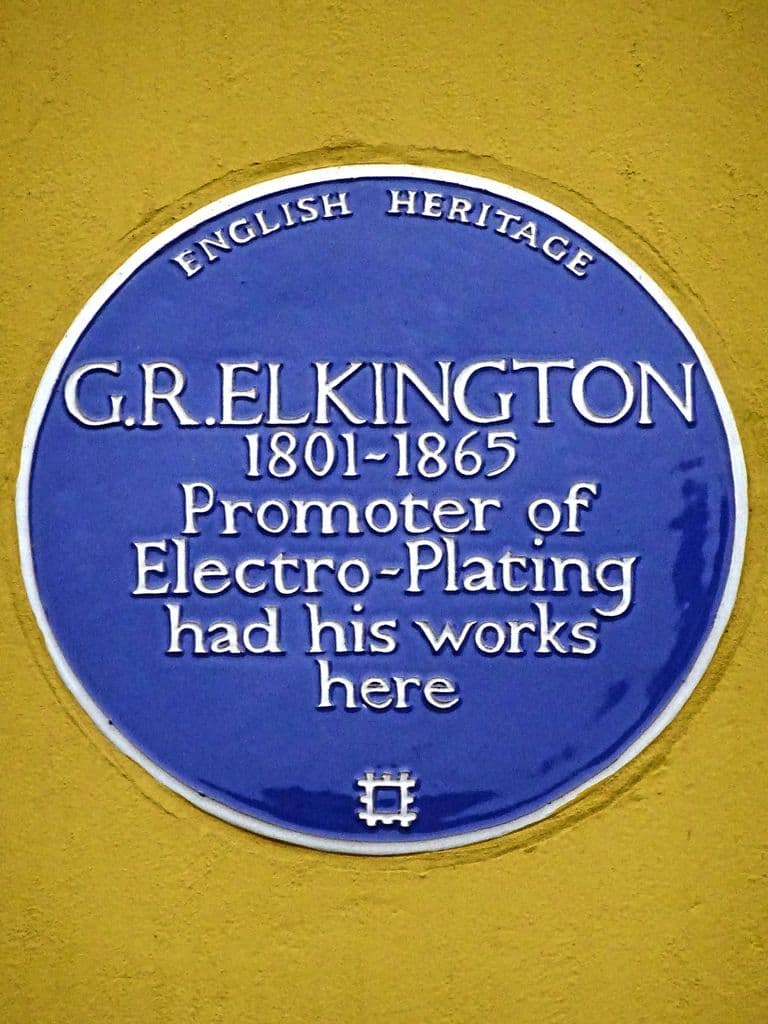
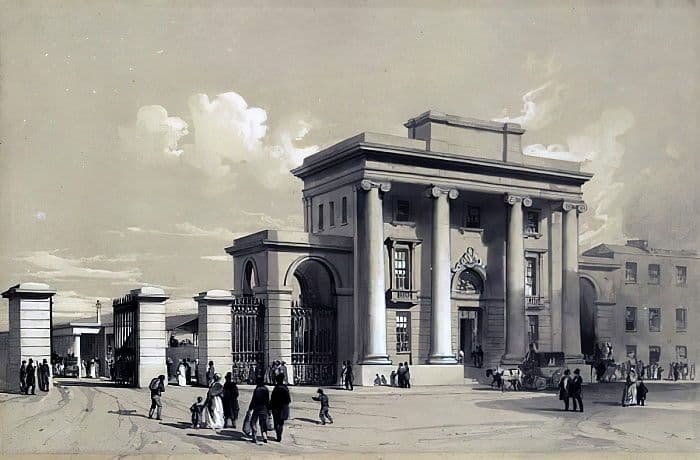
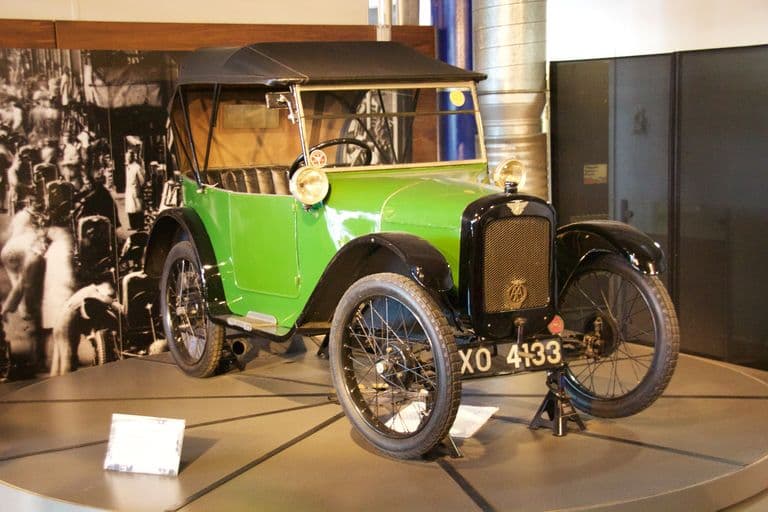
Thinktank opened on 29 September 2001 in Millennium Point, replacing the Museum of Science and Industry in the old Elkington works on Newhall Street, which had closed in 1997. The Smethwick Engine is on level 0, in the gallery called ‘Smethwick Engine and Power Up’. The museum has also shown Birmingham-made cars there, among them a 1923 Austin Seven tourer.
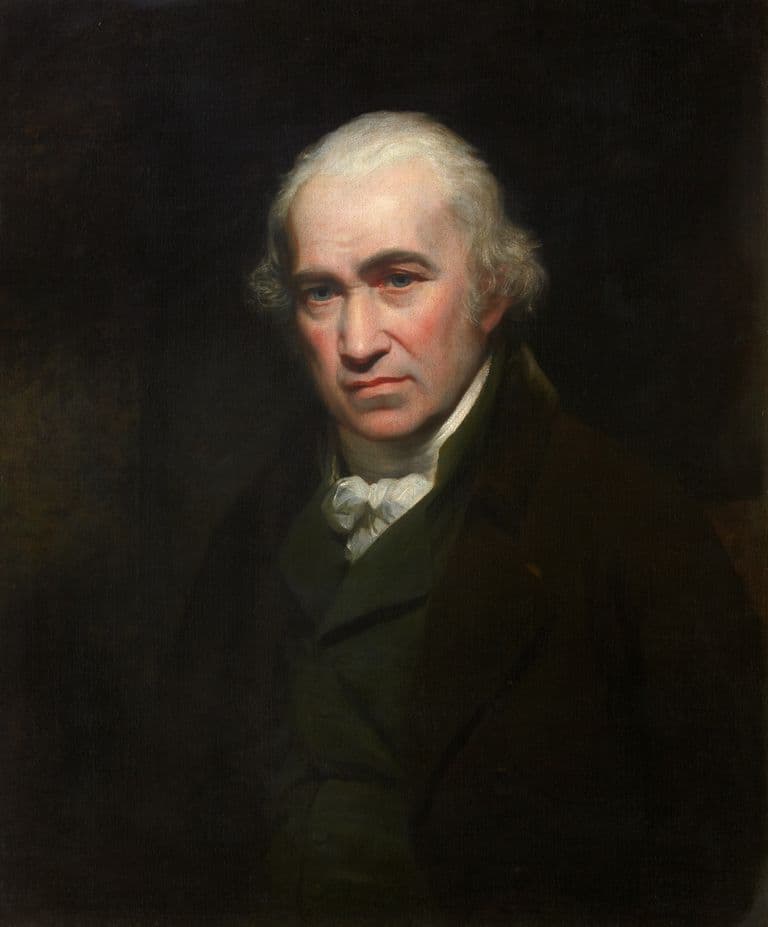
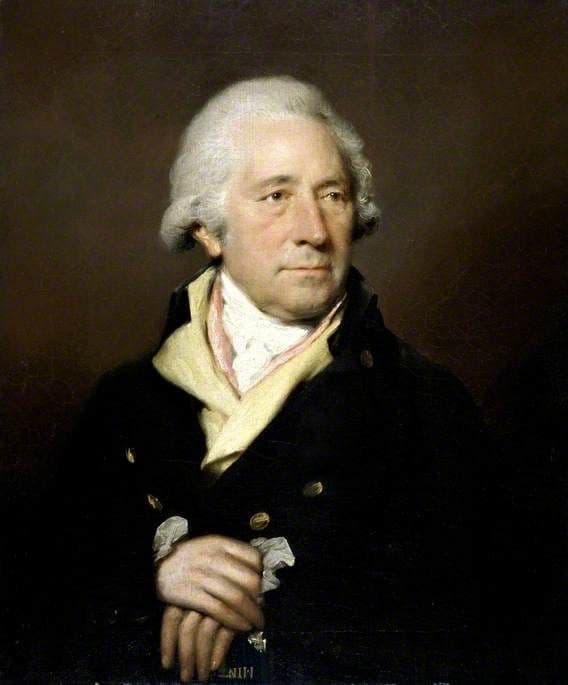
Nearly two and a half centuries after James Watt designed it and Matthew Boulton’s firm built it, it is still described as the oldest working steam engine in the world.
What happened here?
A science museum opened here in 2001, displaying the Smethwick Engine of 1779 and other machines from Birmingham’s industrial past.
Why it mattered
The Smethwick Engine is a working survivor of the Boulton & Watt partnership, the machine at the centre of Birmingham’s industrial revolution.
The same spot, then and now
1888–1913
Today
Old map: Ordnance Survey six-inch, reproduced with the permission of the National Library of Scotland (CC BY 4.0). Today: © OpenStreetMap contributors.
What’s there now
What survives
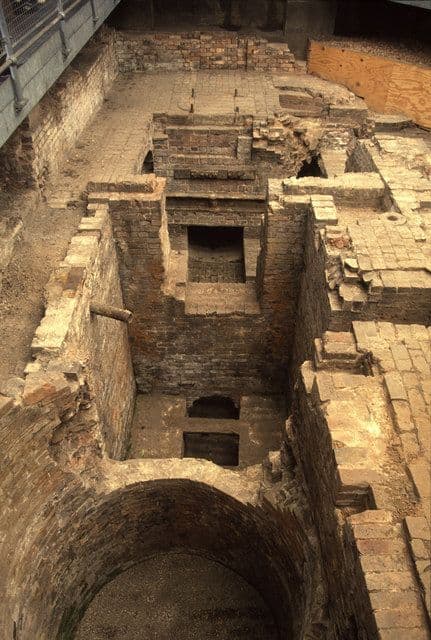
The 1779 engine itself. Its foundations survive at its first site in Smethwick.
Today
Thinktank, Birmingham Science Museum, run by Birmingham Museums Trust, in Millennium Point on Curzon Street.
Today
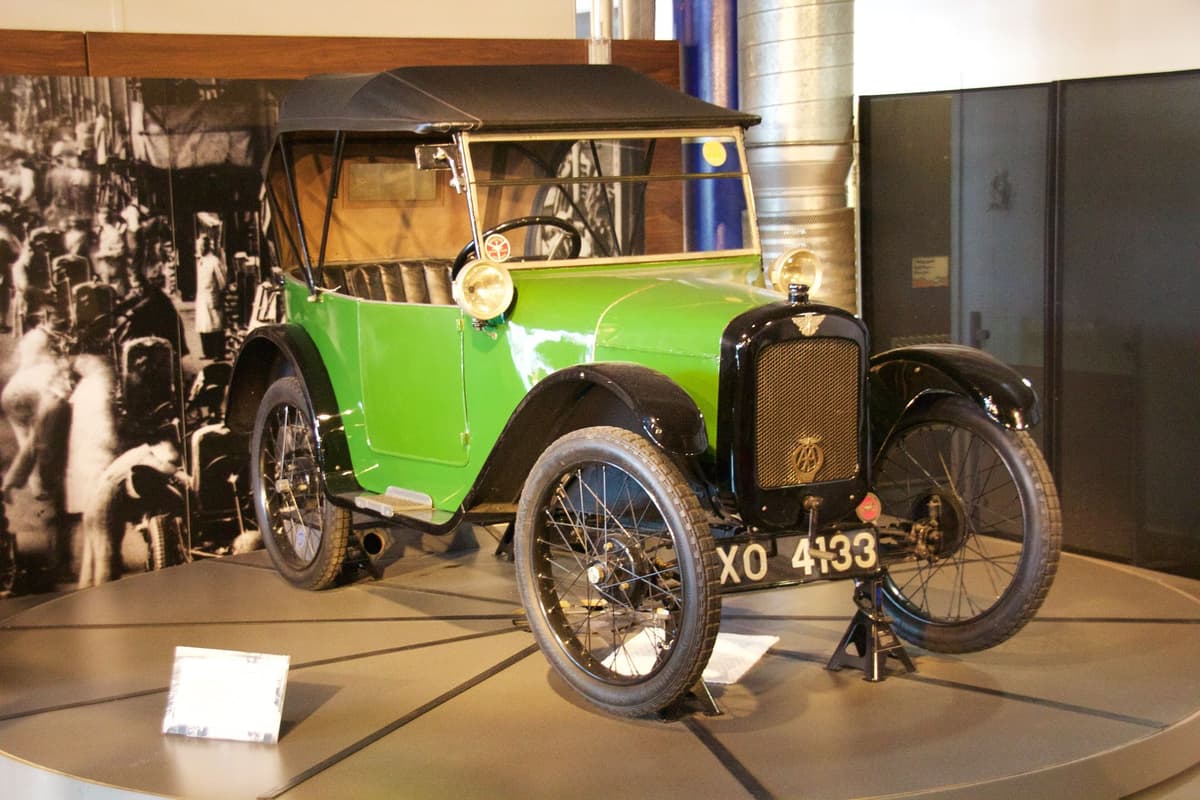
1923 Austin Seven tourer at Thinktank, Photographed 7 March 2015Mike Peel (www.mikepeel.net), Photographed 7 March 2015. Mike Peel via Wikimedia Commons · CC BY-SA 4.0
Key dates
- 29 September 2001 — Thinktank opens with the Smethwick EngineThinktank, Birmingham’s science museum, opens at Millennium Point. Its centrepiece is the Boulton & Watt engine that worked at Smethwick from 1779.
Sources and further reading
“Oldest working steam engine” and “oldest working engine in the world” are claims made by Birmingham Museums and repeated by Guinness World Records and the Institution of Mechanical Engineers via Wikipedia.
End of work: 1891 on the Smethwick Local History Society plaque; Wikipedia says the replacement was built in 1892 and the old engine removed in 1897–98.
The 1959 acquisition date is from Wikipedia and matches the museum object number 1959S01063. Who gave it (the Birmingham Canal Company, according to Wikipedia, or the waterways’ later owners) is not confirmed. Where it was displayed between 1959 and 2001 is not stated in the sources consulted.
Wikipedia notes that Thinktank once had a Boulton and Watt gallery that has since been removed. Displays change; check what is on show before a visit.
- Smethwick Engine and Power Up — Birmingham Museums Trust
- Thinktank, Birmingham Science Museum — Wikipedia
- Smethwick Engine — Wikipedia
- Open Plaques plaque 10757 (site of James Watt’s Smethwick Engine) — Open Plaques


Comments
Comments will load here.