
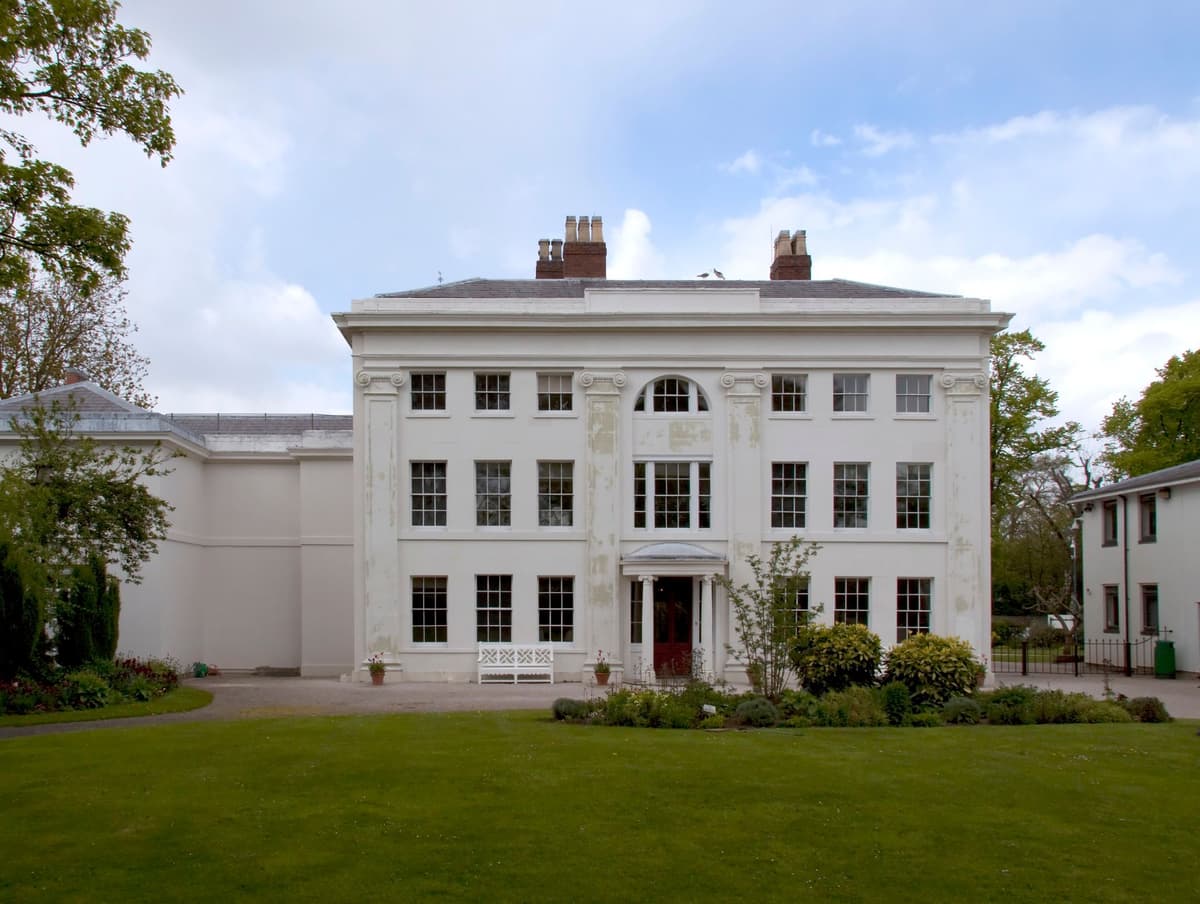
Manufacturers, doctors, chemists and engineers. Some lived in Birmingham; some rode in from Lichfield or the Potteries. Meet the people, see where they met, and find out what happened to them when Birmingham turned on one of their own in 1791.
Who was in it
The diagram, as a list
- James Keir and James Watt — Boulton & Watt
- James Keir and Matthew Boulton — Boulton & Watt
- James Keir and Sir James Timmins Chance — Boulton & Watt
- James Keir and James Pickard — Boulton & Watt
- James Keir and John Roebuck — Boulton & Watt
- James Keir and William Beilby Avery — Boulton & Watt
- James Keir and George Tangye — Boulton & Watt
- James Keir and William Murdoch — Boulton & Watt
- James Watt and Matthew Boulton — Boulton & Watt
- James Watt and Sir James Timmins Chance — Boulton & Watt
- James Watt and James Pickard — Boulton & Watt
- James Watt and John Roebuck — Boulton & Watt
- James Watt and William Beilby Avery — Boulton & Watt
- James Watt and George Tangye — Boulton & Watt
- James Watt and William Murdoch — Boulton & Watt
- Matthew Boulton and Sir James Timmins Chance — Boulton & Watt
- Matthew Boulton and James Pickard — Boulton & Watt
- Matthew Boulton and John Roebuck — Boulton & Watt
- Matthew Boulton and William Beilby Avery — Boulton & Watt
- Matthew Boulton and George Tangye — Boulton & Watt
- Matthew Boulton and William Murdoch — Boulton & Watt
- Sir James Timmins Chance and James Pickard — Boulton & Watt
- Sir James Timmins Chance and John Roebuck — Boulton & Watt
- Sir James Timmins Chance and William Beilby Avery — Boulton & Watt
- Sir James Timmins Chance and George Tangye — Boulton & Watt
- Sir James Timmins Chance and William Murdoch — Boulton & Watt
- James Pickard and John Roebuck — Boulton & Watt
- James Pickard and William Beilby Avery — Boulton & Watt
- James Pickard and George Tangye — Boulton & Watt
- James Pickard and William Murdoch — Boulton & Watt
- John Roebuck and William Beilby Avery — Boulton & Watt
- John Roebuck and George Tangye — Boulton & Watt
- John Roebuck and William Murdoch — Boulton & Watt
- William Beilby Avery and George Tangye — Boulton & Watt
- William Beilby Avery and William Murdoch — Boulton & Watt
- George Tangye and William Murdoch — Boulton & Watt
- Matthew Boulton and Edward Thomason — Boulton & Fothergill
- Sir James Timmins Chance worked with members but was not a member himself.
- Edward Thomason worked with members but was not a member himself.
- James Pickard worked with members but was not a member himself.
- John Roebuck worked with members but was not a member himself.
- William Beilby Avery worked with members but was not a member himself.
- George Tangye worked with members but was not a member himself.
- William Murdoch worked with members but was not a member himself.
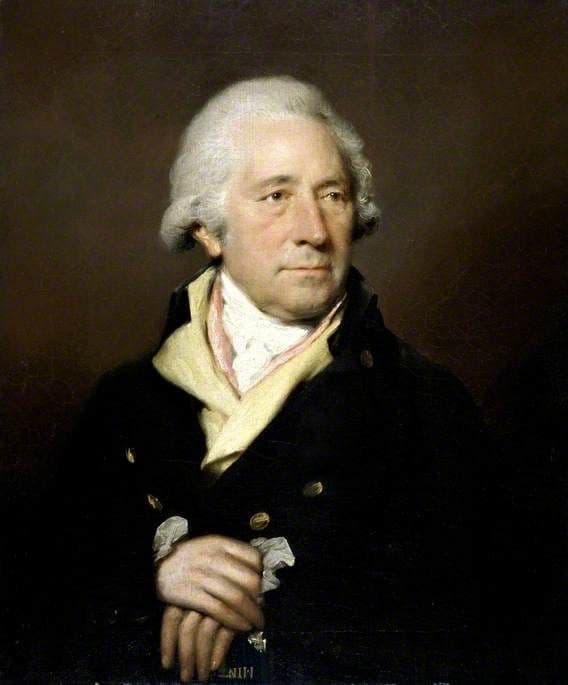 Matthew Boulton1728–1809 · Manufacturer and entrepreneurThe Birmingham toymaker’s son who built the Soho Manufactory, backed James Watt’s engine, founded the steam-powered Soho Mint and told Boswell in 1776: “I sell here, Sir, what all the world desires to have — POWER.”
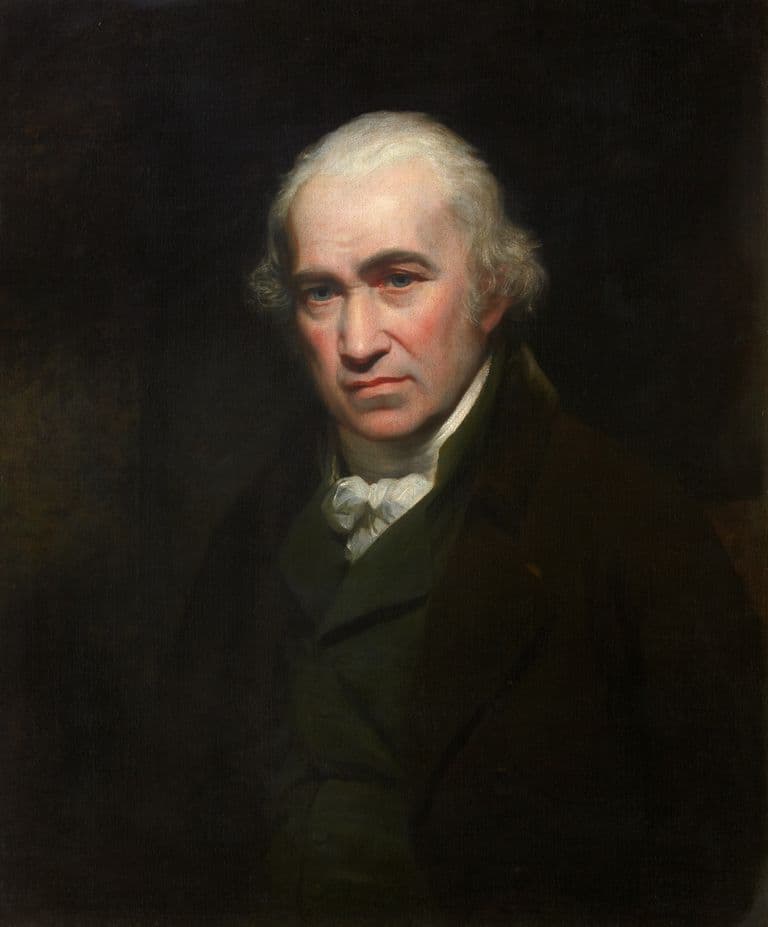 James Watt1736–1819 · Engineer, inventor and scientistThe Greenock instrument maker whose separate condenser made the steam engine efficient. With Matthew Boulton he made it pay, living at Harper’s Hill and Heathfield, Handsworth, where his garret workshop survived almost untouched for a century.
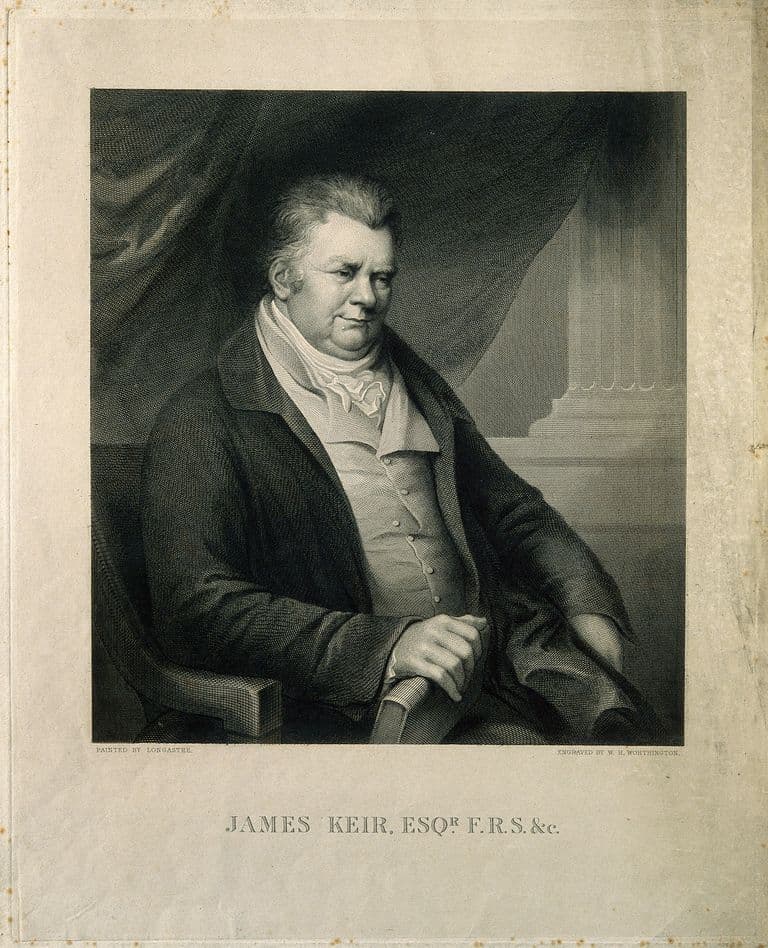 James Keir1735–1820 · Chemist, industrialist and writerSoldier turned chemist of the Lunar Society. He ran Soho in 1778, partnered Watt in the copying press, made glass at Amblecote and soap and alkali at Tipton, and chaired the Bastille dinner of 14 July 1791 that sparked the Priestley Riots.
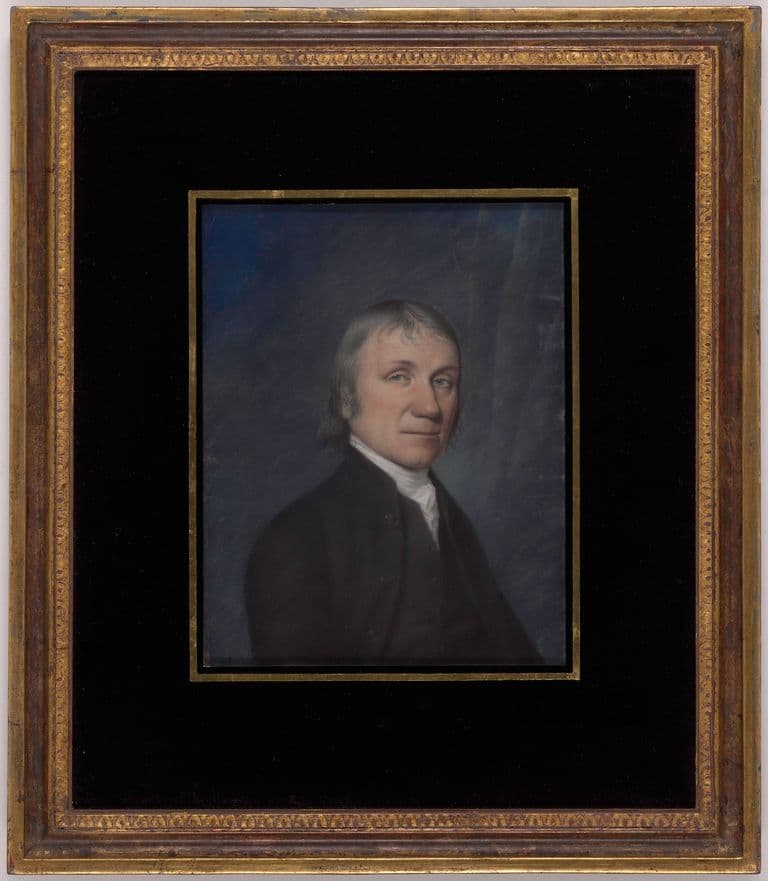 Joseph Priestley1733–1804 · Minister, chemist, theologian and Lunar Society memberChemist, radical minister and Lunar man who lived at Fair Hill, Sparkbrook, from 1780 until a loyalist mob burned his home, laboratory and chapel in July 1791. He left Birmingham and never came back.
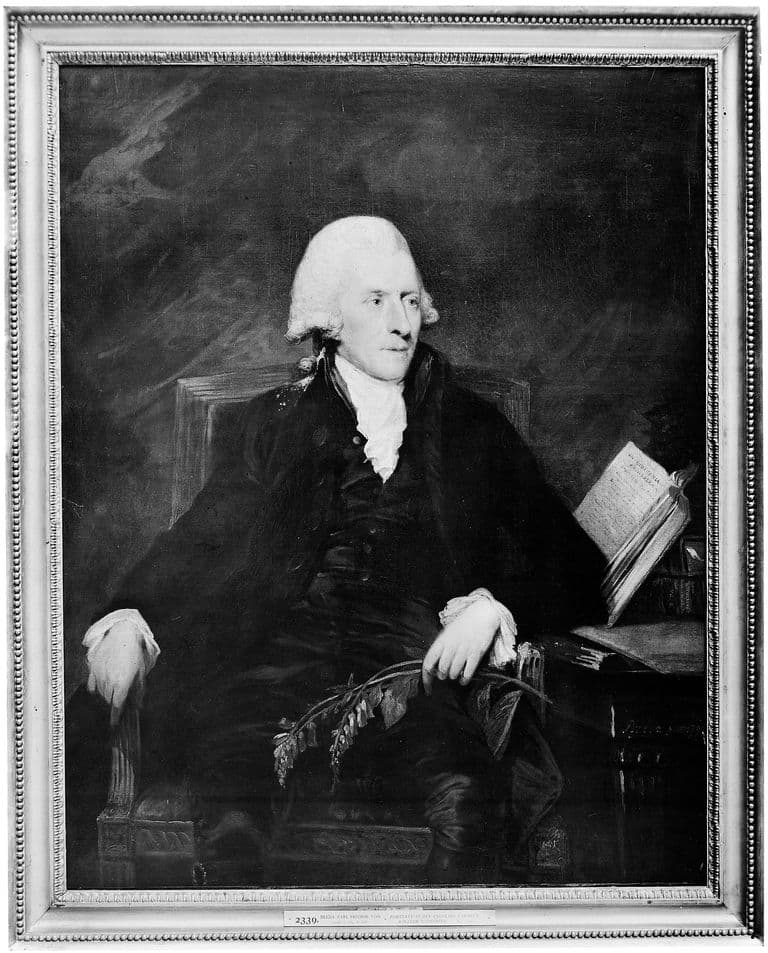 William Withering1741–1799 · Physician, botanist and Lunar Society memberBirmingham physician who spent ten years testing a folk remedy for dropsy and proved that foxglove could treat the failing heart. His 1785 Account of the Foxglove is a landmark of careful medicine; its drug, digoxin, is still prescribed.
 Samuel Galton junior1753–1832 · Gunmaker, banker, scientist and Lunar Society memberQuaker gunmaker, Fellow of the Royal Society and Lunar man who leased Great Barr Hall, just north of Kingstanding, where the Society met from 1785. His firm sold guns into the African slave trade, and his Quaker meeting disowned him in 1796.
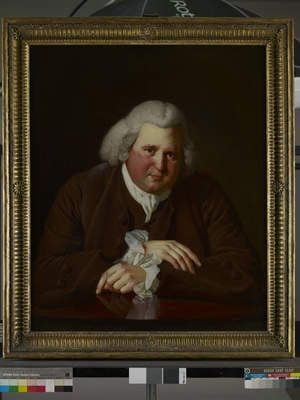 Erasmus Darwin1731–1802 · Physician, poet and Lunar Society memberLichfield physician, poet and founding spirit of the Lunar Society. He sent William Withering to Birmingham, tied the Darwins to the Galtons and Wedgwoods, and campaigned against the slave trade. Grandfather of Charles Darwin and Francis Galton.
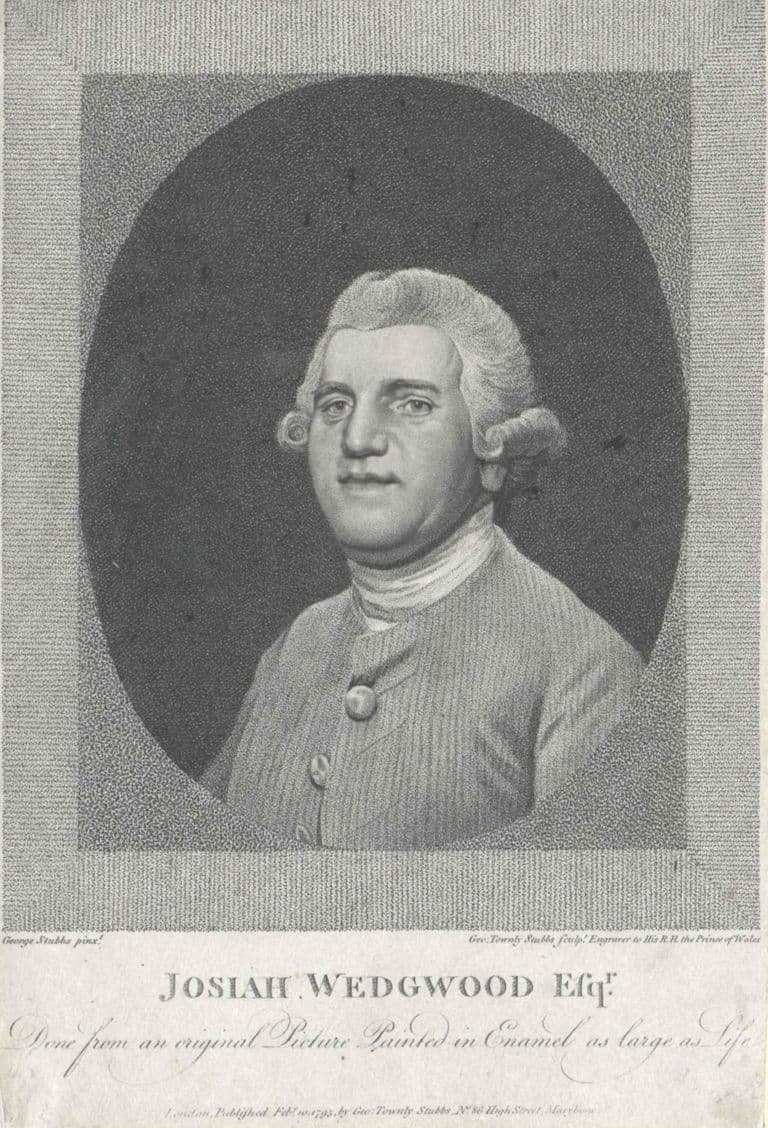 Josiah Wedgwood1730–1795 · Master potter, Lunar Society member and abolitionistThe Staffordshire potter was never a Birmingham resident, but he was part of the Lunar circle, helped pay for Priestley’s Birmingham laboratory and made the most famous image of the campaign against the slave trade.
Where they met
The Society met in members’ houses. These are the places linked with it.
 Soho HouseSurviving · c. 1757Matthew Boulton’s home from 1766 until his death in 1809, and the Lunar Society’s most regular meeting place. It survives, Grade II* listed, as a museum run by Birmingham Museums Trust.
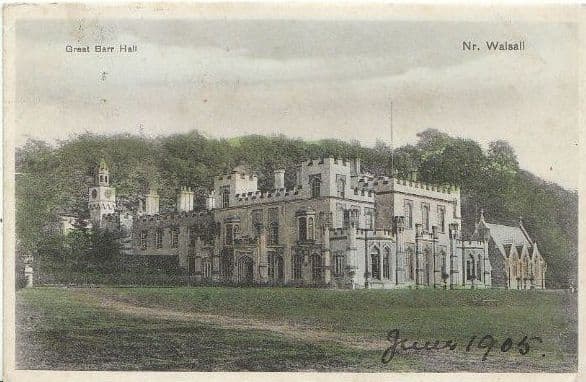 Great Barr HallPartly surviving, At risk · c. 1777A Gothick country house just north of Kingstanding, leased by the Quaker gun-maker Samuel Galton junior from 1785 to 1797, when the Lunar Society met there. Later a hospital, it is now a roofless shell on the Heritage at Risk Register.
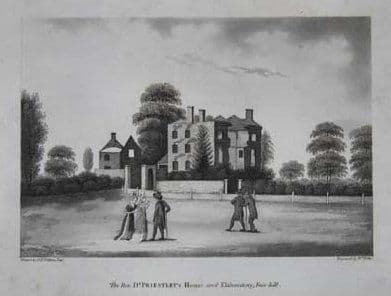 Fair HillLost, Site redeveloped · lost 1791Joseph Priestley’s house and laboratory in Sparkbrook from 1780 until rioters burnt it on 14 July 1791. Rebuilt as The Larches, where William Withering died and Francis Galton was born; demolished c.1871.
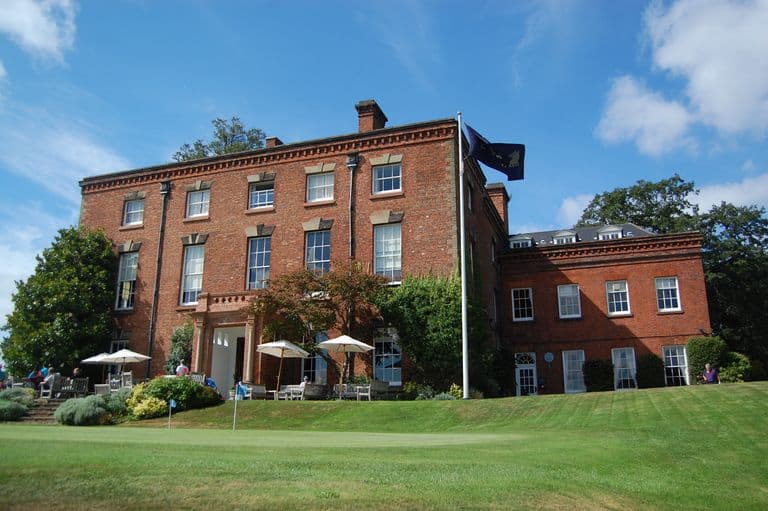 Edgbaston HallSurviving · 1717An early Georgian house of 1717, leased by the physician and botanist William Withering from 1786 to 1799. Rioters reached it in 1791 but troops saved it. Grade II listed, it has been Edgbaston Golf Club’s clubhouse since 1936.
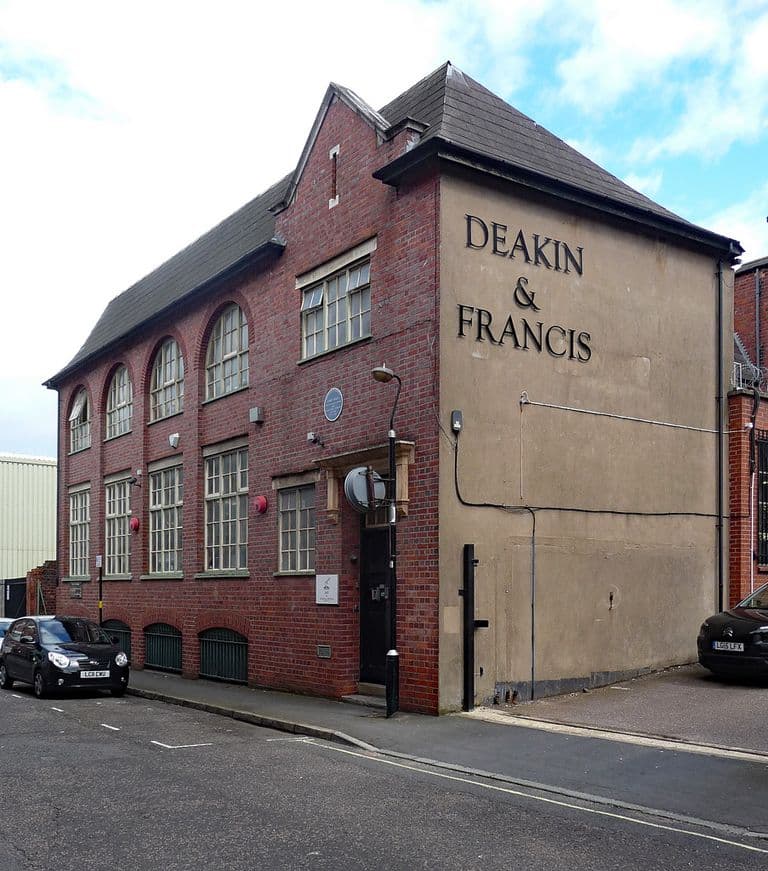 Watt’s house at Harper’s Hill (Regent Place)Lost, Partly survivingJames Watt’s Birmingham home from 1777 to 1790, at Harper’s Hill, now Regent Place in the Jewellery Quarter. The house is gone; a listed rear wing at 13A Regent Place is ‘perhaps’ its stabling, and a blue plaque is on 15–17 Regent Place.
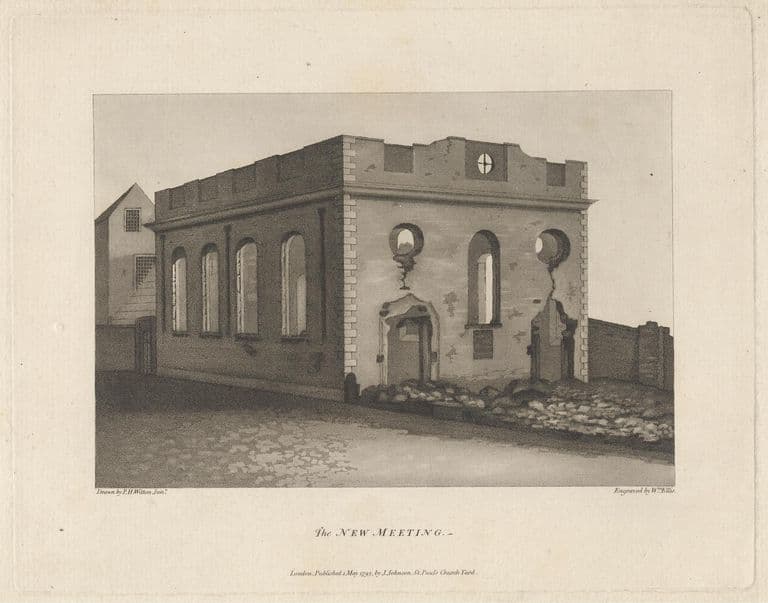 New Meeting HouseSurviving but altered · 1726–1791The Dissenting chapel in Moor Street where Joseph Priestley was minister from 1780. Burnt on the first night of the 1791 riots, it was rebuilt by 1803 and has been St Michael’s Catholic Church since 1862.
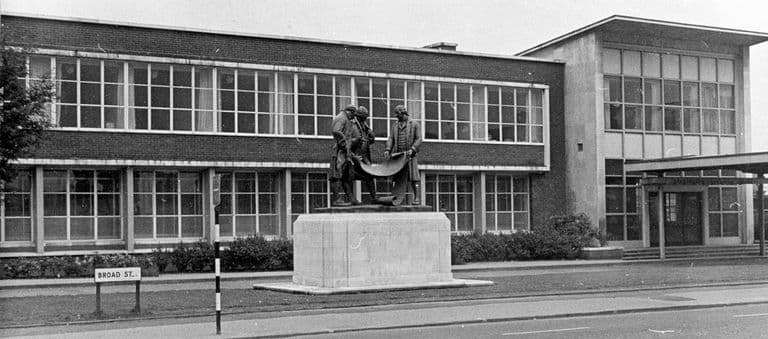 Boulton, Watt and Murdoch (“The Golden Boys”)Relocated · 1956William Bloye’s gilded bronze of Matthew Boulton, James Watt and William Murdoch poring over an engine drawing. Unveiled on Broad Street in 1956, stored during the tram works, it returned to Centenary Square on 29 April 2022.
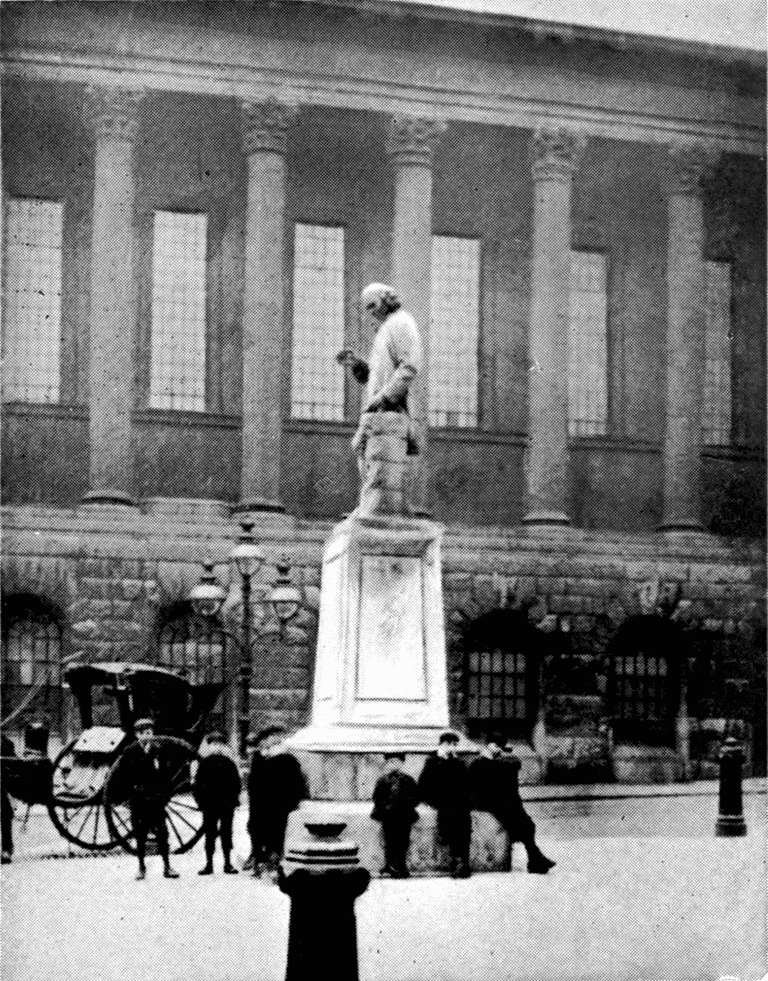 Statue of Joseph Priestley, Ratcliff PassageRelocated, Surviving but altered · 1874F. J. Williamson’s statue of Joseph Priestley was presented to Birmingham on 1 August 1874, a hundred years to the day after Priestley’s experiment that produced oxygen. Recast in bronze in 1951, it returned in July 2026 to Ratcliff Passage.
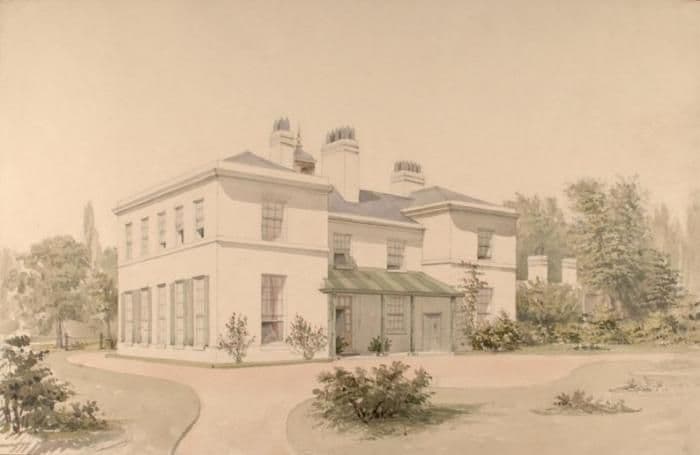 Heathfield HallLost, Site redeveloped · c. 1790–c. 1927James Watt’s home in Handsworth from 1790 until his death there in 1819, with his famous garret workshop. Demolished in 1927–28 and built over; its lodge on Radnor Road survives with a blue plaque.
On the map
9 places connected with the Lunar Society. Tap a number for directions — some sites are private homes or gardens, so each place’s page says what you can see from the street.

- Boulton, Watt and Murdoch (“The Golden Boys”) — Relocated · Directions to Boulton, Watt and Murdoch (“The Golden Boys”) (opens Google Maps)
- Statue of Joseph Priestley, Ratcliff Passage — Relocated, Surviving but altered · Directions to Statue of Joseph Priestley, Ratcliff Passage (opens Google Maps)
- New Meeting House — Surviving but altered · Directions to New Meeting House (opens Google Maps)
- Edgbaston Hall — Surviving · Directions to Edgbaston Hall (opens Google Maps)
- Fair Hill — Lost, Site redeveloped
- Great Barr Hall — Partly surviving, At risk · Directions to Great Barr Hall (opens Google Maps)
- Watt’s house at Harper’s Hill (Regent Place) — Lost, Partly surviving · Directions to Watt’s house at Harper’s Hill (Regent Place) (opens Google Maps)
- Heathfield Hall — Lost, Site redeveloped · Directions to Heathfield Hall (opens Google Maps)
- Soho House — Surviving · Directions to Soho House (opens Google Maps)
Key dates
- c. mid-1760s — The Lunar circle takes shapeMatthew Boulton, Erasmus Darwin, William Small and their friends begin meeting, writing and experimenting together. Benjamin Franklin introduces Small to Boulton in 1765. There is no single founding date; the Library of Birmingham says the group existed “from the 1750s”.
- 1766 — Boulton moves into Soho HouseMatthew and Ann Boulton move into Soho House, above the Manufactory. It becomes the favourite meeting place of the Lunar Society.
- 1775 — The Lunar Society starts meeting by the full moonAfter Dr William Small dies in 1775, his friends decide to meet monthly on the Sunday nearest the full moon, so they have light to ride home by. They dine at two and talk until at least eight.
- c. 1777 — Great Barr Hall remodelled in Gothick styleJoseph Scott began remodelling the old house at Great Barr in Gothick style. From 1785 it was let to Samuel Galton junior, and the Lunar Society met there.
- 1780 — Priestley settles at Fair HillJoseph Priestley moves to Fair Hill, Sparkbrook, in a house provided through his brother-in-law John Wilkinson. Within months he becomes minister of the New Meeting.
- 1785–1796 — The Lunar Society begins meeting at Great Barr HallSamuel Galton junior leases Great Barr Hall, just north of Kingstanding. According to Historic England, the Lunar Society “met occasionally at Great Barr between 1785 and 1796”.
- 1998 — The Lunar Society Moonstones are madeSteve Field designs carved sandstone memorials to the Lunar men, including Priestley, Withering, Galton, Darwin and Wedgwood. They stand at Queslett, on the edge of Kingstanding.
Share
Sources and further reading
- The Lunar Society — Archives of Soho — Library of Birmingham, Birmingham City Council. Ref. MS 3782/13/53/87; MS 3219/4/86/7
- The Lunar Society — Soho House highlights — Birmingham Museums Trust
- Memoirs of Dr. Joseph Priestley, to the year 1795, written by himself — Joseph Priestley, London, 1806. Birmingham section, 1787; continuation, 1795
- Copying press — Archives of Soho — Library of Birmingham, Birmingham City Council. Ref. MS 3219/4/127/6, /13; MS 3219/4/18/22; MS 3147/18/2
- Great Barr Hall — Register of Parks and Gardens entry 1001202 — Historic England. register text on Lunar meetings 1785–96
- Great Barr Hall and Chapel — National Heritage List for England entry 1076395 — Historic England
- The Life, Letters and Labours of Francis Galton, vol. 1 — Karl Pearson, Cambridge University Press, 1914. ch. 2
- Samuel Galton (1753–1832) — Science in the Making — The Royal Society. Ref. L&P/7/262
- William Withering — Science in the Making — The Royal Society. Ref. L&P/7/251
- Keir, James — Dictionary of National Biography, vol. 30 — Gordon Goodwin, Smith, Elder & Co., 1892
- Withering, William — Dictionary of National Biography, Smith, Elder & Co., 1885–1900. the 1791 riots
- The Priestley Riots and their Aftermath — Revolutionary Players (Malcolm Dick and Kate Iles), History West Midlands
- Open Plaques plaque 8363 (Lunar Society dining table, Soho House) — Open Plaques. dining table plaque
- Lunar Society Moonstones — Wikipedia. lead only
Explore next
Industries and subjects
- Industrial chemistryGlass, alkali, soap, white lead and new alloys: how James Keir, Joseph Priestley and their Lunar Society friends turned the new chemistry of gases and salts into science and into business in and around Birmingham.
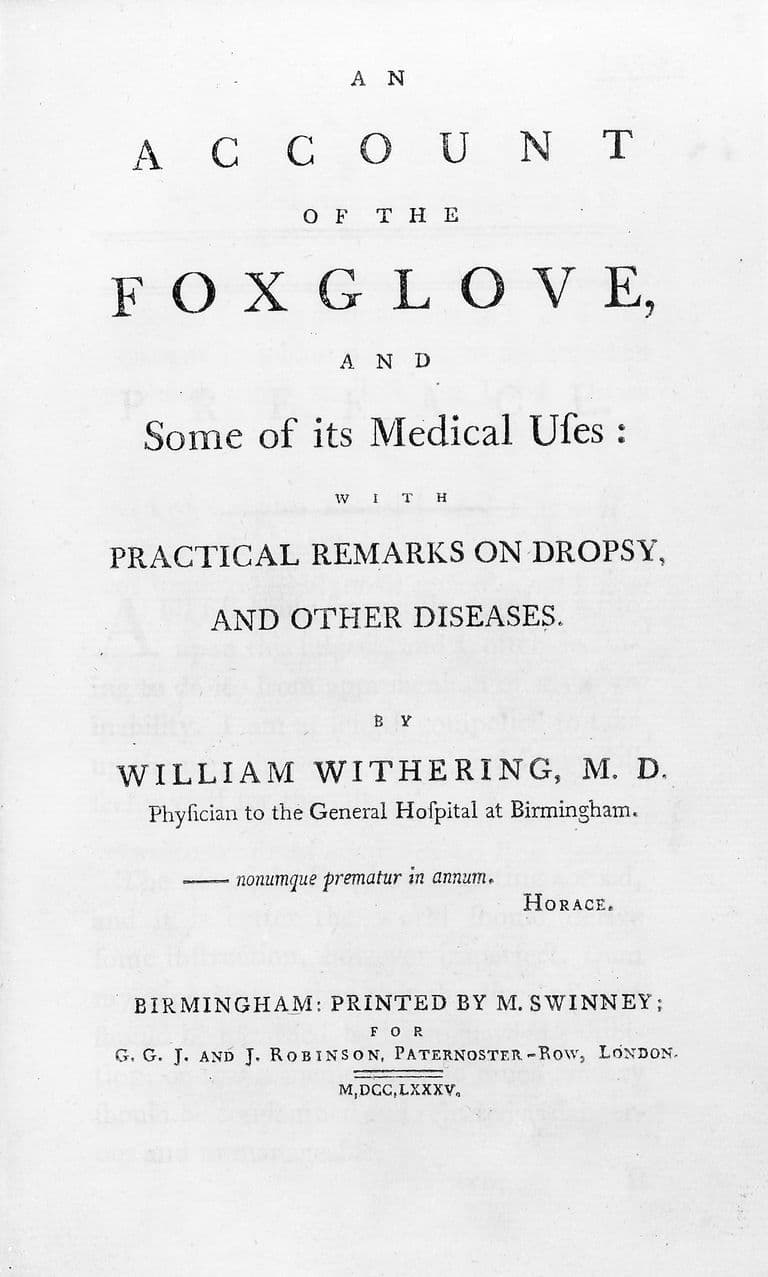 Medicine and botanyWilliam Withering, a Birmingham physician, counted his cases with care and turned a Shropshire family remedy into a medicine from the foxglove. Its active ingredient, digoxin, is still prescribed.
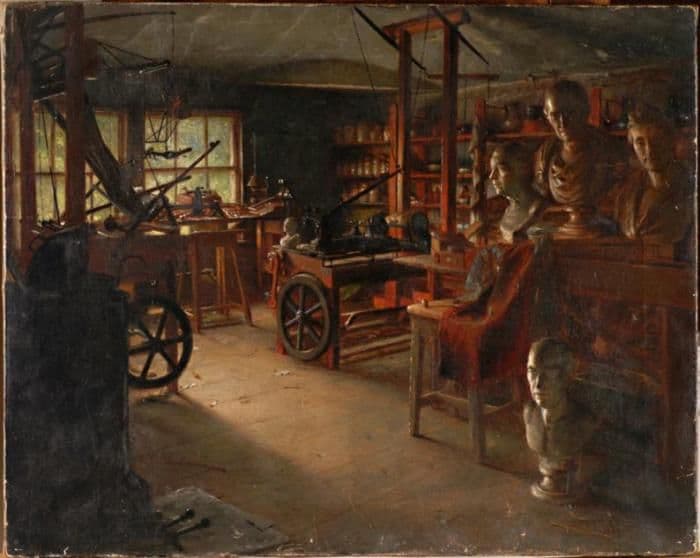 Steam powerHow James Watt’s separate condenser, Matthew Boulton’s factory and William Murdoch’s skill made the steam engine cheaper to run and able to drive machinery — and how Soho and Smethwick built engines for a century.
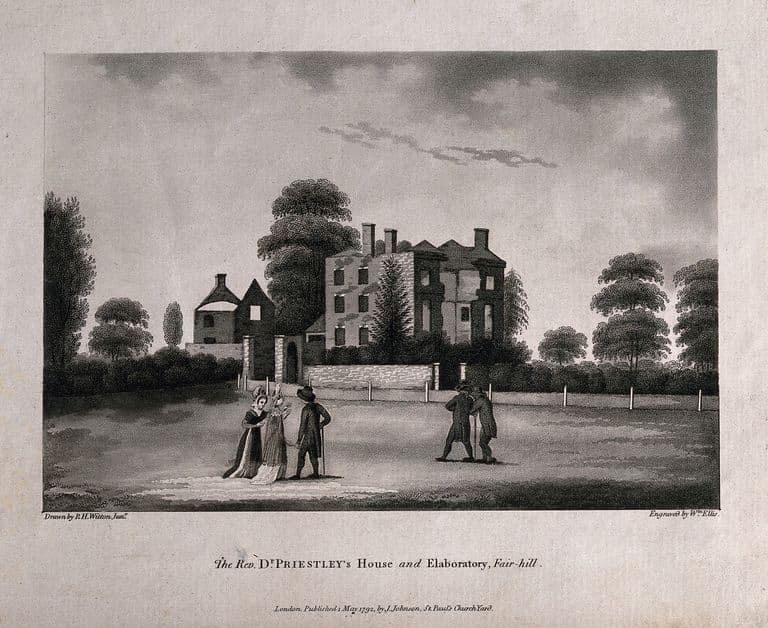 The Priestley RiotsIn July 1791 crowds in Birmingham burned Dissenters’ chapels and houses, starting with Joseph Priestley’s home and laboratory at Fair Hill. Priestley left the town and never returned.