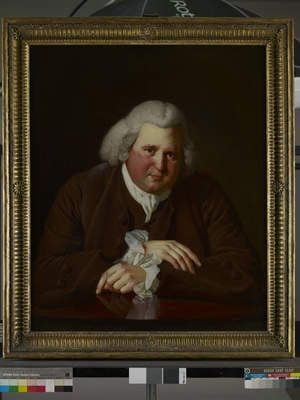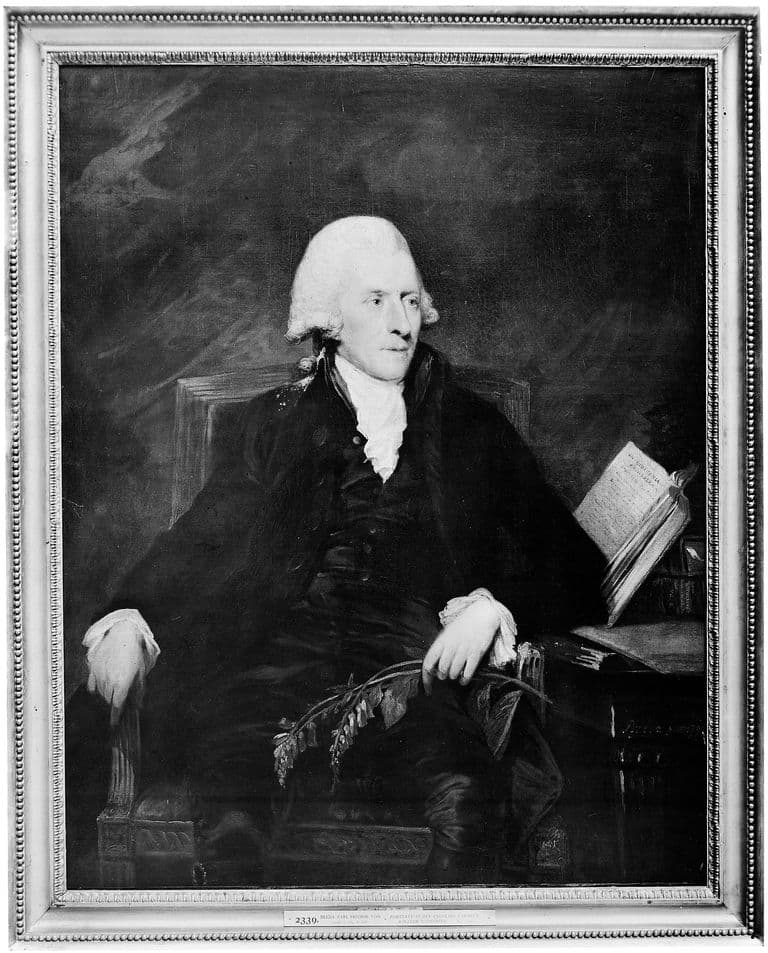
In 1775 a young doctor moved from Stafford to Birmingham. Erasmus Darwin had written to tell him a physician’s post was vacant. His name was William Withering.
Plants
Withering’s botany began with a patient. At Stafford he gathered plants for a patient, Helena Cookes, to draw, and they married in 1772. In 1776 he published *A Botanical Arrangement*, the first full account of British plants using Linnaeus’s system.
The foxglove
The same year he moved to Birmingham, he was asked about a family remedy for dropsy, a swelling caused by fluid building up in the body. In his own words, written in 1785: “I was told that it had long been kept a secret by an old woman in Shropshire”. The recipe had twenty or more herbs. Withering decided the active one “could be no other than the Foxglove”.
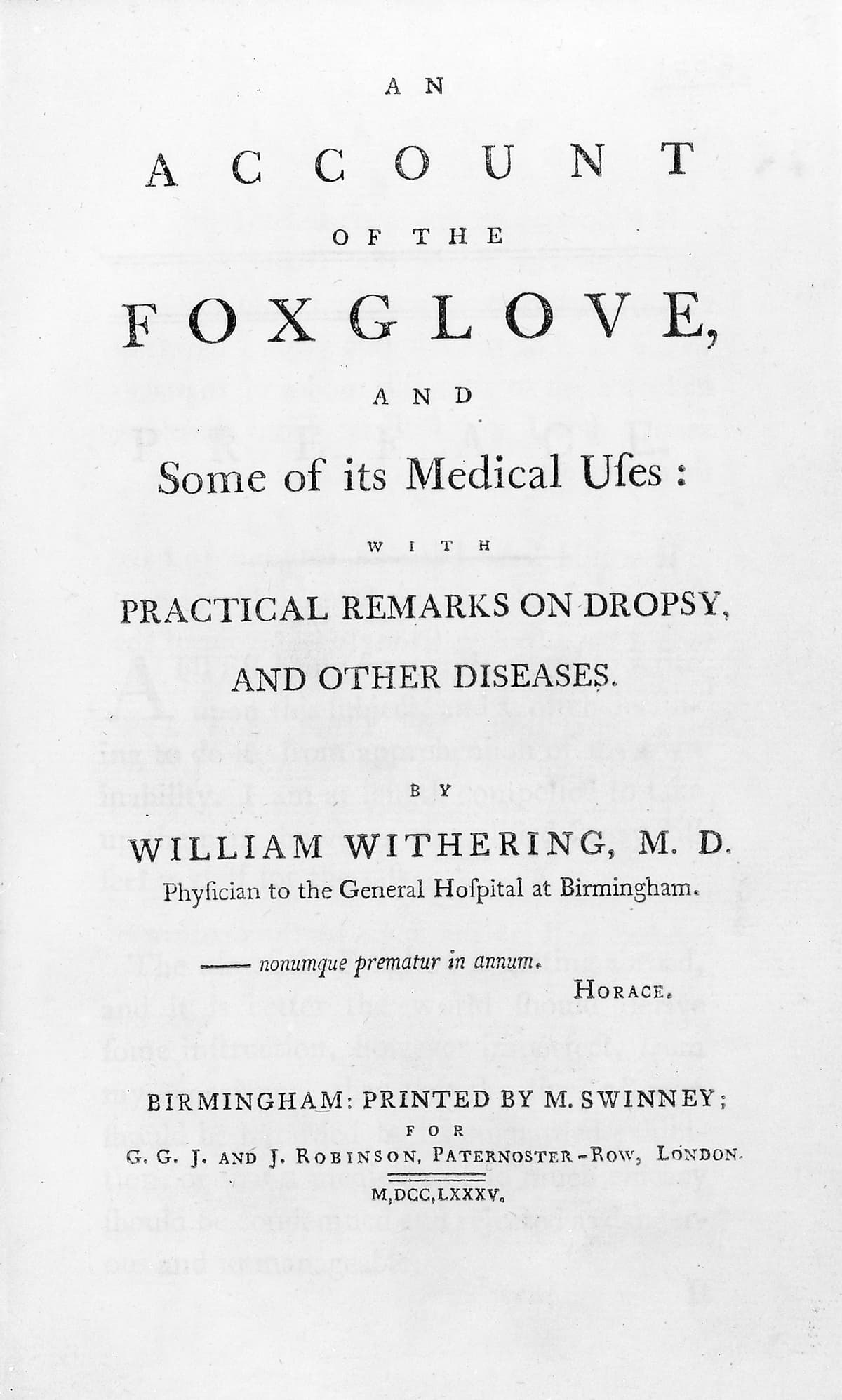
Then he did something that marks him out. He tested it, patiently, for ten years: different parts of the plant, different seasons, different doses. In 1785 he published *An Account of the Foxglove*, describing 163 cases with instructions on preparing it, how much to give and what side effects to watch for. Foxglove still gives us digoxin, a heart drug on the World Health Organization’s list of essential medicines.
In his own words, written in 1785: “I was told that it had long been kept a secret by an old woman in Shropshire”.
Beware one popular myth. The “Mother Hutton” who supposedly gave Withering the secret was invented for an advertisement in 1928. Withering only ever mentions “an old woman in Shropshire”.
A doctor for the town
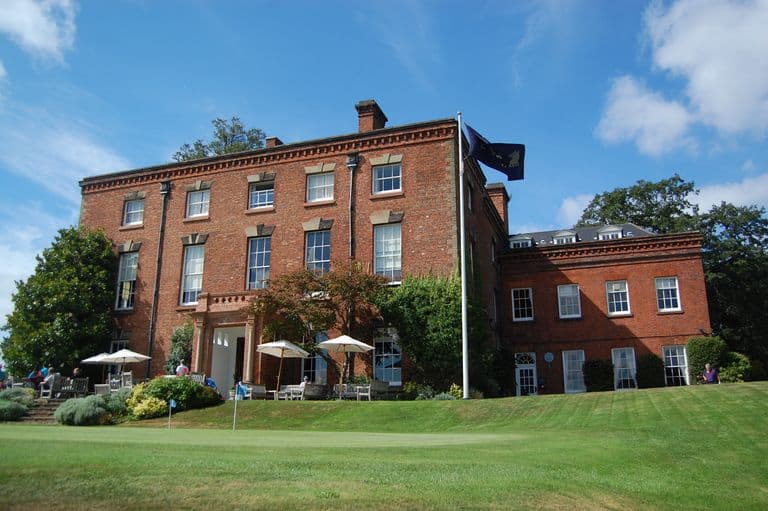
Withering ran a daily clinic for the poor and worked at Birmingham’s General Hospital from its opening in 1779. From 1786 he leased Edgbaston Hall, where he bred Newfoundland dogs and French cattle and paid plant collectors to help with a new edition of his botany. He was elected a Fellow of the Royal Society in 1785.
He died in 1799 and was buried at St Bartholomew’s, Edgbaston. His memorial there has a foxglove carved on one side and *Witheringia*, the plant named after him, on the other.
On the map
4 places connected with Medicine and botany. Tap a number for directions — some sites are private homes or gardens, so each place’s page says what you can see from the street.

- General Dispensary, Union Street (site) — Lost, Site redeveloped · Directions to General Dispensary, Union Street (site) (opens Google Maps)
- General Hospital, Summer Lane (site) — Lost, Site redeveloped · Directions to General Hospital, Summer Lane (site) (opens Google Maps)
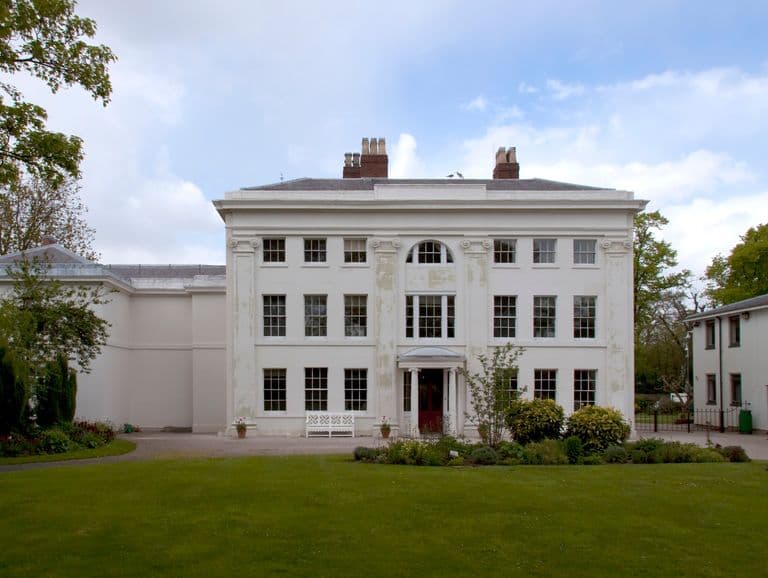
- Edgbaston Hall — Surviving · Directions to Edgbaston Hall (opens Google Maps)
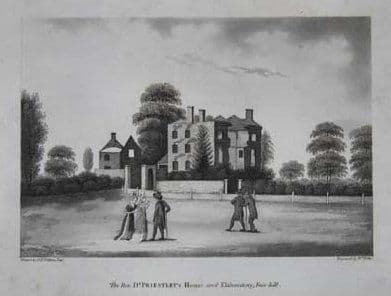
- Fair Hill — Lost, Site redeveloped
Key dates
- 1775 — Withering comes to BirminghamTold of a vacancy by Erasmus Darwin, the physician William Withering moves from Stafford to Birmingham. The same year he is asked about a Shropshire family’s secret cure for dropsy, which leads him to the foxglove.
- 1785 — Withering publishes An Account of the FoxgloveWithering’s book sets out 163 cases treated over ten years, with doses, preparation and side effects. It brings foxglove (digitalis) into medicine; its drug digoxin is still used for the heart.
- 1786 — Withering leases Edgbaston HallWithering takes a fourteen-year lease of Edgbaston Hall, where he breeds dogs and cattle, studies minerals and works on his botany.
- 6 October 1799 — Withering dies at The LarchesWilliam Withering dies at The Larches, Sparkbrook, the house rebuilt on the site of Priestley’s Fair Hill, eight days after moving in. He is buried at Edgbaston Old Church.
Sources and further reading
- An Account of the Foxglove, and some of its Medical Uses — William Withering, Birmingham/London, 1785
- William Withering — Library of Birmingham (The Iron Room blog), Library of Birmingham Archives & Collections, 2023
- Withering, William — Dictionary of National Biography, Smith, Elder & Co., 1885–1900
- William Withering — Science in the Making — The Royal Society. Ref. L&P/7/251
- William Withering (1741–1799), a biographical sketch of a Birmingham Lunatic — M. R. Lee, James Lind Library, 2005
- Mother Hutton — Wikipedia contributors, Wikipedia. lead only; backed by Krikler 1985